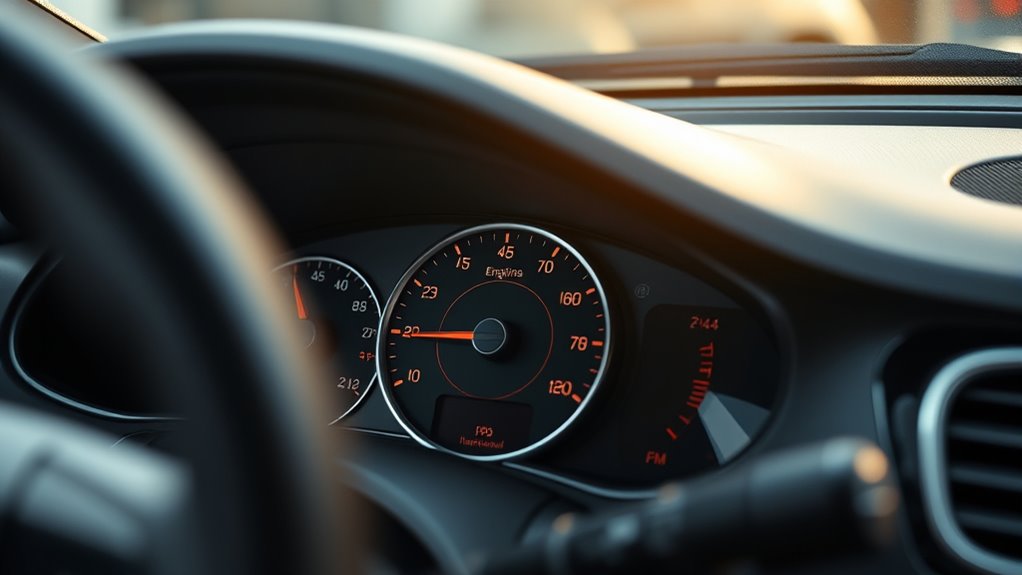
The normal engine operating temperature usually falls between 195°F and 220°F, or 90°C to 105°C. In steady driving, the gauge should sit near the middle, showing the cooling system is working as intended. Load, outside temperature, and A/C use can shift the reading slightly. When the needle stays above 220°F, the risk of overheating rises, and the cause may be deeper than it first appears.
What Is the Normal Engine Temperature?
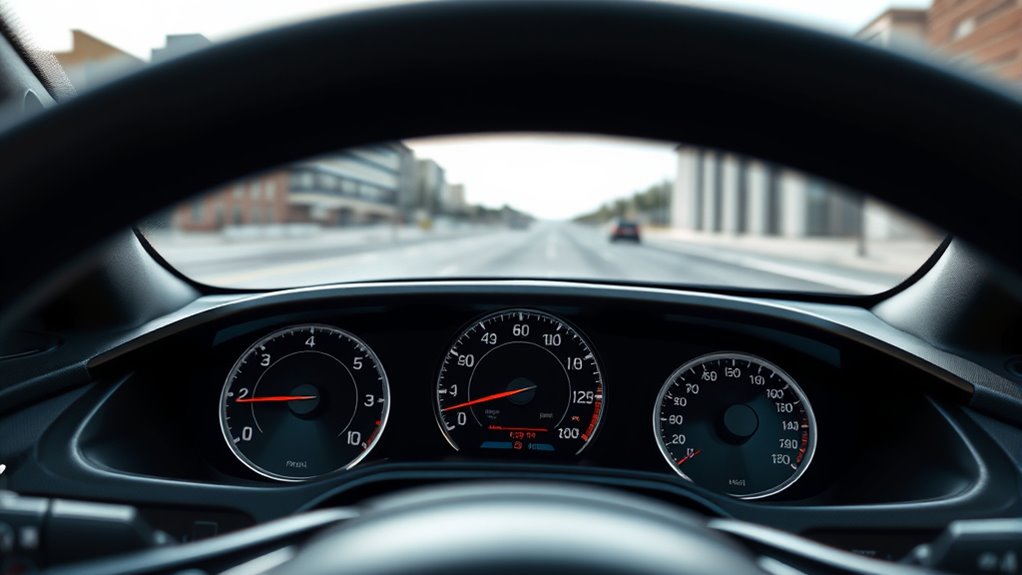
The normal operating temperature for most vehicles typically falls between 195°F and 220°F (90°C to 105°C), with the gauge needle ideally resting near the middle during steady driving. This normal operating temperature reflects efficient combustion, proper lubrication, and stable coolant flow.
The normal operating temperature for most vehicles falls between 195°F and 220°F, with the gauge near the middle during steady driving.
In many vehicles, digital displays report an exact coolant value, while analog gauges use cold and hot limits with the normal range centered between them. Small fluctuations are expected when air conditioning is used, when towing, or during prolonged idling. Those changes do not necessarily indicate failure.
However, sustained readings above 220°F warrant attention, because excess heat can stress the radiator, coolant, and engine components. Regular monitoring gives drivers practical control, reducing the risk of overheating, breakdowns, and expensive repairs.
A clear understanding of the normal operating temperature helps preserve vehicle health and supports confident, independent operation on the road.
Where Should the Temperature Gauge Sit?
Ideally, the temperature gauge should rest near the middle of the scale during normal driving, reflecting the typical operating range of about 195°F to 220°F. On an analog gauge, that midpoint indicates stable engine temperature, with the “C” end reserved for cold starts and the “H” end signaling excessive heat.
Modern digital displays may report the actual coolant temperature, which gives a more exact reading and supports informed monitoring. Small needle movements are acceptable because operating conditions are not fixed, yet the gauge should not remain elevated for long.
Sustained readings above 220°F merit attention, since they can precede overheating and mechanical damage. Regular observation of the gauge gives the operator practical control over engine temperature and helps protect the vehicle from avoidable stress.
For those who value independence, this simple habit provides early warning and preserves reliable operation.
What Changes Engine Temperature?
Engine temperature changes when coolant flow is restricted, since low coolant levels or circulation faults reduce heat transfer.
A thermostat or fan that does not operate correctly can also prevent adequate cooling, while stop-and-go traffic, heavy loads, and air-conditioning increase thermal demand.
Driving conditions consequently influence heat buildup directly, especially when airflow is limited.
Coolant Flow Problems
Several coolant flow problems can shift engine temperature outside the normal operating range of 195°F to 220°F. Low coolant levels reduce heat transfer, allowing coolant temperature to climb and the engine to run hot.
A malfunctioning water pump can weaken circulation, so heat is not carried away efficiently. Blocked radiator passages restrict flow and create localized overheating, which also lowers engine efficiency.
Air pockets in the cooling system interrupt circulation and cause unstable temperature changes. When a thermostat sticks closed, coolant cannot move through the system, and overheating can occur rapidly.
These faults do not merely raise temperature; they compromise reliable operation and limit mechanical freedom. Careful inspection of coolant level, circulation, and passages helps identify the source before damage spreads.
Thermostat And Fan
The thermostat governs engine temperature by regulating coolant flow, typically opening near 195°F so circulation begins at the engine’s normal operating range. This thermostat action preserves stable heat, preventing unnecessary friction and excess fuel use.
A thermostat that sticks closed can drive temperatures upward; one stuck open can keep the engine too cool, reducing efficiency and output. Electric or belt-driven fans usually engage near 200°F, drawing air through the radiator and restoring balance when natural airflow is limited.
In demanding applications, aftermarket cooling fans may improve heat rejection and support tighter control. Regular inspection of the thermostat and fan helps prevent sudden temperature swings, mechanical stress, and damage.
Reliable thermal control gives the engine disciplined freedom to operate without avoidable constraint.
Driving Conditions Matter
Thermostat and fan control set the baseline, but driving conditions determine how closely an engine stays to it.
In town, engine temperature usually settles between 195°F and 200°F, where repeated acceleration and light airflow keep heat management active.
On the highway, stronger ram air across the radiator can lower readings near 185°F, showing how motion grants cooling advantage.
By contrast, stop-and-go traffic, prolonged idling, air conditioning use, and towing increase thermal load while reducing airflow, pushing engine temperature above the normal range.
Sustained readings over 220°F are not trivial; they raise the likelihood of radiator stress, coolant breakdown, and serious mechanical damage.
Practical monitoring preserves freedom from avoidable failure and keeps operating conditions within safe margins.
Signs of an Overheating Engine
How can overheating be identified before engine damage occurs? A temperature gauge that stays above 220°F indicates an overheating engine and demands immediate attention. Steam from under the hood, often paired with a sweet coolant odor, is another direct warning. Dashboard alerts, especially the temperature warning light, must be treated as urgent signals. Sudden gauge swings can point to thermostat faults or coolant circulation problems.
| Sign | Meaning |
|---|---|
| Gauge above 220°F | Potential overheating |
| Steam under hood | Hot coolant escaping |
| Sweet odor | Coolant leak |
| Warning light | Immediate alert |
| Gauge fluctuation | System irregularity |
Regular monitoring keeps the operator informed and reduces the chance of costly repairs. Clear recognition of these signs supports mechanical self-reliance and helps preserve engine life through timely response.
Why Engines Overheat
Engines overheat when coolant levels drop below the required range, reducing the system’s ability to remove heat from the engine.
Faulty cooling components, including a stuck thermostat or a blocked radiator, can restrict coolant flow or heat dissipation and quickly raise operating temperature.
A broken head gasket can also cause internal coolant loss and combustion heat buildup, pushing the engine beyond its normal range.
Low Coolant Levels
Low coolant levels can quickly reduce a vehicle’s ability to dissipate heat, allowing engine temperature to rise beyond the normal 195°F to 220°F range.
When low coolant levels limit circulation, heat is not carried away efficiently, and hot spots can form inside the engine. That uneven heating increases the risk of warped components, blown head gaskets, and other damage that compromises reliable operation.
Because coolant loss may result from leaks or gradual evaporation, routine level checks remain essential. The dashboard temperature gauge provides an early warning when temperature begins to climb, giving drivers time to respond before failure develops.
Maintaining proper coolant volume preserves thermal control, supports engine longevity, and reduces dependence on expensive repairs.
Faulty Cooling Components
Faulty cooling components can quickly push engine temperature above the normal 195°F to 220°F range by interrupting heat transfer and coolant circulation. In a properly functioning cooling system, each part must move heat away efficiently. A stuck thermostat blocks flow, a worn water pump weakens circulation, and radiator clogs or leaks reduce dissipation. A failed cooling fan also limits airflow, especially at idle or low speed.
| Component | Failure mode | Effect |
|---|---|---|
| Thermostat | Stuck closed | Coolant cannot circulate |
| Water pump | Impeller or seal failure | Flow drops |
| Radiator/fan | Clog, leak, or no airflow | Heat removal weakens |
Low coolant levels worsen these faults by shrinking heat capacity. The result is rising temperature, reduced reliability, and avoidable mechanical strain.
Broken Head Gasket
A cooling system that is otherwise functioning can still overheat if the head gasket fails, because the gasket is supposed to seal the combustion chambers from the coolant passages and oil galleries.
With a broken head gasket, coolant may leak into the cylinders or mix with engine oil, lowering heat removal and reducing lubrication. Typical signs include white exhaust smoke, rising temperature, and a milky oil appearance.
Once overheating begins, the engine can suffer warped cylinder heads or a cracked block, turning a repair into a costly burden.
Regular temperature monitoring helps catch abnormal heat early. Maintaining correct coolant levels and verifying cooling-system performance reduce the risk of this failure and support mechanical reliability, giving drivers more control over engine health.
How Your Thermostat Affects Temp
The thermostat regulates engine temperature by controlling coolant flow, typically opening at about 192°F to keep the engine within its ideal operating range.
As a thermostat opens, hot coolant reaches the radiator, preventing uncontrolled heat buildup and stabilizing combustion conditions.
A 203°F thermostat, common in Gen 3 Hemis, supports emissions targets, yet it may hold temperatures higher than performance-minded drivers prefer.
Reducing the thermostat rating to 180°F can allow the engine to run cooler, which can improve efficiency and power output under load.
Failure mode matters as well: a thermostat stuck closed can drive temperature upward quickly, while one stuck open prolongs warm-up and can raise emissions.
For that reason, regular inspection of the thermostat remains a practical safeguard.
Its operation directly shapes how freely the cooling system manages temperature, and that control influences both durability and performance.
When Your Cooling System Needs Service
Even a properly selected thermostat cannot compensate for a cooling system that is losing capacity elsewhere. When service is needed, the engine temperature rises beyond the normal range, often signaled by a gauge reading above 220°F. At that point, the system may be operating outside safe limits, and continued driving can invite damage rather than freedom.
- Check coolant levels regularly; low coolant reduces heat transfer and can quickly trigger overheating.
- Inspect beneath the vehicle for sweet-smelling fluid, a practical sign of a coolant leak and possible system failure.
- Watch for steam, warning lights, or erratic gauge behavior; these indicators merit immediate diagnosis of the radiator, thermostat, and related hoses.
A radiator restriction, failed cap, or stuck thermostat can impair regulation even if the engine itself is healthy.
Service is not optional when warning signs appear; it is the direct path to preserving mechanical independence and preventing costly failure.
Frequently Asked Questions
Is 230 Degrees Too Hot for an Engine?
Yes, 230 degrees Fahrenheit is generally too hot for an engine. It exceeds the normal operating range and suggests overheating risk, especially without effective cooling solutions.
At that temperature, a technician would monitor coolant level, radiator flow, thermostat function, and fan operation. Sustained exposure can reduce efficiency, damage gaskets, and warp components.
Immediate corrective action supports reliable operation and preserves mechanical freedom from avoidable failure.
Is 225 Coolant Temperature Too High?
Yes, 225°F coolant temperature is generally too high for sustained operation.
A mechanic once watched a gauge creep like a fever chart, and the engine later needed repairs. For most systems, this exceeds the preferred range and suggests weak Coolant Management, a failing thermostat, low coolant, or restricted airflow.
Short spikes may happen, but repeated exposure warrants immediate attention. Pulling over, cooling down, and inspecting the system protects freedom from preventable damage.
What Is an Unsafe Engine Temperature?
An unsafe engine temperature is generally above 220°F (104°C), where Engine Overheating begins to threaten components and performance.
At 240°F (116°C), risk becomes critical, with possible head-gasket failure or warped aluminum parts. Persistent heat reduces horsepower and fuel efficiency.
Steam, warning lights, and a high gauge reading indicate immediate action is needed. The engine should be shut down and cooled before damage deepens.
Will 250 Degrees Damage an Engine?
Yes, 250 degrees can damage an engine. At that temperature, coolant margin collapses, metal stress rises, and head gaskets, aluminum heads, and block integrity are threatened.
Prolonged exposure can reduce horsepower and shorten engine longevity. Practical operation demands immediate shutdown, cooling-system inspection, and correction of airflow, thermostat, fan, or coolant faults.
Liberation from breakdown begins with disciplined temperature control and refusal to run beyond safe limits.
Conclusion
In normal operation, an engine should hover between 195°F and 220°F, with the gauge lingering near center—an admirably modest achievement for a machine that thinks it is a volcano. When temperatures climb past 220°F, the cooling system stops being decorative and starts becoming urgent. The thermostat, radiator, and coolant are not optional accessories; they are the quiet bureaucrats keeping combustion from turning into a theatrical failure.