When a car skids, the driver should stay calm, keep a firm grip on the wheel, and ease off the gas. If the rear slides, steer gently in the direction it is moving. If the front slides, stop steering until traction returns, then guide the car smoothly. With ABS, apply steady brake pressure rather than pumping. Smooth inputs and proper tires help prevent skids. More control techniques can make winter driving safer.
Key Takeaways
- Stay calm, ease off the gas, and avoid sudden steering or braking.
- Turn the steering wheel gently in the direction the skid is going.
- If the car has ABS, brake steadily; do not pump the brakes.
- If the wheels are sliding, shift to neutral or release the clutch to regain traction.
- Once control returns, straighten the wheel and accelerate smoothly.
What to Do When Your Car Skids
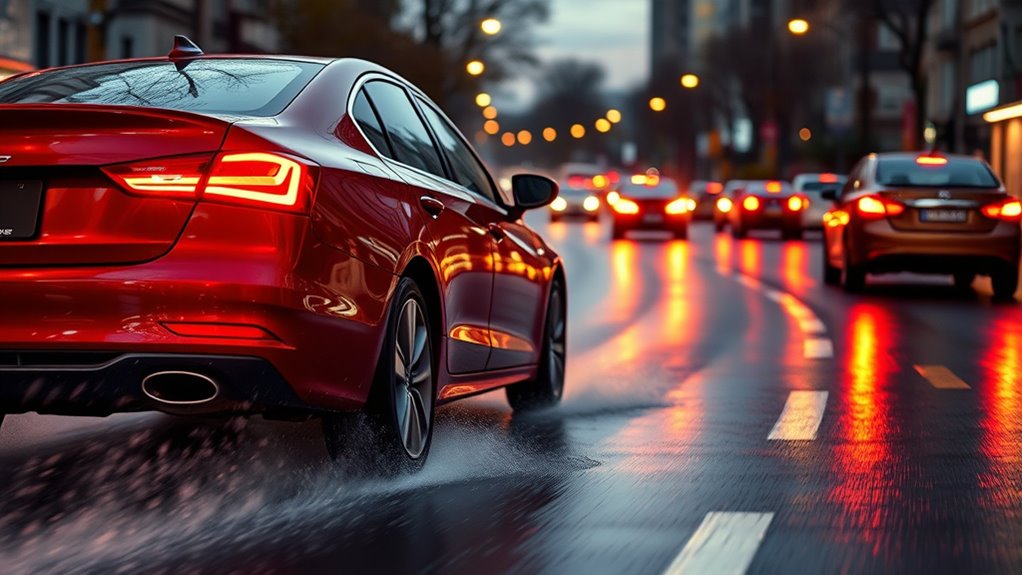
When a car begins to skid, the driver should stay calm and avoid sudden movements, since panic and overcorrection can make the situation worse.
The steering wheel should be held firmly, then turned gently in the direction the front wheels are meant to travel. If the front wheels lose traction, the driver should lift off the gas, shift to neutral, and let the car slow until grip returns.
Hold the wheel firmly, steer gently where the front wheels should go, and let traction return.
If the vehicle has ABS, steady brake pressure should be applied without pumping, while attention stays on steering control. If the rear wheels lose traction, small corrections may be needed to keep the vehicle aligned.
In every case, gradual inputs are more effective than abrupt ones. The goal is to preserve control, protect freedom of movement, and guide the car back onto a stable path.
Composure, patience, and precise action help the driver reclaim authority over the vehicle safely and efficiently.
Fix a Rear-Wheel Skid
To fix a rear-wheel skid, the driver should immediately lift off the accelerator to reduce speed and help the tires regain traction.
Then the driver should steer in the direction the rear end is sliding so the front wheels align with the path of travel. If the skid moves the other way, steering should be adjusted smoothly to match it, avoiding overcorrection and keeping control centered.
If the vehicle has a manual transmission, shift to neutral only if needed to reduce engine pull.
- Gentle steering helps the car settle.
- Avoid sharp inputs that can break traction further.
- With standard brakes, apply the brakes lightly and pump them; with ABS, apply steady pressure.
Each action should be calm and deliberate, giving the driver freedom from panic and restoring a stable line.
The goal is simple: regain balance, keep the vehicle pointed where it belongs, and let traction return before speed rises again.
Recover From a Front-Wheel Skid
A front-wheel skid calls for a different response than a rear-wheel slide. To recover from a front-wheel skid, the driver should lift off the gas and shift to neutral, or release the clutch in a manual, allowing the tires to slow and regain grip. No sudden steering input should be made while the wheels are still sliding. When traction returns, gentle steering in the desired direction helps the vehicle recover from a front-wheel skid and return to its line.
| Action | Purpose |
|---|---|
| Ease off power | Reduces wheel spin and helps traction return |
| Wait for grip | Prevents the slide from being made worse |
| Steer gently, then accelerate lightly | Restabilizes motion and preserves control |
Calmness matters. A steady mind supports disciplined control and protects the driver’s freedom to move safely. After the vehicle straightens, shift back to drive or release the clutch, then apply smooth acceleration.
Avoid Oversteering and Panic
Oversteering occurs when the rear wheels lose traction and the vehicle begins to rotate, so the correct response is to steer the front wheels in the direction of the skid rather than make abrupt corrections. The driver should keep movements smooth and gradual, because sharp inputs can intensify the slide and delay recovery. Calm breathing helps preserve focus, replacing panic with deliberate action and a steady mind.
- Turn gently into the skid, then ease off as control returns.
- Breathe slowly to stay composed and avoid fear-driven overcorrection.
- Check the owners manual to understand vehicle dynamics and weight transfer.
A controlled pace also supports stability; on icy roads, keeping speed below 45 mph reduces the chance of losing traction.
Awareness of how the wheels respond under shifting load gives the driver more freedom to act confidently. The aim is not force, but measured correction.
Winter Habits That Prevent Skids
Skid control becomes easier when winter driving habits reduce the chance of losing traction in the first place. A driver should keep speed at 45 mph (70 km/h) or less on icy roads, giving more time to correct direction if the wheels skid.
Tires must be properly inflated and have adequate tread depth, because grip is freedom on slick pavement. Steering should remain smooth and gradual; abrupt inputs can unsettle the vehicle and trigger a slide.
Visibility matters as well, so snow and ice should be cleared from the windshield and mirrors before travel, allowing hazards to be seen early. Braking knowledge is equally important, especially with ABS, because confident use of the system supports control during sudden stops.
Four-wheel drive can improve movement, but it does not cancel physics. Safe habits preserve choice, reduce surprise, and help the driver keep command when winter roads become demanding and unpredictable.
Frequently Asked Questions
How to Handle Skidding in a Car?
He eases off the accelerator, applies proper braking techniques, and maintains steering control toward the intended path. He adapts to road conditions, stays calm, and avoids abrupt inputs, letting traction return before correcting further.
What Is the 30-60-90 Rule for Cars?
The 30-60-90 rule advises tire checks every 30 days, rotations every 60 days, and replacement around 90 days or tread limits. It improves braking techniques, traction control, and safety across changing road conditions.
What Is the 1/2/3 Rule in Driving?
It is a guiding lantern: the 1/2/3 rule means keeping three seconds behind another vehicle. Drivers count one thousand one, two, three past a marker, adjusting for road conditions, braking techniques, and tire maintenance.
What Is the Most Important Car Control to Use in a Skid?
Steering is the most important car control in a skid. Proper steering methods guide the vehicle back to traction, supporting skid recovery; braking techniques should be used cautiously, if at all, depending on skid type.
Conclusion
To sum up, skid recovery depends on calm, deliberate action. The driver should steer into the skid, ease off the accelerator, and avoid abrupt braking or overcorrection. Front-wheel and rear-wheel skids require different responses, but both demand steady hands and quick judgment. As the old adage goes, “An ounce of prevention is worth a pound of cure.” With winter-ready tires, slower speeds, and careful habits, most skids can be avoided before they begin.