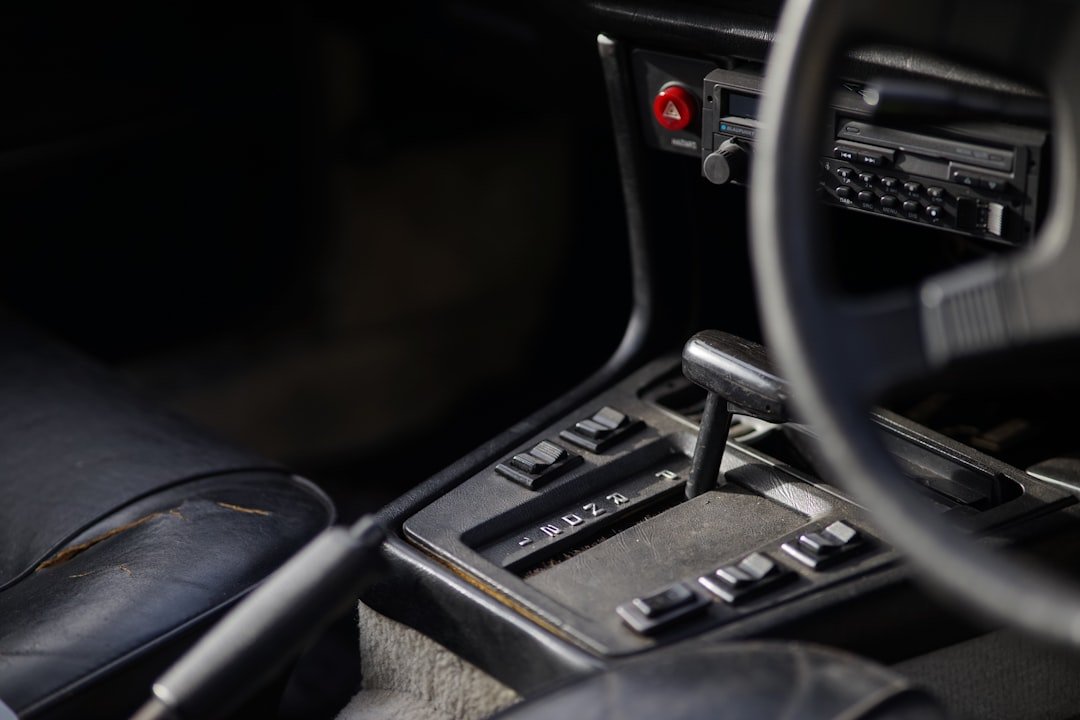
Driving a manual transmission car gives you direct control over the engine, clutch, and gears. It can feel awkward at first because your feet and hands must work together, but the process becomes much easier once you understand the basic steps. This guide explains clutch control, smooth shifting, downshifting, hill starts, common problems, and simple maintenance habits that help you drive a stick shift with more confidence.
Quick Answer
To drive a manual transmission car, press the clutch, shift into the right gear, gently release the clutch to the bite point, and add light throttle. Smooth driving comes from steady clutch control, proper gear timing, safe downshifting, and practice in low-traffic areas before moving to hills or busy roads.
Key Takeaways
- Understanding the basics of manual transmission helps you control a stick shift vehicle with less stress.
- Learning clutch control is the foundation for smooth starts, clean gear changes, and fewer stalls.
- Perfecting your gear shifting technique requires timing, coordination, and awareness of engine speed.
- Mastering downshifting and rev matching can improve control while reducing stress on the transmission.
- Fine-tuning your driving skills helps you handle hills, traffic, and everyday driving more safely.
At a Glance
| Time Required | Several practice sessions; most beginners need repeated low-speed practice before traffic driving feels natural. |
| Difficulty | Beginner to moderate, depending on clutch sensitivity, hills, and traffic conditions. |
| Tools Needed | A manual transmission car, a quiet practice area, proper shoes, and a licensed supervising driver if required. |
| Cost | Usually free if you already have access to a manual car; professional lessons may cost extra. |
Understanding the Basics of Manual Transmission
Manual transmission, often referred to as a stick shift, is a type of vehicle transmission that requires the driver to manually select the gears. This system operates through a series of gears and a clutch mechanism, allowing for greater control over the vehicle’s power and speed.
Unlike automatic transmissions, which shift gears on their own based on speed and engine load, manual transmissions require the driver to engage and disengage the clutch while shifting gears. This fundamental difference affects how the vehicle operates and also changes the driving experience. Many drivers enjoy the more engaged and interactive feel.
The basic components of a manual transmission include the gear lever, clutch pedal, and the transmission itself. The gear lever allows the driver to select different gears, while the clutch pedal disengages the engine from the wheels so the driver can change gears smoothly.
Understanding how these components work together is crucial for anyone looking to master driving a manual vehicle. The driver must coordinate actions between the clutch and gear lever, which can initially seem daunting but becomes second nature with practice.
The layout of gears in a manual transmission usually follows a fixed shift pattern. First gear is used for starting from a stop, while higher gears allow the car to travel faster at lower engine speed.
Learning the Clutch Control
Clutch control is one of the most critical skills when it comes to driving a manual transmission vehicle. The clutch pedal is located to the left of the brake pedal and is essential for engaging and disengaging the engine from the wheels.
To start mastering clutch control, drivers must learn to find the “bite point.” This is the point where the clutch begins to engage and transfer power from the engine to the wheels. This point varies from vehicle to vehicle, so drivers should become familiar with their specific car.
Practicing clutch control involves starting from a complete stop and gradually releasing the clutch while applying light throttle. A common exercise is to practice starting on flat ground, where the driver can focus only on finding that bite point without worrying about rolling backward or stalling.
As drivers become more comfortable, they can practice in different scenarios, such as starting on inclines or moving slowly in traffic. Mastering clutch control helps prevent stalling and improves overall driving smoothness, making the experience behind the wheel more enjoyable.
Warning: Practice in a safe, open area before driving in traffic. Avoid learning on steep hills, crowded streets, or tight parking areas until you can start, stop, and shift smoothly.
Perfecting the Gear Shifting Technique

Once drivers have a solid grasp of clutch control, they can move on to perfecting their gear-shifting technique. Shifting gears in a manual transmission involves a combination of pressing the clutch pedal, moving the gear lever into the desired position, and smoothly releasing the clutch while applying throttle.
The timing and coordination of these actions are crucial. Improper shifting can lead to jerky movements or even damage to the transmission.
To shift gears effectively, drivers should practice smooth transitions between gears. For instance, when shifting from first to second gear, fully depress the clutch pedal before moving the gear lever. After selecting second gear, gradually release the clutch while increasing throttle input.
This technique helps maintain momentum and prevents stalling. Drivers should also be aware of engine RPMs, or revolutions per minute, as they shift. Shifting at appropriate RPMs helps keep the engine within a useful power range, giving the car better acceleration and smoother performance.
Pro Tip: Keep your movements calm and deliberate. Do not rush the gear lever. A clean shift is more important than a fast shift when you are learning.
Choosing the Right Gear for the Situation
Good manual driving is not only about moving the gear lever. It also requires choosing the right gear for your speed, road grade, and traffic situation. First gear is mainly for moving off from a stop. Second gear helps with slow turns, parking lots, and low-speed traffic. Higher gears are used as speed increases.
Using too high a gear at low speed can make the engine struggle, shake, or feel weak. Using too low a gear at high speed can make the engine rev too much. The goal is to keep the engine smooth, responsive, and controlled without forcing it to work outside a comfortable range.
Drivers should listen to the engine and feel how the car responds. If the engine sounds strained or the car hesitates, a lower gear may be needed. If the engine sounds too loud and the car no longer needs strong acceleration, an upshift may be the better choice.
Mastering Downshifting and Rev Matching
| Technique | Benefits |
|---|---|
| Mastering Downshifting | Smooth transition to lower gears, better vehicle control, and reduced reliance on brakes |
| Rev Matching | Prevents jerky movements, creates smoother downshifts, and reduces stress on transmission components |
Downshifting is an essential skill in manual driving that allows drivers to reduce speed while maintaining control over their vehicle. It involves shifting from a higher gear to a lower gear, which can be particularly useful when approaching a turn, climbing a hill, or needing more power to accelerate.
However, downshifting requires careful coordination between the clutch and throttle to avoid unsettling the vehicle’s balance. If the clutch is released too quickly after a downshift, the car may jerk forward or slow suddenly.
Rev matching is a technique often used during downshifting. It involves increasing engine RPMs to better match the speed of the wheels in the lower gear. This process helps prevent jerky movements and creates a smoother transition between gears.
To practice rev matching, drivers should first downshift by pressing the clutch and moving the gear lever into a lower gear. As they do this, they should give a slight blip of throttle to raise engine RPMs before releasing the clutch. This technique not only enhances driving smoothness but also reduces wear on the transmission components.
Note: Rev matching takes practice. Start slowly and focus on smoothness before trying it in traffic, on hills, or while turning.
Fine-tuning Your Driving Skills
As drivers become more proficient in operating a manual transmission vehicle, they can begin fine-tuning their overall driving skills. This includes developing an awareness of road conditions, traffic patterns, and how these factors influence gear selection and driving behavior.
For instance, understanding when to shift gears based on incline or decline can significantly affect fuel efficiency and engine performance. A gentle uphill road may require a lower gear to keep the engine from struggling. A downhill road may call for controlled engine braking instead of constant brake pedal pressure.
Practicing defensive driving techniques is also crucial for manual drivers. Being aware of surrounding vehicles and anticipating their movements can help prevent accidents and improve overall safety on the road.
Drivers should also focus on maintaining a steady speed and smooth acceleration and deceleration. Proper gear selection and throttle control make this easier. By honing these skills, drivers can improve their confidence behind the wheel and enjoy a more engaging driving experience.
Navigating Hills and Inclines

Driving on hills and inclines presents unique challenges for manual transmission drivers. When approaching an uphill slope, it is essential to select an appropriate gear that provides enough power without over-revving the engine.
Starting on an incline requires precise clutch control to prevent rolling backward. Many drivers find it helpful to use the handbrake as an additional aid during this process.
A controlled hill start depends on three actions working together: holding the car still, finding the clutch bite point, and adding enough throttle to move forward without rolling back.
To start on an incline, drivers should engage the handbrake while pressing down on the clutch pedal and shifting into first gear. As they begin to release the clutch to find the bite point, they can gradually release the handbrake while applying throttle.
This technique allows for a smooth start without rolling back down the hill. Conversely, when descending hills, it is advisable to downshift to lower gears to use engine braking rather than relying only on the brakes. Constant braking on long descents can cause heat buildup and reduced braking effectiveness.
Warning: Never coast downhill in neutral. You lose the benefit of engine braking, and the car may feel harder to control during sudden traffic changes.
Driving a Manual in Traffic
Traffic can be one of the hardest situations for new manual drivers. Stop-and-go movement forces you to use the clutch often, and repeated low-speed starts can feel tiring. The key is to stay patient and leave enough space ahead so you do not need to start and stop every few seconds.
In slow traffic, first gear may be needed for very low speeds, while second gear may work once the car is already rolling. Avoid resting your foot on the clutch pedal while moving. This habit, often called riding the clutch, can increase wear on clutch components over time.
When traffic stops, shift to neutral and release the clutch if you expect to wait more than a moment. Keep your right foot on the brake, stay aware of the cars around you, and shift back into first gear only when it is time to move again.
Common Beginner Mistakes to Avoid
Beginners often make the same mistakes when learning how to drive a manual transmission car. Stalling is common, but it usually improves with practice. A stall often happens because the clutch is released too quickly or the driver does not add enough throttle.
Another common mistake is staring at the gear lever while shifting. This takes attention away from the road. Learn the shift pattern while parked, then practice changing gears by feel so your eyes can stay up while driving.
Drivers should also avoid forcing the gear lever into place. If a shift feels difficult, press the clutch fully, pause, and try again with a smooth movement. Forcing the lever can make shifting rough and may cause unnecessary wear.
- Do not rest your hand on the gear lever while cruising.
- Do not hold the car on a hill using the clutch instead of the brake.
- Do not release the clutch suddenly after each shift.
- Do not shift into reverse while the car is still moving forward.
- Do not ignore grinding, burning smells, or sudden changes in clutch feel.
Troubleshooting Common Manual Transmission Issues
Despite their engaging nature, manual transmissions can present various challenges that drivers may need to troubleshoot over time. One common issue is difficulty shifting gears, which can stem from several factors such as low transmission fluid levels or worn-out clutch components.
If a driver experiences grinding noises or resistance when shifting, it may indicate that the clutch is not fully disengaging or that there are issues with synchronizers inside the transmission. Occasional rough shifts may happen during learning, but repeated grinding should not be ignored.
Another frequent problem is stalling when starting from a stop or during low-speed maneuvers. This often occurs because of improper clutch control or insufficient throttle application during gear changes. Drivers should take note of their habits and practice finding the bite point more effectively to minimize stalling incidents.
A burning smell can also be a warning sign. It may occur when the clutch slips too much, especially during hill starts or slow maneuvers. Regular maintenance checks can help identify potential issues before they grow into more serious and expensive problems.
Tips for Maintaining Your Manual Transmission Vehicle
Proper maintenance is key to ensuring that a manual transmission vehicle operates smoothly over time. Regularly checking transmission fluid levels is essential because low fluid can lead to increased wear on internal components and affect shifting performance.
Drivers should consult the vehicle owner’s manual for specific recommendations regarding fluid type and change intervals. Different vehicles may use different transmission fluids, so guessing can lead to poor performance or damage.
In addition to fluid checks, drivers should pay attention to their driving habits because they can significantly affect transmission longevity. Avoiding aggressive starts and excessive revving can help reduce wear on both the clutch and transmission components.
Practicing smooth shifts and maintaining proper RPMs during gear changes will also support overall vehicle health. By adopting these maintenance practices and being mindful of driving techniques, manual transmission owners can enjoy a reliable and engaging driving experience for years to come.
If you’re looking to enhance your outdoor dining experience, you may want to check out this article on the 5 Top Mosquito Repellents for Outdoor Dining. Just like mastering the skill of driving a manual transmission car, having the right mosquito repellent can make a significant difference in your overall enjoyment. So, whether you’re learning how to shift gears or trying to keep those pesky bugs at bay, these articles offer useful insights to help you make the most of your experiences.
Related Guides
Frequently Asked Questions
What is a manual transmission car?
A manual transmission car, also known as a stick shift, requires the driver to manually shift gears using a clutch pedal and gear stick. The driver controls when power is disconnected and reconnected during each gear change.
How do you drive a manual transmission car?
To drive a manual transmission car, press the clutch pedal, shift the gear stick into the appropriate gear, release the clutch pedal smoothly while giving light gas, and continue shifting gears as speed changes.
What are the benefits of driving a manual transmission car?
Some benefits of driving a manual transmission car include better control over gear selection, a more engaging driving experience, and improved awareness of how the vehicle responds to speed, throttle, and road conditions.
What are the challenges of driving a manual transmission car?
Challenges of driving a manual transmission car include coordinating the clutch, gear stick, brake, and gas pedal. Beginners may also stall, roll backward on hills, or shift roughly until they gain more practice.
Can anyone learn to drive a manual transmission car?
Yes, most people can learn to drive a manual transmission car with practice and patience. It may take time to become comfortable with the coordination required, but steady practice in a safe area makes the process easier.
Why does a manual car stall?
A manual car usually stalls when the clutch is released too quickly or the engine does not get enough throttle while moving from a stop. Learning the bite point helps reduce stalling.
Is it bad to rest your foot on the clutch?
Yes, resting your foot on the clutch can cause unnecessary clutch wear. Keep your foot off the clutch pedal unless you are starting, stopping, or changing gears.
Sources
- Car and Driver — manual transmission basics and driving overview.