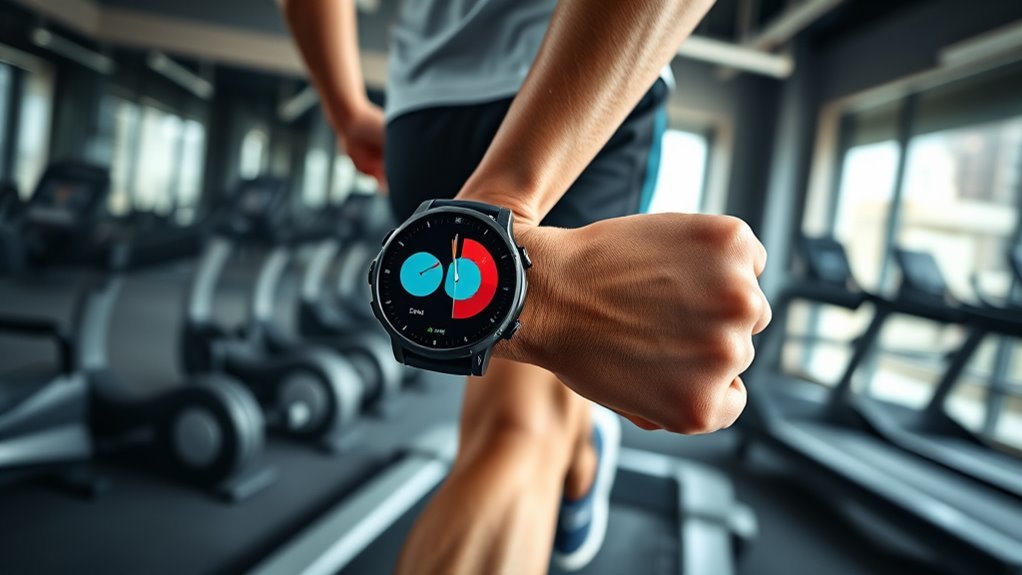
Garmin Training Effect is a 0.0 to 5.0 score that estimates how much a workout stresses the aerobic and anaerobic energy systems. Aerobic Training Effect reflects endurance adaptation from sustained heart-rate load and EPOC, while anaerobic Training Effect measures brief, hard efforts that drive power gains. Scores below 1.0 show little benefit, and scores above 3.0 indicate meaningful stimulus. Accuracy depends on heart-rate settings, workout type, and sensor quality, with more detail available below.
Key Takeaways
- Garmin Training Effect scores workout impact from 0.0 to 5.0 using heart rate, intensity, and estimated EPOC.
- Aerobic Training Effect measures endurance adaptation, with 3.0+ indicating meaningful cardiovascular improvement.
- Anaerobic Training Effect measures short, intense efforts, with 3.0+ showing significant gains in anaerobic capacity.
- Scores below 1.0 mean little training benefit, while 2.0 to 2.9 usually indicate maintenance.
- Accuracy depends on correct heart rate settings and reliable heart rate data, especially during intervals.
What Garmin Training Effect Means
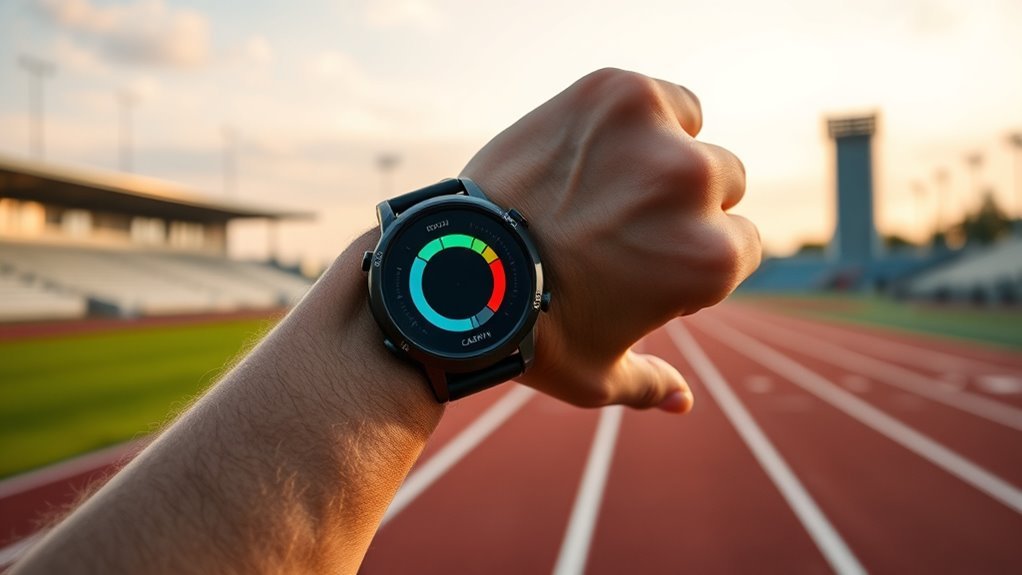
Garmin Training Effect is expressed through two distinct scores: aerobic training effect (ATE) and anaerobic training effect (AnTE), each ranging from 0.0 to 5.0 and used to quantify the physiological impact of a workout on endurance and power systems.
Garmin derives these values from heart rate behavior, workout intensity, and estimated EPOC, converting raw effort into actionable data. ATE reflects oxygen-based adaptation, supporting cardiovascular fitness, fat utilization, and steady endurance capacity.
AnTE captures short, hard anaerobic work that stresses the glycolytic system and elevates high-intensity performance. Scores near 0.0 to 0.9 indicate little stimulus, while 4.0 to 4.9 signals a strong training load.
What Garmin Training Effect Scores Mean
Training Effect scores run from 0.0 to 5.0, with values below 1.0 indicating little to no training benefit and scores of 3.0 or higher signaling meaningful adaptation and a substantial stimulus.
In Garmin Training Effect, these training scores quantify the physiological cost and payoff of a session. The aerobic training effect estimates endurance-oriented adaptation, linking workout intensity, duration, and recovery time to aerobic fitness improvement. Higher aerobic values generally imply stronger stamina development and greater capacity to use fat and oxygen efficiently.
The anaerobic training effect evaluates brief, demanding efforts that stress glycolytic and phosphocreatine systems, indicating gains in anaerobic capacity, sprint power, and explosive output.
How to Read Aerobic Training Effect
Aerobic Training Effect (ATE) is read on a 0.0 to 5.0 scale, where higher values indicate a stronger stimulus for aerobic fitness and endurance capacity.
On Garmin’s training effect feature, values near 2.0 to 2.9 typically indicate maintenance of current fitness level, while 3.0 to 4.9 signal measurable improvements and a robust aerobic stimulus.
The score rises with sustained efforts, especially moderate workout intensity maintained long enough to elevate heart rate and increase EPOC, the recovery cost that reflects adaptation.
Longer sessions usually produce larger ATE because they support fat utilization and expand VO2 max-linked endurance capacity.
Low scores often appear after short workouts or long rest intervals, when the aerobic demand is too brief to drive adaptation.
For a user seeking liberation through performance data, the metric offers a clear, evidence-based readout of how each session is shaping aerobic fitness, without implying gains in anaerobic capacity or other separate training dimensions.
How to Read Anaerobic Training Effect
How should anaerobic workload be read on Garmin’s scale? The Anaerobic training effect on a Garmin watch ranges from 0.0 to 5.0 and estimates the training benefit from brief, intense efforts. Scores below 1.0 indicate little stimulus, while 3.0 to 3.9 suggest meaningful gains in anaerobic capacity.
Values from 4.0 to 4.9 signal a strong load, often linked to performance improvements in sprinting and power tasks. Garmin derives this estimate from heart rate data combined with speed or power metrics, then relates the result to EPOC and other fitness parameters.
High-intensity workouts, especially intervals and sprints, usually drive higher scores; steady-state exercise does not. A higher reading is not a verdict of superiority, but a data point showing how much the session challenged anaerobic systems.
Such loading should be paired with adequate recovery, because repeated maximal stress without rest can reduce output and blunt the next training benefit.
Why Garmin Training Effect Can Mislead You
Garmin’s Training Effect scores can appear precise, yet they are only as reliable as the data feeding them. If maximum heart rate is set too low or too high, Garmin Training Effect may misread workout intensity and mislead users about benefit.
Garmin Training Effect is only as accurate as your heart-rate settings; wrong max heart rate can distort workout benefit.
Wrist-based heart rate can under-read during intervals and hills, so training effect scores may underestimate the strain of anaerobic training while flattening evidence of hard aerobic training. A 5.0 score signals maximum overload and should remain occasional; repeated high scores on easy runs often indicate excessive intensity, not superior adaptation.
Environmental heat, cold, and hydration levels also alter heart rate responses, further distorting the signal. The most useful interpretation treats training effect scores as a trend across weeks, not a verdict on one session.
This pattern-based view reveals fitness progression and the balance between aerobic training and anaerobic training with greater accuracy, giving athletes more freedom from isolated metrics.
Frequently Asked Questions
Is a 2 Mile Run Aerobic or Anaerobic?
A 2 mile run is usually aerobic, with heart rate in moderate training zones; running techniques, workout intensity, and endurance levels shape aerobic benefits. Only near anaerobic thresholds do performance metrics, recovery strategies, fitness goals shift.
Is 5K Mostly Aerobic or Anaerobic?
A 5k is mostly aerobic, despite late-race anaerobic bursts; data show dominant energy systems in heart rate zones favor endurance building. For 5k Training Strategies, pace management, recovery techniques, nutrition considerations, and race day preparation matter.
Is VO2MAX Aerobic or Anaerobic?
VO2max is primarily aerobic, measuring aerobic capacity during endurance exercise. It informs performance metrics, heart rate responses, fitness levels, and training zones; VO2max training may still touch anaerobic threshold, energy systems, and recovery strategies.
What Is a Good Anaerobic Score on Garmin?
A good anaerobic score on Garmin is typically 3.0–4.9, with 4.0–4.9 especially robust. Such figures suggest effective anaerobic threshold training, informing Garmin metrics interpretation, training regimen adjustments, and performance improvement tracking with heart rate zones.
Conclusion
Garmin Training Effect offers a useful snapshot of workout stimulus, but it should not be treated as a complete measure of fitness adaptation. Aerobic and anaerobic scores reflect different physiological demands, and their value depends on context, consistency, and recovery. One useful statistic is that anaerobic contributions often occur during brief high-intensity intervals lasting under two minutes, yet these short efforts can disproportionately improve performance. Interpretation, consequently, requires more than a single score.
