Garmin Body Battery is a wellness score that estimates how much energy someone has left during the day. It uses heart rate, heart rate variability, sleep, and activity data to show when energy is being drained or restored. Higher scores usually mean better recovery and readiness, while lower scores suggest fatigue or stress. Good sleep and calm periods raise the score, while exercise, stress, and alcohol can lower it.
Quick Answer
Garmin Body Battery is a 5-to-100 score that estimates your remaining physical and mental energy. It’s calculated from heart rate variability, stress, sleep quality, and activity, rising overnight as you sleep and falling as you exercise, stay stressed, or drink alcohol. Use it as a rough guide for pacing your day, not an exact measurement.
Key Takeaways
Key Takeaways
- Garmin Body Battery is a score from 5 to 100 that estimates your current energy level throughout the day.
- It uses heart rate, heart rate variability, sleep quality, and movement to calculate recovery and strain.
- Garmin groups the score into four zones, from “very low reserve” (5–25) to “high reserve” (76–100).
- Stress, exercise, poor sleep, and alcohol can lower your Body Battery score, while quality sleep raises it.
- The score typically needs one to two weeks of consistent wear before it reflects your true baseline.
- Use it as a guide for timing workouts and recovery, not as an exact measure of fatigue.
What Is Garmin Body Battery?
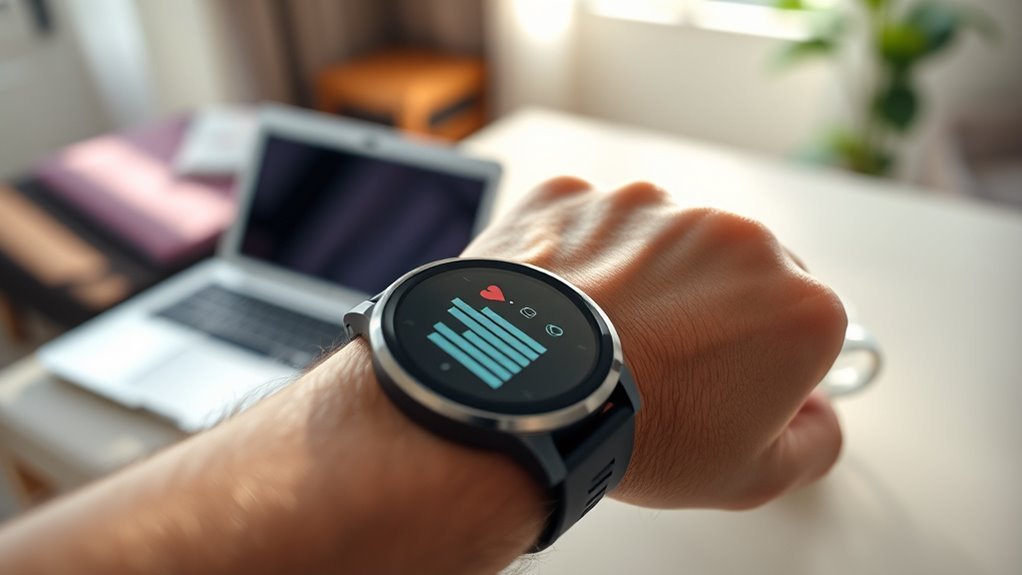
Garmin Body Battery is a feature that tracks a person’s energy level throughout the day by analyzing heart rate, heart rate variability, sleep quality, and physical activity.
Garmin Body Battery tracks daily energy using heart rate, variability, sleep, and activity data.
It presents Body Battery as a score from 5 to 100, showing how much energy remains for movement, focus, or rest. Higher values suggest stronger recovery and readiness, while lower values indicate that stress or exertion has drawn reserves down.
The feature functions as a personal energy gauge, helping users notice when recovery is needed and when physical activity may be better timed. Through daily tracking, it reveals how energy changes across work, exercise, and downtime, offering a practical way to align effort with capacity and avoid unnecessary depletion.
What Counts as a Good Body Battery Score?
Garmin doesn’t just show a raw number — it groups every score into one of four reserve-energy zones, documented in the company’s own device manuals:
| Score Range | Zone | What It Means |
|---|---|---|
| 76–100 | High reserve energy | Ready for demanding workouts or a full day |
| 51–75 | Medium reserve energy | Good for normal training and activity |
| 26–50 | Low reserve energy | Consider lighter activity and extra rest |
| 5–25 | Very low reserve energy | Prioritize recovery before pushing harder |
These bands come straight from Garmin’s own device documentation, so they’re a more reliable reference point than a single cutoff number.
How Garmin Calculates Body Battery
The Body Battery score is calculated by continuously analyzing heart rate variability, heart rate, movement, sleep quality, and stress to estimate physical and mental energy levels throughout the day. Proprietary algorithms review activity data, awake and asleep states, and stress levels to map recovery across the day. Higher scores suggest stronger restoration, while lower scores indicate a reduced reserve.
The algorithm behind Body Battery didn’t start at Garmin. It’s built on physiological-analytics technology from Firstbeat Analytics, a Finnish company Garmin acquired in June 2020 after years of licensing its heart-rate-variability science for features including Body Battery, stress tracking, and VO2 max.
The watch does not measure energy directly; it estimates it from signals that change with rest, exertion, and strain. Some users also consider VO2 max alongside Body Battery, since both can inform a broader picture of fitness, resilience, and pacing.
Note: New to a Garmin watch? Body Battery usually needs one to two weeks of consistent day-and-night wear before its estimates settle into an accurate baseline for your body — scores in the first few days can be less reliable.
What Lowers and Raises Body Battery
Physical exertion, stressful days, poor sleep, and alcohol can all lower Body Battery by draining energy reserves and slowing recovery. When a person is physically active, especially during vigorous workouts or demanding routines, available energy drops as personal energy resources are used faster than they are restored.
Stress can also reduce the score, since mental and emotional strain affects heart rate variability and raises resting heart rate, both of which signal less efficient energy management. Poor sleep, whether too short or too fragmented, weakens the body’s overnight rebuilding process and leaves less energy for the next day. Alcohol adds another burden by slowing recovery and making depletion happen sooner.
Pro Tip: Late workouts are a common Body Battery trap. Hard exercise within two to three hours of bedtime can keep heart rate and stress signals elevated well into the night, which blunts how much you recharge while you sleep.
Body Battery rises through rest and recovery: quality sleep, quiet breaks, and calm periods help replenish energy stores, reflecting a daily balance between use and restoration.
Why Body Battery Can Miss the Mark
Body Battery can be useful, but it does not always match a person’s real-world energy level. Its accuracy can vary widely, so one user may see a fair estimate of energy reserves while another sees a score that feels off.
Wrist position, strap tightness, and movement can disturb heart rate readings, which then affects the result. The algorithms may also misread naps, quiet breaks, or screen time as rest, even when daily energy feels drained. Because the underlying system is proprietary, outside review is limited, and its precision at any single moment is hard to verify independently.
Note: Garmin watches aren’t approved medical devices. Body Battery, like every other wellness metric on the watch, is designed to inform everyday decisions — it isn’t intended to diagnose illness or replace advice from a doctor.
How to Use Body Battery for Training
For training purposes, Body Battery works best as a simple guide for timing effort and recovery. When Body Battery falls in the high-reserve zone (76–100), energy levels are usually strong enough for harder training sessions — that’s often the window for higher workout intensity, since the body appears more prepared for effort.
Not every Garmin surfaces it the same way. The AMOLED models show Body Battery on the watch face itself, so the number is there without digging through menus, which is one reason the Venu line suits people tracking daily energy rather than race splits.
When scores fall into the very-low zone (5–25), low energy levels may signal recovery needs and suggest rest, mobility work, or an easier session. Tracking Body Battery trends over time can reveal how different workout intensities affect recovery and readiness. Sleep quality and stress levels should also be considered, because they shape daily capacity and long-term resilience.
Used this way, Body Battery supports practical self-management and helps training remain effective, flexible, and sustainable.
Body Battery vs. Training Readiness
Garmin Body Battery isn’t the only readiness metric on the watch, and it’s easy to confuse it with Training Readiness. Body Battery is a live number that rises and falls throughout the day as sleep, stress, and activity change your reserves. Training Readiness, by contrast, is calculated mainly each morning and folds in sleep history, recovery time, HRV status, acute training load, and recent stress — using Body Battery as just one of six inputs.
In practice, Body Battery works best as a same-day energy check, while Training Readiness gives a broader verdict on whether today is a good day to push a hard session.
Frequently Asked Questions
What Is a Good Body Battery Number on Garmin?
A score of 76 to 100 falls in Garmin’s “high” reserve zone and is generally the best window for demanding workouts. Scores of 51 to 75 are still solid for normal training, while anything below 50 is Garmin’s cue to prioritize rest, hydration, and lighter activity.
Can My Garmin Tell if I’m Sick?
Not directly. Garmin devices aren’t approved medical devices and can’t diagnose illness. But an unusually low Body Battery alongside a spike in resting heart rate or a drop in HRV can be an early sign your body is fighting something, so it’s worth paying attention to sudden, unexplained changes.
How Can I Increase My Garmin Body Battery to 100%?
You can raise your score fastest by protecting sleep, since that’s when most of the recharge happens. Consistent bedtimes, limiting alcohol and screens before bed, staying hydrated, and building in quiet downtime during the day all help Body Battery climb back toward 100.
Is the Body Battery on Garmin Accurate?
It’s a reasonably reliable trend indicator but not a precise measurement. Because the algorithm is proprietary, independent researchers can’t fully verify how each input is weighted, so it’s best used to spot patterns over days and weeks rather than trusted as an exact number at any single moment.
How Long Does It Take for Body Battery to Calibrate?
Garmin’s Body Battery typically needs one to two weeks of consistent daily wear, including overnight, before it accurately reflects an individual’s baseline energy patterns. Scores in the first few days of wearing a new device are often less reliable.
What’s the Difference Between Body Battery and Training Readiness?
Body Battery is a real-time energy gauge that moves throughout the day based on HRV, stress, sleep, and activity. Training Readiness is a separate, mostly morning score that adds sleep history, recovery time, HRV status, and recent training load to give a fuller readiness verdict, using Body Battery as just one of its inputs.
Conclusion
Garmin Body Battery offers a useful window into how strain and recovery may be unfolding, but it is not an oracle. Like a compass in changing weather, it points in a helpful direction while leaving room for context, judgment, and experience. When paired with sleep, stress, and training data, it can support smarter decisions about effort and rest. Used well, it becomes less a score to chase than a reminder to balance work with recovery.
Sources
- Garmin Owner’s Manual — Body Battery — official score range and four-zone breakdown
- Garmin Newsroom — Garmin Acquires Firstbeat Analytics — origin of the physiological-analytics engine behind Body Battery
- Garmin Owner’s Manual — Training Readiness — how Training Readiness is calculated and how it uses Body Battery
