Choosing bike speed and cadence sensors gets confusing when similar-looking models use different mounting methods, connection rules, and sensor layouts. The biggest question is whether you need both metrics at once or only one.
Garmin Bike Speed Sensor 2 and Cadence Sensor 2 Bundle is the strongest current all-around choice because it includes separate magnetless speed and cadence sensors. For a lower-cost single-metric setup, Magene S3+ Speed/Cadence Dual Mode Sensor is the value pick.
These picks were checked against current manufacturer pages, manuals, connection specs, battery details, water ratings, and product-support status.
Bike Speed and Cadence Sensors Compared
| Product | Best for | Sensor setup | Connectivity | Battery / water |
|---|---|---|---|---|
|
Premium
|
Best overall | Two magnetless sensors | ANT+ and Bluetooth | Approx. 12 months; IPX7 |
|
Legacy: discontinued/obsolete components
|
Existing owners of the RPM two-pod setup | Two magnetless sensors | ANT+ and Bluetooth | Up to 12 months; IPX7 |
|
Budget
|
Best value | One sensor: speed or cadence | ANT+ and Bluetooth 4.0 | Up to 500 hours; IP66 |
|
Legacy: discontinued non-serviceable
|
Existing owners of the magnet-based Blue SC | One combo sensor plus two magnets | ANT+ and Bluetooth 4.0 | Up to 12 months; IPX7 |
Bike Speed and Cadence Sensors: Our Top Picks
1. Garmin Bike Speed Sensor 2 and Cadence Sensor 2 Bundle
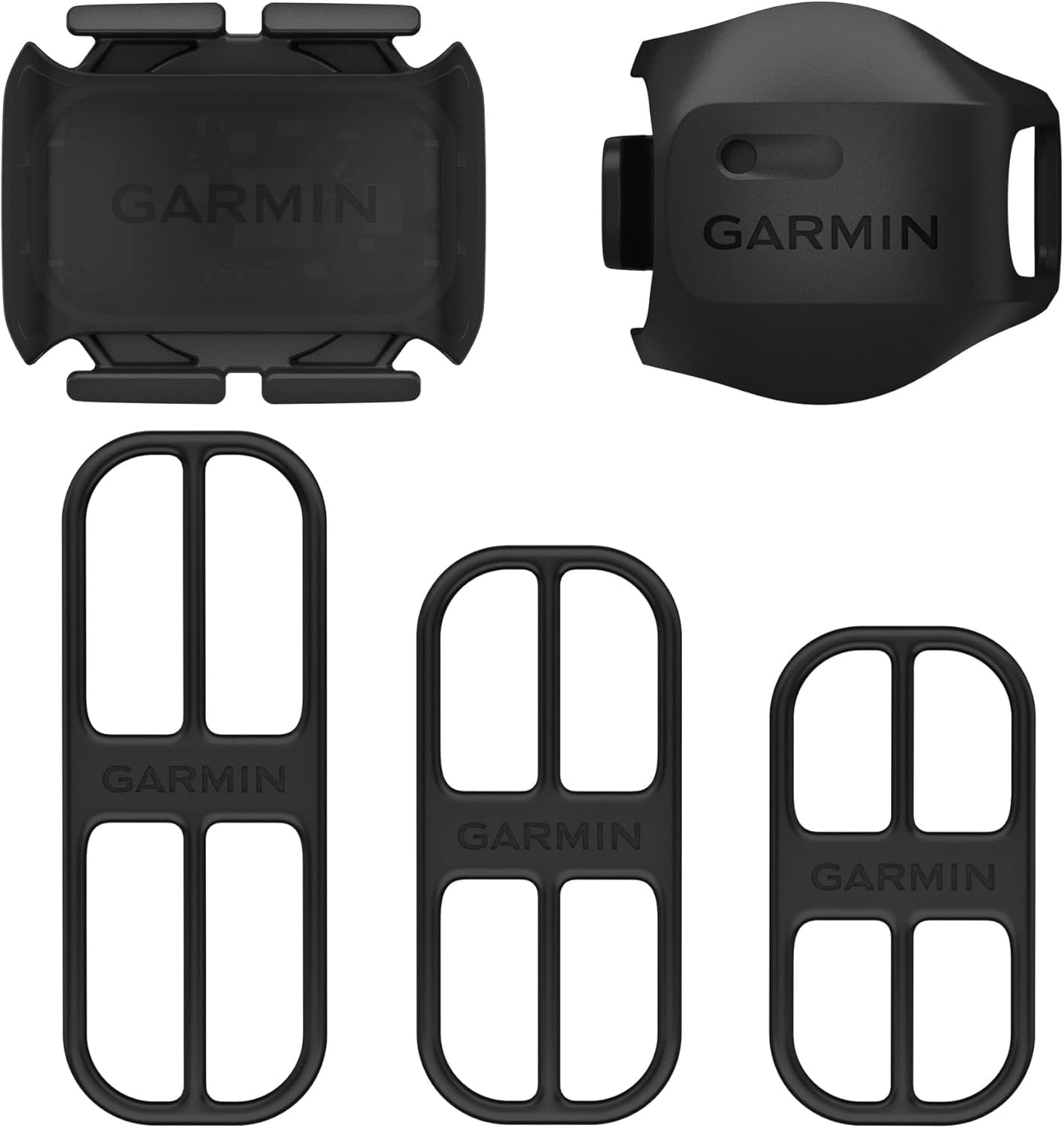
Bottom line: This is the cleanest current option if you want speed and cadence at the same time without magnets. Separate hub and crank sensors keep each job simple.
- Sensor setup: Two dedicated sensors, records both metrics together
- Connectivity: ANT+ and Bluetooth, works across common cycling devices
- Battery: CR2032, approximately 12 months at one hour daily
- Water rating: IPX7, suited to normal wet-weather riding
The speed sensor mounts around a wheel hub, while the cadence sensor straps to a crank arm. Neither needs a spoke or crank magnet, which reduces alignment work when you install or move the sensors.
The speed sensor can store up to 300 hours of activity data. It can also pair directly with Garmin Connect for speed and distance recording without another Garmin device. The cadence sensor does not work as a standalone Garmin Connect sensor, so check that limitation if phone-only cadence tracking is your goal.
- Dedicated speed and cadence sensors work simultaneously
- Magnetless hub and crank mounting reduces alignment work
- ANT+ and Bluetooth support broad device compatibility
- User-replaceable CR2032 batteries with long stated life
- Two separate sensors mean two batteries to maintain
- Cadence Sensor 2 cannot work standalone with Garmin Connect
2. Wahoo RPM Speed and Cadence Sensor Bundle
Product status: Wahoo lists RPM Cadence as discontinued non-serviceable and RPM Speed as obsolete hardware.

Bottom line: The RPM setup uses separate magnetless pods for speed and cadence, but it is now a legacy Wahoo option rather than a current hardware choice.
- Sensor setup: Two dedicated magnetless pods, speed and cadence
- Connectivity: ANT+ and Bluetooth, broad legacy compatibility
- Battery: CR2032, up to 12 months per sensor
- Water rating: IPX7, designed for outdoor cycling use
The RPM Speed pod mounts on the wheel hub and calculates speed from wheel rotation and circumference. The RPM Cadence pod attaches to the crank or can use its shoe-mount option. Both avoid magnets by using internal motion sensing.
If you already own this set, the published Wahoo support information is still useful for setup and battery service. For a new purchase, current-model support should carry more weight because one component is discontinued and the other is classified as obsolete.
- Separate pods can record speed and cadence together
- Magnetless design avoids spoke and crank magnets
- ANT+ and Bluetooth support common cycling receivers
- RPM Cadence is discontinued and non-serviceable
- RPM Speed is classified as obsolete hardware
- Two separate pods require separate batteries
Original listing reference: Wahoo RPM Speed and Cadence Sensor Bundle.
3. Magene S3+ Speed/Cadence Dual Mode Sensor

Bottom line: The S3+ is a compact budget choice when you need speed or cadence. One physical sensor runs one mode at a time, so recording both metrics requires two units.
- Sensor setup: One dual-mode sensor, speed or cadence
- Connectivity: ANT+ and Bluetooth 4.0, useful across common devices
- Battery: CR2032, up to 500 hours
- Water rating: IP66, protected against dust and strong water jets
There are no external magnets. You mount the S3+ on the hub for speed or on the crank for cadence. Magene uses battery removal and reinstallation to switch between the two modes, so it is less convenient if you change roles often.
ANT+ and Bluetooth make it flexible for bike computers, phones, watches, and trainer apps. The important catch is the word “dual-mode”: it describes two selectable functions, not simultaneous speed and cadence from one physical sensor.
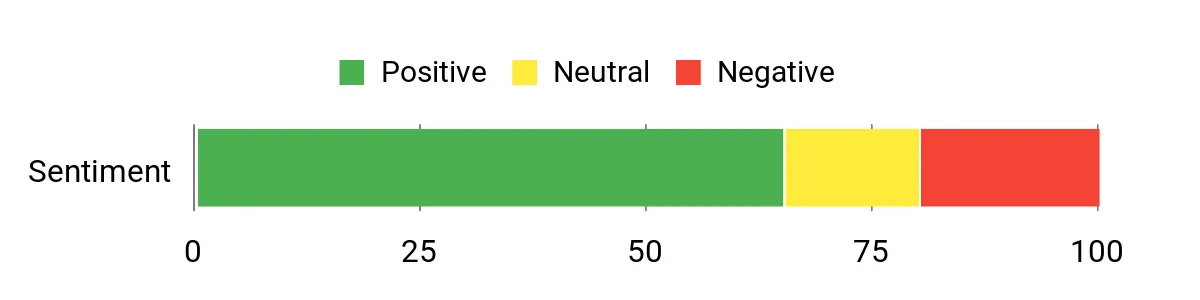
- Budget-friendly way to add speed or cadence
- Magnetless mounting keeps installation simple
- ANT+ and Bluetooth 4.0 support common cycling devices
- Up to 500 hours of stated battery life
- One sensor measures speed or cadence, not both at once
- Switching modes requires removing and reinstalling the battery
- Two units are needed for simultaneous speed and cadence
4. Wahoo Blue SC Speed and Cadence Sensor
Product status: Wahoo lists Blue SC as discontinued non-serviceable.

Bottom line: Blue SC can measure speed and cadence from one chainstay-mounted body, but it uses separate spoke and crank magnets and is now a legacy product.
- Sensor setup: One combo sensor with crank and spoke magnets
- Connectivity: ANT+ and Bluetooth 4.0, works with compatible receivers
- Battery: CR2032, up to 12 months
- Water rating: IPX7, designed for wet-weather cycling
The main sensor mounts near the rear wheel and crank. A spoke magnet provides wheel-speed input and a crank-arm magnet provides cadence input, so correct alignment matters more than it does with magnetless sensors.
Blue SC remains useful to riders who already own a working unit and compatible bike. For a new setup, its discontinued non-serviceable status makes a current sensor easier to support over time.
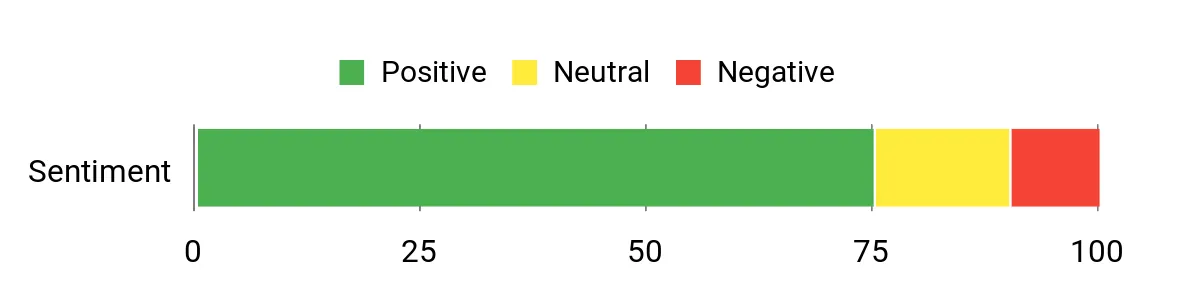
- Measures speed and cadence from one sensor body
- ANT+ and Bluetooth 4.0 support common cycling devices
- Up to 12 months of stated battery life
- Requires both crank and spoke magnets to be aligned
- Discontinued and listed as non-serviceable by Wahoo
- Mounting is less portable than simple magnetless pods
Original listing reference: Wahoo Blue SC Speed and Cadence Sensor.
Garmin Bike Speed Sensor 2 and Cadence Sensor 2 Bundle vs Magene S3+: Is the Upgrade Worth It?
The Garmin bundle costs more because it gives you two dedicated sensors ready to record speed and cadence together. Magene keeps entry cost lower, but one S3+ unit handles only one metric at a time.
- Simultaneous data: Garmin includes separate speed and cadence sensors; two S3+ units are needed to match that.
- Battery: Garmin states about 12 months at one hour per day; Magene states up to 500 hours.
- Water protection: Garmin is IPX7; Magene is IP66.
- Phone use: Garmin Speed Sensor 2 can upload directly to Garmin Connect; S3+ depends on a compatible app or receiver.
Which Bike Speed and Cadence Sensor Should You Buy?
- Want speed and cadence together: get the Garmin Bike Speed Sensor 2 and Cadence Sensor 2 Bundle.
- Need only cadence or only speed: get the Magene S3+ Speed/Cadence Dual Mode Sensor.
- Want phone-based Garmin Connect speed recording: get the Garmin Bike Speed Sensor 2 and Cadence Sensor 2 Bundle.
- Want a budget setup you can expand later: start with the Magene S3+ Speed/Cadence Dual Mode Sensor and add a second unit if you need both metrics.
How We Chose
- Current support: we checked manufacturer product and support-status pages before recommending a model.
- Sensor design: we compared whether each option records speed, cadence, or both at the same time.
- Compatibility: we checked ANT+ and Bluetooth support plus important app-connection limits.
- Ownership basics: we compared battery type, stated battery life, mounting method, and water protection from manufacturer documentation.
Customer Preferences
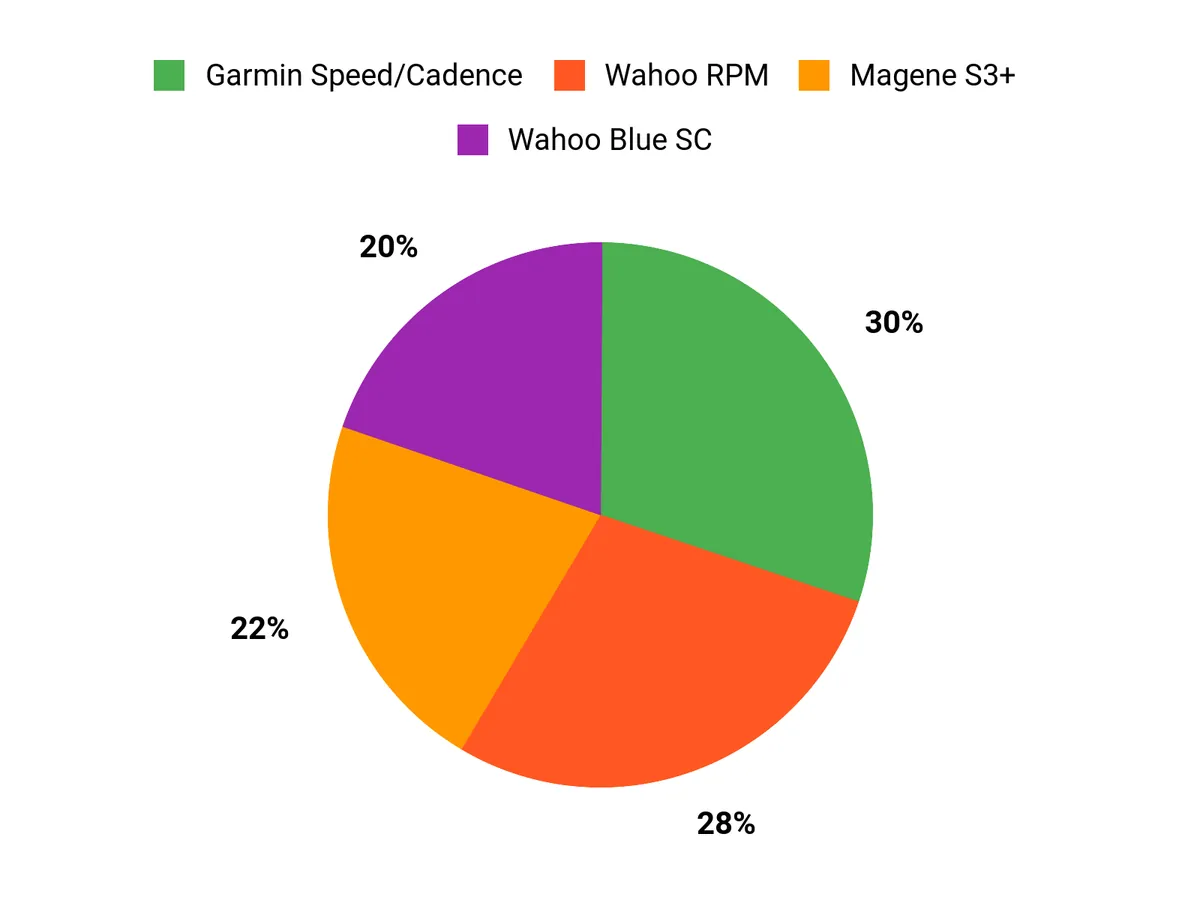
For current buyers, the biggest choice is between a ready-to-go two-sensor bundle and a lower-cost dual-mode sensor. Support status also matters: the Wahoo RPM components and Blue SC are now legacy products, so they are better treated as reference options for existing owners than fresh recommendations.
How to Choose Bike Speed and Cadence Sensors
Speed vs Cadence
Speed tells you how quickly the wheel is turning, while cadence tells you how quickly you are pedaling. If you want both metrics on every ride, choose a true two-sensor bundle or use two dual-mode sensors. If you only care about pedal rhythm or basic wheel speed, one dedicated sensor can keep the setup simpler and cheaper.
ANT+ vs Bluetooth
Bluetooth is convenient for phones and tablets. ANT+ is common on bike computers, watches, and training equipment, and it can be useful when several compatible receivers need the same data. A dual-protocol sensor gives you more flexibility, but always confirm the exact app and device pairing rules before buying.
Magnetless vs Magnet-Based Sensors
Magnetless sensors use internal motion sensing, so setup usually means securing a pod to the hub or crank. Traditional combo sensors such as Blue SC need a sensor body plus aligned magnets. Magnet-based systems can work well, but they take more setup care and may be less convenient when you move gear between bikes.
Battery Life and Water Protection
Most sensors here use replaceable CR2032 coin cells. Manufacturer battery estimates range from hundreds of hours to about a year depending on the model and use pattern. Water ratings also differ, so use the rating as a guide for normal riding conditions and follow the maker’s care instructions instead of treating a cycling sensor like diving equipment.
Indoor Trainer Compatibility
Cadence sensors can be useful on many indoor setups because the crank still rotates. Wheel-speed sensors need wheel rotation, so they do not add speed data on every direct-drive trainer. Check whether your trainer or app already provides speed or power before adding another sensor, and verify the app supports the sensor’s ANT+ or Bluetooth signal.
Mistakes to Avoid When Buying Bike Speed and Cadence Sensors
- Assuming “dual-mode” means simultaneous: check whether one physical sensor can send both metrics at once.
- Ignoring connection limits: confirm whether your Bluetooth app can share or hold more than one sensor connection.
- Buying legacy hardware without checking support: verify current manufacturer status before treating an older model as a new recommendation.
- Skipping clearance checks: rotate the wheel and crank after installation to make sure nothing rubs the frame, shoe, or drivetrain.
FAQs
Are These Sensors Compatible With My Devices?
Usually, yes, if your phone, bike computer, watch, or training app supports the same wireless protocol. Garmin, Magene, and the legacy Wahoo sensors here use ANT+ and Bluetooth. Check your receiving device or app before buying, because connection limits differ. Some apps also require you to pair the sensor inside the app instead of through the phone’s Bluetooth menu.
Why Does My Sensor Lose Connection?
Connection drops often come from a weak coin-cell battery, a sleeping sensor, pairing conflicts, or another app already using the Bluetooth connection. Wake the sensor by rotating the wheel or crank, close competing apps, and pair through the cycling app when required. If problems continue, remove the saved pairing, restart the receiving device, and pair again.
How Accurate Are They Indoors Versus Outdoors?
Cadence sensing can work indoors or outdoors because it measures crank rotation, while wheel-speed sensing depends on wheel rotation and correct circumference data. On a direct-drive smart trainer, the trainer’s own speed or power data may be more useful. For wheel-on trainers, a properly configured speed sensor can still provide consistent ride data to compatible apps.
Can One Sensor Measure Speed and Cadence at the Same Time?
It depends on the design. The Garmin bundle uses two dedicated sensors, so speed and cadence can be recorded together. The Magene S3+ is a dual-mode sensor, but one physical unit operates in either speed mode or cadence mode at a time. To record both metrics with S3+ sensors, you need one unit for each mode.
Do I Need ANT+ If My Phone Has Bluetooth?
No. Bluetooth can be enough when you only need to send data to a compatible phone or tablet app. ANT+ becomes useful when you want broad bike-computer compatibility or need a sensor to broadcast to multiple compatible receivers. Before buying, check the wireless standards supported by every device you plan to use during the same ride.
Where Should a Speed and Cadence Sensor Be Mounted?
Magnetless speed sensors normally mount on a wheel hub, while magnetless cadence sensors attach to a crank arm. The Wahoo Blue SC uses a chainstay-mounted sensor plus separate crank and spoke magnets, so alignment matters. Whatever design you use, rotate the wheel and crank after installation to confirm clearance before riding.
Wrapping Up
The current choices are the Garmin bundle for simultaneous speed and cadence, and the Magene S3+ for a lower-cost one-mode-at-a-time setup. The two Wahoo products remain useful references for existing owners but are not current recommendations.
Final Verdict
For bike speed and cadence sensors in 2026, the Garmin bundle is the best fit for riders who want both metrics together without magnet alignment. Magene S3+ is the more economical choice when one metric is enough or you are comfortable using two units.
The legacy Wahoo RPM and Blue SC sections stay here for reference, but their current support status keeps them out of the recommended picks.
For the Best value pick, see the Magene S3+ Speed/Cadence Dual Mode Sensor; for the Premium pick, choose the Garmin Bike Speed Sensor 2 and Cadence Sensor 2 Bundle.
