
Choosing Garmin vs Fitbit comes down to what you want from a wearable. Garmin puts more emphasis on GPS, training tools, and long battery life, while Fitbit keeps daily health tracking compact and tightly connected to Google services.
For most people, the Garmin vívoactive 5 is the best overall balance because it combines built-in GPS, an AMOLED display, broad activity support, and up to 11 days of battery life. The Google Fitbit Charge 6 is the best value if you prefer a smaller tracker with Google features and ECG support.
We compared current manufacturer specifications, app support, safety information, and practical feature differences rather than relying on retailer scorecards.
Garmin vs Fitbit Fitness Trackers Compared
| Product | Best for | Battery life | GPS | Water resistance | Score |
|---|---|---|---|---|---|
|
Mid-range
|
Best overall | Up to 11 days | Built-in GPS | 5 ATM | 86/100 |
|
Premium
|
Premium pick | Up to 14 days | Built-in GPS | 5 ATM | 89/100 |
|
Mid-range
|
Best for runners | Up to 11 days | Built-in GPS | 5 ATM | 92/100 |
|
Budget
|
Best value | Up to 7 days | Dynamic GPS | 5 ATM / IP68 | 82/100 |
|
Budget
|
Best budget | Up to 10 days | Phone-connected GPS | 50 m | 80/100 |
|
Mid-range
|
Best for stress tracking | 6+ days | Built-in GPS | 50 m | 84/100 |
Garmin vs Fitbit: Our Top Picks
1. Garmin vívoactive 5

Bottom line: The Garmin vívoactive 5 is the best fit if you want one watch for workouts, sleep, and everyday wear without nightly charging.
- Battery life: Up to 11 days, easier for overnight sleep tracking
- GPS: Built-in GPS, no phone needed for route recording
- Water resistance: 5 ATM, suitable for swimming and showers
- Display: AMOLED touchscreen, clear for daily stats and workouts
The vívoactive 5 gives you Garmin’s health and activity tools in a lighter lifestyle watch. Its battery can last up to 11 days in smartwatch mode, which reduces charging interruptions during sleep tracking.
It also supports a wide range of activity profiles and stores music on the watch. Body Battery, sleep coaching, and recovery-related data make it useful beyond workouts.
The main trade-off is generation age. Garmin now sells the newer vívoactive 6, so compare current features before choosing the older model.
- Up to 11 days of smartwatch battery life
- Built-in GPS and broad activity tracking
- AMOLED touchscreen
- 5 ATM water rating
- On-watch music storage
- Newer vívoactive 6 is available
- Less run-focused than the Forerunner line
- No microphone or speaker for wrist calls
2. Garmin Venu 3

Bottom line: The Garmin Venu 3 is the premium pick for people who want Garmin fitness tracking with stronger smartwatch features.
- Battery life: Up to 14 days, longest claim in this list
- GPS: Built-in GPS, tracks outdoor workouts without phone GPS
- Water resistance: 5 ATM, suitable for swimming and daily wear
- Display: AMOLED touchscreen, bright for workouts and notifications
Venu 3 combines Garmin wellness metrics with a more polished smartwatch experience. It supports music storage, Garmin Pay, and calls through a paired compatible smartphone.
The battery claim reaches up to 14 days in smartwatch mode, so sleep tracking is easier to keep continuous. The larger watch format also gives health and workout screens more room.
The trade-off is cost and model age. Garmin introduced Venu 4 in 2025, so Venu 3 makes the most sense when its feature set already covers what you need.
- Up to 14 days of smartwatch battery life
- Built-in GPS and 5 ATM water rating
- AMOLED touchscreen
- Music storage and Garmin Pay
- Supports calls with a paired compatible phone
- Premium price tier
- Newer Venu 4 is available
- Larger watch body may not suit smaller wrists
3. Garmin Forerunner 165

Bottom line: The Garmin Forerunner 165 is the strongest choice here for runners who want training guidance and recovery data without moving to a larger performance watch.
- Battery life: Up to 11 days, supports multi-day training use
- GPS: Built-in GPS, designed around pace and route tracking
- Water resistance: 5 ATM, suitable for rain and swimming
- Display: 1.2-inch AMOLED, easy to read during runs
Forerunner 165 is built around running first. It pairs an AMOLED display with adaptive training plans, workout metrics, recovery insights, and up to 19 hours in GPS-only mode.
At 39 grams, it is also easy to wear overnight, which helps keep sleep and recovery data continuous. The five-button layout remains useful when touch controls are awkward during a run.
The standard Forerunner 165 does not include onboard music storage. Garmin has also introduced the newer Forerunner 170 generation.
- Purpose-built running and training tools
- Up to 11 days of smartwatch battery life
- Light 39 g design
- Built-in GPS and 5 ATM water rating
- Bright 1.2-inch AMOLED display
- Standard model lacks onboard music storage
- Less lifestyle-focused than Venu 3
- Newer Forerunner 170 is available
4. Google Fitbit Charge 6

Bottom line: The Google Fitbit Charge 6 is the best value for a compact tracker with Google services, ECG support, and GPS without a full-size watch.
- Battery life: Up to 7 days, enough for multi-day tracking
- GPS: Dynamic GPS, uses built-in or phone GPS as needed
- Water resistance: 5 ATM and IP68 when new
- Display: Color touchscreen, compact for everyday wear
Charge 6 keeps the wrist footprint small while adding Google Maps, Google Wallet, and YouTube Music controls. It also supports the Google ECG app in supported regions.
Google rates battery life at up to seven days. Always-on display can reduce that figure, and continuous built-in GPS uses much more power.
The key ecosystem change in 2026 is the companion app: the Fitbit app became the Google Health app. A Google Account is now central to setup and syncing.
- Compact tracker shape
- Up to 7 days of battery life
- Dynamic GPS with built-in GPS support
- ECG compatibility in supported regions
- Google Maps, Wallet, and music controls
- Always-on display reduces battery life
- Continuous GPS shortens runtime sharply
- Best experience depends on Google services and account setup
5. Google Fitbit Inspire 3
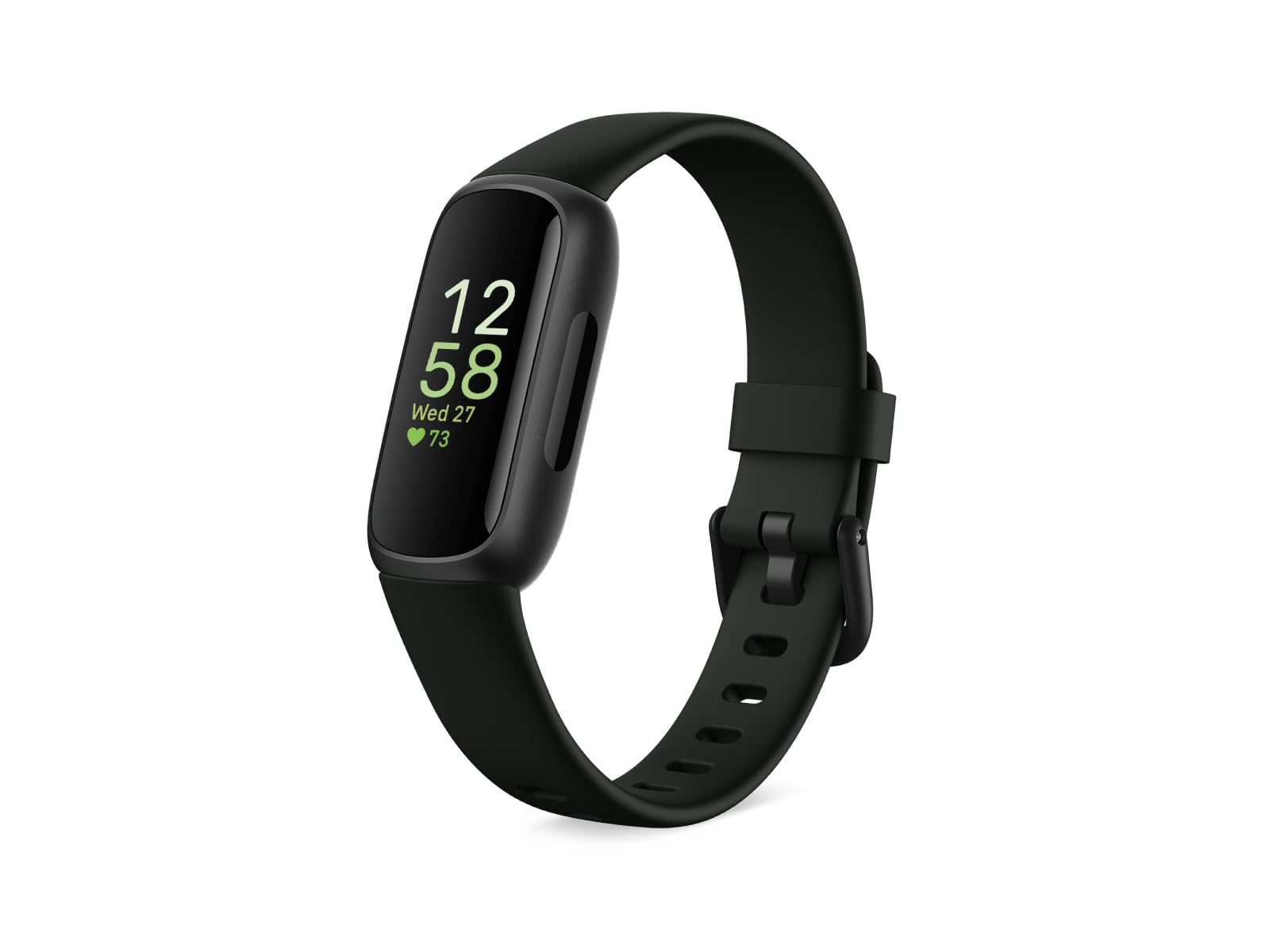
Bottom line: The Google Fitbit Inspire 3 is the best budget option if comfort, sleep tracking, and long battery life matter more than onboard GPS.
- Battery life: Up to 10 days, low charging frequency
- GPS: Phone-connected GPS, carry your phone for routes
- Water resistance: 50 m, suitable for swimming and daily wear
- Display: Color touchscreen, small and discreet on the wrist
Inspire 3 is designed for people who want core health and activity tracking without a full smartwatch. Its narrow body is easy to wear at night and under sleeves.
The battery can run up to 10 days, depending on settings and use. Sleep, heart rate, SpO2, and skin-temperature trends give you a broad daily wellness picture in the Google Health app.
The main limitation is GPS. Inspire 3 uses your phone’s GPS rather than a built-in GPS receiver, so route tracking works best when your phone comes with you.
- Up to 10 days of battery life
- Slim and lightweight tracker design
- Sleep, heart-rate, SpO2, and temperature trends
- 50 m water resistance
- Simple choice for basic daily tracking
- No built-in GPS
- Small display limits at-a-glance detail
- Clip mode disables some wrist-based tracking features
6. Fitbit Sense 2

Bottom line: The Fitbit Sense 2 is the strongest Fitbit option here for stress tools, ECG support, sleep tracking, and a full smartwatch display.
- Battery life: 6+ days, supports multi-night sleep tracking
- GPS: Built-in GPS, tracks outdoor workouts without phone GPS
- Water resistance: 50 m, suitable for swimming and daily wear
- Display: AMOLED, larger than Fitbit band-style trackers
Sense 2 centers its experience on health and stress tracking. It includes a continuous electrodermal activity sensor, ECG-compatible sensors, SpO2, skin-temperature tracking, and built-in GPS.
Google lists battery life at 6+ days under typical use, though always-on display and GPS use reduce runtime. The watch also supports Google Maps and contactless payments.
Like Charge 6 and Inspire 3, it now syncs through the Google Health app. Its health measurements are wellness tools and should not replace professional medical evaluation.
- 6+ days of battery life
- Built-in GPS and 50 m water resistance
- ECG support in eligible regions
- Continuous stress-response sensing
- AMOLED smartwatch display
- Always-on display reduces battery life
- Health-first design is less training-focused than Garmin
- Some health features vary by country
Garmin vívoactive 5 vs Google Fitbit Charge 6: Is the Upgrade Worth It?
The vívoactive 5 costs more in the current market tier, but it gives you longer claimed battery life and a broader watch-style sports experience. Charge 6 stays smaller and leans harder into Google services.
- Battery: vívoactive 5 is rated up to 11 days; Charge 6 up to 7 days.
- GPS: Both support built-in GPS, while Charge 6 can also use phone GPS dynamically.
- Ecosystem: Garmin centers on Garmin Connect; Charge 6 centers on Google Health and Google services.
- Form: vívoactive 5 is a watch; Charge 6 is a narrower fitness band.
Which Fitness Tracker Should You Buy?
- Best all-rounder: get the Garmin vívoactive 5.
- Premium smartwatch features: get the Garmin Venu 3.
- Running and training plans: get the Garmin Forerunner 165.
- Compact Google integration: get the Google Fitbit Charge 6.
- Low-cost sleep and activity tracking: get the Google Fitbit Inspire 3.
- Stress and health tools: get the Fitbit Sense 2.
How We Chose
- Battery life: We used current manufacturer battery claims and noted settings that reduce runtime.
- GPS: We separated built-in, dynamic, and phone-connected GPS because that changes phone-free use.
- Health features: We checked supported sensors and regulated features against Garmin and Google documentation.
- Daily usability: We compared screen type, watch versus band form, water resistance, and app ecosystem.
- Freshness and safety: We checked current product support, newer generations, and recall sources before keeping recommendations.
Garmin vs Fitbit Buying Guide
Battery Life
Start with how often you are willing to charge. The Garmin Venu 3 has the longest smartwatch-mode claim in this group at up to 14 days, while the Google Fitbit Inspire 3 reaches up to 10 days in a smaller band. Always-on displays, GPS, and sensor use can shorten those estimates.
Built-In GPS vs Phone GPS
Built-in GPS matters if you want to run or walk without carrying a phone. The Garmin models, Google Fitbit Charge 6, and Fitbit Sense 2 support onboard GPS behavior. The Google Fitbit Inspire 3 relies on phone-connected GPS for route data.
Training Depth
Choose Garmin when structured training is the priority. The Garmin Forerunner 165 is the clearest fit for runners because its interface and metrics center on running, workouts, pace, recovery, and adaptive plans.
Health and Stress Features
Fitbit puts more emphasis on compact health tracking. The Fitbit Sense 2 adds ECG-compatible sensors and continuous stress-response sensing, while the Google Fitbit Charge 6 brings ECG support to a smaller tracker. Availability for regulated health features can vary by country.
Phone and App Ecosystem
Fitbit devices now use the Google Health app, and Google Accounts are part of the current setup. Garmin devices use Garmin Connect. If you already use Google Maps, Wallet, and other Google services, the Google Fitbit Charge 6 may feel more familiar.
Comfort and Screen Size
Band-style devices such as the Google Fitbit Inspire 3 and Google Fitbit Charge 6 take less wrist space. Full watches give you larger screens and easier glanceable data. If overnight comfort matters, try the case size and band fit before committing.
Mistakes to Avoid When Buying a Fitness Tracker
- Buying by feature count: Choose the few metrics you will actually use every week.
- Ignoring GPS type: Phone-connected GPS is different from phone-free route tracking.
- Assuming battery claims are fixed: Always-on display and GPS can cut runtime.
- Treating wellness data as diagnosis: Wearable readings are not a substitute for medical evaluation.
- Skipping model-age checks: Compare newer generations before buying an older watch.
FAQs
Is Garmin or Fitbit better for GPS and running?
Garmin is generally the stronger fit for runners who want deeper training tools and a watch designed around pace, recovery, and structured workouts. The Garmin Forerunner 165 is the clearest example here. Fitbit still offers useful GPS tracking on Charge 6 and Sense 2, but its experience is more centered on everyday health and Google services.
Which has longer battery life, Garmin or Fitbit?
It depends on the model, but the Garmin watches in this roundup reach up to 11 or 14 days in smartwatch mode, while Fitbit models here range from 6+ to 10 days. Real battery life varies with GPS, always-on display, notifications, SpO2, and other settings, so compare your actual usage pattern rather than the headline number alone.
Does Fitbit Charge 6 have built-in GPS?
Yes. Fitbit Charge 6 supports Dynamic GPS, which can use the tracker’s built-in GPS or a nearby phone’s GPS. That flexibility can help preserve tracker battery during some workouts. Google also lists continuous built-in GPS as a high-drain use case, so long GPS sessions will reduce runtime much faster than normal daily tracking.
Does Fitbit Inspire 3 need a phone for GPS?
Yes, for GPS route recording. Fitbit Inspire 3 uses phone-connected GPS rather than a built-in GPS receiver. You can still track steps, heart rate, sleep, and other daily metrics without carrying your phone all day, but outdoor route and distance mapping through GPS depends on a compatible phone being with you.
Can Garmin and Fitbit track sleep?
Yes. All six devices in this roundup support sleep-related tracking, though the detail and presentation differ by model and ecosystem. Garmin combines sleep data with recovery and Body Battery-style metrics on supported watches. Fitbit devices send their data to the Google Health app, where sleep, fitness, and health information are organized together.
Which is better for Android and Google services?
The Google Fitbit Charge 6 is the most direct fit in this list if you want a compact tracker tied closely to Google services. It supports features such as Google Maps and Google Wallet, while its companion software is now the Google Health app. Garmin works well with Android too, but it uses Garmin’s own app and service ecosystem.
Customer Preferences
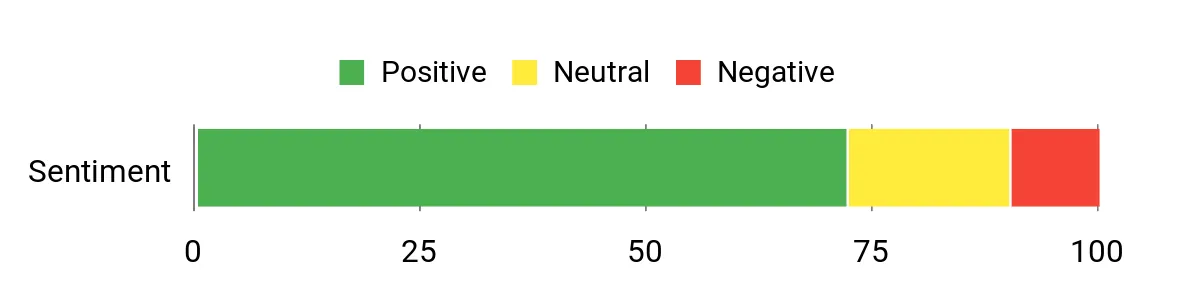
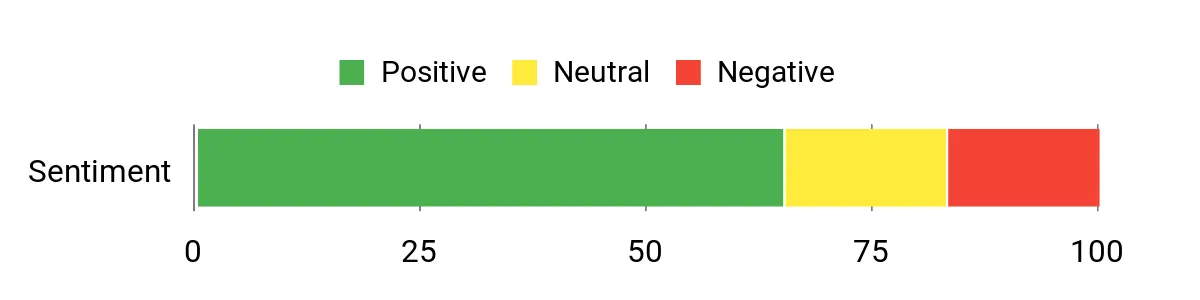
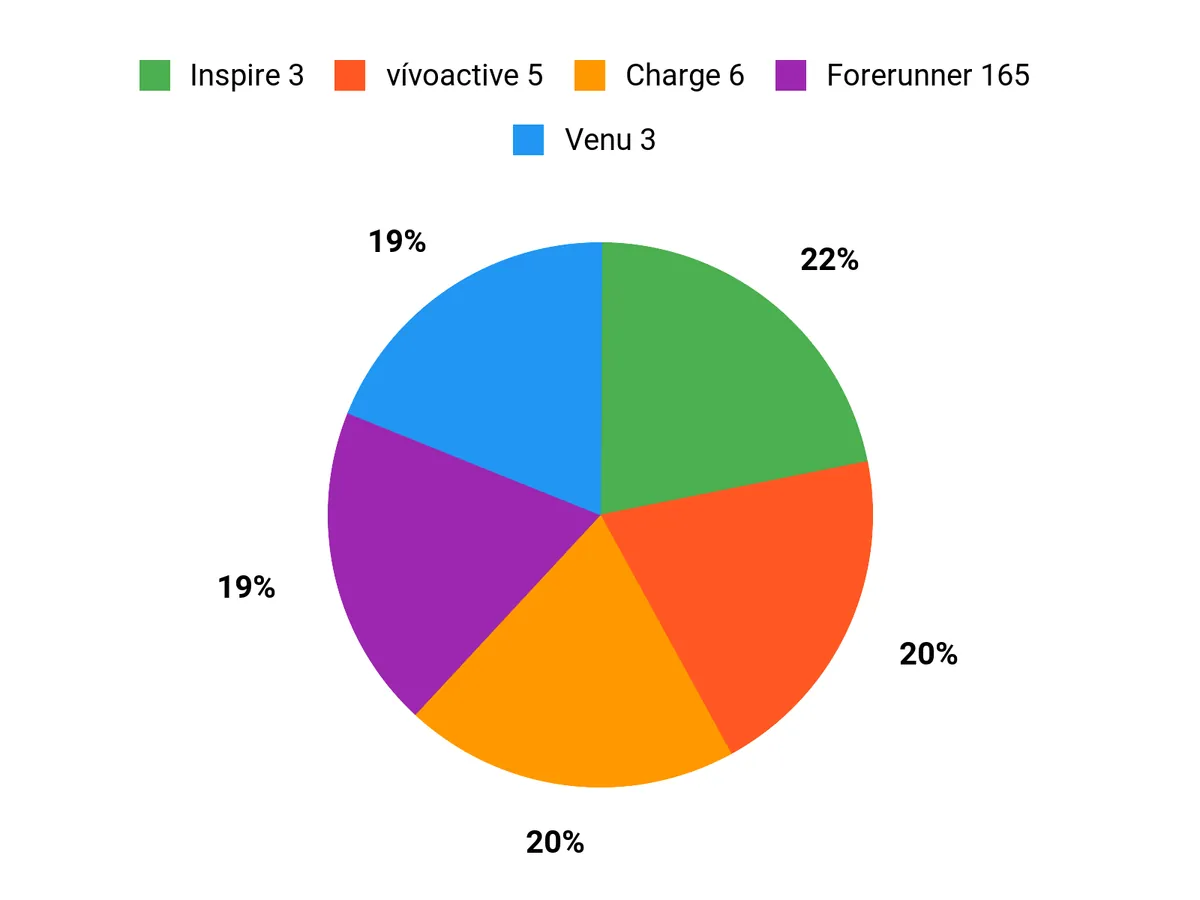
Your best fit depends more on routine than on the longest feature list. Garmin works well when GPS, sports modes, and training structure matter most. Fitbit is easier to justify when you want a smaller tracker and already use Google services.
Among the three Garmin models here, vívoactive 5 is the broad all-rounder, Venu 3 adds stronger smartwatch features, and Forerunner 165 stays focused on running.
Garmin vs Fitbit: Final Verdict
For the broadest mix of fitness tracking, battery life, and everyday usability, the Garmin vívoactive 5 is the best overall choice in this Garmin vs Fitbit comparison. It gives you a full watch experience without forcing nightly charging.
Fitbit remains appealing when compact hardware and Google services matter more than training depth. Garmin remains stronger when you want more sports-focused structure.
For a lower-cost Google-focused option, consider the Google Fitbit Charge 6. For a more premium Garmin smartwatch experience, consider the Garmin Venu 3.
Visual Product Comparison
Use these product images to compare the watch-style Garmin models with Fitbit’s narrower bands and full-size Sense 2 design.
