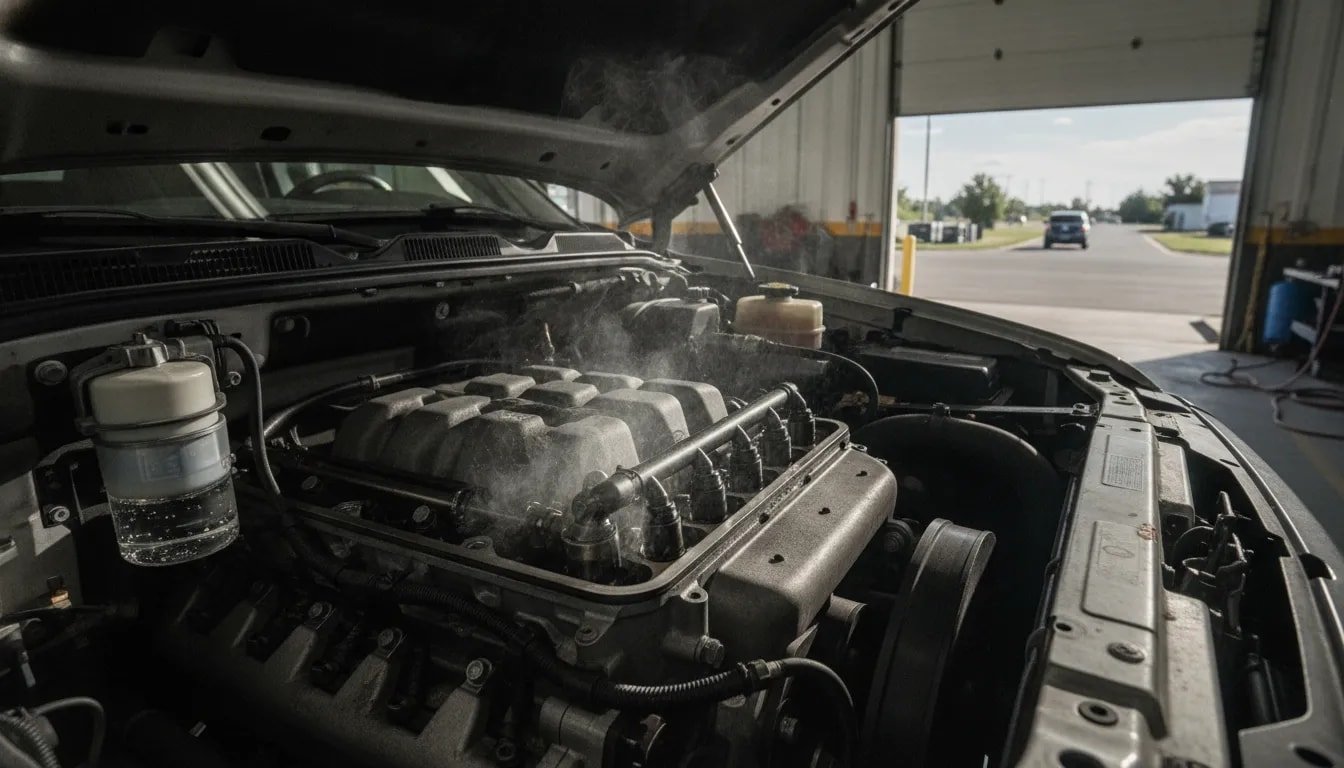
Your diesel used to pull away cleanly from every junction. Now there is a hesitation, an idle that feels rougher than before, or a little more smoke at startup. It is tempting to blame age and mileage, then start pricing replacement injectors.
But a gradual loss of smoothness can come from deposits rather than broken components. Carbon, varnish, and fuel residue can interfere with injector performance, and suitable cleaning treatments may help without taking the injectors out of the engine.
There are four practical approaches: a quality diesel injector cleaner, a proper warm-engine road run, fuel filter and water separator maintenance, and better everyday driving habits. The first two target deposit-related problems. The other two help protect the fuel system and reduce the conditions that encourage deposits to return.
The important distinction is dirty versus damaged. Cleaning can address contamination. It cannot repair wear or a mechanical fault, and rough running alone does not prove the injectors are dirty.
Key Takeaways
- Injector deposits can affect spray quality, but cleaning cannot repair mechanical wear or damage.
- Choose a diesel-specific cleaner and follow its compatibility, fuel-volume, and dosing instructions.
- A proper road run requires a fully warmed, mechanically sound engine and safe operating conditions.
- Fuel filtration, water management, and fewer short trips support lasting fuel-system maintenance.
Table of Contents
- Why Dirty Diesel Injectors Affect the Whole Engine
- 1. Use a Quality Diesel Injector Cleaner in the Fuel Tank
- 2. Give the Engine a Proper Diesel “Italian Tune-Up”
- 3. Maintain the Fuel Filter and Water Separator
- 4. Change the Habits That Encourage Deposits
- A Sensible Order to Follow
Why Dirty Diesel Injectors Affect the Whole Engine
A diesel injector does not simply deliver a squirt of fuel. It breaks that fuel into a fine mist so it can mix with air and burn efficiently. Modern common rail systems can operate at pressures exceeding 2,000 bar. For more background on the system, DieselNet explains diesel fuel injection fundamentals.
Power, fuel economy, and a smooth idle depend on the injector delivering the right quantity of fuel, with the right spray pattern, at the right time.
As deposits accumulate around the nozzle, the tiny openings can become partially restricted. Instead of a consistent mist, fuel delivery may become uneven, with poorer atomization or irregular droplets. That makes combustion less consistent.
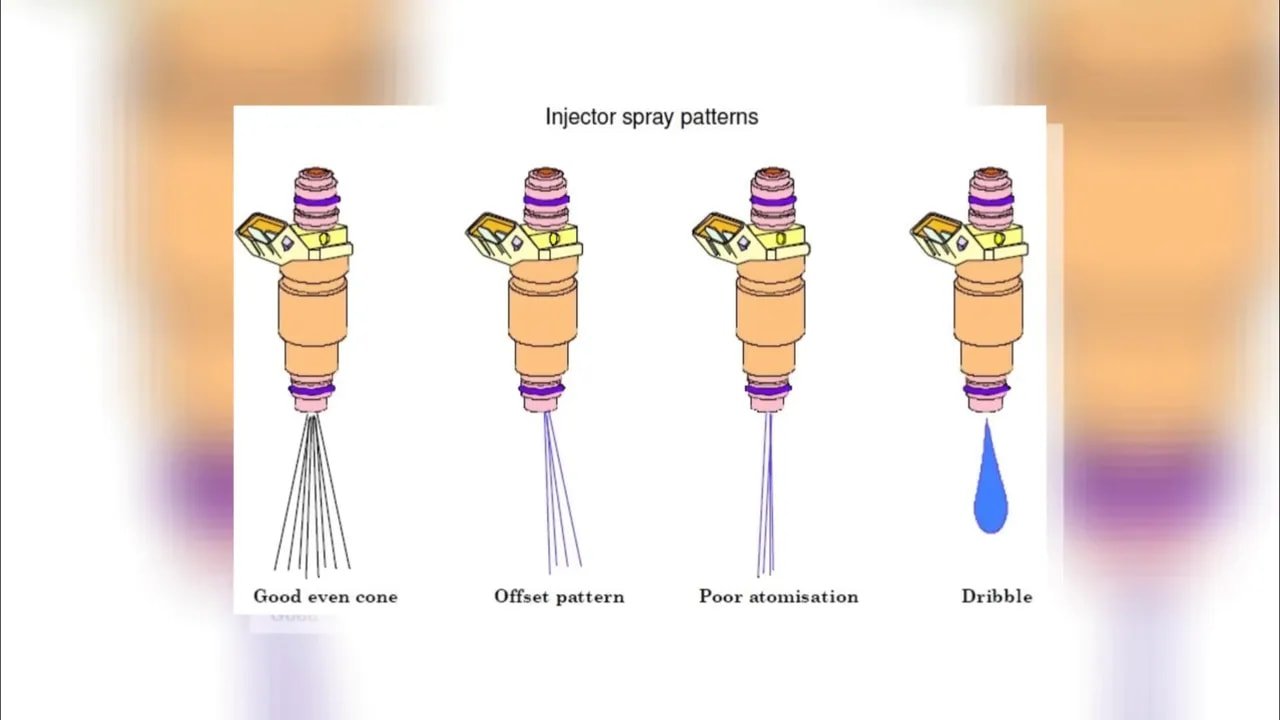
The engine management system may compensate for a while, making a developing problem less obvious. Eventually, you notice hesitation, reduced response, or roughness.
Deposit buildup is different from wear. If deposits are the cause, cleaning may restore performance. If the injector is damaged, no bottle of additive will put it right.
1. Use a Quality Diesel Injector Cleaner in the Fuel Tank
A tank-added diesel injector cleaner is the most accessible starting point. It requires no injector removal, and a suitable detergent treatment can help with deposit-related performance problems.
The catch is that choosing the right product and using it correctly matter more than simply pouring something into the tank.
Choose a diesel-specific formulation
Detergent chemistry is worth paying attention to. Polyetheramine, usually shortened to PEA, is one detergent chemistry associated with fuel-system deposit cleaning. It is designed to remain effective at high temperatures and help loosen deposits from metal surfaces.
However, do not judge every diesel cleaner by a single ingredient. Different formulations use different detergent packages. Choose a product specifically intended for diesel fuel systems, with clear compatibility and dosing instructions, rather than assuming a generic additive or petrol cleaner will do the same job.
Products worth considering include:
- Chevron Techron D Concentrate: Look for the diesel-specific product, not the standard petrol formulation.
- Liqui Moly Diesel Purge: A diesel cleaning product with application instructions that should be checked before use.
- Hot Shot’s Secret Diesel Extreme: Another diesel treatment option discussed for engines with substantial deposit buildup.
- Power Service Diesel Kleen + Cetane Boost, 64 oz (6 Pack): A diesel-specific injector cleaner and performance additive that also boosts cetane.
- Power Service Diesel Injector & DPF Flush, 64 oz: A single-tank diesel fuel-system flush designed to remove stubborn injector deposits.
These products are not interchangeable in dose or application. For example, Liqui Moly’s Diesel Purge instructions explain its intended uses. Follow the current directions for the exact product you buy.
Apply the treatment properly
- Check the fuel filter’s service history. If it is overdue or its condition is uncertain, address that before relying on chemical cleaning.
- Plan the treatment around refueling. A tank around a quarter full is a convenient point to add the cleaner before putting fresh diesel on top.
- Measure the dose for the fuel volume being treated. The final concentration depends on how much fuel is in the tank after refueling, not just the amount present when you add the bottle.
- Add the cleaner before fresh fuel. Refueling helps mix the treatment through the tank.
- Include a sustained open-road drive during that tank. Give the fully warmed engine a proper run rather than using the treated fuel only for short errands.
For an engine showing symptoms, use the manufacturer’s recommended cleaning dose. Do not exceed the label dose in the hope of getting a stronger result.
A preventive treatment interval of roughly 5,000 to 10,000 miles can be a useful routine where the product and vehicle guidance allow it. An additive is still a supplement to maintenance, not a replacement for it.
2. Give the Engine a Proper Diesel “Italian Tune-Up”
The Italian tune-up is an old automotive idea: give an engine that spends its life running gently a sustained period of meaningful work.
For a diesel, the useful principle is heat under load. Repeated short trips and light-load running can encourage soot and deposit accumulation. A proper road run lets the engine reach and maintain its operating temperature, and may help with some combustion-related deposits.
That does not mean every deposit throughout the injectors, intake, or EGR system will burn away. A road run is not a guaranteed substitute for cleaning a heavily contaminated component.
Load matters more than maximum revs
This is not an instruction to chase the redline. Diesel engines do much of their useful work lower in the rev range than petrol engines. Revving an unloaded engine is not the same as making it work on the road.
The practical approach discussed here is a sustained open-road run, with the engine working in an appropriate gear. For many diesel cars, roughly 2,500 to 3,500 rpm is the suggested range, but it must suit the particular engine and its operating limits.
Selecting a gear lower than your normal cruising gear can keep the engine working at a legal road speed. Aim for around 15 to 20 minutes of suitable running once the engine is fully warm. This does not mean continuous hard acceleration or trying to maintain an unsafe pace.
Check these conditions first
- Warm the engine fully. Never start a high-load cleaning run from cold.
- Check the oil level beforehand. Basic maintenance comes before asking the engine to work harder.
- Stay within speed limits and road conditions. Gear selection, not excessive speed, is the practical tool.
- Do not attempt it with a known mechanical problem. High load can make an existing fault worse.
- Use your vehicle’s guidance. A general rpm range is not a model-specific instruction.
On a mechanically sound diesel that has spent months doing little more than urban errands, a proper warm-engine run may produce a noticeable improvement in response. If it does not, harder driving is not the next diagnostic step.
3. Maintain the Fuel Filter and Water Separator
Fuel filter maintenance sounds too ordinary to belong in an injector-cleaning guide. In reality, it is central to protecting the parts you are trying to clean.
Modern diesel injectors contain extremely tight internal clearances. Small particles can cause restriction and wear, so clean fuel matters. The fuel filter is a critical barrier between contamination in the supply and the injection system.
A restricted filter can also impair fuel delivery. That can create performance symptoms of its own, making it unwise to assume every hesitation or rough-running complaint comes from injector deposits.
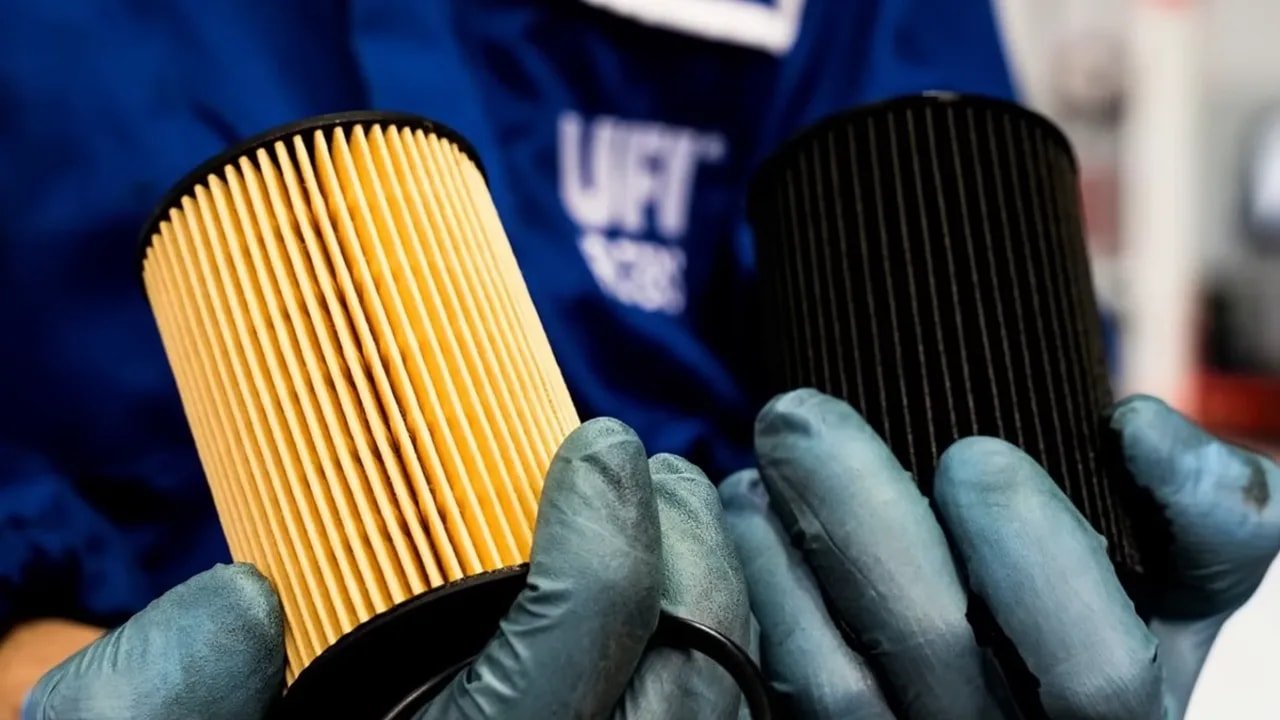
If the filter is overdue, replace it before relying on an additive. Cleaner does not remove a physical restriction in the filter, and cleaning the injectors does not solve an underlying contamination problem.
Use the correct filter and the vehicle-specific replacement procedure. This approach avoids removing the injectors, but a filter change is still a separate maintenance task.
Find out how your diesel handles water
Water separation arrangements vary. There is no single drain procedure that applies to every diesel car, van, truck, or 4×4.
- Manual bowl-type separator: Some vehicles have a dedicated separator with a drain valve. Drain it at the specified intervals rather than treating a warning light as the routine service reminder.
- Sealed filter housing: Some systems incorporate water separation into a housing with no manual drain. Follow the specified filter or assembly replacement schedule.
- Automatic drainage: Some systems handle drainage automatically during normal operation and require no routine manual draining.
Identify the system fitted to your vehicle before opening anything. Do not assume a drain must exist simply because another diesel has one.
The principle remains the same: keep water out of the fuel reaching the injectors. Water can promote corrosion and damage precision injection components. An injector cleaner cannot repair that damage.
4. Change the Habits That Encourage Deposits
The cheapest long-term approach is to stop giving deposits such favorable conditions.
A cold start, a five-minute trip, and another shutdown may be convenient, but the engine has little opportunity to reach full operating temperature. Repeat that pattern every day and the diesel spends much of its life cold or lightly loaded.
Low-load operation also involves exhaust gas recirculation, or EGR, which returns exhaust gases to the intake. Soot accumulation in the intake and EGR system is a related maintenance concern, although it is not the same thing as deposits inside an injector.
Build occasional longer runs into normal use
You do not need to drive aggressively every day. You need to give the engine opportunities to operate fully warm.
- Take a longer route occasionally when practical, allowing the engine to warm up before parking.
- Plan a 20- to 30-minute open-road or motorway drive once or twice a month rather than relying exclusively on short errands.
- Use an appropriate gear once warm instead of assuming the lowest possible engine speed is always best.
- Keep up with scheduled fuel-system maintenance so a better driving pattern is supported by clean fuel delivery.
For a diesel used almost entirely in city traffic, an occasional longer journey is particularly valuable. It gives the engine a different operating pattern from repeated cold starts and stop-start trips.
Buy fuel from reputable stations
Your injectors process the fuel supplied to them, so fuel quality belongs in the prevention plan.
Choose reputable, well-maintained stations. A busy forecourt with good storage practices is a sensible preference over a questionable source where tank contamination or water ingress may be a concern. High turnover alone is not a guarantee, but storage and maintenance standards matter.
Good fuel, timely filter changes, and regular fully warmed operation work together. Repeated cleaning treatments make less sense if the same contamination and operating conditions remain unchanged.
A Sensible Order to Follow
If your diesel has gradually become less responsive and deposits seem plausible, keep the approach straightforward:
- Review the fuel filter’s service history and identify the water separator arrangement.
- Address overdue filter and separator maintenance.
- Choose a compatible diesel injector cleaner and use the label dose.
- Include a safe, fully warmed open-road run during the treated tank.
- Make longer journeys and reputable fuel sources part of the ongoing routine.
Then assess whether the hesitation, idle quality, and response improve. Do not assume persistent symptoms simply need more additive or more load.
Cleaning is worth considering before replacing otherwise serviceable injectors, but it is not a diagnosis. The goal is to address deposits sensibly, protect the fuel system, and recognize when the problem needs mechanical investigation instead.
Frequently Asked Questions
Can diesel injectors be cleaned without removing them?
How often should I use diesel injector cleaner?
Does every diesel water separator need manual draining?
Should I rev a cold diesel to clean the injectors?
