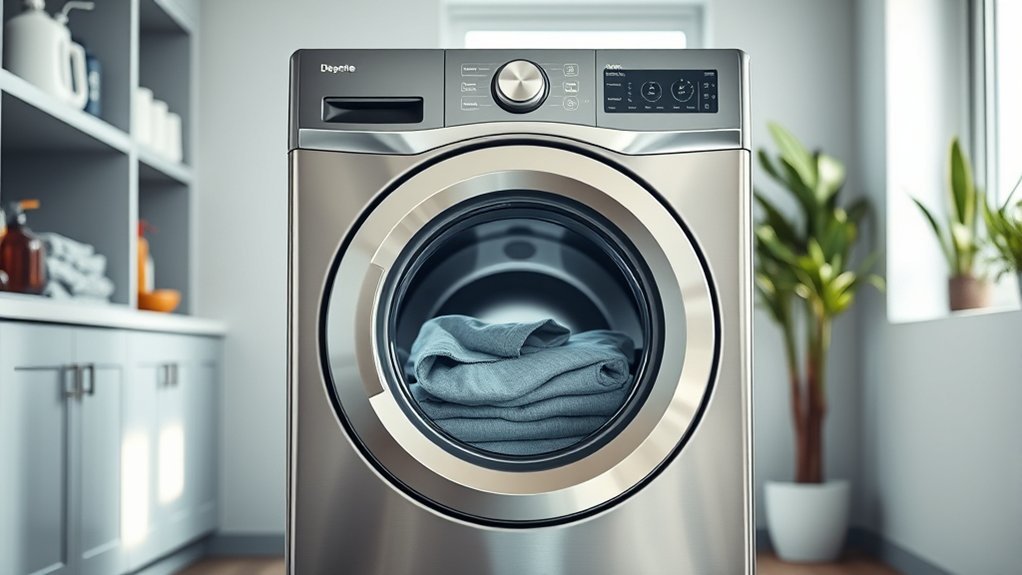
Choosing a Deporte dryer means looking beyond its advertised features to find out what each setting does for your laundry. Moisture sensors, steam cycles, wrinkle prevention, and smart connectivity can improve convenience and fabric care, but availability varies by model. Before buying, compare the actual specifications, energy efficiency, capacity, and installation requirements rather than assuming every dryer includes the same features.
Quick Answer
The most useful Deporte dryer features to look for are automatic moisture sensing, adjustable heat settings, fabric-specific cycles, and wrinkle prevention. Steam and smart connectivity add convenience if your model supports them. Check the model number, capacity, energy rating, water requirements, and available service support before making a purchase.
Last checked: September 26, 2026. General dryer technology, safety guidance, and regulatory information were verified against official sources.
Essential Features of Deporte Dryers Compared to Competitors
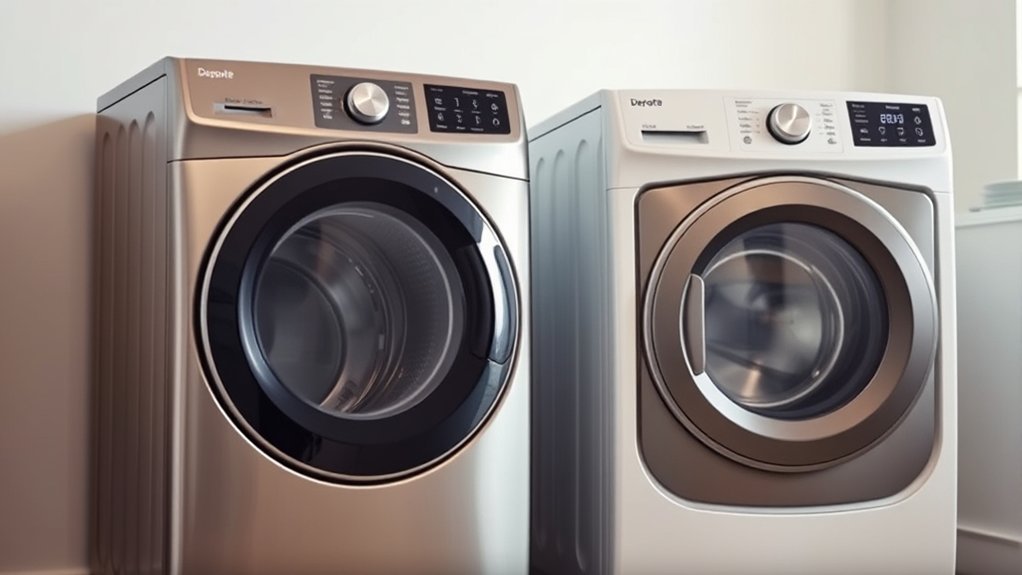
The main features to compare in a Deporte dryer are moisture sensing, steam functions, fabric-specific cycles, smart connectivity, and wrinkle prevention. These technologies are also available in competing dryers, so their presence alone does not establish a performance advantage.
The more useful comparison is how well each model meets your laundry needs, how much energy it uses, and whether its features justify the purchase price.
Here is what each feature contributes:
- Moisture sensors: Detect when clothes reach the selected dryness level and help prevent unnecessary drying.
- Steam cycles: Use moisture and heat to relax wrinkles and refresh suitable garments.
- Specialized cycles: Adjust drying conditions for different fabrics, including delicate clothing and heavier items.
- Smart connectivity: Allows supported models to send notifications, display cycle information, or provide remote controls.
- Wrinkle prevention: Periodically tumbles clothes after drying to reduce creases while they remain in the drum.
According to ENERGY STAR’s clothes dryer guidance, automatic cycle termination helps reduce energy waste and fabric wear. The organization also recommends comparing capacity and energy efficiency rather than choosing an appliance based only on convenience features.
For a meaningful Deporte comparison, match the exact model against competing dryers with similar drum capacity, fuel type, and drying technology.
Also check warranty coverage, replacement-part availability, and access to local repair service. A feature-rich dryer is less useful if an essential component cannot be serviced.
How Moisture Sensors Save Energy and Prevent Overdrying
Moisture sensors help a dryer stop at the right time instead of running for a fixed period. They can reduce unnecessary heat exposure, improve fabric care, and lower energy use compared with an excessively long timed cycle.
Actual savings depend on the dryer, load size, fabric type, and settings. A Deporte-specific efficiency figure would require verified testing of the exact model.
Benefits of Moisture Sensors
Automatic drying is useful because different loads require different amounts of time. A load of lightweight shirts will not dry at the same rate as thick towels or bedding.
When the sensor detects that clothes have reached the selected dryness level, the dryer can end the cycle without waiting for a preset timer.
| Benefit | Description |
|---|---|
| Energy Efficiency | Reduces unnecessary drying after clothes reach the selected dryness level. |
| Fabric Protection | Limits excess heat exposure and helps prevent overdrying. |
| User Convenience | Reduces the need to estimate drying time; notifications are available on supported models. |
| Enhanced Performance | Adjusts cycle length according to detected moisture. |
| Environmental Impact | Can reduce electricity use by avoiding unnecessary operation. |
Moisture sensors are especially useful for regular laundry loads, but they are not completely automatic in every situation. You still need to choose the appropriate cycle and dryness setting.
How Sensors Work
Many dryers use metal sensor bars inside the drum to measure electrical conductivity as damp clothing touches them. Other designs also monitor air temperature or use different sensing technologies.
Wet fabric conducts electricity differently from dry fabric. The dryer uses this information to estimate moisture levels and adjust the remaining drying time.
The selected dryness level determines when the cycle ends. A setting intended for ironing may leave garments slightly damp, while a higher setting runs until they are drier.
Sensor performance can become less reliable when the load is unusually small, contains mixed fabric weights, or fails to contact the sensing area consistently.
For example, a thick blanket may have a dry outer surface while its center remains damp. Lightweight shirts mixed with heavy jeans can create a similar problem.
If clothes repeatedly come out damp, try these steps:
- Separate lightweight garments from thick towels, jeans, and bedding.
- Choose the correct automatic cycle and dryness level.
- Avoid tightly packing the drum so clothes can tumble freely.
- Clean the moisture sensor according to the model’s instructions.
- Use a short timed cycle when a small load or bulky item cannot be sensed reliably.
Manufacturer moisture sensor troubleshooting guidance confirms that sensor contamination, load size, and dryness settings can affect the results.
Do not assume a longer cycle means the sensor has failed. Restricted airflow, excessive moisture after washing, or an overloaded drum can also extend drying time.
How Steam Cycles Refresh and De-Wrinkle Your Clothes
Steam cycles introduce moisture during drying to help relax fabric fibers and reduce wrinkles. They are useful for suitable dress shirts, workwear, and lightly worn clothing that needs refreshing.
Steam can reduce the need for ironing, but it does not replace washing heavily soiled clothes.
A quick steam program may be convenient before wearing an outfit. However, the original 10–20-minute estimate should not be treated as a guaranteed Deporte cycle duration. Actual times depend on the model and selected program.
Steam dryers may also offer a separate wrinkle-reduction option that adds moisture during or after a drying cycle.
| Feature | Benefits | Considerations |
|---|---|---|
| Moisture Relaxation | Helps soften creases and reduce wrinkles. | Requires a suitable water supply or reservoir, depending on the model. |
| Quick Steam Options | Refreshes lightly worn garments. | Cycle duration varies by appliance and load. |
| Static Reduction | May reduce static cling. | Available settings differ between models. |
| Versatile Application | Can refresh several suitable fabric types. | Always follow garment care instructions. |
| Ironing Alternative | Can reduce ironing time. | Deep creases may still require ironing. |
Does a Steam Dryer Need a Water Connection?
Many steam dryers need a connection to a cold-water supply. Others use a refillable water reservoir, so installation requirements depend on the appliance.
A water-connected model may use a Y-connector to share the washer’s cold-water supply. This arrangement can avoid the need for a separate plumbing line.
The manufacturer’s steam dryer installation guide explains how a shared cold-water connection works and why water is needed for steam functions.
For appliances equipped with a reservoir, the steam water refill guidance explains how insufficient water can interrupt steam operation.
Before purchasing a Deporte steam dryer, establish which water system the exact model uses and whether the required installation components are included.
Warning: Follow the garment’s care label before using steam or heat. Do not put items marked against tumble drying into the dryer, even when selecting a gentle or steam-assisted program.
Steam cycles work most effectively when garments have enough room to move. Overloading the drum can limit moisture distribution and leave wrinkles behind.
Why Wrinkle Prevention Matters?
Wrinkle prevention helps keep freshly dried clothes from sitting in a compressed pile. It is particularly useful when you cannot unload the dryer immediately after a cycle finishes.
Drying temperature, moisture level, load size, and post-cycle tumbling all affect how wrinkled garments become.
Importance of Timely Removal
Removing clothes promptly is one of the simplest ways to limit wrinkles. Garments can develop creases when they remain folded against each other inside a stationary drum.
Cotton, linen, and other fabrics prone to creasing benefit from prompt removal, shaking out, and hanging or folding.
The original recommendation to unload within 30 minutes is a useful practical target, but it is not a universal manufacturer requirement.
| Impact of Timely Removal | Benefits |
|---|---|
| Prevents creasing | Helps maintain garment appearance. |
| Reduces ironing time | Makes routine laundry care easier. |
| Limits unnecessary heat exposure | Helps preserve fabric condition. |
| Supports freshness | Keeps dry garments from remaining in a compressed pile. |
| Improves convenience | Makes garments easier to fold, hang, or wear. |
Effective Tumble Options
Wrinkle prevention settings periodically rotate the drum after the main drying cycle ends. This movement keeps garments from resting in the same position for an extended period.
Depending on the model, the feature may operate without additional heat or combine tumbling with a steam function.
Its main benefits include:
- Fewer wrinkles: Periodic movement reduces the time clothes spend compressed together.
- Better fabric appearance: Garments are less likely to develop deep post-cycle creases.
- Less ironing: Clothes may need less pressing before they are ready to wear.
The manufacturer’s wrinkle prevention explanation confirms that these settings extend tumbling after drying. Their duration and operation vary by model.
Wrinkle prevention is a temporary convenience feature, not a substitute for removing and storing clean clothes.
Reducing Post-Cycle Wrinkles
The best wrinkle prevention strategy combines suitable drying settings with enough room for clothes to move.
Use a lower heat setting when appropriate, avoid overdrying, and select extended tumbling when you expect a delay before unloading.
Steam can help relax remaining creases. However, it may not remove deep wrinkles from thick cotton or linen garments.
For delicate items, follow the care label rather than relying on a cycle name alone.
The Federal Trade Commission’s clothing care guidance explains how drying instructions and warnings help consumers avoid fabric damage.
Smart Features That Enhance Your Laundry Experience
Smart dryer features allow supported appliances to communicate with a phone or connected home system. Depending on the model, they can provide cycle notifications, remote operation, maintenance information, and additional drying options.
These functions are convenient, but they are not required for effective drying.
Common features include:
- Remote Monitoring and Control: View cycle progress, receive completion notifications, and operate supported functions through an app.
- Maintenance Reminders: Receive alerts relating to lint filters, airflow, or servicing when the dryer supports them.
- Customizable Cycles: Access additional settings or downloadable specialty cycles on compatible appliances.
- Smart Home Integration: Use supported voice assistants or connected-home features where available.
Remote start may require you to load the drum and enable the feature at the appliance before using your phone.
For example, the manufacturer’s remote-start instructions show that remote operation requires activation at the dryer.
Do not assume every Wi-Fi dryer supports unrestricted remote starting, downloadable programs, or voice control.
Before purchasing a Deporte smart dryer, confirm the compatible app, supported phone operating systems, Wi-Fi requirements, and whether essential drying functions remain available without an internet connection.
Tips for Choosing the Right Deporte Dryer for Your Needs
The right Deporte dryer should match your usual laundry loads, available installation space, and preferred drying settings. Capacity and drying technology deserve attention before optional smart features.
Use the following checks to compare specific models.
1. Choose a Capacity That Matches Your Laundry
Dryer capacity determines how much clothing can tumble freely inside the drum. A suitable drum should hold a normal washer load without being tightly packed.
If you regularly dry towels, blankets, or bedding, consider whether the drum provides enough space for bulky items to move.
A larger capacity is not automatically more efficient. Compare capacity with your washer size and typical laundry habits.
2. Compare Energy Efficiency and Dryer Type
Look beyond the advertised drying time and compare verified energy-efficiency information.
For ENERGY STAR-certified dryers, the Combined Energy Factor (CEF) measures drying efficiency. A higher CEF indicates better efficiency under the applicable test procedure.
Heat pump dryers reuse heat during operation instead of relying on the same heating process as conventional electric dryers.
ENERGY STAR reports that certified heat pump models use approximately 70% less energy than conventional dryers. Actual household savings depend on usage, electricity costs, and the models being compared.
Heat pump dryers also operate without a conventional exterior exhaust vent. However, condensed water must be collected or drained according to the installation instructions.
Determine whether a Deporte model uses conventional electric heating, gas, condenser technology, or a heat pump before comparing operating costs.
3. Check Fabric-Specific Drying Cycles
Specialized cycles help match drying conditions to different materials.
Useful options may include:
- Delicates: Gentler drying conditions for suitable lightweight garments.
- Heavy Duty: A program intended for thicker fabrics and heavier loads.
- Activewear: Settings designed for compatible synthetic sports clothing.
- Air Only: Tumbling without added heat for items suitable for that treatment.
- Steam Refresh: A moisture-assisted program for reducing wrinkles in suitable dry garments.
These names describe common dryer features, not a confirmed Deporte control-panel layout.
4. Confirm Installation Requirements
Before purchasing, measure the available laundry space and confirm that the appliance can be installed safely.
Check these details:
- Overall dryer dimensions and required installation clearances.
- Door opening direction and available space for unloading.
- Electrical supply requirements or gas connection, as applicable.
- External vent requirements for conventional vented models.
- Condensate drainage or water collection for relevant ventless models.
- Steam water connection or reservoir requirements.
- Compatibility with any planned stacking kit or pedestal.
Use the exact model’s installation instructions. Do not assume that accessories or connections from another appliance will fit.
5. Check Maintenance and Safety Features
Regular maintenance supports drying performance and reduces avoidable safety risks.
Clean the lint filter after each load. For vented dryers, inspect the exhaust path for crushed ducting, restrictions, or lint buildup.
The U.S. Fire Administration recommends cleaning dryer vent ductwork annually and connecting major appliances directly to appropriate wall outlets rather than extension cords.
For heat pump and condenser dryers, follow the manufacturer’s filter, condenser, and water-container maintenance instructions.
Useful alerts may include lint-filter reminders, airflow warnings, water-container notifications, and service indicators. Their availability must be confirmed for the specific dryer.
6. Compare Purchase Cost With Long-Term Value
The lowest purchase price does not always mean the lowest overall ownership cost.
Consider energy consumption, installation work, maintenance needs, warranty coverage, and repair accessibility.
If you rarely iron clothes, steam may be less valuable than improved energy efficiency. If you often leave laundry in the dryer, wrinkle prevention may be more useful than advanced app controls.
Prioritize the features you will actually use instead of paying for functions that add little value to your routine.
Additional Dryer Buying and Usage Considerations
Several practical details can make a larger difference than an appliance’s advertised feature count. They are worth checking before choosing any dryer.
Vented vs. Ventless Dryers
A conventional vented dryer removes moist air through an exhaust duct that leads outside. A ventless dryer collects moisture internally and directs it into a reservoir or drain.
Heat pump dryers are a type of ventless dryer that recycles heat to improve efficiency.
If your laundry room has no suitable exterior vent, a ventless model may simplify installation. You must still meet its electrical, drainage, and room-clearance requirements.
Automatic Dry vs. Timed Dry
Automatic drying adjusts cycle length according to detected moisture. Timed drying runs for a selected period, regardless of whether the load becomes dry earlier.
Use automatic drying for ordinary laundry when the sensor works reliably. Timed drying is useful for small loads, bulky items, or garments that need a little additional drying.
Common Mistakes That Reduce Dryer Performance
Even a well-equipped dryer can produce poor results when used incorrectly.
- Overloading the drum and restricting airflow.
- Mixing heavy and lightweight garments in one load.
- Using high heat on fabrics that require gentler care.
- Ignoring a blocked lint filter or restricted exhaust duct.
- Selecting a dryness level that leaves more moisture than intended.
- Assuming a smart alert replaces physical maintenance.
Correcting these issues can improve drying consistency without changing the appliance.
Frequently Asked Questions
What Features Should I Look for When Buying a Dryer?
Prioritize moisture sensing, suitable capacity, adjustable heat settings, energy efficiency, and fabric-specific cycles. Steam and smart connectivity are useful extras if they match your laundry habits. Also compare installation requirements, warranty coverage, maintenance needs, and access to repair service.
Is the Steam Feature on a Dryer Worth It?
A steam feature can be worthwhile if you frequently refresh suitable clothing or want to reduce wrinkles without ironing every item. Its value depends on how often you use it, the additional purchase cost, and the required water setup. Steam does not replace washing heavily soiled garments.
Why Are Tumble Dryers Being Phased Out?
Tumble dryers as a whole are not being phased out. Some markets are restricting less efficient technologies. In the European Union, new ecodesign requirements applying from July 1, 2025, favor heat pump technology for newly marketed household tumble dryers. Existing appliances can continue to be used, and the regulations include provisions for previously marketed stock.
What Washer Should I Stay Away From?
Avoid choosing a washer based only on its advertised features or low price. Check reliability information, warranty terms, service availability, capacity, and cleaning performance. If you are comparing dryers instead, focus on drying consistency, moisture sensing, energy efficiency, airflow requirements, and repair support.
Do All Deporte Dryers Have Steam and Smart Features?
Steam and smart features should not be assumed to be standard across Deporte dryers. Availability must be confirmed using the exact model number and its official specifications. Check whether the appliance supports a steam water connection, app connectivity, notifications, and remote operation before purchasing.
Why Does My Sensor Dryer Leave Clothes Damp?
A sensor dryer may leave clothes damp because the selected dryness level is too low, the load is too small, fabrics are mixed, or the sensor is dirty. Separate heavy items, clean the sensor as instructed, and try a higher dryness setting. Restricted airflow can also affect drying performance.
Is a Heat Pump Dryer Better Than a Conventional Dryer?
A heat pump dryer generally uses less energy and does not require a conventional exterior exhaust vent. It may cost more initially and requires suitable condensate drainage or water collection. Compare energy consumption, installation needs, capacity, cycle performance, and purchase cost before choosing between technologies.
Conclusion
A Deporte dryer should be chosen for its verified performance and practical features, not simply the number of settings it advertises. Moisture sensing, appropriate capacity, and energy efficiency deserve priority, while steam, smart controls, and wrinkle prevention can add convenience.
Before purchasing, confirm the exact model’s specifications, installation requirements, warranty, and service availability. These checks will help you choose a dryer that matches your laundry routine and provides reliable long-term value.
Sources
- ENERGY STAR — Clothes Dryers: Moisture sensing, capacity, efficiency comparisons, and heat pump technology.
- Manufacturer Support — Understanding Sensor Dry: Moisture sensing, dryness settings, load size, and troubleshooting.
- Manufacturer Guide — Installing Steam Dryers: Water supply requirements and installation considerations.
- Manufacturer Support — Steam Water Refill: Steam reservoir and water supply information.
- Manufacturer Support — Wrinkle Prevention: Post-cycle tumbling and wrinkle reduction.
- Manufacturer Support — Dryer Remote Start: Smart connectivity and remote-start requirements.
- Federal Trade Commission — Clothing Care Labels: Garment drying instructions and fabric-care warnings.
- European Commission — Tumble Dryers: Energy efficiency requirements and regulations applying from July 2025.
- U.S. Fire Administration — Basement and Garage Fire Safety: Dryer lint removal, vent maintenance, and electrical safety.
