Uneven tire wear is a common issue that many vehicle owners miss until the tires become noisy, unsafe, or expensive to replace. Your tires are the only parts of your vehicle that touch the road, so uneven tread wear can affect braking, steering, traction, fuel economy, and ride comfort.
Understanding the causes of uneven tire wear helps you spot problems before they damage a full set of tires. Common patterns include center wear, edge wear, one-sided wear, cupping, scalloping, bald spots, feathering, and rapid wear across one axle. Each pattern can point to a different issue, such as incorrect tire pressure, wheel misalignment, worn suspension parts, poor balancing, aggressive driving, or missed tire rotations.
By checking your tires regularly and fixing the root cause early, you can extend tire life, improve handling, and reduce the risk of tire failure on the road.
Quick Answer
Uneven tire wear is usually caused by incorrect tire pressure, bad wheel alignment, worn suspension parts, unbalanced wheels, aggressive driving, missed tire rotations, damaged tires, or frequent driving on rough roads. The wear pattern often helps identify the cause.
Key Takeaways
- Center tread wear often points to overinflation, while wear on both outer edges often points to underinflation.
- One-sided tire wear usually suggests alignment problems, especially camber or toe settings that are outside specification.
- Cupping, scalloping, bouncing, or vibration can point to worn suspension parts or improper wheel balancing.
- Regular tire pressure checks, tire rotation, wheel balancing, alignment service, and suspension inspections help prevent uneven tire wear.
- If you see cords, bulges, deep cracks, severe bald spots, or rapid uneven wear, have the tire and vehicle inspected before continuing to drive.
At a Glance
| Best First Check | Inspect tread pattern and check tire pressure when the tires are cold. |
| Common Causes | Inflation problems, misalignment, poor balancing, worn suspension, missed rotation, tire damage, and rough roads. |
| Tools Needed | Tire pressure gauge, tread depth gauge or penny, flashlight, and owner’s manual or door-jamb tire pressure label. |
| When to Get Help | Visit a tire shop or mechanic if wear is severe, uneven across one tire, paired with vibration, or appears soon after new tires. |
How to Read Common Uneven Tire Wear Patterns
The fastest way to narrow down the cause is to look at where the tread is disappearing. You do not need to diagnose everything yourself, but recognizing the pattern helps you explain the problem clearly to a mechanic.
| Wear Pattern | Likely Cause | What to Check |
|---|---|---|
| Center tread wears faster | Overinflation | Cold tire pressure and the vehicle’s recommended PSI. |
| Both outer edges wear faster | Underinflation | Slow leaks, low pressure, valve stems, and punctures. |
| One inner or outer edge wears faster | Wheel alignment issue | Camber, toe, bent parts, or suspension wear. |
| Cupping or scalloped dips | Worn suspension or wheel imbalance | Shocks, struts, wheel balance, bearings, and tire condition. |
| Feathered tread blocks | Toe alignment problem | Alignment settings and steering components. |
| Flat spots or bald patches | Hard braking, tire damage, or suspension problems | Tire age, braking habits, ABS issues, and suspension movement. |
Overinflation and Underinflation
Tire pressure plays a major role in tire performance, tire life, and vehicle control. Both overinflation and underinflation can cause uneven tire wear, but they usually create different patterns.
Overinflated tires tend to wear more in the center of the tread because the tire is inflated beyond the vehicle manufacturer’s recommended pressure. Too much air pressure can make the tire crown bulge slightly, increasing road contact near the center while reducing contact at the shoulders. As a result, the center tread wears faster than the outer edges, which can reduce traction and ride comfort.
Underinflated tires often wear faster on both outer edges. When pressure is too low, the tire flexes more than it should while driving. That extra flexing creates heat, increases rolling resistance, and places more load on the tire shoulders. Underinflation can also hurt fuel economy because the vehicle needs more energy to keep the tires rolling.
Pro Tip: Check tire pressure when the tires are cold, before you drive far. Use the PSI listed on the driver-side door-jamb label or in the owner’s manual, not the maximum pressure printed on the tire sidewall.
Regularly checking tire pressure and keeping it within the recommended range is one of the simplest ways to prevent uneven wear and support safe handling.
Misaligned Wheels

Wheel alignment is another major cause of uneven tire wear. When a vehicle’s wheels are misaligned, they may not point in the same direction or sit at the correct angle against the road. This can happen after hitting potholes, curbs, road debris, or other hard impacts. It can also happen gradually as suspension and steering parts wear.
Misaligned wheels can cause tires to drag, scrub, or roll at the wrong angle. Over time, this creates uneven tread wear. The most common signs of misalignment include the vehicle pulling to one side, a steering wheel that sits off-center while driving straight, uneven steering feel, or fast wear on one shoulder of a tire.
If left unaddressed, misalignment can quickly shorten tire life. It may also place extra stress on steering and suspension components.
Proper wheel alignment helps the tires roll straight instead of scrubbing across the road, which supports more even tread wear and better handling.
Schedule an alignment check after a hard impact, after replacing steering or suspension parts, or when installing new tires if the old tires show uneven wear.
[Amazon Products Picked for You]

【Caliper Removal Not Required】 Unlike traditional wheel alignment tools, our upgraded alignment tool eliminates the need for brake caliper removal. The inclusion of versatile extension pieces allows for direct and immediate use, streamlining the entire process for a truly efficient DIY experience.

SAVE TIME & MONEY ON TOE CHECKS - Check toe-in and toe-out at home and make basic adjustments before seeking professional service, helping save time and reduce costly shop visits. Built-in tape-measure slots help keep the tape in place and reduce slipping during use.

【Easy to Use DIY Front-end Toe Adjustment】Attach the toe plates to the brake rotor after removing the tire, in conjunction with digital angle finder, then hook dual tape measure to compare wheel distances directly. This mechanical design requires no complex calibration or electronics, lowering the skill threshold for DIY enthusiasts to perform quick and effective front-end adjustments
Worn Suspension Components
| Component | Signs of Wear | Replacement Interval |
|---|---|---|
| Shock Absorbers | Leaking fluid, excessive bouncing | Every 50,000 miles |
| Struts | Noise over bumps, uneven tire wear | Every 50,000 miles |
| Control Arms | Loose steering, uneven tire wear | Every 100,000 miles |
The suspension system helps keep each tire in steady contact with the road. Worn suspension components, such as shocks, struts, bushings, ball joints, and control arms, can lead to uneven tire wear by allowing excess tire movement.
When suspension parts are worn or damaged, they may not absorb bumps and road impacts correctly. This can cause a tire to bounce, tilt, or lose consistent road contact while driving. That irregular movement can create cupping, scalloping, one-sided wear, or rapid tread loss.
For example, a weak shock absorber may allow the wheel to move up and down too much after a bump. That movement can make the tire strike the road unevenly and wear in patches. Worn bushings or control arms can also change alignment angles while the vehicle is moving, which makes the wear problem worse.
Regular suspension inspections are important if you notice clunking noises, excessive bouncing, loose steering, uneven tire wear, or a rough ride. Replacing worn parts promptly can help restore proper tire contact and improve ride quality.
Improper Wheel Balancing
Wheel balancing is another important part of tire maintenance. When a wheel and tire assembly is not balanced correctly, weight is not distributed evenly around the wheel. That imbalance can create vibration, especially at certain speeds.
These vibrations can cause specific areas of the tire tread to hit the road harder than others. Over time, this may lead to cupping, scalloping, or patchy tread wear. Drivers may feel an unbalanced wheel as a shake in the steering wheel, seat, or floorboard. The vibration may become more noticeable on highways.
Imbalances can happen after tire installation, after a wheel weight falls off, after a hard impact, or as tires wear. To prevent these issues, have wheels balanced when new tires are installed, when tires are rotated if vibration appears, or whenever you feel shaking at speed.
Balancing does not replace alignment. A wheel can be balanced but still misaligned, so a shop may need to check both if the tire wear pattern is severe or unusual.
[Amazon Products Picked for You]

【Practical Function】: These adhesive-backed wheel weights serve a crucial role in achieving optimal tire balance, which allows for a smoother and quieter ride. By reducing vibrations and enhancing contact with the road, these weights help improve handling and overall driving comfort.

Superior Quality – High-quality material is guaranteed; close tolerances ensure the weight of the products is accurate.

Practical Function: This wheel weight is specifically designed for dynamic wheel balance, delivering precise weight compensation to optimize the wheel's mass distribution. It effectively counteracts unbalanced forces, ensuring a smooth and comfortable driving experience
Aggressive Driving Habits

Your driving habits can also affect how quickly tires wear. Hard braking, fast cornering, rapid acceleration, and abrupt lane changes place extra stress on the tread. These habits can create heat, increase friction, and wear tire edges faster than smooth driving would.
Aggravating Existing Issues
Aggressive driving can also make existing problems worse. If your wheels are already misaligned, your suspension is worn, or your tires are underinflated, harsh driving can accelerate uneven tire wear. Drivers who often make high-speed maneuvers or sudden stops should inspect their tires more often.
The Benefits of Smoother Driving
Smoother driving helps reduce stress on the tires. Gradual braking, steady acceleration, and controlled cornering support more even tread wear. These habits can also improve fuel efficiency, ride comfort, and overall vehicle control.
Key Takeaways
Your driving style cannot fix a mechanical problem, but it can slow down tire wear and help tires last longer. If you see uneven wear even with gentle driving, check tire pressure, alignment, balance, and suspension condition.
Improper Tire Rotation
Tire rotation is a key maintenance practice because tires wear differently depending on their position on the vehicle. Front tires often carry more steering and braking forces, while drive tires may wear faster because they transfer engine power to the road.
Different tire positions experience different loads. Rotating tires helps spread that wear more evenly across the full set.
Failing to rotate tires regularly can create major differences in tread depth between the front and rear tires. This can affect braking, traction, handling, and tire noise. It can also make one pair of tires need replacement much sooner than the other pair.
Many vehicle manufacturers recommend tire rotation around every 5,000 to 7,500 miles, but the best interval is the one listed in your owner’s manual. The correct rotation pattern depends on the vehicle’s drivetrain and tire type. Directional tires, staggered tire sizes, and some performance setups may require special rotation patterns.
Note: If your tires are directional, the tread pattern is designed to roll one way. Do not cross-rotate directional tires unless the tires are dismounted and remounted correctly by a professional.
By following a regular tire rotation schedule, you can promote even tread wear and improve tire value over time.
Camber, Caster, and Toe Angles
The alignment angles of a vehicle’s wheels are critical for handling, steering feel, and tire wear. The three main angles are camber, caster, and toe.
Camber refers to the tilt of the wheel when viewed from the front of the vehicle. Positive camber means the top of the wheel tilts outward. Negative camber means the top of the wheel tilts inward. Too much positive or negative camber can cause one side of the tread to wear faster than the other.
Caster refers to the angle of the steering axis when viewed from the side. It affects steering stability and how the steering wheel returns to center. Caster does not usually create a simple tread wear pattern by itself unless it is far outside specification or linked to damaged parts.
Toe refers to whether the tires point slightly inward or outward when viewed from above. Incorrect toe settings are one of the most common causes of fast uneven tire wear. When toe is wrong, the tires scrub across the road as the vehicle moves forward, which can create feathered edges or rapid tread loss.
Regular alignment checks that measure camber, caster, and toe help keep the vehicle within manufacturer specifications. Adjustments should be made by a qualified technician using alignment equipment.
Worn or Damaged Tires
The tires themselves can also be the source of uneven wear. Tires that are old, damaged, improperly repaired, or already worn down may not make steady contact with the road. Visible damage can include cuts, bulges, cracks, punctures, exposed cords, separated tread, or flat spots.
Worn tires can reduce traction, especially on wet roads. They may also increase stopping distance and make the vehicle easier to lose control of during emergency maneuvers. Damaged tires can be even more dangerous because they may fail suddenly.
Warning: Do not keep driving on a tire with exposed cords, a sidewall bulge, severe cracking, tread separation, or a rapid air leak. Replace the tire or have it inspected before driving farther.
Regular inspections for damage and tread depth are important. If one tire has unusual wear while the others look normal, the tire may have a defect, internal damage, or a vehicle issue affecting that corner.
Driving on Rough or Uneven Surfaces
The type of road surface you drive on can also affect tire wear. Gravel roads, pothole-ridden streets, construction zones, rough pavement, and off-road conditions can all accelerate tire degradation. The constant impacts from these surfaces place extra stress on tires, wheels, and suspension parts.
Rough roads can also make existing alignment problems worse. Hitting potholes or debris can bend wheels, damage suspension components, knock alignment settings out of range, or create tire sidewall damage. Even one strong impact can start an uneven wear pattern that grows worse over time.
If you often drive on rough surfaces, inspect your tires more frequently. Look for sidewall bubbles, cuts, missing tread chunks, uneven tread depth, and new vibration. You should also schedule an alignment check after a severe impact.
When Uneven Tire Wear Becomes a Safety Problem
Minor uneven wear may not require immediate tire replacement, but it always deserves attention. The key is to determine whether the wear is cosmetic, progressive, or dangerous. If the pattern is getting worse quickly, something on the vehicle needs inspection.
Unevenly worn tires can reduce traction, increase road noise, cause vibration, and affect steering control. Severe wear can also increase the risk of hydroplaning in wet conditions because the tread cannot move water away from the contact patch effectively.
Stop and get help if the vehicle shakes violently, pulls suddenly, loses tire pressure, or shows visible tire damage. If the tire has reached its treadwear indicators, has exposed cords, or has a sidewall bulge, it should not be treated as a routine maintenance issue.
How to Prevent Uneven Tire Wear
Preventing uneven tire wear starts with a simple maintenance routine. You do not need advanced tools for the first checks, but you do need consistency.
- Check tire pressure monthly and before long trips.
- Use the PSI listed by the vehicle manufacturer, not the sidewall maximum.
- Inspect tread depth and look for cracks, bulges, cuts, nails, and bald spots.
- Rotate tires according to the owner’s manual.
- Balance wheels when installing new tires or when vibration appears.
- Schedule alignment service after hard impacts or when tires show one-sided wear.
- Inspect shocks, struts, bushings, control arms, ball joints, and wheel bearings if cupping or bouncing appears.
- Drive smoothly and avoid harsh braking, sharp cornering, and repeated pothole impacts when possible.
This routine helps you catch problems early, before a small wear pattern ruins a full tire set.
[Amazon Products Picked for You]
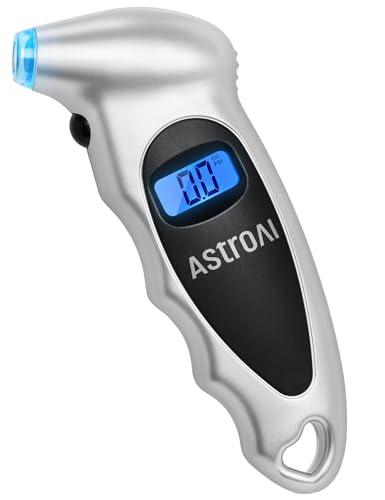
Accurate, Dependable Readings: Factory‑calibrated to ±1 PSI, so you can confidently match your vehicle’s recommended PSI (check the door jamb sticker). Ideal for monthly checks and road trips — consistent results every time, cold or warm.

RUGGED DESIGN: The stainless steel components prevent rust and corrosion while the precision-crafted nozzle seamlessly seals onto the valve stems for highly accurate readings (±2% span). We also provide 4 valve stem caps for convenient replacement.

HIGH ACCURACY: Every ETENWOLF's pencil tire gauge is calibrated to ANSI B40.1 Grade B, it is accurate to 2% of span in the middle 50% of range and 3% of span in the lower and upper 25% of range. Each ETENWOLF pencil tire pressure gauge is manually calibrated and has its unique calibration number printed on the pencil
Conclusion and Tips for Preventing Uneven Tire Wear
Uneven tire wear usually points to a fixable issue. The most common causes include overinflation, underinflation, misaligned wheels, worn suspension components, improper wheel balancing, aggressive driving habits, missed tire rotation, incorrect camber or toe settings, damaged tires, and rough driving surfaces.
To prevent uneven tire wear, check tire pressure regularly, rotate tires on schedule, keep wheels balanced, inspect suspension parts, and schedule alignment checks when you notice pulling, vibration, off-center steering, or one-sided tread wear. Smooth driving also helps reduce unnecessary stress on the tires.
If you are experiencing uneven tire wear, you may also find related maintenance topics helpful, such as top floor epoxy picks for 2025. A cleaner, smoother garage floor can make tire checks, pressure checks, and basic vehicle maintenance easier. You can also review tips for effective outdoor kitchen use if you want a more organized outdoor workspace near your home, or explore outdoor tablecloths with weights for protecting work surfaces from dust and debris during light maintenance tasks.
Frequently Asked Questions
What causes uneven tire wear?
Uneven tire wear can be caused by improper tire inflation, misaligned wheels, worn suspension components, poor wheel balancing, missed tire rotations, damaged tires, rough roads, and driving habits such as hard braking or aggressive cornering.
How can I prevent uneven tire wear?
You can prevent uneven tire wear by maintaining proper tire pressure, rotating tires on schedule, balancing wheels when needed, checking alignment after impacts, inspecting suspension components, replacing damaged tires, and driving smoothly.
What are the potential dangers of driving with unevenly worn tires?
Driving with unevenly worn tires can reduce traction, weaken braking performance, increase vibration, make handling less predictable, raise the risk of hydroplaning, and increase the chance of tire failure if the tire is severely worn or damaged.
How often should I have my tires checked for uneven wear?
Inspect your tires visually at least once a month, before long trips, and during routine maintenance such as oil changes or tire rotations. Check sooner if you feel vibration, hear unusual tire noise, notice pulling, or hit a pothole hard.
Can I fix uneven tire wear myself, or do I need to take my car to a professional?
You can handle simple checks such as correcting tire pressure and visually inspecting tread. However, wheel alignment, suspension repair, tire balancing, and severe tire damage should be handled by a professional mechanic or tire shop.
Can uneven tire wear be repaired?
The worn tread itself cannot be restored. You can fix the cause, such as low tire pressure, misalignment, imbalance, or worn suspension parts. If the tire still has safe tread depth and no damage, it may remain usable after the cause is corrected.
Why are my front tires wearing faster than my rear tires?
Front tires often wear faster because they handle steering forces and much of the braking load. On front-wheel-drive vehicles, they also transfer engine power to the road. Regular rotation helps even out this wear.
Sources
- National Highway Traffic Safety Administration: Tires — supports general tire safety, tire inspection, and tire maintenance guidance.
- FuelEconomy.gov: Keeping Your Car in Shape — supports the link between proper tire inflation, rolling resistance, and fuel economy.
- U.S. Department of Energy: Fuel-Efficient Driving — supports smoother driving habits and reduced vehicle stress.
