
Disclosure: As an Amazon Associate, we earn from qualifying purchases. If you click a link on this page and make a purchase, we may receive a small commission at no extra cost to you.
Choosing a replacement tire is not only about finding the right diameter. You also need the correct load index, speed rating, season type, and quantity for your vehicle. The Barkley Everlast AS 195/65R15 91H is a standard-load, all-season passenger tire aimed at everyday commuting and highway use. This review explains where it makes sense, what the verified specifications support, and which details you should confirm before ordering.
Its strongest case is straightforward fitment and year-round road use at a value-focused level. Its main limitation is that seller information for treadwear coverage and UTQG is inconsistent, so you should verify the current listing and tire sidewall before treating either claim as final.
Quick Verdict
Rating: 7.5/10, recommended with caveats
Best For: Drivers who need a correctly sized 195/65R15 91H all-season tire for routine city and highway driving
Bottom Line: The Everlast AS offers a conventional all-season tread, standard-load construction, and an H speed rating for daily passenger-car use. Skip it if you need severe-snow certification, premium-brand support, or fully consistent warranty documentation across sellers.
Before You Buy: Match the full service description, 195/65R15 91H, to your door-jamb placard or owner’s manual. Also confirm whether the Amazon offer is for one tire or multiple tires, because quantity can vary by seller.
Key Specifications
| Specification | Detail |
|---|---|
| Brand | Barkley |
| Model | Everlast AS |
| Product type | All-season passenger tire |
| Tire size | 195/65R15 |
| Load index | 91, up to 1,356 pounds per tire under rated conditions |
| Speed rating | H |
| Load range | SL, standard load |
| Rim diameter | 15 inches |
| Overall diameter | About 25 inches |
| Sidewall | Black sidewall |
| Run-flat construction | No |
| Best use | Commuting, errands, and normal highway driving in dry, wet, and light-winter conditions |
| Verify before purchase | Vehicle fitment, package quantity, current warranty terms, UTQG marking, and production date |
What Is the Barkley Everlast AS 195/65R15?
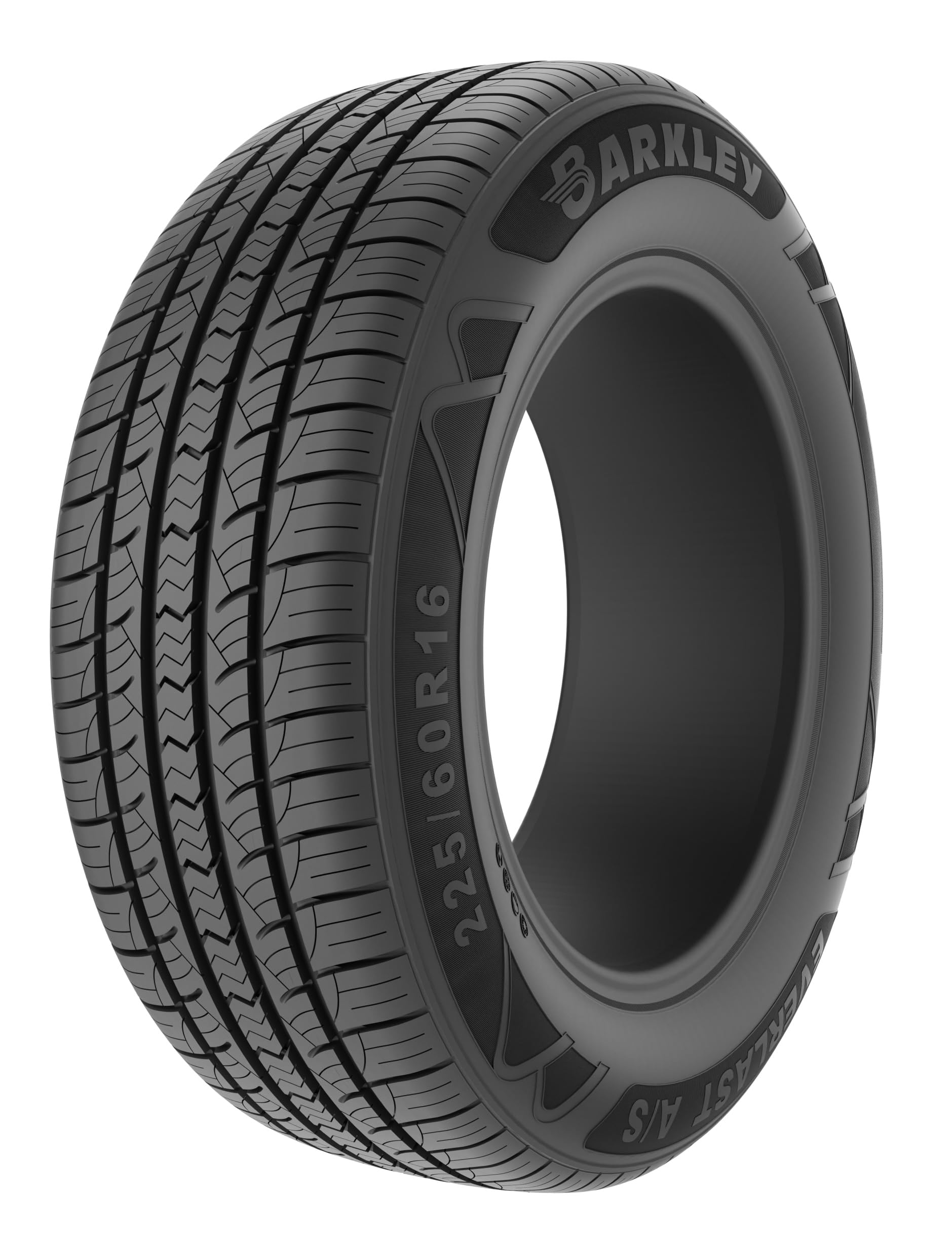
The Barkley Everlast AS is an all-season tire built for passenger vehicles. This version uses the common 195/65R15 size with a 91 load index, an H speed rating, standard-load construction, and a black sidewall. Its approximately 25-inch overall diameter matches the general dimensions expected from this size, but the size alone does not prove compatibility with your car.
The tread uses a symmetric layout with grooves and siping intended to support dry, wet, and light-winter traction. A symmetric design can also simplify rotation because the tire is not directional, although your installer should still follow the rotation pattern recommended for your vehicle and drivetrain.
This tire makes the most sense when you want normal daily-road performance and the exact service description matches your original equipment requirements. It is not a severe-snow tire, a run-flat tire, or a substitute for a higher load rating required by the vehicle manufacturer.
Who Should Buy It?
Best For
- Cars whose placard specifies 195/65R15 with a 91H or compatible service description
- Drivers focused on commuting, errands, and normal highway travel
- Buyers who want an all-season tire for moderate climates and occasional light snow
Skip If
- Your vehicle requires a higher load index, different speed rating, XL construction, or another size
- You regularly drive through deep snow, packed ice, or severe winter weather
- You want a premium touring tire with extensive first-party documentation and broad dealer support
Buyer Feedback and Evidence Note
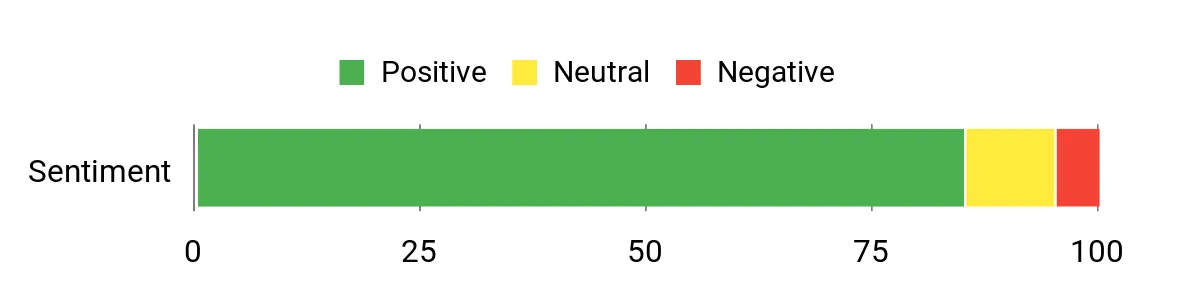
The original article included a positive sentiment summary, but it did not provide the review sample, source, date range, or calculation method. Because those details are missing, this review does not use the chart as proof of ride comfort, wet braking, tread life, or customer satisfaction.
Use the graphic as an existing editorial visual only. For a purchase decision, give more weight to the service description, the sidewall markings, the seller’s written warranty terms, the tire’s production date, and advice from a qualified tire installer.
Pros and Cons
Pros
- Common 195/65R15 size for many compatible passenger cars
- 91H service description supports standard-load daily driving applications
- Symmetric all-season tread can support straightforward rotation and even-wear maintenance
- Grooves and siping are designed for water evacuation and light-winter traction
- Non-run-flat construction may suit drivers who prioritize conventional tire service and ride characteristics
Cons
- Warranty mileage and UTQG information are not consistent across current seller pages
- No verified severe-snow certification, so it is not the right choice for regular ice or deep snow
- Online quantity and fitment details still require a careful pre-purchase check
Fit and Compatibility
The full tire code matters. In 195/65R15, the first number is the nominal section width in millimeters, 65 is the aspect ratio, R identifies radial construction, and 15 is the wheel diameter in inches. The 91H service description adds the load and speed ratings. You should not replace a factory tire with a lower load index or speed rating unless the vehicle manufacturer specifically approves it.
Check the driver-side door-jamb placard first, then confirm the same details in the owner’s manual. A vehicle search tool on a retailer page can help, but it should not replace the placard because trim levels, wheel packages, and previous modifications can change fitment.
Pro Tip: Photograph your current tire sidewall and door-jamb placard before shopping. Compare size, load index, speed rating, and load range line by line, then ask the installer to confirm fitment before mounting.
Tread Design and Wet-Road Use
The Everlast AS uses an all-season tread with circumferential grooves and smaller biting edges. The grooves provide channels for water and slush to leave the contact area, while the siping adds edges that can help the tread engage damp pavement and light snow.
Those design features support the tire’s intended use, but they do not guarantee a fixed stopping distance or protection from hydroplaning. Wet performance still depends on tread depth, inflation, vehicle condition, speed, standing-water depth, and road surface. Slow down in heavy rain and replace tires before they reach unsafe tread depth.
Ride Comfort, Noise, and Highway Stability
A symmetric passenger-tire pattern is generally aimed at predictable road manners rather than aggressive cornering. The Everlast AS should be evaluated as a practical daily tire, not a summer performance tire. The H rating indicates the tire is built to meet a defined speed category under controlled conditions, but it is not permission to exceed posted limits.
Ride quality depends heavily on correct inflation, wheel condition, alignment, suspension wear, and installation quality. Even a comfort-focused tire can feel noisy or rough when it is overinflated, mounted on a bent wheel, or paired with worn suspension parts.
How It Performs in Real Use
Daily Commuting
For normal city driving, the standard-load construction and common 15-inch fitment suit the basic demands of acceleration, braking, and low-speed maneuvering when the tire is properly matched to the vehicle. Frequent stop-and-go use makes inflation checks and rotation especially important because front tires may wear faster on many vehicles.
Highway Trips
The 91H service description is appropriate only when it meets or exceeds the vehicle’s requirements. Before a long trip, inspect for cuts, bulges, uneven wear, embedded objects, and pressure loss. A stable highway feel also depends on professional balancing and a sound alignment.
Rain and Standing Water
The groove layout is intended to move water away from the tread, but no all-season tire can cancel hydroplaning risk. Reduce speed in heavy rain, avoid abrupt steering, and leave more braking distance. Worn tread or incorrect pressure can reduce the benefit of the water channels.
Light Winter Conditions
The all-season compound and siping can provide limited traction in cold weather and light snow. The tire should not be treated as a dedicated winter tire without verified severe-snow certification. Drivers who face regular ice, deep snow, steep winter roads, or long freezing seasons should compare true winter or all-weather tires approved for those conditions.
Installation and Maintenance
Have the tire mounted and balanced by a qualified shop. The installer should inspect the wheel, valve stem, bead area, and remaining tires, then confirm that all four positions meet the vehicle’s load and speed requirements. Mixing substantially different tread designs or wear levels can affect handling, especially on all-wheel-drive vehicles.
Inflate to the vehicle placard pressure, not a guessed value and not automatically to the maximum pressure printed on the tire. Check pressure when the tires are cold, rotate them according to the vehicle schedule, and investigate pulling, vibration, or rapid shoulder wear instead of assuming the tire itself is the only cause.
Compatibility and Safety
This is a non-run-flat passenger tire, so a puncture may require a spare tire, sealant kit, roadside service, or towing depending on the damage and your vehicle equipment. Do not drive on a tire with a visible bulge, exposed cords, sidewall damage, rapid air loss, or severe vibration.
The load index of 91 corresponds to a rated load capacity of 1,356 pounds per tire under specified conditions. That number is not the same as the vehicle’s payload rating, and you should never calculate safe vehicle loading from tire capacity alone. Follow the vehicle’s gross axle and gross vehicle weight limits.
Common Mistakes to Avoid
- Buying by size alone without checking the 91H service description
- Assuming the listing includes four tires without confirming quantity
- Using the sidewall maximum pressure as the normal inflation target
- Expecting an all-season tire to perform like a dedicated winter tire on ice
- Ignoring the DOT production date, seller warranty terms, or return rules before mounting
- Mounting one new tire with three heavily worn tires without professional advice
Is It Worth the Price?
The Everlast AS is worth considering when the current installed cost is meaningfully lower than established touring alternatives and the 195/65R15 91H specification is correct for your car. Its value comes from covering ordinary all-season passenger-tire needs without adding specialty features you may not use.
The tradeoff is documentation. When warranty mileage, UTQG, quantity, or seller support is unclear, compare the total cost after mounting, balancing, disposal, and road-hazard coverage. A slightly higher tire price can be worthwhile when it includes clearer warranty handling and easier local service.
How It Compares to Alternatives
The General AltiMAX RT45 is worth comparing if you want built-in wear and alignment indicators from a more established touring line. The Kumho Solus TA51a emphasizes quiet grand-touring comfort and wet grip, while the Falken Sincera SN250 A/S focuses on long-life touring performance and broad support.
The Barkley makes the most sense when correct fitment and a lower total installed cost matter more than premium-brand features. Compare the same 195/65R15 service description, current warranty terms, and local installation support rather than choosing by price alone.
Related Guides
Frequently Asked Questions
Will the Barkley Everlast AS 195/65R15 fit my car?
It fits only when your vehicle allows the full 195/65R15 91H service description or an approved equivalent. Confirm the door-jamb placard, owner’s manual, wheel size, and load requirement before ordering.
Is the Amazon listing for one tire or a set?
Do not assume the quantity from the product photo. Check the current listing title, package quantity, cart quantity, and seller details before paying because tire offers are often sold per tire.
Can I use this tire in snow?
It is an all-season tire intended for dry, wet, and light-winter conditions. Choose a verified severe-snow-rated all-weather or winter tire if you regularly drive on ice, packed snow, deep snow, or steep winter roads.
What does 91H mean?
The 91 load index corresponds to a rated capacity of 1,356 pounds per tire under specified conditions. H is the speed-rating category, but you must still follow legal speed limits and the vehicle manufacturer’s requirements.
What pressure should I use?
Use the cold-tire pressure on the vehicle’s door-jamb placard or in the owner’s manual. The maximum pressure on a tire sidewall is not automatically the correct everyday setting for your vehicle.
How long should the tire last?
Actual life depends on alignment, inflation, rotation, road conditions, driving style, and storage. Current retailer pages do not present fully consistent treadwear coverage for this model, so confirm the exact written warranty tied to the seller and size.
Can I replace only one tire?
Sometimes, but the answer depends on remaining tread depth, axle position, drivetrain, and manufacturer guidance. All-wheel-drive vehicles can be sensitive to circumference differences, so ask a qualified installer before replacing only one tire.
Who should skip the Barkley Everlast AS?
Skip it when your vehicle needs a different size, a load index above 91, XL construction, run-flat capability, or verified severe-snow performance. It is also a weaker fit for buyers who require extensive manufacturer documentation or local warranty support.
Why Drivers May Choose It
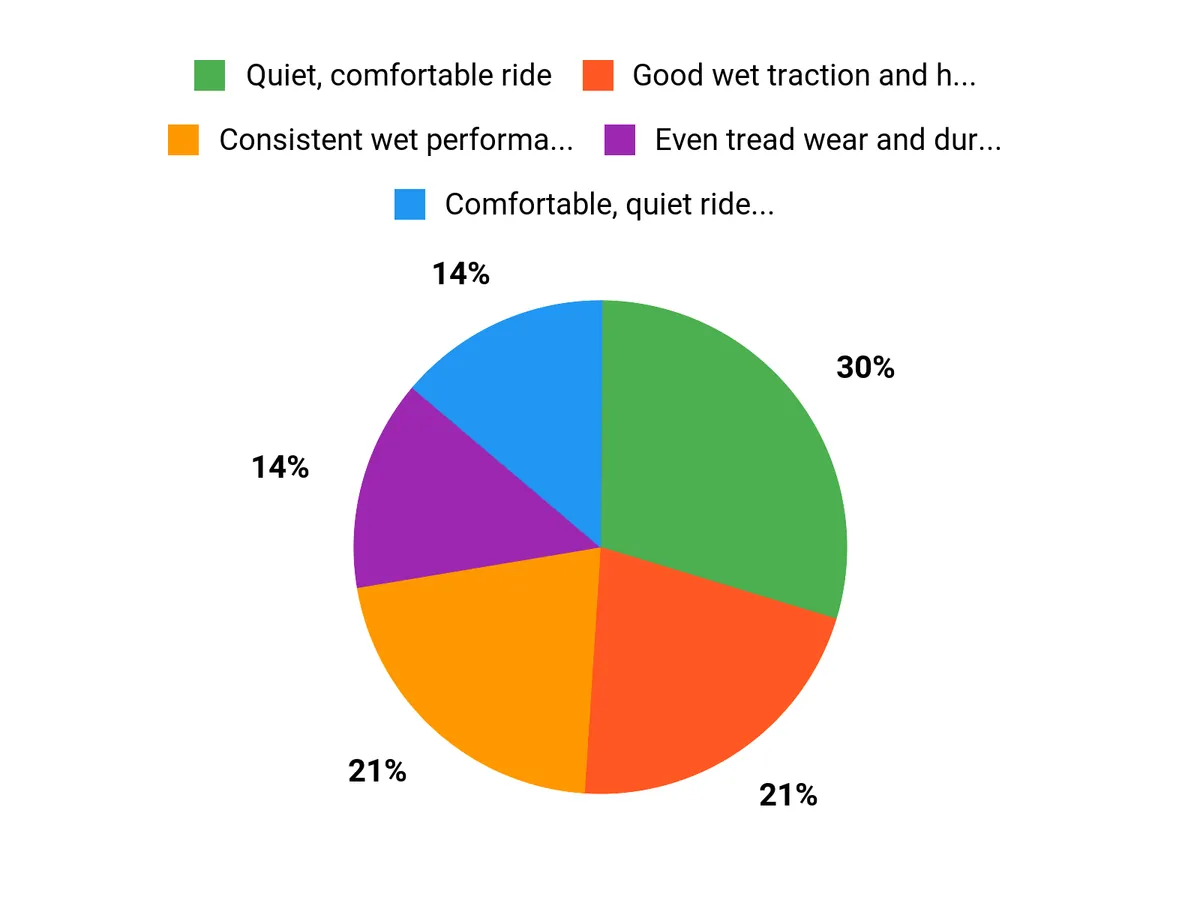
The core appeal is simple: a common passenger-car size, a standard-load 91H service description, and an all-season tread for ordinary road use. The existing chart below is retained from the source article, but its underlying data was not supplied and was not used to calculate this review’s rating.
The Bottom Line
The Barkley Everlast AS 195/65R15 91H is a reasonable value-focused option for compatible passenger cars used mainly for commuting, errands, and normal highway travel. Its main strengths are conventional all-season design and clear core fitment specs, while inconsistent warranty and UTQG information remain the main caveat. Skip it for severe winter use, higher-load applications, or any vehicle that does not approve the full service description.
Ready to Buy?
Confirm fitment, package quantity, warranty terms, and the seller’s return policy before mounting.