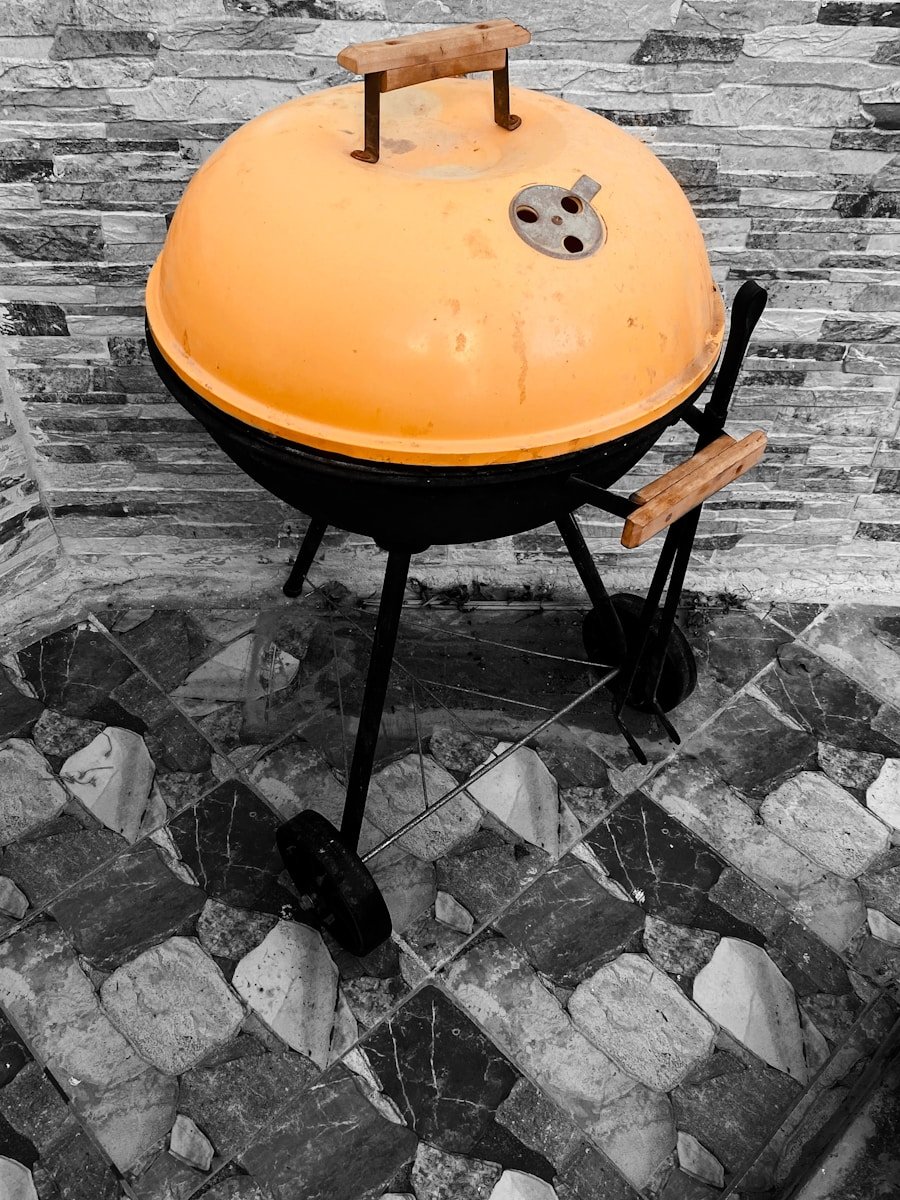
Charcoal smokers give you a classic way to cook barbecue with deep smoke flavor, steady low heat, and plenty of hands-on control. They use charcoal as the main fuel source, which creates heat while helping food develop the rich taste many backyard cooks expect from smoked brisket, ribs, pork shoulder, chicken, fish, vegetables, and even desserts.
Smoking works best when you cook food at lower temperatures over a longer period. That slow process gives smoke time to move through the cooking chamber and flavor the food. It also helps tough cuts of meat become more tender as connective tissue breaks down and fat slowly renders.
The appeal of a charcoal smoker goes beyond flavor. Many models let you cook with direct heat, indirect heat, or a mix of both. You can sear meat over hot coals, smoke it low and slow, or use the same cooker for grilling, roasting, and baking depending on the smoker style.
Quick Answer
The best charcoal smoker for your home depends on your space, budget, cooking style, and comfort with temperature control. Beginners often do best with vertical water smokers, while experienced barbecue fans may prefer offset or kamado smokers for larger capacity, stronger smoke flavor, and more cooking versatility.
Key Takeaways
- Charcoal smokers create a traditional barbecue flavor by using charcoal heat and wood smoke together.
- Size, construction material, airflow control, cooking space, and ease of cleaning matter more than looks alone.
- Offset, vertical, and kamado smokers each suit different skill levels, budgets, and cooking styles.
- Beginners should look for stable temperature control, simple ash cleanup, and enough cooking area for everyday use.
- Good maintenance, safe food temperatures, and the right accessories can improve both results and smoker lifespan.
The art of charcoal smoking does take practice. You need to learn how airflow, fuel amount, charcoal placement, water pans, and wood selection affect the cook. Once you understand those basics, a charcoal smoker can become one of the most rewarding tools in your outdoor cooking setup.
Factors to Consider When Choosing a Charcoal Smoker
When selecting a charcoal smoker, start with the size. Think about how many people you usually cook for and what foods you plan to smoke most often. A small smoker may work well for chicken, ribs, and weekend meals, while a larger model gives you more room for brisket, pork shoulder, turkey, or multiple racks of ribs.
Cooking space also affects convenience. If you host family gatherings or cook several meats at once, a smoker with multiple racks or a large horizontal chamber can save time. If you mostly cook for two to four people, a compact vertical smoker may be easier to store, move, and manage.
Construction material is another key factor. Charcoal smokers are often made from steel, cast iron, ceramic, or insulated metal. Thicker materials usually hold heat better and help reduce temperature swings. Thin metal smokers can still work, but they may need more fuel, more vent adjustments, and more attention in cold or windy weather.
Temperature control should be high on your list. Look for adjustable intake and exhaust vents, a tight-fitting lid or door, and enough access to add fuel without losing too much heat. Built-in thermometers can help, but many cooks still use a separate digital thermometer for better accuracy.
Note: A smoker that holds a steady temperature is usually easier to use than one with the largest cooking area. Consistent airflow and heat control can matter more than extra space.
You should also consider fuel access and ash cleanup. Long smoking sessions may require adding more charcoal during the cook. A separate charcoal door, removable ash pan, or easy-access firebox can make that process much smoother.
Portability matters if you plan to move the smoker around your patio, store it in a garage, or take it to a campsite or tailgate. Look at the weight, wheel design, handles, and footprint before choosing a model. A heavy smoker may feel more stable, but it can become frustrating if you need to move it often.
Types of Charcoal Smokers: Offset, Vertical, and Kamado

Charcoal smokers come in several designs, and each one has its own strengths. The right type depends on your space, budget, experience level, and the way you like to cook.
Offset Smokers
Offset smokers are a favorite among barbecue enthusiasts. They have a main cooking chamber connected to a smaller firebox where charcoal and wood burn. Heat and smoke travel from the firebox into the cooking chamber, which lets you cook food with indirect heat.
Offset smokers usually offer a large cooking capacity. That makes them useful for ribs, brisket, pork shoulder, whole chickens, and larger backyard gatherings. They can also create a strong smoke profile when managed well.
The tradeoff is that offset smokers often require more skill. You may need to adjust vents, add fuel, rotate food, and watch for hot spots. Lower-cost offset smokers can also leak smoke or lose heat if the metal is thin or the doors do not seal well.
Vertical Smokers
Vertical smokers use stacked cooking racks inside a tall, compact body. This design saves space while still giving you enough room to smoke several items at once. Many beginners like vertical smokers because they often take up less patio space and can be easier to manage.
Some vertical smokers use a water pan. The water pan helps stabilize heat and adds moisture inside the cooking chamber. This can make the smoker more forgiving during longer cooks, especially when you are still learning how to manage charcoal and airflow.
Bullet-style smokers are a common vertical design. They are popular because they are simple, efficient, and capable of steady low-and-slow cooking when the vents are set correctly.
Kamado Smokers
Kamado smokers are egg-shaped cookers known for strong heat retention. Many use ceramic walls, while some budget-friendly versions use insulated steel. Their design lets them hold stable temperatures for long cooks and reach high heat for grilling.
Kamado smokers are versatile. You can use them for smoking, grilling, roasting, baking pizza, and even baking bread with the right setup. They also tend to use charcoal efficiently because the insulated body holds heat well.
The main drawback is cost. Ceramic kamado smokers can be expensive and heavy. They may also require accessories such as heat deflectors, charcoal baskets, or raised cooking racks to unlock their full range of cooking options.
Budget-Friendly Charcoal Smokers for Beginners
| Charcoal Smoker Model | Cooking Area (sq. inches) | Price Range | Weight (lbs) |
|---|---|---|---|
| Weber Smokey Mountain Cooker | 481 | 200-400 | 39 |
| Dyna-Glo Vertical Offset Smoker | 784 | 150-300 | 57 |
| Char-Griller E1224 Smokin Pro | 580 | 200-350 | 113 |
For those just starting their journey into charcoal smoking, budget-friendly smokers can provide excellent value without sacrificing the basics. A beginner smoker should be easy to light, simple to adjust, and stable enough to hold a steady temperature during longer cooks.
One popular choice among beginners is the Weber Smokey Mountain Cooker. This vertical water smoker is known for its simple design and ability to maintain consistent temperatures with less effort than many low-cost offset smokers. With two cooking grates and a compact body, it gives new smokers enough room to practice with ribs, chicken, pork shoulder, and other common barbecue foods.
The Dyna-Glo Vertical Offset Smoker is another option for cooks who want more rack space in a vertical layout. Its tall design can hold several foods at once, which helps when you want to smoke different cuts for a group. Because it uses an offset firebox style, it may still require careful airflow and fuel management.
The Char-Griller E1224 Smokin Pro gives beginners an offset-style setup at a more approachable level. It offers a larger horizontal cooking chamber and can work for both smoking and grilling. However, it may need more attention than a vertical water smoker because offset cookers can be more sensitive to wind, fuel level, and vent settings.
Another great option is the Char-Griller Akorn Kamado Grill. This affordable kamado-style smoker offers strong heat retention and useful versatility at a lower cost than many ceramic kamado models. Its insulated steel construction helps reduce fuel use while giving you enough cooking space for common backyard meals.
The Akorn can reach higher temperatures for grilling, but it can also run low and slow for smoking. That makes it a strong choice if you want one cooker for burgers, steaks, ribs, pork, and pizza-style cooking without buying several outdoor appliances.
Pro Tip: If you are buying your first charcoal smoker, choose a model that makes temperature control easier. You will enjoy the learning process more when you are not fighting leaks, thin metal, or awkward ash cleanup.
[Amazon Products Picked for You]
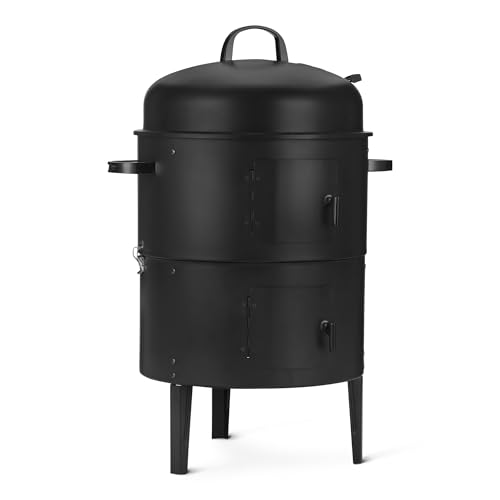
SMOKY FLAVOR COOKING: Outdoor charcoal smoker for slow-cooking food that imparts a delicious smoky flavor to meats, ribs, and more

Versatile 4-in-1 Design: This vertical smoker functions as a charcoal smoker grill, standalone bbq smoker, two small charcoal grill or a fire pit for all your outdoor cooking adventures. Lockable layers and heat-resistant handles make transport easy, perfect for patios, camping, and tailgates
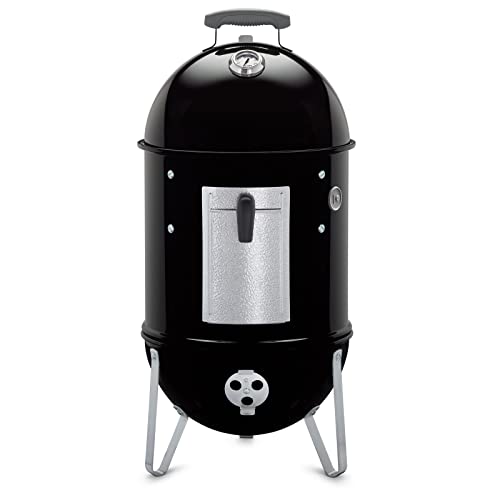
Porcelain-enameled lid, bowl, and center section retain heat and won’t rust or peel
High-End Charcoal Smokers for Serious BBQ Enthusiasts
For serious barbecue enthusiasts willing to invest in their craft, high-end charcoal smokers can offer better construction, stronger heat retention, larger cooking capacity, and more precise control. These smokers often cost more, but they can make long cooks more predictable and enjoyable.
The Big Green Egg is one of the most recognized names in the kamado smoker category. It is known for exceptional heat retention, strong build quality, and broad cooking versatility. This ceramic smoker can reach high temperatures for grilling while also handling low-and-slow smoking for ribs, brisket, pork shoulder, and poultry.
The Big Green Egg also has a wide accessory system. Heat deflectors, raised racks, pizza stones, and specialty cooking surfaces let you customize the cooker for different meals. That flexibility is one reason it remains popular with experienced outdoor cooks and barbecue fans.
Another premium option is the Traeger Timberline Series, which combines traditional outdoor cooking expectations with modern control features. While Traeger is primarily known for pellet grills, the Timberline Series is often discussed by shoppers who want a high-end outdoor cooking setup with digital temperature control and app-based monitoring.
The Timberline Series focuses on convenience, steady temperature management, and remote monitoring through Wi-Fi features. That can appeal to cooks who want barbecue results with less manual fire management than a traditional charcoal-only smoker. If your main goal is classic charcoal flavor, compare the fuel system carefully before choosing this type of cooker.
High-end smokers can be worth it if you cook often, host large groups, or want a cooker that lasts for years with proper care. They may also hold temperatures better in poor weather, recover faster after opening the lid, and provide more consistent results across long smoking sessions.
[Amazon Products Picked for You]

INGENIOUS ENGINEERING – 1” thick and strong ceramic wall, Japanese dome shape design to maximize air flow while minimizing fuel input - 15” Ceramic Body
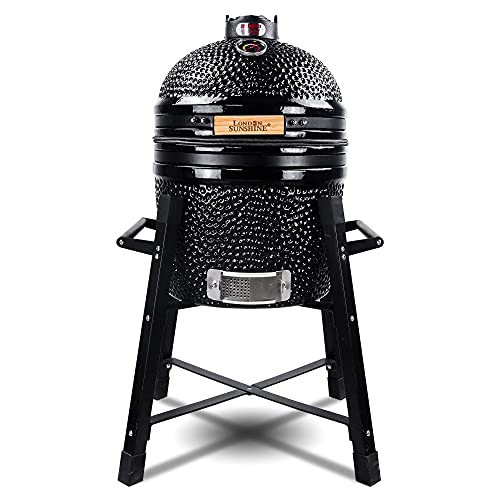
INGENIOUS ENGINEERING – 1” thick and strong ceramic wall, Japanese dome shape design to maximize air flow while minimizing fuel input - 15” Ceramic Body

INGENIOUS ENGINEERING – 1” thick and strong ceramic wall, Japanese dome shape design to maximize air flow while minimizing fuel input - 15” Ceramic Body
Safety Tips Before You Start Smoking
Charcoal smoking is enjoyable, but it still involves fire, smoke, hot metal, and food safety. Always use your smoker outdoors in a well-ventilated area. Never use a charcoal smoker inside a garage, enclosed porch, tent, or any indoor space.
Place the smoker on a stable, heat-safe surface away from siding, railings, dry leaves, and other flammable materials. Keep children and pets away from the smoker while it is hot. Even after the cook ends, charcoal and metal parts can stay hot for a long time.
Warning: Never use a charcoal smoker indoors or in an enclosed space. Burning charcoal can create dangerous carbon monoxide, and the risk remains even when the fire looks small.
Use heat-resistant gloves when adjusting vents, adding fuel, moving grates, or handling hot accessories. Long tongs and a sturdy grill brush can also help you work more safely around the fire.
Food safety matters too. Use a digital meat thermometer to check internal temperatures instead of guessing by color. Different meats need different final temperatures, and large cuts may also need resting time before slicing or serving.
How to Control Temperature in a Charcoal Smoker
Temperature control is one of the biggest skills in charcoal smoking. Your smoker’s temperature depends on three main things: the amount of lit charcoal, the airflow through the vents, and how well the cooker holds heat.
The intake vent controls how much oxygen reaches the charcoal. More oxygen usually makes the fire burn hotter. Less oxygen slows the burn and lowers heat. The exhaust vent lets smoke and heat leave the cooker, so many cooks keep it mostly open and adjust the intake vent first.
Start with a small, controlled amount of lit charcoal for low-and-slow cooking. You can add unlit charcoal around it so the fire slowly spreads during the cook. This method helps extend burn time and reduces large temperature spikes.
Water pans can also help stabilize the cooking chamber. In vertical water smokers, the pan sits between the fire and the food. It helps buffer heat and can reduce sudden swings when the fire gets hotter.
Wind, cold weather, and opening the lid can all affect temperature. Try to place the smoker where it is protected from strong wind while still staying outdoors in open air. Avoid opening the lid too often because each opening releases heat and smoke.
Charcoal, Wood, and Flavor Choices
The fuel and wood you choose can change the flavor of your food. Charcoal briquettes often burn evenly and predictably, which can help beginners maintain steady temperatures. Lump charcoal can burn hotter and may produce less ash, but pieces vary in size and can behave less consistently.
Wood chips and chunks add smoke flavor. Wood chunks usually work better for longer cooks because they burn more slowly than small chips. Chips can be useful for shorter cooks, especially when you only want a light smoke touch.
Hickory gives a strong, classic barbecue flavor and works well with pork and beef. Oak is steady and balanced, making it useful for brisket and larger cuts. Apple and cherry create a milder, slightly sweet smoke that pairs well with pork, chicken, and turkey.
Avoid using treated wood, painted wood, construction scraps, or unknown wood in your smoker. Those materials may release unsafe fumes or unpleasant flavors. Use cooking wood sold for grilling and smoking.
Tips for Maintaining and Cleaning Your Charcoal Smoker

Proper maintenance and cleaning can improve your smoker’s performance and extend its life. After each use, let the smoker cool completely before cleaning. Once it is cool, remove leftover ash from the charcoal chamber with an ash tool or a vacuum designed for ash cleanup.
Do not let ash sit in the smoker for long periods. Ash can hold moisture, which may encourage rust in metal smokers. Built-up ash can also block airflow and make temperature control harder during your next cook.
Clean the cooking grates after each use to prevent heavy residue buildup. A grill brush can remove stuck food, while warm soapy water can help loosen tougher debris when the grates are removable. Clean grates reduce off-flavors and help food release more easily.
Check seals, gaskets, vents, hinges, and doors from time to time. Worn gaskets or leaky doors can make the smoker harder to control. Replacing damaged parts can improve heat retention and reduce fuel waste.
For painted or steel smokers, inspect the body for rust spots. Clean small rust areas early and follow the manufacturer’s care instructions for touch-ups or seasoning. Ceramic kamado smokers need different care, so avoid harsh impacts and protect them from tipping or cracking.
Accessories and Add-Ons for Enhancing Your Charcoal Smoking Experience
The right accessories can make charcoal smoking easier, safer, and more consistent. One essential tool is a good digital meat thermometer or probe thermometer. It lets you check the internal temperature of meat without opening the smoker too often.
A separate thermometer for the cooking chamber can also help. Built-in lid thermometers may not show the same temperature as the grate where your food sits. A grate-level probe gives you a clearer view of the real cooking temperature.
A charcoal chimney starter is another valuable accessory. It helps light charcoal without lighter fluid, which can leave unwanted flavors if used incorrectly. A chimney starter uses paper or natural fire starters below the charcoal and lets the coals light evenly before you add them to the smoker.
Heat-resistant gloves, long tongs, a drip pan, an ash tool, and a grill brush are also useful. If you cook large cuts of meat, a sharp slicing knife and insulated cooler can help with resting and serving.
High-quality wood chips or chunks can improve flavor. Different woods give different results, so experiment in small amounts. Too much strong smoke can make food taste bitter, especially with poultry or delicate foods.
Note: Clean smoke should look thin and light, not thick and dirty. Heavy, bitter smoke can overpower food and leave an unpleasant taste.
Comparing Charcoal Smokers: Reviews and Recommendations from Experts
When choosing the right charcoal smoker, expert reviews and owner feedback can provide useful insight into performance, durability, and everyday ease of use. Look for patterns in reviews rather than one-off comments. A good smoker should hold heat well, respond to vent changes, clean up without too much trouble, and feel sturdy during use.
Many barbecue enthusiasts recommend the Weber Smokey Mountain Cooker as an excellent entry-level option because of its reliability, simple design, and steady cooking performance. Users often praise its ability to maintain consistent temperatures over long periods while producing flavorful smoked meats.
For those seeking versatility, many experienced cooks highlight the Big Green Egg as a top-tier choice among kamado-style smokers. Its strong heat retention helps it work for smoking, grilling, baking, and roasting. That makes it useful for cooks who want one outdoor cooker that can handle many techniques.
Offset smokers appeal to cooks who enjoy a more hands-on barbecue process. They can produce excellent results, but they usually reward patience and practice. If you enjoy managing a live fire and cooking for larger groups, an offset smoker may be a satisfying choice.
Vertical smokers often suit beginners and space-conscious homeowners. They provide a practical balance of cooking capacity, small footprint, and easier heat management. Kamado smokers suit cooks who want fuel efficiency, temperature stability, and all-in-one versatility.
Whether you are just starting with charcoal smoking or upgrading from a basic grill, understanding smoker types, features, maintenance needs, and accessories will help you choose a model that fits your cooking style. With steady practice and proper care, your charcoal smoker can deliver deeply flavored meals that impress family and friends.
If you are looking for more kitchen gadgets to enhance your cooking experience, you may want to check out this article on the 5 Most Reliable Popcorn Makers for Your Home. Just like choosing a charcoal smoker, selecting the right popcorn maker can make a big difference in the quality of your snacks. This article provides a detailed review of some of the best options available on the market.
[Amazon Products Picked for You]

Four chrome smoking racks with 717 square inch of cooking space

Perfect for Outdoor Camping: Tailored for outdoor camping enthusiasts, this smoker grill enhances the wilderness cooking experience with its versatile functionalities

Versatile Cooking Options: Elevate your outdoor cooking with the Charcoal Vertical Smoker, perfect for everything from slow smoking to high heat grilling. Whether you're smoking meat, grilling vegetables, or even baking bread, this smoker grill adapts to all your cooking needs with its multi-layered design and adjustable configurations
Related Guides
Frequently Asked Questions
What is a charcoal smoker?
A charcoal smoker is an outdoor cooking device that uses charcoal as its main fuel source to create low, steady heat. You can add wood chips or chunks to create smoke flavor for meats, fish, vegetables, and other foods.
What are the different types of charcoal smokers?
Common types include vertical water smokers, offset smokers, and kamado-style smokers. Vertical smokers are compact and beginner-friendly, offset smokers offer larger capacity and traditional fire management, and kamado smokers provide strong heat retention and cooking versatility.
What factors should I consider when choosing a charcoal smoker for my home?
Consider cooking space, smoker size, construction material, temperature control, airflow design, ash cleanup, portability, and price. You should also think about the amount of food you cook and whether you prefer a simple beginner smoker or a more hands-on barbecue setup.
What are the advantages of using a charcoal smoker?
Charcoal smokers are known for rich smoke flavor, traditional barbecue results, and flexible cooking options. Many models can smoke, grill, roast, or sear depending on their design and setup.
Are there any drawbacks to using a charcoal smoker?
Charcoal smokers require more attention than many electric or gas smokers. You need to light charcoal, manage airflow, monitor temperature, remove ash, and add fuel during longer cooking sessions.
What are some popular brands of charcoal smokers?
Popular brands include Weber, Char-Griller, Dyna-Glo, Big Green Egg, and Kamado Joe. Each brand offers different models with different sizes, materials, features, and price points.
Is a charcoal smoker good for beginners?
Yes, a charcoal smoker can be good for beginners if you choose a forgiving model. Vertical water smokers are often easier to learn because they hold steady heat, use space well, and do not require as much fire management as many offset smokers.
Do I need wood chips or chunks with a charcoal smoker?
You do not always need wood, but wood chips or chunks add the smoke flavor most people expect from barbecue. Use mild woods for poultry and pork, and stronger woods such as hickory or oak for beef and larger cuts.
How do I make a charcoal smoker easier to control?
Start with a moderate amount of lit charcoal, adjust the intake vent slowly, keep the exhaust vent open enough for clean airflow, and avoid opening the lid too often. A digital thermometer can also help you track cooking temperature more accurately.
