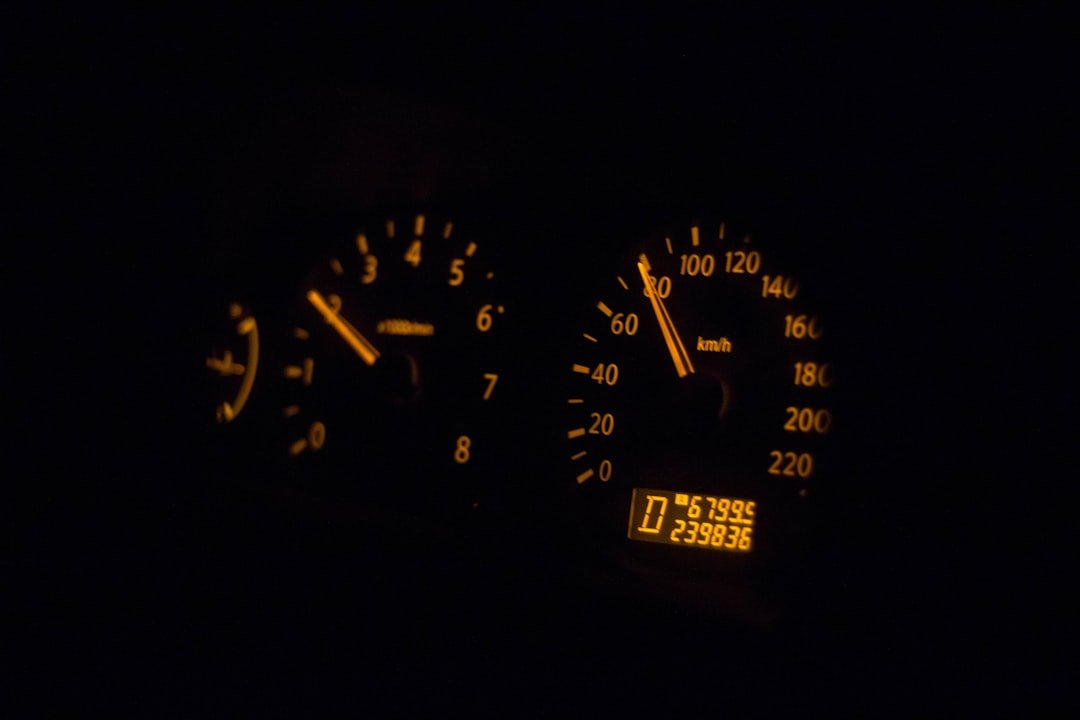
Mileage is one of the first numbers most used-car shoppers check, but it should never be the only number you trust. A car’s odometer reading shows how far it has traveled, yet it does not tell you how well the vehicle was maintained, where it was driven, or whether major parts have already been replaced.
For most gas-powered cars, mileage helps you estimate wear, resale value, maintenance needs, and possible repair costs. Lower mileage often suggests less use, while higher mileage can point to more wear. Still, a well-maintained high-mileage car can be a smarter buy than a low-mileage car with poor service records.
Quick Answer
A used car is often considered high mileage once it passes 100,000 miles, but that number is not automatically bad. Age, service records, driving conditions, brand reputation, inspection results, and price matter just as much as the odometer reading.
Key Takeaways
- Mileage is a key indicator of a car’s usage, but it does not prove condition by itself.
- A car with about 12,000 to 15,000 miles per year is usually considered average for many drivers.
- Higher mileage usually lowers resale value, but strong maintenance records can protect a car’s value.
- High-mileage cars need closer attention to fluids, brakes, tires, belts, hoses, suspension, and transmission service.
- Before buying a high-mileage car, get a vehicle history report, review service records, test-drive it, and have it inspected by a trusted mechanic.
Understanding the Importance of Mileage
Mileage is a critical metric in the automotive world because it reflects the total distance a car has traveled. In the United States, that number is usually measured in miles. In many other countries, it is measured in kilometers.
For potential buyers, mileage can strongly influence a purchase decision. A vehicle with lower mileage is often viewed as having less wear and tear. That can suggest a longer remaining lifespan, fewer immediate repairs, and stronger resale value.
High mileage can raise concerns about reliability and future maintenance costs. However, mileage is not just a number on the dashboard. It also gives clues about the vehicle’s history and how it may have been used.
A car that spent most of its life on open highways may have less brake and suspension wear than a similar car driven mainly in stop-and-go city traffic. Highway driving usually puts less strain on the engine and transmission than constant short trips, idling, and hard braking.
That is why you should interpret mileage with context. The odometer tells you how far the car has gone. Service records, inspection results, driving history, and current condition tell you how well the car handled those miles.
Factors to Consider When Determining Ideal Mileage
When you assess ideal mileage for a used car, start with the vehicle’s age. A five-year-old car with 60,000 miles averages about 12,000 miles per year, which many shoppers consider a normal range.
Still, that benchmark can vary by region and lifestyle. Someone in a rural area may drive much more than someone in a city with easy access to public transportation. A long daily commute can also raise mileage quickly, even when the car has been mostly highway-driven.
The type of vehicle also matters. Luxury cars may be expected to have lower mileage because they often cost more to maintain and may be driven less often. Trucks, vans, and SUVs often accumulate more miles because owners use them for commuting, hauling, work, or family travel.
You should also consider the intended use of the vehicle. A family car may rack up miles faster than a weekend sports car. A work van may show high mileage but still be valuable if it has a strong service history and fits your needs.
Note: Mileage should always be judged against the vehicle’s age. A 10-year-old car with 120,000 miles may be normal, while a 3-year-old car with 120,000 miles has been driven very heavily.
Average Mileage by Vehicle Age
A simple way to judge mileage is to compare the odometer reading with the car’s age. Many used-car shoppers use 12,000 to 15,000 miles per year as a rough average. This is not a strict rule, but it gives you a helpful starting point.
| Vehicle Age | Average Mileage Range | What It Usually Means |
|---|---|---|
| 3 years | 36,000 to 45,000 miles | Typical use for many drivers |
| 5 years | 60,000 to 75,000 miles | Normal range if maintenance is current |
| 8 years | 96,000 to 120,000 miles | Approaching high-mileage territory |
| 10 years | 120,000 to 150,000 miles | High mileage, but not automatically bad |
| 15 years | 180,000 to 225,000 miles | Condition and repair history matter most |
A car with mileage below these ranges may be attractive, but low mileage does not guarantee better condition. Cars that sit for long periods can develop problems with batteries, tires, seals, fluids, and brakes.
A car above these ranges may still be worth buying if it has complete service records, clean ownership history, smooth performance, and a price that reflects the higher mileage.
How Mileage Affects a Car’s Value

The relationship between mileage and a car’s value is direct and significant. In most cases, lower-mileage vehicles command higher prices in the used car market.
Buyers often associate lower mileage with less wear and better long-term reliability. For example, a sedan with 30,000 miles may be valued higher than the same model with 100,000 miles, even if both look clean.
However, mileage is only one part of a vehicle’s total value. Make, model, year, trim, accident history, service records, ownership history, mechanical condition, and local demand also play major roles.
A classic car with high mileage may still sell for a premium if it is rare, desirable, or carefully restored. A newer car with very high mileage may lose value faster because buyers worry about future repairs and reduced warranty coverage.
Mileage, Depreciation, and Resale Value
Depreciation is the loss of value over time, and mileage plays a major part in it. Most cars lose value as they age, but high mileage can speed up that decline.
Used-car buyers often compare similar vehicles by mileage first. If two cars are the same year, make, model, trim, and condition, the one with fewer miles usually gets more attention and may sell for more money.
Still, high mileage does not make a car worthless. A high-mileage car with one owner, a clean title, detailed service records, and no major mechanical issues can still be valuable. It may also be a better deal for someone who wants reliable transportation at a lower price.
Pro Tip: When comparing two used cars, do not choose the lower-mileage one automatically. Choose the car with the better maintenance history, cleaner inspection, stronger tires, smoother test drive, and fairer price.
The Relationship Between Mileage and Maintenance
| Mileage Range | Maintenance Required |
|---|---|
| 0 – 10,000 miles | Regular oil change and tire rotation |
| 10,000 – 20,000 miles | Brake inspection and air filter replacement |
| 20,000 – 30,000 miles | Transmission fluid inspection and coolant service when recommended by the owner’s manual |
| 30,000 – 40,000 miles | Spark plug inspection, fuel system service if needed, and cabin or engine air filter replacement |
Mileage has a strong impact on maintenance needs and schedules. As cars accumulate miles, parts wear down, fluids age, and routine service becomes more important.
Oil changes, tire rotations, brake inspections, filter replacements, and fluid checks become essential as mileage rises. Many manufacturers provide maintenance schedules based on mileage intervals, but the exact schedule depends on the vehicle.
For example, some cars may need oil changes around every 5,000 to 7,500 miles, while others can safely go longer when using the correct oil and driving under normal conditions. You should always follow the owner’s manual for your specific vehicle.
High-mileage vehicles may also need more extensive maintenance. Parts such as belts, hoses, suspension components, wheel bearings, water pumps, and spark plugs may need replacement after years of use.
A car with 100,000 miles may be approaching the replacement window for several critical parts, depending on the model and maintenance history. Understanding how mileage connects to maintenance helps current owners budget wisely and helps buyers avoid surprise expenses.
Common Maintenance Needs by Mileage
Every vehicle has its own service schedule, but certain maintenance items become more important as mileage climbs. The table below gives a general overview. Always confirm exact intervals in the owner’s manual.
| Mileage Range | What to Check | Why It Matters |
|---|---|---|
| 50,000 to 75,000 miles | Brakes, tires, battery, filters, fluids, alignment | Normal wear items may start needing replacement |
| 75,000 to 100,000 miles | Suspension, belts, hoses, spark plugs, coolant, transmission fluid | Preventive service can reduce major repair risk |
| 100,000 to 150,000 miles | Water pump, timing belt or chain system, wheel bearings, engine leaks, mounts | Major components may show age-related wear |
| 150,000+ miles | Compression, transmission performance, electrical systems, rust, exhaust, steering | Inspection matters more than mileage alone |
Warning: Do not rely on mileage alone when buying a used car. A missing service history, active warning lights, rough shifting, overheating, frame rust, or accident damage can make even a low-mileage car a risky purchase.
Mileage and Fuel Efficiency
Fuel efficiency is another area where mileage can play a role. As a vehicle accumulates more miles, fuel economy may decline because of engine wear, dirty filters, weak ignition parts, poor tire condition, or overdue maintenance.
An engine with significant wear may not perform as efficiently as it did when new. That can lead to higher fuel consumption. Poor maintenance can make the problem worse.
Driving habits also influence fuel efficiency over time. Frequent rapid acceleration, hard braking, excessive idling, and high-speed driving can reduce fuel economy. Smooth acceleration and steady speeds can help a car use fuel more efficiently.
As cars age and mileage rises, owners should monitor fuel economy closely. A sudden drop in miles per gallon may point to tire pressure problems, dirty sensors, worn spark plugs, brake drag, fuel system issues, or other mechanical problems.
Regular maintenance can help preserve efficiency. Keeping tires properly inflated, using the correct oil, replacing dirty filters, and fixing check-engine lights promptly can help a high-mileage car stay more efficient.
The Impact of Mileage on Reliability

Reliability is one of the biggest concerns for car owners and buyers. High mileage can raise red flags, but that concern can be misleading when you ignore maintenance history and driving conditions.
A well-maintained car with high mileage may still be reliable if it has received regular service throughout its life. In contrast, a low-mileage car that has been neglected may have serious reliability issues.
Some makes and models are known for strong longevity when maintained correctly. Many Toyota and Honda models, for example, have reputations for lasting well beyond 200,000 miles with proper care.
Some luxury vehicles can become more expensive to keep after high mileage because they may use complex electronics, air suspension, turbocharged engines, or specialized parts. Repairs may require trained technicians and cost more than repairs on simpler vehicles.
When you evaluate reliability, look at the full picture. Mileage matters, but service records, inspection results, brand history, ownership habits, and current mechanical condition matter more.
A high-mileage car with complete records and clean inspection results can be less risky than a low-mileage car with unknown history.
Mileage and Potential Repairs
As vehicles accumulate mileage, the likelihood of repairs increases because parts wear with use and age. High-mileage cars are often more likely to need work on the transmission, brakes, suspension, cooling system, and steering components.
For example, a car with more than 100,000 miles may need transmission service if it has not been maintained properly. In some cases, neglected transmission fluid can lead to expensive shifting problems or internal wear.
Brake pads and rotors also wear as mileage rises. A high-mileage vehicle may have already had brake work done, but you should confirm the condition during an inspection.
Rubber components such as belts, hoses, seals, and bushings can degrade over time. These parts may crack, leak, or weaken even if the car has not been driven heavily.
Electrical systems can also show age-related problems. Corroded connections, weak alternators, failing starters, bad sensors, and battery issues are more common as vehicles get older.
Understanding these potential repairs helps owners plan for future costs. It also helps buyers decide whether a high-mileage car is priced fairly.
Highway Miles vs. City Miles
Not all miles create the same wear. Highway miles are often easier on a vehicle than city miles because the engine runs at steady speeds and the brakes are used less often.
City driving can be harder on many components. Stop-and-go traffic, short trips, potholes, idling, repeated braking, and frequent acceleration can increase wear on brakes, tires, suspension, engine oil, and transmission parts.
A car with 120,000 mostly highway miles may feel smoother and show less wear than a car with 80,000 harsh city miles. That is why you should ask how the car was used, not just how far it traveled.
Low Mileage Is Not Always Better
Low mileage can be appealing, but it does not always mean a better car. A vehicle that sits unused for long periods can develop its own problems.
Tires can dry out or develop flat spots. Batteries can weaken. Brake rotors can rust. Fluids can age. Seals and gaskets can dry out and start leaking.
Very low mileage can also mean the car was mainly used for short trips. Short trips may prevent the engine from reaching full operating temperature, which can increase moisture buildup and oil contamination.
When you find a low-mileage used car, check maintenance records carefully. A car should still receive time-based maintenance even when it is not driven much.
How to Evaluate Mileage When Buying a Used Car
When you consider buying a used car, mileage should be one of the first things you check. Start by comparing the odometer reading with the vehicle’s age, price, and condition.
Next, review the service records. A well-documented maintenance history can show whether the owner changed oil on time, replaced wear parts, handled recalls, and fixed problems before they became serious.
You should also consider the type of driving that created the mileage. A car used mostly for highway commuting may be in better mechanical condition than one used for constant short city trips.
Take the car for a careful test drive. Listen for engine noises, feel for rough shifts, check braking performance, watch for pulling or vibration, and make sure warning lights stay off.
Before you buy, have the vehicle inspected by an independent mechanic. A professional inspection can reveal leaks, worn suspension parts, rust, accident damage, tire problems, brake wear, and hidden issues that mileage alone cannot show.
Used-Car Mileage Checklist
Use this checklist before buying a high-mileage vehicle. It can help you avoid common mistakes and compare cars more fairly.
- Compare mileage with the car’s age.
- Ask for complete maintenance records.
- Check the vehicle history report for accidents, title issues, and odometer problems.
- Confirm whether major services have been completed.
- Check for open recalls through the vehicle identification number.
- Inspect tires, brakes, suspension, belts, hoses, and fluid condition.
- Look for oil, coolant, transmission, and power steering leaks.
- Test all electronics, windows, locks, lights, cameras, and climate controls.
- Drive the car at city speeds and highway speeds.
- Get a pre-purchase inspection from a trusted mechanic.
Tips for Extending the Lifespan of a High-Mileage Car
For owners of high-mileage vehicles, proactive maintenance is the best way to extend the car’s lifespan. Regular oil changes with the correct oil help reduce friction and protect internal engine parts.
You should also stay current on routine services such as tire rotations, brake inspections, fluid checks, and filter replacements. Small maintenance tasks can prevent larger and more expensive repairs.
Gentle driving habits can also help. Avoid rapid acceleration, hard braking, aggressive cornering, and long periods of high-speed driving when possible.
Check fluid levels often, especially engine oil, coolant, brake fluid, and transmission fluid if your vehicle allows easy inspection. Address leaks quickly because low fluid levels can cause severe damage.
Keep tires properly inflated and aligned. Poor tire pressure and bad alignment can reduce fuel economy, wear tires faster, and strain suspension parts.
Finally, fix warning lights promptly. A check-engine light, ABS light, oil-pressure warning, or temperature warning should never be ignored on a high-mileage car.
When to Consider Selling a High-Mileage Car
Deciding when to sell a high-mileage car depends on repair costs, reliability, safety, and your personal needs. If repair costs begin to exceed the vehicle’s value, selling or trading it may make sense.
Frequent breakdowns are another warning sign. If the car disrupts your daily life or leaves you worried about every trip, it may no longer be the right vehicle for you.
Lifestyle changes can also affect the decision. A growing family, longer commute, relocation, or need for better fuel economy may make a different car more practical.
Market conditions matter too. If demand for used cars is strong, selling earlier may help you get more value before depreciation and repair needs increase.
The Future of Mileage and Electric Cars
As electric vehicles become more common, the way drivers think about mileage is changing. Gas-powered cars often connect mileage with engine wear, transmission wear, and fuel use. Electric vehicles work differently.
EVs often have fewer moving parts than gasoline vehicles. They do not use traditional engine oil, spark plugs, fuel injectors, or conventional multi-speed transmissions in the same way gas cars do.
However, mileage still matters for electric cars. Tires, brakes, suspension, wheel bearings, cabin filters, cooling systems, and electronics still age and wear. Battery health is also a major factor.
For an EV, battery condition can be more important than mileage alone. Battery degradation can reduce driving range and performance over time. Charging habits, climate, age, and software management can all affect long-term battery health.
When shopping for a used EV, check the displayed range, battery warranty, charging history if available, service records, and inspection results. Mileage still helps, but it is only one part of the EV’s true condition.
When considering what mileage is too high for a used car, it is also useful to think about general vehicle organization and care. This article on organizing under the kitchen sink shares practical organization habits that can inspire a cleaner, more prepared approach to car storage and maintenance. By maximizing your cleaning routine, as discussed in this article, you can also build habits that help keep your vehicle cleaner, easier to inspect, and ready for the road.
Related Guides
Frequently Asked Questions
What is considered high mileage for a used car?
In general, any car with over 100,000 miles is often considered high mileage. However, this depends on the make, model, age, maintenance history, and overall condition of the car.
Is it worth buying a car with high mileage?
It can be worth buying a car with high mileage if it has been well maintained, drives smoothly, passes an independent inspection, and is priced fairly. Always review service records and have a mechanic inspect the car before buying.
What are the potential risks of buying a car with high mileage?
High-mileage cars are more likely to have worn components such as brakes, suspension parts, belts, hoses, engine seals, and transmission parts. They may also need more frequent repairs and maintenance.
How can I determine if a car with high mileage is worth buying?
Check the vehicle history report, review service records, compare mileage with age, test-drive the car, and get a pre-purchase inspection. Also consider the price in relation to the mileage, condition, and repair needs.
What are some tips for maintaining a car with high mileage?
Regular maintenance is crucial for a car with high mileage. Change oil on time, check fluids, replace worn parts, maintain tires and brakes, fix leaks early, and drive gently to reduce stress on the engine and transmission.
Is 150,000 miles too much for a used car?
Not always. A car with 150,000 miles can still be a good buy if it has strong service records, no major mechanical problems, and a fair price. At that mileage, inspection results matter more than the number alone.
Is low mileage always better?
Low mileage is helpful, but it is not always better. A low-mileage car can still have problems if it sat unused, missed maintenance, had accident damage, or was driven only on short trips.
Should I buy a used car with over 200,000 miles?
A car with over 200,000 miles is a higher-risk purchase, but it may still work as a budget vehicle if it has excellent maintenance records and passes a thorough inspection. Expect more repairs and budget accordingly.
Sources
- Kelley Blue Book — supports how mileage can affect used-car value.
- Federal Trade Commission — supports used-car buying precautions and buyer review steps.
- National Highway Traffic Safety Administration — supports checking vehicle recalls by VIN.
- FuelEconomy.gov — supports the role of maintenance in fuel economy.
