This Roundup is reader-supported. When you click through links, we may earn a referral commission on qualifying purchases. As an Amazon Associate I earn from qualifying purchases.
If you are looking for a reliable way to keep water or cooling fluid at a stable temperature, a compact water chiller can be a useful upgrade. The right unit can support equipment cooling, workshop tasks, hydroponic setups, aquariums, and other controlled-temperature applications. Before you place any chiller under a sink or connect it near a drinking-water area, you should confirm the product is designed for that use, fits your space, and meets the safety needs of your setup.
Quick Answer
The GarveeTech 6L Dual Industrial Water Chiller is best suited for equipment cooling and small workshop applications, not as a typical plumbed drinking-water chiller unless the manufacturer confirms potable-water compatibility. Choose it if you need stable temperature control, built-in pumping, and compact cooling for compatible systems.
Key Takeaways
- Match the chiller to your real use case: drinking water, laser equipment, hydroponics, aquarium cooling, brewing, or closed-loop fluid cooling.
- Check cooling capacity, flow rate, pump strength, reservoir size, fittings, noise level, and installation clearance before buying.
- Do not assume an industrial water chiller is safe for drinking water. Confirm potable-water compatibility before connecting it to any faucet or beverage system.
- The 6L Dual Industrial Water Chiller is a strong option for controlled cooling where precise temperature management matters.
How to Choose the Right Water Chiller
When selecting a water chiller, start with the application. A chiller for a laser engraving machine, aquarium, hydroponic system, or brewing setup has different requirements than a residential drinking-water dispenser. Cooling capacity matters because an undersized unit may run constantly and still fail to hold the target temperature.
You should also review energy efficiency, installation space, water-line compatibility, fitting size, pump flow rate, reservoir capacity, and maintenance needs. Look for adjustable temperature settings, clear controls, fault alerts, and reliable customer support. If you plan to install a unit under a sink, measure the cabinet carefully and leave space for airflow, tubing, and service access.
Warning: Do not use an industrial chiller for drinking water unless the manufacturer clearly states that the wetted parts are safe for potable water. Many industrial chillers are built for closed-loop cooling, not direct beverage use.
At a Glance
| Best For | Closed-loop cooling, laser engraving machines, small workshop equipment, compatible hydroponic or aquarium setups |
| Difficulty | Moderate, depending on tubing, fittings, ventilation, and the system you connect it to |
| Key Checks | Cooling capacity, pump flow, tubing size, reservoir capacity, clearance, airflow, noise, and potable-water suitability if used near drinking water |
| Maintenance | Check water level, keep vents clear, inspect tubing, clean filters if included, and monitor temperature changes |
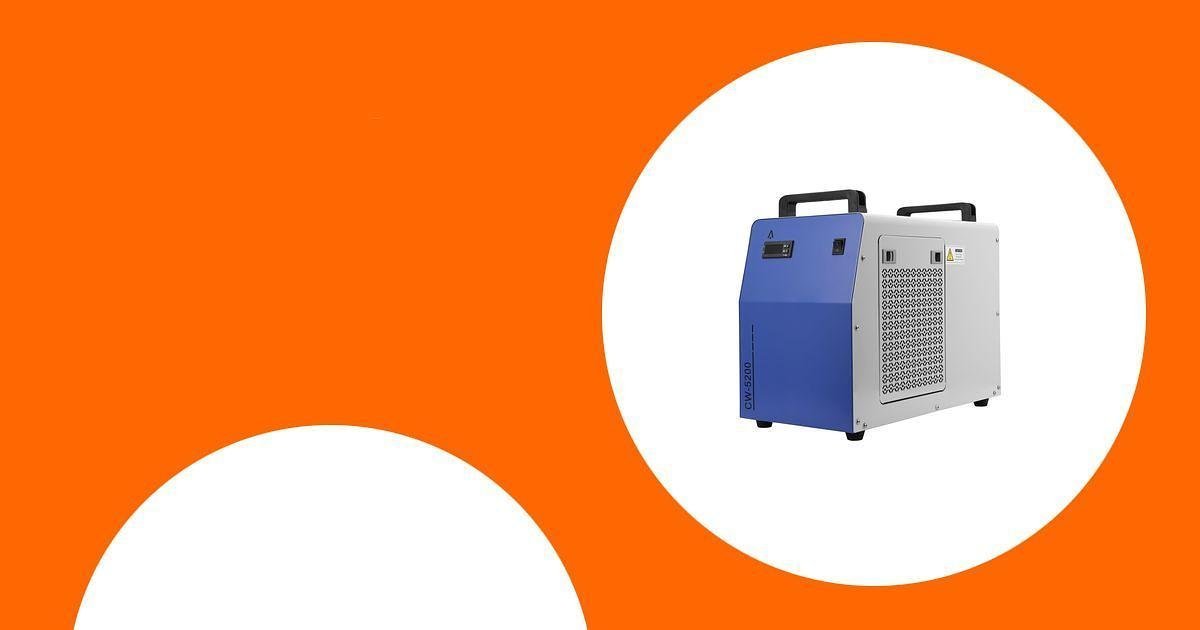
6L Dual Industrial Water Chiller

The 6L Dual Industrial Water Chiller is designed to keep water or cooling fluid at a controlled temperature for supported applications. It can be useful for laser engraving, injection molding, workshop equipment, and other systems that need consistent cooling. Its intelligent control mode helps you set and maintain a target temperature, which makes it practical for daily equipment use and special projects.
The compact design can work well in a workspace or cabinet-style area, but you should confirm ventilation and access before placing it under a sink. This type of chiller needs enough room around the vents so heat can escape. If you want a dependable chiller for equipment cooling without a complicated setup, this model may fit your needs.
Note: This product is described as an industrial water chiller. Treat it as an equipment-cooling product unless the seller or manufacturer confirms it is suitable for direct drinking-water use.
What People Say
Users appreciate the precise temperature control and robust build quality of this chiller. Many note that it operates quietly while efficiently cooling their equipment, making it appealing for professionals and serious hobbyists who need stable performance.
- Being an industrial automation engineer by trade, I will tell you this chiller is PROPER. It lists all pertinent specifications an engineer needs to determine if it is suitable for your case… BTU, built-in pumps, flow rate, wattage, and maximum head/lift height. This is a true blue industrial style chiller clearly designed to be integrated into a system.
– Arick Lee
Pros and Cons
Pros:
- Accurate temperature monitoring and adjustment
- Powerful cooling fan for efficient heat dissipation
- Quick fault alert system for peace of mind
- Compact enough for many workshop or utility spaces
- Useful for supported equipment that needs steady cooling
Cons:
- Some users found the product description misleading regarding connections
- May not be suitable for direct drinking-water use unless potable-water compatibility is confirmed
- Requires proper ventilation, even when placed in a cabinet or under-sink-style space
Key Benefits
- Precise temperature control for various applications
- Fast cooling performance with low noise operation
- Durable construction with high-quality components
- Helpful for equipment protection when stable cooling is required
- Compact form factor for workshops, utility areas, and compatible cabinet installations
Environmental Benefits
This chiller is designed with energy efficiency in mind, helping reduce unnecessary energy use while maintaining cooling performance. Because it supports controlled cooling, it may also reduce overheating-related equipment strain in compatible systems.
Long-Term Cost Benefits
Investing in this industrial chiller can save you money in the long run if it helps protect compatible equipment from heat-related wear. Its durable components and efficient operation may also reduce the need for frequent replacements, emergency fixes, or makeshift cooling methods.
Situational Benefits
Whether you’re running a small workshop or a larger industrial operation, this chiller adapts to many cooling needs. It can help your equipment stay cool and operate smoothly when the setup, tubing, flow rate, and temperature range match the product specifications.
Pro Tip: Before buying, compare the chiller’s pump flow rate, maximum head height, and fitting size with your equipment manual. A good temperature range will not help if the pump or tubing does not match your system.
Related Guides
Frequently Asked Questions
What should I consider when buying a high-quality under-sink water chiller?
When you’re looking to buy a high-quality under-sink water chiller, consider the cooling capacity, installation space, airflow needs, pump strength, fittings, tubing size, and temperature controls. If you’re using it for a CO2 laser engraving machine, check the equipment specifications to make sure the chiller can handle the required cooling load. If you plan to use it with drinking water, confirm that the product is approved for potable-water contact before installation.
How do I install and maintain my under-sink water chiller?
Installation depends on the chiller type and the system you connect it to. In many setups, you connect the water or coolant lines, check the fittings, fill the reservoir if required, and plug the unit into a suitable outlet. Always follow the manufacturer’s instructions. For maintenance, check water levels, keep vents clear, inspect tubing for leaks, clean the air filter if included, and monitor temperature and flow rate for early signs of trouble.
Can I use my under-sink water chiller for other applications?
Yes, many compact water chillers can support more than one application when the specifications match the system. Depending on the model, you may be able to use one for laser engraving equipment, aquariums, hydroponic systems, brewing, or closed-loop workshop cooling. Always check cooling capacity, temperature range, pump performance, and material compatibility before connecting it to a new setup.
Is an industrial water chiller the same as a drinking-water chiller?
No. An industrial water chiller is usually built to cool equipment, coolant, or closed-loop water systems. A drinking-water chiller is designed for potable water and should use materials that are safe for direct water consumption. If you want chilled drinking water, verify potable-water compatibility before buying or installing any industrial-style chiller.
Can I place this type of chiller under a sink?
You may be able to place a compact chiller under a sink if the unit fits, the tubing can be routed safely, and the cabinet provides enough ventilation. Do not block the fan or vents. Heat needs somewhere to escape, and poor airflow can reduce cooling performance or shorten the life of the unit.
Wrapping Up
In summary, a high-quality compact water chiller like the GarveeTech 6L Dual Industrial Water Chiller can be a smart investment when your setup needs controlled cooling. It is especially useful for compatible equipment, workshop systems, laser engraving machines, and other applications where steady temperature management matters.
Its 4.5 out of 5 rating and positive user feedback point to strong performance, but you should match the unit carefully to your installation needs. If your goal is chilled drinking water, confirm potable-water compatibility before connecting it to any faucet or beverage line. By choosing the right water chiller for the right application, you can improve cooling performance, protect equipment, and enjoy a more reliable setup.
