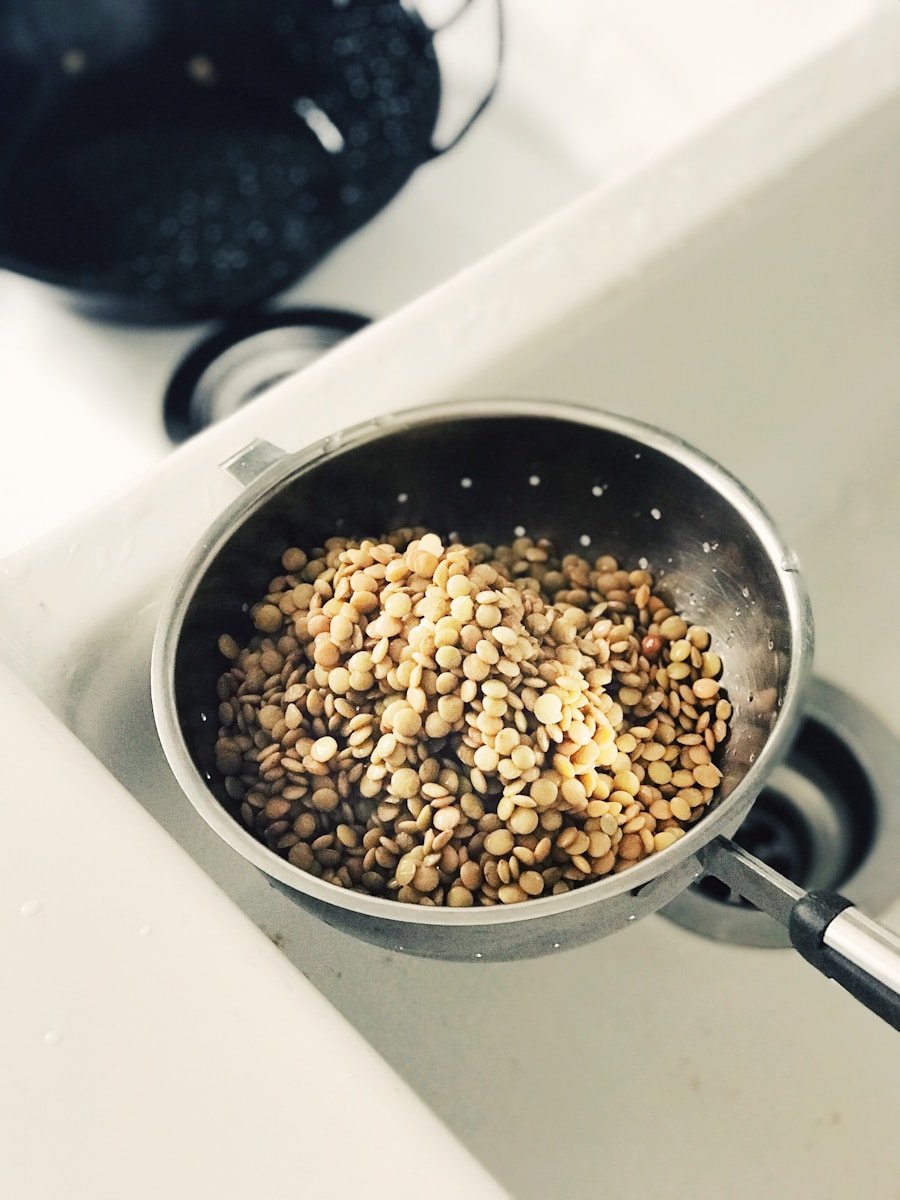
Quinoa is a small seed that cooks like a grain, tastes lightly nutty, and works well in salads, bowls, soups, sides, breakfasts, and meal-prep recipes. It comes from the Andean region of South America, especially areas of Peru, Bolivia, and Ecuador, where people have grown and eaten it for thousands of years.
Although many people call quinoa a grain, it is technically a pseudocereal. That means you cook and eat it like rice or other grains, but it does not come from a grass plant. This is one reason quinoa stands out in the kitchen: it offers a tender bite, cooks quickly, and provides plant-based protein, fiber, magnesium, iron, potassium, and other nutrients.
Quick Answer
To cook quinoa that is not bitter, rinse it well in a fine-mesh strainer, use about 2 cups of water or broth for every 1 cup of quinoa, simmer it covered for 15 minutes, then let it rest off the heat for 5 minutes before fluffing with a fork.
Key Takeaways
- Quinoa is a nutrient-dense seed that is often used as a grain substitute and is naturally gluten-free.
- White quinoa cooks soft and fluffy, red quinoa holds its shape well, and black quinoa has a firmer texture and stronger flavor.
- Rinsing quinoa before cooking helps remove saponins, the natural coating that can make it taste bitter.
- A 1:2 quinoa-to-liquid ratio works well for most stovetop cooking, followed by a short covered rest.
- You can add flavor with broth, herbs, spices, garlic, onion, citrus, olive oil, roasted vegetables, or fresh greens.
At a Glance
| Time Required | About 20 minutes total, including simmering and resting |
| Difficulty | Easy |
| Tools Needed | Fine-mesh strainer, saucepan with lid, measuring cup, fork |
| Cost | Low to moderate, depending on brand, color, and whether you buy organic |
What Makes Quinoa Different?
Quinoa has become popular because it is simple to cook, easy to use in many meals, and more protein-rich than many common grain-style side dishes. It contains all nine essential amino acids, which makes it especially useful if you eat mostly plant-based meals. It also offers fiber, minerals, and a naturally gluten-free option for people who need to avoid wheat, barley, or rye.
Its mild flavor also makes quinoa flexible. You can serve it warm with roasted vegetables, chill it for salads, stir it into soups, or use it as a base for breakfast bowls. Once you learn how to rinse, cook, season, and store it properly, quinoa becomes one of the easiest ingredients to keep in your weekly rotation.
Selecting the Right Quinoa
When you choose quinoa, you will usually see white, red, black, or tri-color blends. Each one cooks in a similar way, but the texture and flavor can vary. White quinoa is the most common type. It has a mild flavor and turns soft and fluffy after cooking, which makes it a good choice for everyday side dishes, breakfast bowls, and simple meal prep.
Red quinoa tastes a little earthier and holds its shape better after cooking. That makes it a smart choice for cold salads, grain bowls, and recipes where you want the seeds to stay separate instead of turning soft. Black quinoa has a slightly stronger flavor and a firmer bite, so it adds color and texture to vegetable bowls, pilafs, and mixed-grain dishes.
Tri-color quinoa blends white, red, and black quinoa in one package. These blends give you a balance of fluffy, chewy, and firm textures. They also look attractive in salads and side dishes, especially when paired with bright vegetables, herbs, citrus, and olive oil.
Quality matters, too. Look for quinoa that smells fresh and clean, not stale or musty. If you prefer fewer pesticide concerns, choose certified organic quinoa when it fits your budget. You can also look for fair-trade or responsibly sourced options if ethical sourcing matters to you.
Note: Many packaged quinoa products are already pre-rinsed, but rinsing again at home still helps reduce bitterness and improves the final flavor.
Preparing Quinoa for Cooking

Before cooking quinoa, rinse it thoroughly under cold running water. Quinoa seeds naturally have a coating called saponin. This coating can taste bitter or soapy if it remains on the seeds. Rinsing helps wash away that coating and gives the cooked quinoa a cleaner, milder flavor.
Use a fine-mesh strainer because quinoa seeds are small and can slip through larger holes. Place the quinoa in the strainer, hold it under cold water, and rub the seeds gently with your fingers for 30 to 60 seconds. Shake the strainer well after rinsing so the quinoa does not carry extra water into the pot.
Some cooks like to soak quinoa for 15 to 30 minutes before cooking. Soaking is optional, but it can help soften the seeds slightly and may reduce a little more bitterness. If you soak it, drain it well before adding it to the saucepan.
Warning: Do not skip rinsing if your quinoa tastes bitter. Even a quick rinse can make a clear difference in flavor, especially with brands that are not fully pre-washed.
Cooking Quinoa Perfectly
| Metrics | Results |
|---|---|
| Cooking Time | Average 15-20 minutes |
| Water to Quinoa Ratio | 2:1 |
| Fluffiness | Light and fluffy texture |
| Yield | 1 cup of dry quinoa yields approximately 3 cups cooked |
| Storage | Store cooked quinoa in an airtight container in the refrigerator for up to 5 days |
Cooking quinoa is simple, but the texture depends on the right amount of liquid, steady heat, and a covered rest. The standard method is 1 cup of rinsed quinoa to 2 cups of water or broth. This ratio usually gives you tender, fluffy quinoa without making it mushy.
To cook it, bring the liquid to a boil in a medium saucepan. Stir in the rinsed and drained quinoa, then reduce the heat to low. Cover the pot and let it simmer gently for about 15 minutes, or until most of the liquid has been absorbed and the seeds look slightly translucent.
After simmering, remove the pot from the heat but keep the lid on for 5 minutes. This resting time helps the quinoa finish steaming and absorb any remaining moisture. Then remove the lid and fluff the quinoa with a fork. Fluffing separates the grains and keeps the texture light instead of dense.
Basic Stovetop Method
- Measure 1 cup of quinoa and rinse it under cold water in a fine-mesh strainer.
- Add 2 cups of water or broth to a saucepan and bring it to a boil.
- Stir in the rinsed quinoa and reduce the heat to low.
- Cover the pot and simmer for about 15 minutes.
- Remove the pot from the heat and let it sit covered for 5 minutes.
- Fluff with a fork before serving.
Pro Tip: For a deeper nutty flavor, toast rinsed and well-drained quinoa in a dry saucepan for 2 to 3 minutes before adding the cooking liquid.
Adding Flavor to Quinoa
Quinoa has a mild, nutty flavor on its own, but it becomes much better when you season it early. One of the easiest ways to improve the taste is to cook quinoa in broth instead of plain water. Vegetable broth, chicken broth, or a light homemade stock adds savory depth without making the dish complicated.
You can also add aromatics to the pot. A small amount of minced garlic, diced onion, shallot, bay leaf, or a pinch of salt can make the quinoa taste more complete. If you want a warmer flavor, add cumin, paprika, turmeric, curry powder, chili powder, or black pepper before simmering.
Fresh ingredients work best after cooking. Stir in chopped parsley, cilantro, dill, basil, mint, scallions, lemon juice, lime juice, olive oil, toasted nuts, seeds, or crumbled feta. These additions brighten the flavor and help quinoa fit different meals.
Easy Flavor Combinations
- Mediterranean: Lemon juice, olive oil, cucumber, tomato, parsley, olives, and feta.
- Southwest: Lime juice, cilantro, black beans, corn, cumin, chili powder, and avocado.
- Breakfast: Milk or almond milk, cinnamon, banana, berries, nuts, and a little honey or maple syrup.
- Herby side dish: Garlic, vegetable broth, parsley, dill, scallions, and cracked black pepper.
- Warm grain bowl: Roasted sweet potatoes, chickpeas, greens, tahini sauce, and lemon.
Avoiding Bitterness in Quinoa

Bitterness is one of the most common reasons people think they do not like quinoa. The main cause is saponin, a natural coating on the outside of the seed. Saponins help protect the plant, but they can leave a bitter or soapy taste if they are not washed away before cooking.
Most packaged quinoa is processed to remove much of this coating, but not every brand tastes the same. If your quinoa still tastes bitter, rinse it longer next time. Rub the seeds gently under cold water, drain them well, and consider toasting them before adding liquid.
Toasting is a helpful step because it brings out quinoa’s natural nutty aroma. Add the rinsed and drained quinoa to a dry saucepan over medium heat. Stir often for 2 to 3 minutes, until it smells lightly toasted. Then add your liquid carefully, because the hot pan may steam quickly.
Common Reasons Quinoa Tastes Bitter
- It was not rinsed enough: A quick rinse may not remove all of the bitter coating.
- The brand has more saponin residue: Some quinoa needs more washing than others.
- It was stored too long: Old quinoa can taste stale or unpleasant.
- It was cooked in plain water with no seasoning: Even properly rinsed quinoa can taste flat without salt, broth, herbs, or acid.
- It was overcooked: Mushy quinoa can have a stronger, less pleasant flavor and texture.
Serving and Storing Quinoa
Once cooked, quinoa can be served warm, room temperature, or chilled. It works as a side dish with grilled chicken, fish, tofu, roasted vegetables, beans, or stews. It also makes a strong base for grain bowls because it absorbs sauces and dressings without becoming too heavy.
For salads, let the quinoa cool completely before mixing it with vegetables and dressing. Warm quinoa can wilt delicate greens or make fresh vegetables release too much water. For a better texture, spread cooked quinoa on a plate or baking sheet for a few minutes so steam can escape.
For breakfast, cooked quinoa can replace oatmeal. Warm it with milk or a plant-based alternative, then add fruit, nuts, cinnamon, and a little sweetener. You can also stir leftover quinoa into soups, casseroles, stuffed peppers, veggie burgers, or patties.
To store leftovers, let the quinoa cool first. Then transfer it to an airtight container and refrigerate it for up to five days. For longer storage, freeze cooked quinoa in flat freezer bags or small containers for up to three months. Reheat it with a splash of water or broth to restore moisture.
One cup of dry quinoa usually makes about three cups cooked, which makes it useful for meal prep, quick lunches, and easy weeknight sides.
Troubleshooting Quinoa Texture
If your quinoa does not turn out right, the issue is usually the liquid ratio, heat level, or resting time. The good news is that most texture problems are easy to fix. Small changes can make the difference between soggy quinoa and fluffy quinoa.
If Quinoa Is Mushy
Mushy quinoa usually means it had too much water, cooked too long, or boiled too hard. Next time, use the 1:2 ratio and keep the heat low once the pot is covered. If the quinoa is already cooked and too wet, remove the lid and cook it over low heat for 1 to 2 minutes to help extra moisture evaporate.
If Quinoa Is Crunchy
Crunchy quinoa usually needs more time or a little more liquid. Add 2 to 3 tablespoons of water, cover the pot again, and cook on low for a few more minutes. Then let it rest covered before fluffing.
If Quinoa Sticks to the Pot
Quinoa can stick when the heat is too high or when the pot has a thin bottom. Use low heat after the liquid reaches a boil. A heavier saucepan can also help distribute heat more evenly.
If Quinoa Tastes Bland
Quinoa needs seasoning just like rice, pasta, or potatoes. Cook it in broth, add a pinch of salt, and finish it with acid, herbs, or a sauce. Lemon juice, lime juice, vinaigrette, tahini, salsa, or pesto can quickly improve plain quinoa.
Experimenting with Quinoa Recipes
The culinary possibilities with quinoa are almost endless, which makes it a useful ingredient for home cooks who like simple, flexible meals. One popular way to use quinoa is in salads. A Mediterranean quinoa salad with cherry tomatoes, cucumbers, olives, feta cheese, parsley, and lemon-olive oil dressing tastes fresh and works well for lunch or a light dinner.
You can also use quinoa as a substitute for rice, couscous, or pasta in many recipes. It works well in stuffed peppers, burrito bowls, pilafs, soups, and veggie burgers. For a creamy dish, you can make a quinoa-style risotto by slowly adding broth and stirring until the texture becomes soft and rich.
Baking with quinoa opens up even more options. Cooked quinoa can add texture to muffins, breakfast bars, and savory patties. Quinoa flakes can also be used in some recipes as a quick-cooking breakfast or as a binder in baked goods.
From savory dishes to sweet breakfasts, quinoa fits many cooking styles. Once you master rinsing, simmering, resting, and seasoning, you can use it as a dependable base for meals that feel healthy, filling, and easy to customize.
If you’re looking to make your cooking experience more sustainable, you might want to consider investing in a desktop compost bin. Not only will this help reduce food waste, but it can also provide nutrient-rich compost for your garden. Pairing this eco-friendly practice with learning how to cook quinoa that isn’t bitter can help you create delicious and environmentally conscious meals. Additionally, choosing eco-friendly household products can further reduce waste and support a more sustainable lifestyle.
Frequently Asked Questions
What is quinoa?
Quinoa is a grain-like seed that is often used as a healthy alternative to rice, couscous, or other grains. It is naturally gluten-free, contains plant-based protein, and provides fiber, minerals, and a mild nutty flavor.
Why does quinoa sometimes taste bitter?
Quinoa can taste bitter when saponins remain on the outside of the seed. Saponins are natural compounds that can taste bitter or soapy. Rinsing quinoa well before cooking helps remove them.
How can I cook quinoa to avoid bitterness?
Rinse quinoa thoroughly in a fine-mesh strainer under cold water for 30 to 60 seconds. Then cook it with a 1:2 ratio of quinoa to water or broth, simmer it gently, and let it rest covered before fluffing.
Should I toast quinoa before cooking it?
Toasting is optional, but it can improve flavor. After rinsing and draining the quinoa, toast it in a dry saucepan for 2 to 3 minutes until it smells nutty. Then add your liquid and cook as usual.
What is the best water-to-quinoa ratio?
A 1:2 ratio works well for most stovetop quinoa. Use 1 cup of rinsed quinoa with 2 cups of water or broth. Simmer covered for about 15 minutes, then rest covered for 5 minutes.
How long does cooked quinoa last in the refrigerator?
Cooked quinoa can be stored in an airtight container in the refrigerator for up to five days. Let it cool before storing, and reheat it with a splash of water or broth if it seems dry.
Can you freeze cooked quinoa?
Yes. Freeze cooked quinoa in small airtight containers or flat freezer bags for up to three months. Thaw it in the refrigerator or reheat it from frozen with a small splash of water.
Sources
- Harvard T.H. Chan School of Public Health: Quinoa — quinoa nutrition, background, and general use.
- USDA FoodData Central — nutrient data reference for quinoa and other foods.
- U.S. Food & Drug Administration: Gluten-Free Labeling of Foods — gluten-free labeling context for foods.
- Whole Grains Council: Quinoa and Amaranth — background on quinoa as a grain-like seed.

1 thought on “Eliminate Bitterness: Mastering Quinoa Cooking”