Texas fishing license costs can shape your fishing budget before you ever buy bait, fuel, tackle, or a state park day pass. The right choice depends on where you plan to fish, how long you plan to fish, your residency status, and whether you need freshwater, saltwater, or all-water access. Use this guide to compare the main Texas fishing license options, understand who needs one, and avoid paying for the wrong permit before your next trip.
Quick Answer
Most anglers age 17 and older need a Texas fishing license to fish public waters. Common options include resident freshwater, resident saltwater, resident all-water, senior licenses, one-day all-water licenses, and non-resident licenses. Saltwater fishing also requires the proper saltwater endorsement unless it is already included in the package you buy.
Key Takeaways
- Texas generally requires a fishing license for anyone 17 or older who fishes public waters.
- Your best license depends on whether you fish freshwater, saltwater, or both.
- Residents, non-residents, and senior residents pay different fees for many license packages.
- Children under 17, residents born before January 1, 1931, and some supervised residents with qualifying disabilities may be exempt.
- Free Fishing Day and fishing inside many Texas State Parks can let you fish without a license, but bag limits and size limits still apply.
Who Needs a Fishing License in Texas?
In Texas, anyone aged 17 and over usually needs a valid fishing license to fish in public waters. This rule applies to Texas residents and visitors. It also applies whether you fish from shore, from a pier, from a kayak, from a boat, or with a licensed guide or charter.
You do not need a Texas fishing license if you are under 17. Texas residents born before January 1, 1931, are also exempt. Some residents with qualifying mental disabilities can fish without a license when supervised by a licensed angler or as part of approved medical therapy.
Certain exceptions apply, including designated Free Fishing Day and fishing inside many Texas State Parks. Even when a license is not required, you still need to follow all fishing rules, including bag limits, length limits, gear rules, and protected species regulations.
Warning: A license exemption does not exempt you from Texas fishing regulations. Keep limits, seasons, size rules, and possession rules in mind before you keep any fish.
Types of Fishing Licenses in Texas
When you plan to fish in Texas, choose your license by water type first. Freshwater licenses cover lakes, rivers, ponds, and streams. Saltwater licenses cover coastal bays, beaches, jetties, and the Gulf. All-water licenses give you the most flexibility because they cover both freshwater and saltwater fishing.
The Resident Freshwater Fishing Package is commonly listed at $30. It fits you if you live in Texas and plan to fish only freshwater. The Resident Saltwater Fishing Package is commonly listed at $35 and fits you if you plan to fish only saltwater.
The Resident All-Water Fishing Package is commonly listed at $40. This is often the simplest choice if you fish lakes and the coast in the same license year. Senior Texas residents can usually buy discounted senior fishing packages, including a Senior Resident All-Water Fishing Package commonly listed at $22.
If you are visiting Texas, the Non-Resident All-Water Fishing Package is commonly listed at $68. This gives non-resident anglers access to both freshwater and saltwater fishing. A one-day all-water fishing license is commonly listed at $11 for residents and non-residents, making it useful for short trips.
If you plan to fish in saltwater, make sure your package includes the saltwater endorsement. If it does not, you may need to add the endorsement separately, commonly listed at $10. Saltwater anglers may also need a red drum tag when keeping oversized red drum under legal rules.
A Texas lifetime fishing license is commonly listed at $1,000 for eligible residents. It costs much more upfront, but it removes annual renewal worries for anglers who expect to fish in Texas for many years.
Texas Fishing License Costs at a Glance
Use this table as a simple planning guide. Fees can change, and some packages include endorsements while others do not, so confirm the final cost before checkout.
| License or Package | Common Cost | Best For |
|---|---|---|
| Resident Freshwater Fishing Package | $30 | Texas residents fishing lakes, rivers, ponds, and streams |
| Resident Saltwater Fishing Package | $35 | Texas residents fishing bays, beaches, jetties, and Gulf waters |
| Resident All-Water Fishing Package | $40 | Residents who fish both freshwater and saltwater |
| Senior Resident All-Water Fishing Package | $22 | Texas residents age 65 and older who want broad coverage |
| One-Day All-Water Fishing License | $11 | Short trips, visitors, and occasional anglers |
| Non-Resident All-Water Fishing Package | $68 | Out-of-state anglers fishing fresh or saltwater |
| Saltwater Endorsement | $10 | Anglers adding saltwater privileges to a license that does not include them |
| Lifetime Resident Fishing License | $1,000 | Eligible residents who fish often for many years |
Note: Texas license fees may not include vendor convenience fees, online transaction fees, state park entrance fees, boat launch fees, or extra tags. Always review your cart before you pay.
How to Choose the Right Texas Fishing License
The cheapest Texas fishing license is not always the best value. Start by matching the license to your trip plans. If you only fish freshwater once, a one-day license may cost less. If you fish several times during the license year, an annual package usually makes more sense.
- Choose freshwater if you only fish lakes, ponds, rivers, or creeks.
- Choose saltwater if you fish coastal waters, beaches, jetties, bays, or the Gulf.
- Choose all-water if you fish both freshwater and saltwater in the same year.
- Choose a one-day license if you only need short-term access for one planned trip.
- Choose a senior package if you are a Texas resident age 65 or older and qualify for the discounted rate.
- Consider a lifetime license if you are eligible, fish often, and expect to keep fishing in Texas long term.
Pro Tip: If you might fish both a lake and the coast during the same license year, compare the resident all-water package with buying separate freshwater and saltwater options. The all-water package is often the cleaner choice.
Where to Buy a Texas Fishing License
You can buy a Texas fishing license online through the Texas Parks and Wildlife Department license system. Online purchasing is usually the fastest option because you can complete the purchase before your trip and keep proof of your license available on your phone or printed copy.
If you prefer to buy in person, Texas has many license retailers, including sporting goods stores, outdoor retailers, bait shops, and some larger general retailers. You can also visit TPWD offices for in-person help with certain license types.
Some license packages or special items may not be available through every purchase channel. If you need a special license, lifetime license, replacement, or package with extra tags, check availability before you drive to a retailer.
If you lose or damage your fishing license, replacement licenses can usually be purchased at a license retailer for a fee, commonly listed at $10. Keep a digital backup or photo of your license details so you can recover the information more easily.
Fishing Regulations and Age Requirements
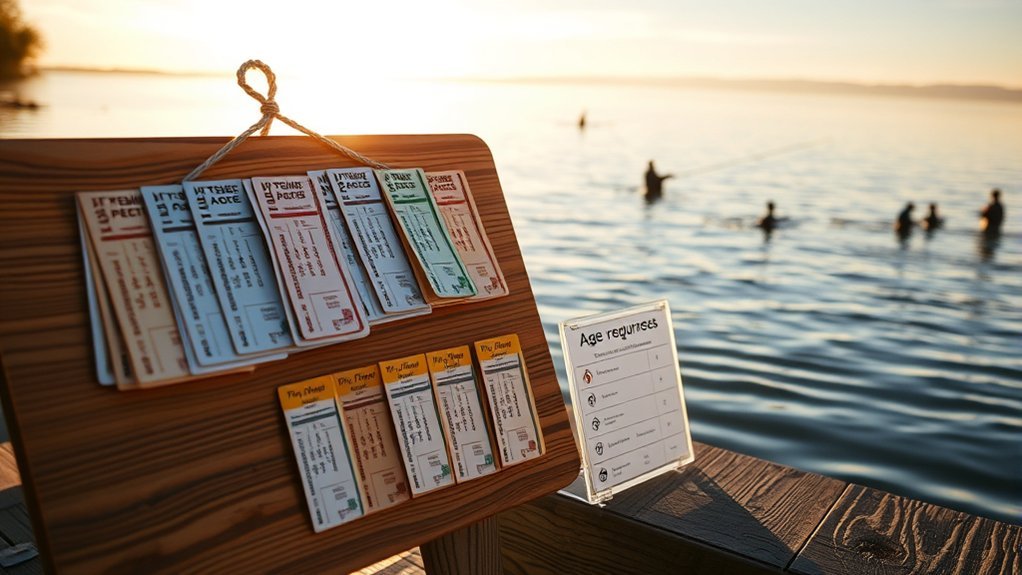
Understanding fishing regulations and age requirements helps you avoid fines and protect Texas fisheries. Anyone aged 17 and older generally needs a valid fishing license for public waters, regardless of whether they are a Texas resident or a non-resident. Anglers under 17 can fish without a license.
Senior residents aged 65 and older can usually buy discounted licenses. Residents born before January 1, 1931, are fully exempt from the fishing license requirement. These rules can be helpful for family trips where children, parents, and grandparents all fish together.
| Age Group | License Requirement | Additional Notes |
|---|---|---|
| Under 17 | No fishing license required | Must still follow bag, size, and gear rules |
| 17 and older | Valid fishing license required | Applies to residents and non-residents fishing public waters |
| Senior residents | Discounted fishing license | Usually applies to Texas residents age 65 and older |
| Born before 1/1/1931 | No license needed | Texas resident exemption |
You should also check current statewide and local rules before you fish. Some waters have special length limits, slot limits, catch-and-release rules, gear restrictions, or seasonal closures. These rules matter just as much as the license itself.
Free Fishing Opportunities in Texas
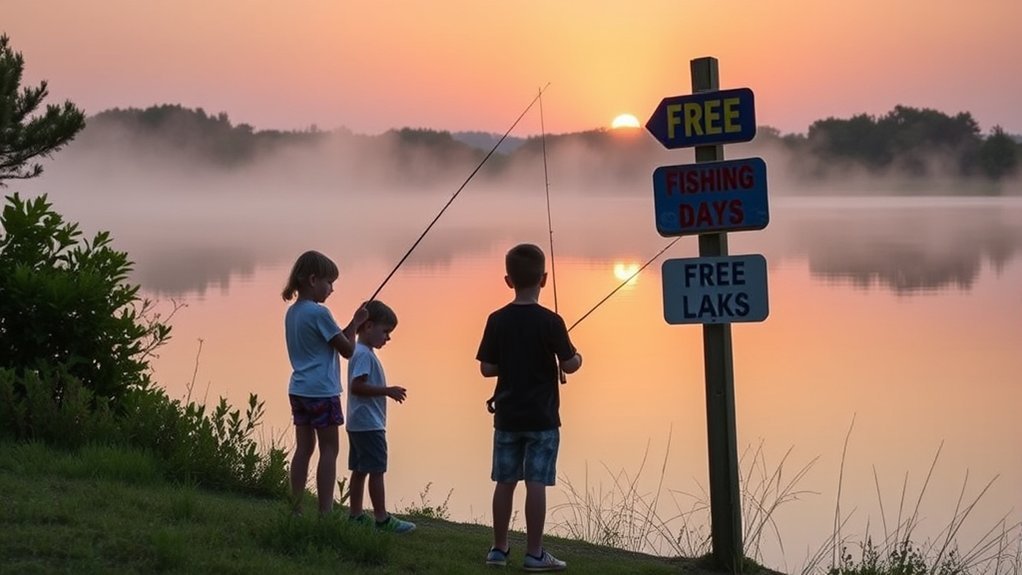
Texas offers several free fishing opportunities that make the sport easier to try. One notable event is Free Fishing Day, which Texas celebrates on the first Saturday in June. On this day, residents and non-residents can fish without a license, though all other fishing regulations still apply.
Because the date changes every year, avoid relying on an old date such as June 3 unless it matches the current calendar year. Check the current Free Fishing Day date before planning a license-free trip.
Many Texas State Parks also allow fishing without a license inside park boundaries. You may still need to pay a park entrance fee, and you must follow park rules, possession limits, fish cleaning rules, and any posted waterbody regulations.
For families, children under 17 can fish without a license at any time. This makes it easier to introduce young anglers to the sport before paying for adult licenses. Residents born before January 1, 1931, also remain exempt from needing a Texas fishing license.
What Your Texas Fishing License Does Not Cover
A fishing license gives you legal fishing privileges, but it does not cover every cost or rule tied to a trip. You may still need to budget for state park entrance fees, boat registration, boat launch fees, parking, bait, guide fees, local access fees, and replacement license fees.
Your license also does not let you ignore fishing limits. You still need to identify fish correctly, measure them properly, follow daily bag limits, and obey possession limits. If you fish saltwater, make sure you understand red drum tags, oversized fish rules, and coastal species regulations before keeping your catch.
The safest license choice is the one that matches your water type, trip length, residency status, and harvest plans before you make your first cast.
Frequently Asked Questions
What are the different TX fishing license types?
Texas offers several fishing license types, including resident freshwater, resident saltwater, resident all-water, senior resident packages, one-day all-water licenses, non-resident licenses, lifetime resident fishing licenses, and endorsements for specific fishing privileges.
How much does a Texas fishing license cost?
Common Texas fishing license costs include $30 for a resident freshwater package, $35 for a resident saltwater package, $40 for a resident all-water package, $22 for a senior resident all-water package, $11 for a one-day all-water license, and $68 for a non-resident all-water package. Fees can change, so confirm the final cost before purchase.
How much is a lifetime fishing license in TX?
A Texas lifetime resident fishing license is commonly listed at $1,000. It can make sense for eligible Texas residents who fish often and want to avoid annual fishing license renewals for the rest of their lives.
What is the difference between a fishing license and a fishing permit?
A fishing license gives you general legal permission to fish under state rules. A permit, endorsement, tag, or stamp may add a specific privilege, such as saltwater fishing or keeping certain regulated fish. In everyday speech, anglers may use “permit” and “license” loosely, but the exact wording matters when you buy from Texas Parks and Wildlife.
Do you need a fishing license in Texas State Parks?
Many Texas State Parks allow fishing without a license when you fish inside the park. You may still need to pay the park entrance fee, and you must still follow fishing limits, size rules, gear rules, and posted park regulations.
Do kids need a Texas fishing license?
No. Anglers under 17 do not need a Texas fishing license. They still need to follow all fishing rules, including bag limits, length limits, and species restrictions.
Sources
- Texas Parks and Wildlife Department: Fishing Licenses, Stamps, Tags & Packages — license types, common package names, and fee categories.
- Texas Parks and Wildlife Department: Fishing License Requirements — who needs a license and common exemptions.
- Texas Parks and Wildlife Department: Fishing in State Parks — license-free fishing rules inside many Texas State Parks.
- Texas Parks and Wildlife Department: General Fishing Rules and Regulations — bag limits, length limits, and fishing rule reminders.
Conclusion
In Texas, a fishing license is more than a formality. It is your pass to fish public waters legally while helping support conservation, hatcheries, enforcement, and public access. Before you buy, decide whether you need freshwater, saltwater, or all-water privileges. Then compare resident, non-resident, senior, one-day, and lifetime options.
If you only fish once, a one-day license may be enough. If you fish throughout the year, an annual package usually gives you better value. If you fish both lakes and the coast, the all-water package can save confusion. Once your license is set, you can focus on the best part: finding the right water, making the right cast, and enjoying your next Texas fishing trip.

1 thought on “How Much Are Fishing Permits Guide”