
The 2026 Fishing protected species Rules change how the industry handles marine conservation. These new regulations shift the focus from broad habitat protections to direct assessments of harm against endangered species. If you work in the commercial fishing industry, you must understand these updates to maintain your permits and avoid legal penalties. Read on to learn how these changes impact your daily operations and long-term compliance strategies.
Quick Answer
The 2026 Fishing Protected Species Rules update how the Endangered Species Act (ESA) defines harm to marine life. The new guidelines require fishing operations to prove their activities do not directly injure or kill protected species. This shifts the regulatory focus away from general habitat modifications and demands stronger scientific proof during the permit application process.
Key Takeaways
- The legal definition of harm now emphasizes direct injury or mortality over general habitat modification.
- Nationwide Permits for fishing activities expired in March 2026, requiring immediate operational updates.
- You must provide strong scientific evidence during the permitting process to prove compliance.
- Implementing bycatch reduction devices (BRDs) remains critical for minimizing unintended catches.
What Are the 2026 Fishing Protected Species Rules?

The Endangered Species Act (ESA) dictates the rules for protecting threatened fish species. Under the ESA, federal agencies designate critical habitats and create recovery plans to preserve these populations.
Proposed revisions to the definition of harm change how authorities enforce fishing regulations. Habitat modification may no longer qualify as a form of take. Because of this, you must provide strong scientific proof during the permitting process. You need to show how habitat impacts directly result in species injury or mortality.
Proposed changes to the definition of “harm” directly impact fishing regulations and permitting requirements.
According to federal dockets, the fishing community submitted about 330,000 public comments regarding these proposed changes. This highlights widespread industry concern.
Nationwide Permits that regulated many fishing activities and restoration efforts expired in March 2026. You must immediately update your compliance strategies and applications to resolve any regulatory gaps.
Key Objectives of the 2026 Regulations
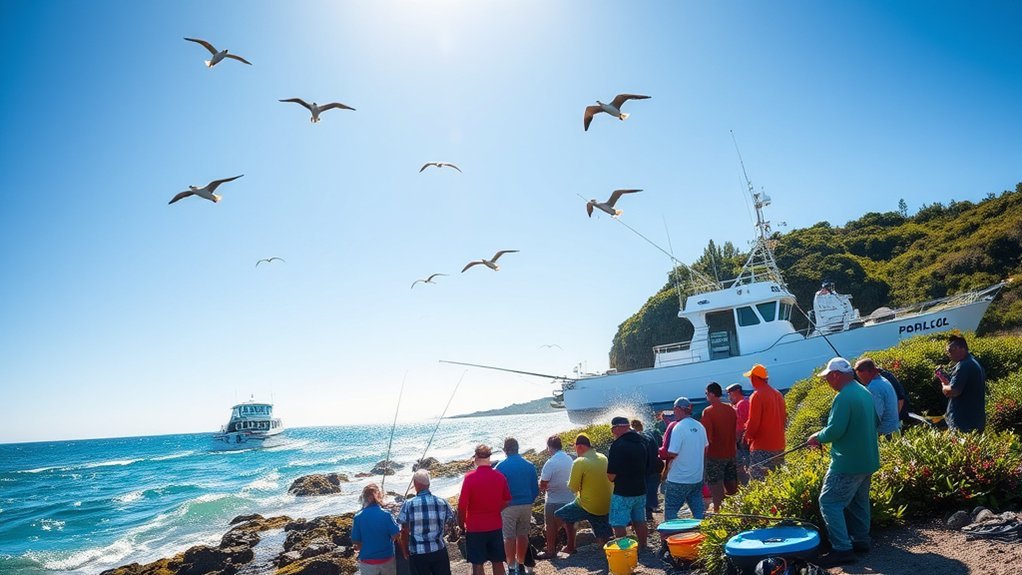
The 2026 regulations prioritize direct species recovery over broad habitat protection. You will notice a major shift in compliance requirements.
Regulators now emphasize direct harm rather than indirect habitat modifications. This approach requires a strict assessment of how your specific actions impact endangered fish.
How Habitat Protection Is Changing
The 2026 regulations change how the government handles habitat preservation. Revisions to the ESA limit habitat alteration assessments. This excludes many significant modifications from the traditional take criteria.
Currently, the Supreme Court upholds that harm includes habitat modifications that injure or kill wildlife. However, the National Marine Fisheries Service (NMFS) argues this broad interpretation conflicts with the true meaning of the law.
If finalized, these rules require direct evidence connecting habitat changes to population impacts. This reduces the focus on habitat preservation during project approvals and raises public concern for local biodiversity.
New Strategies for Species Recovery
The 2026 regulations focus heavily on direct species recovery strategies. They integrate stricter impact measures into the standard fishing permitting process.
You will encounter better monitoring protocols. These ensure your fishing activities do not threaten a protected species’ survival. The new definition of harm clarifies direct impacts on fish populations.
This streamlines permitting while increasing scrutiny on overall species health. Federal and state agencies now collaborate to prioritize ecosystem health within commercial fishing practices.
What You Need for Regulatory Compliance
You must adapt your fishing activities to meet the new definitions of harm. Biologists must demonstrate a clear link between habitat modifications and direct impacts on endangered species.
The focus shifts to individual fish health rather than broad habitat conditions. You must navigate a stricter permitting process. Evidence of direct species mortality or injury is now the critical factor.
Pro tip: If you have not already, submit your permit renewal assessments immediately. Operating under the expired March 2026 permits can result in severe operational delays and fines.
This focus on individual impacts makes compliance complicated. Quantifying habitat changes matters less under the new rules. Potential legal challenges may delay the rollout of these compliance requirements.
How Rules Impact Marine Species

Changes to the ESA affect threatened marine species by altering the legal definition of harm.
Revising the ESA redefines “harm,” which jeopardizes broad protections for endangered marine species.
Redefining this term limits its scope. Habitat modifications that currently receive protection may lose that status. This shift undermines broad recovery initiatives and reduces the emphasis on habitat restoration.
The NMFS claims the older definition complicates management strategies. However, massive public comment volume reflects significant anxiety about marine biodiversity. Ongoing legal battles over these modifications may delay their implementation.
Effective Habitat Preservation Strategies
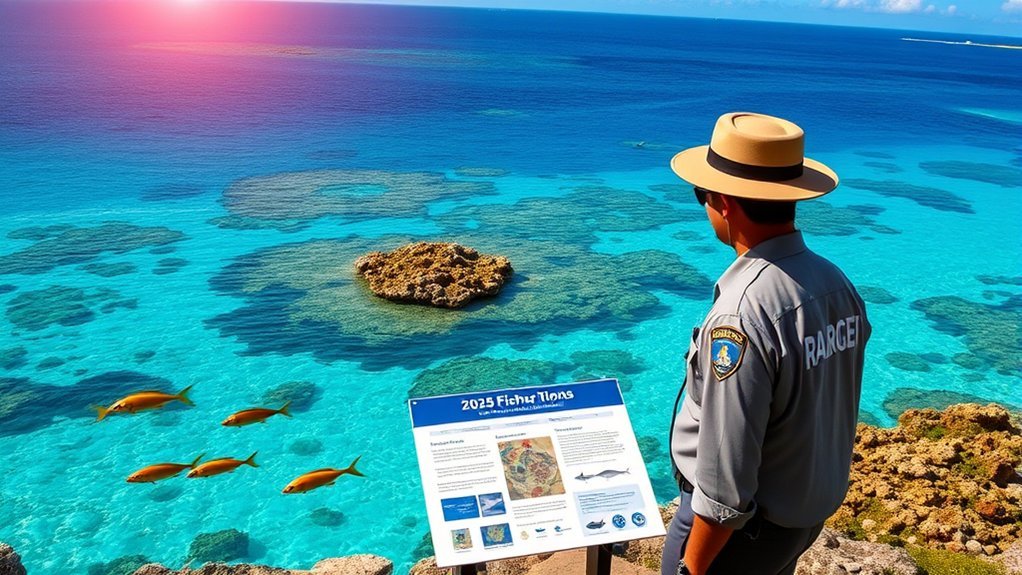
Effective habitat preservation requires targeted restoration techniques and strong conservation policies. These approaches rehabilitate ecosystems and align with federal frameworks that support species recovery.
Habitat Restoration Techniques
Habitat restoration revitalizes damaged ecosystems. Critical actions increase local biodiversity and improve survival rates for endangered fish.
Common restoration techniques include:
- Replanting native vegetation along coastlines.
- Removing harmful invasive species from the area.
- Restoring natural hydrology and water flow.
- Stabilizing streambanks to maintain safe fish passage.
Monitoring these projects allows you to adjust your strategies based on real-time data. Engaging local communities in restoration efforts builds long-term support for conservation.
Conservation Policy Initiatives
The ESA relies on habitat preservation to ensure species survival across the country. However, the proposed regulatory changes could exclude habitat modifications from being legally harmful.
Successful habitat preservation requires cooperation between agencies and federal financial support. You must stay engaged with the public and use adaptive management to face environmental challenges. Your voice in these policy discussions shapes future conservation outcomes.
Ways to Reduce Bycatch
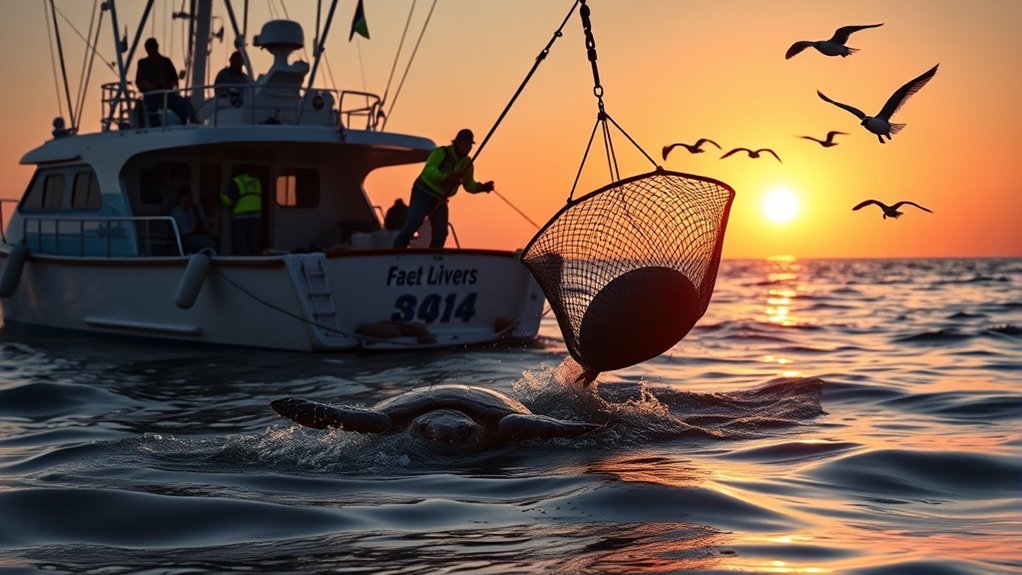
Bycatch reduction measures protect vulnerable marine species during your fishing operations. These measures minimize the unintended capture of protected animals.
Recent regulations mandate specific tools to limit incidental catches of sea turtles and dolphins. You must use bycatch reduction devices (BRDs) and specific gear types. The NMFS also enforces strict bycatch reporting requirements to improve data collection.
Research shows that effective bycatch reduction practices decrease bycatch rates by up to 80 percent. You must adhere to these measures to maintain the sustainability of marine ecosystems.
How to Assess Your Fishing Activities
You must evaluate your fishing activities by looking at habitat impacts and species mortality. Connecting your gear use to protected species effects ensures ESA compliance.
You need to make sure your evaluations use thorough and current scientific data.
Habitat Impact Evaluations
Evaluations show how fishing activities alter environments under the ESA. Biologists analyze how these alterations lead to mortality or injury.
Proposed rule changes shift the focus from broad habitat impacts to direct species mortality. Scientists now rely heavily on empirical data and peer-reviewed studies to prove harm. A decrease in habitat restoration obligations forces a reevaluation of standard fishing practices.
Species Mortality Evidence
You must use a rigorous approach to assess how fishing directly impacts protected species. Biologists need solid evidence to link habitat alterations to actual animal injury.
The new definition of harm shifts the burden of proof during the permitting process. You must substantiate your claims using scientific literature. Estimations of take now focus entirely on individual species mortality.
How to Comply With the ESA
You must comply with the ESA to balance your fishing practices with environmental protection. The ESA requires you to obtain federal permits for any activities that take protected species.
A 1995 Supreme Court ruling established that habitat modifications qualify as harm. However, proposed changes exclude general habitat modification from the take category. You must demonstrate exactly how your practices directly injure protected species.
This increases your need for robust scientific data when filing for permits. Anticipate legal challenges that may alter these compliance rules in the future.
Penalties for ESA Violations
Failing to comply with the ESA carries severe consequences for commercial operations. The federal government strictly enforces regulations surrounding protected marine species.
Warning: Violating the Endangered Species Act can result in civil penalties of up to $25,000 per violation and potential criminal charges.
If you operate without the proper permits or fail to report incidental takes, you risk losing your commercial fishing license entirely. Furthermore, federal agencies can seize your catch and confiscate your fishing vessels. You must maintain strict compliance to protect your livelihood.
Economic Impacts on the Fishing Industry
Understanding the economic cost of ESA compliance is vital for your business. Compliance costs rise quickly due to expensive permit assessments.
If regulators limit habitat restoration, fish populations may decrease over time. This ultimately leads to lower catch yields for your boats. Shifting the focus to direct species interactions creates regulatory uncertainty.
Uncertainty hinders your long-term investment and operational planning. The industry supports millions of jobs, making the balance between economic viability and regulations essential.
The Role of Public Input
Effective stakeholder engagement shapes sound conservation policies. The massive volume of public comments proves that people care about how agencies assess habitat impacts.
Engaging stakeholders helps biologists link habitat alteration to species mortality. Anticipated court battles highlight the need for public input to craft enforceable rules. Support from permitting specialists helps address your specific operational concerns.
Future Challenges for Fishermen
You must prepare for a landscape that complicates how agencies assess protected species. Shifting focus to direct mortality increases legal scrutiny on your business.
Court challenges to these rules will likely delay compliance timelines for new permits. Biologists need to connect habitat alterations to species impacts using complex scientific literature.
Removing habitat restoration obligations from project approvals risks creating inadequate conservation measures. You must engage with stakeholders to navigate these challenges and protect the industry’s future.
Frequently Asked Questions
How does the ESA define harm under the 2026 rules?
The 2026 rules focus the definition of harm on actions that directly injure or kill protected species. This limits the scope of harm, meaning general habitat modifications may no longer trigger regulatory penalties.
Why do regulations mandate specific catch limits?
Catch limits prevent overfishing and guarantee sustainable fish populations for future seasons. Regulating catch sizes maintains ecological balance and supports the recovery of endangered marine species.
How do these rules affect Gulf of Mexico fishing operations?
Operations targeting redfish, snapper, and grouper in the Gulf face stricter permitting requirements if their gear interacts with protected species. You must use required bycatch reduction devices to maintain your legal catch status.
What are the legal penalties for overfishing protected species?
The Magnuson-Stevens Act and the ESA enforce strict penalties for overfishing or harming protected species. Violators face massive fines, confiscation of gear, and the permanent loss of their commercial fishing licenses.
Legal Disclaimer: This article is for informational purposes only and does not constitute professional legal advice. Always consult a qualified lawyer or maritime compliance expert before making decisions based on this information.
What to Do Next
The 2026 Fishing Protected Species Rules drastically reshape the marine regulatory environment by demanding proof of direct harm. You must upgrade your scientific assessment methods and update your permits immediately to account for the passed March 2026 expiration deadline. Contact a maritime compliance specialist today to audit your current fishing practices and secure your operational future.
References
- Endangered Species Act Overview — National Marine Fisheries Service (NMFS), 2024
- Babbitt v. Sweet Home Chapter of Communities for a Great Oregon, 515 U.S. 687 — U.S. Supreme Court, 1995
- Nationwide Permits Schedule — U.S. Army Corps of Engineers, 2021

1 thought on “Protected Species Rules: ESA Fishing Guide [2026]”