Planning to fish in Virginia means choosing the right license before you cast. The state offers different options for residents, non-residents, freshwater anglers, saltwater anglers, trout fishers, short-term visitors, seniors, and lifetime license buyers. Understanding the basic rules, fees, exemptions, and permit add-ons helps you avoid fines and keeps your fishing trip simple.
Quick Answer
In Virginia, most anglers age 16 or older need a fishing license. A resident annual freshwater license is listed at $23.00 in this guide, while a nonresident annual freshwater license is listed at $47.00. Extra permits may apply for trout waters, National Forest areas, state forest use, or certain fee-fishing locations.
Key Takeaways
- Most anglers age 16 or older need a Virginia fishing license unless an exemption applies.
- Resident, nonresident, freshwater, saltwater, combination, short-term, trout, and lifetime licenses serve different fishing needs.
- Designated stocked trout waters usually require an added trout license during the stocked trout season.
- Some locations require extra permits, such as National Forest, State Forest, access, or daily fee-fishing permits.
- You can buy a Virginia fishing license online, through the mobile app, by phone, or from approved in-person license agents.
Warning: License rules can change, and special waters may have local rules. Always check the current Virginia Department of Wildlife Resources and Virginia Marine Resources Commission rules before your trip.
Who Needs a Fishing License in Virginia?
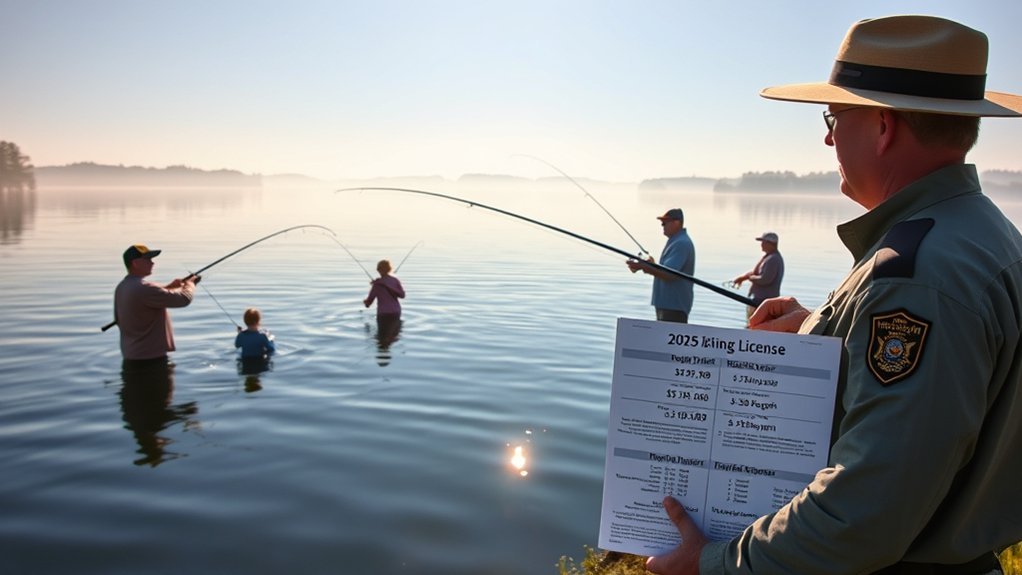
In Virginia, anyone aged 16 or older generally needs a fishing license before fishing in the state’s public waters. That rule applies whether you fish from shore, a pier, a boat, a kayak, or a stocked stream.
If you’re 16 or older, you should obtain the correct fishing license before you cast a line. The right license depends on where you fish, whether you are a resident, and whether you plan to fish in freshwater, saltwater, or stocked trout waters.
However, there’s good news for young anglers. Children under 16 years old are generally exempt from needing a license, so you can introduce them to fishing without buying a separate youth license.
Active-duty military members on official leave can also fish without a license in certain situations, making it easier for them to relax during approved time off.
Legally blind individuals and Native Americans fishing on reservations may also qualify for exemptions.
If you’re a Virginia resident fishing on your own land, you may be exempt from the license requirement as well.
Landowners, tenants, and immediate family members may have specific exemptions when fishing on private waters connected to their own property, but you should review the current rules before relying on that exemption.
Knowing who needs a fishing license helps you follow the rules, avoid penalties, and enjoy your time outdoors with confidence.
Information for Residents
Virginia residents have a variety of options when it comes to obtaining a fishing license, making it easy for you to enjoy the state’s abundant fishing opportunities.
For $23.00, you can secure a 1-year freshwater fishing license. Longer durations are also available, including $44.00 for 2 years, $65.00 for 3 years, and $86.00 for 4 years.
If you’re a saltwater enthusiast, a resident saltwater fishing license costs $17.50. You can also choose a combination license for $39.50 if you want freshwater and saltwater coverage.
Senior anglers should pay close attention to the exact license type. Virginia offers senior options, but the best choice depends on your age, residency status, and whether you want freshwater, saltwater, trout, or combination privileges.
If you plan to fish in designated stocked trout waters, a trout fishing license is necessary at $23.00 for the stocked trout season from October 1 to June 15.
You can conveniently purchase fishing licenses online, in person, through the mobile app, or by phone, ensuring you’re ready for your next fishing adventure.
Pro Tip: Before buying, decide whether you will fish freshwater, saltwater, trout waters, or a mix of locations. Choosing the correct license first can save you from buying extra coverage later.
Information for Non-Residents

If you’re a non-resident looking to fish in Virginia, you have several license options to choose from.
You can opt for a standard freshwater license, a saltwater license, or a combination license if you plan to fish both types of water.
Short-term licenses are also available, making it easy to enjoy Virginia’s fishing opportunities without paying for a full annual license when you only need a few days on the water.
Non-residents should also check whether their planned fishing spot falls under freshwater, tidal water, saltwater, stocked trout water, National Forest land, or another special-use area.
Nonresident License Options
Wondering what fishing options are available for nonresidents in Virginia? You’ve got several nonresident licenses to choose from.
The Nonresident State Freshwater Fishing license, intended for anglers 16 and older, is priced at $47.00 annually in this guide. If saltwater fishing’s your thing, the Nonresident Saltwater Fishing license costs $25.00.
Want to cover both bases? Grab the combination license for $71.00. For a quick fishing trip, you can opt for the Nonresident 1-Day Freshwater Fishing license at $8.00, but keep in mind it does not cover designated stocked trout waters.
If you’re interested in fishing in designated stocked trout waters from October 1 to June 15, you’ll need a Nonresident Trout Fishing license, which costs $23.00.
Short-Term License Choices
For non-residents looking for short-term fishing experiences in Virginia, several flexible license options are available to suit your needs.
You can start with a 1-Day Freshwater Fishing License for $8.00, though keep in mind it’s not valid in designated stocked trout waters.
If you plan to fish longer, consider the 5-Day Freshwater Fishing License for $21.00, or a nonresident Trout Fishing License priced at $23.00, which is essential for stocked waters from October 1 to June 15.
For saltwater enthusiasts, the Saltwater Fishing License costs $25.00, while a 10-Day Saltwater License is listed at $10.00.
If you want the best of both worlds, opt for the Combination Freshwater and Saltwater Fishing License at $71.00.
Resident vs. Nonresident License Costs at a Glance
The right Virginia fishing license depends on your residency and where you plan to fish. Use this simple table to compare the main options mentioned in this guide.
| License Type | Resident Cost | Nonresident Cost | Best For |
| Annual Freshwater | $23.00 | $47.00 | Rivers, lakes, ponds, and other freshwater trips |
| Annual Saltwater | $17.50 | $25.00 | Coastal, tidal, and saltwater fishing |
| Freshwater and Saltwater Combination | $39.50 | $71.00 | Anglers who fish both inland and coastal waters |
| Trout License | $23.00 | $23.00 | Designated stocked trout waters during the stocked season |
| 1-Day Freshwater | Available option | $8.00 | Short freshwater trips outside designated stocked trout waters |
| 5-Day Freshwater | Available option | $21.00 | Weekend trips or short vacations |
| 10-Day Saltwater | Available option | $10.00 | Short coastal fishing trips |
Lifetime Licenses

Whether you’re a seasoned angler or just starting out, Virginia offers a variety of lifetime fishing licenses that cater to both residents and non-residents.
The Regular Lifetime License provides long-term fishing privileges without the hassle of annual renewals. It can be a smart choice if you expect to fish in Virginia for many years.
The Regular Lifetime License can reduce renewal hassles for anglers who plan to fish Virginia waters year after year.
For residents aged 80 and older, the Senior Combo Lifetime License may be a useful option because it can combine long-term fishing privileges with senior eligibility.
Families can also benefit from the Legacy Lifetime License, available for individuals under 2 years old, fostering a love for fishing from an early age.
If you’re a disabled veteran rated at 30% or greater, the Resident Service-Connected Disability Lifetime License may allow you to fish with reduced or no additional license fees, depending on the license type and eligibility rules.
Keep in mind that trout licenses are required if you plan to fish in designated stocked trout waters, even if you hold a lifetime fishing license.
With so many choices, you can find the perfect license to suit your fishing needs.
Additional Fees

When you’re planning your fishing adventure in Virginia, keep in mind that there are additional fees beyond the standard fishing license.
For instance, if you want to fish in specific state-managed fee areas like Clinch Mountain, Crooked Creek, or Douthat, you’ll need a daily permit costing $8.00.
If you’re heading into certain National Forest areas, a $4.00 National Forest Permit may be required too.
These fees can add up, so it’s smart to budget accordingly before you leave home.
Some anglers also need access permits, state forest use permits, or special permits for specific methods such as dip-netting for certain species.
Daily Park Permits
If you’re planning to fish at popular spots like Clinch Mountain, Crooked Creek, or Douthat State Park, you’ll need to purchase a daily permit, which costs $8.00. This permit is in addition to any fishing licenses you may already have.
For those venturing into designated National Forest areas, a $4.00 permit is required for National Forest fishing.
If you’re looking for broader access, the Virginia State Forest Use Permit is available for $16.00, covering various activities, including fishing.
You can also get an Access Permit for $4.00 per day or $23.00 per year.
Don’t forget the County Dip Net Permit, priced at $4.50, if you plan on catching shad, herring, or mullet by that method where allowed.
National Forest Fees
Fishing in Virginia’s National Forests offers a unique experience, but you’ll need to secure a National Forest Permit for $4.00 when the permit applies. This permit is mandatory in addition to any fishing licenses you may already have.
It plays a role in supporting the maintenance and conservation of these beautiful areas. Depending on your age group or fishing activity, you might be exempt from needing this permit, so it’s wise to check local regulations for specifics.
You can conveniently purchase the National Forest Permit online, in person, or through designated vendors in your area. This small fee not only enriches your fishing experience but also helps sustain Virginia’s natural resources for future generations.
Don’t miss out on the adventure, but make sure you carry proof of the required license and permit while fishing.
Additional Trout License
To enjoy the thrill of fishing for trout in Virginia’s designated stocked waters, you’ll need to secure an Additional Trout Fishing License, which costs $23.00 for both residents and nonresidents alike.
This license is essential for compliance with state regulations set by the Department of Wildlife Resources, especially during the stocked trout season from October 1 to June 15.
Here are some key points to keep in mind:
- Trout licenses are separate from standard freshwater or saltwater licenses.
- Nonresident anglers must also purchase this license for $23.00.
- Lifetime fishing license holders still need a trout permit for designated stocked trout waters.
- Confirm you have the right license when fishing in stocked areas to avoid penalties.
- Check the current trout stocking schedule before you choose your fishing spot.
Happy fishing!
Note: A freshwater license alone does not always cover every fishing situation. Trout waters, National Forest areas, and certain access sites may require additional permits.
Where to Buy a Virginia Fishing License
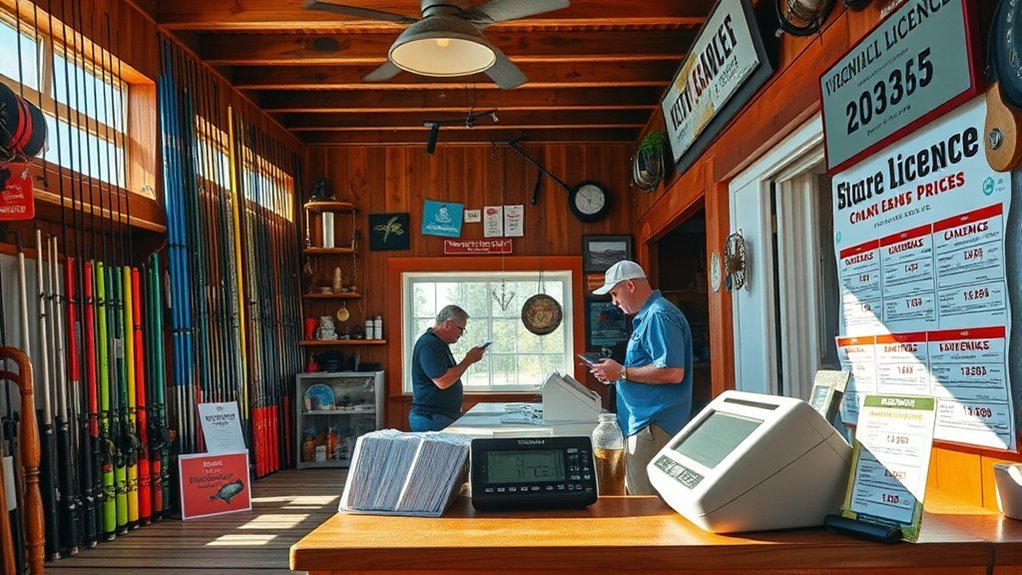
Wondering where to snag your Virginia fishing license? You’ve got several convenient options.
If you prefer the comfort of your home, you can purchase your Virginia fishing license online at the Go Outdoors Virginia website. This option gives you fast access to your license after checkout.
For those who like an in-person experience, visit approved license agents, Circuit Courts that sell licenses, or the Department of Wildlife Resources headquarters. Just remember that DWR regional offices may not sell licenses, so choose the right location before you drive.
If you’re on the go, the mobile app allows you to buy licenses directly from your smartphone, making it even easier.
Prefer speaking to someone? You can buy by phone through the official license sales system during regular business hours.
With all these options, getting your fishing license in Virginia is simple.
How to Choose the Right Virginia Fishing License
Choosing the right license starts with your fishing plan. You do not need the most expensive option if you only plan one short trip, but you also do not want to buy too little coverage and risk fishing illegally.
- Confirm your residency. Virginia residents and non-residents pay different fees.
- Choose freshwater, saltwater, or both. Inland lakes and rivers usually need freshwater coverage, while coastal and tidal areas may need saltwater coverage.
- Check whether you will fish stocked trout waters. If yes, add the trout license when required.
- Decide how long you need coverage. Short-term licenses work for visitors, while annual and multi-year licenses fit frequent anglers.
- Review location-based permits. National Forest, state forest, daily fee areas, and access permits may apply.
- Carry proof of your license. Keep a printed copy, digital copy, or app version available while fishing.
Common Mistakes to Avoid
Many license problems happen because anglers buy the wrong type of coverage. A little planning helps you avoid the most common issues.
- Buying freshwater only when you also plan to fish saltwater. Choose a combination license if your trip includes both.
- Forgetting the trout license. Designated stocked trout waters often require extra coverage during the stocked season.
- Assuming a lifetime license covers everything. Some lifetime license holders still need trout privileges.
- Ignoring land or access permits. National Forest and state forest areas may require separate permits.
- Using old fee information. Check the current license page before you pay because fees and rules can change.
- Not carrying proof. Keep your license accessible on your phone or in your tackle bag.
Frequently Asked Questions
How much is a Virginia fishing license?
A Virginia fishing license cost depends on residency, duration, and water type. In this guide, a resident annual freshwater license is listed at $23.00, a resident saltwater license at $17.50, and a resident freshwater and saltwater combination license at $39.50. Nonresident licenses cost more.
Is there a discount for senior VA fishing licenses?
Yes, Virginia offers senior license options for eligible residents. The right senior license depends on your age, residency, and the type of fishing you plan to do. Seniors should review current Virginia license rules before buying because trout, saltwater, or combination privileges may require a specific license type.
Who is exempt from a fishing license in Virginia?
Common exemptions may include anglers under 16, certain Virginia residents fishing on their own land, legally blind individuals, Native Americans fishing on reservations, and active-duty military members on official leave. Some disabled veterans may qualify for special licenses. Always confirm the current exemption rules before fishing.
What is the Lifetime Legacy License in Virginia?
The Lifetime Legacy License is a Virginia lifetime license option for individuals under 2 years old. Families use it to secure long-term fishing privileges early in a child’s life. It can be a meaningful gift for families who expect the child to fish in Virginia for many years.
Do I need a trout license in Virginia?
You need an additional trout license if you fish in designated stocked trout waters during the stocked trout season, which this guide lists as October 1 through June 15. This requirement can apply even if you already hold a freshwater or lifetime fishing license.
Can non-residents buy a short-term Virginia fishing license?
Yes. Non-residents can choose short-term options such as a 1-day freshwater license, a 5-day freshwater license, or a 10-day saltwater license. These are useful for vacations, weekend trips, or quick visits when you do not need a full annual license.
Conclusion
Whether you’re a local angler casting lines in freshwater or a visitor eager to explore Virginia’s saltwater fishing, understanding the license options is vital. With prices varying between residents and non-residents, it’s essential to choose the right license for your needs.
Start with your residency, choose freshwater or saltwater coverage, add trout privileges if needed, and check whether your fishing location requires an extra permit. Don’t let a simple license mistake interrupt your trip. Grab the right license, keep proof with you, and enjoy Virginia’s rich fishing experiences.
Whether it’s a quick day trip or a long-term commitment, the waters are waiting for you.
Sources
- Virginia Department of Wildlife Resources Licenses — freshwater licenses, exemptions, trout license rules, and special permits.
- Go Outdoors Virginia — official online license purchase system.
- Virginia Marine Resources Commission — saltwater fishing and marine resource rules.
- Virginia DWR Trout Fishing — stocked trout waters and trout fishing information.