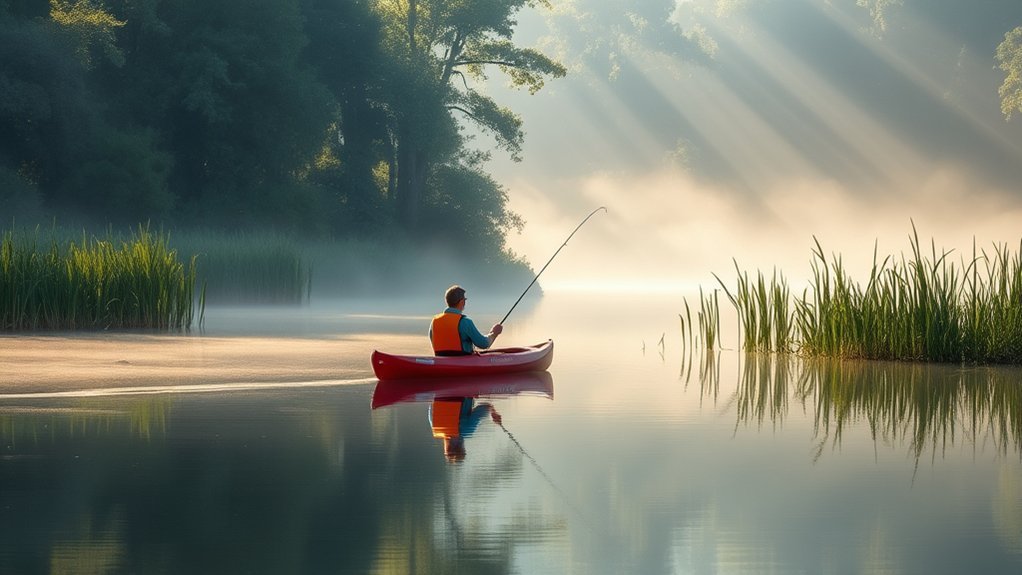
Kayak fishing combines the thrill of angling, the calm of paddling, and the freedom to reach quiet water that bigger boats often miss. To enjoy your first trip, you need the right kayak, basic fishing gear, smart loading habits, and a safety plan before you launch. This guide walks you through the essentials so you can fish with more confidence, protect your gear, and stay safer on lakes, ponds, rivers, creeks, and sheltered coastal water.
Quick Answer
Kayak fishing starts with a stable fishing kayak, a properly fitted life jacket, a paddle, one simple rod-and-reel setup, basic tackle, and a safe launch plan. Choose calm water, check weather and local rules, keep gear secured, and practice paddling before you focus on catching fish.
Key Takeaways
- A sit-on-top fishing kayak is often the easiest beginner choice because it offers stability, open deck space, and simple gear access.
- Wear a properly fitted personal flotation device every time, even on calm water.
- Start with one rod, a small tackle box, a paddle, an anchor or stakeout pole, and secured dry storage.
- Check wind, weather, current, tides, water temperature, and local boating rules before you launch.
- Keep your first trips short, close to shore, and focused on learning boat control.
At a Glance
| Time Required | 2 to 4 hours for a beginner-friendly first trip, plus setup and loading time |
| Difficulty | Beginner to moderate, depending on wind, current, launch site, and distance from shore |
| Tools Needed | Fishing kayak, paddle, PFD, rod and reel, tackle, anchor or stakeout pole, dry bag, whistle, first-aid kit, and weather-appropriate clothing |
| Cost | Varies widely by kayak, paddle, safety gear, fishing tackle, transport setup, and whether you buy new or used |
Understanding Kayak Fishing
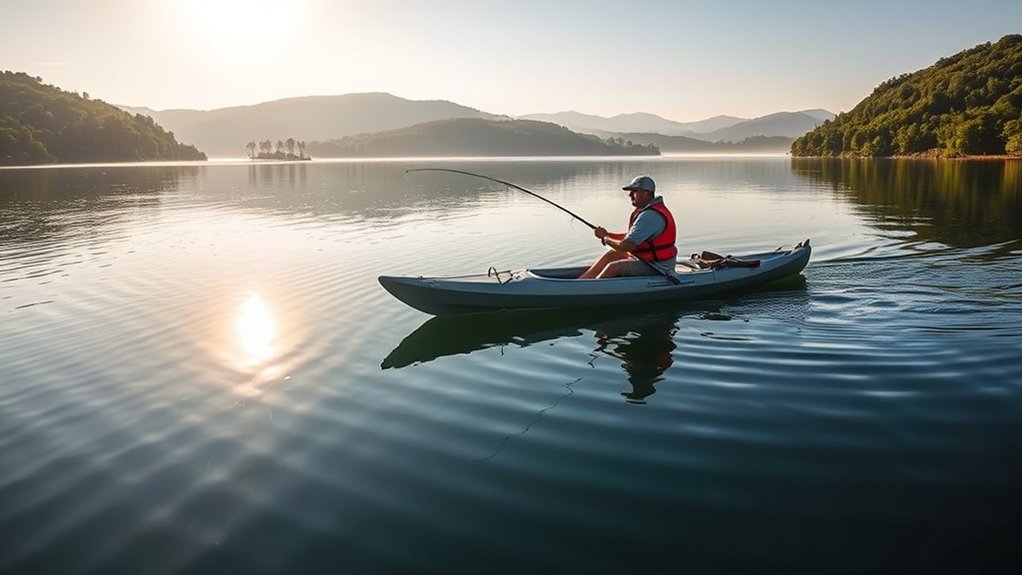
When you combine fishing with kayaking, you open up a style of angling that feels active, quiet, and close to the water.
Kayak fishing lets you access remote spots that larger boats simply can’t reach. You can slip into shallow coves, work along grass lines, drift small creeks, and explore quiet ponds without needing a boat ramp or motor.
Many anglers prefer sit-on-top kayaks because they offer stability, easy entry, and open deck space. This design also makes it easier to reach tackle, adjust your seat, land fish, and re-enter the kayak if you fall out in deep water.
A common beginner-friendly fishing kayak measures about 10 to 12 feet, which gives you a useful mix of tracking, maneuverability, and stability. Shorter kayaks turn easily in creeks and ponds, while longer kayaks usually track better across open water.
Essential gear includes a properly fitted personal flotation device, a sturdy paddle, a rod and reel, a small tackle box, dry storage, and basic emergency items. You do not need a complicated setup to get started.
You will also need to learn how kayak movement affects your casts. Casting to the side, keeping your body centered, and using slow paddle strokes all help you stay balanced while presenting your lure naturally.
Note: Kayak fishing is still boating. Check your state or local boating agency for life jacket rules, registration requirements, lighting rules, access restrictions, and fishing license requirements before you go.
Selecting the Right Fishing Kayak
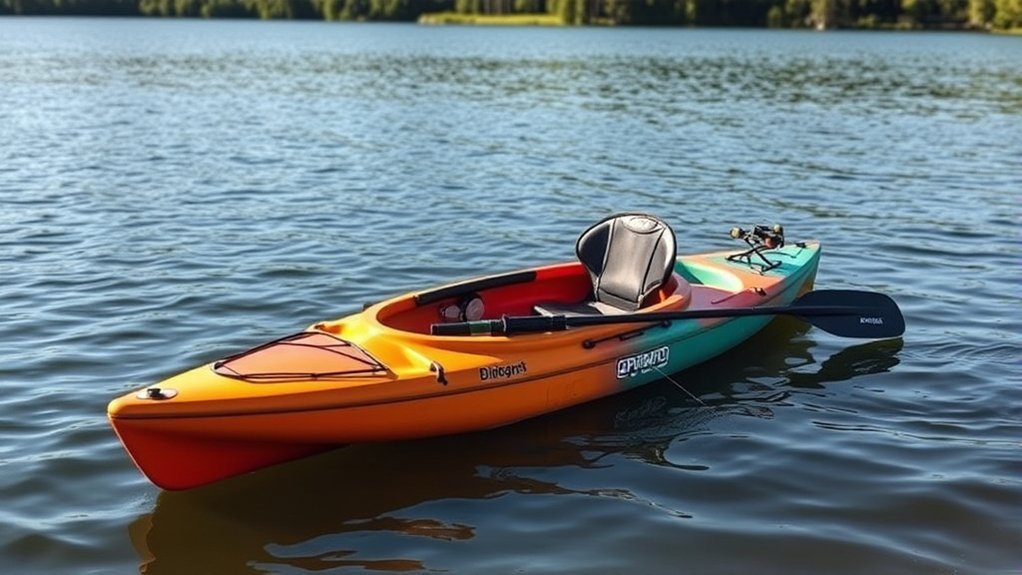
Choosing the right fishing kayak can greatly improve your comfort, safety, and control on the water. The best kayak for you depends on your body size, water type, transport setup, storage space, and fishing style.
A fishing kayak between 10 and 12 feet often gives beginners a practical balance of stability, tracking, storage, and easy transport.
A sit-on-top design is usually your best starting point because it offers easy access to gear and more freedom to move during long fishing outings.
Pay attention to the kayak’s width. Wider models generally feel steadier, which helps when you cast, reach for tackle, land fish, or deal with small waves. Narrower models may paddle faster, but they can feel less forgiving for beginners.
Look for kayaks equipped with built-in rod holders, gear tracks, bungee storage, and sealed storage areas. These features help keep your essential gear organized and easy to reach.
Comfort matters more than many beginners expect. Choose a model with an adjustable seat, supportive backrest, and adjustable footrests. A poor seat can turn a relaxing trip into back pain after only an hour or two.
Also check the kayak’s listed weight capacity. Add your body weight, tackle, cooler, anchor, water, electronics, and any extra gear. Stay comfortably below the maximum capacity so the kayak remains stable and responsive.
Sit-On-Top vs. Sit-Inside Kayaks
Sit-on-top kayaks are popular for fishing because water drains through scupper holes, gear stays easier to reach, and entry feels less cramped. They are a strong choice for warm weather, ponds, lakes, slow rivers, and inshore flats.
Sit-inside kayaks can protect your lower body from wind and splash, which may help in colder weather. However, they usually offer less deck space and can be harder to re-enter after a capsize.
For most new kayak anglers, a stable sit-on-top fishing kayak is the simpler and safer choice.
Pedal vs. Paddle Fishing Kayaks
Paddle kayaks are lighter, simpler, and often easier to transport. They also cost less in many cases and work well in shallow water with weeds, rocks, or tight banks.
Pedal kayaks let you move hands-free while you fish. This helps when you want to hold position, follow a shoreline, or work a lure while moving. The tradeoff is extra weight, more moving parts, and higher cost.
Start with the setup you can safely transport, launch, and control. A kayak that fits your real routine will get used more often than a feature-packed model that feels hard to move.
Essential Gear and Accessories
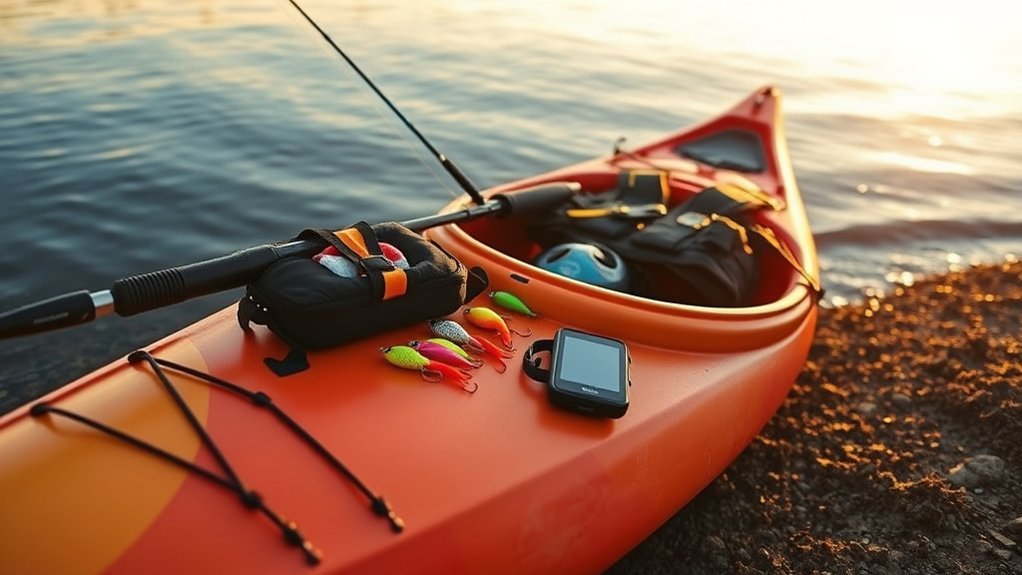
When you head out for kayak fishing, having the right gear is key to a successful trip.
You need a quality paddle for efficient movement and a snug personal flotation device for safety.
You should also bring essential accessories like a reliable anchor, line snips, pliers, dry storage, and polarized sunglasses to improve your time on the water.
Must-Have Gear
Kayak fishing requires specific gear to support a safe and enjoyable outing. Having the right equipment can make a major difference, especially on your first few trips.
Here are three must-have items you shouldn’t overlook:
- Sturdy Paddle: Choose a paddle that suits your kayak’s width and your height. A comfortable paddle helps you move efficiently and reduces fatigue.
- Reliable Rod and Reel: Use a rod that feels manageable from a seated position. Many kayak anglers prefer shorter rods because they are easier to cast, control, and store in tight spaces.
- Folding Anchor: A compact anchor helps you hold position while you fish. It saves space and adds control when wind or current pushes your kayak away from the target area.
With these essentials, you’ll be better equipped to handle the water and focus on catching fish.
You can add more gear later, but your first setup should stay simple. Too much tackle creates clutter, adds weight, and makes it harder to move around safely.
Safety Accessories
Safety should always be your top priority while enjoying the thrill of kayak fishing.
Start by wearing a personal flotation device. It’s not just a smart choice; it’s often required by law and can save your life if you capsize, fall overboard, or become tired in the water.
Pack a whistle for emergencies. A whistle carries farther than your voice over wind and water, making it useful when you need attention fast.
A well-stocked first-aid kit helps you treat small cuts, hook punctures, sunburn, blisters, and minor scrapes.
Consider a bilge pump or sponge to remove unwanted water, especially if you use a sit-inside kayak or paddle in choppy conditions.
Carry visual distress signals like an orange flag, signal mirror, waterproof light, or other approved signaling device when your location and local rules call for them.
Stay safe and enjoy your time on the water.
Basic Tackle for Beginners
A small tackle kit works better than an overloaded crate when you are learning. Start with a few proven baits that match your local fish.
- Soft plastics: Texas-rigged worms, paddle tails, tubes, and creature baits work well for bass and many freshwater species.
- Spinnerbaits and chatter-style lures: These help you cover water and locate active fish.
- Small jigs: Jigs work around rocks, docks, weeds, brush, and deeper structure.
- Topwater lures: Use them early, late, or around shallow cover when fish feed near the surface.
- Basic terminal tackle: Bring hooks, weights, swivels, bobbers, leader material, and extra line.
Keep tools within reach. Pliers, line snips, a small landing net, fish grippers, and a hook remover can make landing and releasing fish much easier.
Pro Tip: For your first trip, bring one rod and one small tackle box. You will learn boat control faster when your deck is clean and your choices are simple.
Safety Measures for Kayak Fishing
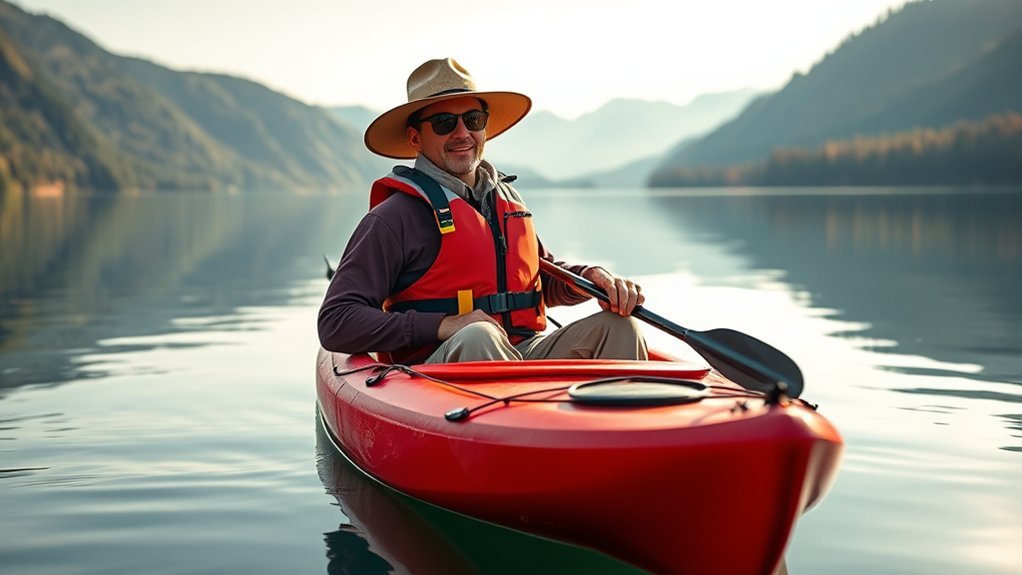
Out on the water, it’s vital to prioritize safety while fishing from your kayak. A few basic precautions can reduce risk and help you enjoy the trip with more confidence.
Prioritizing safety while kayak fishing is essential. Simple precautions can improve your experience and reduce avoidable risks.
Here are three important safety tips to keep in mind:
- Wear a PFD: Always wear a properly fitted personal flotation device. It is your most important safety item in an emergency.
- Check Weather Conditions: Monitor the weather before heading out. Avoid launching in strong winds, thunderstorms, poor visibility, or conditions beyond your skill level.
- Know Local Tides: If you fish coastal water, study local tide movement. Sudden water changes can affect your route, shoreline access, and ability to return.
Create a Float Plan
Before you launch, tell someone where you are going, where you plan to park, when you expect to return, and what to do if you do not check in. This simple habit matters most when you fish alone.
Your float plan can be as simple as a text message with the launch location, fishing area, return time, kayak color, and vehicle description.
Dress for Water Temperature
Air temperature can feel comfortable while the water remains dangerously cold. Dress for the water, not just the weather. In cold conditions, use proper cold-water clothing, avoid cotton, and consider a dry suit or wet suit when needed.
In warm weather, use sun-protective clothing, a hat, polarized sunglasses, and sunscreen. Bring more drinking water than you think you will need.
Know How to Re-Enter Your Kayak
Practice deep-water re-entry in a safe, controlled place before you need it in an emergency. Stay with the kayak if you capsize, keep your paddle close, and re-enter from the side while keeping your body low.
If you cannot re-enter safely, stay calm, signal for help, and move toward the safest reachable shore while staying with the kayak when possible.
Warning: Do not anchor from the side in current or rough water. Anchoring sideways can make a kayak unstable. Use an anchor trolley or avoid anchoring when moving water feels unsafe.
Launching and Loading Your Kayak
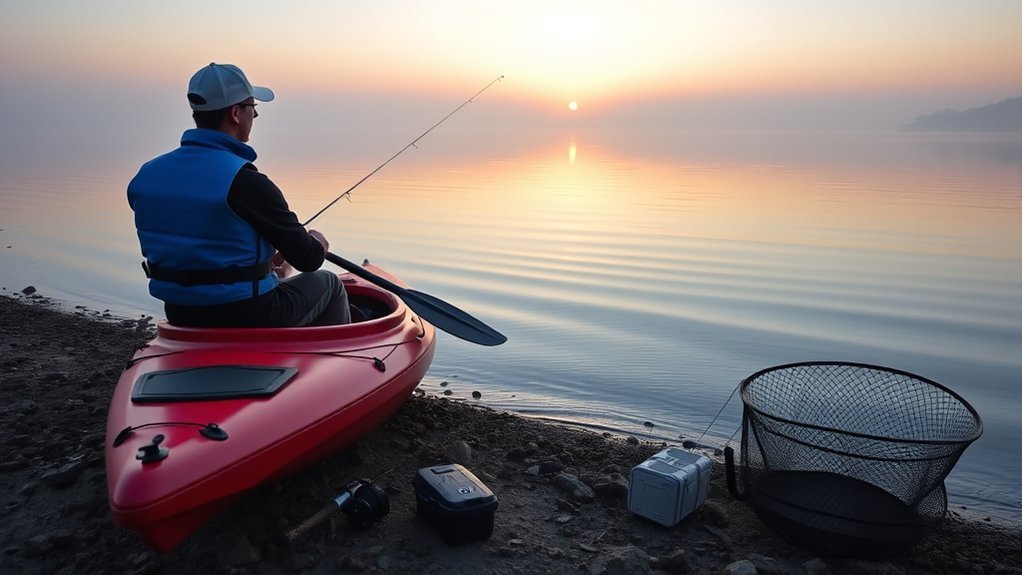
When you’re ready to launch your kayak, choosing the right location is key to a smooth start.
Use proper loading techniques to keep your gear secure, and always prioritize safety during the launch to avoid mishaps.
With the right preparations, you’ll be on the water quickly and confidently.
Choosing Launch Locations
Choosing the right launch location is essential for a smooth and enjoyable kayaking experience. Here are three key factors to take into account when picking your spot:
- Stable Launch Sites: Choose public boat ramps, kayak launches, gravel banks, or sandy beaches where you can enter without slipping or flipping.
- Balance: When launching from small ledges, make sure the kayak’s stern is in the water to improve stability and reduce the chance of capsizing.
- Appropriate Entry: Enter the kayak from the side or walk into shallow water with suitable footwear to improve balance during the loading process.
Always secure your gear with leashes, bungees, or dry bags, especially in windy conditions or choppy water.
Choosing the right spot sets you up for a better day on the water.
Loading Techniques and Tips
Loading your kayak properly is essential for a successful outing on the water. Start by positioning your kayak on a stable surface, then enter from the side or wade into the water to keep your balance and prevent tipping.
If you’re using a larger kayak, consider a kayak loader system or ask a friend to help. As you load, keep heavier gear closer to the centerline to enhance stability.
Secure all gear with leashes, bungees, or dry bags to avoid losing anything if you flip or make sudden movements.
When launching from a small ledge or beach, make sure the stern is in the water before you enter. This helps keep your kayak upright and ready for the trip.
Safety During Launching
Proper loading sets the stage for a safe and enjoyable launch. To support a smooth start, follow these essential safety tips:
- Always keep the stern of your kayak in the water while launching from small ledges. This helps prevent flipping and improves stability as you enter from the side.
- Use public boat ramps when they offer safer access, but be cautious around slippery surfaces, powerboats, and rough concrete edges that can damage the kayak’s bottom.
- Secure all gear with leashes, bungees, or dry bags before you launch. This keeps your essentials safer during sudden movement, flips, or capsizes.
Dressing in lightweight, water-wicking clothing and using kayak loader systems can also improve your comfort and ease while launching.
Enjoy your kayak fishing adventure.
Transporting Your Kayak
Transport matters because a poorly secured kayak can shift, scratch your vehicle, or become dangerous on the road. Use a roof rack, truck bed extender, trailer, or foam blocks designed for kayak transport.
Secure the kayak with strong straps across the hull and use bow and stern tie-downs when needed. Tighten straps enough to stop movement, but avoid crushing the kayak.
After driving a short distance, stop and recheck the straps. Wind pressure and road vibration can loosen your setup.
Basic Fishing Techniques From a Kayak
Kayak fishing opens up exciting opportunities, but mastering basic techniques is essential for a successful outing.
Start by using shorter rods, which make casting easier and give you better control while seated. Keep your elbows low for better accuracy and smoother movement.
When you cast, throw your lure to the side of the kayak to reduce water disturbance and maintain your position. Side casting also keeps your body centered, which improves balance.
To improve maneuverability and stability, practice basic paddle strokes: forward, reverse, sweep, and draw. These strokes help you approach structure, avoid obstacles, and adjust your angle without making too much noise.
Don’t hesitate to experiment with different tactics, like trolling, to cover water and target various species. Trolling from a kayak works well along weed edges, drop-offs, points, and creek channels.
Always keep a light paddle handy for comfort, and remember to wear your personal flotation device for safety.
With these techniques in your toolkit, you’ll be on your way to enjoying a productive and exciting kayak fishing experience.
Casting From a Seated Position
Casting from a kayak feels different from casting from shore or a full-size boat. Keep your shoulders relaxed, rotate your torso smoothly, and avoid leaning hard to either side.
Use shorter casts at first. Accuracy matters more than distance when you fish from a kayak because you can quietly move closer to cover.
Landing Fish From a Kayak
When a fish gets close, keep your rod tip low and guide the fish beside the kayak. Avoid lifting a large fish straight into the boat with the rod because that can break the rod or pull you off balance.
Use a small landing net, fish grippers, or wet hands when appropriate for the species. Keep hooks away from your legs, paddle leash, anchor rope, and PFD straps.
Anchoring and Drift Control
Boat control separates frustrating trips from productive ones. An anchor, stakeout pole, drift sock, or shallow-water pin can help you slow down and fish a spot more carefully.
In current, use extra caution. If the kayak turns sideways while anchored, release the anchor line or avoid anchoring in that area. A simple drift with the current is often safer and more natural.
Navigating Different Water Conditions
How do you navigate the ever-changing water conditions while kayak fishing? Being aware of several factors can make your experience safer and more enjoyable.
Here are three key elements to monitor:
- Water Temperature: Always check local forecasts and conditions. Warmer water often increases fish activity, while cold water increases the risk of cold shock and hypothermia.
- Tide Conditions: Understand how tides affect fish movement, current strength, and shoreline access in coastal areas. Timing your outings with the tide can improve your success.
- Wind Conditions: Watch wind speed and direction. Calm or light wind is best for beginners, while strong wind can make paddling, casting, and returning to shore difficult.
Navigating currents is also essential. Stay close to shore when you are learning, avoid strainers and sweepers in rivers, and give yourself plenty of room to turn.
Prepare for sudden weather changes and have a backup plan ready before you launch.
Ponds and Small Lakes
Ponds and small lakes are ideal for new kayak anglers because they often have calmer water, shorter paddling distances, and simple launch areas.
Work along weed lines, docks, laydowns, shaded banks, and shallow points. Move quietly and make several casts before leaving a promising area.
Rivers and Creeks
Rivers and creeks can be productive, but current adds risk. Study the route before you go, avoid obstacles, and plan your takeout location before launching.
Fish current seams, eddies, undercut banks, bridge pilings, and areas where faster water meets slower water. Keep your kayak pointed into current when possible.
Coastal and Inshore Water
Coastal kayak fishing can offer access to flats, marshes, tidal creeks, grass beds, and oyster bars. It also demands more planning.
Check tides, wind, boat traffic, launch rules, and return routes. Carry visible safety gear and avoid paddling farther than you can confidently return in changing wind or current.
Fishing Locations and Strategies
Finding the perfect fishing location can transform your kayak fishing experience into a memorable adventure.
Focus on remote ponds, small lakes, rivers, and creeks that larger boats can’t access. This opens opportunities to target fish that may not see many lures.
Favor warmer water during cool periods because fish may feed more actively there. During hot weather, look for shade, deeper water, moving water, and oxygen-rich areas.
Use current and wind to your advantage by paddling with the flow when it is safe. This can improve fishing efficiency and reduce fatigue.
Stealth is key. Approach spots quietly to avoid spooking fish. Use low, quiet casts and avoid banging tackle, paddles, or pliers against the kayak.
Here’s a quick reference table for ideal locations and strategies:
| Location Type | Strategy |
|---|---|
| Remote Ponds | Use stealthy approaches |
| Small Lakes | Experiment with lures |
| Rivers | Paddle with the current when safe |
| Creeks | Focus on warmer water, shade, and current seams |
| Fish-Holding Areas | Target structure quietly |
Species to Target From a Kayak
You can target many fish species from a kayak. In freshwater, common targets include bass, panfish, trout, catfish, pike, and walleye. In saltwater or brackish water, kayak anglers often target redfish, speckled trout, snook, flounder, striped bass, and other inshore species.
Match your rod, line, hooks, and landing tools to the fish you expect to catch. A setup that works for small panfish may not handle a strong saltwater fish or large catfish safely.
Best Times to Go Kayak Fishing
Early morning and late evening often bring calmer wind, lower boat traffic, and active fish. Cloud cover, moving water, and seasonal baitfish movement can also improve your chances.
During summer, fish may move deeper or hold near shade during the hottest part of the day. During spring and fall, shallow banks, points, and flats can become more productive.
Tips for Successful Kayak Fishing
When you’re out on the water, a few key tips can make a big difference in your kayak fishing experience.
Whether you’re a beginner or looking to refine your skills, here are three essential strategies to keep in mind:
- Start Simple: Begin with a single fishing combo and familiar bait. This builds confidence and helps improve your technique without overwhelming you.
- Control Your Drift: Stop paddling before casting. This improves accurate positioning, helps you present your bait effectively, and increases your chance of a catch.
- Stay Stealthy: Practice low, quiet casts and avoid large movements. This keeps your kayak stable and helps prevent fish from spooking.
Don’t hesitate to experiment with different baits like Texas-rigged plastics, paddle tails, small jigs, spinnerbaits, or Neko rigs to find what works best for your target species.
Keep your deck organized. A cluttered kayak creates tripping hazards, tangles lines, and makes it harder to respond when you hook a fish.
Bring only the gear you can manage comfortably. As your skills improve, you can add electronics, extra rods, a crate system, a camera mount, or a pedal drive setup.
Common Beginner Mistakes
New kayak anglers often bring too much gear, ignore wind direction, paddle too far too soon, or forget to secure tackle. These mistakes can make the trip stressful and unsafe.
Another common mistake is focusing only on fishing while ignoring boat position. Take time to learn how your kayak drifts, turns, and reacts when you cast.
Finally, do not skip safety checks. A life jacket stored behind the seat will not help if you fall in unexpectedly. Wear it before you launch.
Simple Pre-Trip Checklist
- Check your fishing license and local rules.
- Review weather, wind, tides, current, and water temperature.
- Inspect your kayak, seat, paddle, straps, hatches, and drain plugs.
- Wear your PFD and pack a whistle, first-aid kit, light, water, and sun protection.
- Secure rods, tackle, paddle, phone, keys, and dry bags.
- Share your float plan with someone you trust.
- Start close to shore and keep your first trip short.
Frequently Asked Questions
What type of fishing can I do from a kayak?
You can enjoy freshwater bass fishing, panfish fishing, trout fishing, river fishing, inshore saltwater fishing, and even fly fishing from a kayak. Each style has different gear needs, but kayak fishing works best when you match your setup to the water, fish size, and conditions.
How do I transport my kayak to fishing locations?
Use a sturdy roof rack, kayak trailer, truck bed extender, or foam block system designed for kayak transport. Secure the kayak with strong straps and use bow and stern tie-downs when needed. Recheck the straps after driving a short distance.
Can I fish alone in a kayak?
Yes, you can fish alone in a kayak, but you should be extra prepared. Wear your PFD, choose calm water, stay close to shore, carry communication gear, and tell someone your launch location, route, and expected return time.
What should I do if I capsize?
Stay calm, hold onto your kayak, keep your paddle close, and assess the situation. Re-enter from the side if you have practiced the skill and conditions are safe. If you cannot re-enter, stay with the kayak, signal for help, and move toward the safest reachable shore.
How can I improve my paddling skills for fishing?
Practice forward strokes, reverse strokes, sweep strokes, draw strokes, and quiet corrective strokes before you fish hard. Focus on smooth movement, torso rotation, and balance. Better paddling helps you control drift, approach cover quietly, and hold position while casting.
Is a sit-on-top kayak better for fishing?
A sit-on-top kayak is often better for beginners because it offers open deck space, easy gear access, and simpler re-entry after a capsize. Sit-inside kayaks can still work, especially in colder conditions, but they usually feel less convenient for fishing.
Do I need an anchor for kayak fishing?
You do not always need an anchor, but it can help you hold position in wind or light current. Use caution in moving water, and never let an anchor pull your kayak sideways in strong current or rough conditions.
Conclusion
Kayak fishing gives you a quiet, flexible way to explore water, reach less-pressured spots, and enjoy fishing from a fresh perspective.
Start with a stable kayak, a properly fitted PFD, a simple rod-and-reel setup, secure storage, and a realistic safety plan. Choose calm water for your first trips, stay close to shore, and focus on learning boat control before adding more gear.
Once you feel comfortable paddling, casting, drifting, and landing fish from your kayak, every outing becomes easier and more rewarding. Grab your paddle, check the conditions, and enjoy the adventure one safe trip at a time.
Sources
- U.S. Coast Guard Boating Safety Division — supports wearing a life jacket while boating.
- National Weather Service Safe Boating — supports checking weather, wind, storms, and boating conditions before launch.
- U.S. Coast Guard Federal Requirements for Recreational Boats — supports safety equipment awareness for recreational boating.
- National Weather Service Cold Water Safety — supports cold-water risk and dressing for water temperature.