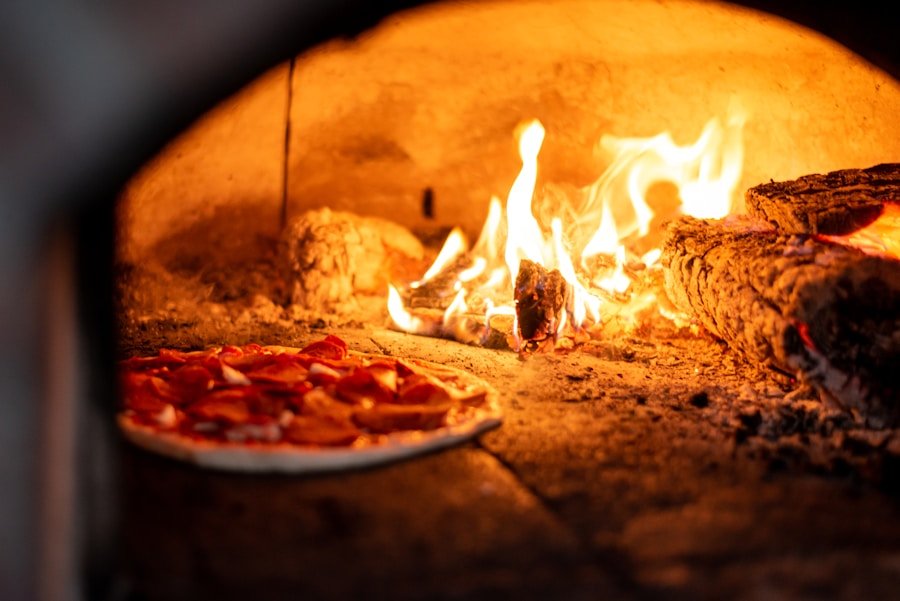
Choosing a pizza oven can change how you cook at home, especially if you love crisp crust, bubbling cheese, and the shared experience of making pizza with family or friends. A dedicated pizza oven reaches higher heat than most kitchen ovens, cooks quickly, and gives you more control over crust texture, toppings, and flavor.
Quick Answer
A pizza oven can be worth investing in if you make pizza often, enjoy outdoor cooking, or want restaurant-style results at home. The best choice depends on your budget, space, fuel preference, and how much effort you want to put into setup, heating, cleaning, and temperature control.
Key Takeaways
- Pizza ovens appeal to people because they create a more authentic cooking experience and can produce better crust texture than a standard kitchen oven.
- The cost of owning a pizza oven varies by fuel type, size, materials, insulation, portability, and extra features.
- Homemade pizza from a hot pizza oven can offer excellent flavor, crisp edges, and a chewy center when you use the right dough and technique.
- Pizza ovens can cook more than pizza, including bread, roasted vegetables, seafood, meats, flatbreads, and some desserts.
- Long-term durability, maintenance, fuel access, outdoor space, and local safety rules should shape your buying decision.
The appeal of a pizza oven comes from more than the final slice. It connects to the long tradition of Italian pizza-making, where intense heat, simple ingredients, and fast cooking work together. A dedicated pizza oven gives you a cooking environment that is much closer to a traditional pizzeria than a regular home oven.
Many pizza ovens can reach temperatures near or above 800 degrees Fahrenheit, depending on the model and fuel source. That high heat helps cook the crust quickly, melt the cheese evenly, and create the light char many people associate with Neapolitan-style pizza. The result can be a crust that feels crisp on the outside while staying soft and chewy inside.
The experience also feels different from normal oven cooking. You smell the wood or charcoal, hear the dough sizzle on a hot stone, and watch the pizza cook in minutes. For many home cooks, the oven becomes a centerpiece for gatherings, weekend meals, and outdoor entertaining.
Owning a pizza oven is not only about making pizza. It is also about creating a hands-on cooking ritual. You stretch the dough, choose toppings, manage heat, rotate the pizza, and serve food straight from the oven. That process makes dinner feel more social and memorable.
The Cost of Owning a Pizza Oven
Investing in a pizza oven can vary significantly in terms of cost, depending on the type, size, materials, and features you choose. Entry-level models, often made from lighter materials and designed for casual use, can cost much less than built-in or commercial-style ovens. These ovens may be portable and easy to set up, making them appealing if you want to try outdoor pizza-making without a large financial commitment.
However, while budget options can produce enjoyable results, they may not hold heat as well as heavier, better-insulated ovens. Some lower-cost ovens also have smaller cooking surfaces, thinner shells, fewer accessories, and a steeper learning curve for heat control. If you plan to cook pizza once in a while, this may be acceptable. If you cook often, those limits may become frustrating.
Higher-quality wood-fired, gas, or multi-fuel pizza ovens often cost more because they use stronger materials and better insulation. Stainless steel, refractory stone, ceramic fiber insulation, and thick cooking stones can improve heat retention and cooking consistency. Premium models may also include built-in thermometers, larger openings, improved burners, rolling carts, doors, or extra cooking surfaces.
For serious home cooks or frequent hosts, the investment can pay off through better performance and a more enjoyable cooking process. Still, the purchase price is only one part of the total cost. You should also think about fuel, accessories, storage, covers, cleaning tools, replacement stones, and any outdoor setup changes you may need.
Note: A cheaper oven is not always a bad choice. It can be a smart starting point if you are new to pizza-making, have limited space, or only cook outdoors a few times per month.
The Quality of Homemade Pizza

One of the strongest reasons to own a pizza oven is the quality of homemade pizza it can produce. A standard home oven often reaches around 500 degrees Fahrenheit, which can make good pizza but may not deliver the same fast bake, charred bubbles, and crisp-chewy crust that high-heat pizza ovens can create.
Pizza ovens cook with intense heat from the floor, dome, walls, or burner system. This heat helps the dough rise quickly, sets the crust, and melts toppings before the pizza dries out. When you use a properly heated stone or floor, the bottom crust can brown fast while the inside remains tender.
The high heat also affects flavor. Sugars in the dough brown quickly, cheese bubbles and spots, and toppings roast instead of slowly steaming. That difference can make homemade pizza taste fresher, lighter, and more balanced than a pizza cooked too long at a lower temperature.
A pizza oven also gives you more control over the cooking process. You can test different flour types, hydration levels, fermentation times, sauces, cheeses, and toppings. You can bake directly on a stone, turn the pizza with a peel, or move it closer to or farther from the flame. Those choices let you tune the final pizza to your own taste.
Whether you prefer a simple Margherita with fresh basil, a crisp pepperoni pizza, a white pizza with ricotta, or a topping-heavy family pie, the oven gives you room to experiment. With practice, homemade pizza can become more consistent, flavorful, and personal than delivery.
Pro Tip: Let your dough ferment longer and keep toppings light when cooking at very high heat. Too many wet toppings can make the center soggy before the crust finishes.
Versatility and Cooking Options
| Product | Versatility | Cooking Options |
|---|---|---|
| Instant Pot Duo 7-in-1 Electric Pressure Cooker | 7 functions including pressure cooker, slow cooker, rice cooker, steamer, sauté, yogurt maker, and warmer | 14 smart programs for soup, meat/stew, bean/chili, poultry, sauté/simmer, rice, multigrain, porridge, steam, slow cook, keep warm, yogurt, manual, and pressure cook |
| Ninja Foodi 8-Quart 9-in-1 Deluxe XL Pressure Cooker | 9 functions including pressure cooker, air fryer, steamer, slow cooker, yogurt maker, and sear/sauté | 9 cooking functions for pressure cook, air fry/air crisp, steam, slow cook, yogurt, sear/sauté, bake/roast, broil, and dehydrate |
| Breville Smart Oven Air Fryer Pro | 13 functions including air fry, bake, roast, broil, dehydrate, and slow cook | 13 cooking functions for toast, bagel, broil, bake, roast, warm, pizza, proof, air fry, reheat, cookies, slow cook, and dehydrate |
The comparison table above shows how modern cooking appliances often compete on versatility. While these products are not the same as dedicated pizza ovens, the same buying idea applies: the best appliance is the one that fits how you actually cook. A pizza oven should earn its space by doing more than one job when possible.
While pizza is the main attraction, a pizza oven can handle many other foods. Wood-fired ovens can roast vegetables, bake bread, cook flatbreads, sear meats, blister peppers, and finish seafood at high heat. The smoky flavor from wood can add depth to simple dishes, especially vegetables, chicken, and rustic breads.
Gas pizza ovens also offer strong versatility. They heat quickly, hold steady temperatures, and often feel easier for beginners. You can use them for weeknight pizzas, quick naan-style flatbreads, roasted mushrooms, cast-iron skillet dishes, or reheating leftovers without making them limp.
Electric pizza ovens can work well for indoor use, apartments, and smaller spaces when outdoor cooking is not practical. They may not always match the flavor of wood-fired cooking, but they can offer convenience, repeatable results, and easier temperature control.
Some pizza ovens also include extra accessories, such as griddles, roasting pans, doors, peels, turning peels, or cast-iron cookware. These tools expand what you can make and help you use the oven more often. That matters because an oven that only gets used twice a year may not feel like a smart investment.
Best Foods to Cook in a Pizza Oven Besides Pizza
A pizza oven can become one of the most flexible cooking tools in your outdoor kitchen. The key is to match the food to the oven temperature. Very high heat works best for quick-cooking foods, while falling heat works better for bread, roasts, and slow-cooked dishes after the fire settles.
- Bread and flatbreads: Use the retained heat to bake rustic loaves, pita, naan, focaccia, and garlic bread.
- Vegetables: Roast peppers, onions, mushrooms, eggplant, zucchini, asparagus, and potatoes for deep browning.
- Meats: Cook steaks, chicken thighs, sausages, lamb chops, and burgers in cast iron or on a grill plate.
- Seafood: Try shrimp, salmon, clams, mussels, or scallops when you want quick high-heat cooking.
- Desserts: Bake fruit crisps, skillet cookies, cinnamon flatbreads, or roasted peaches when the oven cools down.
This multifunctionality can turn a pizza oven into a useful tool for gatherings. You can start with pizzas, then roast vegetables, warm bread, or cook dessert as the temperature drops. That makes the oven more valuable and keeps guests involved throughout the meal.
Types of Pizza Ovens
Before you buy, compare the main types of pizza ovens. Each one has a different balance of flavor, convenience, temperature control, portability, maintenance, and cost.
| Pizza Oven Type | Best For | Main Tradeoff |
|---|---|---|
| Wood-fired | Traditional flavor, high heat, outdoor entertaining | Requires fire management, fuel storage, and ash cleanup |
| Gas | Fast startup, easier heat control, frequent weeknight use | Less smoky flavor than wood-fired cooking |
| Electric | Indoor convenience, apartments, simple temperature control | May have a smaller cooking area and different flavor profile |
| Multi-fuel | Cooks who want both convenience and wood-fired flavor | More parts, accessories, and setup choices to manage |
Long-Term Durability and Maintenance
When considering the purchase of a pizza oven, long-term durability is a major factor. A well-built oven should handle repeated high-heat cooking, outdoor conditions, and normal cleaning without falling apart quickly. Materials such as stainless steel, ceramic, refractory stone, and insulated metal shells are common because they can handle heat and repeated use.
Good insulation matters because it helps the oven heat faster, retain heat longer, and cook more evenly. A thicker cooking stone or floor can also improve crust browning, especially when you make several pizzas in a row. If the stone cools too quickly, later pizzas may bake unevenly or turn pale on the bottom.
Maintenance depends on the oven type. Wood-fired ovens usually require ash removal, soot control, and careful storage of dry fuel. Gas ovens may need burner checks, hose inspection, and cleaning around the flame area. Electric ovens may need crumb removal, surface cleaning, and careful handling of heating elements.
These tasks are usually manageable, but they should not be ignored. Grease, ash, food debris, and moisture can affect performance and safety. A cover can help protect an outdoor oven from rain, dust, and sun exposure. Storing portable ovens properly can also extend their life.
Warning: Always use a pizza oven according to the manufacturer’s safety instructions. Keep it on a stable, heat-safe surface, leave proper clearance around it, and never use an outdoor-only oven inside a home, garage, tent, or enclosed patio.
Energy Efficiency and Environmental Impact

Energy efficiency and environmental impact are worth considering before you buy a pizza oven. Traditional kitchen ovens can use a lot of energy because they heat a large chamber and often run for a long time. Pizza ovens, by contrast, are designed to concentrate heat around a smaller cooking area, which can reduce cooking time once the oven is hot.
That does not mean every pizza oven is automatically more efficient. A large wood-fired oven may take longer to preheat and use more fuel than a compact gas or electric model. A small gas oven may be efficient for one or two pizzas, while a larger oven may make more sense for parties because it can cook several pizzas in a session.
Wood-fired ovens can use renewable fuel when you choose responsibly sourced wood, but they also create smoke and ash. Gas ovens burn cleaner during use and offer easier control, but they still rely on fuel. Electric models avoid live flames and can be practical indoors, but their environmental impact depends partly on the electricity source.
Insulation is one of the biggest efficiency factors. A well-insulated oven holds heat longer and loses less energy during cooking. This can help you bake pizza quickly, then use leftover heat for bread, vegetables, or desserts.
A pizza oven feels most efficient when you use the full cooking session, not just one pizza. Plan several dishes so the heat works harder for you.
Social and Entertainment Benefits
The social side of cooking with a pizza oven is one of its biggest advantages. Making pizza is naturally interactive. Family members and guests can stretch dough, spread sauce, add toppings, and watch their pizzas cook. That hands-on process makes the meal feel more personal than simply serving food from the kitchen.
A pizza oven also creates a natural gathering spot. People tend to stand nearby, ask questions, compare toppings, and wait for the next pizza to come out. The heat, aroma, and quick cooking time add excitement to the meal. Instead of one person doing all the cooking, everyone can take part.
Pizza parties are especially popular because they are flexible. You can prepare dough and toppings ahead of time, then let guests build their own pizzas. Kids can make simple cheese pizzas, adults can try bolder toppings, and everyone gets a fresh pie that suits their taste.
This interactive dining experience encourages creativity and reduces the pressure of formal entertaining. A pizza oven can turn an ordinary backyard dinner into a relaxed event where the cooking is part of the fun.
Considerations for Different Types of Pizza Ovens
When selecting a pizza oven, potential owners should consider several practical factors. The right oven depends on your cooking style, available space, budget, fuel preference, storage options, and comfort level with live heat.
Wood-fired ovens are often favored for their traditional flavor and high-temperature performance. They can create excellent crust and a subtle smoky note. However, they require more effort. You need dry wood, time to build and manage the fire, and patience while learning how to control hot and cool zones.
Gas-powered ovens offer convenience. They ignite quickly, heat consistently, and allow easier temperature control. This makes them a strong choice if you want to cook often without managing wood or ash. The tradeoff is that they may not provide the same wood-fired aroma.
Electric pizza ovens are practical when outdoor cooking is not an option. They can suit apartments, small kitchens, or users who want a simpler process. They may not always reach the same extreme temperatures as some outdoor ovens, but they can still produce strong results with the right dough and preheating routine.
Multi-fuel ovens give you more flexibility because you can switch between fuel types. This can be helpful if you want gas convenience on busy nights and wood-fired flavor for weekend cooking. However, multi-fuel designs may require extra accessories and more setup knowledge.
What to Check Before You Buy
Before investing in a pizza oven, think through the full setup. The oven itself is only one part of the experience. You also need enough room to cook safely, a stable surface, fuel access, weather protection, and the right tools.
- Space: Make sure you have enough clearance around the oven and a heat-safe place to use it.
- Fuel: Decide whether wood, gas, electric, or multi-fuel cooking fits your lifestyle best.
- Capacity: Choose a cooking surface that matches the pizza size and number of guests you expect.
- Portability: A compact oven is easier to store, while a larger built-in oven may feel more permanent and powerful.
- Accessories: Budget for a peel, turning peel, infrared thermometer, brush, cover, fuel, and dough containers.
- Maintenance: Consider how much cleaning and setup work you are willing to do after each session.
- Safety: Review local rules, fire restrictions, balcony limits, and manufacturer instructions before use.
These details can prevent buyer’s remorse. A beautiful oven that is too large, too smoky, or too hard to maintain may sit unused. A simpler oven that fits your space and routine may deliver more value over time.
Common Mistakes New Pizza Oven Owners Make
New pizza oven owners often focus on the oven but overlook technique. Even a great oven will not fix dough that is too wet, toppings that are too heavy, or a stone that has not fully preheated.
- Not preheating long enough: The air may feel hot before the stone is ready. Give the cooking floor enough time to store heat.
- Using too much flour on the peel: Excess flour can burn and create a bitter taste. Use just enough to launch the pizza.
- Overloading toppings: Heavy sauce, wet cheese, and too many toppings can make the center soggy.
- Forgetting to rotate: Many pizza ovens have hotter zones. Turn the pizza often for even cooking.
- Cooking too close to flame: The crust can burn before the center cooks. Learn where your oven’s hot spots are.
- Skipping safety gear: Heat-resistant gloves, long tools, and a stable setup reduce burn and fire risks.
Practice matters. Your first few pizzas may not look perfect, but each bake teaches you how the oven handles heat, dough, and timing.
Is a Pizza Oven Worth It?
A pizza oven is worth it if you enjoy cooking, entertain often, or want to improve the quality of homemade pizza. It gives you high heat, fast cooking, better crust potential, and a more engaging food experience. It can also expand your outdoor cooking options beyond pizza.
However, it may not be worth it if you rarely make pizza, have limited space, dislike outdoor cooking, or do not want to manage fuel and cleaning. In that case, a baking steel, pizza stone, or indoor smart oven may be a better first step.
If you are considering investing in a pizza oven for your home, you may also want to check out this article on the 5 Most Reliable Smart Ovens for Your Kitchen. Smart ovens offer convenience and advanced technology that can enhance your cooking experience. By exploring different options for kitchen appliances, you can make informed decisions about where to invest your money for the best results.
Related Guides
Frequently Asked Questions
What are the benefits of investing in a pizza oven?
Investing in a pizza oven can help you make higher-quality pizza with a crisp crust, soft interior, and evenly melted toppings. It also gives you more control over temperature, cooking surface, timing, and technique. For many people, it also makes cooking more social and enjoyable.
What types of pizza ovens are available for purchase?
Common pizza oven types include wood-fired, gas, electric, outdoor, portable, built-in, and multi-fuel models. Wood-fired ovens focus on traditional flavor, gas ovens offer convenience, electric ovens work well for simple indoor use, and multi-fuel ovens give you more cooking flexibility.
Are pizza ovens expensive to purchase and operate?
Pizza oven costs vary widely based on size, fuel type, materials, and features. Portable entry-level ovens usually cost less than large built-in or premium outdoor models. Operating costs depend on whether the oven uses wood, gas, electricity, or more than one fuel source.
Can a pizza oven add value to a home or business?
A pizza oven can add lifestyle value by creating a unique cooking and entertaining space. In a home, it can strengthen an outdoor kitchen or patio setup. In a business, it can support a more memorable food experience when the oven fits the menu, workflow, safety rules, and customer demand.
What should I consider before investing in a pizza oven?
Before investing in a pizza oven, consider available space, budget, fuel type, cooking style, heat tolerance, portability, cleaning needs, and local safety rules. You should also compare oven size, insulation, cooking surface, warm-up time, accessories, and storage requirements.
Can you use a pizza oven for foods other than pizza?
Yes. Many pizza ovens can cook bread, flatbreads, roasted vegetables, meats, seafood, and skillet desserts. The best foods depend on the oven temperature. High heat works well for fast cooking, while falling heat works well for bread and slower roasting.
Which pizza oven type is easiest for beginners?
Gas and electric pizza ovens are usually easier for beginners because they offer simpler startup and steadier temperature control. Wood-fired ovens can deliver excellent flavor, but they require more practice with fire management, fuel, airflow, and hot spots.

1 thought on “Is a Pizza Oven Worth the Investment?”