
Marinating chicken is one of the easiest ways to make it more flavorful, juicy, and tender before cooking. A good marinade uses the right balance of acid, oil, salt, aromatics, herbs, and spices. The goal is not to hide the flavor of the chicken, but to build a better-tasting dish that cooks evenly and stays moist.
Marinating is a culinary technique that involves soaking food in a seasoned liquid before cooking. This process enhances flavor and can improve texture when you use the right ingredients and timing. Most marinades include an acid, such as vinegar, citrus juice, yogurt, or buttermilk, combined with oil, salt, herbs, spices, and sometimes a small amount of sweetener.
The acid helps season the surface and gently changes the texture of the meat. Salt helps the chicken hold moisture, while oil carries fat-soluble flavors from spices, garlic, and herbs. This matters because chicken can taste mild on its own. A balanced marinade gives it more depth without making it sour, salty, or mushy.
The duration of marination can vary depending on the cut of chicken and the strength of the marinade. Even 30 minutes can improve smaller cuts like boneless breasts or tenders. Larger cuts, bone-in pieces, and whole chickens need more time for the flavor to develop. Still, marinating is not a substitute for proper cooking. For food safety, chicken should be cooked to an internal temperature of 165°F.
Quick Answer
For the best chicken marinade, use acid, oil, salt, and flavorings in balance. Marinate boneless breasts for 30 minutes to 2 hours, thighs and drumsticks for 2 to 6 hours, and a whole chicken for 8 hours or overnight. Always marinate chicken in the refrigerator.
Key Takeaways
- Marinating helps add flavor, moisture, and tenderness to chicken when the marinade is balanced.
- A good marinade usually includes acid, oil, salt, herbs, spices, and aromatics.
- Chicken should always marinate in the refrigerator, never on the counter.
- Different cuts need different marinating times, so avoid using one timing rule for every recipe.
- Too much acid or too much time can make chicken soft, mushy, or unpleasant in texture.
At a Glance
| Time Required | 15 minutes to mix the marinade, plus 30 minutes to overnight for marinating |
| Difficulty | Easy |
| Tools Needed | Mixing bowl, whisk, measuring spoons, resealable bag or covered non-reactive container, refrigerator, meat thermometer |
| Cost | Low, especially if you already have oil, vinegar, salt, garlic, and spices at home |
Choosing the Right Ingredients for Marinating Chicken
Selecting the right ingredients for a chicken marinade is crucial for achieving the flavor you want. The foundation of any marinade usually includes an acid, oil, salt, and seasonings. Common acidic ingredients include lemon juice, lime juice, vinegar, yogurt, and buttermilk.
Each acid brings a different taste and texture. Lemon and lime juice taste bright and fresh. Apple cider vinegar and balsamic vinegar add tang. Yogurt and buttermilk create a creamier marinade and are common in dishes such as tandoori-style chicken, grilled yogurt chicken, and buttermilk fried chicken.
Oil also plays an important role. It helps coat the chicken, carry flavor, and support browning during cooking. Olive oil is a popular choice because it tastes rich and works well with garlic, lemon, and herbs. Sesame oil can add a nutty flavor to Asian-style marinades, while avocado oil works well for higher-heat grilling.
Salt is just as important as acid and oil. It seasons the chicken and helps it hold moisture. You can use kosher salt, table salt, soy sauce, fish sauce, Worcestershire sauce, or another salty ingredient. When you use salty liquids, reduce any extra salt so the chicken does not become overly salty.
Seasonings such as garlic, onion, ginger, black pepper, mustard, and chili flakes can make the marinade more complex. Fresh herbs like rosemary, thyme, parsley, cilantro, and dill add brightness. Spices such as paprika, cumin, coriander, curry powder, and chili powder add warmth and depth. The key is to create balance, so the marinade supports the chicken rather than overwhelming it.
Note: A simple starting ratio is 3 parts oil, 1 part acid, and enough salt to season the chicken well. Then add garlic, herbs, spices, or sweetener based on the flavor you want.
How to Make a Balanced Chicken Marinade
A strong marinade needs more than a splash of vinegar and a handful of spices. It should taste bold but balanced before the chicken goes in. If the marinade tastes harsh, extremely sour, or overly salty, the finished chicken will likely taste that way too.
Start with a base of oil and acid. Add salt or a salty ingredient, then build flavor with aromatics and spices. A little sweetness can help balance sharp acids and support browning, especially when grilling or roasting. Honey, brown sugar, maple syrup, or fruit juice can work well, but use a light hand because sugar can burn over high heat.
For a basic all-purpose chicken marinade, combine olive oil, lemon juice, minced garlic, salt, black pepper, parsley, and a small spoon of honey or Dijon mustard. For a smoky marinade, use oil, lime juice, smoked paprika, cumin, garlic, chili powder, and salt. For an Asian-style marinade, use soy sauce, sesame oil, rice vinegar, ginger, garlic, and a small amount of brown sugar.
Once mixed, taste the marinade before adding the raw chicken. It should taste slightly stronger than a finished sauce because it needs to season the meat. If it tastes flat, add salt or acid. If it tastes too sharp, add oil or a touch of sweetness. If it tastes too salty, add more oil, acid, or a small amount of water.
Tips for Properly Marinating Chicken
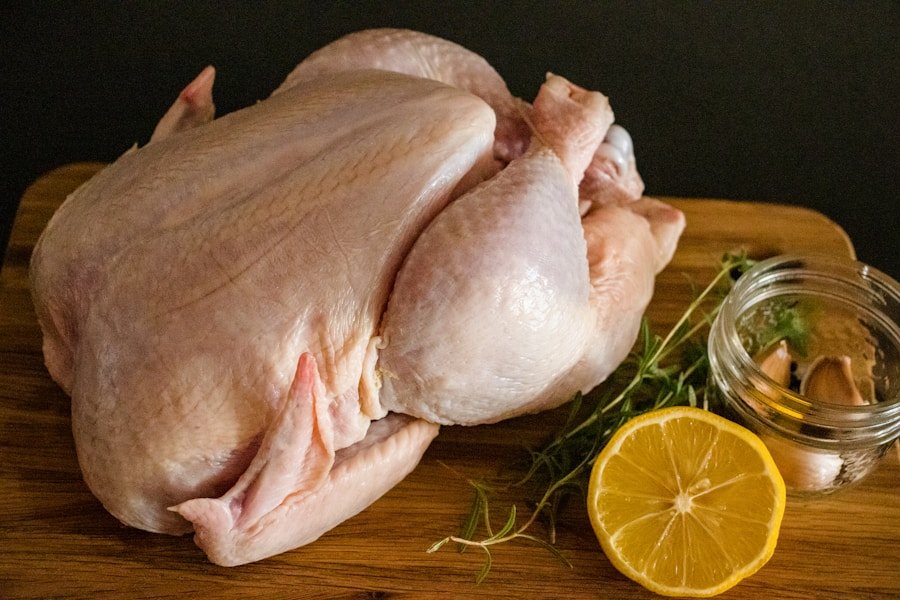
To maximize the effectiveness of marinating chicken, follow a few simple best practices. First, always use a non-reactive container. Glass, ceramic, stainless steel, or food-safe plastic containers are good choices. Avoid aluminum or copper containers because acidic ingredients can react with some metals and affect flavor.
Make sure the chicken is evenly coated. A resealable plastic bag works well because you can press out extra air and turn the bag during marinating. A shallow covered dish also works, especially for larger pieces. If you use a bowl, turn the chicken occasionally so every side gets contact with the marinade.
Always marinate chicken in the refrigerator, not at room temperature. Raw chicken should stay cold to reduce the risk of bacterial growth. Place the bag or container on a plate or tray to catch leaks, especially if your refrigerator is full.
The length of time can vary. Some recipes need only 30 minutes to 1 hour for smaller cuts like chicken breasts or tenders. Larger cuts such as thighs, drumsticks, and whole chickens may benefit from several hours or overnight marination. However, acidic marinades can over-soften the surface if you leave the chicken too long.
Warning: Do not reuse marinade that touched raw chicken unless you boil it first. For the safest option, set aside a clean portion of marinade before adding the chicken if you want a sauce for serving.
A good rule of thumb is to follow recipe guidelines and adjust based on the cut, acid level, and your taste. If the marinade contains a lot of citrus juice or vinegar, keep the timing shorter. If it uses yogurt, buttermilk, or a milder base, it can often handle a longer marinating time.
Step-by-Step: How to Marinate Chicken Safely
- Trim the chicken: Remove excess fat, loose skin, or unwanted connective tissue.
- Pat it dry: Use paper towels so the marinade clings better to the surface.
- Mix the marinade: Combine acid, oil, salt, herbs, spices, and aromatics in a bowl.
- Reserve sauce if needed: Set aside a clean portion before adding raw chicken.
- Add the chicken: Place it in a resealable bag or covered non-reactive container.
- Refrigerate: Keep the chicken cold for the recommended time.
- Turn occasionally: Flip the bag or pieces for even coating.
- Discard used marinade: Throw away marinade that touched raw chicken unless you boil it.
- Cook fully: Use a food thermometer and cook chicken to 165°F.
Pro Tip: For easier weeknight cooking, mix the marinade in the morning, add the chicken, and cook it that evening. For very acidic marinades, wait and add the chicken closer to cooking time.
Marinating Times and Techniques for Different Cuts of Chicken
| Cut of Chicken | Marinating Time | Technique |
|---|---|---|
| Breast | 30 minutes to 2 hours | Use a resealable plastic bag for even coverage |
| Thighs | 2 to 4 hours | Marinate in a bowl or dish, turning occasionally |
| Wings | 1 to 2 hours | Coat wings in marinade and refrigerate in a covered container |
| Legs | 2 to 4 hours | Marinate in a resealable plastic bag, turning occasionally |
| Tenders | 15 minutes to 1 hour | Use a mild marinade because the pieces are thin |
| Whole Chicken | 8 hours to overnight | Use a large covered container or food-safe bag and turn once or twice |
Different cuts of chicken require different marination times because they vary in size, thickness, fat content, and bone structure. Boneless chicken breasts are relatively lean and thin, so they absorb surface flavor quickly. They usually need only 30 minutes to 2 hours.
Bone-in pieces like thighs or drumsticks benefit from longer marination times, usually between 2 and 6 hours. These cuts are more forgiving because they contain more connective tissue and fat than boneless breasts. They can handle stronger flavors, especially garlic, smoked paprika, chili, citrus, herbs, and yogurt-based marinades.
Wings have plenty of skin and surface area, so they do not need a full day in marinade. One to 2 hours is often enough. For crispy wings, pat them dry before cooking so the skin browns instead of steaming.
Whole chickens present a unique challenge because the marinade must reach thick breast meat, legs, thighs, and skin. Ideally, a whole chicken should marinate for at least 8 hours or overnight. You can also loosen the skin gently and rub some marinade underneath, which helps flavor the meat directly.
One effective technique for whole chickens is to use a brine before marinating. A brine seasons the meat and helps it retain moisture during cooking. After brining, you can pat the chicken dry and apply a shorter, more flavorful marinade or dry rub before roasting or grilling.
For grilled or roasted chicken pieces, consider a two-step process. First, marinate the chicken in a flavorful liquid. Then, before cooking, lightly apply a dry rub for extra taste and better surface browning. This works especially well with drumsticks, thighs, wings, and split chicken breasts.
The Role of Acid in Marinating Chicken
Acid plays an important role in the marinating process, but it should not dominate the mixture. Acidic ingredients affect the surface proteins of the chicken and help create a more tender bite when used correctly. They also add brightness, tang, and contrast to richer flavors.
Different types of acid create different results. Citrus juices like lemon and lime provide a fresh, sharp flavor that works well with grilled chicken. Vinegars add tang and can support savory, sweet, or smoky marinades. Dairy-based acids like yogurt and buttermilk are milder and can create a tender texture with a creamy coating.
However, too much acid can cause problems. A marinade loaded with citrus juice or vinegar can make the surface of the chicken feel soft or mushy if left too long. That texture can become even more noticeable after cooking.
A well-crafted marinade uses acid alongside oil, salt, and seasonings. The oil softens the sharpness of the acid. Salt gives the chicken savory depth. Herbs, spices, garlic, and aromatics create the main flavor profile. Together, these ingredients enhance the chicken without overpowering it.
Experimenting with different acids can yield exciting results. Pomegranate molasses adds sweetness and acidity that pairs well with grilled chicken. Rice vinegar works beautifully with ginger, garlic, soy sauce, and sesame oil. Yogurt pairs well with cumin, coriander, turmeric, garlic, and chili powder.
The best marinade is not the strongest one. It is the one that seasons the chicken evenly, supports the cooking method, and keeps the final texture pleasant.
Enhancing Flavor with Herbs and Spices in Chicken Marinades

Fresh Herbs: Brightening Up Flavors
Fresh herbs like basil, parsley, cilantro, dill, rosemary, and thyme bring vibrant flavor to chicken marinades. They work especially well in lemon, garlic, olive oil, and yogurt-based marinades. Soft herbs such as parsley, cilantro, and dill taste fresh and light. Woodier herbs such as rosemary and thyme taste stronger and work well with roasting or grilling.
Fresh herbs can darken or burn over high heat, so you may want to scrape off large pieces before grilling. Another option is to use some herbs in the marinade and add fresh herbs after cooking for a brighter finish.
Dried Herbs and Spices: Adding Depth and Complexity
Dried herbs such as oregano, thyme, rosemary, basil, and Italian seasoning offer concentrated flavor. They can stand up to longer marination times without losing their strength. Rub dried herbs between your fingers before adding them to the marinade to help release their aroma.
Spices also play a crucial role in creating depth and complexity. Common spices used in chicken marinades include paprika for smokiness, cumin for warmth, coriander for citrusy depth, turmeric for earthiness, and black pepper for mild heat. Garlic powder and onion powder can support fresh garlic and onion without adding extra moisture.
Experimenting with Bold Flavors
For bold chicken marinades, add chili powder, cayenne pepper, harissa, gochujang, curry paste, jerk seasoning, or chipotle powder. These ingredients can turn simple chicken into a more memorable dish. Just keep the heat level balanced with oil, acid, and a little sweetness if needed.
The key is to experiment with different combinations while avoiding flavor clashes. Lemon, garlic, parsley, and oregano create a Mediterranean-style marinade. Soy sauce, ginger, garlic, sesame oil, and rice vinegar create an Asian-inspired marinade. Lime juice, cumin, chili powder, garlic, and cilantro create a bright, smoky flavor that works well for tacos, rice bowls, and grilled chicken.
Marinating Chicken for Grilling, Roasting, or Baking
The cooking method can influence how you approach marinating chicken. For grilling, marinades that contain oil are especially useful because they help reduce sticking and support browning. A small amount of sugar, honey, or maple syrup can create a glaze, but you need to watch the heat carefully because sugar can burn.
For grilled chicken breasts, use a shorter marinade and medium-high heat. For thighs, drumsticks, and wings, you can use stronger marinades and slightly longer cooking times. Patting the chicken lightly before it hits the grill can also help reduce flare-ups.
When roasting chicken, consider using marinades with garlic, onion, lemon, rosemary, thyme, mustard, or paprika. These ingredients hold up well in the oven and create a savory aroma. If you roast a whole chicken, rub some marinade under the skin and let the bird sit uncovered in the refrigerator for a short time before cooking to help the skin dry.
For baking, marinating beforehand can improve both the meat and the overall dish. You can bake chicken in a sauce or broth, but avoid using raw marinade as a finishing sauce unless you boil it first. If you want extra moisture, add a clean sauce, broth, or reserved marinade that never touched raw chicken.
For stovetop cooking methods such as sautéing or stir-frying, quick marinades are often most effective. Thin strips of chicken can absorb flavor in 15 to 30 minutes. This keeps cooking times short while still improving taste.
Best Marinade Ideas for Different Chicken Dishes
Once you understand the basic formula, you can adjust the marinade to match the dish. The best marinade for grilled chicken may not be the best choice for baked chicken, stir-fry, or crispy wings.
Lemon Herb Chicken Marinade
Use olive oil, lemon juice, garlic, parsley, oregano, salt, and black pepper. This marinade works well for grilled chicken breasts, thighs, skewers, and baked chicken. Keep the marinating time shorter for boneless breasts because lemon juice is sharp.
Yogurt Garlic Chicken Marinade
Use plain yogurt, garlic, lemon juice, salt, cumin, coriander, paprika, and black pepper. This works well for thighs, drumsticks, and grilled chicken. Yogurt is milder than straight vinegar or citrus, so it can work well for longer marinating times.
Soy Ginger Chicken Marinade
Use soy sauce, sesame oil, rice vinegar, ginger, garlic, and a small amount of brown sugar or honey. This marinade is great for stir-fry, grilled thighs, rice bowls, and chicken skewers. Because soy sauce is salty, you usually do not need much extra salt.
Smoky BBQ-Style Chicken Marinade
Use oil, apple cider vinegar, smoked paprika, garlic powder, onion powder, chili powder, black pepper, salt, and a touch of brown sugar. This works well for drumsticks, thighs, wings, and grilled chicken. Brush on barbecue sauce near the end of cooking to avoid burning.
Should You Pierce Chicken Before Marinating?
You do not need to stab chicken aggressively before marinating. Small cuts or deep holes can make thin pieces cook unevenly and may affect texture. Marinades mostly flavor the surface, so even coating and proper timing matter more than piercing.
For thick chicken breasts, you can lightly score the surface or pound the chicken to an even thickness. This helps the meat cook more evenly and gives the marinade more surface area to coat. For bone-in pieces, turning the chicken during marination is usually enough.
Can You Freeze Chicken in Marinade?
You can freeze chicken in marinade if you use freezer-safe bags and safe handling practices. This can save time for meal prep. Add the chicken and marinade to a bag, press out extra air, label it, and freeze it flat.
When you are ready to cook, thaw the chicken in the refrigerator. Do not thaw marinated raw chicken on the counter. As the chicken thaws, it continues to sit in the marinade, so avoid very acidic marinades if you plan to freeze for later. Yogurt, oil-based, herb-based, and soy-based marinades often freeze better than strong citrus-heavy marinades.
Common Mistakes to Avoid When Marinating Chicken
Marinating chicken can improve your cooking, but a few common mistakes can ruin the flavor, texture, or safety of the dish. One frequent mistake is using too much acid without enough oil, salt, or seasoning. This can make the chicken taste sharp and give it an unpleasant texture.
Another common error is skipping food safety. Always marinate chicken in the refrigerator rather than at room temperature. Raw chicken should stay cold until it is time to cook. Also, avoid letting raw chicken juices drip onto ready-to-eat foods in the refrigerator.
Never reuse marinades that have touched raw chicken unless they have been boiled first. This step is crucial for reducing the risk of harmful bacteria. The easier solution is to reserve a clean portion of marinade before adding the chicken.
Timing is another common issue. Longer is not always better, especially with acidic marinades. Shorter times may not flavor larger cuts enough, but very long times can make smaller pieces mushy. Match the marinating time to the cut and the strength of the marinade.
Another mistake is cooking chicken straight from a dripping-wet marinade. Excess liquid can prevent browning, cause flare-ups on the grill, or make baked chicken watery. Before cooking, let excess marinade drip off and pat the surface lightly if needed.
Finally, do not forget to use a meat thermometer. Color alone is not a reliable way to judge doneness. Chicken should reach 165°F in the thickest part before serving.
Troubleshooting Chicken Marinade Problems
Why did my chicken turn mushy?
The marinade likely had too much acid, or the chicken sat in it too long. Next time, reduce the vinegar or citrus juice, add more oil, and shorten the marinating time.
Why does my chicken taste bland after marinating?
The marinade may not have had enough salt, or the pieces may have been too thick. Add enough salt or a salty ingredient, use thinner pieces, and turn the chicken during marination.
Why did my grilled chicken burn?
The marinade may have contained too much sugar, honey, or sweet sauce. Cook over moderate heat and add sweet sauces near the end of grilling.
Why is my baked chicken watery?
Too much marinade may have gone into the baking dish. Let excess marinade drip off before baking, or use a clean sauce separately.
Why did the marinade not stick?
The chicken may have been too wet before marinating. Pat it dry first, then add the marinade. A little oil also helps the marinade coat the surface.
If you’re looking to enhance your cooking skills beyond marinating chicken, you may want to check out this article on the 5 Best Curtains for Living Room. Just like marinating chicken can elevate its flavor, choosing the right curtains can transform the look and feel of your living space. So, whether you’re a cooking enthusiast or a home decor lover, there’s always something new to learn and explore in the world of culinary and interior design.
Related Guides
Frequently Asked Questions
What is the purpose of marinating chicken?
Marinating chicken helps add flavor, improve moisture, and create a better texture. A balanced marinade seasons the surface of the meat and can make the finished chicken taste more complete.
How long should you marinate chicken for maximum flavor?
Most boneless chicken breasts need 30 minutes to 2 hours. Thighs, drumsticks, and bone-in pieces can marinate for 2 to 6 hours. A whole chicken can marinate for 8 hours or overnight. Very acidic marinades should usually be kept shorter.
What ingredients are commonly used in chicken marinades?
Common chicken marinade ingredients include vinegar, citrus juice, yogurt, buttermilk, oil, salt, soy sauce, garlic, onion, ginger, herbs, spices, mustard, honey, and chili powder.
Should you marinate chicken at room temperature or in the refrigerator?
You should marinate chicken in the refrigerator. Marinating raw chicken at room temperature can increase the risk of bacterial growth and foodborne illness.
Can you reuse marinade after marinating chicken?
You should not reuse marinade that touched raw chicken unless you boil it first. For a safer serving sauce, reserve some clean marinade before adding the chicken.
Can chicken marinate too long?
Yes. Chicken can marinate too long, especially in marinades with a lot of citrus juice or vinegar. Over-marinating can make the surface soft or mushy.
Should you rinse marinade off chicken before cooking?
You usually do not need to rinse marinade off chicken. Let the excess drip off and pat the surface lightly if you want better browning. Rinsing raw chicken can spread bacteria around the sink area.
Do marinades tenderize chicken all the way through?
Marinades mostly affect the surface of chicken. Salt can help seasoning move deeper over time, but herbs, spices, and many flavor compounds stay closer to the outside.
Sources
- USDA FSIS: Marinating and Brining — safe marinating and handling guidance.
- FoodSafety.gov: Safe Minimum Internal Temperatures — chicken cooking temperature guidance.
- CDC: Chicken and Food Safety — safe handling guidance for raw chicken.
- USDA FSIS: Poultry Preparation — poultry storage, preparation, and cooking safety.

1 thought on “Marinating Chicken: The Key to Maximum Flavor”