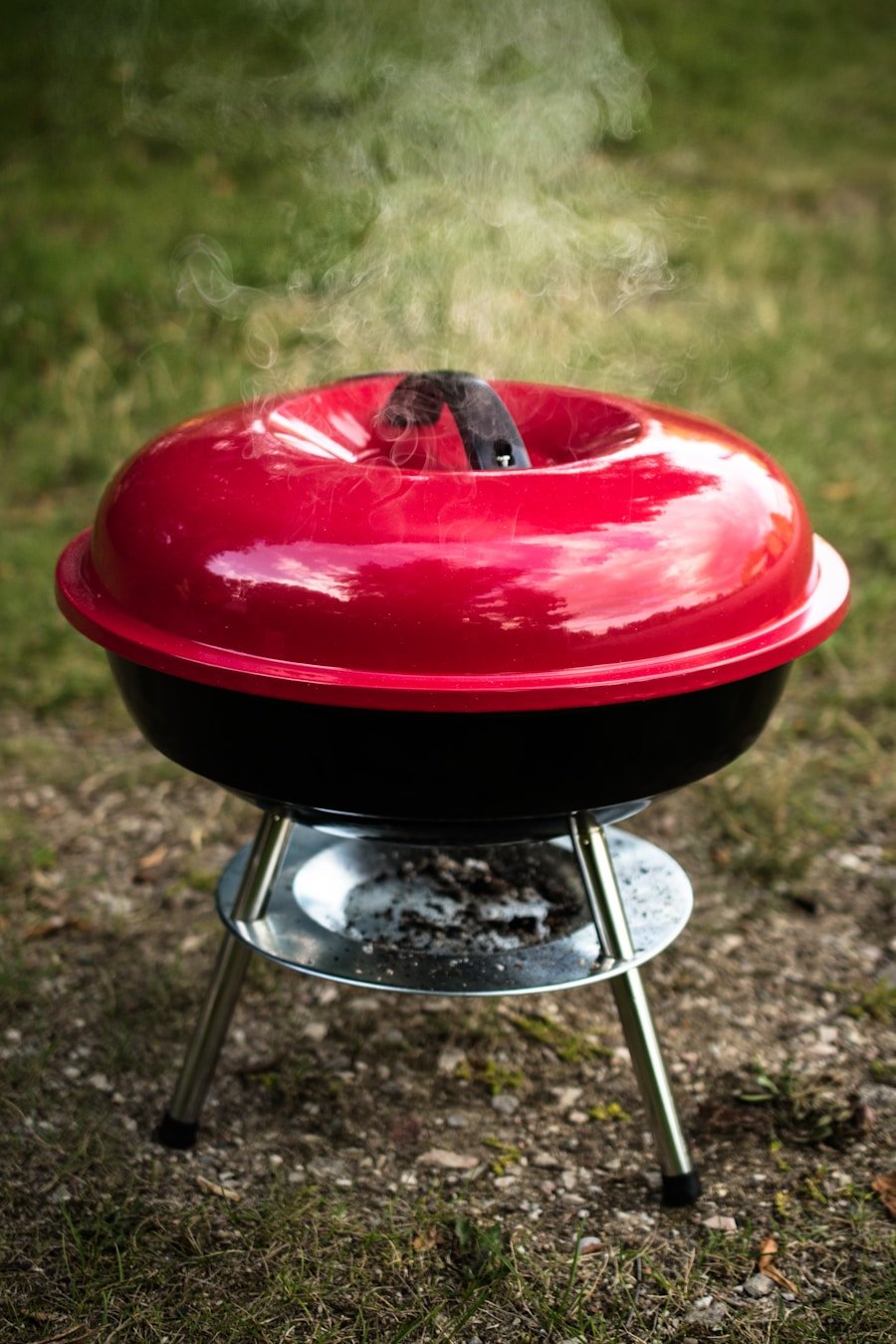
Using a charcoal smoker is one of the best ways to build deep smoke flavor, tender texture, and a crisp bark on meat. The key is not one secret trick. You need the right charcoal, a clean smoker, steady airflow, safe food temperatures, and enough patience to let the meat cook low and slow.
Quick Answer
To use a charcoal smoker well, start with quality charcoal, preheat the smoker, add wood for flavor, keep the cooking temperature around 225°F to 250°F, and track the meat with a reliable thermometer. Let the meat rest before slicing so the juices stay inside.
Key Takeaways
- Use clean-burning charcoal and avoid lighter fluid once food is in or near the smoker.
- Clean and preheat the smoker before adding meat so the heat and smoke stay steady.
- Choose fatty, tougher cuts such as brisket, pork shoulder, ribs, or beef short ribs for long smoking sessions.
- Season meat early, then smoke it slowly until it reaches a safe internal temperature.
- Control airflow, fuel, and smoke level instead of opening the smoker often.
At a Glance
| Time Required | 3 to 12+ hours, depending on the cut of meat |
| Difficulty | Beginner to intermediate |
| Tools Needed | Charcoal smoker, charcoal chimney, charcoal, wood chunks or chips, heat-safe gloves, drip pan, water pan, and digital meat thermometer |
| Cost | Varies by meat cut, charcoal, and wood choice |
Choosing the Right Charcoal
When you start smoking meat, the charcoal you choose affects heat, smoke quality, ash buildup, and flavor. Charcoal comes in several forms, and each one behaves a little differently in a smoker.
Lump charcoal is made from carbonized hardwood. It usually lights quickly, burns hot, and produces less ash than many standard briquettes. Many pitmasters like it because it gives food a clean wood-fired flavor. The tradeoff is that lump charcoal pieces vary in size, so the heat can rise and fall faster if you do not manage the fire carefully.
Briquettes are a common choice when you want a slower and more predictable burn. They are made from compressed charcoal material and are shaped evenly, which helps with steady heat. That steady burn can make briquettes easier for beginners who are learning temperature control.
When selecting briquettes, look for natural options with no chemical lighter fluid added. Avoid instant-light charcoal for low-and-slow smoking because it can create harsh flavors if the lighting chemicals linger.
Note: Lump charcoal often works well for hot, fast cooks and clean smoke flavor. Briquettes are useful when you want a long, stable burn for brisket, pork shoulder, ribs, or other slow-cooked cuts.
Preparing the Smoker
Preparing the smoker sets the stage for a successful cook. Whether you use an offset smoker, vertical water smoker, kettle-style smoker, cabinet smoker, or drum smoker, start with a clean cooking chamber and steady airflow.
Remove leftover ash, grease, and food debris from previous sessions. Old ash can block airflow and make temperature control harder. Built-up grease can also create dirty smoke, flare-ups, or unwanted flavors.
Once the smoker is clean, check the vents, grates, charcoal basket, water pan, and drip pan. Make sure the vents open and close smoothly. If the smoker is new or has been stored for a long time, season it before cooking. Seasoning usually means coating the inside lightly with cooking oil, heating the smoker, and letting that oil form a protective layer on the metal.
After seasoning, allow the smoker to cool if needed, then add charcoal and prepare your wood. A clean, preheated smoker gives you better combustion, steadier heat, and a more predictable smoking session.
Warning: Always use a charcoal smoker outdoors in a well-ventilated area. Charcoal produces carbon monoxide, which can be deadly in enclosed or partly enclosed spaces such as garages, sheds, tents, or covered patios with poor airflow.
Selecting the Perfect Cuts of Meat

Choosing meat is one of the most enjoyable parts of smoking. Different cuts bring different textures, fat levels, and cooking times. For the best results, match the cut to the low-and-slow method.
Cuts with higher fat and connective tissue, such as brisket, pork shoulder, pork ribs, beef ribs, and chuck roast, work especially well in a charcoal smoker. The long cooking time helps render fat and soften collagen, which creates tender meat with rich flavor.
If you want to try less common options, beef short ribs and lamb shoulder can also smoke beautifully. They may need longer cooking times, but they reward you with bold flavor and a soft texture when cooked properly.
Poultry is also a good option, especially whole chicken, chicken thighs, turkey breast, and turkey legs. Since poultry is leaner than pork shoulder or brisket, avoid overcooking it. Use a thermometer and remove it when it reaches a safe internal temperature.
The best smoking cuts are not always the most expensive cuts. In many cases, tougher cuts become the most flavorful after several hours of low heat, smoke, and rest time.
Seasoning and Preparing the Meat
| Meat Type | Seasoning | Preparing |
|---|---|---|
| Beef | Garlic, salt, pepper | Smoke, grill, or roast |
| Chicken | Paprika, thyme, salt | Smoke, bake, or grill |
| Pork | Mustard, brown sugar, pepper | Smoke or roast |
Once you choose your meat, season it in a way that supports the natural flavor of the cut. A good rub can improve the bark, add color, and create a more balanced bite.
Dry rubs usually include salt, pepper, sugar, herbs, and spices. Common ingredients include paprika, garlic powder, onion powder, black pepper, chili powder, and brown sugar. Salt helps season the meat below the surface, while sugar can help form a darker bark during smoking.
Marinades work differently. They use liquid ingredients such as vinegar, citrus juice, oil, herbs, and spices. Marinades can add surface flavor and help tenderize some cuts, especially when they include acidic ingredients.
For the best flavor, season large cuts several hours before cooking. You can also season them the night before and keep them covered in the refrigerator. This gives salt more time to move into the meat and helps the rub stick better during smoking.
Pro Tip: Pat meat dry before adding a rub. A dry surface helps seasoning stick and supports better bark formation during a long smoke.
Lighting the Charcoal Safely
A charcoal chimney is one of the easiest and cleanest ways to light charcoal. Add newspaper, a natural fire starter, or tumbleweed-style starters under the chimney, then fill the top with charcoal. Light the starter and let the charcoal heat until the top pieces begin to ash over.
Once the charcoal is ready, pour it carefully into the firebox or charcoal basket. Wear heat-resistant gloves and keep children and pets away from the smoker while lighting and loading hot fuel.
Avoid spraying lighter fluid onto burning or hot charcoal. It can flare up and create a safety risk. It can also leave unpleasant chemical flavors if used too close to cooking time.
Setting Up for Low-and-Slow Smoking
Good smoker setup helps you hold a steady cooking temperature without constant adjustments. For many charcoal smokers, the goal is indirect heat. That means the food sits away from the main pile of burning charcoal instead of directly over it.
In a kettle smoker, you can bank charcoal to one side and place the meat on the other side. In a vertical smoker, the water pan usually sits between the charcoal and the cooking grate. In an offset smoker, the fire burns in the side firebox while heat and smoke move into the main chamber.
A water pan can help stabilize the cooking environment and add moisture to the chamber. It does not make dry meat juicy by itself, but it can reduce sharp temperature swings and create a gentler cooking environment.
Before adding meat, let the smoker preheat and wait for the smoke to look thin and light. Thick white smoke can taste bitter. Thin blue smoke usually gives cleaner flavor.
Controlling the Temperature
Temperature control is one of the most important parts of successful smoking. Most low-and-slow barbecue cooks happen around 225°F to 250°F. This range helps tough cuts cook slowly, render fat, and develop smoke flavor without drying out too fast.
Track both the smoker temperature and the internal temperature of the meat. Built-in lid thermometers can be helpful, but they are not always accurate at grate level. A digital thermometer with probes gives you a clearer reading of the cooking chamber and the meat.
Use the smoker vents to control airflow. More airflow usually increases heat because the fire receives more oxygen. Less airflow lowers heat, but closing vents too much can smother the fire and create dirty smoke.
Add charcoal when the temperature begins to fall and the fire looks weak. Make small adjustments and wait before changing the vents again. Smoking rewards patience, and fast changes can make the temperature harder to control.
Resist the urge to open the smoker often. Every time you open the lid or door, heat escapes and oxygen rushes in. This can cause temperature swings and longer cook times.
Adding Flavor with Wood Chips

Wood chips, chunks, or splits add the smoke flavor that makes charcoal-smoked meat special. Different woods create different flavors, so choose wood that matches the meat.
Hickory has a strong, classic barbecue flavor that works well with pork and beef. Oak is balanced and dependable for larger cuts such as brisket. Apple and cherry give a milder, slightly sweet smoke that pairs well with poultry, pork, and fish. Mesquite is very strong, so use it lightly unless you want an intense smoke profile.
Wood chips can burn quickly, especially in a hot charcoal fire. Some cooks soak chips for about 30 minutes before use so they smolder longer. Others prefer dry wood chunks because they produce steadier smoke and do not cool the fire as much.
You can also blend woods to build a more layered flavor. For example, oak and cherry can work well for beef, while apple and hickory can work well for pork. The key is balance. Too much smoke can make meat bitter, while too little smoke can leave it flat.
Monitoring and Maintaining the Smoking Process
The smoking process requires steady attention, but it does not require constant opening and poking. Check your thermometer readings often and adjust airflow or fuel when needed.
If the smoker temperature drops, open the intake vent slightly or add lit charcoal. If it climbs too high, close the intake vent a little and give the smoker time to settle. Avoid closing every vent completely unless you are shutting the smoker down, because a starved fire can create heavy, bitter smoke.
Keep an eye on the meat’s internal temperature. Large cuts often move through a “stall,” where the internal temperature seems to stop rising for a while. This happens as moisture evaporates from the meat’s surface.
If the meat stalls for a long time or starts looking dry, you can wrap it in foil or butcher paper during the later stage of cooking. This technique is often called the Texas crutch. It helps reduce evaporation and can speed up the cook while keeping the meat moist.
Do not rely only on time. Meat size, fat content, weather, smoker design, charcoal type, and airflow can all change the total cook time. Use time as a guide, but use internal temperature and tenderness as your final checks.
Food Safety While Smoking Meat
Food safety matters because smoking uses low heat for a long time. Keep raw meat cold until it is time to cook, and avoid leaving it at room temperature for long periods.
Use separate cutting boards and utensils for raw and cooked food. Wash your hands after handling raw meat, and clean surfaces that touch raw juices.
Cook meat to safe internal temperatures. Poultry should reach 165°F. Ground meats should reach 160°F. Whole cuts of beef, pork, lamb, and veal should reach at least 145°F followed by a rest time, although barbecue cuts such as brisket and pork shoulder are usually cooked much higher for tenderness.
After serving, refrigerate leftovers promptly in shallow containers. Reheat leftovers until steaming hot before eating.
Common Charcoal Smoker Mistakes to Avoid
One common mistake is using too much smoke. More smoke does not always mean better flavor. Clean, light smoke tastes better than thick white smoke that coats meat with bitterness.
Another mistake is chasing temperature changes too quickly. If the smoker drops or rises slightly, wait a few minutes before making another adjustment. Charcoal smokers respond slowly, and overcorrecting can make the heat swing even more.
Opening the smoker too often is also a problem. It releases heat and extends the cooking time. Check through thermometer probes whenever possible instead of lifting the lid repeatedly.
Skipping the rest period is another mistake. Resting lets the juices settle inside the meat. If you slice right away, more juice runs onto the board instead of staying in each bite.
Serving and Enjoying the Perfectly Smoked Meat
After hours of careful preparation and monitoring, let the meat rest before slicing. For smaller cuts, 10 to 20 minutes may be enough. For large cuts such as brisket or pork shoulder, a longer rest can improve texture and moisture.
Slice meat against the grain for better tenderness. Cutting against the grain shortens the muscle fibers, which makes each bite easier to chew.
Serve smoked meat with sides that balance the richness. Coleslaw, baked beans, cornbread, pickles, potato salad, grilled vegetables, and simple green salads all work well. You can also offer sauces on the side, such as vinegar-based sauce, mustard sauce, or tomato-based barbecue sauce.
As you gather around the table with family and friends, take pride in the process. Charcoal smoking takes patience, but that is part of what makes the final meal so rewarding.
If you’re looking to enhance your outdoor dining experience while using your charcoal smoker, you may want to check out this article on the 5 Best Outdoor Dinnerware for Entertaining. Having the right dinnerware can make your barbecue gatherings even more enjoyable. Additionally, if you’re interested in meal prepping for your smoking sessions, you might find this article on the 5 Best Lunch Containers for Work helpful. And to keep your smoker and outdoor cooking area clean, consider investing in some of the Top Microfiber Cleaning Cloths recommended in another article.
Related Guides
Frequently Asked Questions
What is a charcoal smoker?
A charcoal smoker is a cooking device that uses charcoal as its main heat source. It cooks food slowly at low temperatures while smoke moves through the cooking chamber and flavors the food.
How does a charcoal smoker work?
A charcoal smoker works by burning charcoal to create heat. Wood chips, chunks, or splits create smoke. The food sits in the cooking chamber away from direct flames, so it cooks slowly while absorbing smoke flavor.
What are the benefits of using a charcoal smoker?
A charcoal smoker gives food a deep smoky flavor that is hard to match with many indoor cooking methods. It also works well for tough cuts because the slow cooking process helps soften connective tissue and render fat.
How do you use a charcoal smoker effectively?
Use a charcoal smoker effectively by lighting charcoal safely, preheating the smoker, setting up indirect heat, keeping the temperature steady, using the right wood, and checking the meat with a digital thermometer.
What are some tips for using a charcoal smoker?
Preheat the smoker, use a water pan when helpful, avoid thick white smoke, control heat with vents, keep the lid closed as much as possible, and let the food rest after cooking.
Should you soak wood chips before smoking?
You can soak wood chips for about 30 minutes if they burn too fast in your smoker. However, many cooks prefer dry wood chunks because they smolder longer and create a steadier smoke.
What temperature should a charcoal smoker be?
For most low-and-slow barbecue, keep the smoker around 225°F to 250°F. Some foods can cook hotter, but this range is a reliable starting point for brisket, pork shoulder, ribs, and similar cuts.
Can you use lighter fluid in a charcoal smoker?
It is better to avoid lighter fluid when smoking meat. A charcoal chimney or natural fire starter is cleaner, safer, and less likely to leave unwanted flavors in your food.
Sources
- USDA FSIS Safe Minimum Internal Temperature Chart — supports safe meat temperature guidance.
- CDC Food Safety Prevention — supports safe handling, cleaning, and leftover storage guidance.
- CDC Carbon Monoxide Basics — supports charcoal smoker outdoor-use safety guidance.
- U.S. Department of Energy Barbecue and Grilling Safety — supports safe outdoor cooking practices.


1 thought on “Mastering the Art of Charcoal Smoking”