
Disclosure: As an Amazon Associate, we earn from qualifying purchases. If you click a link on this page and make a purchase, we may receive a small commission at no extra cost to you.
Replacing tires is not just a price decision. The new set must match your vehicle’s required size, load capacity, and speed rating while giving you the wet grip, ride comfort, and seasonal performance you expect. The Fullway PC369 225/65R17 is a budget-focused, all-season performance tire sold here as a set of four, with a 102H service description, Load Range SL construction, and a UTQG grade of 380 A A. This review explains where it offers useful value, where its limits matter, and what you must verify before ordering.
Quick Verdict
Rating: 8.0/10, recommended with caveats
Best For: Cost-conscious drivers whose vehicle specifies 225/65R17 tires with a load index of 102 and an H-rated or lower original requirement
Bottom Line: The PC369 combines a water-evacuating ribbed tread, useful highway load capacity, and an accessible price tier. Its main tradeoffs are the lack of a published mileage warranty on the listings reviewed and limited suitability for severe snow or ice.
Key Specifications
| Specification | Detail |
|---|---|
| Brand | Fullway |
| Model | PC369 |
| Product type | All-season radial performance tire |
| Size | 225/65R17 |
| Package quantity | Set of four tires, rims not included |
| Service description | 102H |
| Maximum load | 1,874 pounds per tire at the specified conditions |
| Speed rating | H, rated up to 130 mph under controlled conditions |
| Load range | SL, 4-ply rated |
| Sidewall | Black sidewall, BSW |
| UTQG | 380 A A, relative treadwear 380, wet braking traction A, temperature resistance A |
| Overall diameter | About 28.5 inches |
| Approved rim-width range | 6 to 8 inches |
| Maximum sidewall pressure | 44 psi, not the routine inflation target |
| Severe-snow rating | Not listed with the Three-Peak Mountain Snowflake symbol |
What Is the Fullway PC369?
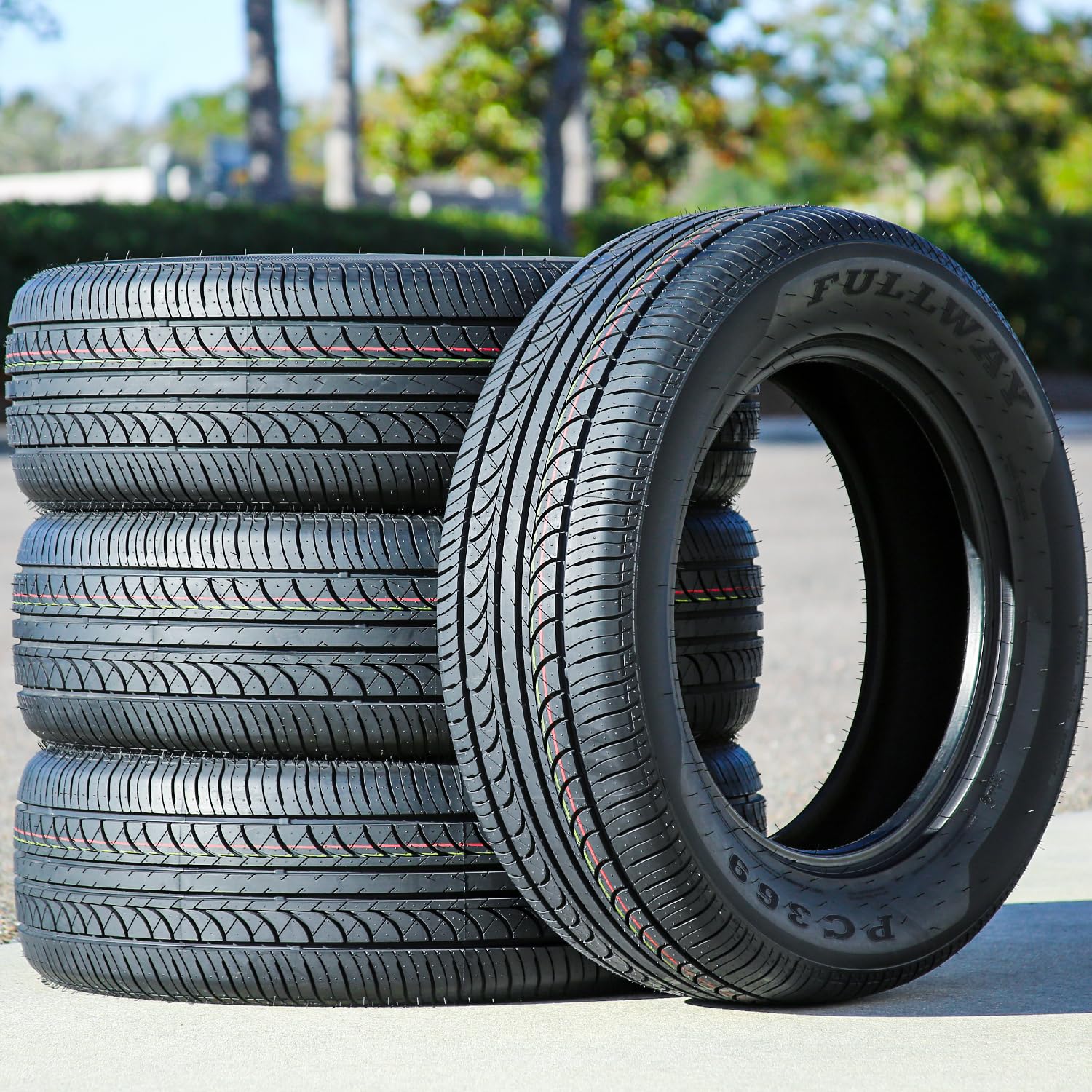
The Fullway PC369 is an all-season radial tire designed for passenger vehicles, crossovers, and SUVs that use compatible sizes and service ratings. This listing is for four tires in 225/65R17, a common crossover and SUV size, but the size alone does not prove fit. Your door-jamb placard or owner’s manual must also support the tire’s 102 load index, H speed rating, Load Range SL construction, and other vehicle requirements.
The tread uses a ribbed, symmetrical pattern with circumferential and lateral grooves. Those channels are intended to move water away from the contact patch, while sipes and tread edges add grip during braking and cornering. The design is aimed at paved-road use, including commuting and highway travel, rather than off-road work or severe winter driving.
Who Should Buy It?
Best For
- Drivers who need four matching 225/65R17 all-season tires for paved-road use
- Commuters and highway travelers who value wet-weather channels and an H speed rating
- Budget-conscious crossover or SUV owners whose placard permits a 102H, Load Range SL tire
Skip If
- Your vehicle requires a higher load index, a different size, XL or LT construction, or another speed rating
- You regularly drive on ice, deep snow, or roads where a 3PMSF-rated winter tire is the safer choice
- You want a clearly published mileage warranty or premium touring refinement
What People Say
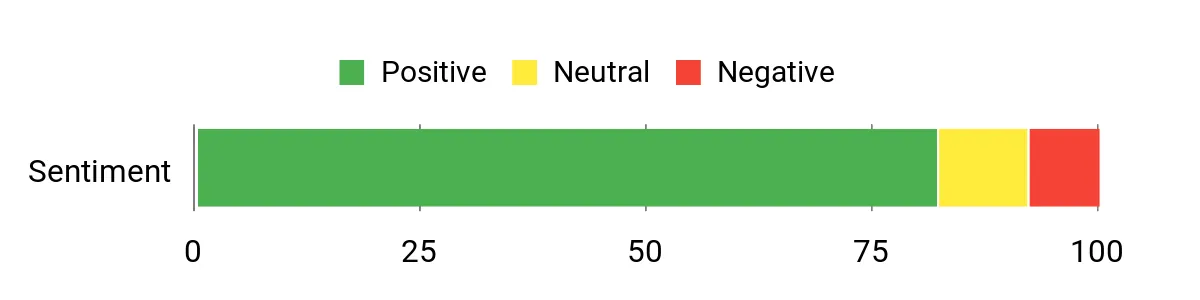
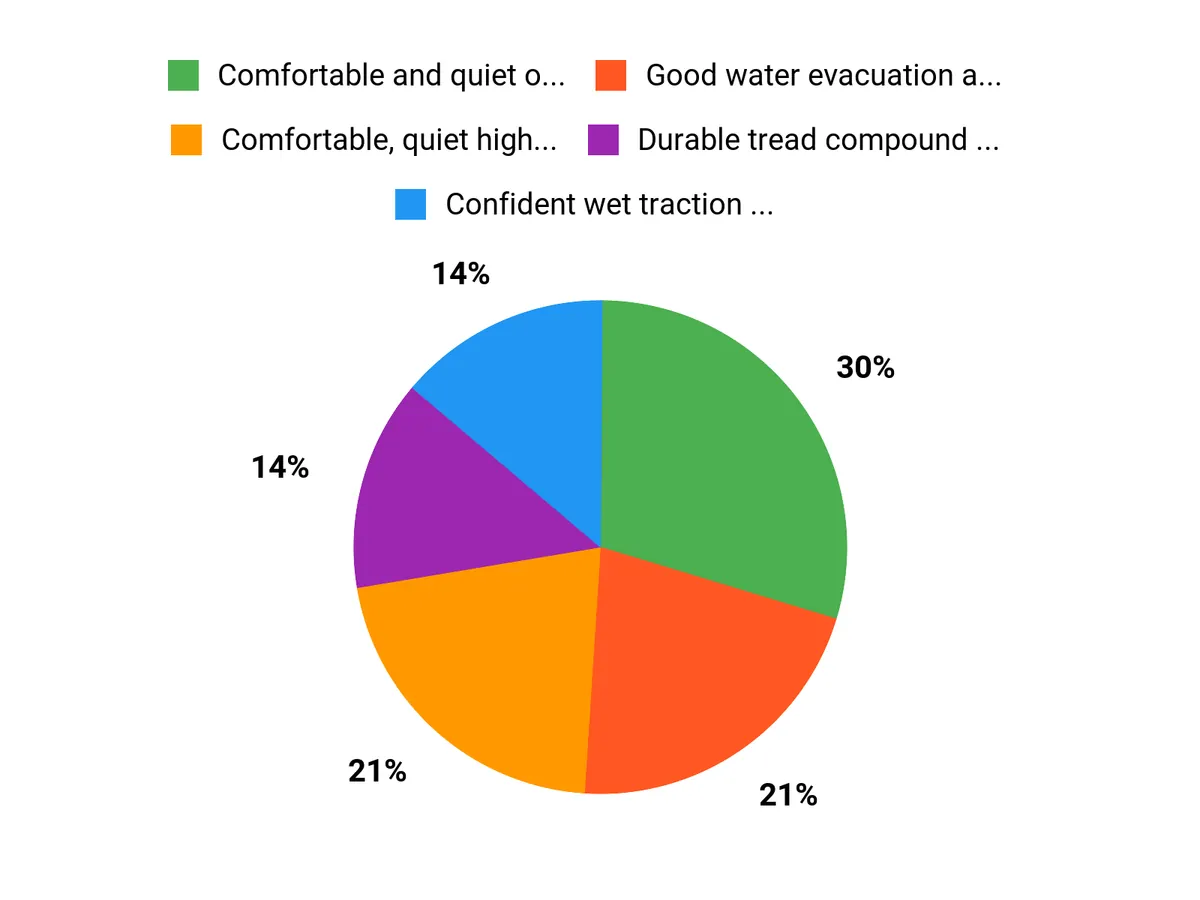
Buyer feedback around the PC369 commonly focuses on price, everyday ride quality, and basic wet-road confidence. Those comments are useful for spotting patterns, but they cannot confirm that the tire fits your vehicle or predict your exact tread life. Vehicle weight, alignment, inflation, road surface, climate, rotation habits, and driving style all affect the result.
Overall Sentiment: Positive
Pros and Cons
Pros
- Four-tire package can simplify replacing a complete worn set
- 102 load index supports up to 1,874 pounds per tire under rated conditions
- H speed rating provides capacity up to 130 mph under controlled test conditions
- Ribbed tread and four main grooves are designed to evacuate water
- UTQG traction and temperature grades are both A
Cons
- No Three-Peak Mountain Snowflake rating is listed for severe-snow service
- A published treadwear mileage warranty was not shown on the listings reviewed
- Fit is limited to vehicles that accept the full 225/65R17 102H SL specification
Feature-by-Feature Review
Fit and Compatibility
The tire’s complete size is 225/65R17. The first number is the nominal section width in millimeters, the second is the sidewall aspect ratio, and R17 means radial construction for a 17-inch wheel. Retailer specifications list an approved rim-width range of 6 to 8 inches and an overall diameter near 28.5 inches.
Do not choose it only because your wheel is 17 inches. Match the full size, load index, speed rating, and construction to your vehicle’s Tire and Loading Information label. NHTSA advises checking the owner’s manual or driver-side door label when selecting replacement tires. A qualified tire shop should confirm fit when you are changing from the original specification.
Before You Buy: The phrase “universal fit” does not mean this tire fits every vehicle with 17-inch wheels. Never install a tire with less load capacity or an unsuitable speed rating, size, or construction compared with your vehicle’s requirements.
Wet Traction and Tread Design
The PC369 uses a symmetrical ribbed tread with four main circumferential grooves and smaller lateral channels. The purpose is to move water and slush away from the footprint so more rubber can remain in contact with the road. Sipes and tread edges also add biting surfaces during braking and cornering.
Its UTQG traction grade is A. This grade reflects straight-line wet braking performance in controlled testing, not cornering grip, hydroplaning immunity, or performance on every road surface. Slow down in heavy rain, leave extra stopping distance, and replace the tire when tread depth reaches the legal or safety limit.
Handling and Highway Use
The 102H service description combines the load and speed ratings. A load index of 102 equals a maximum rated load of 1,874 pounds per tire, while H indicates a maximum speed capability of 130 mph under test conditions. These figures are limits, not driving targets, and they do not increase your vehicle’s payload, towing rating, axle rating, or legal speed.
The continuous ribs and shoulder blocks are designed to maintain road contact and steering response during normal paved-road use. The tire should suit commuting and highway travel better than trail use, mud, or heavy-duty truck service because it is a standard-load tire rather than an LT tire.
Ride Comfort and Noise
Fullway positions the PC series around touring comfort, and the tread layout is intended to support a smooth highway ride. Real cabin noise will still depend on the vehicle, road texture, wheel bearings, suspension condition, inflation, and alignment. A low-cost tire may also offer less noise tuning and ride refinement than a premium touring model.
Treadwear Grade and Expected Life
The UTQG treadwear number is 380. It is a comparative laboratory and road-test grade, not a promise that the tire will last a fixed number of miles. A 380 rating suggests a higher relative wear potential than a control tire rated 100, but you should not convert that number directly into a mileage estimate.
No clear manufacturer mileage warranty was shown for this exact listing during verification. That makes maintenance especially important, and it also means buyers who want a written 60,000- or 70,000-mile warranty may prefer a higher-priced alternative.
All-Season and Winter Limits
All-season tires can handle dry roads, rain, and some light winter conditions, but NHTSA notes that winter tires are more effective in deep snow. The PC369 is not listed with the Three-Peak Mountain Snowflake symbol, so it should not be treated as a severe-snow tire.
Drivers who regularly face packed snow, ice, steep winter roads, or long periods below freezing should compare dedicated winter tires or 3PMSF-rated all-weather options. Using four matching winter tires is generally more predictable than mixing tire types across axles.
How It Performs in Real Use
For Daily Commuting
For a vehicle that correctly uses 225/65R17 102H SL tires, the PC369 offers the basic features most commuters need: an all-season compound, water channels, standard-load capacity, and a highway-capable speed rating. It makes the most sense when value matters more than a premium brand name or a long mileage warranty.
For Highway Trips
The H rating and ribbed tread support sustained paved-road travel when the tires are correctly installed, balanced, inflated, and loaded. Before a long trip, check cold pressure against the vehicle placard, inspect for damage, and confirm that the combined passenger and cargo weight stays within the vehicle’s limits.
For Rainy Conditions
The four main grooves are a practical design benefit in rain because they create paths for water to leave the contact patch. They cannot cancel the effects of standing water, worn tread, excessive speed, or underinflation. Reduce speed when water is pooling and avoid sudden steering or braking inputs.
For Light Winter Weather
The siping and all-season compound may provide usable grip in occasional light snow, but this is the product’s clearest limit. It is not the right primary choice for repeated ice, deep snow, mountain passes, or severe winter service.
Installation, Safety, and Maintenance
Professional installation is the safest choice because tire mounting requires specialized equipment. Ask the installer to inspect the wheels, valve stems, TPMS components, balance, alignment, and existing suspension wear. Confirm that all four tires are the correct size and that their DOT date codes, sidewalls, and beads are free from shipping or storage damage.
Inflate the tires to the cold pressure on your vehicle’s placard, not automatically to the 44 psi maximum molded on the tire. The placard pressure is selected for the vehicle’s load and handling needs. Underinflation can create heat buildup and uneven shoulder wear, while overinflation can reduce ride comfort and alter the contact patch.
Rotate the tires on the schedule in your owner’s manual, unless the vehicle or tire setup requires a different pattern. Check pressure at least monthly and before long trips, measure tread depth, and address pulling, vibration, cupping, or uneven wear promptly. NHTSA states that tires should be replaced when tread reaches 2/32 inch, though wet and winter performance can decline before that point.
Pro Tip: Photograph the driver-side tire placard before shopping, then compare its full size, load index, speed rating, and recommended cold pressure with the listing. This avoids relying on wheel diameter or a retailer’s broad fit label.
Is It Worth the Price?
The PC369 sits in the budget tier. Its value comes from getting four matching tires with useful everyday specifications rather than paying for a premium brand, a severe-snow rating, or a long published mileage warranty. For an older crossover or daily driver that matches the 225/65R17 102H SL requirement, it can be a smart buy for routine paved-road use.
The value case becomes weaker when installation, balancing, disposal, alignment, valve stems, or TPMS service raises the total cost close to a better-known touring tire with a mileage warranty. Compare the installed price, not just the online tire price, and review the seller’s return policy before mounting because installed tires are often harder to return.
How It Compares to Alternatives
The Cooper Endeavor Plus is a stronger comparison for buyers who want an established touring brand and a published mileage warranty in 225/65R17. The General AltiMAX RT45 offers a higher UTQG treadwear grade and is also available in this size, though it usually sits at a higher price tier. The Fullway PC369 makes the most sense when upfront cost is the main priority and you accept the lack of a clearly listed mileage warranty.
For winter-focused driving, compare a 3PMSF-rated all-weather or dedicated winter tire instead of treating any standard all-season tire as equivalent. Always compare the exact service description, not only the brand and size.
Why Buyers Choose It
Buyers are likely to choose this set because it combines a common crossover/SUV size, four matching tires, a 102H service description, and a budget-oriented position. The wet-weather groove design and A traction grade add practical appeal for commuting, while the main reasons to pause are severe-winter limits and the absence of a clear mileage warranty.
Related Guides
Frequently Asked Questions
Will the Fullway PC369 225/65R17 fit my vehicle?
It fits only vehicles approved for the complete 225/65R17 specification and compatible with a 102 load index, H speed rating, and Load Range SL construction. Check the driver-side placard and owner’s manual, then ask a tire professional when changing from the original size or rating.
Does the listing include wheels or installation?
No. The listing is for four tires, and rims are not included. Mounting, balancing, valve stems, TPMS service, alignment, disposal fees, and taxes may add to the installed cost.
Are these tires suitable for snow and ice?
They are all-season tires that may handle occasional light snow, but they are not listed with a Three-Peak Mountain Snowflake rating. Use dedicated winter or severe-snow-rated tires when you regularly drive on ice, deep snow, or difficult winter roads.
What does the 102H rating mean?
The 102 load index corresponds to 1,874 pounds of maximum rated load per tire under specified conditions. The H speed symbol indicates a test-rated capability up to 130 mph, but you must still follow vehicle, tire, road, weather, and legal speed limits.
Should I inflate them to 44 psi?
Not automatically. The 44 psi figure is the tire’s listed maximum pressure, while routine cold inflation should follow the pressure on your vehicle’s placard unless a qualified professional specifies otherwise for an approved setup.
How many miles should the PC369 last?
The UTQG treadwear grade of 380 is a relative comparison, not a mileage promise. Actual life depends on inflation, alignment, rotation, vehicle weight, roads, climate, and driving habits, and this exact listing did not show a clear treadwear mileage warranty.
Can I use these tires for towing or heavy cargo?
Only when the vehicle manufacturer approves this tire specification and the loaded vehicle stays within every tire, axle, wheel, and vehicle rating. A 102 load index does not increase your vehicle’s payload or towing capacity, and Load Range SL is not the same as an LT tire.
Who should skip the Fullway PC369?
Skip it when your vehicle needs a different size, higher load capacity, XL or LT construction, or a severe-snow rating. It is also less appealing when you want a premium comfort tire or a clearly stated long-term mileage warranty.
The Bottom Line
The Fullway PC369 225/65R17 is worth considering for cost-conscious drivers who need four matching 102H, Load Range SL all-season tires for compatible passenger vehicles, crossovers, or SUVs. Its main strengths are the wet-weather groove design, useful load rating, and budget position, while its main limits are severe-winter performance and the lack of a clearly published mileage warranty.
Skip it when your placard calls for another specification or when ice, deep snow, heavy-duty use, or warranty coverage is a top priority. When the fit is correct and your driving is mainly on paved roads in moderate conditions, the 8.0/10 “recommended with caveats” verdict is appropriate.
Ready to Buy?
Confirm the exact size and service rating, then check the latest price and seller details before you decide.