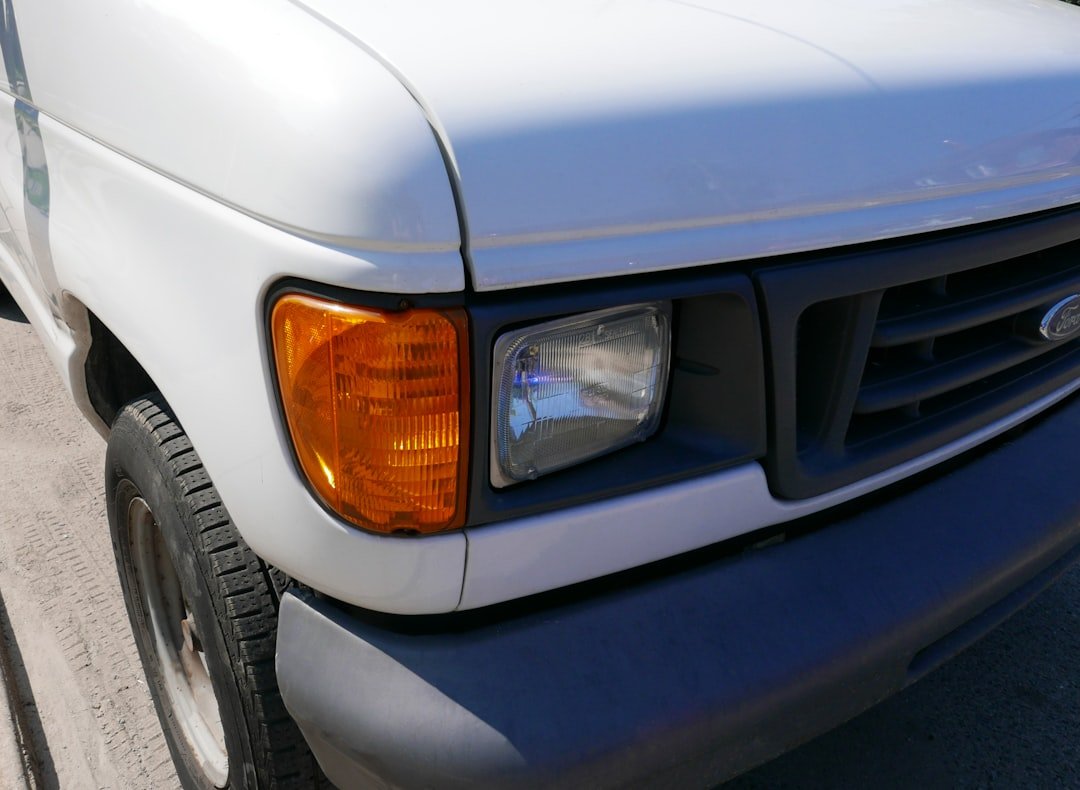
Driving at night is harder because your visibility drops, glare increases, and hazards can appear with very little warning. Reliable headlights help you see pedestrians, animals, lane markings, road signs, curves, and debris sooner. They also help other drivers see your vehicle clearly, which supports safer nighttime driving.
For instance, pedestrians, animals, and road signs may blend into the darkness, making it crucial for drivers to have reliable lighting systems that illuminate their path effectively. The right headlights not only enhance visibility but also improve reaction times, allowing drivers to respond swiftly to unexpected obstacles. Moreover, the psychological aspect of driving at night cannot be overlooked.
A well-lit road can instill confidence in drivers, reducing anxiety associated with navigating through dark environments. Quality headlights can also reduce eye strain, which is often exacerbated by inadequate lighting. This is particularly important for long-distance drivers who may spend several hours on the road after sunset.
In essence, investing in high-quality headlights is not merely a matter of convenience; it is a critical component of road safety that can save lives. IIHS, 2025: performance varies by vehicle
Quick Answer
The best headlights for night driving are legal, vehicle-compatible headlights with a strong beam pattern, proper aim, and controlled glare. LED, halogen, and HID options can all work well, but the full headlamp system matters more than bulb type alone.
Key Takeaways
- Quality headlights are crucial for safe night driving because they improve visibility and reduce the risk of accidents.
- LED, halogen, and xenon/HID bulbs offer different benefits in brightness, cost, lifespan, and installation needs.
- Brightness alone is not enough. Beam pattern, headlight aim, glare control, and vehicle compatibility matter just as much.
- Top headlight brands include Philips, Sylvania, OSRAM, Hella, and Hikari, but model fitment must match your vehicle.
- Replacement headlights should comply with local law, including FMVSS No. 108 requirements in the United States.
Types of Headlight Bulbs and Their Benefits
When it comes to headlight bulbs, there are several types available, each with its own set of advantages. Halogen bulbs are among the most common and have been used for decades. They are relatively inexpensive and easy to replace, making them a popular choice for many vehicles.
Halogen bulbs produce a warm light, usually around 3000–3200K, which is warmer than daylight. Many drivers find this color comfortable at night. However, halogen bulbs usually have a shorter lifespan than LED or HID options and may not provide the brightest illumination.
Xenon or HID, which stands for High-Intensity Discharge, bulbs represent a significant advancement in automotive lighting technology.
These bulbs produce a much brighter light than halogen bulbs and have a longer lifespan, often lasting up to 2,500 hours. The light emitted by xenon bulbs is typically bluish-white, which can improve visibility in various weather conditions. However, they require a ballast for operation, which can complicate installation and increase costs.
LED, or Light Emitting Diode, headlights are rapidly gaining popularity due to their energy efficiency and longevity. They consume less power than both halogen and xenon bulbs while providing excellent brightness and clarity. LED headlights can last up to 30,000 hours or more, making them a cost-effective choice in the long run.
Additionally, they offer a range of color temperatures, allowing drivers to choose a light that best suits their preferences and driving conditions. Note that real-world performance depends on the headlamp optics and aiming, not just bulb type. IIHS, 2025
Note: A brighter bulb does not automatically make a safer headlight. A controlled beam pattern helps you see farther without blinding oncoming drivers.
Factors to Consider When Choosing Headlights for Night Driving

Selecting the right headlights for night driving involves several critical factors that can influence performance and safety. One of the primary considerations is brightness, measured in lumens. A higher lumen count generally indicates a brighter light output, which is essential for illuminating dark roads and enhancing visibility of road signs and obstacles.
However, it is important to balance brightness with glare. Excessively bright headlights can blind oncoming drivers, creating dangerous situations. Another factor to consider is the beam pattern. Headlights should provide a well-defined beam that illuminates the road ahead without scattering light into the eyes of other drivers.
A good beam pattern will allow for effective distance vision while also providing adequate coverage of the roadside. Some headlights come with adjustable beam patterns or features that allow drivers to customize their lighting based on specific driving conditions.
Durability is also an essential aspect when choosing headlights.
Night driving often involves exposure to various weather conditions, including rain, fog, and snow.
Therefore, selecting headlights that are resistant to moisture and impact is crucial for maintaining performance over time.
Additionally, compatibility with the vehicle’s electrical system should be verified to ensure proper installation and functionality. You should also confirm the bulb size, connector style, housing type, and whether your vehicle uses reflector or projector headlamp assemblies.
Brightness and Beam Pattern
Brightness helps, but beam control determines how useful that brightness becomes on the road. A focused beam helps you see lane edges, signs, animals, and obstacles. A scattered beam can create glare, waste light, and reduce real-world visibility.
Color Temperature
Color temperature affects how the light appears. Warmer halogen light may feel easier on the eyes, while cooler LED or HID light may look brighter. Extremely blue or purple lighting can increase glare and may not comply with local rules.
Vehicle Compatibility
Before buying headlights, check your owner’s manual or existing bulb number. A bulb that fits physically may still perform poorly if the housing was not designed for that light source. This matters most when replacing halogen bulbs with LED retrofit bulbs.
Top Brands and Models for Headlights
| Brand | Model | Light Output (lumens) | Color Temperature (K) |
|---|---|---|---|
| Philips | X-tremeUltinon gen2 | —manufacturer markets % brighter, not lumens (Philips) | 6500Philips, 2025 |
| Sylvania | SilverStar Ultra | 1345H11 spec, BulbConnection | 40009005 spec, 4100K |
| OSRAM | Night Breaker Laser | —up to +150% vs. minimum standard (OSRAM) | ~4200 |
The automotive lighting market is filled with reputable brands known for producing high-quality headlights. One such brand is Philips, which has been a leader in automotive lighting for decades. Their X-treme Ultinon LED series is particularly noteworthy for its exceptional brightness and longevity, making it an excellent choice for night driving enthusiasts.
Another prominent brand is OSRAM, known for its innovative lighting solutions. The OSRAM Night Breaker series offers halogen bulbs that provide up to 150% more light on the road compared to standard halogen bulbs. This increased visibility can significantly enhance safety during nighttime driving. OSRAM datasheet
For those seeking xenon options, Sylvania’s SilverStar series is highly regarded for its bright white light and improved visibility in dark conditions. These bulbs are designed to provide a wider beam pattern, ensuring that both the road ahead and the sides are well illuminated. In the realm of LED headlights, Hikari’s Ultra LED series stands out for its impressive brightness and ease of installation.
These bulbs are designed to fit a wide range of vehicles and offer a plug-and-play installation process that appeals to DIY enthusiasts. Still, you should always confirm legal use, bulb size, beam pattern, and housing compatibility before installing any replacement bulb.
LED vs. Halogen vs. Xenon Headlights: Pros and Cons
When comparing LED, halogen, and xenon headlights, each type has its own set of pros and cons that cater to different driving needs and preferences. Halogen headlights are often favored for their affordability and ease of replacement. However, they fall short in terms of brightness and longevity compared to their counterparts. While they provide adequate illumination for most driving conditions, they may not be sufficient for those who frequently drive in poorly lit areas.
Xenon headlights offer significant advantages in terms of brightness and lifespan. They produce a more intense light that can illuminate the road more effectively than halogen bulbs. However, they come with higher costs and require additional components like ballasts for installation.
Furthermore, xenon lights can sometimes create glare for oncoming traffic if not properly adjusted. LED headlights are increasingly becoming the preferred choice among drivers due to their energy efficiency and long lifespan. They provide excellent brightness while consuming less power than both halogen and xenon options.
Additionally, LED technology allows for more compact designs that can fit into various headlight housings without requiring extensive modifications. However, the initial investment for high-quality LED headlights can be higher than halogen options. Real-world performance and glare control depend on the headlamp design and aiming. IIHS, 2025
| Headlight Type | Best For | Main Advantage | Main Drawback |
|---|---|---|---|
| Halogen | Budget-friendly replacements | Low cost and easy installation | Shorter lifespan and lower output |
| Xenon/HID | Drivers who need strong distance visibility | Bright, wide light output | Needs ballast and careful aiming |
| LED | Long lifespan and efficient performance | Efficient, long-lasting, and bright | Can glare if mismatched with housing |
How to Install New Headlights for Night Driving
Installing new headlights can be a straightforward process if approached methodically. The first step involves gathering the necessary tools, which typically include gloves to avoid touching the bulb with bare hands, a screwdriver set, and possibly pliers or a socket wrench depending on the vehicle model. Before starting the installation process, it’s essential to consult the vehicle’s owner manual for specific instructions related to headlight replacement.
At a Glance
| Time Required | About 15–45 minutes, depending on vehicle access |
| Difficulty | Easy to moderate for most bulb replacements |
| Tools Needed | Gloves, screwdriver set, owner’s manual, and possibly pliers or a socket wrench |
| Cost | Varies by bulb type, brand, and whether professional installation is needed |
Once equipped with the right tools and information, the next step is to access the headlight assembly. This often requires opening the hood of the vehicle and locating the back of the headlight housing. In some cases, removing screws or clips may be necessary to detach the assembly from the vehicle body.
After gaining access, carefully disconnect the wiring harness from the old bulb before removing it from its socket. With the old bulb removed, it’s time to install the new one. It’s crucial to handle new bulbs with gloves or a cloth to prevent oils from fingers from damaging them.
Insert the new bulb into the socket firmly but gently to avoid breaking it. Once secured, reconnect the wiring harness and test the new headlights before reassembling any components removed during installation.
Warning: Do not force a bulb into the socket. If the bulb does not seat correctly, recheck the bulb size and connector before continuing.
Basic Installation Steps
- Turn off the vehicle and allow the lights to cool.
- Open the hood and locate the rear of the headlight housing.
- Disconnect the wiring harness carefully.
- Remove the old bulb without damaging the socket or clips.
- Install the new bulb while wearing gloves.
- Reconnect the wiring harness and test both low and high beams.
- Reinstall any covers, clips, or panels you removed.
Adjusting Headlights for Optimal Night Driving Visibility

Properly adjusted headlights are vital for maximizing visibility during night driving while minimizing glare for other drivers on the road. Misaligned headlights can lead to poor illumination of the road ahead or cause excessive glare that distracts oncoming traffic. To ensure optimal performance, regular adjustments should be made as part of vehicle maintenance.
To adjust headlights correctly, begin by parking the vehicle on a level surface about 25 feet away from a wall or garage door. Turn on the headlights and mark the center of each beam on the wall using tape or chalk; this will serve as a reference point for alignment. The ideal height for most vehicles is typically around 2–3 inches below the centerline of the headlight at this distance.
Next, locate the adjustment screws on the headlight assembly; these are usually found at the top or side of the housing. Using a screwdriver or appropriate tool, adjust each headlight until the beams align with your reference marks on the wall. It’s advisable to make small adjustments incrementally while frequently checking alignment until both beams are correctly positioned.
Pro Tip: Recheck headlight aim after replacing bulbs, changing tires, loading heavy cargo, or repairing suspension parts. Small changes in vehicle height can affect beam direction.
Tips for Maintaining and Cleaning Headlights
Maintaining headlights is essential not only for aesthetics but also for ensuring optimal performance over time. One common issue that affects headlight clarity is oxidation or cloudiness caused by exposure to UV rays and environmental contaminants. Regular cleaning can help restore clarity and improve light output significantly.
To clean headlights effectively, start by using a mild soap solution and water to remove surface dirt and grime. For more stubborn oxidation or yellowing, specialized headlight restoration kits are available that typically include sandpaper or polishing compounds designed specifically for this purpose. Following manufacturer instructions carefully will yield the best results.
In addition to cleaning, regular inspections should be conducted to check for any signs of damage or wear on headlight assemblies. Cracks or moisture buildup inside the housing can compromise performance and should be addressed promptly by replacing damaged components or resealing as necessary.
Simple Headlight Maintenance Checklist
- Clean lenses when washing your vehicle.
- Inspect housings for cracks, haze, and water intrusion.
- Replace bulbs in pairs when practical so both sides have similar output.
- Check headlight aim after installation or suspension changes.
- Use restoration kits carefully and follow the kit instructions exactly.
Understanding Headlight Regulations and Laws
Headlight regulations vary significantly across different regions and countries. Therefore, it’s crucial for drivers to familiarize themselves with local laws regarding headlight usage and specifications. In many jurisdictions, there are specific requirements regarding brightness levels, beam patterns, and even color temperatures that must be followed to ensure compliance with safety standards. For instance, some areas prohibit certain colors of headlights such as blue or purple due to their potential confusion with emergency vehicles’ lights.
Additionally, regulations may dictate when high beams can be used. Drivers are typically required to dim them when approaching oncoming traffic or when following another vehicle closely. Failure to comply with these regulations can result in fines or penalties. More importantly, improper headlight usage can contribute to dangerous driving conditions that endanger drivers, passengers, cyclists, and pedestrians.
Reviews of the Best Headlights for Night Driving
When evaluating headlights specifically designed for night driving, several models consistently receive high praise from users and automotive experts alike. The Philips X-treme Ultinon LED series stands out due to its exceptional brightness levels combined with longevity. Users report significant improvements in nighttime visibility compared to standard halogen options. The Sylvania SilverStar Ultra halogen bulbs also receive accolades for their ability to enhance visibility without excessive glare. Many drivers appreciate their balance between performance and affordability.
These bulbs are particularly favored by those who prefer traditional halogen technology but still want improved illumination. For those leaning towards xenon options, the Hella Xenon bulbs are often recommended due to their reliability and performance in various weather conditions. Users note that these bulbs provide excellent distance vision while maintaining clarity even in foggy situations. In terms of LED options, Hikari Ultra LED headlights have garnered positive reviews for their ease of installation and impressive brightness levels. Many users appreciate their plug-and-play design that allows for quick upgrades without professional assistance.
Best Overall: Philips X-tremeUltinon LED Series
The Philips X-tremeUltinon LED series is a strong choice for drivers who want a modern LED upgrade from a trusted lighting brand. It is known for a crisp white appearance, long service life, and strong visibility when matched with the right vehicle and headlamp design.
Best Halogen Option: Sylvania SilverStar Ultra
The Sylvania SilverStar Ultra is a practical option for drivers who want better visibility while staying with traditional halogen technology. It can be easier to install than more complex HID or LED conversions, and it works well for many common bulb sizes.
Best HID/Xenon Option: Hella Xenon Bulbs
Hella Xenon bulbs are often preferred by drivers who already have factory HID systems. They can provide strong distance visibility and a clear beam when installed in the correct HID headlamp assembly.
Best LED Upgrade: Hikari Ultra LED Headlights
Hikari Ultra LED headlights appeal to drivers who want an LED-style upgrade with a simple installation process. As with any LED replacement, confirm your vehicle fitment and local regulations before use on public roads.
Finding the Right Headlights for Your Night Driving Needs
Selecting appropriate headlights tailored specifically for night driving needs involves careful consideration of various factors including brightness levels, beam patterns, durability, and compliance with local regulations. With numerous options available on the market today, from halogen to xenon and LED, drivers have ample choices at their disposal. Investing time into understanding these different types will ultimately lead to enhanced safety during nighttime journeys while ensuring compliance with legal standards governing automotive lighting systems across different regions worldwide.
The practical shortcut is to start from a list built for your exact vehicle, since housing type and bulb size decide what will actually fit and aim correctly. Our guide to plug-and-play LED headlights for an older F-150 is one example of that approach.
If your current headlights feel weak, start with the basics before buying the brightest bulb available. Clean the lenses, replace aging bulbs, check voltage and wiring condition, and confirm headlight aim. These simple steps can make a noticeable difference, especially on older vehicles with cloudy lenses or misaligned housings.
If you are looking to improve the lighting in your home, you may also be interested in learning how to paint a room. Check out this beginner’s guide on how to paint a room for tips and tricks on how to freshen up your space. Just like choosing the best headlights for night driving can enhance your visibility on the road, a fresh coat of paint can brighten up a room and make it feel more inviting.
Related Guides
Frequently Asked Questions
What are the best headlights for night driving?
The best-performing headlights are those designed and aimed correctly for the vehicle’s optics. Many newer headlight systems earn a “good” rating when the full system controls light output and glare well. IIHS, 2025
What are the advantages of LED headlights for night driving?
LED headlights offer several advantages for night driving, including improved efficiency, long lifespan, and potential for excellent visibility when paired with compliant, well-aimed headlamp assemblies.
Are there any regulations or restrictions on using LED headlights for night driving?
In the U.S., replacement lighting must comply with FMVSS No. 108 and be properly marked. Retrofit LED bulbs for halogen housings may not be street-legal unless certified for that application. eCFR §571.108; NHTSA, 2023
What other factors should be considered when choosing headlights for night driving?
When choosing headlights for night driving, consider beam pattern, aim, color temperature, lumen output, weather resistance, legal compliance, and compatibility with your vehicle’s electrical system.
Are there any alternative options to LED headlights for night driving?
While LED headlights are a strong option, HID xenon and halogen headlights are viable too. Each has tradeoffs in cost, lifespan, installation complexity, and brightness. Adaptive Driving Beam systems are now permitted in the U.S. when they meet compliance requirements. Federal Register, 2022
Should I replace both headlights at the same time?
Replacing bulbs in pairs is often a smart idea because both headlights usually age at a similar rate. Matching bulbs also help keep brightness and color consistent on both sides of the vehicle.
Why do my new headlights still look dim?
New bulbs may still look dim if the lenses are oxidized, the headlight aim is low, the electrical system has voltage loss, or the bulb does not match the housing design. Clean the lenses and check aim before assuming the bulbs are the problem.
Sources
- Insurance Institute for Highway Safety: Headlights — supports the importance of headlight performance, beam pattern, and vehicle-level testing.
- U.S. Department of Energy: Lumens and Lighting Facts — supports the explanation of lumens and brightness.
- eCFR 49 CFR §571.108 — supports U.S. lighting compliance information.
- NHTSA interpretation on LED headlights — supports caution about LED retrofits and compliance.
- Federal Register: Adaptive Driving Beam final rule — supports the U.S. ADB rule update.
- OSRAM Night Breaker Laser datasheet — supports OSRAM performance claims in the comparison table.
