
Reader note: This review is reader-supported. When you click through links, we may earn a referral commission on qualifying purchases. As an Amazon Associate I earn from qualifying purchases.
You work with equipment that gets hammered, scraped and worn every season. Choosing the right hardfacing rod can extend service life, reduce downtime and keep repair costs manageable.
This guide focuses on the Forney 42401 Supercote Hardfacing Rod and where it makes the most sense for farm repairs. It is best suited to moderate abrasion and low-impact applications, such as worn edges, scraping surfaces, and routine build-up work. If your part takes repeated pounding, crushing, or heavy shock, you should choose a rod made for high-impact service instead.
Quick Verdict
If you need a practical hardfacing rod for worn farm parts, the Forney 42401 Supercote is best for moderate abrasion, low-impact wear, and routine resurfacing jobs. It is not the right choice for parts that take constant hammering, shock loading, or severe impact.
TL;DR
|
Feature |
Verdict |
|---|---|
|
Ease of Use |
⭐️⭐️⭐️⭐️ – Smooth arc and easy slag removal; good for DIY and shop repair work |
|
Durability |
⭐️⭐️⭐️ – Listed hardness is strong for abrasion, but this is not a high-impact rod |
|
Versatility |
⭐️⭐️⭐️⭐️ – Useful for common resurfacing jobs when the wear pattern is mostly scraping or sliding |
|
Welding Parameters |
⭐️⭐️⭐️⭐️ – Listed range is 115–160 A for the 5/32 inch rod; confirm your welder output before buying |
|
Repair Value |
⭐️⭐️⭐️⭐️ – Practical option for budget-conscious rebuilds and occasional farm maintenance |
Best For
Best for routine farm repairs: Use this rod for resurfacing plow points, cultivator tines, light bucket edges, blades, wear plates, and other parts that mainly wear from scraping, sliding, and abrasion.
Skip it for: Heavy-impact parts, repeated hammer blows, severe shock loading, crusher-style wear, or jobs where toughness matters more than surface hardness.

If you work on farm gear, you’ll appreciate how straightforward these rods are to use. The Forney Supercote is made for laying down a hard, wear-resistant layer on parts that lose material from scraping and sliding. That makes it useful for rebuilding worn plow points, cultivator tines, blade edges, light bucket edges, and similar parts you use around the shop or farm.
The key is matching the rod to the job. This is a good choice when the part mainly suffers from abrasion. It is not the best choice for parts that take constant shock, pounding, or heavy impact. For those jobs, choose a hardfacing rod designed around toughness and impact resistance.
What People Say
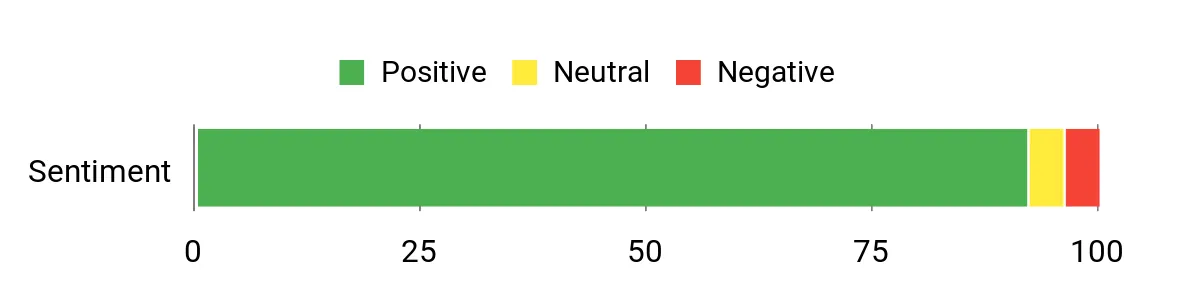
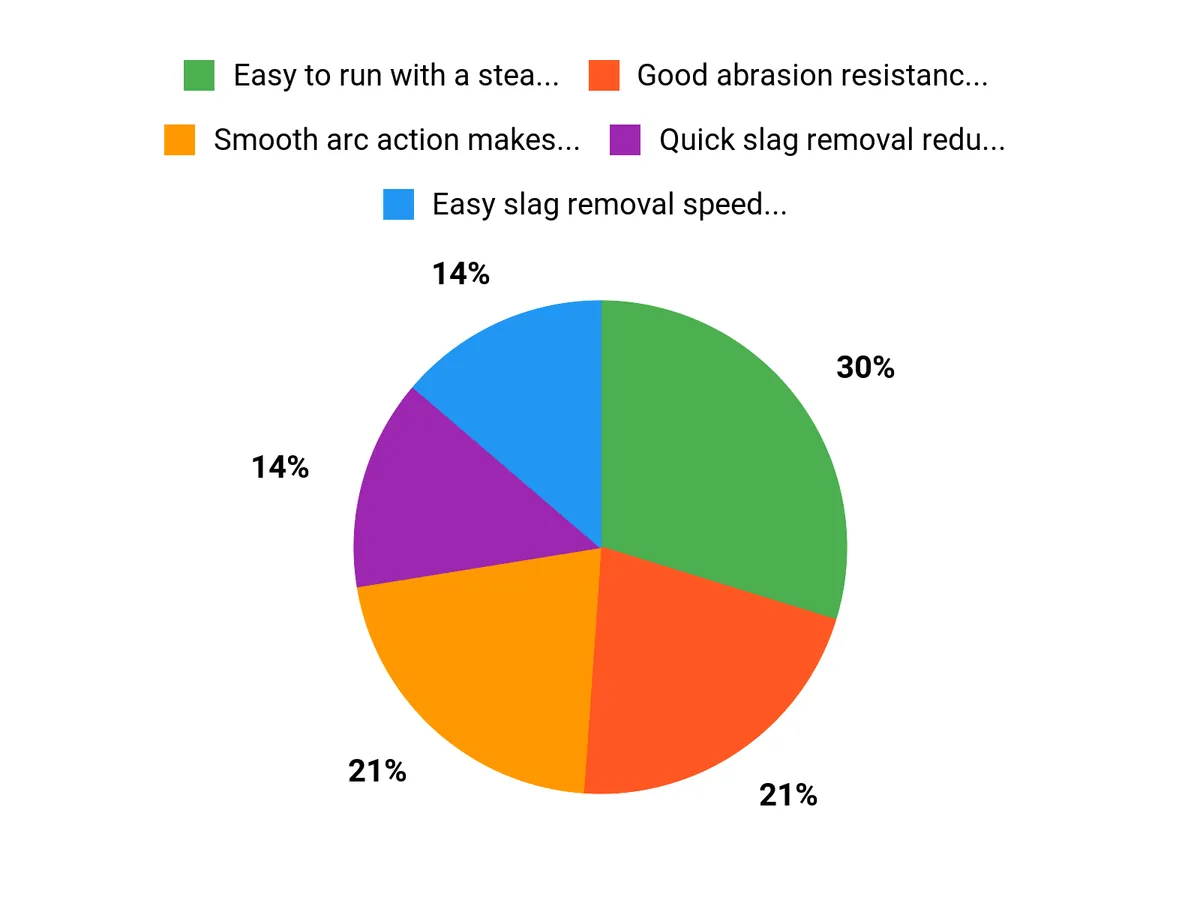
Common buyer feedback themes focus on ease of use, smooth arc behavior, and clean slag removal. The main limitation to keep in mind is that this rod is aimed at moderate abrasion and low-impact service, not severe impact work.
Overall Sentiment: Positive
|
Pros |
Cons |
|---|---|
|
✅ Easy to run with a steady arc |
❌ Not designed for high-impact applications |
|
✅ Good for abrasion-focused resurfacing |
❌ Hard deposits can make grinding and finishing slower |
|
✅ Quick slag removal can reduce post-weld cleanup |
❌ A 1 lb box may be too small for long wear edges or frequent repairs |
|
✅ Handy size for test patches and occasional shop work |
Best Uses
|
Situation |
How It Helps |
|---|---|
|
Plow Points & Tines |
You can build up worn edges to restore profile and extend usable life; best for parts that wear by abrasion rather than impact. |
|
Wear Plates & Scraper Surfaces |
Useful for adding a hard layer to surfaces that scrape, slide, or drag across soil, gravel, or other abrasive material. |
|
Bucket Edges (Light Duty) |
Adds abrasion resistance for scraping and light digging tasks, but avoid using it where heavy impact is constant. |
|
Routine Farm Maintenance |
Handy to keep in the shop for quick fixes and surface buildup when the base metal and repair conditions are suitable. |
Who Should Buy This
- Farmers repairing worn plow points, tines, blades, light bucket edges, and scraping surfaces
- DIY welders who want a rod that starts easily and cleans up without too much frustration
- Shop users who need a practical rod for moderate abrasion instead of severe impact
- Buyers who want a small pack for occasional repair work before buying larger quantities
Who Should Avoid This
- Anyone repairing parts that face constant pounding, crushing, or heavy shock
- Welders who need a specialized high-impact hardfacing alloy
- Users who do not have a welder that can run the recommended amperage range
- Beginners who have not practiced heat control, slag removal, and multi-pass buildup on scrap metal
Before You Buy
|
Check |
Why It Matters |
|---|---|
|
Wear Type |
Match this rod to abrasion and low-impact wear, not severe impact or shock loading. |
|
Welder Output |
Confirm your machine can support the listed 115–160 amp range for 5/32 inch rods. |
|
Base Metal |
Check whether your part is mild steel, cast steel, manganese steel, high-carbon steel, or another alloy that needs special preparation. |
|
Prep and Safety |
Clean the metal, manage heat, remove slag between passes, and wear proper welding PPE. |
Safety Note
Hardfacing creates intense heat, fumes, slag, sparks, and grinding dust. Work in a ventilated area, use proper welding protection, keep flammables away, and follow the rod and base-metal guidance for preheat, polarity, amperage, and cooling. If you are unsure about the base metal or repair load, test on scrap or consult a qualified welder before repairing a critical part.
Eco Notes
Forney doesn’t list specific eco certifications for this rod. Like all welding consumables, you’ll produce slag, metal dust, and grinding debris; handle and dispose of waste and used materials according to local regulations and recycling options.
Why You’ll Like It
- Smooth arc action makes routine repair welding easier
- Easy slag removal speeds cleanup and reduces rework
- Hard overlay helps resist scraping and sliding abrasion
- Useful for rebuilding worn surfaces when the wear pattern is a good match
- Small pack size works well for test patches and occasional repairs
Hardfacing Rod Buying Guide for Farm Repairs
Hardfacing works best when you match the rod to the way the part fails. A scraper edge that slowly wears thin needs a different overlay than a hammer, crusher part, or loader component that gets repeated shock. Before you weld, decide whether the main problem is abrasion, impact, metal-to-metal wear, heat, or a mix of several conditions.
For many farm repairs, ease of use matters almost as much as hardness. A rod that runs smoothly, removes slag cleanly, and builds up worn edges predictably can save time in a small shop. Still, a very hard surface can be slower to grind, so plan your final shaping work before adding too much material.
Related Guides
FAQ
How Do You Choose The Right Hardfacing Rod For Your Farm Equipment?
You pick a hardfacing rod by matching the rod’s properties to the kind of wear your part sees. Prioritize whether the damage is abrasion such as sliding and grinding, or impact such as hammering and heavy shock. Then check compatibility with the base metal, rod diameter, recommended amperage, and the kind of finish work you need after welding.
For example, the Forney 42401 Supercote is best suited to moderate abrasion and low-impact work. The listed specs point to a 5/32 inch rod and a 115–160 amp range, so confirm your welder can run it before ordering. If the part is critical, make a small test patch on similar metal so you can check adhesion, cracking, and grindability before doing the full repair.
How Should You Apply Hardfacing Rods And What Settings Work Best?
You’ll get the best results when you prepare the part, control heat, and follow the rod’s recommended settings. Clean the area down to bright metal, remove scale and oil, and bevel edges where you need build-up.
Preheat cast or high-carbon steels as needed to reduce cracking, and follow the guidance for your base metal. For a 5/32 inch Forney 42401 rod, the listed amperage range is 115–160 amps. Apply multiple controlled layers rather than one heavy pass, allow interpass cooling, remove slag between layers, and grind only after the weld has cooled safely.
Wear proper PPE and ensure ventilation. If you’re restoring high-wear surfaces, practice on scrap first to dial in travel speed, angle, and heat so you avoid warping or cracking.
Will Hardfacing Rods Like The Forney 42401 Hold Up On Heavy Impact Parts?
Not necessarily. The Forney 42401 is a better fit for moderate abrasion and low-impact uses. Hardness alone does not guarantee impact resistance. If your equipment sees repeated heavy blows, crushing, or severe shock, choose a hardfacing rod formulated for toughness and impact resistance instead of relying on a high-hardness overlay.
You can improve repair quality by controlling preheat, using thin passes, removing slag between layers, and testing a small patch before committing to a full repair.
Can You Grind Or Shape The Weld After Hardfacing?
Yes, but hardfacing deposits can be slower to grind than mild steel because the overlay is designed to resist wear. Shape the buildup carefully, avoid adding more weld than needed, and use suitable grinding wheels or tools. Let the part cool safely before finishing, and remove slag between passes so the final surface is cleaner.
Is A Small 1 Lb Box Enough For Farm Repairs?
A 1 lb box can be enough for small touch-ups, test patches, and occasional edge buildup. If you maintain several implements or rebuild long wear surfaces, a larger pack may make more sense. Start by measuring the worn area and deciding how many passes you need before choosing a package size.
Why Farmers Choose It
You choose the Forney 42401 Supercote when you need a practical hardfacing rod for scraping wear, worn edges, and moderate abrasion. It is easy to position as a shop-friendly repair option because it focuses on the kind of surface wear many farm parts face during routine use. Just remember that it is not a universal fix for every damaged part, especially parts that take severe impact.
Wrapping Up
You need hardfacing choices that match the wear profile of farm parts, and the right rod can save you time and replacement costs. The Forney 42401 Supercote is a practical option for moderate abrasion and low-impact jobs. It is a sensible pick for routine resurfacing, edge build-up, and shop repairs where the main problem is scraping or sliding wear.
If your application sees heavy impact or shock loading, choose a rod rated for higher impact resistance. For routine resurfacing, compatibility, and predictable layering behavior, pick a rod that balances hardness with weldability and follow proper preparation, preheat, and interpass practice to reduce checking and cracking.
Final Recommendation
Pick the Forney 42401 Supercote if your farm repairs mostly involve scraping wear, worn edges, and moderate abrasion. Choose a different hardfacing rod if your equipment faces heavy impact, crushing, or repeated shock.
This review is reader-supported. When you click through links we may earn a referral commission on qualifying purchases.