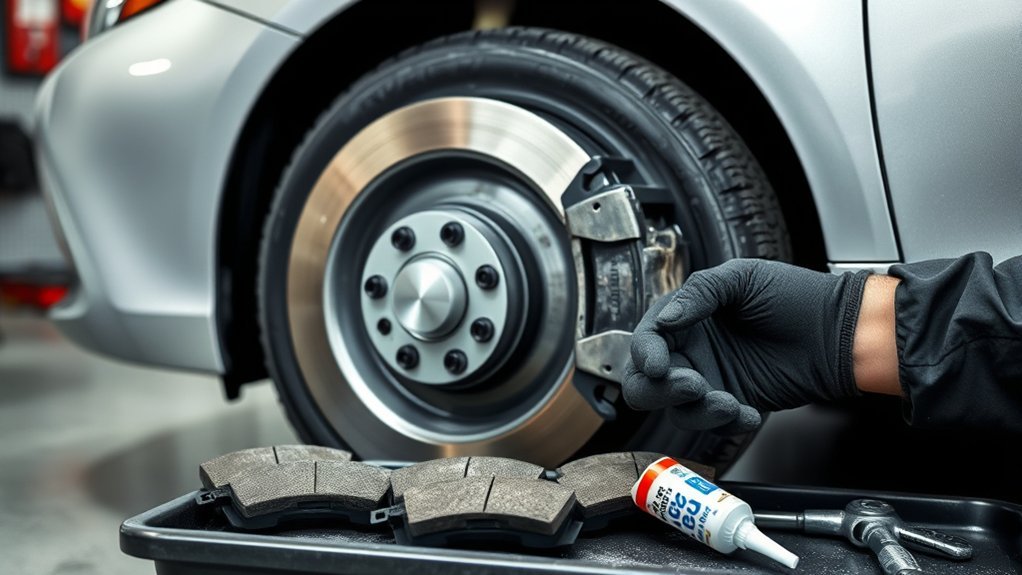
A squealing brake on your Toyota Camry may come from harmless moisture on the rotors, but recurring noise can also indicate worn pads, glazed friction material, loose hardware, rotor damage, contamination, or a brake that is dragging. Start by noting exactly when the sound occurs, checking how the pedal and vehicle feel, and separating a brief environmental noise from a condition that needs inspection.
Quick Answer
Toyota Camry brake squeal often comes from moisture or surface rust, a pad wear indicator, glazed friction material, loose hardware, contamination, or a dragging brake. A sound that clears after a few normal stops may be harmless. Persistent squeal, grinding, pulling, vibration, warning lights, overheating, or weak braking requires inspection.
Key Takeaways
- A brief squeal after rain, washing, or overnight parking can come from a thin film of moisture or light rotor rust.
- A recurring high-pitched sound may come from a pad wear indicator or vibration between the pad, shim, caliper, hardware, and rotor.
- Noise while the brake pedal is released can indicate a rubbing shield, trapped debris, dragging pad, parking-brake component, or caliper fault.
- Grinding, reduced stopping power, pulling, a fluid leak, an abnormal pedal, wheel overheating, or a red brake warning requires immediate attention.
- Never spray WD-40, oil, silicone, or another general-purpose lubricant on pads, rotors, drums, or shoes.
- Use the owner’s manual and repair information for your Camry’s exact model year, market, trim, brake package, and powertrain.
At a Glance
| Time Required | 10 to 20 minutes to document the symptoms and perform a wheel-on visual check |
| Difficulty | Beginner for observation; professional skill and equipment for disassembly, measurement, and repair |
| Tools Needed | Flashlight, gloves, phone or notepad, and the model-specific Toyota owner and maintenance information |
| Cost | No cost for basic observation; inspection and repair costs depend on whether the cause is moisture, hardware, pads and rotors, a caliper, contamination, or a hydraulic fault |
Warning: Stop driving when it is safe and arrange professional service or towing if the pedal sinks, feels unusually soft, the Camry pulls strongly, stopping distance increases, brake fluid is leaking, a wheel is smoking or overheating, metal-on-metal grinding is present, or the red brake-system warning remains on after the parking brake is released. Do not test questionable brakes in traffic.
How to Diagnose and Resolve Brake Squeal in Your Toyota Camry
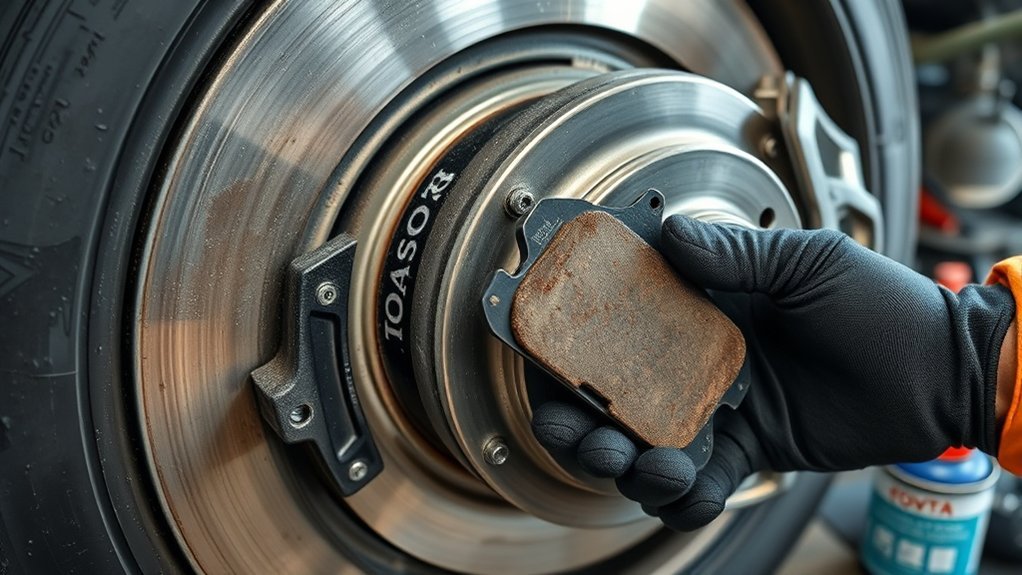
Begin with diagnosis rather than spraying a product or replacing parts at random. Brake squeal is a friction-induced vibration, but the sound depends on the pad, rotor, caliper, shims, hardware, temperature, moisture, pressure, and operating conditions. SAE brake-squeal research also shows why one noise pattern cannot prove one specific component failure.
1. Record When the Noise Occurs
Note whether the squeal happens during the first stop of the day, after rain, only in reverse, during light braking, at low speed, after repeated braking, or after the brakes become hot. Record the approximate speed, direction, pedal pressure, weather, recent brake work, and whether the steering wheel or pedal vibrates.
Try to determine where the noise comes from. A sound from one wheel may point toward local pad wear, debris, a shield, hardware, or a dragging caliper. Noise from both front wheels may relate more to pad formulation, rotor condition, installation, or operating conditions. Sound location alone is not a final diagnosis, but it helps the technician reproduce the problem.
2. Separate Braking Squeal From Noise With the Pedal Released
Squeal that begins only when you press the brake pedal usually involves the pad-to-rotor interface, a wear indicator, glazing, hardware movement, contamination, or rotor condition. A reverse-only squeal can occur when the pads shift slightly in the opposite direction or when hardware reacts differently to reverse rotation. Persistent reverse noise still deserves inspection.
Noise that continues while the vehicle rolls with the pedal released needs a different check. Possible causes include a bent dust shield, trapped stone, dragging pad, seized slide pin, sticking caliper piston, or a parking-brake component that is not releasing fully. A burning smell, smoke, reduced coasting, or one unusually hot wheel makes brake drag more likely.
Warning: Do not touch a wheel, caliper, or rotor that may be overheated. These parts can cause severe burns. Keep clear of smoke and arrange safe service if a wheel appears much hotter than the others.
3. Check for Urgent Brake Symptoms
Before investigating the sound further, confirm that the pedal feels normal and that the Camry stops straight without extra distance. Look for the red brake-system warning, an ABS warning, visible fluid near a wheel or under the vehicle, a burning odor, smoke, grinding, or a sudden change in pedal travel.
A continuously sinking pedal is not an ordinary pad-noise symptom. It may indicate air, an external leak, internal master-cylinder bypass, overheated or boiling fluid, or another brake-system fault. Heat-related fade may make the pedal feel softer after repeated hard braking, but that condition also requires diagnosis. Toyota’s current guidance states that a red brake-system warning may indicate low brake fluid or a brake-system malfunction and directs the driver to stop safely.
4. Perform a Basic Visual Check
Park on level ground, switch the vehicle off, apply the parking brake when appropriate, and allow the brakes to cool. Use a flashlight through the wheel openings to look for deep rotor grooves, heavy scaling or pitting in the swept braking area, visible fluid, a shield touching the rotor, a missing clip, or obviously damaged components.
This wheel-on check has limits. The inner brake pad is often difficult or impossible to see and may be much thinner than the visible outer pad. A rotor can also be below its service limit or have excessive runout without looking severely damaged. A complete inspection requires safe lifting, wheel removal, pad measurements, rotor measurements, and the correct service information.
Warning: Never crawl beneath a vehicle supported only by a jack, and do not rely on the emergency tire-change jack for brake inspection or repair. Proper lifting points, rated stands or a lift, wheel chocks, torque specifications, and trained procedures are required.
5. Use Brake-Specific Service Methods
A technician may remove the pads and inspect the friction material, pad abutments, clips, shims, caliper slide pins, piston movement, mounting hardware, hoses, rotors, shields, and wheel hub. The inspection should compare the inner and outer pad thickness and look for taper wear, cracking, glazing, contamination, heat discoloration, or a pad that does not move freely in its bracket.
Brake lubricant belongs only on the metal contact points specified by the vehicle or parts manufacturer. It must never contact the pad face, rotor face, drum, or shoe lining. Brake manufacturers warn that grease, oil, and mineral-oil-based products on friction surfaces can reduce braking performance and may require replacement of contaminated pads.
Pro Tip: Bring a short recording of the sound and notes about speed, direction, weather, brake temperature, pedal pressure, recent service, and pedal feel. Intermittent noises can be difficult to reproduce during a brief shop visit.
If the sound continues after correct cleaning, installation, and break-in, the repair may require replacement pads, rotor resurfacing where the manufacturer permits it, new rotors, new shims or clips, caliper service, shield adjustment, leak repair, or correction of another contact point. The parts and procedure must match the exact Camry application.
Top Reasons for Brake Squeal in Your Toyota Camry
The sound’s timing and character can narrow the likely cause, but pad and rotor measurements and a complete hardware inspection provide the final answer.
| Likely Cause | Typical Clue | Usual Response |
|---|---|---|
| Moisture or light surface rust | Noise during the first few stops after rain, washing, humidity, or overnight parking | Monitor whether it clears quickly while braking remains normal |
| Pad wear indicator | Repeated high-pitched squeal that returns during braking | Measure both inner and outer pad thickness and compare the wear pattern |
| Glazed pad or rotor surface | Squeal after overheating, repeated heavy braking, dragging, or an incorrect break-in procedure | Inspect the friction surfaces and correct the source of excess heat |
| Loose, worn, incorrect, or dry hardware | Noise after brake work, in reverse, or during light pedal pressure | Inspect clips, shims, pad fit, slide pins, mounting points, and fastener torque |
| Contaminated friction material | Noise with grabbing, uneven braking, odor, leakage, or visible residue | Find the source and replace friction material that has absorbed oil, grease, or brake fluid |
| Rotor condition or excessive runout | Noise combined with pedal pulsation or steering-wheel vibration | Measure thickness, thickness variation, runout, and surface condition |
| Dragging caliper or restricted pad movement | Noise while rolling, burning odor, reduced coasting, uneven wear, or one hot wheel | Inspect the piston, slides, pad abutments, hose, and parking-brake release |
| Rubbing shield or trapped debris | Scraping or squealing that changes with wheel speed and may occur without braking | Inspect the shield-to-rotor clearance and remove debris using a safe service method |
Brake-pad material can influence noise, dust, pedal feel, wear, and heat behavior, but labels such as ceramic, semi-metallic, or organic do not guarantee a quiet result. The complete pad formulation, rotor condition, hardware, installation, driving pattern, and brake design all matter.
How Weather Conditions Affect Camry Brake Noise
Weather can change brake noise without creating a permanent fault. It can also expose corrosion, restricted hardware, or an existing pad problem, so pay attention to how long the sound lasts and whether braking performance changes.
Cold Weather Effects
Cold pads, rotors, shims, and hardware may sound different until normal braking produces heat. A squeal that appears only during the first few gentle stops and then disappears may be environmental. A sound that continues throughout the drive, becomes louder, or appears with pulling or vibration needs inspection.
No single pad category is automatically best for every cold-weather situation. Select pads by the exact Toyota application, intended use, compatible rotor, included hardware, and the manufacturer’s performance specifications.
Moisture and Rust
Brake rotors are commonly made from iron and can develop a thin rust film after rain, washing, high humidity, or overnight parking. The pads normally wipe light rust from the swept area during the first few stops, sometimes producing a brief scrape or squeal.
Arrange a closer inspection when the noise does not clear, the rotor has heavy scaling or deep pitting, the vehicle has been stored for a long time, or braking feels uneven. Corrosion can also restrict pad movement, seize slide pins, weaken clips, bend shields, or affect parking-brake components.
Note: A Camry Hybrid can recover electrical energy while slowing, but it still has conventional friction brakes that require inspection and maintenance. Regenerative-braking behavior and service procedures vary by model year, so use the correct Toyota information before working on the system.
Signs Your Brake Pads May Need Replacement
Noise can signal pad wear, but sound is not a reliable measurement. Pad thickness, the inner-to-outer wear pattern, rotor condition, heat damage, and Toyota’s model-specific service limits determine whether replacement is required.
Unusual Noises While Braking
A high-pitched squeal may come from a mechanical wear indicator touching the rotor. Grinding can mean the friction material is severely worn and metal is contacting the rotor, although trapped debris, a shield, or another damaged component can produce a similar sound.
Both the inner and outer pads must be checked. A seized slide pin, restricted pad abutment, sticking piston, damaged hose, or installation problem can cause the hidden inner pad to wear much faster than the pad visible through the wheel.
Reduced Stopping Power or Abnormal Pedal Feel
Longer stopping distance, pulling, overheating, smoke, or a major change in pedal feel is more serious than noise alone. A pedal that sinks while steady pressure is held can indicate an external leak, air, internal master-cylinder bypass, boiling fluid, or another hydraulic or electronically controlled brake fault.
Old or moisture-contaminated brake fluid may reduce resistance to heat-related boiling, but it should not be used as a catch-all explanation for a sinking pedal. The complete system must be diagnosed before parts or fluid are replaced.
| Sign | What It May Mean | What to Do |
|---|---|---|
| Brief squeal after rain | Moisture or light surface rust | Monitor if it clears after a few normal stops and braking remains normal |
| Persistent high-pitched squeal | Wear indicator, glazing, hardware movement, contamination, or pad vibration | Arrange an inspection soon |
| Noise with the pedal released | Dragging brake, rubbing shield, debris, or parking-brake contact | Limit driving and inspect promptly, especially if heat or odor is present |
| Grinding | Severe wear, debris, shield contact, or component damage | Stop driving when safe and inspect immediately |
| Soft or sinking pedal | Possible hydraulic or brake-control fault | Do not continue normal driving |
| Pulling, weak braking, smoke, or overheating | Uneven application, contamination, caliper, hose, parking-brake, or hydraulic problem | Arrange immediate professional diagnosis or towing |
Why Correct Brake Parts and Installation Matter
Brake parts must match the Camry’s exact model year, market, trim, wheel and brake package, powertrain, and production configuration. Correct fit affects pad movement, shim position, hardware tension, rotor dimensions, cooling, pedal feel, and noise.
Toyota Genuine parts are one application-specific option. Reputable aftermarket parts can also work well when they meet the required specifications and include the correct shims, clips, wear indicators, and installation instructions. Do not choose solely by price or a ceramic, semi-metallic, or organic label.
Installation quality matters as much as the brand. Rust beneath abutment clips, seized slide pins, incorrect pad orientation, excessive rotor runout, contaminated friction surfaces, missing shims, reused damaged hardware, or incorrect fastener torque can make a premium pad noisy or unsafe.
Essential Toyota Camry Brake Maintenance Tips
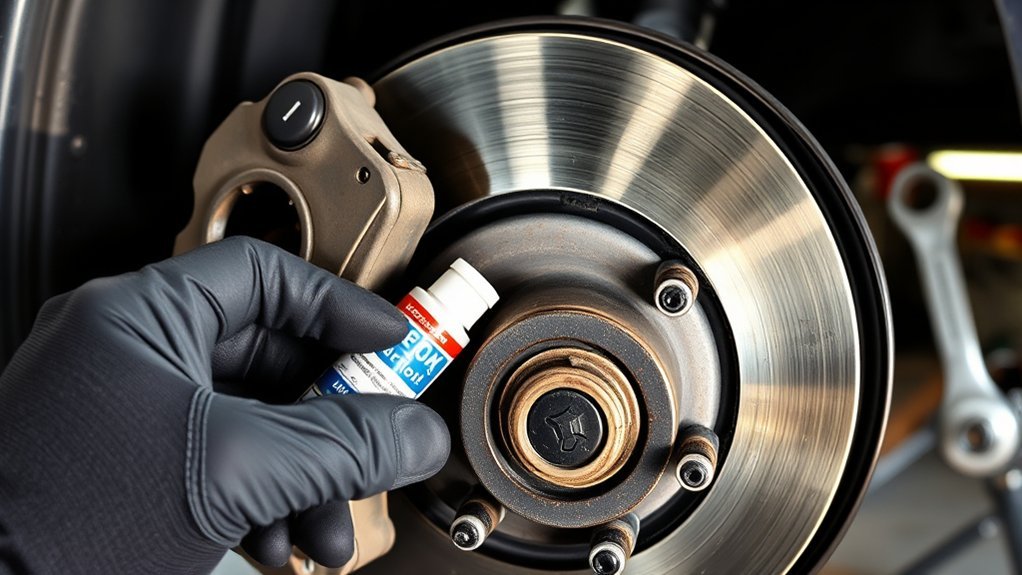
Preventive inspection can catch uneven wear, corrosion, leakage, and hardware problems before they damage rotors or affect stopping. The correct interval depends on the model year, mileage, driving conditions, and Toyota’s maintenance schedule.
Regular Inspection Schedule
Do not rely on a universal 10,000-mile brake rule. Use the Toyota manuals and warranty guide lookup for your exact Camry, and arrange an earlier inspection when persistent noise, pulling, vibration, overheating, leakage, or pedal changes appear.
- Measure the inner and outer pad thickness and compare their wear patterns.
- Inspect rotors for scoring, heat spots, cracks, pitting, thickness variation, and excessive runout.
- Check caliper slides, boots, pistons, clips, shims, hoses, and visible fluid leakage.
- Confirm that shields, wear indicators, and parking-brake components are not rubbing.
- Inspect and clean the rotor-to-hub mounting surface when rotor runout is being diagnosed.
- Use only the brake-fluid specification and service guidance listed for the exact model year.
Do not repeatedly refill a reservoir that is losing fluid. The fluid level can fall slightly as pads wear, but frequent or rapid loss can indicate leakage or another serious problem that requires diagnosis.
Quality Parts Selection
Select pads, rotors, shims, clips, and hardware listed for the vehicle’s exact configuration. If noise began immediately after service, verify all of the following:
- The pad, rotor, shim, and hardware part numbers match the VIN-based application.
- Directional or inner-and-outer pads are installed in their correct positions.
- The pad ears move freely in clean, undamaged abutments.
- Clips, springs, shims, wear indicators, and electronic connectors are positioned correctly.
- The rotor coating or shipping residue was removed as the manufacturer directs.
- The rotor-to-hub surface is clean and rotor runout is within specification.
- Caliper, bracket, and wheel fasteners were tightened in the proper sequence to the correct torque.
- Brake-specific lubricant was used only at approved contact points.
Ceramic pads are often marketed as quiet, but they are not automatically the correct choice for every Camry or driving pattern. The best choice is the formulation validated for the application and installed with compatible rotors and hardware.
Proper Bedding Procedures
Bedding helps new pads and rotors establish a stable contact pattern and an even transfer layer. The correct procedure varies by pad and rotor manufacturer. Follow the instructions supplied with the installed parts or Toyota’s repair procedure instead of using a generic series of aggressive stops.
- Confirm that the pedal is firm and that the brake work has been checked before moving the vehicle.
- Choose a legal, traffic-free location with adequate distance and visibility.
- Follow the specified speeds, pedal force, number of stops, and cooling periods.
- Avoid holding very hot pads against one stationary point on the rotor unless the instructions specifically require it.
- Stop immediately if the vehicle pulls, the pedal becomes abnormal, smoke appears, or braking performance drops.
Some replacement pads require only normal moderate driving, while other compounds use a specific heat cycle. The instructions for the installed components take priority.
Toyota Camry Brake-Squeal Decision Guide
Use this sequence to choose the safest next step:
- Noise only after rain, washing, or overnight parking: Make a few gentle, normal stops in a safe area. If the sound clears and braking remains normal, continue to monitor it.
- Noise during most light stops: Arrange a pad, rotor, shim, clip, caliper-slide, and hardware inspection.
- Noise only in reverse: Check for pad movement, directional installation, clip or shim problems, rotor condition, and parking-brake contact.
- Noise while rolling with the pedal released: Inspect for brake drag, a rubbing shield, trapped debris, or a parking-brake component that is not fully releasing.
- Noise that began after brake service: Recheck part fit, pad orientation, hardware placement, rotor preparation, approved lubrication points, hub cleanliness, torque, and bedding instructions.
- Noise with pedal or steering vibration: Measure rotor runout and thickness variation and inspect the hub mounting surface, wheel-fastener torque, wheel bearing, and suspension play.
- Noise with pulling, weak braking, heat, odor, leakage, or an abnormal pedal: Stop normal driving and arrange professional diagnosis or towing.
Do not judge brake condition by sound alone. A quiet brake can still be worn or leaking, and a noisy brake may retain normal stopping force for the moment. Measurements and inspection establish the difference.
When Should You Call a Professional?
Professional service is the safest choice when the problem involves more than a brief moisture-related squeal. Contact a qualified technician when:
- The squeal continues after the brakes warm and dry.
- You hear grinding, scraping, clunking, or repeated clicking.
- The pedal is soft, sinking, unusually hard, pulsating, or has suddenly changed travel.
- The Camry pulls, vibrates, overheats a wheel, produces smoke, or needs more distance to stop.
- You see a fluid leak or the red brake-system warning remains on.
- The noise occurs while rolling without the pedal being pressed.
- The noise began after repair and the installer cannot confirm the cause.
- You lack proper lifting equipment, torque data, measuring tools, scan equipment, or hybrid-brake service knowledge.
Ask the shop to document the inner and outer pad thickness, rotor thickness and runout, friction-surface condition, hardware and caliper condition, signs of leakage or drag, and the result of the road test. A measured diagnosis is more useful than replacing pads solely because they squeal.
The repair cost depends on the cause. Cleaning or correcting a shield or clip is different from replacing pads and rotors, repairing a seized caliper, correcting a hydraulic leak, or diagnosing an electronically controlled hybrid brake system. Request an itemized estimate tied to the inspection findings.
What Camry Owner Reports Can and Cannot Tell You
Camry owners may report squeal during low-speed stops, reverse maneuvers, cold starts, wet weather, or after recent brake work. Those reports can help identify a pattern, but they do not prove that every Camry has the same failed part or that the sound is normal for your vehicle.
Model year matters because brake size, pad formulation, parking-brake design, hybrid hardware, software, and service procedures can change. Check your 17-character VIN through Toyota’s recall and service-campaign lookup and the NHTSA recall database. Recall status can change, and a squeal by itself does not establish that a recall applies.
When discussing the issue online or with a technician, include the model year, trim, powertrain, mileage, recent brake work, weather, speed, direction, pedal pressure, whether the noise occurs with the pedal released, and whether the pedal or steering wheel vibrates.
How to Reduce Future Brake Noise
No service method can prevent every brake sound, but careful parts selection and installation reduce avoidable squeal:
- Use application-correct parts: Match pads, rotors, shims, clips, and wear indicators to the exact Camry configuration.
- Prepare contact surfaces: Remove corrosion where pads and clips must move without grinding away or weakening the caliper bracket.
- Lubricate only approved points: Use the specified brake product in the amount and locations listed by Toyota or the component manufacturer.
- Keep friction surfaces clean: Prevent grease, brake fluid, oil, silicone, and general-purpose sprays from reaching pads, shoes, rotors, or drums.
- Check caliper movement: Correct seized slides, restricted pad movement, damaged boots, piston problems, or a hose fault before installing new friction material.
- Inspect the rotor and hub: Correct excessive runout, thickness variation, scoring, pitting, or corrosion rather than installing pads over a damaged surface.
- Replace damaged hardware: Do not reuse clips or shims that are bent, heavily corroded, weakened, or incorrect for the application.
- Follow the correct bedding procedure: Use the instructions for the installed components and observe the required cooling periods.
- Investigate uneven wear: A pad wearing faster on one side often points to restricted movement, a piston, hose, hardware, or installation problem.
Warning: Do not blow brake dust with compressed air or dry-brush it into the air. OSHA’s automotive brake and clutch provisions call for controlled methods such as HEPA-vacuum or low-pressure wet cleaning where asbestos exposure may be possible. Wear appropriate protection and follow all workplace, product, and local disposal rules.
Brake squeal is a symptom, not a diagnosis. The safest repair matches the noise pattern with pad measurements, rotor condition, hardware movement, caliper operation, hydraulic checks, and the conditions under which the sound occurs.
Frequently Asked Questions
Why do Toyota Camry brakes squeak?
Common causes include moisture or surface rust, a pad wear indicator, glazed friction material, loose or incorrect hardware, rotor problems, contamination, a rubbing shield, or vibration between brake components. A dragging caliper can also create heat and noise. Inspection confirms the cause.
How do you fix squeaky brakes on a Toyota?
First identify when the sound occurs and check for weak braking, pulling, vibration, warning lights, leakage, heat, or an abnormal pedal. The repair may involve servicing hardware, correcting rotor or shield contact, replacing worn or contaminated pads, repairing a dragging caliper, or following the correct bedding procedure.
Why are my brakes squeaking if they still stop normally?
Moisture, light surface rust, friction-material characteristics, or component vibration can create noise before stopping performance changes. A pad wear indicator can also squeal while the pedal still feels normal, so recurring noise should be inspected rather than ignored.
Why do my Camry brakes squeal only in reverse?
Changing direction can make the pads shift against their clips, shims, or abutments differently. Reverse-only squeal can also involve directional-pad installation, rotor condition, parking-brake contact, or hardware movement. Persistent noise after brake service should be rechecked.
Why do the brakes squeal after new pads were installed?
Possible causes include incorrect parts, missing or misplaced hardware, pads that cannot move freely, unprepared rotors, excessive runout, contamination, incorrect lubrication, directional pads installed in the wrong position, or a bedding procedure that does not match the parts.
Can I spray WD-40 on my car brakes to stop squeaking?
No. WD-40 Multi-Use Product, oil, silicone, and other general-purpose lubricants can contaminate friction surfaces and reduce braking. Use only the brake-specific product and contact points identified by the repair procedure, and keep all lubricant away from the pad and rotor faces.
Is brake squeal after rain normal?
A brief squeal or light scraping sound during the first few stops can occur when moisture creates a thin rust film on the rotors. Arrange an inspection if the sound does not clear, braking changes, the rotor is heavily pitted, or the vehicle has been stored for an extended period.
Can I drive with squeaky brakes?
A brief moisture-related squeal may clear after a few normal stops, but persistent noise needs inspection. Do not continue normal driving with grinding, weak braking, pulling, an abnormal pedal, leakage, smoke, overheating, a red brake warning, or noise from a brake that appears to be dragging.
Conclusion
Toyota Camry brake squeal can come from a harmless wet rotor or a condition that needs immediate repair. First determine whether the noise occurs only during braking or continues with the pedal released. Then check the pedal feel, warning lights, stopping performance, heat, odor, leakage, and vibration. Monitor only a brief moisture-related sound that clears while braking remains normal. Arrange inspection for persistent squeal, and stop driving when the noise appears with grinding, pulling, overheating, leakage, warning lights, or reduced braking.
Sources
- Toyota Manuals and Warranties — model-specific owner, warning-light, maintenance, fluid, and service information.
- Toyota Safety Recall and Service Campaign Lookup — VIN- and license-plate-based checks for applicable Toyota campaigns.
- National Highway Traffic Safety Administration Recall Lookup — federal vehicle recall and safety-issue searches.
- OSHA 29 CFR 1910.1001 — Asbestos — automotive brake-and-clutch dust-control requirements and compressed-air restrictions.
- SAE Technical Paper: On Automotive Disc Brake Squeal Part III — component, operating-condition, friction, moisture, and vibration factors involved in brake squeal.
- Brembo Brake Rotor and Pad Fitting Instructions — friction-surface contamination, approved grease locations, rotor checks, and safe brake-service practices.
