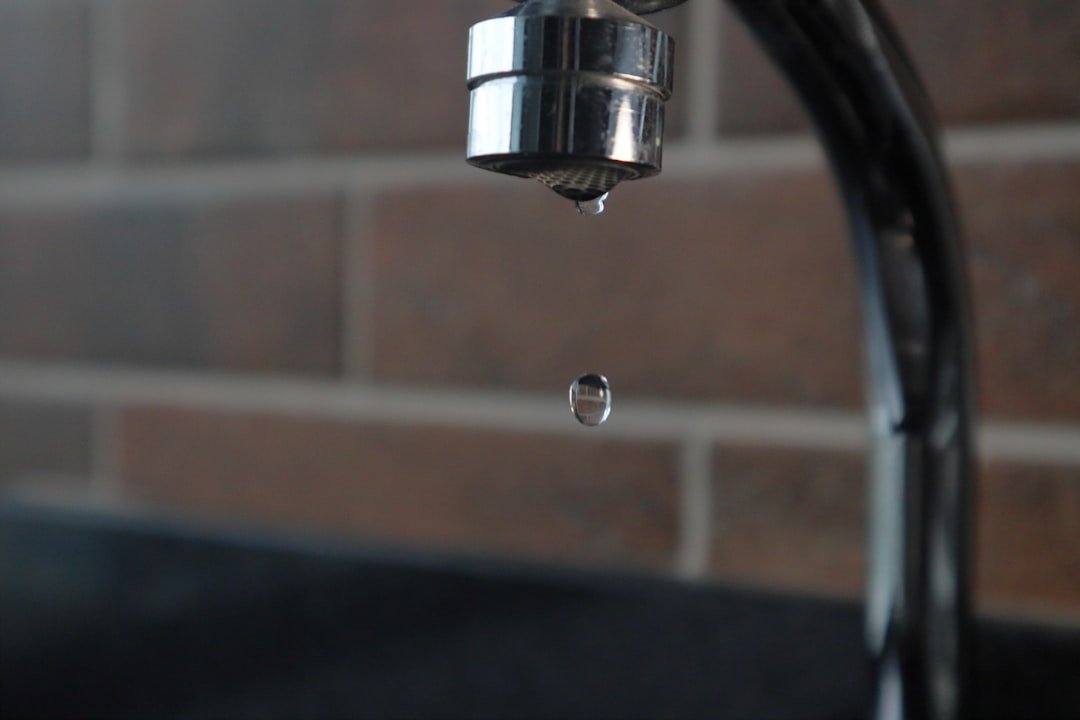
Coolant leaks are a serious concern for vehicle owners because they can lead to overheating, poor heater performance, and expensive engine damage when ignored. Coolant, which is a mixture of water and antifreeze, helps regulate engine temperature, protect internal parts, and keep the cooling system working correctly.
When coolant escapes from the system, your vehicle may lose the ability to control engine heat. You may notice a puddle under the vehicle, a sweet smell near the engine bay, a low coolant warning, or a rising temperature gauge. Finding the source early helps you avoid larger repairs and keeps your vehicle safer to drive.
Quick Answer
The most common causes of coolant leaks include worn radiator hoses, a damaged radiator, a failing water pump, corroded cooling-system parts, a leaking heater core, a bad gasket, or improper coolant levels. You should stop driving if the engine overheats and inspect the system before more damage occurs.
Key Takeaways
- Coolant leaks can cause overheating and serious engine damage if you ignore them.
- Common leak points include hoses, radiator seams, the water pump, heater core, gaskets, and corroded metal parts.
- Warning signs include puddles, a sweet smell, steam, low coolant, white exhaust smoke, or an overheating engine.
- Regular inspections, correct coolant type, and timely repairs help prevent cooling-system failure.
- Do not keep driving a vehicle that is overheating or quickly losing coolant.
Warning: Never remove the radiator cap while the engine is hot. Pressurized coolant can spray out and cause burns. Let the engine cool before checking coolant level or inspecting the system.
Common Causes of Coolant Leaks
Coolant leaks can come from several parts of a vehicle’s cooling system. One of the most common causes is the deterioration of hoses and connections that move coolant between the engine, radiator, heater core, and reservoir. Heat, vibration, pressure, age, and chemical exposure can weaken these parts over time.
Improper installation can also create leaks. A loose clamp, misaligned hose, damaged fitting, or old seal may allow coolant to escape even when the main part still looks usable. That is why regular visual inspections are important, especially on older vehicles or vehicles with high mileage.
Another common cause is gasket or seal failure. Gaskets help seal different engine and cooling-system parts. When a gasket wears out, hardens, cracks, or loses its sealing ability, coolant may leak externally or enter areas where it should not go. Some gasket leaks are easy to see, while others require professional diagnosis.
Corrosion and Rust

Corrosion happens when metal parts react with moisture, oxygen, old coolant, or contamination inside the cooling system. In a vehicle, corrosion can damage the radiator, water pump, thermostat housing, heater core, metal coolant pipes, and even parts of the engine block.
When rust or corrosion weakens a component, small holes or thin spots can form. These weak areas may leak slowly at first, then worsen as the cooling system heats up and builds pressure. Older vehicles and vehicles with neglected coolant service are more likely to develop corrosion-related leaks.
Rust can also reduce cooling-system efficiency. If corrosion flakes build up inside the radiator or coolant passages, coolant flow may become restricted. That can increase engine temperature and place more stress on hoses, seals, and gaskets.
Routine maintenance helps reduce corrosion risk. Flushing the cooling system when needed, using the correct coolant type, and keeping the coolant mixture clean can help protect metal components. High-quality coolant with corrosion inhibitors can also help slow rust formation.
Pro Tip: If your coolant looks rusty, muddy, oily, or full of floating debris, do not just top it off. Have the cooling system inspected because contamination can point to corrosion, gasket trouble, or internal damage.
Damaged Radiator Hoses
| Month | Number of Damaged Radiator Hoses | Cost of Repairs |
|---|---|---|
| January | 15 | 500 |
| February | 12 | 450 |
| March | 18 | 600 |
Radiator hoses carry coolant between the engine and radiator. These hoses are usually made from rubber or silicone and must handle heat, pressure, vibration, and constant temperature changes. Over time, they can become brittle, swollen, soft, cracked, or loose at the ends.
When a radiator hose fails, coolant can drip, spray, or run down nearby parts. A small seep may only leave crusty residue near a clamp. A major hose failure can empty coolant quickly and cause the engine to overheat within minutes.
Check radiator hoses when the engine is cool. Look for visible cracks, bulges, soft spots, collapsed sections, loose clamps, wet areas, or dried coolant stains. Also pay attention to coolant pooling beneath the vehicle or a sweet smell from the engine compartment.
Replacing damaged hoses quickly can prevent more expensive repairs. If one hose is badly aged, inspect the other hoses too because they may be close to the same condition.
Faulty Water Pump
The water pump is a vital part of the cooling system. It circulates coolant through the engine, radiator, heater core, and related passages. If the pump wears out, the cooling system may leak coolant or fail to move coolant properly.
Common signs of a failing water pump include coolant leaking near the front of the engine, a whining or grinding noise from the engine bay, overheating, steam, or coolant residue around the pump area. Some water pumps leak from a small weep hole when the internal seal begins to fail.
A bad water pump can create two problems at once. It may leak coolant, and it may also stop circulating coolant effectively. That can create hot spots inside the engine and lead to severe overheating.
Regular maintenance checks should include inspecting the water pump area for wet spots, noise, pulley wobble, and dried coolant residue. If any of these signs appear, replace the pump promptly to restore proper cooling-system function.
Cracked or Damaged Radiator

The radiator works as a heat exchanger. It helps remove heat from the coolant before the coolant returns to the engine. Over time, radiators can crack, corrode, clog, or develop leaks at seams, tanks, fittings, or damaged fins.
A cracked radiator can cause major coolant loss and overheating. Plastic radiator tanks may become brittle with age, while metal sections may corrode or weaken. Physical impact from road debris can also puncture or damage the radiator.
You can often identify radiator damage by looking for wet areas, white or colored residue, corrosion, steam, or a sudden drop in coolant level. If coolant level keeps falling but you do not see a clear hose leak, the radiator should be inspected closely.
Regularly maintaining the radiator can help prevent corrosion and flow problems. If the radiator is cracked, badly corroded, or leaking at a seam, replacement is often the safest repair.
Overheating Engine
An overheating engine can be both a symptom and a cause of coolant leaks. When an engine runs hotter than normal, pressure inside the cooling system can rise. That added pressure may worsen weak hoses, gaskets, seals, and radiator seams.
At the same time, a coolant leak can reduce the system’s ability to control engine temperature. Low coolant means less heat transfer, so the engine may overheat quickly. This cycle can turn a small leak into a major failure.
Most vehicles have a temperature gauge or warning light that shows when the engine is getting too hot. If you see the temperature rise above normal, pull over safely, turn off the engine, and let it cool before checking anything.
Do not continue driving an overheating vehicle unless you are moving it a very short distance to a safe location. Continued driving can warp engine components, damage gaskets, and lead to expensive repairs.
Note: A low coolant reservoir does not always prove there is an external leak. Coolant may also leak internally through a head gasket, intake gasket, heater core, or other hidden failure point.
Leaking Heater Core
The heater core is a small radiator-like part located inside the vehicle’s cabin. It uses hot coolant to provide warm air for passenger comfort during colder weather. If the heater core leaks, coolant may enter the cabin instead of staying inside the cooling system.
A leaking heater core often causes wet carpet, a sweet smell inside the vehicle, foggy windows, poor heater performance, or oily residue on the windshield. Because the heater core sits inside the dash area, the leak may not leave an obvious puddle under the engine bay.
A heater core leak can create more than a comfort problem. Coolant inside the cabin can damage carpet, insulation, trim, and nearby electrical components. Moisture may also encourage mildew or mold if the leak continues.
If you suspect a heater core leak, have the vehicle inspected by a qualified mechanic. Heater core repair or replacement can involve dashboard disassembly, so accurate diagnosis matters before major work begins.
Head Gasket Failure
The head gasket seals the area between the engine block and cylinder head. It helps keep combustion pressure, engine oil, and coolant separated. When this gasket fails, coolant can leak externally, enter the combustion chamber, or mix with engine oil.
Possible signs of head gasket failure include white smoke from the exhaust, milky oil on the dipstick or oil cap, bubbling in the coolant reservoir, unexplained coolant loss, overheating, rough running, or a sweet smell from the exhaust.
Head gasket failure is more serious than many other coolant leaks. It often requires detailed testing, such as a cooling-system pressure test, compression test, leak-down test, or chemical test for combustion gases in the coolant.
Repairing a blown head gasket is usually labor-intensive because engine parts may need to be removed. Preventive maintenance, proper coolant levels, and quick action when overheating occurs can reduce the risk of head gasket damage.
Improper Coolant Levels
Maintaining proper coolant level is essential for cooling-system performance. Low coolant can result from leaks, evaporation over time, trapped air after service, or incorrect filling during maintenance. If coolant level drops too low, the engine may overheat.
Checking coolant level should be part of routine vehicle maintenance. Most vehicles have a coolant reservoir with minimum and maximum marks. Check the level only when the engine is cool, and use the coolant type recommended for your vehicle.
If coolant level is consistently low, do not keep topping it off without finding the cause. Repeated low coolant may point to a hidden leak, bad radiator cap, failing water pump, heater core leak, head gasket problem, or another cooling-system issue.
Too much coolant can also create problems. Overfilling the reservoir may cause overflow when the system heats up and expands. Follow the marks on the reservoir or your owner’s manual guidance.
Other Coolant Leak Sources to Check
Some coolant leaks do not come from the most obvious parts. A worn radiator cap can fail to hold pressure, which may cause coolant to escape into the overflow area or boil at a lower temperature. A faulty thermostat housing can also leak around its gasket or connection point.
Coolant reservoirs can crack with age, especially plastic tanks exposed to heat cycles. Small cracks may leak only when the engine is hot and pressure rises. Metal coolant pipes, bypass hoses, intake manifold gaskets, and freeze plugs can also leak on some vehicles.
If you cannot see the leak, a mechanic may use a pressure tester, UV dye, or cooling-system inspection tools to locate it. This helps confirm the source before replacing parts unnecessarily.
How to Identify a Coolant Leak Safely
Start by parking the vehicle on a level surface and letting the engine cool completely. Look under the front or middle area of the vehicle for puddles. Coolant may appear green, orange, pink, yellow, blue, or purple depending on the type used.
Next, inspect visible hoses, the radiator, reservoir, water pump area, and hose connections. Look for wet spots, stains, crusty residue, cracks, swelling, or loose clamps. A flashlight can help you see around tight engine areas.
Check the coolant reservoir level when the engine is cool. If the level is low, refill only with the correct coolant mixture for your vehicle. If the level drops again quickly, the system needs further diagnosis.
Also watch for less obvious symptoms. A sweet smell, heater problems, steam, white exhaust smoke, milky oil, or repeated overheating can point to coolant loss even when no puddle appears under the vehicle.
When to Call a Mechanic
You can often spot simple signs of a coolant leak, but not every leak is safe or easy to repair at home. Call a mechanic if the engine overheats, coolant disappears quickly, the leak source is hidden, or you suspect head gasket failure.
You should also get professional help if coolant is mixing with oil, white smoke comes from the exhaust, the heater core is leaking inside the cabin, or the vehicle keeps losing coolant after a hose or clamp repair.
A professional inspection can prevent guesswork. Cooling-system pressure testing can show whether the system holds pressure, while dye testing can reveal small leaks that are hard to see with a basic visual check.
Conclusion and Prevention Tips
Preventing coolant leaks starts with proactive maintenance and regular inspections. Check hoses, clamps, the radiator, the coolant reservoir, the water pump area, and visible connections for early signs of wear. Replace weak parts before they fail completely.
Use the correct coolant type and mixture for your vehicle. Old, contaminated, or incorrect coolant can reduce protection against corrosion and may shorten the life of cooling-system parts. Follow your vehicle’s maintenance schedule for coolant service.
Pay attention to warning signs. Puddles, sweet smells, steam, overheating, heater issues, and repeated low coolant should not be ignored. Quick diagnosis can turn a small repair into a manageable fix instead of a major engine problem.
Educating yourself about your vehicle’s cooling system helps you act early. By checking coolant levels, watching temperature readings, and addressing leaks promptly, you can keep your vehicle more reliable and reduce the risk of expensive damage.
FAQs
What are common causes of coolant leaks?
Common causes of coolant leaks include a damaged or worn radiator, a cracked or damaged hose, a faulty water pump, a leaking head gasket, a corroded heater core, a worn radiator cap, or a leaking thermostat housing.
How can I identify a coolant leak?
You can identify a coolant leak by checking for puddles under your vehicle, a sweet smell near the engine or inside the cabin, an overheating engine, steam, low coolant in the reservoir, or dried coolant residue around hoses and fittings.
What should I do if I suspect a coolant leak?
If you suspect a coolant leak, park safely, let the engine cool, check for visible leaks, and inspect the coolant level. Do not open the radiator cap while the engine is hot. If the leak is not obvious or the vehicle overheats, have a mechanic inspect it.
Can I drive with a coolant leak?
It is not recommended to drive with a coolant leak. Low coolant can lead to overheating and serious engine damage. If the leak is minor and the engine temperature stays normal, drive only as far as needed to reach a safe repair location.
Why does my car smell sweet after driving?
A sweet smell after driving can mean coolant is leaking or burning off hot engine parts. It may come from a hose, radiator, heater core, water pump, or another cooling-system part. Inspect the vehicle as soon as possible.
Why is my coolant low but I do not see a puddle?
Coolant can leak internally, evaporate on hot parts, collect in the undertray, or seep only under pressure. A hidden leak may come from the heater core, head gasket, radiator cap, water pump, or intake gasket, depending on the vehicle.
How often should I check my coolant level?
Check coolant level at least once a month and before long trips. Always check it when the engine is cool. If the level keeps dropping, inspect the system instead of repeatedly topping it off.
