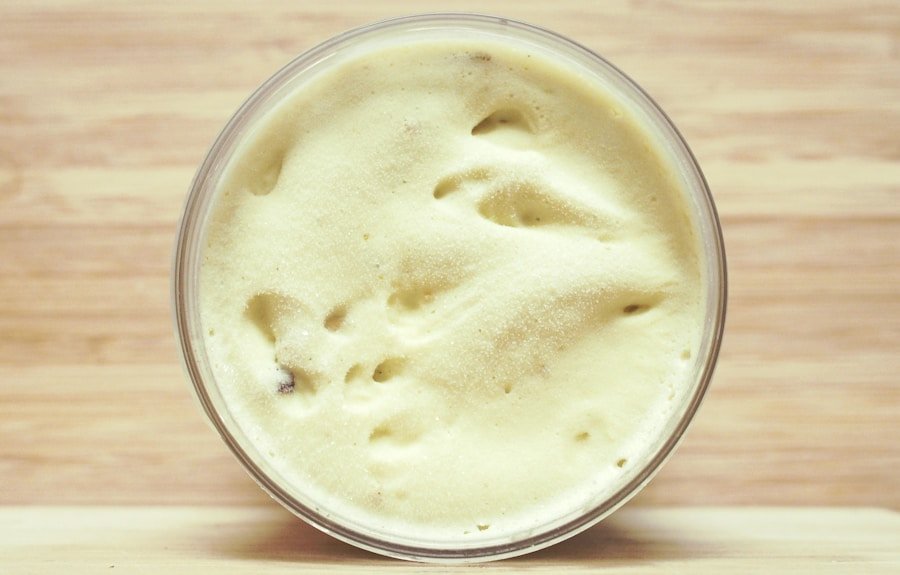
Homemade mayonnaise is a simple sauce, but it feels like kitchen magic when it comes together. With egg yolks, oil, acid, salt, and steady mixing, you can make a thick, creamy mayonnaise that tastes fresher than most store-bought versions. Once you understand emulsification, you can control the texture, fix common problems, and customize the flavor for sandwiches, salads, dips, seafood, roasted vegetables, and more.
Quick Answer
To make homemade mayonnaise by hand, whisk egg yolks, Dijon mustard, lemon juice or vinegar, and salt until smooth. Then drizzle in oil very slowly while whisking nonstop. The egg yolk helps bind the oil and liquid into a thick, creamy emulsion.
Key Takeaways
- Mayonnaise works because egg yolk helps oil and acid blend into a stable emulsion.
- Add oil slowly at first. Rushing this step is the most common reason mayonnaise breaks.
- Room temperature ingredients make the emulsion easier to start and control.
- Use neutral oil for classic mayonnaise, or blend oils for a stronger flavor.
- Store homemade mayonnaise in the refrigerator in an airtight container and use it within about one week.
At a Glance
| Time Required | 5 to 10 minutes |
| Difficulty | Easy to moderate |
| Tools Needed | Mixing bowl and whisk, immersion blender, or food processor |
| Cost | Low; most ingredients are pantry staples |
The origins of mayonnaise are steeped in culinary lore, and several stories try to explain where this creamy condiment began. One popular account links mayonnaise to 1756, when a French chef serving the Duke de Richelieu is said to have prepared a sauce after a victory at the port of Mahón in Menorca, Spain. According to that story, the chef used egg yolks and oil to make a sauce called “Mahónnaise” in honor of the port.
That tale is memorable, but it is only one version of mayonnaise history. Other explanations connect mayonnaise to older European sauces, including garlic-and-oil emulsions such as alioli. Over time, cooks refined these oil-based sauces into the smooth, egg-enriched mayonnaise you recognize today. By the 19th century, mayonnaise had become a familiar part of French cuisine and later spread through Europe and the United States.
Its popularity makes sense. Mayonnaise adds richness, moisture, and body to foods without needing many ingredients. You can spread it on sandwiches, fold it into potato salad, whisk it into dressings, use it as a dip base, or turn it into flavored sauces in minutes.
The Science Behind Homemade Mayonnaise: Understanding Emulsification
At its core, mayonnaise is an emulsion. That means it combines liquids that normally do not stay mixed, such as oil and water-based ingredients. In mayonnaise, the water-based ingredients usually come from egg yolk, lemon juice, vinegar, or mustard. The oil becomes broken into tiny droplets and suspended throughout that mixture.
Egg yolk makes this possible because it contains lecithin, a natural emulsifier. Lecithin helps surround the oil droplets so they stay evenly dispersed instead of separating. Mustard can also help support the emulsion while adding flavor and a slight tang.
When you whisk egg yolk with acid and seasoning, you create the base for the sauce. As you slowly add oil and keep whisking, the oil breaks into smaller droplets. The mixture thickens as more oil becomes trapped in the emulsion. This is why patience matters. If you pour in too much oil too fast, the yolk cannot catch and stabilize the oil, and the mayonnaise may split.
Note: Mayonnaise gets thicker as you add more oil. If it becomes too stiff, whisk in a few drops of water, lemon juice, or vinegar to loosen the texture.
The mechanical action of whisking also matters. Whisking breaks the oil into tiny droplets and spreads them through the egg mixture. A hand whisk gives you control, while an immersion blender or food processor makes the process faster and easier.
Essential Ingredients and Tools for Making Homemade Mayonnaise

To make homemade mayonnaise, you only need a short list of ingredients. Each one affects flavor, texture, or stability, so it helps to understand what each ingredient does before you start.
Egg Yolks
Fresh egg yolks provide the main emulsifying power. They give mayonnaise its body, color, richness, and creamy texture. Since homemade mayonnaise often uses raw egg yolks, use fresh eggs and handle them carefully. If raw eggs concern you, choose pasteurized eggs.
Oil
Oil makes up most of the mayonnaise, so its flavor matters. Neutral oils such as canola, vegetable, grapeseed, or light olive oil create a mild, classic taste. Extra virgin olive oil can taste strong or slightly bitter in mayonnaise, especially if you use it as the only oil. For a balanced flavor, you can blend a neutral oil with a small amount of olive oil.
Acid
Lemon juice, white wine vinegar, apple cider vinegar, or plain white vinegar adds brightness. Acid also helps balance the richness of the oil and egg. Lemon juice gives a fresher flavor, while vinegar gives a sharper, more classic tang.
Salt and Mustard
Salt brings the flavors together. Dijon mustard adds mild heat and helps support the emulsion. You can skip mustard if you prefer a cleaner flavor, but it makes the sauce easier for beginners.
Tools
You can make mayonnaise with a whisk, immersion blender, or food processor. A whisk works well when you want more control and do not mind a little effort. An immersion blender is the fastest option and often gives the most reliable results. A food processor works well for larger batches.
Step-by-Step Guide to Making Mayonnaise from Scratch
| Ingredients | Quantity |
|---|---|
| Egg yolks | 2 |
| Dijon mustard | 1 teaspoon |
| Lemon juice | 1 tablespoon |
| White wine vinegar | 1 tablespoon |
| Salt | 1/2 teaspoon |
| Canola oil | 1 cup |
Making mayonnaise from scratch takes only a few minutes once your ingredients are ready. The main rule is simple: start slowly, then increase the oil once the emulsion forms.
1. Separate the Egg Yolks
Place the egg yolks in a clean mixing bowl, blender cup, or food processor bowl. Keep the whites for another recipe if you like. Make sure no shell pieces get into the bowl.
2. Add Mustard, Acid, and Salt
Add Dijon mustard, lemon juice, white wine vinegar, and salt. Whisk until the mixture looks smooth, glossy, and slightly thickened. This gives the oil a stable base to blend into.
3. Start Adding Oil Drop by Drop
Begin by adding only a few drops of oil while whisking constantly. This first stage is the most delicate part. Once the mixture starts to thicken, you can add the oil in a very thin, steady stream.
4. Keep Whisking Until Thick and Creamy
Continue whisking until all the oil is incorporated. The mayonnaise should look thick, smooth, and creamy. If it feels too thick, whisk in a teaspoon of water, lemon juice, or vinegar.
5. Taste and Adjust
Taste the mayonnaise before storing it. Add more salt for seasoning, more lemon juice for brightness, or more vinegar for a sharper flavor. Small adjustments make a big difference.
Pro Tip: Place a damp towel under your mixing bowl before whisking. It keeps the bowl steady, so you can pour oil with one hand and whisk with the other.
Tips and Tricks for Perfecting Your Homemade Mayonnaise
Good mayonnaise depends on control. Once you learn a few simple habits, you can avoid most problems and make a smooth batch more often.
Use Room Temperature Ingredients
Room temperature egg yolks and oil usually combine more easily than cold ingredients. If your eggs are refrigerated, let them sit at room temperature for about 30 minutes before you start.
Add the Oil Slowly
Pouring oil too quickly can overwhelm the egg yolk and break the emulsion. Start with drops, move to a thin stream, and only pour faster after the mayonnaise has clearly thickened.
Choose the Right Bowl
A medium mixing bowl gives you enough room to whisk without splashing. A rounded bowl also helps the whisk move smoothly through the mixture.
Adjust the Thickness
More oil creates a thicker mayonnaise. Less oil creates a lighter sauce. If the finished mayonnaise is too thick, add a few drops of water or acid and whisk until smooth.
Balance the Flavor
Homemade mayonnaise can taste flat if it does not have enough acid or salt. Taste it at the end and adjust in small amounts. A little extra lemon juice can make the sauce feel fresher.
How to Fix Broken Mayonnaise
Broken mayonnaise looks thin, oily, grainy, or separated. This usually happens when the oil is added too quickly, the ingredients are too cold, or the mixture is not whisked enough. You can often save it.
Place one fresh egg yolk in a clean bowl. Whisk it until smooth. Then slowly add the broken mayonnaise a teaspoon at a time while whisking constantly. Once the mixture thickens again, continue adding the broken batch in a thin stream.
You can also try the water method for a small split. Put one teaspoon of warm water in a clean bowl, then slowly whisk in the broken mayonnaise. This can help bring the emulsion back together.
Warning: Do not leave homemade mayonnaise at room temperature for long periods. Refrigerate it promptly after making it, especially because it contains egg.
Flavor Variations: Adding a Personal Touch to Your Homemade Mayonnaise

One of the best parts of making homemade mayonnaise is how easily you can change the flavor. Once you have a basic batch, you can turn it into a sauce, dip, spread, or dressing with a few extra ingredients.
Garlic Mayonnaise or Aioli-Style Mayo
Stir in finely grated garlic, minced garlic, or roasted garlic for a bold, savory sauce. This version works well with fries, seafood, grilled chicken, roasted vegetables, and sandwiches.
Herb Mayonnaise
Add chopped dill, parsley, basil, cilantro, chives, or tarragon. Herb mayonnaise tastes fresh and works well in chicken salad, egg salad, wraps, and vegetable dips.
Spicy Mayonnaise
Mix in cayenne, hot sauce, chili paste, sriracha, chipotle powder, or smoked paprika. Use it on burgers, tacos, fries, grain bowls, or grilled corn.
Umami Mayonnaise
For a deeper savory flavor, stir in a small amount of miso paste, Worcestershire sauce, anchovy paste, soy sauce, or finely grated Parmesan. Add a little at a time because these ingredients can be salty.
Sweet and Tangy Mayonnaise
Add a small drizzle of honey or maple syrup for a sweeter spread. This works especially well in slaws, creamy dressings, and sauces for roasted sweet potatoes.
Storing and Using Homemade Mayonnaise: Keeping it Fresh and Delicious
Proper storage keeps homemade mayonnaise safer and better tasting. Since it contains egg, refrigerate it right after you make it. Use a clean spoon every time you scoop it, and store it in an airtight container.
A glass jar works well because it seals tightly and does not hold strong odors. Label the jar with the date you made the mayonnaise. For best quality, use homemade mayonnaise within about one week.
Always check it before serving. If it smells sour in an unpleasant way, changes color, grows mold, or develops an unusual texture, discard it. Do not taste mayonnaise that looks or smells spoiled.
Homemade mayonnaise works in many everyday meals. Spread it on sandwiches, whisk it into salad dressings, mix it into tuna salad, fold it into potato salad, serve it with fries, or use it as a creamy base for dips.
Exploring Beyond the Basics: Creative Ways to Use Homemade Mayonnaise in Cooking
Homemade mayonnaise is more than a condiment. Because it contains oil, egg yolk, acid, and seasoning, it can add moisture, richness, and browning to many cooked dishes.
Use It as a Marinade Base
Mayonnaise can help coat chicken, fish, or vegetables before cooking. Mix it with herbs, garlic, spices, lemon juice, or mustard, then spread a thin layer over the food before grilling, roasting, or baking.
Brush It on Vegetables Before Roasting
A light coating of mayonnaise can help vegetables brown and caramelize. Try it on corn, asparagus, potatoes, cauliflower, or zucchini. Keep the layer thin so the vegetables roast instead of becoming greasy.
Add It to Baked Goods
Mayonnaise can add moisture to some cakes and quick breads because it contains oil and egg. It should not replace every ingredient in every recipe, but it can work well in chocolate cake and other rich batters.
Make Creamy Dressings and Sauces
Thin homemade mayonnaise with vinegar, lemon juice, buttermilk, yogurt, or water to create dressings. Add herbs, garlic, pepper, or grated cheese for extra flavor.
Upgrade Classic Side Dishes
Use homemade mayonnaise in potato salad, coleslaw, pasta salad, deviled eggs, or egg salad. Because the flavor is fresh, simple dishes often taste brighter and richer.
Homemade mayonnaise brings together food history, kitchen science, and everyday practicality. Once you understand how emulsification works, you can make a reliable batch, fix common problems, and create flavor variations that match your meals. With a few basic ingredients and careful mixing, you can turn a simple sauce into one of the most useful staples in your kitchen.
Related Guides
Frequently Asked Questions
What are the ingredients needed to make homemade mayonnaise by hand?
The basic ingredients are egg yolks, Dijon mustard, lemon juice or vinegar, salt, and oil. You can also add garlic, herbs, spices, or a small sweetener after the mayonnaise forms.
What type of oil is best for making homemade mayonnaise?
A neutral-flavored oil such as canola, vegetable, grapeseed, or light olive oil works best for classic mayonnaise. Extra virgin olive oil can taste strong, so many cooks blend it with a neutral oil.
What equipment do I need to make homemade mayonnaise by hand?
You need a mixing bowl, a whisk, and a steady hand. You can also use an immersion blender or food processor if you want a faster and easier method.
What is the process for making homemade mayonnaise by hand?
Whisk egg yolks, mustard, lemon juice or vinegar, and salt until smooth. Then slowly drizzle in oil while whisking constantly until the mixture emulsifies, thickens, and turns creamy.
How long does homemade mayonnaise last and how should it be stored?
Homemade mayonnaise usually lasts about one week when stored in an airtight container in the refrigerator. Keep it cold, use clean utensils, and discard it if it smells off or changes texture.
Why did my homemade mayonnaise break?
Mayonnaise usually breaks when the oil is added too quickly, the ingredients are too cold, or the mixture is not whisked enough. You can often fix it by whisking the broken mixture slowly into a fresh egg yolk.
Can I make mayonnaise without mustard?
Yes. Mustard helps with flavor and stability, but it is not required. You can make mayonnaise with egg yolks, oil, acid, and salt only.