
You want a wall tent that gives you usable standing room, dependable shelter and enough space for people, cots and gear. This guide focuses on three wall or wall-style tents suited to vehicle-supported camping, hunting camps, cold-weather basecamps and longer outdoor stays.
Quick verdict: Choose the WHITEDUCK Alpha when you want the most traditional heavy-duty canvas wall-tent experience, the WaldZimmer when you want a roomy polycotton option with a steel frame, or the POMOLY CHALET 70 Pro when you need a smaller wall-style hot tent for one or two campers with gear.
Affiliate disclosure:. As an Amazon Associate I earn from qualifying purchases. This roundup is reader-supported. When you click qualifying Amazon links, the publisher may earn a referral commission at no additional cost to you.
Before you buy: Confirm the current Amazon listing for exact dimensions, packed weight, included frame parts, floor configuration, stove-jack size and fire-resistance claims. Product bundles and specifications can change.
Top Picks
|
Category |
Product |
Best For |
|---|---|---|
|
🏆 Best Overall Traditional Wall Tent |
Large hunting camps and long vehicle-supported stays |
|
|
💼 Best Roomy Polycotton Option |
Families and groups that can manage a heavy frame |
|
|
🎯 Best Compact Wall-Style Hot Tent |
One or two campers who want a smaller stove-ready shelter |
How We Picked These Wall Tents
We compared the models by shelter type, usable floor area, wall and roof shape, listed materials, frame construction, floor design, ventilation, stove compatibility, setup demands and suitability for vehicle-supported camping. We also weighed common buyer concerns such as condensation, wet-weather preparation, packed bulk, the number of people needed for pitching and whether the advertised capacity leaves practical room for cots and gear.
Because exact bundles, ratings, review totals and availability can change, this guide avoids time-sensitive scores and directs you to confirm the current product page before buying.
Wall Tent Reviews

The CHALET 70 Pro is the lightest and most compact shelter in this narrowed roundup. Its square cabin-style footprint makes it easier to place sleeping gear and a small stove than in many sharply tapered hot tents. The source listing describes two opposing doors, ventilation openings, a stove jack and a protective groundsheet.
This is not a traditional large canvas outfitter tent. It is better viewed as a compact wall-style hot tent for short vehicle-supported trips, hunting weekends or cool-season camps where portability matters more than standing-height living space. Confirm the current dimensions, fabric specification, waterproof rating and included stove-protection components on the listing before purchase.
What People Say
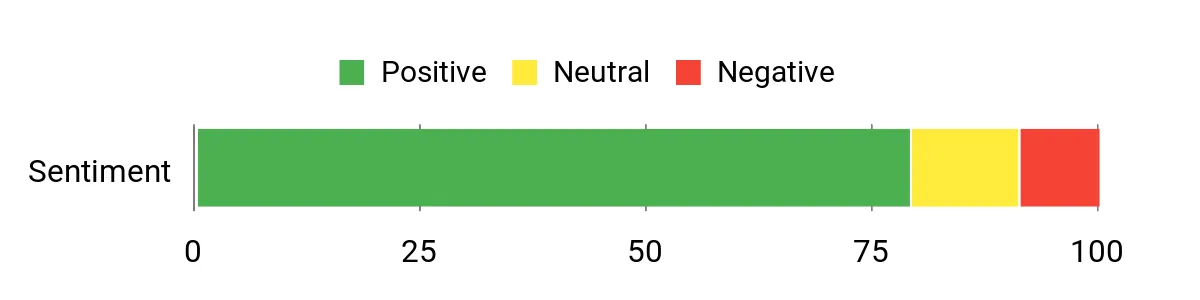
Review themes in the source material emphasize the useful interior shape, stove-ready layout and sturdy feel. The recurring limitations are packed weight relative to backpacking tents, condensation management and the need to practice guyline tensioning before a trip.
The chart below reflects the review snapshot used in the original roundup; current feedback may differ.
Where to Use It
Use it for car camping, overlanding, hunting camps and short approaches where you can carry more than an ultralight backpacking load. It is a practical choice for one or two people who want a defined sleeping area plus room for gear.
Setup and Trade-Offs
The pole-and-guyline pitch should become easier with practice, but site selection and even tension matter. The smaller footprint is easier to manage than a full framed wall tent, while the trade-off is less group capacity and less stand-up room.
Why You’ll Like It
- Compact cabin shape makes the edges more usable than many tapered hot tents
- Stove-jack layout supports cold-weather use when paired with compatible equipment
- Opposing doors can improve access and ventilation
- More portable than the two full-size canvas wall tents in this guide
- Works well for solo campers or couples who travel with substantial gear
Who Should Avoid It
Skip it if you need a traditional canvas wall tent, standing room across most of the floor, sleeping space for a large group or a shelter intended for long-term basecamp use.
Check Product Details on Amazon

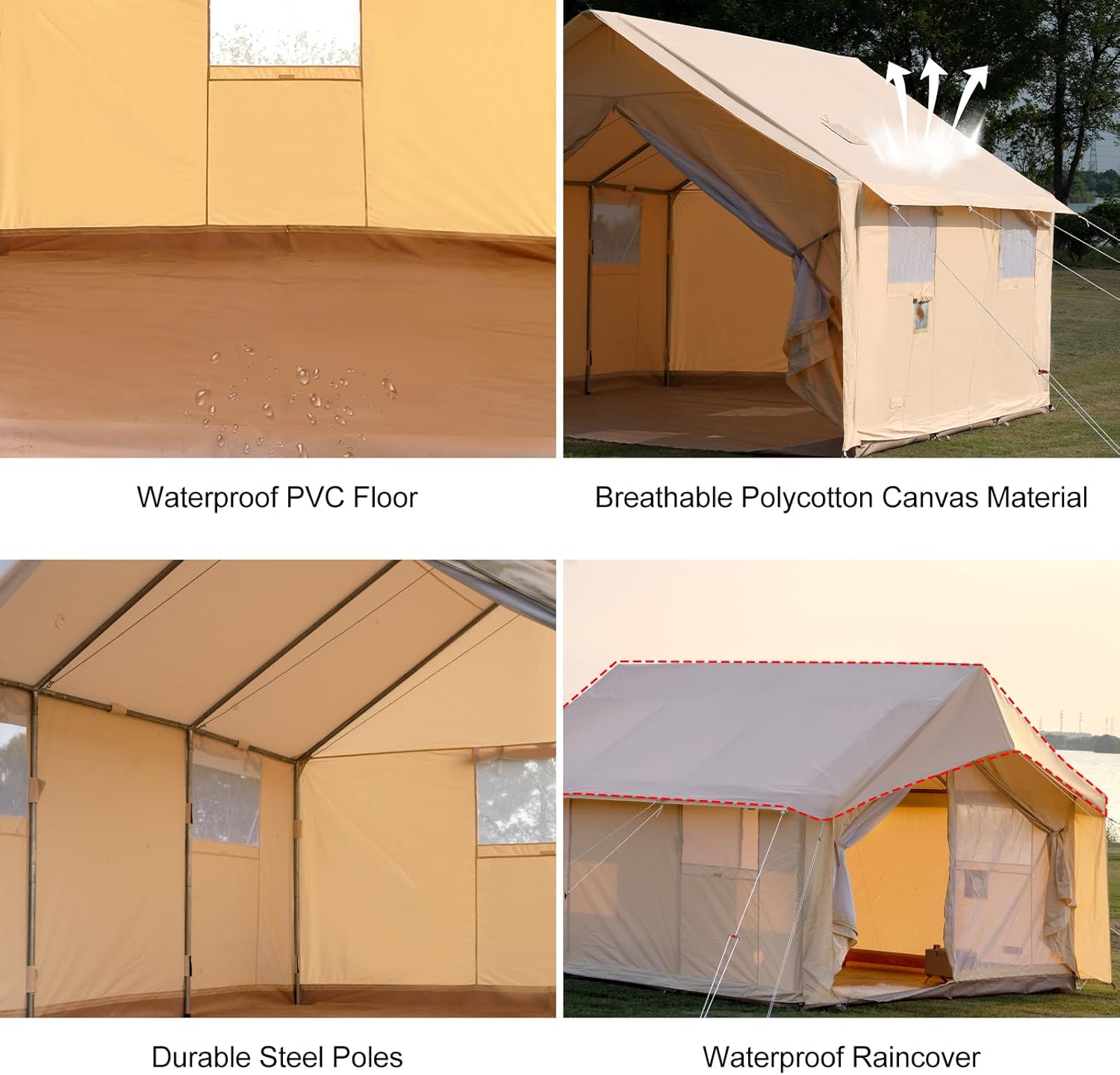
The WaldZimmer is the middle-ground choice for shoppers who want the breathable feel of a cotton-blend shelter and the defined structure of a steel frame. The source listing describes a PVC groundsheet, rain canopy, roll-up windows and two stove-jack positions, making the design appealing for family trips, hunting camps and cool-weather basecamps.
Its biggest limitation is logistics. A steel-framed polycotton shelter is bulky, easier to pitch with a partner and best transported by vehicle. Because the product had limited independently verifiable information during this edit, check the current listing carefully for dimensions, packed weight, pole construction, included hardware, fabric treatment and warranty details.
What People Say
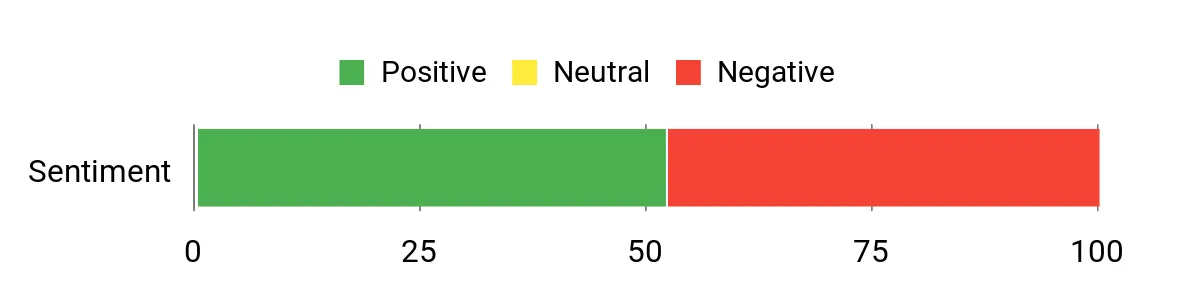
The source review summary highlights interior space, the floor and stove-ready layout as the main benefits. Reported concerns include overall weight, first-time setup complexity and isolated comments about frame or rainfly details. Those limitations make careful inspection and a practice pitch especially important.
The chart below reflects the review snapshot used in the original roundup; current feedback may differ.
Where to Use It
It is best suited to drive-up campsites, hunting properties, backyard glamping and basecamps where the packed size is not a major concern. The larger structure can accommodate sleeping gear and shared equipment more comfortably than compact hot tents.
Setup and Trade-Offs
Sort and label the frame components before the first trip, practice the full pitch at home and plan on two people for easier assembly. A carefully selected level site, properly seated poles and evenly tensioned guylines will improve the shelter’s stability and rain-shedding performance.
Why You’ll Like It
- Traditional framed wall-tent shape creates useful headroom and floor space
- Polycotton construction can feel more breathable than fully synthetic fabric
- PVC groundsheet helps separate sleeping gear from damp ground
- Multiple windows support adjustable airflow
- Stove-jack positions add flexibility for compatible cold-weather setups
Who Should Avoid It
Choose another tent if you camp alone, need a quick solo pitch, have limited vehicle storage or want a shelter for backpacking and frequent site changes.
Check Current Amazon Availability

The WHITEDUCK Alpha most closely matches the classic outfitter-wall-tent buyer intent. Its rectangular canvas body, framed structure and large floor plan are designed for a semi-permanent-feeling camp where cots, storage and shared gear need dedicated space. The source listing describes a free-floating PVC floor, reinforced construction, large windows and stove-jack provisions.
This is the premium-style basecamp choice in the group, but it is also the least portable. Plan for vehicle transport, multiple storage bags and at least two capable people for a smoother pitch. Confirm the exact size variant before ordering because capacity, frame requirements, total weight and included components can differ by configuration.
What People Say
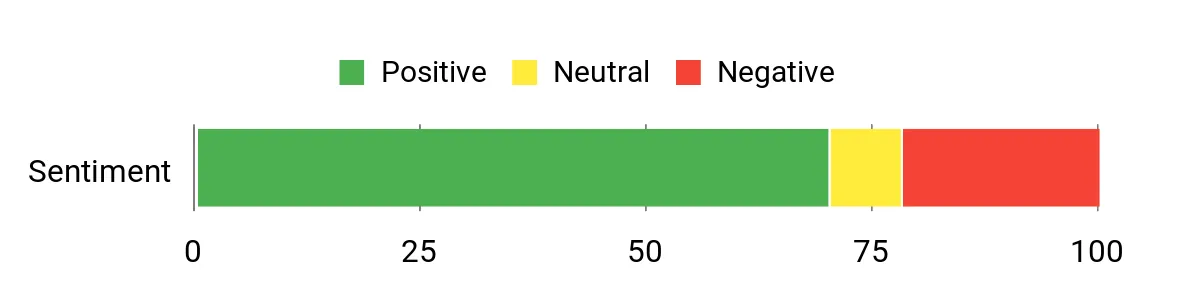
The source review summary emphasizes the spacious interior, sturdy frame, floor system and suitability for cold-weather basecamping. Common drawbacks include heavy bags, a longer initial setup and the need for more than one person during assembly.
The chart below reflects the review snapshot used in the original roundup; current feedback may differ.
Where to Use It
It fits hunting camps, family basecamps, seasonal outdoor setups, backyard glamping and extended drive-up trips where interior comfort matters more than packed weight. It is not intended for backpacking or fast daily relocation.
Setup and Trade-Offs
Expect the first assembly to take longer while you identify frame pieces and establish the correct sequence. A second or third person can help raise the frame, position the canvas and tension the shelter evenly. Dry all canvas components fully before storage to reduce mildew risk.
Why You’ll Like It
- Traditional canvas wall-tent format provides substantial standing and living space
- Large rectangular footprint suits cots, tables, storage and shared equipment
- Separate floor system can simplify cleaning and ground protection
- Windows and mesh layers support light and adjustable ventilation
- Stove-jack provisions support compatible cold-weather configurations
Who Should Avoid It
It is a poor fit for solo travelers, small vehicles, quick overnight stops and anyone who needs a lightweight shelter that can be moved frequently.
View Product Details on Amazon
Before You Buy a Wall Tent
- Measure usable space, not only capacity: Allow room for cots, a stove zone, storage and safe walking paths.
- Check the complete packed system: Tent body, frame, stakes, floor and stove accessories may ship in separate heavy bags.
- Match the fabric to your routine: Canvas and polycotton are comfortable for long stays but require thorough drying and more storage space.
- Plan the pitch: Large framed wall tents are easier with two or more people and a level site that accepts substantial stakes.
- Verify the exact size variant: Dimensions, weight, capacity, stove-jack position and included hardware can change between variants.
Stove safety note
A stove jack does not make every stove or setup safe. Use a stove only when both the tent manufacturer and stove manufacturer explicitly allow the combination. Follow all required clearances, chimney support, spark-arrestor, heat-shield, floor-protection and ventilation instructions. Keep combustible gear away from the stove, use a working carbon-monoxide alarm suitable for the environment, and never leave a burning stove unattended or operate it while sleeping unless the manufacturers expressly permit that use.
FAQ
What Is the Difference Between a Wall Tent and a Bell Tent?
A traditional wall tent has a rectangular footprint, vertical sidewalls and a framed ridge or roof structure. A bell tent normally has a circular floor and a central pole with a conical roof. Both can provide standing room and some models support a stove, but they differ in layout, frame design, usable edge space and buyer intent.
How Many People Do You Need to Set Up a Wall Tent?
A compact wall-style hot tent may be manageable solo after practice. Full canvas wall tents are usually easier and safer to pitch with at least two people because the frame, canvas and floor components are bulky. Practice at home before relying on the shelter in wind, rain or fading light.
Can You Use a Wood Stove in a Wall Tent?
Only use a wood stove when the exact tent model includes a compatible stove jack and the manufacturers provide instructions for that setup. Follow the specified stove size, pipe diameter, clearances, ventilation, floor protection and chimney-support requirements. Never assume that a heat-resistant opening alone makes an improvised stove installation safe.
How Do You Maintain a Canvas Wall Tent?
Let the tent dry completely before storage, remove dirt with manufacturer-approved cleaning methods, avoid harsh household detergents unless permitted, inspect seams and stove-jack areas regularly, and repair small tears before they spread. Store the canvas in a dry, ventilated place away from rodents and sharp frame parts.
Campers Top Picks
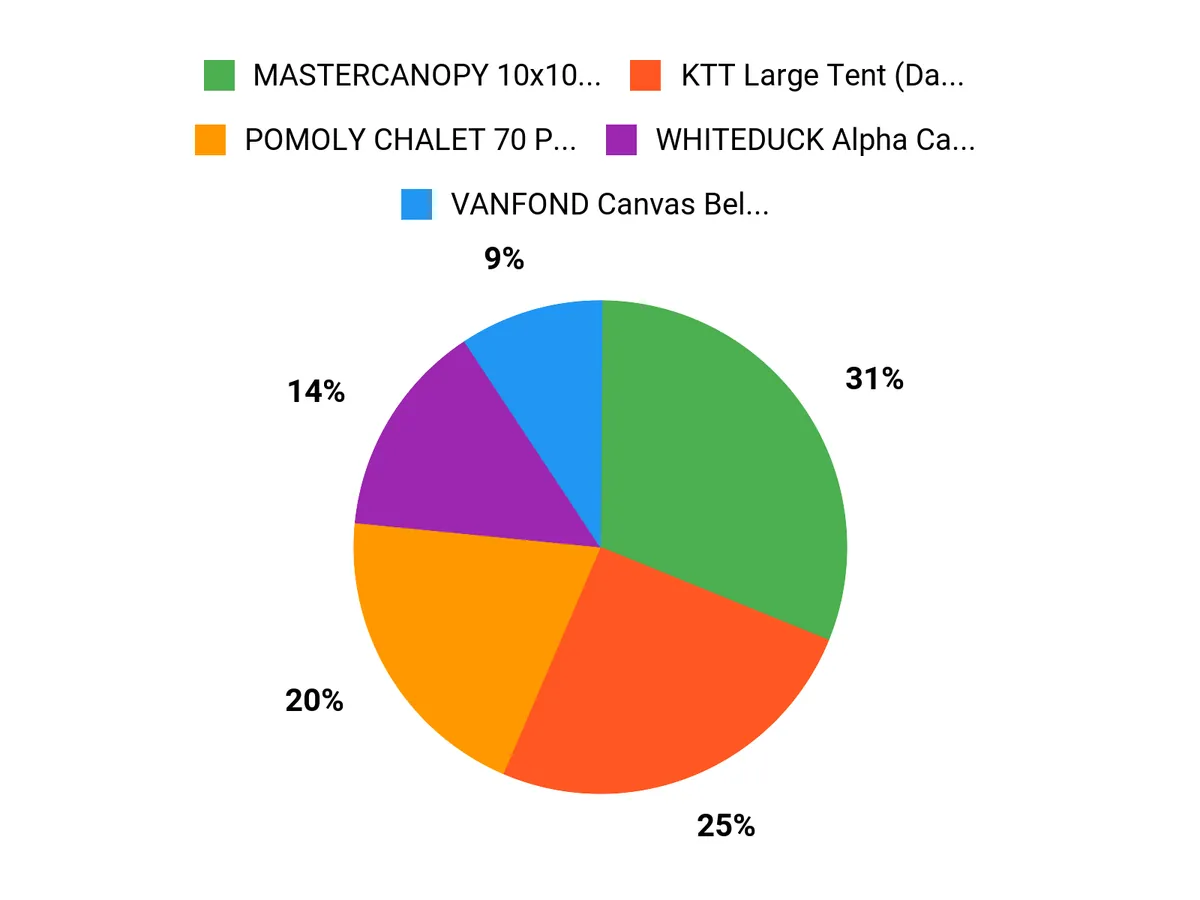
The choice comes down to scale and transport. The POMOLY CHALET 70 Pro is the compact option for one or two campers, the WaldZimmer offers roomy polycotton comfort for group car camping, and the WHITEDUCK Alpha is the strongest match for buyers seeking a traditional large canvas wall tent for an extended basecamp.
Wrapping Up
Choose the POMOLY CHALET 70 Pro when compact size and a wall-style hot-tent layout matter most. Choose the WaldZimmer when you want a roomy cotton-blend shelter and can manage a heavy steel-frame setup. Choose the WHITEDUCK Alpha when you want the most traditional canvas wall-tent experience for hunting, family basecamping or longer vehicle-supported stays. Whichever model fits your trip, confirm the exact variant, included components and current stove-use instructions before ordering.
| Product | Image | Shelter Type | Listed Capacity | Material | Best For | Amazon |
|---|---|---|---|---|---|---|
| POMOLY Camping Hot Tent Cabin Tent |
 |
Compact wall-style hot tent | Verify current size listing | Polyester | One or two campers with gear | Check Price |
| Cotton Canvas Wall Tent |
 |
Framed wall tent | Verify current size listing | Polycotton | Group car camping and hunting camps | Check Price |
| WHITEDUCK Alpha Canvas Wall Tent |
 |
Traditional canvas wall tent | Verify selected size variant | Water-repellent canvas | Extended basecamps and large groups | Check Price |
This roundup is reader-supported. When you click through qualifying links, the publisher may earn a referral commission at no additional cost to you.