
Choosing the right argon welding gas regulator matters because it affects weld quality, cylinder safety, and how easy it is to dial in shielding gas. Whether you weld with MIG or TIG, the right regulator helps you control flow, monitor tank pressure, and match your bottle connection without guessing.
This guide focuses on argon and argon/CO2 welding gas regulators for hobby garages, small fabrication shops, and portable repair setups. Use it to compare flow ranges, hose kits, gauge readability, and connection notes so you can choose the option that fits your cylinder, welder, and project type.
Affiliate disclosure:. As an Amazon Associate I earn from qualifying purchases. This roundup is reader-supported. When you click through Amazon links, we may earn a referral commission on qualifying purchases at no extra cost to you.
Quick Verdict
Best overall: RX WELD Argon Regulator for a readable flowmeter, brass body, and included hose.
Best value: Yeswelder Argon Regulator if you want a budget-friendly kit with a 0–60 CFH flow tube.
Best workshop kit: ARCCAPTAIN Argon/CO2 Regulator Kit for its longer hose and practical included fittings.
Best multi-gas option: ARCCAPTAIN Gas Regulator if you need a wider listed flow range and gas flexibility.
Before You Buy
- Match the cylinder valve first. Many U.S. argon cylinders use CGA-580, while pure CO2 cylinders can use a different connection. Do not assume every argon/CO2 regulator fits every bottle.
- Pick the right flow range. Lower, steady flow is common for TIG, while MIG may need more gas depending on current, nozzle size, drafts, and material.
- Check the hose and fittings. A kit with a hose is convenient only if the hose ends match your welder and cylinder setup.
- Leak-test before welding. Open the cylinder slowly, pressurize the regulator, and check connections with a soap-and-water solution before striking an arc.
Top Picks
|
Category |
Product |
Best For |
|---|---|---|
|
🏆 Best Overall |
A simple, dependable regulator for hobby MIG/TIG work and general garage welding. |
|
|
💰 Best Value |
Budget-minded welders who still want a readable flow tube and hose in the box. |
|
|
🎯 Best for Hobbyists |
Newer welders who want a simple gauge-and-flowmeter layout. |
|
|
💼 Best Workshop Pick |
Small shops that want a longer hose and a kit-style setup. |
|
|
🔰 Best Compact |
Welders who want a compact gauge-style setup with a moderate flow range. |
|
|
⭐ Best Mid-Range |
Welders who want ARCCAPTAIN features without the longer-hose kit. |
|
|
🔧 Best Ready-to-Install Kit |
Buyers who want a hose and multiple outlet fittings in one Yeswelder package. |
|
|
🎨 Best Multi-Gas |
Welders who need a wider flow range or switch between compatible gases. |
|
|
🔋 Most Affordable |
Welders who want a low-cost regulator with a visible ball-style flow tube. |
|
|
🛠️ Best Portable |
Portable or occasional setups where compact, simple gas control is the priority. |
How We Picked
You want a regulator that gives you readable flow control, durable construction, safe pressure handling, and the right connection for your cylinder. We evaluated each option by regulator type, flow range, tank-pressure gauge readability, body material, included hose and fittings, buyer feedback themes, and value for the intended user.
We also looked for real use-case fit: hobby welding, small-shop work, portable repairs, multi-gas flexibility, and ready-to-install kits. Exact Amazon ratings, review counts, discounts, and availability can change, so this updated version avoids relying on those live details. Always check the current Amazon listing before buying.

You get a straightforward argon regulator with a built-in flowmeter, a brass body, and an included hose so setup is less fussy. The 10–60 CFH flow tube is useful when you want a visual way to dial shielding gas instead of relying only on a pressure gauge.
If your cylinder uses a CGA-580 valve, this is a strong all-around pick for light shop use, weekend repairs, and aluminum or steel projects that need steadier shielding gas. Confirm your tank connection before ordering, especially if you use pure CO2 or non-U.S. cylinder fittings.
What Buyers Often Mention
Buyers commonly like the readable flow tube, solid brass feel, and included hose. The main hesitation is fitting compatibility, so check your cylinder valve standard and hose ends before first use.
Ease of Use
|
Feature |
Ease Level |
|---|---|
|
Installation |
Easy |
|
Reading the Flow Tube |
Easy |
|
Adjusting Flow |
Easy |
|
Hose/Fitting Compatibility |
Moderate |
Problem Solving
This regulator helps reduce porosity caused by unstable shielding gas by giving you a visible flow reading and quick adjustment. It is best for welders who want cleaner setup control without stepping into expensive industrial regulators.
Key Benefits
- Adjustable flowmeter listed at 10–60 CFH for visible gas control
- CGA-580 inlet for many U.S. argon and argon-mix cylinders
- Brass construction for a tougher shop feel
- Includes 6.6 ft hose, clamp, and mounting nut
- Good fit for everyday MIG/TIG setup when the cylinder connection matches
Check Product Details on Amazon

This Yeswelder regulator gives you the core setup most hobby welders want: a CGA-580 inlet, a 0–60 CFH flow tube, a large tank-pressure gauge, and an 8 ft hose. That makes it easy to see your shielding gas setting and route the hose around a small bench or cart.
It is a practical choice for weekend projects, small shop work, and backup use. The value is strongest when your bottle already matches CGA-580; if you use a different valve standard, plan for the right adapter or choose another regulator.
What Buyers Often Mention
Buyers often mention the easy-to-read gauges and useful included hose. Some also mention minor leaks or fitting mismatch, so a careful leak check on first installation matters.
Ease of Use
|
Feature |
Ease Level |
|---|---|
|
Installation |
Easy |
|
Reading the Gauges |
Easy |
|
Adjusting Flow |
Easy |
|
Cylinder Compatibility |
Moderate |
Problem Solving
It solves the common budget-regulator problem by combining a tank gauge, visible flowmeter, and hose package in one setup, helping you start welding without sourcing every small fitting separately.
Key Benefits
- Built-in flowmeter listed at 0–60 CFH
- 0–4000 PSI inlet gauge for tank-pressure monitoring
- CGA-580 inlet for many argon and argon-mix cylinders
- Includes 8 ft hose, clamp, and mounting nut
- Good value for hobby MIG/TIG setups
Check Product Details on Amazon

This Yeswelder Argon/CO2 regulator is aimed at simple MIG and TIG setups where easy readings matter more than advanced calibration. The square 0–60 CFH flow tube and 0–4000 PSI tank gauge make the basic settings easy to see at a glance.
It is especially useful for hobbyists who want to stabilize shielding gas for repairs, small fabrication, and practice beads. As with every regulator here, verify your tank valve and sealing style before installing it.
What Buyers Often Mention
Buyers commonly praise the readable gauge layout and easy setup. The most repeated concern is fitting compatibility or small connection leaks, so test the connection before welding.
Ease of Use
|
Feature |
Ease Level |
|---|---|
|
Installation |
Easy |
|
Reading the Gauges |
Easy |
|
Adjusting Flow |
Easy |
|
Cylinder Compatibility |
Moderate |
Problem Solving
It helps newer welders avoid guesswork by making flow adjustment visible. That can cut down on porosity troubleshooting when the real issue is low, high, or unstable shielding gas.
Key Benefits
- Visible 0–60 CFH flowmeter for easy gas control
- Large 0–4000 PSI tank-pressure gauge
- CGA-580 inlet for many argon and argon-mix bottles
- Includes hose clamp and mounting nut
- Simple choice for hobby MIG/TIG work
Check Product Details on Amazon
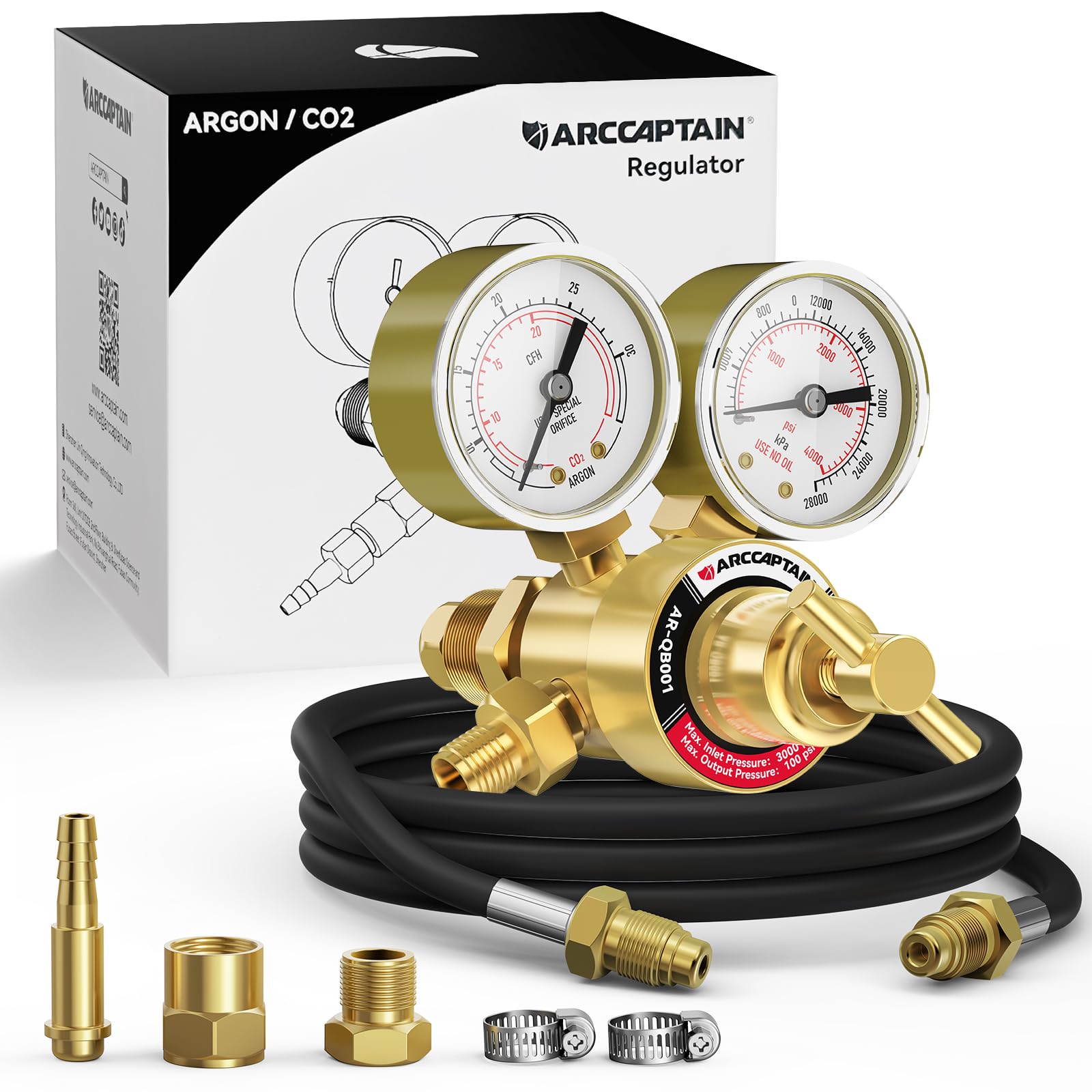
This ARCCAPTAIN kit is useful when you want the regulator, hose, and common fittings together instead of buying parts one by one. The 8.2 ft hose gives you more reach around a cart or bench, while the brass body, filter, and relief valve add confidence for regular garage or small-shop use.
It is a good fit for MIG and TIG projects that need predictable shielding gas and faster setup. The listed 0–30+ CFH outlet range fits many common welding tasks, but confirm it matches your process and material before you buy.
What Buyers Often Mention
Buyers often point to the solid feel, readable gauges, and convenience of the included hose. A smaller group reports missing parts or leak issues, so inventory the kit and leak-test it before welding.
Ease of Use
|
Feature |
Ease Level |
|---|---|
|
Installation |
Easy |
|
Reading the Gauges |
Easy |
|
Adjusting Flow |
Easy |
|
Long Hose Convenience |
Easy |
|
Cylinder Compatibility |
Moderate |
Problem Solving
It solves setup friction for small shops by bundling a longer hose with a regulator and fittings, reducing the time spent hunting for compatible accessories.
Key Benefits
- Brass regulator body with pressure relief valve
- CGA-580 inlet and built-in filter
- 0–4000 PSI inlet gauge and listed 0–30+ CFH outlet range
- Includes 8.2 ft hose, clamps, and barb fitting
- Useful for MIG/TIG work when the cylinder connection matches
Check Product Details on Amazon
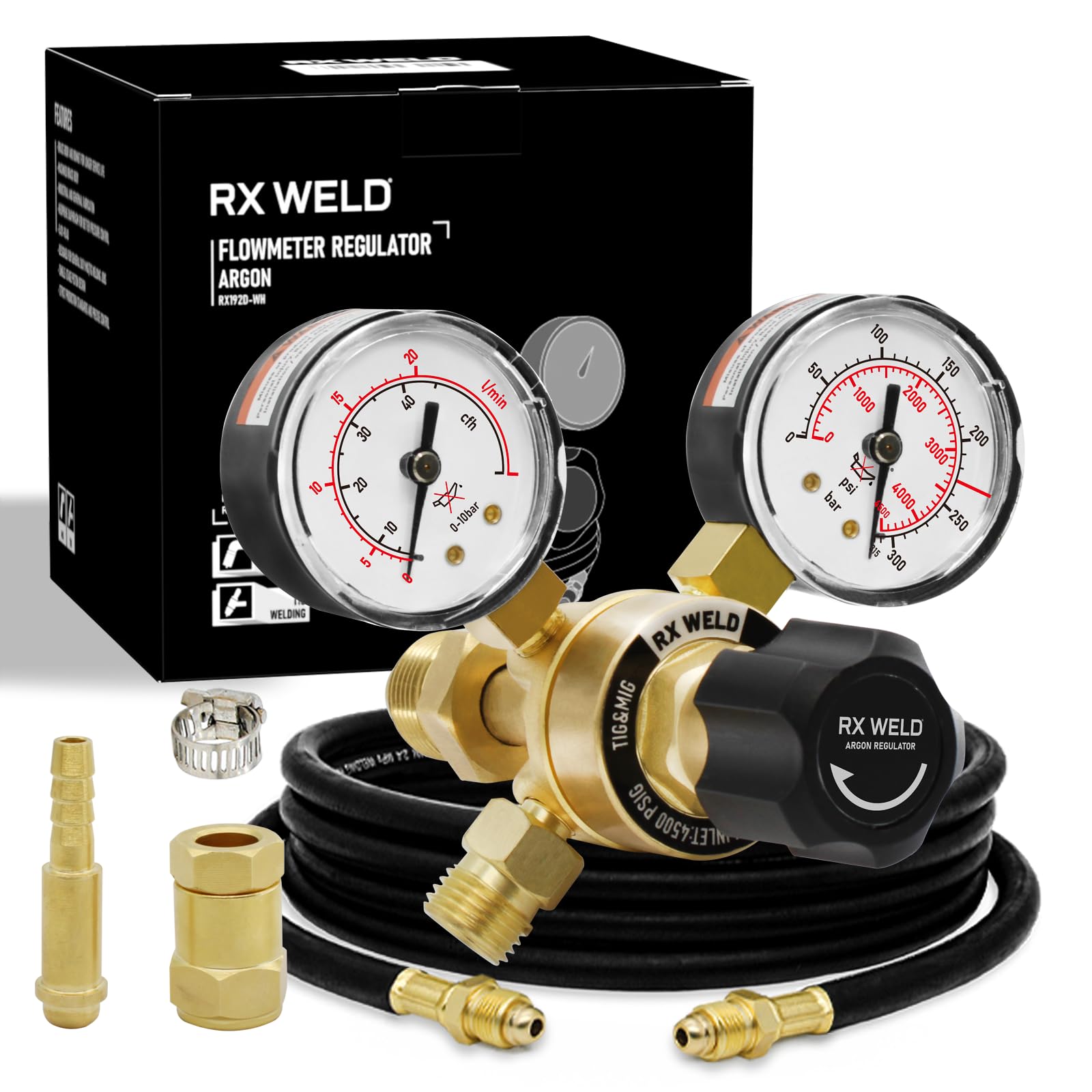
This RX WELD model keeps the setup simple with a brass body, CGA-580 tank connection, visible inlet and outlet gauges, and a 6.6 ft hose. The listed 0–40 CFH delivery range is enough for many routine MIG/TIG jobs, especially when you are not running high-flow shielding gas.
It is a practical choice if you want a compact regulator for a cart, small fabrication bench, or occasional repairs. Check the gauge movement and fitting match when it arrives, since gauge-style regulators are less helpful if the flow reading is inaccurate.
What Buyers Often Mention
Buyers commonly mention the solid feel and readable gauges. A few report gauge movement or fitting-instruction issues, so test the regulator before starting an important weld.
Ease of Use
|
Feature |
Ease Level |
|---|---|
|
Installation |
Easy |
|
Reading the Gauges |
Easy |
|
Adjusting Flow |
Easy |
|
Hose Setup |
Easy |
|
Cylinder Compatibility |
Moderate |
Problem Solving
This unit helps you keep gas setup simple when you do not need an oversized flow range. It is best for routine work where compactness and basic monitoring matter.
Key Benefits
- CGA-580 inlet for many common argon cylinders
- Brass regulator body
- Listed 0–4500 PSI inlet and 0–40 CFH delivery range
- Includes 6.6 ft hose
- Compact option for light shop and hobby use
Check Product Details on Amazon
This ARCCAPTAIN regulator is a practical mid-range option for controlling shielding gas without adding a lot of extra pieces. You get a brass body, CGA-580 inlet, clear gauges, built-in filter, pressure relief valve, hose barb, and clamps.
It makes sense if you already have a hose or want a simpler kit than the longer-hose version. It is still important to confirm the connection and inspect accessories on arrival, since some buyers may need different fittings.
What Buyers Often Mention
Buyers tend to like the sturdy body, readable gauges, and multi-outlet flexibility. The main caution is to check for missing accessories, stuck valves, or leaks before relying on it for a project.
Ease of Use
|
Feature |
Ease Level |
|---|---|
|
Installation |
Easy |
|
Reading the Gauges |
Easy |
|
Adjusting Flow |
Easy |
|
Hose Setup |
Easy |
|
Fine Adjust/Calibration |
Moderate |
Problem Solving
It gives you clear gas monitoring and common fittings without forcing you into a larger kit. That helps if you want better control than a bare-bones regulator but do not need every accessory.
Key Benefits
- Works with common argon or argon/CO2 welding setups when fittings match
- CGA-580 inlet connector
- Brass body with pressure relief valve
- Listed 0–4000 PSI inlet and 0–30+ CFH outlet range
- Includes hose barb and two hose clamps
- Built-in filter to help protect gauge components
Check Product Details on Amazon
This YESWELDER regulator is a grab-and-go style kit with a CGA580 inlet, high-range inlet gauge, dual-scale outlet gauge, 8.2 ft hose, and several outlet fitting options. That combination is helpful when you want fewer add-on purchases before your first weld.
It is best for general MIG/TIG work where a ready-to-install bundle matters. Because the outlet scale is listed differently for argon and CO2, double-check the scale you are reading and match it to your gas.
What Buyers Often Mention
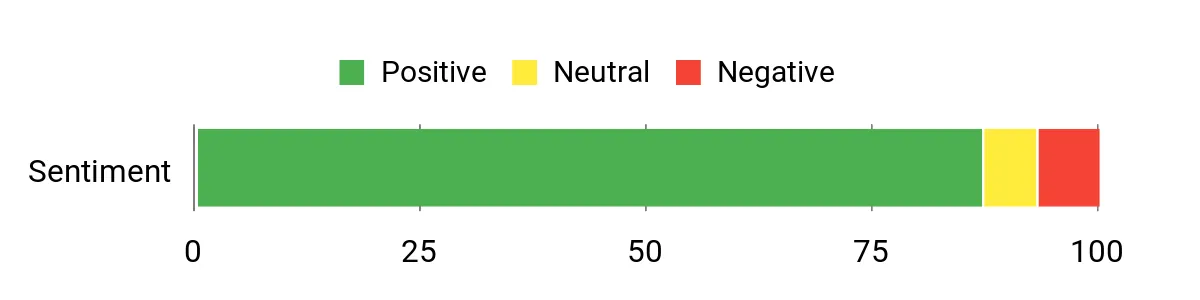
Buyers often like the value, the included hose, and the easy-reading gauge layout. Some mention gauge accuracy concerns or gas loss, so first-use leak testing and gauge checks are especially important.
Ease of Use
|
Feature |
Ease Level |
|---|---|
|
Installation |
Easy |
|
Reading the Gauges |
Easy |
|
Adjusting Flow |
Easy |
|
Hose Setup |
Easy |
|
Fine Tuning/Calibration |
Moderate |
Problem Solving
This kit helps reduce setup guesswork by including the hose and multiple fittings. It is a good fit when your main hesitation is whether you have enough small parts to connect the regulator cleanly.
Key Benefits
- CGA580 inlet for many argon and argon-mix cylinders
- 0–4000 PSI inlet pressure gauge
- Dual-scale outlet gauge for argon and CO2 readings
- Includes 8.2 ft hose and multiple outlet fittings
- Useful ready-to-install option when the cylinder valve matches
Check Product Details on Amazon
This ARCCAPTAIN gas regulator stands out for its wider listed flow range and multi-gas positioning. The brass body, CGA-580 inlet, high-range tank gauge, hose barb, and clamps make it useful for welders who may move between argon, CO2-related welding, and helium-related applications.
It is more than most basic hobby welders need, but it makes sense if you want extra flow capacity or multi-gas flexibility. Because wide-range meters can be less precise at very low settings, confirm the scale fits your normal process before buying.
What Buyers Often Mention
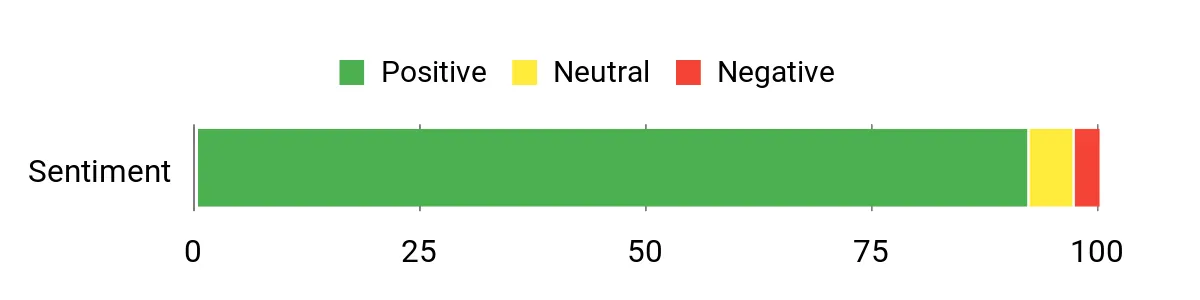
Buyers frequently mention the solid feel, readable gauges, and flexibility across gas types. A recurring practical tip is to verify seals and fittings before use.
Ease of Use
|
Feature |
Ease Level |
|---|---|
|
Installation |
Easy |
|
Reading Gauges |
Easy |
|
Adjusting Flow |
Easy |
|
Leak Checking |
Moderate |
|
Switching Gases |
Easy |
Problem Solving
It solves the limitation of narrow-range budget regulators by giving you a broader flow scale for specialty or higher-flow jobs, while still covering common shop work when adjusted correctly.
Key Benefits
- Listed for argon, CO2, and helium-related welding applications
- CGA-580 inlet for many compatible cylinders
- 0–4000 PSI inlet gauge
- Wide outlet flow range for higher-flow tasks
- Brass body with pressure relief valve
- Multiple outlet connectors plus hose barb and clamps
Check Product Details on Amazon

This BETOOLL regulator keeps the value pitch simple: a CGA-580 inlet, tank-pressure gauge, and ball-style flow tube with a listed 10–60 CFH adjustment range. It is the type of regulator you keep on a small MIG or TIG setup for routine repairs and light fabrication.
It is a good budget pick if you know your bottle connection matches and you do not need a premium calibrated regulator. As with any lower-cost gas regulator, do a leak test and confirm the outlet threads before relying on it.
What Buyers Often Mention
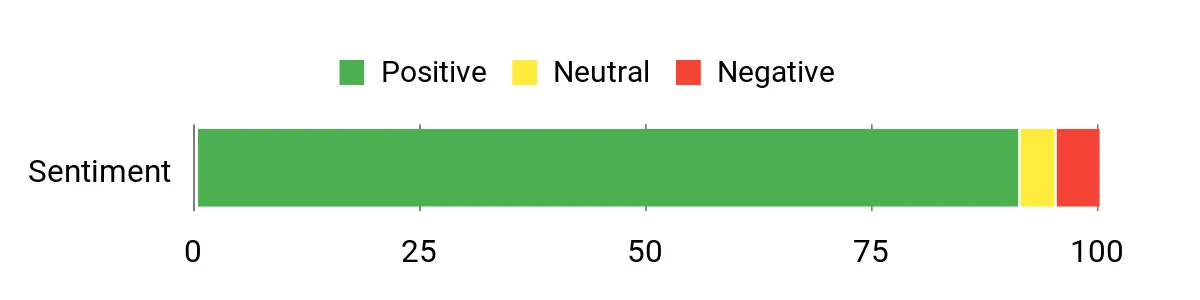
Buyers often mention easy installation, a readable flow tube, and strong value. The common caution is thread compatibility or preferring a different gauge range.
Ease of Use
|
Feature |
Ease Level |
|---|---|
|
Installation |
Easy |
|
Reading Gauges |
Easy |
|
Adjusting Flow |
Easy |
|
Leak Checking |
Moderate |
|
Thread Compatibility |
Moderate |
Problem Solving
It helps you avoid spending too much on a simple gas-control job. The visible flow tube makes it easier to fine-tune gas and troubleshoot porosity without guessing.
Key Benefits
- Works with argon and argon/CO2 welding setups when fittings match
- CGA-580 inlet fits many common inert-gas cylinders
- 0–4000 PSI tank gauge
- Non-diaphragm flow tube design
- Adjustable output listed around 10–60 CFH
- Good low-cost choice for routine MIG/TIG use
Check Product Details on Amazon
This Jiimee regulator is a practical, no-frills option for routine welding and weekend projects. The CGA-580 inlet, tank gauge, and high-flow positioning make it useful when you want a simple regulator you can keep with a portable setup.
It is a fit for quick repairs, small fabrication, and one-off projects as long as your cylinder valve and hose setup match. Avoid relying on thread tape at the cylinder sealing face unless the manufacturer calls for it; the better move is to inspect the fitting and leak-test the connection.
What Buyers Often Mention
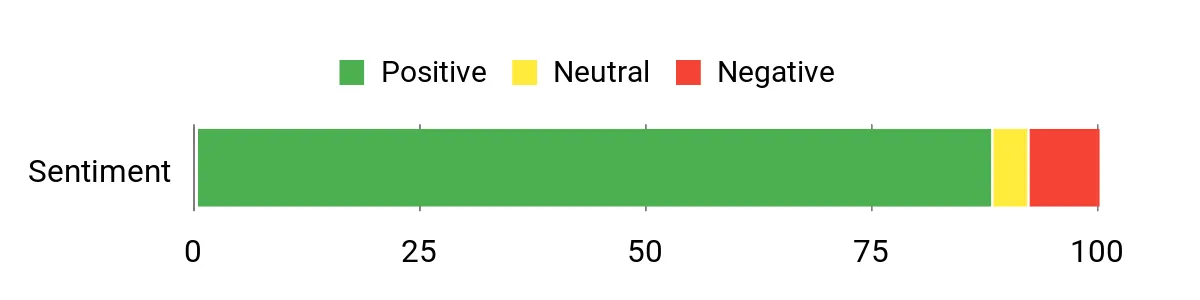
Buyers commonly mention easy tank fitment, readable gauges, and a solid feel. The main caution is to confirm thread compatibility before installation.
Ease of Use
|
Feature |
Ease Level |
|---|---|
|
Installation |
Easy |
|
Reading Gauges |
Easy |
|
Adjusting Flow |
Easy |
|
Leak Checking |
Moderate |
|
Thread Compatibility |
Moderate |
Problem Solving
It helps portable welders control shielding gas without adding a complicated kit. It is strongest for occasional use where fast setup and simple pressure monitoring matter.
Key Benefits
- CGA-580 inlet for many standard argon/helium cylinders
- 0–4000 PSI tank gauge
- High-flow design for shielding-gas control
- Corrosion-resistant construction
- Includes common fittings for faster setup
- Safety groove design on the gauge to help relieve excess pressure
Check Product Details on Amazon
FAQ
How Do I Choose The Right Argon Regulator For My Welding Setup?
Start with the cylinder connection. Many U.S. argon cylinders use CGA-580, but pure CO2 cylinders may use a different valve, and non-U.S. cylinders may use different thread standards. Once the connection matches, compare the flow range, hose length, outlet fittings, and whether you prefer a ball-style flowmeter or a gauge-style regulator.
For most hobby MIG/TIG work, a readable flowmeter and a stable adjustment knob matter more than a long feature list. If you do higher-flow work, use helium, or work in drafty spaces, choose a regulator with a range that fits those needs and confirm the scale is marked for your gas.
Is CGA-580 Always Correct For Argon And CO2 Welding?
No. CGA-580 is common on many argon and argon-mix welding cylinders in the U.S., but pure CO2 cylinders can use a different connection. If your bottle is a pure CO2 cylinder, a beverage CO2 cylinder, or an imported bottle, verify the valve standard before buying a regulator.
What Flow Rate Should I Use For MIG Or TIG?
There is no single perfect CFH number because nozzle size, weld position, current, gas type, drafts, and cup size all matter. Many welders start in a moderate range, then fine-tune by watching bead quality, arc stability, and porosity. More gas is not always better because too much flow can create turbulence and pull air into the shielding zone.
What Are The Best Practices For Installing And Using A Regulator Safely?
Inspect the regulator, hose, threads, sealing surfaces, and gaskets before installation. Keep the cylinder secured upright, attach the regulator straight to avoid cross-threading, and open the cylinder valve slowly while watching the gauges. Use a soap-and-water leak test on fittings and hose connections before welding.
When you are done, close the tank valve, bleed pressure from the regulator and hose, and store the regulator where it is protected from dust and impact. Do not use a regulator with visible damage, a stuck gauge, or a connection that will not seal correctly.
Why Am I Seeing Fluctuating Or Inaccurate Flow Readings?
Unstable readings often come from leaks, mismatched fittings, a damaged gasket, a sticky flow ball, or a faulty gauge. First, leak-test the tank connection and hose connections. Then check that the flow tube is clean, the regulator is upright if required, and the tank valve is opened correctly.
If accuracy is critical, compare the reading with a known-good flowmeter or upgrade to a calibrated regulator. Budget regulators can work well for hobby projects, but they should not be trusted blindly for precision jobs without verification.
Should I Buy A Flowmeter Regulator Or A Gauge-Style Regulator?
A ball-style flowmeter is usually easier to read when you want to set shielding gas by CFH. A gauge-style outlet reading can be compact and durable, but it may be less intuitive for beginners. If you are new to MIG or TIG, a visible flow tube is often easier to adjust.
Can One Regulator Handle Argon, Argon/CO2, And Helium?
Some regulators are listed for more than one gas, but the flow scale, inlet fitting, outlet fitting, and cylinder valve still need to match your setup. Helium often needs different flow considerations than argon because it behaves differently as a shielding gas. Always confirm the product listing and cylinder connection before switching gases.
Welders Top Picks
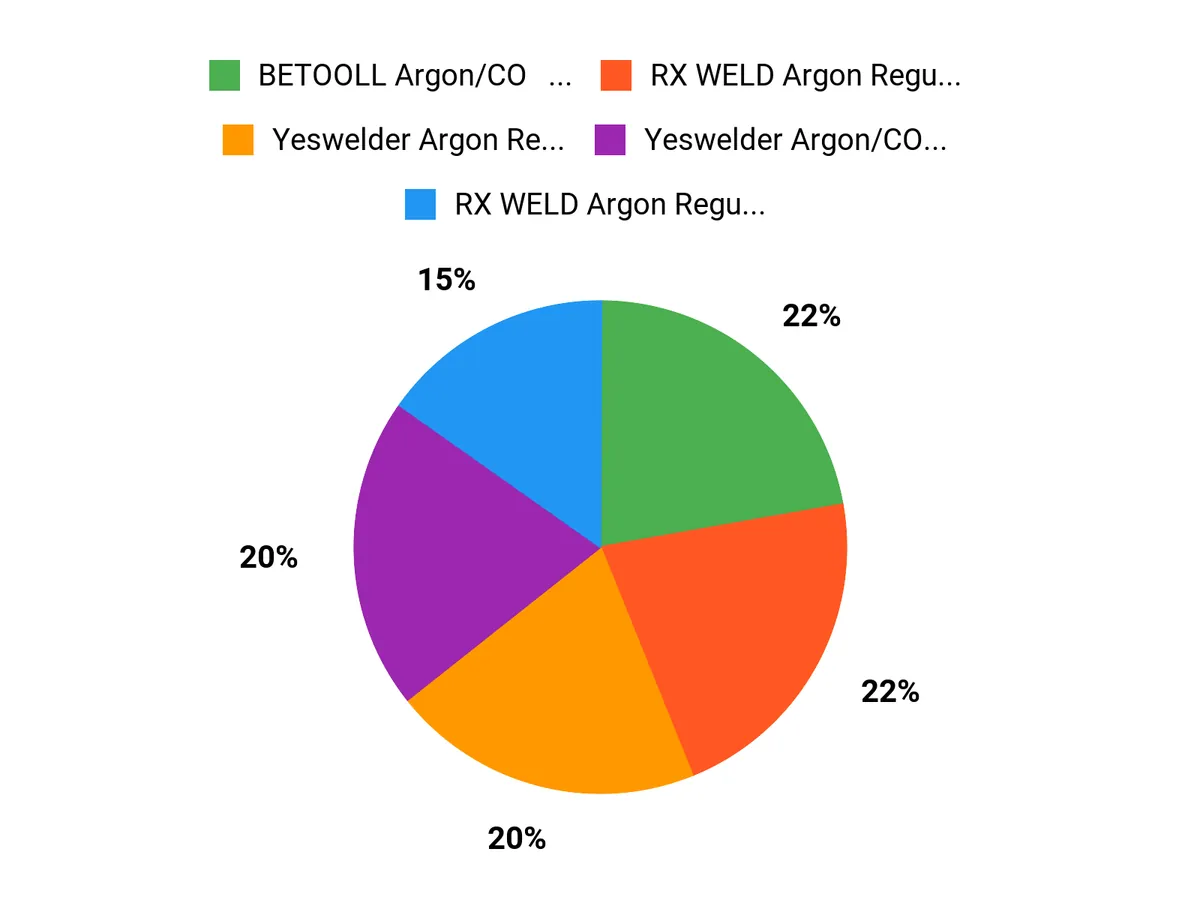
When comparing the RX WELD Argon Regulator, Yeswelder Argon Regulator, and Yeswelder Argon/CO2 Regulator, focus on connection fit, flow visibility, hose length, and how much setup work you want to do. Pick RX WELD for the strongest all-around balance, Yeswelder QB02 for value, and Yeswelder QB01 if you want a simple hobby-friendly gauge and flowmeter layout.
Wrapping Up
Pick the regulator that matches your cylinder first, then compare flow range and kit contents. If you want the safest all-around choice for typical garage welding, the RX WELD Argon Regulator is the easiest recommendation. If value matters most, Yeswelder and BETOOLL give you useful flow control for less. If you want a longer hose or multi-gas flexibility, the ARCCAPTAIN options are worth comparing closely.
Before you weld, confirm the gas, valve standard, hose ends, and seal condition. A regulator that fits correctly, reads clearly, and passes a leak test will save time, reduce wasted gas, and help you make cleaner, more consistent welds.
| Product | Image | Best For | Key Specs To Check | Compatibility Note |
|---|---|---|---|---|
| RX WELD Argon Regulator |
 |
A simple, dependable regulator for hobby MIG/TIG work and general garage welding. | 10–60 CFH flowmeter; 6.6 ft hose | Argon, argon mixes; verify CO2 cylinder connection |
| Yeswelder Argon Regulator |
 |
Budget-minded welders who still want a readable flow tube and hose in the box. | 0–60 CFH flow tube; 0–4000 PSI gauge; 8 ft hose | Argon and argon/CO2 mixes when cylinder connection matches |
| Yeswelder Argon/CO2 Regulator |
 |
Newer welders who want a simple gauge-and-flowmeter layout. | 0–60 CFH flow tube; 0–4000 PSI gauge | Argon and argon/CO2 mixes when cylinder connection matches |
| ARCCAPTAIN Argon/CO2 Regulator Kit |
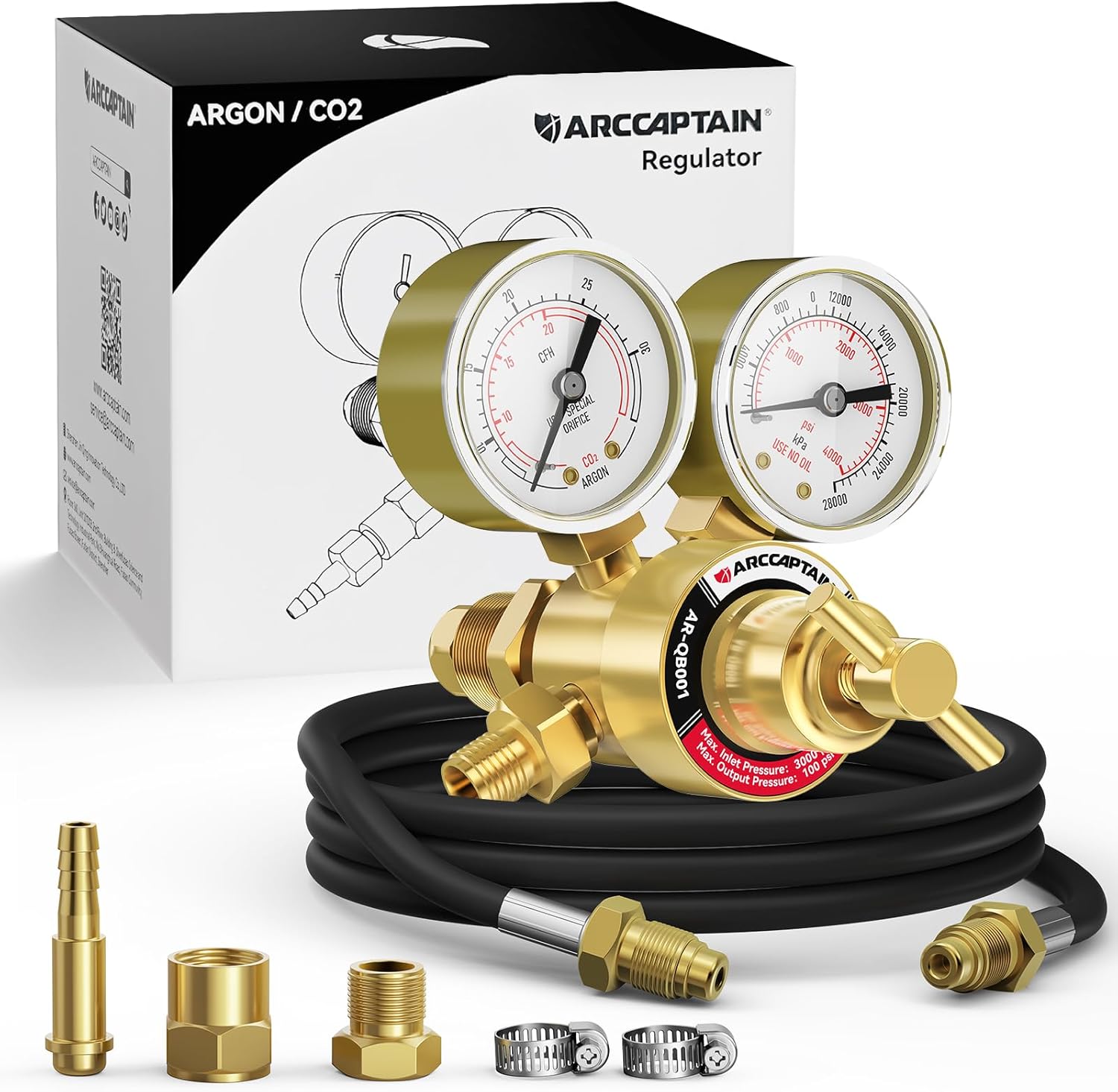 |
Small shops that want a longer hose and a kit-style setup. | 0–30+ CFH outlet; 0–4000 PSI gauge; 8.2 ft hose | Argon, argon/CO2 mixes; verify cylinder valve |
| RX WELD Argon Regulator (CGA-580) |
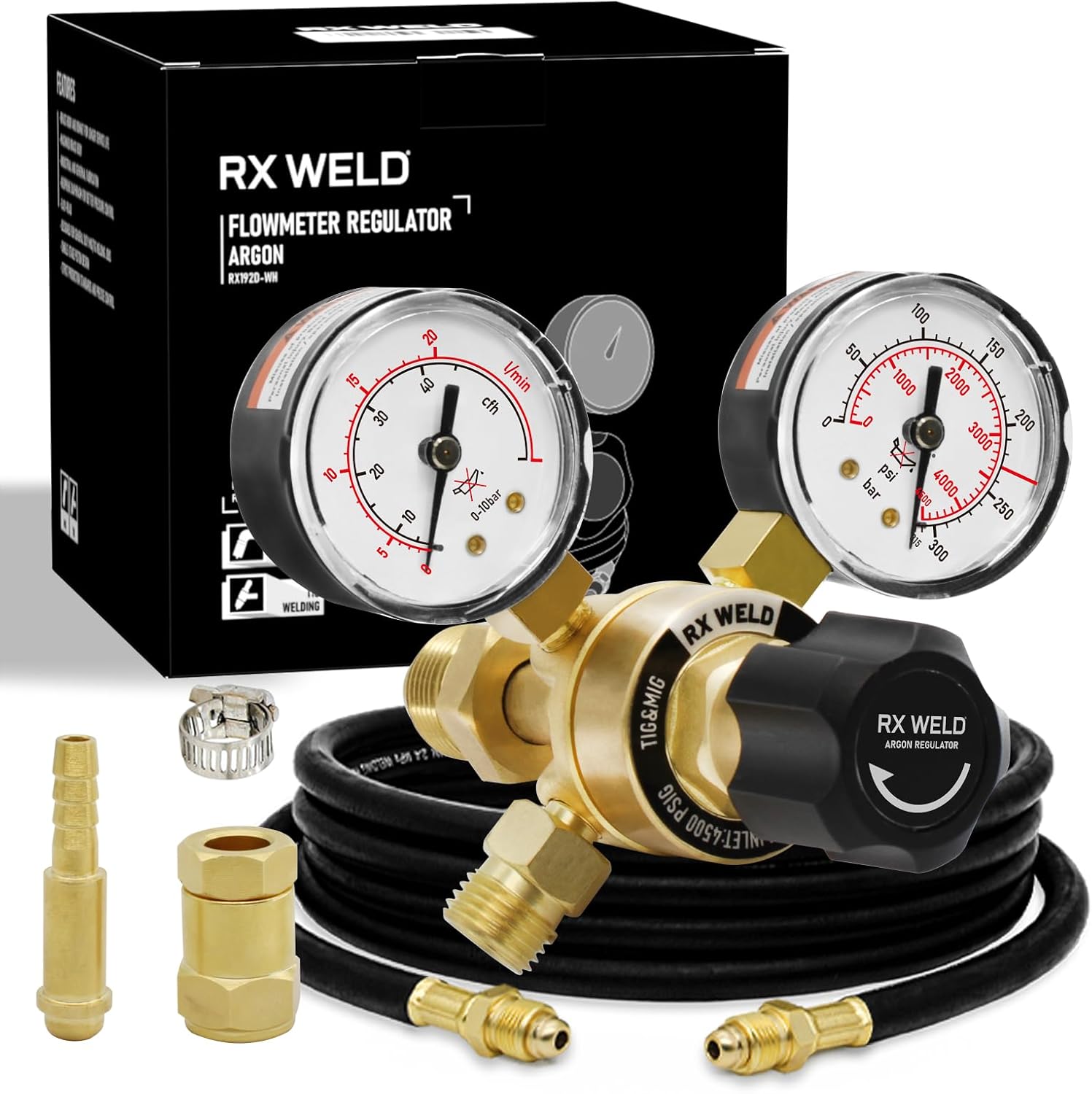 |
Welders who want a compact gauge-style setup with a moderate flow range. | 0–40 CFH delivery; 0–4500 PSI inlet; 6.6 ft hose | Argon and compatible inert-gas setups; verify CO2 use and fittings |
| ARCCAPTAIN Argon CO2 Regulator |
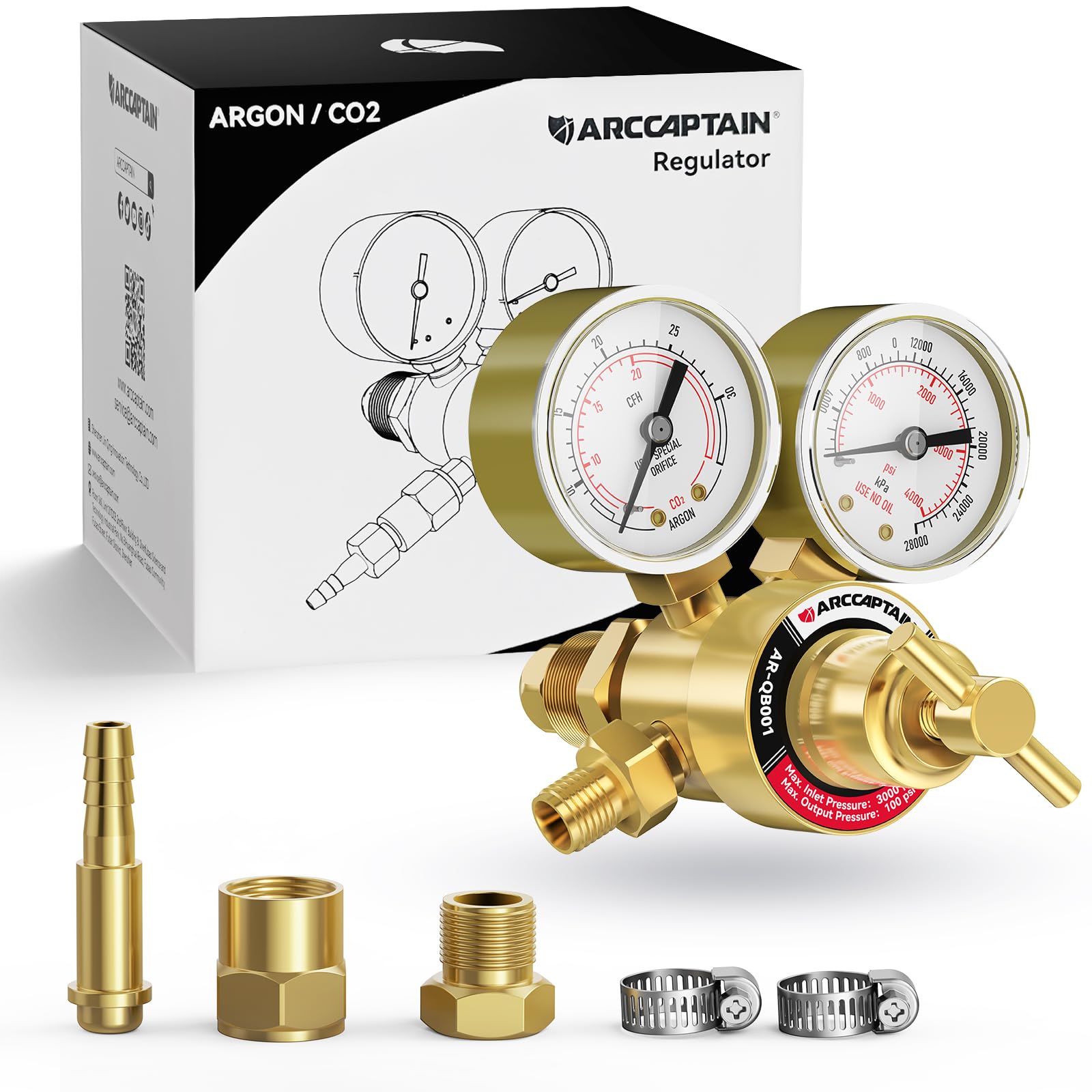 |
Welders who want ARCCAPTAIN features without the longer-hose kit. | 0–30+ CFH outlet; 0–4000 PSI gauge; hose barb and clamps | Argon, argon/CO2 mixes; check valve standard |
| YESWELDER Argon CO2 Regulator |
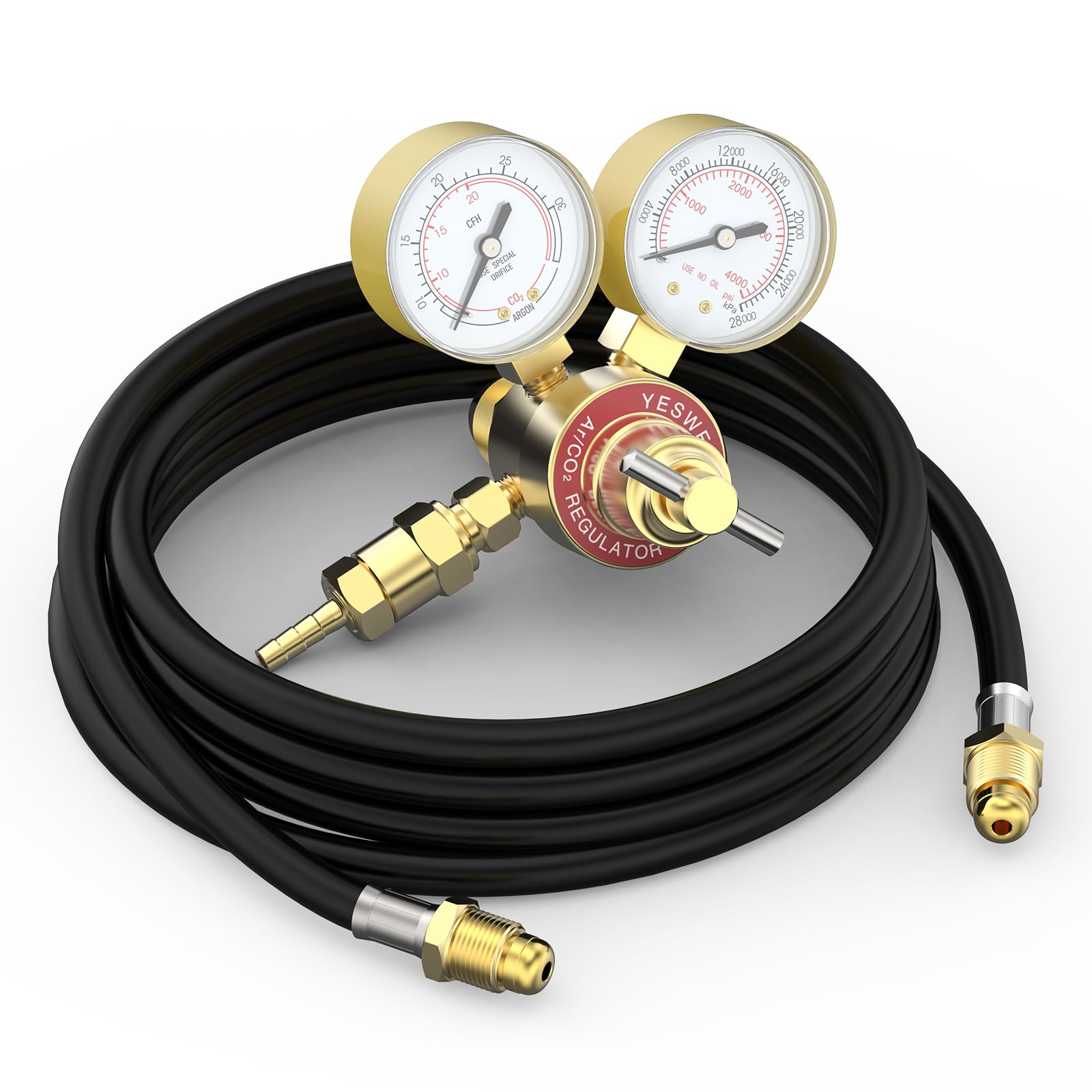 |
Buyers who want a hose and multiple outlet fittings in one Yeswelder package. | Dual-scale outlet; 0–4000 PSI gauge; 8.2 ft hose | Argon and CO2-related welding setups when fittings match |
| ARCCAPTAIN Gas Regulator |
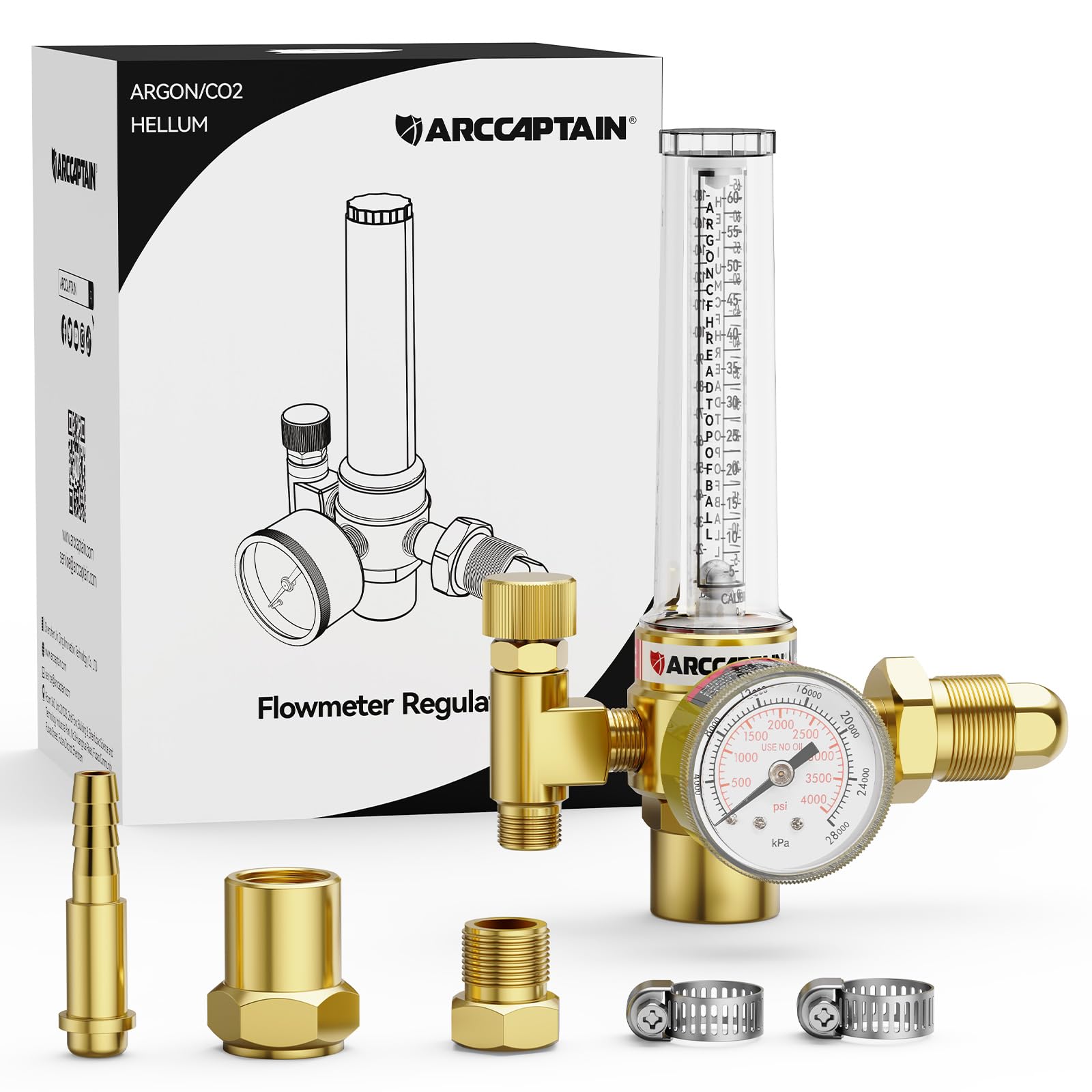 |
Welders who need a wider flow range or switch between compatible gases. | Wide outlet range; 0–4000 PSI gauge; hose barb and clamps | Argon, CO2, helium-related setups when fittings and scale match |
| BETOOLL Argon/CO₂ Regulator |
 |
Welders who want a low-cost regulator with a visible ball-style flow tube. | 10–60 CFH flow tube; 0–4000 PSI gauge | Argon and argon/CO2 mixes when cylinder connection matches |
| Jiimee Argon/CO₂ Regulator |
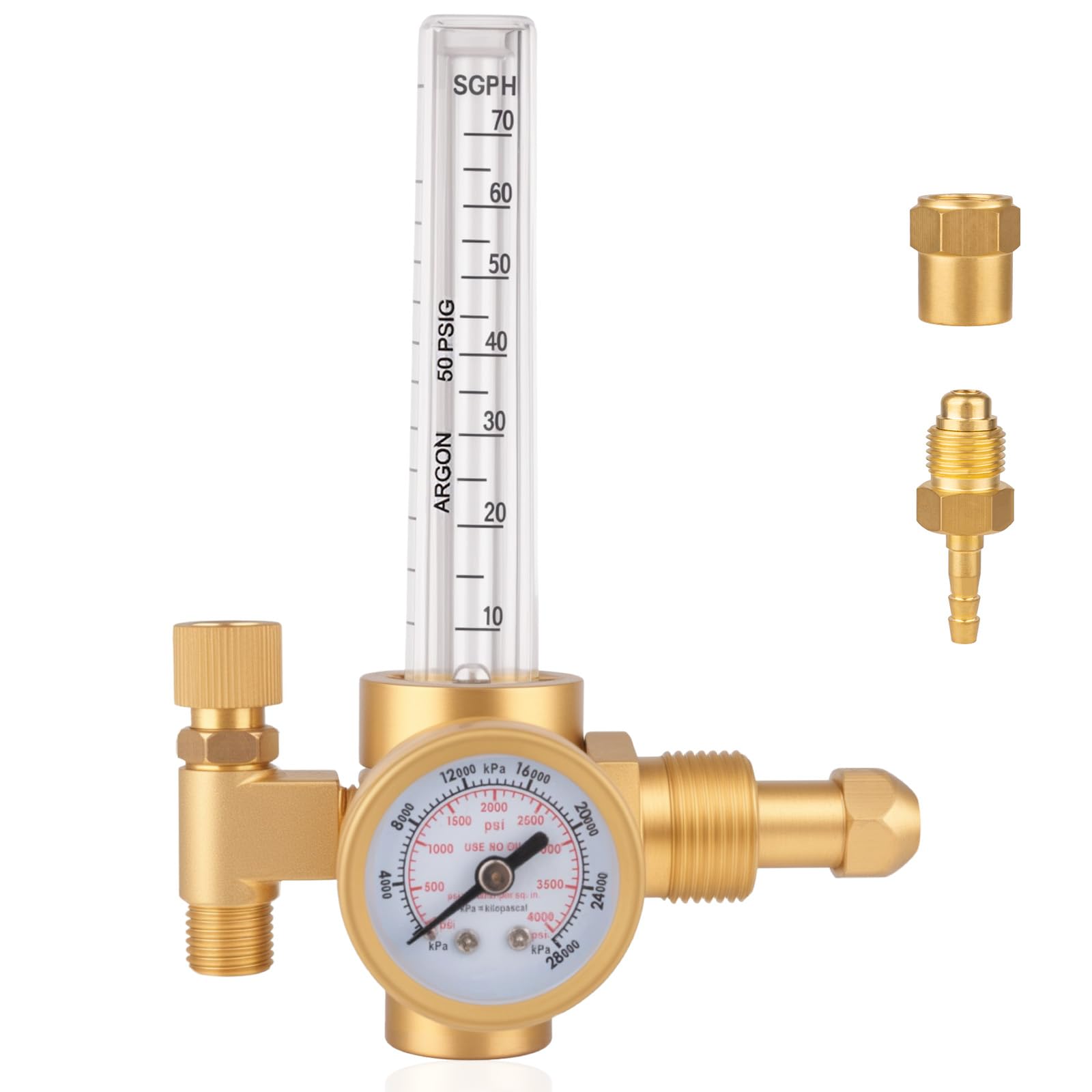 |
Portable or occasional setups where compact, simple gas control is the priority. | High-flow design; 0–4000 PSI tank gauge | Argon/CO2-related setups when fittings match |
This Roundup is reader-supported. When you click through links we may earn a referral commission on qualifying purchases.