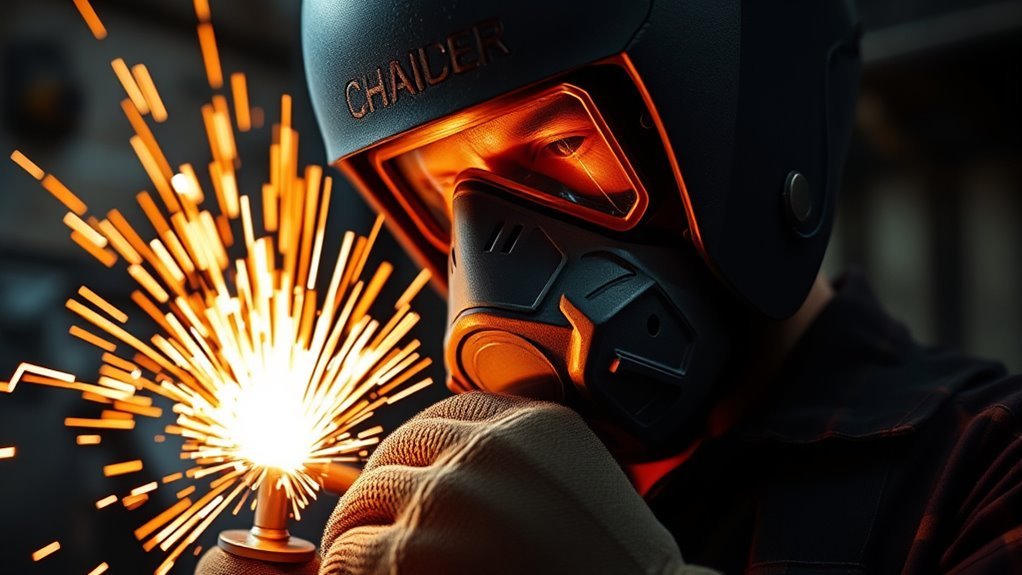
Welding respiratory protection remains a critical issue because fumes, ozone, and fine particulates can accumulate quickly in confined or poorly ventilated work. A cup mask may offer limited value for brief, low-intensity tasks, yet its seal, filtration range, and coverage are often insufficient for sustained exposure. The distinction becomes more important with aluminum and stainless steel, where the hazard profile changes in ways that basic masks do not fully address.
What Makes Welding Respiratory Protection Necessary
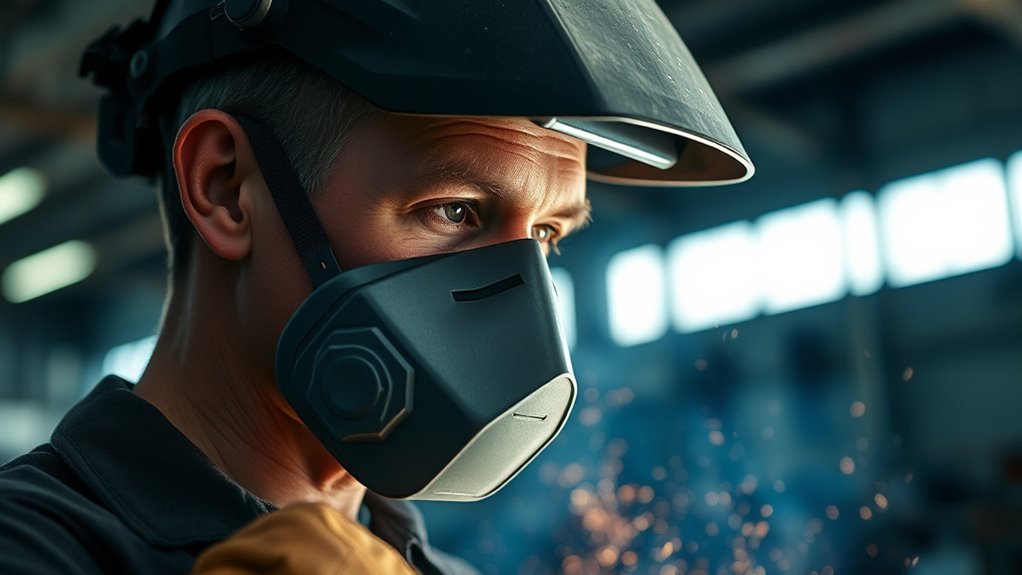
Welding respiratory protection is necessary because welding processes generate hazardous fumes and fine particulate matter containing toxic metals such as manganese, nickel, and chromium, which can be inhaled and cause significant health damage.
These Welding Fumes may penetrate deep into the lungs, where cumulative exposure can impair respiratory function, provoke metal fume fever, and increase the likelihood of chronic disease, including lung cancer. In such conditions, respiratory protection is not optional; it is a practical safeguard for bodily autonomy and long-term health.
High-quality respirators, including FFP3-rated devices, are designed to filter fine particulates and low-level organic vapors that ventilation alone may fail to remove. Their effectiveness depends on correct fit, since leakage reduces protection. Fit testing, consequently, remains essential.
When a Cup Mask Is Enough
A cup mask is generally sufficient for small-scale welding tasks in low-risk settings where particulate fume exposure remains limited and no significant gases or vapors are present.
Its effectiveness depends on a secure facial seal, correct fit, and condition of the disposable filter material.
When exposure limits are exceeded or contaminant complexity increases, more robust respiratory protection is required.
When Cup Masks Work
Cup masks are sufficient for low-risk welding operations where metal-fume exposure is minimal, such as small brazing tasks or other short-duration jobs with limited particulate generation. For welding safety, this protective equipment is suited to particulate control, not broad atmospheric defense.
| Condition | Cup Mask Use | Result |
|---|---|---|
| Low fume output | Appropriate | Controlled exposure |
| Short duration | Practical | Minimal burden |
| Dusty setting | Limited | Replace often |
| Gas presence | Inadequate | Additional controls needed |
| Routine inspection | Required | Maintains function |
Their lightweight, disposable form supports efficient work without maintenance-heavy dependence. However, effectiveness declines when filters load with debris. Regular replacement preserves performance and sustains safe, liberated work practices. Cup masks do not adequately address ozone or organic vapors, so selection must remain task-specific and exact.
Fume Exposure Limits
Fume exposure limits determine whether a cup mask provides adequate protection or whether higher-grade respiratory equipment is required. In welding, cup masks may be acceptable only when particulate levels remain low and exposure is brief.
- Low fume concentration can justify limited use.
- Continuous welding usually exceeds cup mask capacity.
- OEL guidance favors FFP3-class respirators and suitable respirator filters.
- Stainless steel and similar alloys may release carcinogenic fumes.
For light brazing, a cup mask can assist, yet its margin of safety narrows rapidly as heat input rises. Liberation from hazard depends on measured exposure, material selection, and task duration.
Where fumes accumulate, respiratory control must align with the toxicological profile, not convenience.
Choose Better Protection
When exposure is limited to low levels of welding particulate and short-duration brazing, a cup mask may provide adequate filtration for basic respiratory protection. It can control nuisance fumes and small quantities of particulate, offering practical protection in brief, low-risk tasks.
However, it does not defend against hazardous gases, vapors, or hexavalent chromium encountered in stainless steel work. For that reason, Safety requires routine inspection and replacement of loaded filters, since diminished airflow and contamination reduce performance.
In high-risk environments, a cup mask should not be treated as a substitute for more extensive respiratory protection. Its light weight and convenience support temporary use, but liberation from exposure demands selecting equipment matched to the hazard, not merely the task.
What Cup Masks Miss: Gases, Ozone, and Fine Dust
Despite their utility for basic particulate control, cup masks do not provide adequate protection against welding-generated gases, vapors, ozone, or the finest airborne dusts. Their media is oriented toward particulates, not gases, organic vapors, or the invisible byproducts of heat and arc chemistry. In confined or poorly ventilated work, this limitation becomes consequential.
- Ozone can irritate airways and, unfiltered, reach the lung.
- Metal fumes and fine dust may bypass low-efficiency capture.
- Prolonged exposure can contribute to respiratory disease.
- High-risk tasks require more advanced respiratory protection.
For welders seeking self-determination in hazardous environments, awareness of these omissions is essential. A cup mask may support limited duties, yet it cannot substitute for full-face respirators or other engineered controls when toxic contaminants are present.
Its role is narrow; its ceiling is low. Liberation in welding begins with recognizing what a mask excludes, not merely what it catches.
How to Get a Better Seal From Your Cup Mask
A tighter seal on a cup mask depends on correct placement, with the mask centered over the nose and mouth before the straps are secured.
Strap adjustment and an adjustable nose clip should be used to minimize gaps and reduce air leakage around the cheeks and bridge of the nose.
The seal should also be inspected routinely for wear or damage, and foam or silicone edging may improve conformity to facial contours.
Improving Cup Mask Fit
A properly fitted cup mask is essential for maintaining effective respiratory protection during welding. In improving cup mask fit, the operator should prioritize choosing the right model and verifying conformity to the facial profile.
- Adjust straps so the mask rests snugly, without discomfort or visible gaps.
- Conduct a fit test before each use; any air leakage indicates inadequate positioning.
- Keep the mask clean, since dirt, debris, and loaded filters can impair seal integrity and airflow.
- Inspect the assembly regularly for wear, deformation, or damage, and remove facial hair that interferes with contact.
A welding-specific cup mask typically provides filtration suited to particulates and gases, supporting disciplined control over exposure.
Proper fit is not decorative; it is a practical condition for safe, liberated work.
Achieving A Tighter Seal
To achieve a tighter seal from a cup mask, the operator should guarantee that the facepiece conforms closely to the facial contours by using adjustable straps to obtain a secure, even fit with minimal leakage. In welding protection, this right one choice preserves respiratory freedom and limits contaminant ingress. A flexible facepiece often improves conformity. Clean filters, remove debris, and inspect wear before use. Conduct a seal check each time.
| Control | Purpose |
|---|---|
| Adjustable straps | Customize tension |
| Flexible material | Improve conformity |
| Cleanliness | Reduce leakage |
| Inspection | Detect damage |
| Seal check | Verify integrity |
Damaged masks should be removed from service immediately, since degradation can undermine the seal and diminish protection during welding tasks.
Why Aluminum and Stainless Need More Protection
Welding aluminum and stainless steel produces hazardous airborne contaminants, including aluminum oxide smoke and fine metal particulates, that require heightened respiratory control because inhalation can cause acute respiratory irritation, chronic lung disease, and, with prolonged exposure, increased cancer risk.
Their reactivity and fine particle size demand strict use of a welding helmet with integrated respiratory control and observance of exposure limits to preserve worker autonomy and health.
- Aluminum fumes disperse rapidly and irritate the airways.
- Stainless steel may emit chromium and nickel particulates, intensifying toxic load.
- OEL compliance reduces cumulative inhalation burden in enclosed or poorly ventilated spaces.
- FFP3-class filtration, with carbon adsorption where ozone is present, provides essential barrier protection.
A disciplined respiratory program enables welders to resist preventable harm while maintaining productive work.
Clear controls, monitored air quality, and fitted protection are not optional technicalities; they are the practical means by which labor remains free from avoidable pulmonary injury and long-term disease.
Best Welding Respirators for Tough Jobs
For the toughest welding tasks, the most effective respirators combine high-efficiency filtration with protection against both fine particulates and hazardous gases, with FFP3-rated systems offering strong defense against metal fumes and organic vapors.
Among the best welding respirators, full-face models such as the WF-100 provide integrated eye, face, and respiratory protection, plus flip-up welding shields for operational flexibility.
For stainless steel work, dedicated filtration against hexavalent chromium is essential, since this carcinogen demands rigorous control. Occupational Safety and Health principles require a secure airtight seal; facial hair can disrupt fit and increase exposure. Proper sizing and adjustment consequently determine real-world performance.
High-quality respiratory protection also improves endurance during extended welding sessions, reducing discomfort while preserving respiratory integrity. In demanding environments, effective selection is not a luxury but a practical assertion of worker autonomy, enabling safer, more controlled work without surrendering mobility, visibility, or protection.
Where to Buy the Right Welding Respirator
A suitable welding respirator is typically sourced from reputable manufacturers such as uvex, especially when welding and brazing demands require application-specific protection. Procurement should align with task hazards, because welding respirators must satisfy the Safety and Health Administration expectations for exposure control and operator autonomy.
- Reputable brand outlets: uvex and similar producers supply purpose-built models for welding and brazing.
- Online B2B shops: these platforms list protection classes for varied metals, fumes, and workspaces.
- Local safety suppliers: in-person fitting improves seal, comfort, and operational freedom.
- User reviews: feedback from welders helps identify durable units for harsh environments.
Selection should reflect the required filtration level, such as FFP3 for high-alloy steels or carbon respirators for ozone gas.
The most effective purchase combines certified performance, verified fit, and field-proven reliability, allowing the worker to breathe securely without surrendering control over the task.
Frequently Asked Questions
What Do Welders Wear to Protect Their Lungs?
Welders wear respirators and masks, often FFP3-rated or full-face units, to protect the lungs from metal fumes and particulates.
In well-designed ventilation systems, these devices support lung health by reducing inhalation exposure during cutting, grinding, and arc welding.
Filter selection depends on the material being welded, and maintenance is essential.
Clean filters preserve performance, while damaged or saturated elements compromise protection and worker autonomy.
Why Do Welders Drink Milk After Welding?
Welders drink milk after welding because it is believed to reduce irritation and support recovery from metal fume exposure.
Some associate milk benefits with calcium binding certain metals, while proteins and fats may soothe the stomach.
However, these claims remain among welding myths, and milk does not replace proper respiratory protection.
The practice persists largely as a traditional folk remedy, transmitted across generations within industrial labor communities.
Do You Need Respiratory Protection When Welding?
Yes, respiratory protection is needed when welding, especially where welding fumes are present. Fine particulates and toxic metals can create serious health risks, including lung damage and long-term disease.
A properly rated respirator, together with ventilation and exposure control, is essential in confined or poorly ventilated areas. Compliance with occupational exposure limits is not optional; it is a practical safeguard that preserves bodily autonomy and reduces preventable harm.
What Is a Respiratory Welder Mask?
A respiratory welder mask is a specialized facepiece that filters welding fumes, gases, and fine particulates while allowing safer breathing during fabrication.
For example, in a workshop welding stainless steel, a P3-rated mask can reduce inhalation exposure during long shifts.
Different mask types may include half-face or powered units, often with anti-fog visors.
Proper fit, maintenance, and clean filters are essential for reliable protection and operational freedom.
Conclusion
In welding, respiratory protection functions as a final barrier between the worker and an atmosphere of hazardous fumes, gases, and ultrafine particulates. A cup mask may serve as a brief shield for low-intensity tasks, but it is not an all-encompassing safeguard for sustained exposure. Like a gate with gaps, it cannot fully block invisible contaminants. For aluminum, stainless steel, and continuous welding, properly fitted advanced respirators remain the more reliable and technically appropriate choice.
