
Disclosure: This roundup contains Amazon affiliate links. We may earn a commission from qualifying purchases at no extra cost to you. As an Amazon Associate I earn from qualifying purchases.
Spring break is a great time to trade crowded resorts for a quieter campsite and a canvas shelter that feels more like a small cabin than a conventional nylon tent. Whether you want a bell tent for glamping with friends, a sturdy wall tent for a family basecamp, or a stove-jack-equipped shelter for chilly shoulder-season nights, the right design can make a long stay considerably more comfortable.
Choose according to usable floor space, packed weight, setup crew, ventilation, and expected weather—not the maximum occupancy printed on a listing. Every tent in this guide is best suited to car camping or a vehicle-supported basecamp, and several require two or more people to transport and pitch.
Quick Verdict
Best overall for glamping: The WHITEDUCK Regatta 13′ balances a manageable bell-tent layout with ventilation, a sewn-in groundsheet, stand-up height, and a stove jack.
Best family basecamp: The TETON Mesa 14′ x 10′ offers a practical rectangular floor plan, cotton canvas, and a heavy-duty floor for three-season car camping.
Best for maximum space: The MC TOMOUNT 16.4′ bell tent gives large groups a wide footprint, tall walls, multiple mesh openings, and a removable floor, although its polycotton fabric is lighter than traditional heavyweight canvas.
Top Picks
|
Category |
Product |
Why It Stands Out |
|---|---|---|
|
🏆 Best Overall Glamping Tent |
Balanced size, stand-up height, ventilation, sewn-in floor, and stove-jack compatibility. |
|
|
💼 Best Family Basecamp |
Rectangular three-season layout with cotton canvas, a heavy PVC floor, and room for family gear. |
|
|
🎨 Most Spacious Bell Tent |
Large-diameter bell-tent design with tall sidewalls, multiple mesh openings, and a removable floor. |
|
|
⭐ Best Premium Wall Tent |
Heavy-duty basecamp package with two stove-jack positions, an AC port, large windows, and a substantial frame. |
|
|
🚀 Best for Very Large Groups |
Extensive floor space for cots, tables, gear storage, and a carefully planned stove area. |
|
|
🎯 Best Mid-Sized Wall Tent |
A useful middle ground between compact wall tents and outfitters’ largest basecamp shelters. |
|
|
🔰 Best Compact Wall Tent |
The smallest Alpha footprint for couples, small groups, or sites with limited level ground. |
|
|
🧰 Best Simple Wall-Tent Package |
Polycotton wall-tent design with a steel frame, PVC floor, and rain canopy, but limited buyer-feedback history. |
Before You Buy a Canvas Tent
- Measure usable space: Cots, furniture, storage bins, walkways, and stove clearances can consume much more room than sleeping pads.
- Check packed weight: These are vehicle-supported shelters. Some wall-tent systems are split into multiple heavy bags.
- Confirm included components: Verify whether the exact variation includes the frame, floor, stakes, awning, rainfly, stove jack, and carry bags.
- Match the season rating: A canvas body does not automatically make a tent suitable for heavy snow, severe wind, or unattended winter use.
- Plan for drying and storage: Canvas must be packed completely dry to reduce the risk of mildew, odor, and fabric damage.
How We Picked
This guide compares manufacturer-listed specifications, product configurations, intended uses, and recurring themes in publicly available buyer feedback. It does not claim independent hands-on testing.
- Capacity and layout: We prioritized usable floor area, headroom, door placement, and space for cots or furniture rather than relying only on maximum occupancy claims.
- Weather features: We considered canvas treatment, floor construction, ventilation, stove-jack availability, guy-out systems, and optional weather accessories.
- Materials and durability: Cotton, polycotton, pole materials, floor weight, reinforced seams, and replaceable components influenced the recommendations.
- Setup and transport: Packed weight, number of bags, likely setup crew, and suitability for car camping were treated as major buying factors.
- Value for the intended use: A glamping bell tent, family cabin tent, and outfitter wall tent solve different problems, so each was judged within its most appropriate use case.
Best Canvas Tents for Spring Break Camping
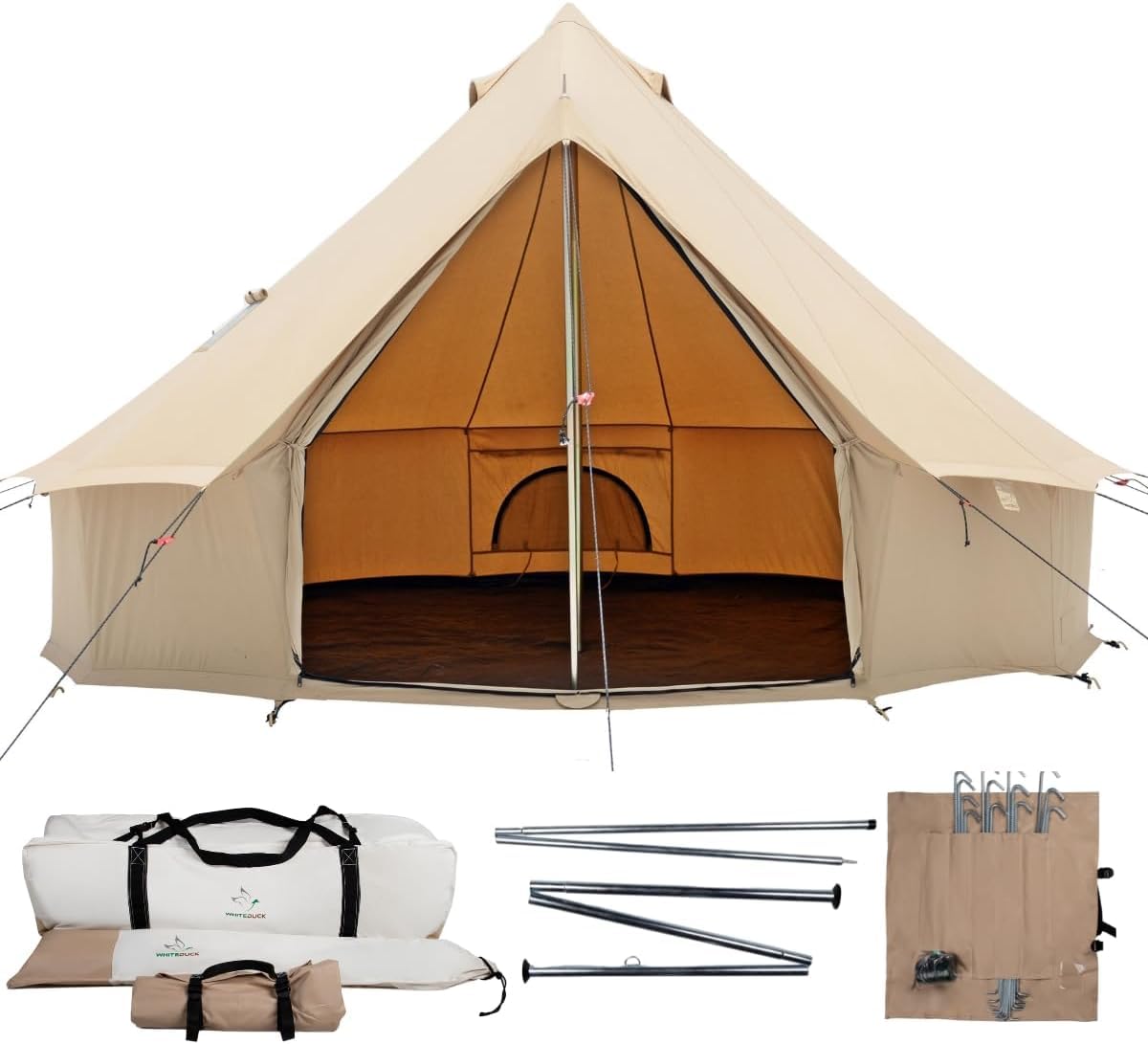
The Regatta is the most balanced choice for readers who want a comfortable glamping shelter without moving up to a multi-hundred-pound wall-tent system. Its 13-foot bell shape gives you an open central living area, while the high center pole and full-height entrance make it easier to move furniture, bedding, and storage inside.
Ventilation is a major advantage for spring weather. Mesh windows and roof vents help release warmth and condensation during sunny afternoons, while the sewn-in groundsheet separates bedding from damp soil. The tent is still heavy enough to require vehicle transport, and a second person will make unloading, positioning, and tensioning the canvas easier.
Who Should Buy This
Choose the Regatta if you want a glamping-oriented bell tent for couples, small families, festivals, or relaxed group trips where comfort, appearance, ventilation, and stand-up room matter.
Who Should Avoid This
Skip it if you need a backpacking shelter, a rectangular cot layout, or a structure intended to remain erected permanently. The central pole can also limit furniture placement compared with a wall tent.
What People Say
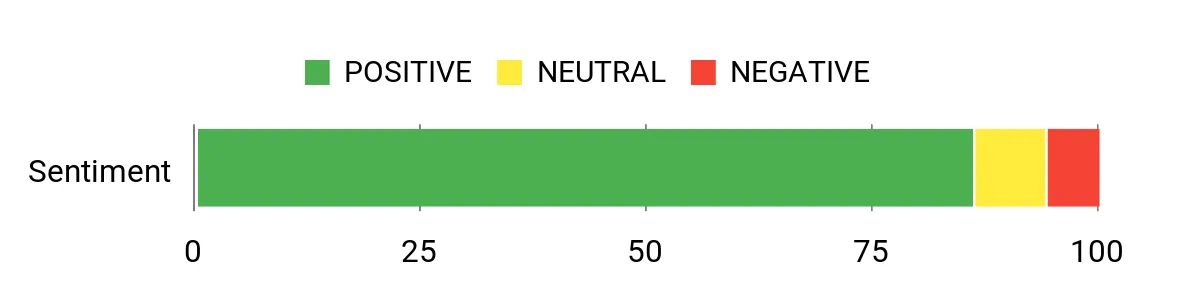
Published buyer feedback commonly highlights the substantial canvas, solid hardware, roomy interior, and ability to stay comfortable in changing temperatures. The most frequent limitation is the packed weight, followed by the effort required to dry and store a large canvas shelter properly.
Review Trend: Generally positive, but check recent reviews for current hardware, packaging, and fabric-option feedback.
Aesthetic Appeal
The sandstone canvas and traditional bell profile create a warm, understated glamping look. Rugs, cots, low furniture, and soft lighting fit naturally around the circular walls.
Durability and Care
Reinforced seams, galvanized poles, substantial stakes, and a sewn-in floor support repeated car-camping use. As with any canvas shelter, it should be cleaned gently and dried completely before storage. Inspect guy lines, bungee components, and stake points before exposed or windy trips.
Why You’ll Like It
- Useful balance of comfort, ventilation, and setup simplicity
- High center profile and full-height entrance
- Sewn-in groundsheet for a cleaner sleeping area
- Mesh windows and roof vents for warm spring afternoons
- Stove jack for a correctly installed compatible tent stove
- Electrical cable outlet for powered campsites
Check Current Amazon Availability

The Mesa is a practical family choice because its rectangular 14-foot-by-10-foot footprint is easier to furnish than a circular bell tent. Cots can sit along the walls, bags can slide underneath them, and the center remains open for changing clothes or moving around during wet weather.
The current manufacturer specifications classify this model as a three-season tent with a six-person comfort capacity. It uses 100% cotton canvas, a heavy PVC floor, and steel poles. It does not list a separate rainfly, so buyers should not assume the package or weather setup is identical to a double-wall nylon tent.
Who Should Buy This
It is best for families, couples who want generous gear space, and car campers who prefer a conventional rectangular cabin layout.
Who Should Avoid This
Choose another model if you specifically need a four-season rating, a confirmed stove-jack configuration, or a shelter for severe snow loading. Verify the exact Amazon variation and included components before ordering.
What People Say
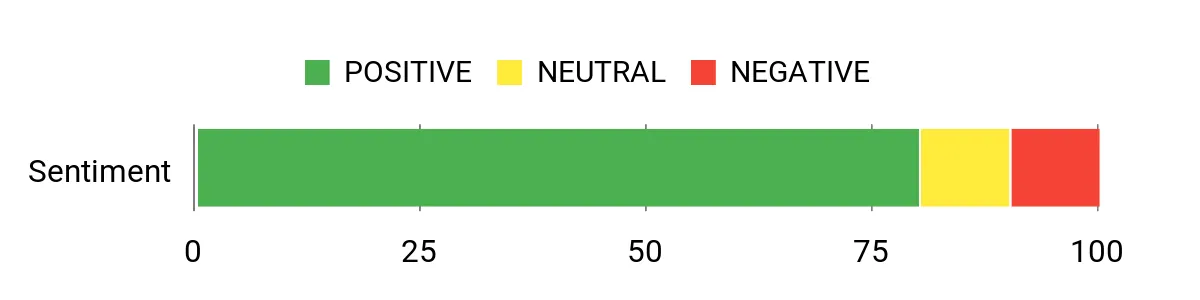
Buyer feedback often praises the roomy interior, heavy floor, straightforward layout, and substantial feel of the canvas. Weight, packed bulk, and occasional finishing or stitching concerns are the main reasons to inspect the tent carefully during an at-home trial pitch.
Review Trend: Generally favorable for family car camping, with quality-control inspection recommended before the return window closes.
Aesthetic Appeal
The brown canvas and cabin-style shape look traditional without feeling overly decorative. Straight walls also make the interior feel organized and easy to furnish.
Durability and Care
The cotton body, steel support system, and heavy PVC floor are designed for repeated vehicle-supported trips. Practice setup before traveling, inspect stitching and pole connections, and dry the canvas fully after rain or heavy morning condensation.
Why You’ll Like It
- Rectangular 14′ x 10′ layout with 140 square feet of floor space
- Six-person manufacturer comfort capacity
- Heavy-duty PVC floor for muddy family campsites
- Two doors for easier group access
- Gear loft, organizer, and pockets for small-item storage
- More furniture-friendly than a center-pole bell tent
Check Current Amazon Availability

The MC TOMOUNT is the space-focused choice for campers who want beds, tables, chairs, and gear inside one shelter. Its tall sidewalls make more of the perimeter usable than a low-wall bell tent, while the multiple openings provide flexible access and cross-ventilation.
The fabric is a 210G polyester-cotton blend rather than especially thick traditional cotton canvas. That helps keep the listed weight more manageable than very large wall tents, but it also means shoppers should not compare it directly with heavyweight outfitter canvas. The removable zipped floor is convenient for cleaning and for opening the walls into a canopy-style arrangement.
Who Should Buy This
Choose it for group glamping, festivals, family gatherings, or extended car-camping trips where interior space and ventilation matter more than compact packed dimensions.
Who Should Avoid This
It is not a good fit for backpackers, very small campsites, or buyers seeking thick expedition-style cotton canvas. Large exposed panels also require careful staking and sensible weather judgment.
What People Say
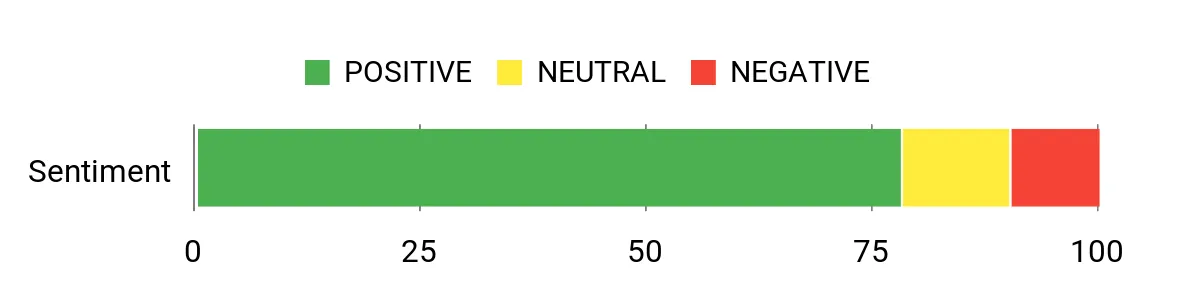
Buyer feedback commonly praises the roominess, tall walls, removable floor, and number of mesh openings. Recurring reservations include the supplied stakes, floor thickness, condensation management, and the lighter canvas-blend material.
Review Trend: Positive for space and versatility, with stronger stakes and a careful first setup often recommended.
Aesthetic Appeal
The neutral brown fabric, high roof, and raised sidewalls create a large yurt-like space that works well with cots, rugs, tables, and lanterns.
Durability and Care
Double-stitched seams and reinforced corners support routine car-camping use, but the lighter fabric should not be described as equivalent to 10-ounce army-duck canvas. Use appropriate anchors, avoid exposed sites when severe weather is forecast, and dry the floor and body separately when necessary.
Why You’ll Like It
- Wide 16.4-foot-diameter footprint
- Approximately 9.2 feet of peak height
- Tall sidewalls create more usable perimeter space
- Eight mesh-equipped openings improve airflow and access
- Zipped removable floor simplifies cleaning and layout changes
- Stove jack for a correctly installed compatible tent stove
Check Current Amazon Availability
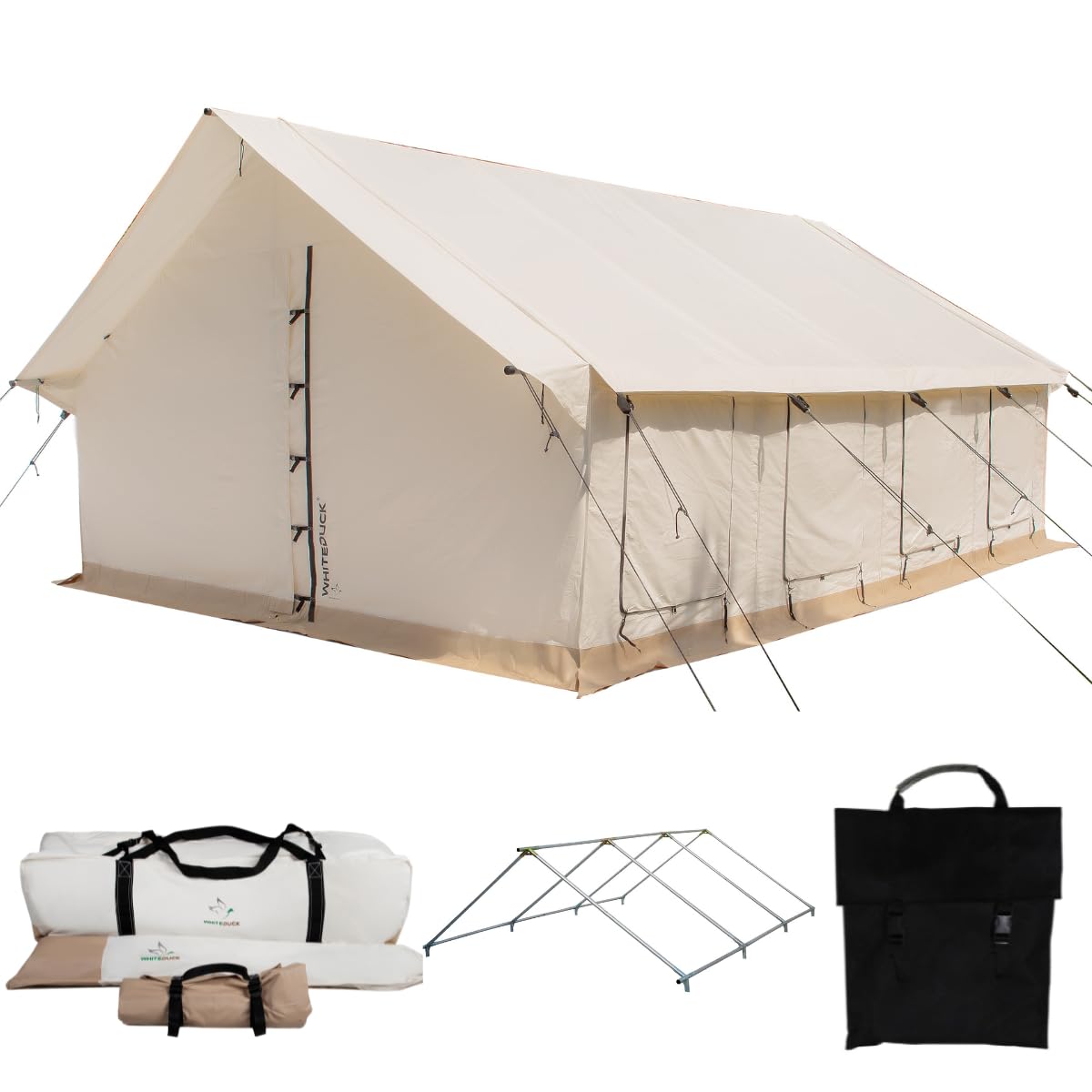
The Alpha Pro is for buyers who want a serious basecamp rather than a casual weekend tent. Its 12-foot-by-14-foot footprint provides 168 square feet of interior space, while the tall walls, front and rear doors, and multiple windows make the room easier to organize and ventilate.
Its advantages come with a major transport requirement. The complete system is listed at more than 200 pounds and is divided into heavy tent, floor, pole, and hardware components. Plan for a capable vehicle, at least two adults, a large level pitch, and more setup time than a bell or cabin tent.
Who Should Buy This
It is best for long hunting camps, outfitter-style trips, extended family basecamps, or glamping setups where a durable frame, stove layout, and separate living zones justify the weight.
Who Should Avoid This
Skip it for short overnight trips, solo setup, compact vehicles, small campsites, or situations where the tent must be carried any meaningful distance.
What People Say
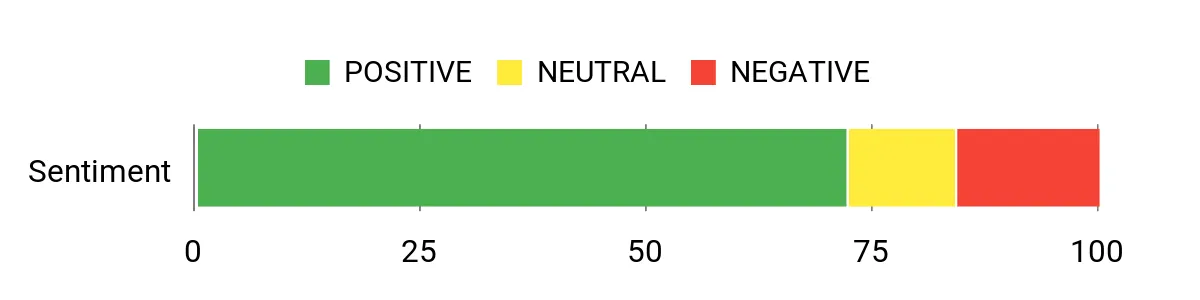
Feedback commonly focuses on the substantial construction, large windows, useful floor, and cabin-like interior. The main tradeoffs are the packed weight, time required for the first assembly, and the need to organize multiple heavy components.
Review Trend: Positive among buyers who understand that this is a large basecamp system rather than a portable recreational tent.
Aesthetic Appeal
The natural canvas, high roofline, and straight walls create a classic lodge-like space. The rectangular interior is easy to divide into sleeping, storage, and seating areas.
Durability and Care
Reinforced seams, a heavy floor, large frame sections, bungee reinforcement, and multiple guy points support extended seasonal use. It should still be treated as a temporary or seasonal structure rather than permanent housing, and all fabric must be stored dry.
Why You’ll Like It
- True 12′ x 14′ rectangular floor plan
- Two doors and six windows for access and ventilation
- Roof and rear-wall stove-jack locations
- Sealable AC port for powered basecamps
- Heavy-duty floor and substantial frame package
- Strong option for long stays and organized cot layouts
Check Current Amazon Availability

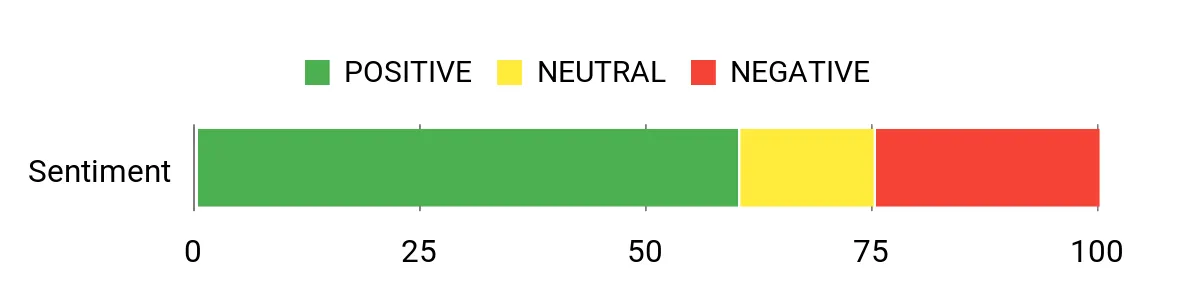
The 16×20 Alpha is the choice for a large crew or an elaborate long-stay camp. Its 320 square feet allow room for multiple cots, storage, tables, walkways, and heating equipment when the layout is planned carefully.
Do not interpret the largest advertised occupancy as a comfortable real-world target. Wide cots, stove clearances, cooking equipment, and personal gear quickly reduce sleeping capacity. For a relaxed basecamp, sketch the floor plan before choosing this size.
Who Should Buy This
It suits outfitters, hunting groups, large families, event camps, or long-duration sites where interior organization matters more than transport simplicity.
Who Should Avoid This
Avoid it for short trips, solo setup, small vehicles, or campsites without a large level pad and strong anchoring options.
What People Say
Buyer feedback emphasizes the enormous interior, heat retention with a correctly installed stove, and the substantial canvas-and-floor system. Setup crew, heavy bags, and reliance on video instructions are the most common limitations.
Review Trend: Favorable for long-stay basecamps, but satisfaction depends heavily on realistic transport and setup planning.
Aesthetic Appeal
The tall white walls and broad roof create a true canvas-cabin appearance. The interior can support separate sleeping, dining, and storage zones.
Durability and Care
Heavy canvas, reinforced seams, included framing, and a substantial groundsheet are appropriate for repeated seasonal camps. Exposed sites still require careful anchoring, routine guy-line checks, and prompt snow removal when applicable.
Why You’ll Like It
- Huge 16′ x 20′ rectangular footprint
- Space for multiple cots and dedicated living zones
- Treated cotton canvas with reinforced construction
- Included floor and frame system
- Stove-jack configuration for properly installed heating equipment
- Optional porch and fly accessories for expanded coverage
Check Current Amazon Availability
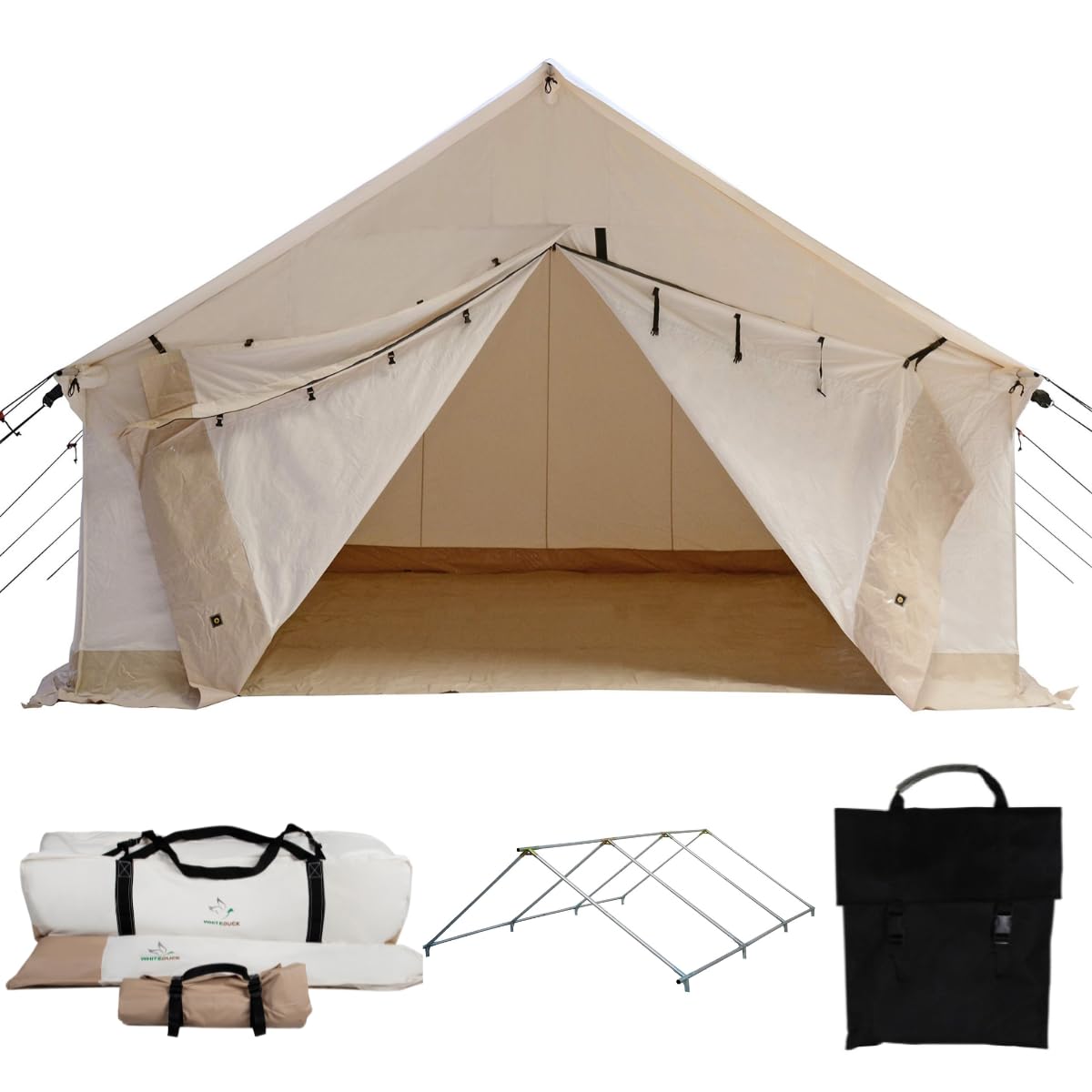
The 14×16 Alpha is the most versatile standard Alpha size in this roundup. It offers substantially more room than the 10×12 without requiring the exceptionally large pitch of the 16×20.
For a long family trip or hunting camp, the 224-square-foot footprint can accommodate several cots, storage, and a modest living area. It remains a heavy wall-tent system, so two or more people and vehicle access are still sensible requirements.
Who Should Buy This
It works well for medium-sized groups, several cots, longer stays, or buyers who want a dedicated stove-and-storage layout without choosing the largest model.
Who Should Avoid This
Skip it if you camp alone, move sites frequently, or lack space to dry and store a large canvas body and frame system.
What People Say
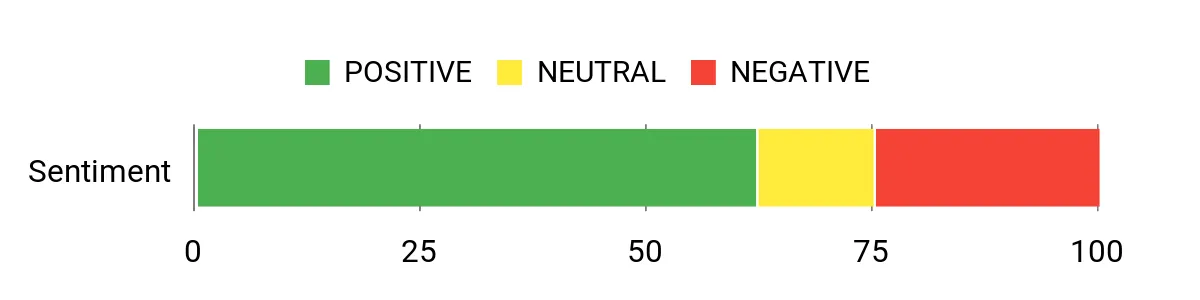
Feedback tends to emphasize the generous floor plan, warmth, canvas feel, and usefulness of the included groundsheet. Weight and first-time setup remain the main compromises.
Review Trend: Most suitable for buyers who value a durable seasonal basecamp and understand the labor involved.
Aesthetic Appeal
Natural canvas and straight walls give the 14×16 a traditional outfitter-tent appearance. Its proportions are large enough to feel cabin-like without dominating a site as much as the 16×20.
Durability and Care
The treated canvas, reinforced seams, modular frame, and groundsheet support repeated multi-season use. Stake every required point, avoid storing the fabric damp, and inspect stove-jack material before each heated trip.
Why You’ll Like It
- Balanced 14′ x 16′ footprint
- Enough space for several cots and organized gear storage
- Included frame and PVC groundsheet
- Stove jack for compatible tent-stove installations
- Modular accessory options
- More manageable site requirement than the 16×20
Check Current Amazon Availability
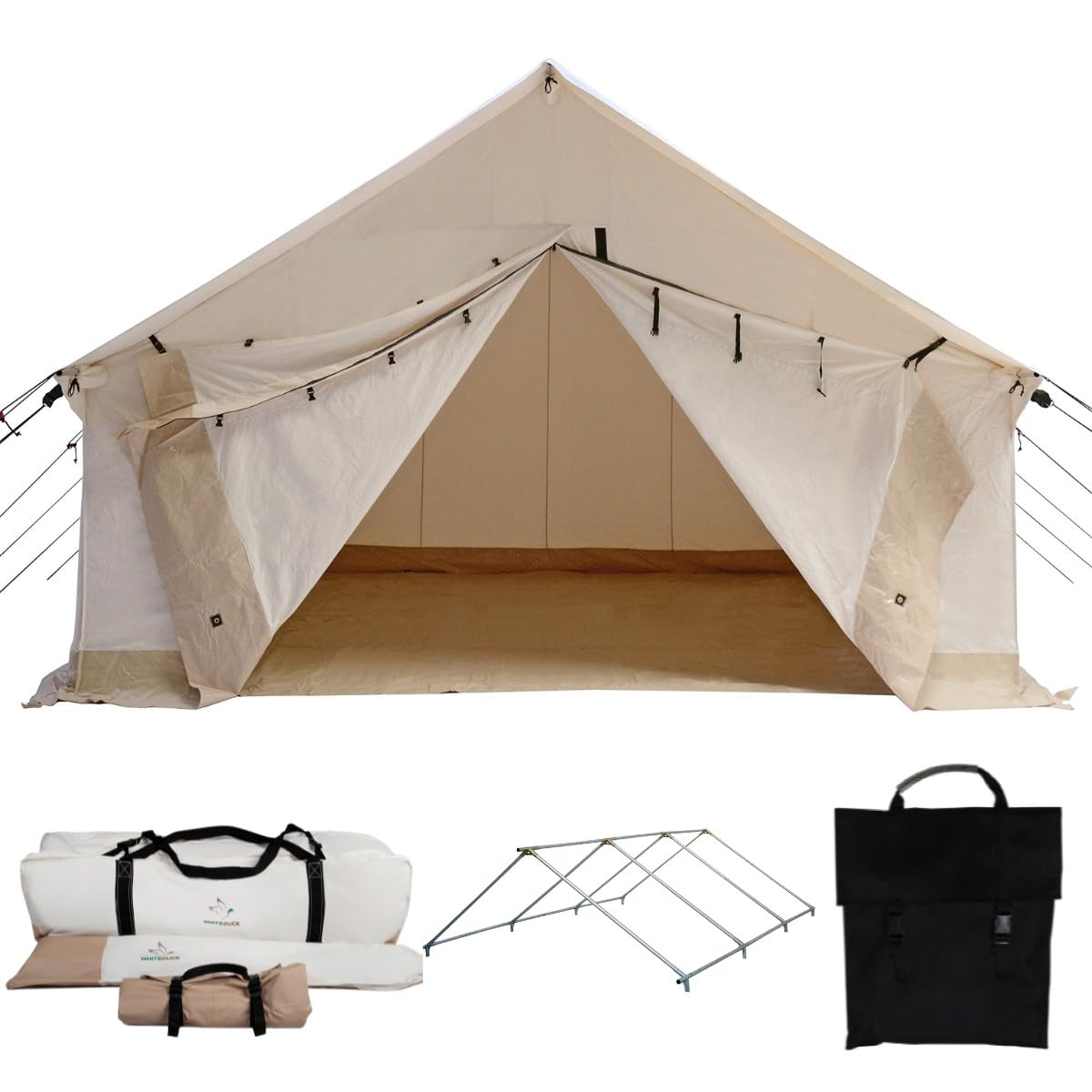
The 10×12 Alpha is the smallest wall tent in the retained lineup, making it easier to place on a modest campsite. It still provides straight walls, stand-up room, a separate floor, and the traditional basecamp atmosphere buyers expect from the Alpha series.
Its 120 square feet should be planned conservatively. A stove, safe clearance zone, two wide cots, and gear can fill the interior quickly. It is better suited to a couple or small group that values comfort than to the maximum number of sleeping pads that can technically fit.
Who Should Buy This
Choose it for couples, two hunters with cots, small family camps, or buyers who want a wall-tent layout without the site requirements of larger Alpha models.
Who Should Avoid This
It may feel cramped for larger groups once a stove, furniture, and bulky gear are added. It is also still too heavy and complex for backpacking or frequent daily relocation.
What People Say
Feedback commonly praises the warmth, traditional canvas feel, floor protection, and compact wall-tent footprint. Buyers still mention heavy bags and the value of using setup videos during the first pitch.
Review Trend: Most appealing to small groups that specifically want a canvas wall-tent experience.
Aesthetic Appeal
The compact white canvas structure resembles a small backcountry cabin and fits more naturally into tighter wooded sites than the larger Alpha models.
Durability and Care
Heavy fabric, reinforced seams, the frame system, and a separate groundsheet support repeated seasonal camping. Proper staking remains essential, and the smaller size does not eliminate the need to dry the canvas before packing.
Why You’ll Like It
- Compact 10′ x 12′ wall-tent footprint
- Suitable for couples and small cot layouts
- Included floor and frame system
- Stove jack for compatible heating setups
- Straight walls provide more usable edge space
- Easier site selection than larger wall tents
Check Current Amazon Availability

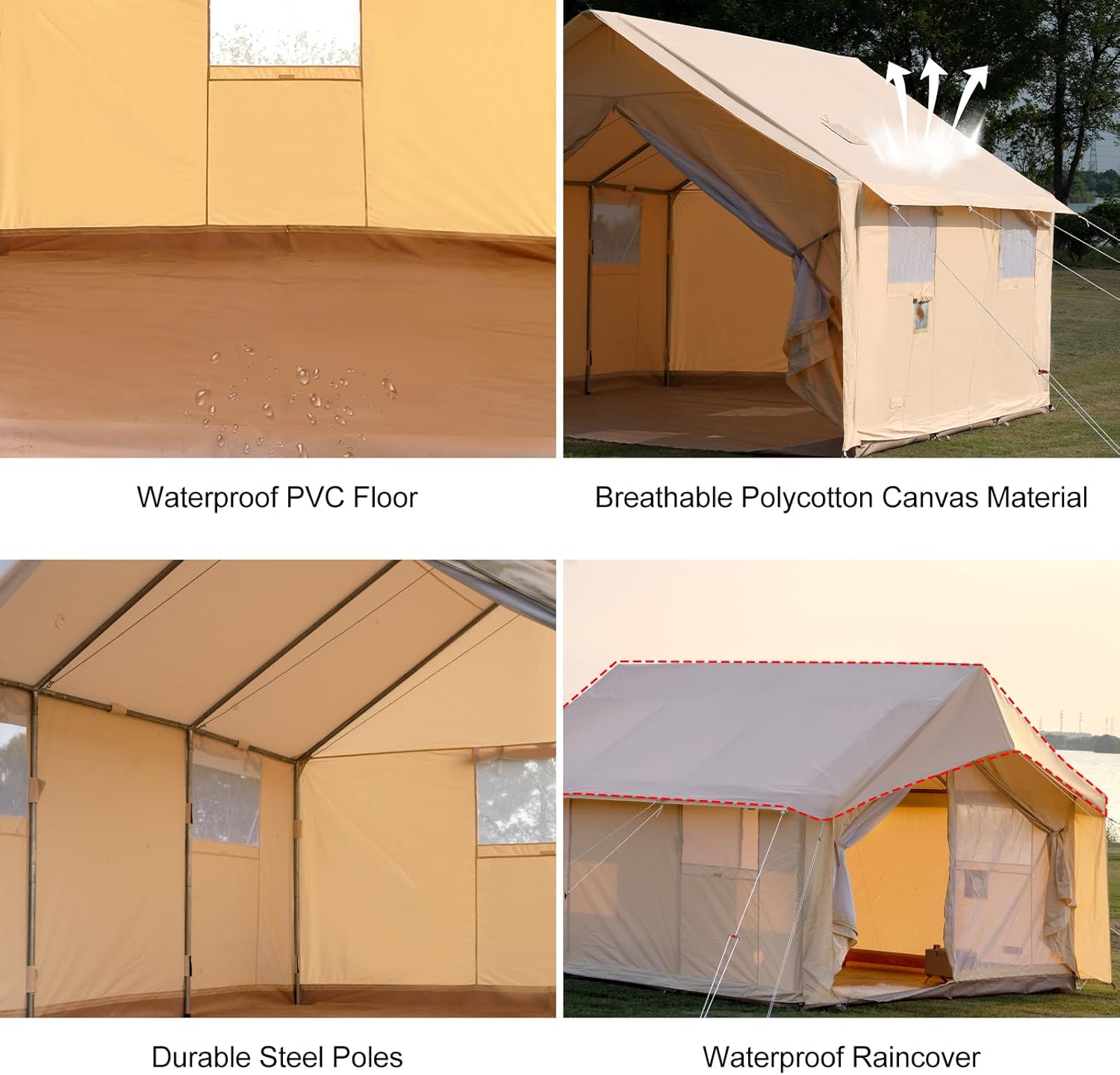
The WaldZimmer is a simpler wall-tent alternative for buyers who want a steel frame, tall walls, a PVC floor, and a small rain canopy over the entrance. Its approximate 123-square-foot floor area is similar to a 10×12 wall tent and can work for a couple, small family, or several compact sleeping pads.
The listing advertises higher maximum occupancy, but cots and storage will reduce practical capacity. It also has a much thinner buyer-feedback history than the established WHITEDUCK and TETON options, so inspect the return policy, package contents, pole connections, seams, and welds immediately after delivery.
Who Should Buy This
Consider it if you want a traditional wall-tent shape with an included steel frame and floor and are comfortable evaluating a newer, less extensively reviewed listing.
Who Should Avoid This
Skip it if you need a well-documented stove-jack system, extensive long-term feedback, proven severe-weather performance, or a tent that one person can move and pitch easily.
What People Say
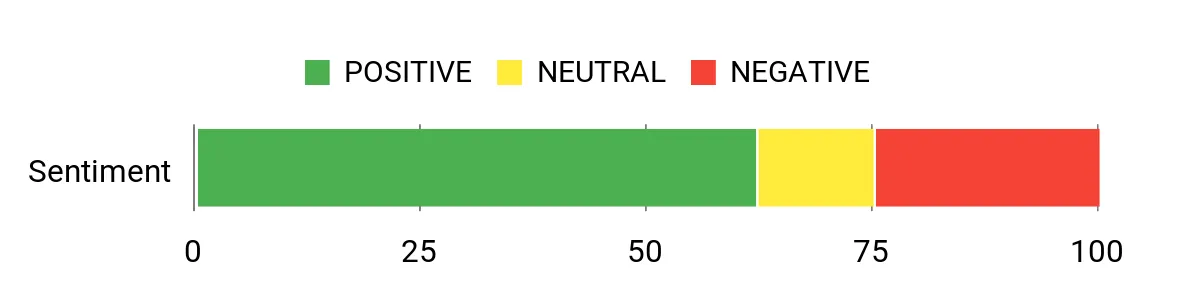
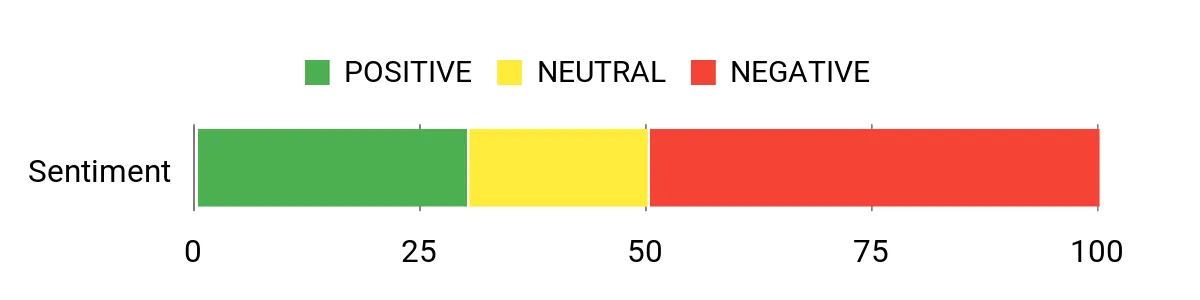
Available feedback mentions the roomy interior, floor, and rain canopy, but the review volume is too limited to support a dependable consensus. Any sentiment summary should therefore be treated as preliminary rather than representative.
Review Trend: Insufficient long-term feedback for a confident conclusion.
Aesthetic Appeal
The beige polycotton and tall wall-tent outline provide a rustic, cabin-like appearance that fits family camps, hunting sites, and understated glamping layouts.
Durability and Care
The steel frame and PVC floor add substance, but limited long-term evidence means buyers should avoid overconfident durability assumptions. Stake and guy the structure fully, inspect frame welds, and do not use it in severe wind beyond the manufacturer’s stated guidance.
Why You’ll Like It
- Approximately 123 square feet of rectangular floor area
- Polycotton body with a separate entrance canopy
- Included PVC floor
- Steel frame creates tall, usable walls
- Basic stakes and guy ropes included
- Traditional wall-tent appearance in a relatively compact footprint
Check Current Amazon Availability
FAQ
How Do I Choose the Right Canvas-Tent Size for Spring Break?
Start with the furniture and gear you intend to bring. Draw the floor shape and add cots, mattresses, storage bins, chairs, a clear entrance path, and any stove-clearance zone. This produces a much more realistic capacity estimate than the maximum occupancy printed in a product title.
A 10×12 wall tent can be comfortable for a couple or small group, while a 14×16 or 16×20 model is better for multiple cots and a separate living area. Bell tents provide an open communal layout, although the center pole affects furniture placement.
What Is the Difference Between Cotton and Polycotton Canvas?
Traditional cotton canvas is breathable and substantial but can be heavy and slow to dry. Polycotton blends usually reduce some weight and drying time while retaining more breathability than conventional coated polyester.
Fabric weight and treatment matter as much as the fiber label. A light 210G polycotton bell tent should not be compared directly with heavy army-duck cotton used in an outfitter wall tent.
Can I Use a Stove in a Canvas Tent?
Only use a compatible tent stove when the exact tent variation has a purpose-built stove jack and both manufacturers permit the installation. Follow the specified pipe diameter, clearances, ventilation requirements, spark-control guidance, and local fire restrictions.
Use a stable noncombustible stove mat, appropriate wall or floor shielding, a spark arrestor where required, and a working carbon-monoxide detector. Keep combustible gear away from the stove and pipe. Never leave a burning stove unattended, and do not assume that a stove jack makes every fuel-burning heater suitable for enclosed use.
How Can I Improve Wind and Rain Performance?
Practice at home, use every required guy point, match anchors to the soil, and tension the structure evenly. Large canvas panels depend on correct geometry; one loose side can transfer excessive force to poles, seams, or stakes.
Use the manufacturer’s fly or canopy when available, avoid low spots where water collects, and keep the floor edge above runoff. No recreational canvas tent should be treated as a guarantee against severe storms, falling limbs, flooding, or excessive snow accumulation.
How Do I Prevent Mold and Condensation?
Ventilate the tent even in cool weather, avoid placing wet gear against the canvas, and wipe standing moisture from floors before packing. At home, unpack and dry every component completely, including ropes, stake bags, and removable floors.
Follow the manufacturer’s cleaning and seasoning instructions. Avoid harsh detergents or unapproved waterproofing products that could damage fabric treatments or reduce breathability.
What Campers Prefer
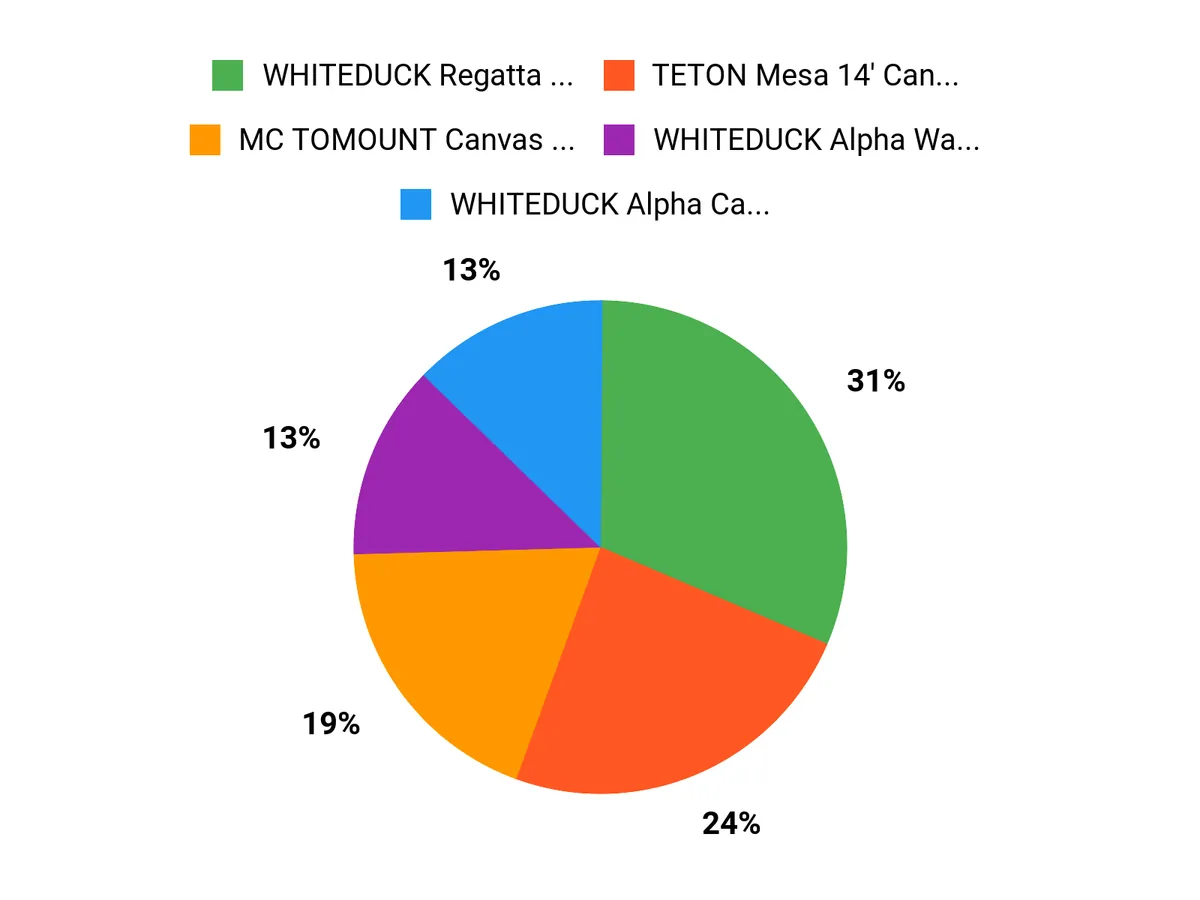
Canvas-tent buyers usually prioritize usable space, breathability, weather treatment, ventilation, stove-jack design, floor construction, and the amount of labor required to transport and pitch the shelter. Established wall tents tend to appeal to long-stay campers, while bell and cabin tents are often easier choices for shorter glamping or family trips.
The most important tradeoff is not simply cotton versus polycotton. It is the complete system: fabric weight, frame design, floor, number of openings, guy-out geometry, available replacement parts, and whether the packed shelter fits your vehicle and setup crew.
Wrapping Up
Choose the WHITEDUCK Regatta 13′ for the best overall balance of glamping comfort, ventilation, manageable bell-tent design, and stove-jack flexibility.
Choose the TETON Mesa 14′ x 10′ for a rectangular three-season family layout with a substantial floor and familiar cabin-tent organization.
Choose the MC TOMOUNT 16.4′ when maximum bell-tent space and multiple mesh openings matter more than heavyweight traditional canvas.
Choose an Alpha wall tent when you need a long-stay basecamp and have the vehicle, setup crew, storage space, and campsite area to support it.
Match the shelter to the way you actually camp. A smaller tent that your group can transport, pitch, ventilate, and dry properly will usually deliver a better trip than an oversized model chosen only for its maximum occupancy.
Canvas Tent Comparison
| Product Name | Image | Best For | Dimensions | Check Details |
|---|---|---|---|---|
| Regatta Canvas Bell Tent – WHITEDUCK |
 |
Overall glamping comfort | 13 ft diameter | Check on Amazon |
| Mesa Canvas Tent – TETON |
 |
Three-season family basecamp | 14 ft x 10 ft | Check on Amazon |
| Canvas Bell Tent – MC TOMOUNT |
 |
Maximum bell-tent space | 16.4 ft diameter; 9.2 ft peak | Check on Amazon |
| Alpha Pro Canvas Wall Tent – WHITEDUCK |
 |
Premium long-stay basecamp | 12 ft x 14 ft | Check on Amazon |
| Alpha Canvas Wall Tent – WHITEDUCK |
 |
Very large groups and outfitters | 16 ft x 20 ft | Check on Amazon |
| Alpha Canvas Wall Tent – WHITEDUCK (14’x16′) |
 |
Mid-sized group basecamp | 14 ft x 16 ft | Check on Amazon |
| Alpha Canvas Wall Tent – WHITEDUCK (10’x12′) |
 |
Couples and compact basecamps | 10 ft x 12 ft | Check on Amazon |
| Cotton Canvas Wall Tent with Rain Canopy – WaldZimmer |
 |
Simple wall-tent package | 12.1 ft x 10.2 ft x 8.3 ft | Check on Amazon |