Bikepacking is about carrying just what you need and making smart choices so your gear supports the ride, not slows it down. Choosing the right tent affects pack weight, riding comfort, weather protection, and how much of your trip you actually enjoy.
This guide highlights ten bikepacking tents across budgets and styles so you can quickly find options that match your priorities — whether you want the lightest packable shelter, a roomy two-person option, or the best value for weekend trips. You’ll learn what makes each tent stand out and which one might suit your route, climate, and packing strategy.
Affiliate disclosure:. As an Amazon Associate I earn from qualifying purchases. This roundup is reader-supported. If you buy through qualifying Amazon links, we may earn a commission at no extra cost to you.
Quick verdict: Prioritize packed pole length and total carried weight for handlebar mounting; prioritize floor width, doors, and vestibules when two riders will share the shelter.
Best starting points: Naturehike is the value-focused solo option, Fly Creek models prioritize minimal packed bulk, Copper Spur models add more livability, Tiger Wall balances two-door access with low weight, Blacktail Hotel favors storage space, and MSR Hubba Hubba Bikepack emphasizes a roomy two-person layout.
Top Picks
|
Category |
Product |
Best For |
|---|---|---|
|
💰 Value Pick |
Value-focused solo trips |
|
|
🎯 Versatile 2P Pick |
Roomy two-person versatility |
|
|
🏆 Compact-Pack Pick |
Minimal packed bulk |
|
|
🔰 Easy-Setup Solo Pick |
Simple solo setup |
|
|
🚴 Touring Comfort Pick |
Bike touring with extra gear space |
|
|
🚀 Ultralight Solo Pick |
Ultralight solo comfort |
|
|
🛡️ Durable 2P Pick |
Durable two-person touring |
|
|
⭐ Lightweight 2P Pick |
Lightweight two-person comfort |
|
|
🎨 UV-Fade-Resistant Pick |
Sun-exposed routes / UV-fade resistance |
|
|
🔧 Minimalist 2P Pick |
Minimalist two-person touring |
How We Picked These Tents
We compared the tents using buyer-relevant criteria: packed pole length and packed bulk for bike mounting, published weight, occupancy, floor and vestibule space, door layout, freestanding versus semi-freestanding design, weather-protection materials, ventilation, setup features, and the durability trade-offs that come with ultralight fabrics.
This is a specification- and use-case-based roundup, not a claim of hands-on testing of every tent. Model generations and Amazon listings can change, so verify the current size, included accessories, footprint compatibility, and warranty details before ordering. Product labels below describe the use case each model appears best suited to rather than an absolute ranking.

This Naturehike solo tent is a practical value-focused shelter for riders who want a compact double-wall tent without moving into premium ultralight pricing. Its published specifications list a 20D silicone-coated nylon rainfly, a 4000 mm waterproof rating, aluminum poles, and a freestanding 2-Y layout.
The main trade-off is interior space: it is a true one-person shelter, so taller riders or anyone who wants to keep bulky panniers inside may prefer a roomier model. It makes the most sense for solo weekend tours, mixed hiking-and-riding trips, and riders who value simple setup over the absolute lowest possible weight.
Buyer Considerations
The strongest buying reasons are the straightforward freestanding pitch, included footprint, and compact solo format. Before buying, confirm the current packed size and included accessories on the Amazon listing, and expect less living space than a two-person tent.
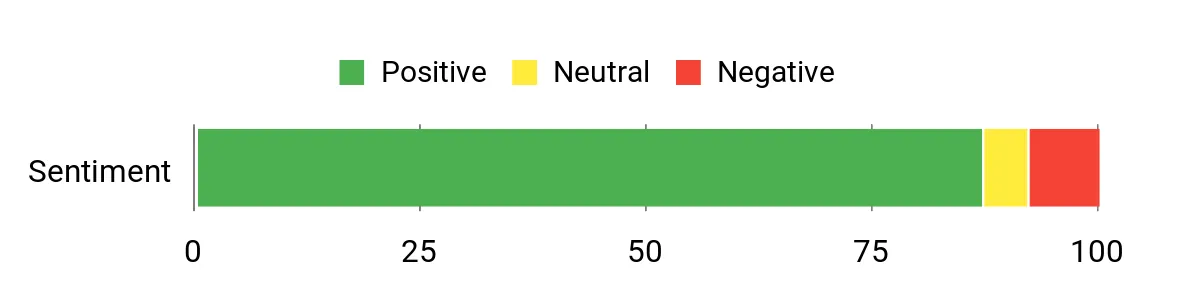
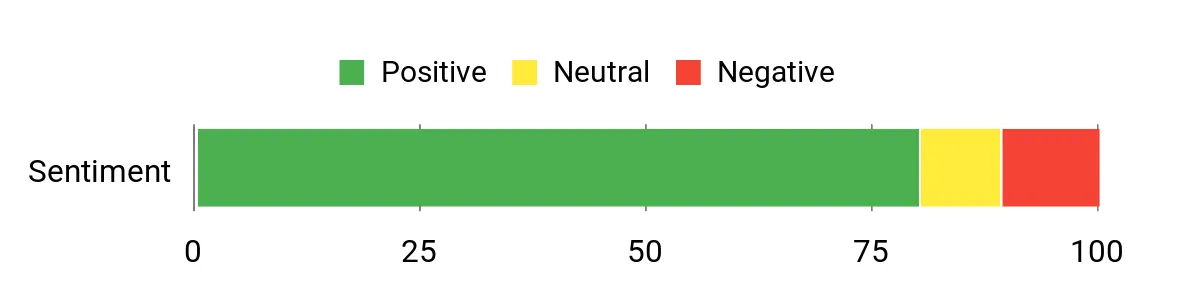
Review-data note: The sentiment chart below reflects the article’s captured review snapshot and may not match current Amazon ratings or review totals.
When It Helps
|
Situation |
How It Helps |
|---|---|
|
Bikepacking |
Packs down short and light so it fits on the frame or in panniers; quick to pitch after a long day of riding. |
|
Ultralight Backpacking |
Low trail weight and small packed size mean you can shave grams without giving up weather protection. |
|
Rainy Weather |
A silicone-coated 20D rainfly and taped seams are designed to resist rain; proper staking and guyline tension help maintain fly separation and reduce sag. |
|
Car Camping / Short Trips |
Freestanding setup and a vestibule make it convenient for quick overnights or when you want to leave gear protected outside the sleeping area. |
Best For
Best for solo riders who want a straightforward, budget-conscious three-season shelter with a familiar freestanding setup.
Key Benefits
- Very lightweight and packs down small for bikepacking
- Freestanding, quick setup with aluminum poles
- Published 20D silicone-coated rainfly and taped-seam construction for three-season weather protection
- Footprint included so you’re ready out of the bag
- Decent vestibule for shoes and small gear
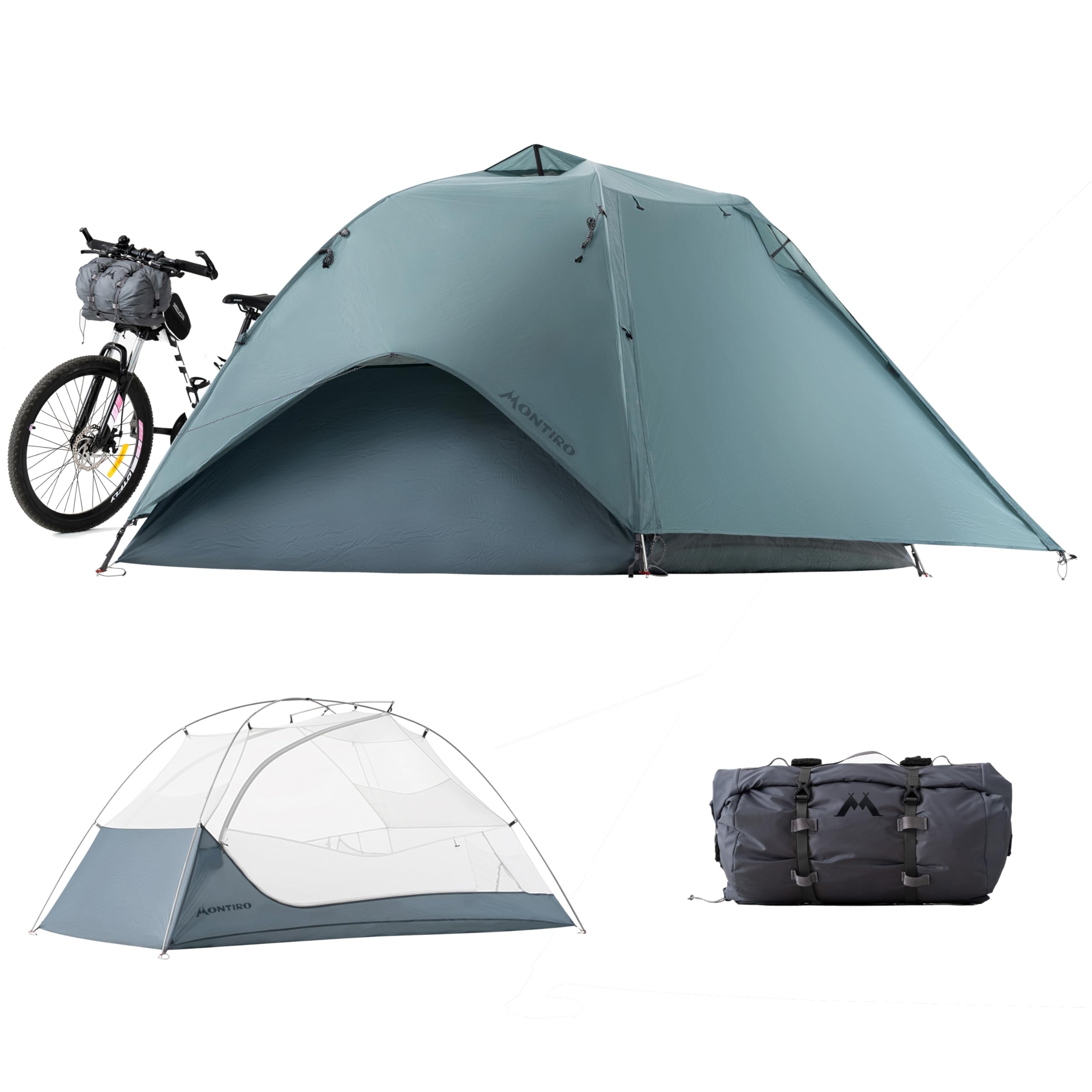
The Montiro Wander Hawk targets riders who want more interior room than a solo shelter without jumping to a heavy car-camping tent. The current Amazon listing identifies it as a two-person bikepacking/backpacking tent and publishes a 90 x 54 x 43 in interior with 34 sq ft of floor area.
Its appeal is versatility: two riders get more usable sleeping space, while a solo rider gains room for gear. Because smaller-brand listings can change, treat material and waterproof-rating details as listing-specific and verify the current Amazon specifications before relying on them for a wet-weather trip.
Buyer Considerations
Choose this model for space-to-weight balance rather than an absolute ultralight target. Verify the current rainfly/floor ratings, packed size, carry bag, and footprint inclusion on the live listing before purchase.
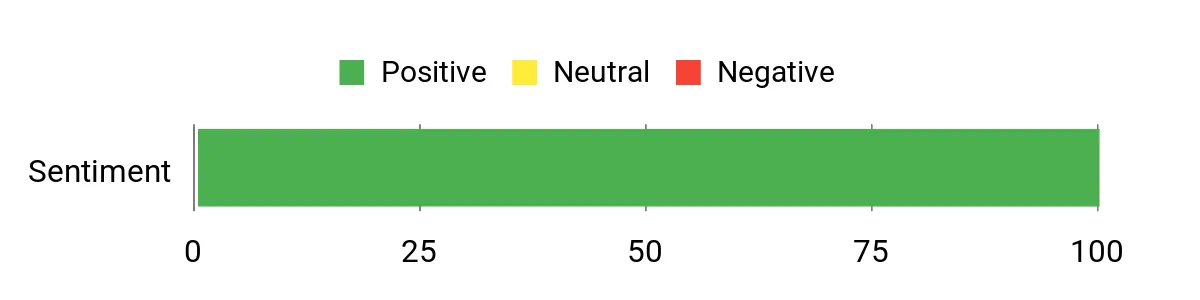
Review-data note: The sentiment chart below reflects the article’s captured review snapshot and may not match current Amazon ratings or review totals.
When It Helps
|
Situation |
How It Helps |
|---|---|
|
Bikepacking |
Packs into a handlebar bag and frame-friendly stuff sack so it won’t monopolize your panniers; quick setup gets you off the road and into shelter fast. |
|
Two-Person Trips |
Generous interior height and dual doors make sharing space and gear easier—two sleepers can stretch out and access gear without climbing over each other. |
|
Wet Conditions |
The listing publishes a 2000 mm rainfly and 3000 mm floor rating with taped seams; verify the current listing and pitch carefully in sustained rain. |
|
Car Camping / Short Overnights |
Freestanding design and roomy vestibules make it handy for quick overnights or when you want to keep wet shoes and packs outside the main sleeping area. |
Best For
Best for riders who want a roomier two-person layout and are willing to verify current listing details before a longer tour.
Key Benefits
- Lightweight 20D nylon construction keeps trail weight down
- Freestanding aluminum pole design for quick, flexible pitching
- Roomy interior with 43 in peak height and two doors
- Handlebar bag and internal pockets make bike use and gear stowage easy
- Ventilation features can help manage condensation; taped seams and a coated floor support wet-weather protection when the tent is pitched correctly
The Fly Creek HV UL1 Bikepack is built around minimal packed bulk. Big Agnes describes this generation as a three-season, semi-freestanding solo bikepacking tent with solution-dyed fabric, a single front-entry door, and a shortened 12 in Shortstik pole set designed for handlebar, pannier, or saddlebag storage.
The trade-off is simplicity and space: one door and a semi-freestanding architecture save weight, but they are less convenient than a two-door freestanding tent when weather turns or you want more room to move. It suits fast solo routes where compact packing matters more than camp luxury.
Buyer Considerations
This is a weight- and packability-first design. Plan on careful staking for the best pitch, and consider a compatible footprint if you expect abrasive ground or want extra floor protection.
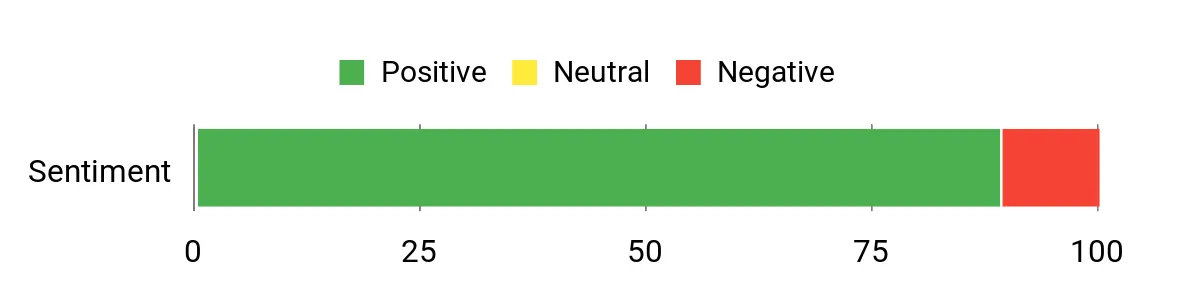
Review-data note: The sentiment chart below reflects the article’s captured review snapshot and may not match current Amazon ratings or review totals.
When It Helps
|
Situation |
How It Helps |
|---|---|
|
Bikepacking |
Packs down tiny and fits on handlebars or in bike bags, so it won’t hog panniers; quick pitch means you’re sheltered fast after a long day on the road. |
|
Solo Overnight Trips |
Designed for one person with efficient interior space and storage pockets, letting you sleep comfortably without lugging extra weight. |
|
Warm-Season Touring |
Lightweight, well-ventilated design and a single-door footprint make it ideal for summer or three-season routes where storms are unlikely. |
|
Handlebar/Frame Mounting |
Shortstik poles and a compact compression sack were made for bike mounting, though you might reinforce straps for long-term abrasion resistance. |
Best For
Best for solo bikepackers who prioritize short pole sections, low bulk, and a minimalist three-season shelter.
Key Benefits
- Ultra-compact packed size and very low trail weight for easy bike mounting
- 12″ Shortstik pole set collapses small for handlebar or frame storage
- High-volume architecture maximizes interior space without extra weight
- Pre-attached guy lines, color-coded webbing and pockets make setup and organization simple
- Taped seams, silicone/PU fabrics and included lightweight stakes improve weather resistance

This forest-green Naturehike variant follows the same practical formula as the other solo model in the roundup: a freestanding 2-Y pole structure, a compact one-person interior, and published 20D silicone-coated nylon weather protection.
It is better viewed as an easy-to-understand value shelter than as a race-weight tent. The included footprint and familiar pole layout reduce setup friction, while the main limitation is the snug solo interior. Confirm the exact color/model and current included components on Amazon because similar Naturehike listings can share very similar specifications.
Buyer Considerations
The buying case is simple setup and a complete solo shelter package. Tall riders should check the current interior length and width carefully, and all riders should verify the listing’s packed dimensions before planning handlebar placement.
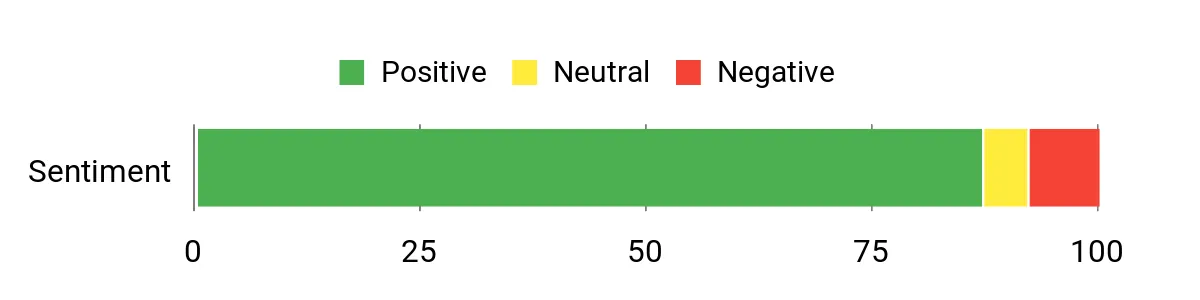
Review-data note: The sentiment chart below reflects the article’s captured review snapshot and may not match current Amazon ratings or review totals.
When It Helps
|
Situation |
How It Helps |
|---|---|
|
Bikepacking |
Small packed size and low weight mean it fits on handlebars or in frame bags without stealing precious pannier space, so you can carry a true solo shelter and still bring other kit. |
|
Weekend Backpacking |
Quick freestanding setup and included footprint let you pitch fast at a campsite and protect the floor from wet or abrasive ground. |
|
Mixed Weather Trips |
PU-coated 20D rainfly, taped seams and reinforced stakes give reliable protection in rain, though you’ll want to stake and guy out the fly to avoid sagging when it gets soaked. |
|
Warm-Season Touring |
Good mesh coverage and a double-layer design improve airflow, so overnight ventilation is better on mild nights compared with fully enclosed ultralight shelters. |
Best For
Best for solo riders who prefer a conventional freestanding pitch and included ground protection.
Key Benefits
- Very light and compact for easy handlebar or frame mounting
- 20D silicone-coated rainfly with taped seams and included footprint for solid weather protection
- Freestanding, quick setup with aluminum 2-Y poles
- Double-layer construction and fine mesh for decent ventilation
- Vestibule space and included stakes/guylines for gear storage

The Blacktail Hotel 2 Bikepack is the comfort-and-storage option in this group. This bikepacking version uses short pole sections and a daisy-chain compression sack for bike mounting, while the Hotel layout adds a large vestibule that is useful for panniers, wet gear, or spending more time under cover.
The compromise is weight and bulk compared with Fly Creek, Tiger Wall, or Copper Spur ultralight models. It makes more sense for touring, motorcycle-adjacent trips, and riders who value sheltered gear space over the lightest possible load.
Buyer Considerations
Choose it when vestibule space and tougher-feeling materials matter more than shaving every ounce. Verify current packaged weight and footprint compatibility on the live listing, especially if you are building a strict handlebar-weight budget.
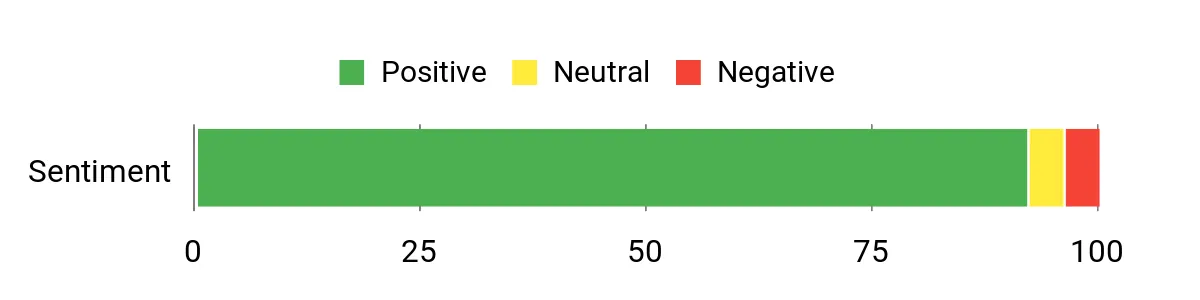
Review-data note: The sentiment chart below reflects the article’s captured review snapshot and may not match current Amazon ratings or review totals.
When It Helps
|
Situation |
How It Helps |
|---|---|
|
Bikepacking & Motorcycle Touring |
Short poles, daisy-chain webbing and a burly compression sack let you attach or tuck the tent onto handlebars, racks or panniers so you don’t lose precious pack space. |
|
Two-Person Overnight Trips |
The interior is roomy enough for two adults to sleep comfortably and the dual vestibules give you a place to store boots and small gear without cramping sleeping space. |
|
Wet or Windy Conditions |
The coated fly, reflective guylines, and reinforced stake points support a secure pitch when weather changes; careful site selection and full guying still matter. |
|
Basecamp or Car-Assisted Camping |
You get a comfortable, taller space to sit and use a small chair under the vestibule, plus plenty of loops and pockets for organizing kit during longer stops. |
Best For
Best for two-person touring, wet-gear management, and riders who want a larger vestibule.
Key Benefits
- Bike-friendly packing: short poles and daisy-chain webbing make frame or pannier mounting straightforward
- Roomy interior and large vestibule give space to sit, store a chair and dry small items
- Durable compression sack and burly materials built for trail wear and bike travel
- Waterproof fly and reinforced stake points for reliable weather protection
- Thoughtful storage: oversized ceiling pocket and interior loops for gear lofts and lights
- Freestanding design with aluminum poles that pitches predictably once you learn the layout

The Copper Spur HV UL1 Bikepack is the more livable solo option among Big Agnes’ bike-focused ultralight designs. It uses a shortened 12 in Shortstik pole set, TipLok hardware, bike-ready daisy-chain storage, and a high-volume freestanding architecture.
For the UL1, plan on one side-entry door and one vestibule rather than the two-door/two-vestibule layout used on larger Copper Spur versions. That still gives a solo rider useful gear storage while keeping the footprint and packed bulk under control.
Buyer Considerations
This model is a good fit when you want a true freestanding solo shelter with bike-specific packing features. The fabric is intentionally light, so use normal care around sharp ground and consider the compatible footprint for repeated use on rough campsites.
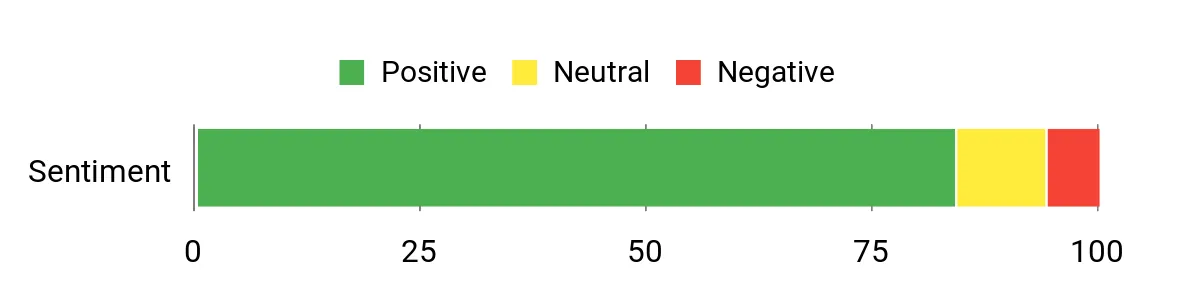
Review-data note: The sentiment chart below reflects the article’s captured review snapshot and may not match current Amazon ratings or review totals.
When It Helps
|
Situation |
How It Helps |
|---|---|
|
Bikepacking & Fast Touring |
Shortstik poles, daisy-chain webbing and a burly compression sack let you mount or tuck the tent on handlebars, racks or saddlebags so it doesn’t eat pack space. |
|
Solo Overnight Trips |
A side-entry door and vestibule give you a practical place to enter, change, and store small gear without crowding the sleeping area. |
|
Mixed Weather |
The full-coverage fly, stake points, and adjustable tensioning support weather protection and stability when the tent is pitched correctly. |
|
Ultralight Backpacking |
Low trail weight and a very small packed size make it a practical choice when every gram matters on multi-day rides or hikes. |
Best For
Best for solo riders who want more livability and freestanding structure than a minimalist front-entry tent.
Key Benefits
- True bikepacking focus: Shortstik poles and daisy-chain webbing make frame or pannier attachment straightforward
- Ultralight and compact: small packed size and low trail weight for long-distance rides
- A side-entry door and vestibule provide easy access and protected gear storage for a solo rider
- TipLok buckles and color-coded webbing simplify setup and tensioning once you learn the layout
- Good ventilation and interior storage pockets keep you comfortable on humid nights
- Trail-ready sack and durable materials designed to stand up to bike travel

MSR’s Hubba Hubba Bikepack 2 is a purpose-built two-person cycling shelter. MSR publishes a 3 lb 1 oz minimum weight, 29 sq ft floor area, two doors, 42 in peak height, and a 14.5 x 7 x 5 in packed size, plus a seam-taped waterproof handlebar bag.
Its rectangular floor and dual-entry layout make it especially practical for two riders using wider pads or carrying bulky cycling gear. It is heavier than the most minimalist two-person options here, but the extra room, storage, and freestanding setup can be worth that trade-off on multi-day tours.
Buyer Considerations
Choose it when shared comfort, easy entry, and a bike-specific handlebar bag matter more than chasing the absolute lowest weight. Confirm current stock and warranty terms before purchase because availability can change by seller.
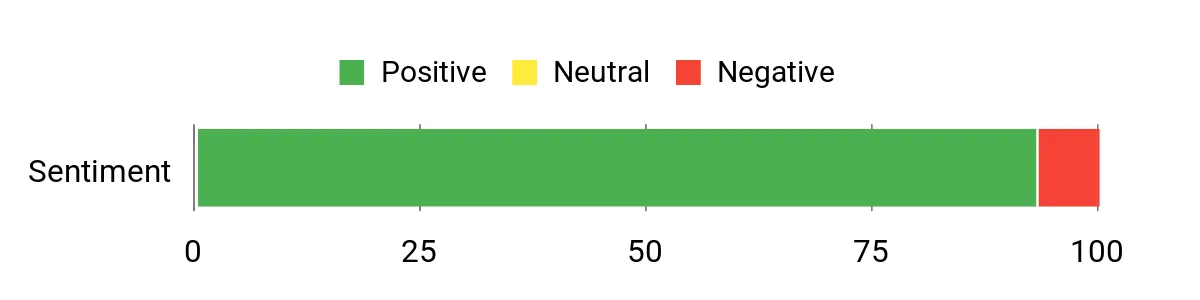
Review-data note: The sentiment chart below reflects the article’s captured review snapshot and may not match current Amazon ratings or review totals.
When It Helps
|
Situation |
How It Helps |
|---|---|
|
Bikepacking & Fast Touring |
Shorter DAC poles and a bike-friendly stuff sack make it straightforward to mount or stow the tent on bars, racks or inside frame bags so it won’t dominate your load. |
|
Two-Person Trips |
A true rectangular floor and dual vestibules let two riders sleep and store panniers without constantly juggling gear inside the sleeping area. |
|
Wet or Windy Nights |
MSR publishes a 20D ripstop nylon rainfly with a 1200 mm polyether-urethane/silicone coating; taped construction and stable pole geometry support three-season weather protection. |
|
Quick Overnights and Shakedowns |
Freestanding, color-friendly setup and lightweight stakes let you pitch fast at a roadside stop or practice indoors before a trip. |
Best For
Best for two riders who want a roomy rectangular floor, dual doors, and a purpose-built handlebar carry system.
Key Benefits
- Bike-focused packability: shortened DAC poles and a waterproof handlebar bag that can also fit with other bike luggage
- Roomy two-person layout with true rectangular floor — easier to fit sleeping pads and gear without overlap
- Weather-ready materials: 20D ripstop nylon fly and floor with published 1200 mm coatings and taped construction
- Thoughtful organization: internal pockets, gear lofts and clotheslines help keep wet kits and electronics managed
- Quick freestanding setup and stable pole structure for predictable pitching after a long day on the bike

The Copper Spur HV UL2 Bikepack is aimed at riders who want a genuinely bike-focused packed shape without giving up the convenience of two side doors and two vestibules. The short pole sections and daisy-chain sack are designed to fit more naturally on handlebars, racks, or panniers.
Compared with the solo UL1, the UL2 is easier to share and gives each person separate entry and protected gear space. Like most ultralight tents, it uses thin fabrics to save weight, so campsite selection and careful handling matter.
Buyer Considerations
This is the livability-first ultralight choice for two riders. Check the current generation’s exact fabric specification, packed weight, and compatible footprint before purchase because Big Agnes updates materials across generations.
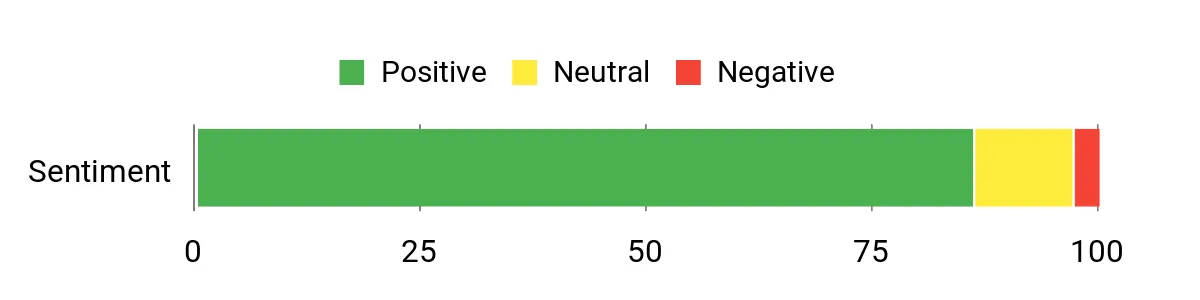
Review-data note: The sentiment chart below reflects the article’s captured review snapshot and may not match current Amazon ratings or review totals.
When It Helps
|
Situation |
How It Helps |
|---|---|
|
Bikepacking & Fast Touring |
Short poles and a daisy-chain, bike-ready stuff sack let you cinch the tent to bars or racks so it won’t dominate your luggage. |
|
Two-Person Trips |
High-volume hub design and a true two-door layout give each person easier access and space for pads and shared gear without crowding. |
|
Wet or Condensation-Prone Nights |
Dual vestibules keep packs dry while vents and breathable fabric help manage condensation inside the tent. |
|
Lightweight, Multi-Day Routes |
Trail-focused materials and ultralight construction cut carried weight while still offering pockets and stake options for secure pitches. |
Best For
Best for two-person bikepacking when dual doors and vestibules are worth a modest weight increase over minimalist designs.
Key Benefits
- Bike-friendly packability: shortstik pole option and a burly compression sack that mounts to handlebars or straps to a frame
- Roomy interior: high-volume hub geometry gives more usable space for two sleepers and gear
- Smart setup features: TipLok Tent Buckle, color-coded clips and pre-attached pole points speed pitching
- Weather-ready details: two vestibules for dry gear storage, vents to reduce condensation and a durable ultralight rainfly
- Trail durability: reinforced ripstop fabric, DAC pole system and tougher stakes meant to survive repeated packing

The Tiger Wall UL2 Bikepack sits between minimalism and convenience. Big Agnes describes it as its lightest two-door, two-vestibule bikepacking tent, with 12 in Shortstik poles and a bike-ready daisy-chain compression sack.
Its solution-dyed fabric is designed to resist UV fade, which is useful for long, exposed routes, but the tent is semi-freestanding and still depends on good staking for its best shape and weather performance. It is a strong match for riders who want dual access without moving to a heavier freestanding shelter.
Buyer Considerations
Buy it for the two-door layout and compact bike-specific pole sections, not because UV resistance makes it immune to sun damage. Stake it carefully, protect the floor on abrasive sites, and verify the current footprint and fabric details for the exact generation listed.
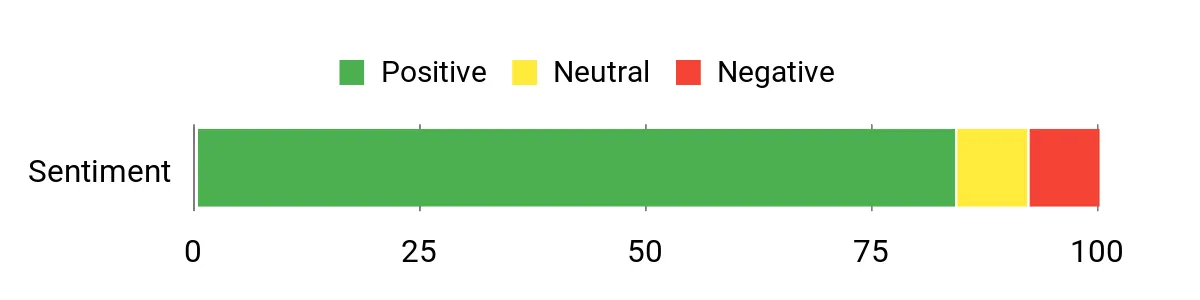
Review-data note: The sentiment chart below reflects the article’s captured review snapshot and may not match current Amazon ratings or review totals.
When It Helps
|
Situation |
How It Helps |
|---|---|
|
Bikepacking & Fast Touring |
Short poles and the daisy-chain compression sack let you secure the packed tent to handlebars or racks so it doesn’t gobble up frame space. |
|
Solo Trips Where Weight Matters |
Ultralight materials and a compact packed size keep carry weight low while the interior still fits a pad and some gear comfortably. |
|
Sunny, Long-Duration Routes |
Solution-dyed fabric is designed to reduce UV-driven color fading, which can be useful on exposed routes. |
|
Wet or Condensation-Prone Nights |
Dual vestibules let you stash wet kit outside and vents plus breathable fabric reduce moisture buildup inside the shelter. |
Best For
Best for weight-conscious pairs or solo riders who want two-door access and a compact bikepacking package.
Key Benefits
- Bike-friendly packability: 12″ Shortstik poles and a burly compression sack with daisy-chain webbing for easy frame mounting
- Dual access and storage: two doors and two vestibules keep gear dry and give each person a quick way in and out
- UV-fade-resistant fabric: solution-dyed material designed to reduce fading from sun exposure
- Simplified pitching: TipLok Tent Buckle, color-coded attachments and reflective guy lines speed setup in low light
- Ventilation and condensation control: vestibule and fly vents plus breathable fabric help reduce overnight dampness
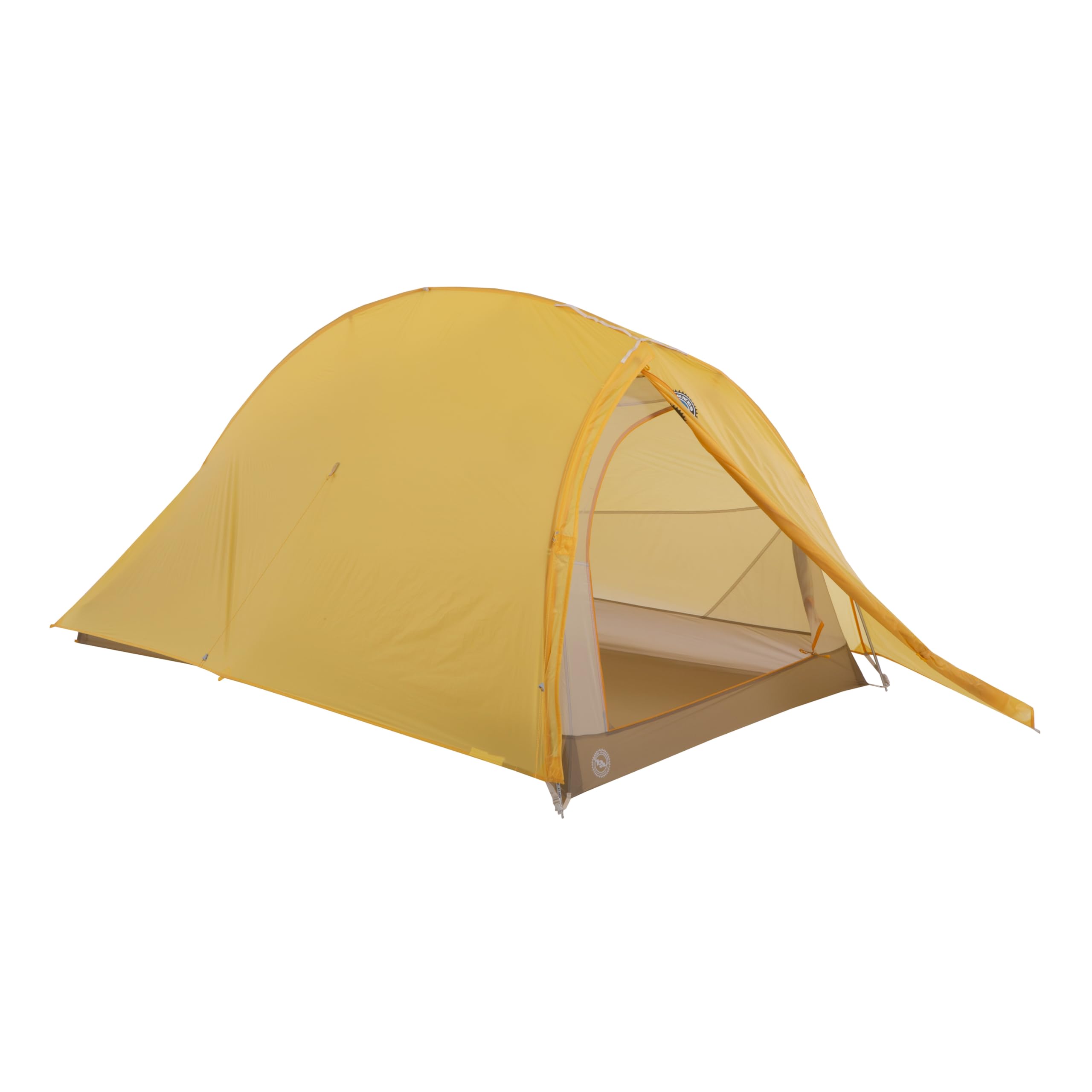
The Fly Creek HV UL2 Bikepack is for pairs who are comfortable trading convenience for lower weight and packed bulk. It uses a single front-entry door and vestibule, a semi-freestanding architecture, and short pole sections designed for bike mounting.
That layout is less convenient for two people than a side-entry, two-door tent, but it keeps the shelter simple and compact. It makes the most sense for fast tours where both riders care more about carried weight than easy nighttime entry.
Buyer Considerations
This is a minimalist two-person option. Be realistic about the single-door layout, stake it carefully, and verify the current packed weight and footprint compatibility on the Amazon listing before building your full packing plan.
Review-data note: The sentiment chart below reflects the article’s captured review snapshot and may not match current Amazon ratings or review totals.
When It Helps
|
Situation |
How It Helps |
|---|---|
|
Bikepacking & Fast Touring |
The 12″ Shortstik poles and daisy-chain compression sack let you secure the tent to handlebars or racks without eating valuable pack space. |
|
Two-Person Overnight Trips |
High-volume architecture gives both people more usable sleeping space and a practical vestibule for wet gear or footwear. |
|
Late-Season Sun-Exposed Routes |
Solution-dyed fabric is highly resistant to UV fade, which can help reduce visible sun fading on exposed routes. |
|
Rain-Prone Campsites |
A full-coverage fly and taped seams offer waterproofing, but you should stake carefully and consider a footprint or alternate shelter setup in heavy downpours. |
Best For
Best for minimalist two-person routes where low bulk matters more than separate doors and vestibules.
Key Benefits
- Ultra-compact packability: 12″ Shortstik poles and a low-profile compression sack designed to mount to a bike frame
- High-volume interior: DAC angle hub and steep walls maximize usable space without extra weight
- Bike-focused attachment: daisy-chain webbing and multiple strap options to keep the packed tent on your bars or rack
- Simple setup: TipLok buckles, color-coded corners and pre-attached guy lines speed pitching when you’re tired
- Trail-ready details: reflective guy lines, interior pockets and media routing for small-gear organization
Before You Buy
- Measure the packed pole length against your handlebar, rack, pannier, or frame-bag space.
- Choose occupancy realistically. A two-person tent can feel tight once two pads and wet riding gear are inside.
- Know the structure. Freestanding tents are easier on hard ground; semi-freestanding tents usually need careful staking.
- Plan for wet gear. Doors and vestibules matter as much as floor area on rainy tours.
- Check the exact generation. Fabrics, pole systems, footprints, and included accessories can change without the Amazon ASIN title making that obvious.
- Do not rely on a hydrostatic-head number alone. Pitch quality, seam construction, fly coverage, ventilation, site selection, and fabric condition all affect real-world weather performance.
FAQ
How Do I Choose The Right Bikepacking Tent For My Trip?
When you pick a tent, think about the tradeoff between weight, packed size, and comfort: long-mileage solo riders may prefer an ultralight one-person model, while riders sharing a shelter usually benefit from a wider floor, two doors, and more vestibule space. Most tents in this roundup are three-season shelters; if your route involves sustained snow loading, severe wind, or true winter conditions, use a shelter specifically designed and rated for those conditions.
Check practical specs: the tent’s interior length versus your sleeping pad and height, number and size of vestibules for storing wet gear, and the packed pole length if you rely on handlebar or frame mounting. Pay attention to water resistance numbers and construction (floor and fly waterproofing, taped seams) and whether a footprint is included or recommended.
Finally, consider durability, available replacement parts or a warranty, and whether the stuff sack or bike-specific carry system fits your frame — those small details often determine how easy the tent is to carry and use on the road.
Are Ultralight One-Person Tents Practical For Bikepacking?
Yes, ultralight one-person tents are very practical if you prioritize speed and carrying less weight, because they save space on handlebars and in panniers and often pack down extremely small. Keep in mind the trade-offs: interior living space is tight, vestibules are smaller so you’ll often keep panniers outside, and very thin fabrics can feel less durable or more susceptible to splash from driven rain.
Condensation and ventilation matter more in single-wall or very small double-wall designs, so choose a tent with vents or the option to stake the fly out. Also match your personal comfort and height to the dimensions; if you’re tall or you like to sit up, sort gear, or wait out rain under shelter, a slightly larger two-person tent or a model with generous vestibules might be a better fit.
How Do I Set Up And Care For A Bikepacking Tent To Reduce Condensation And Weather Problems?
When you pitch, stake and tension the shelter according to the manufacturer’s instructions so the rainfly stays separated from the inner tent and ventilation works as intended. A compatible footprint or groundsheet can protect the floor from abrasion, but it should not extend beyond the tent floor where it can collect rainwater. Choose a slightly elevated, well-draining site and use the recommended guylines in wind.
To cut condensation, leave vents or door panels cracked for cross-flow and avoid bringing damp clothes inside; if condensation still forms, stake the fly out a bit to increase the gap between fly and inner tent. Dry your tent before long-term storage and carry a small repair kit, spare guylines or shock cord, and seam sealer for quick field fixes. Finally, never cook inside the tent and be mindful of wind direction when orienting doors and vestibules so you don’t get rain blown into the entrance.
Quick Decision Guide
For the lowest-cost solo setup, start with the Naturehike options. For the smallest bike-specific packed pole sections, compare the Fly Creek models. Choose Copper Spur when you want more freestanding livability, Tiger Wall when two-door access and low weight are the priority, Blacktail Hotel when gear-storage space matters, and MSR Hubba Hubba Bikepack when two riders want a roomy rectangular floor and purpose-built handlebar bag. The Montiro Wander Hawk is the space-focused alternative, but verify its current listing details before a long trip.
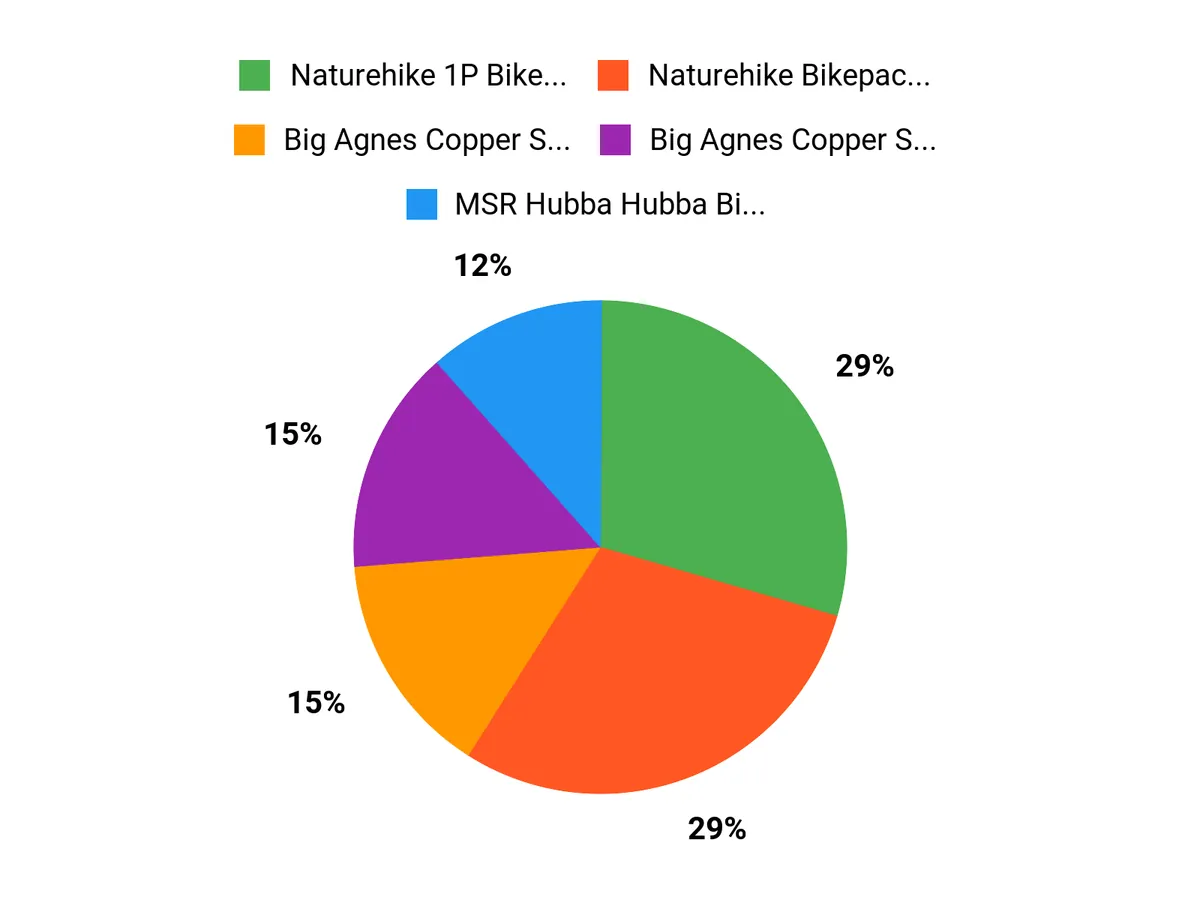
Wrapping Up
Pick the tent that matches how you ride. Solo speed-focused riders should emphasize packed size and pole length; pairs should pay more attention to floor width, door count, vestibule space, and setup style. The labels in this guide are use-case recommendations, not laboratory rankings.
Before ordering, verify the live Amazon listing for the exact model generation, included accessories, footprint compatibility, and current seller terms. Those details change more often than the basic tent design.
| Product | Image | Best For | Occupancy | Weight | Water Resistance |
|---|---|---|---|---|---|
| Naturehike Bikepacking 1 Person Tent |
 |
Value-focused solo trips | 1 Person | Approx. 3.6–3.7 lb (verify listing) | 4000 mm rainfly (published) |
| Wander Hawk 2-Person Backpacking Tent |
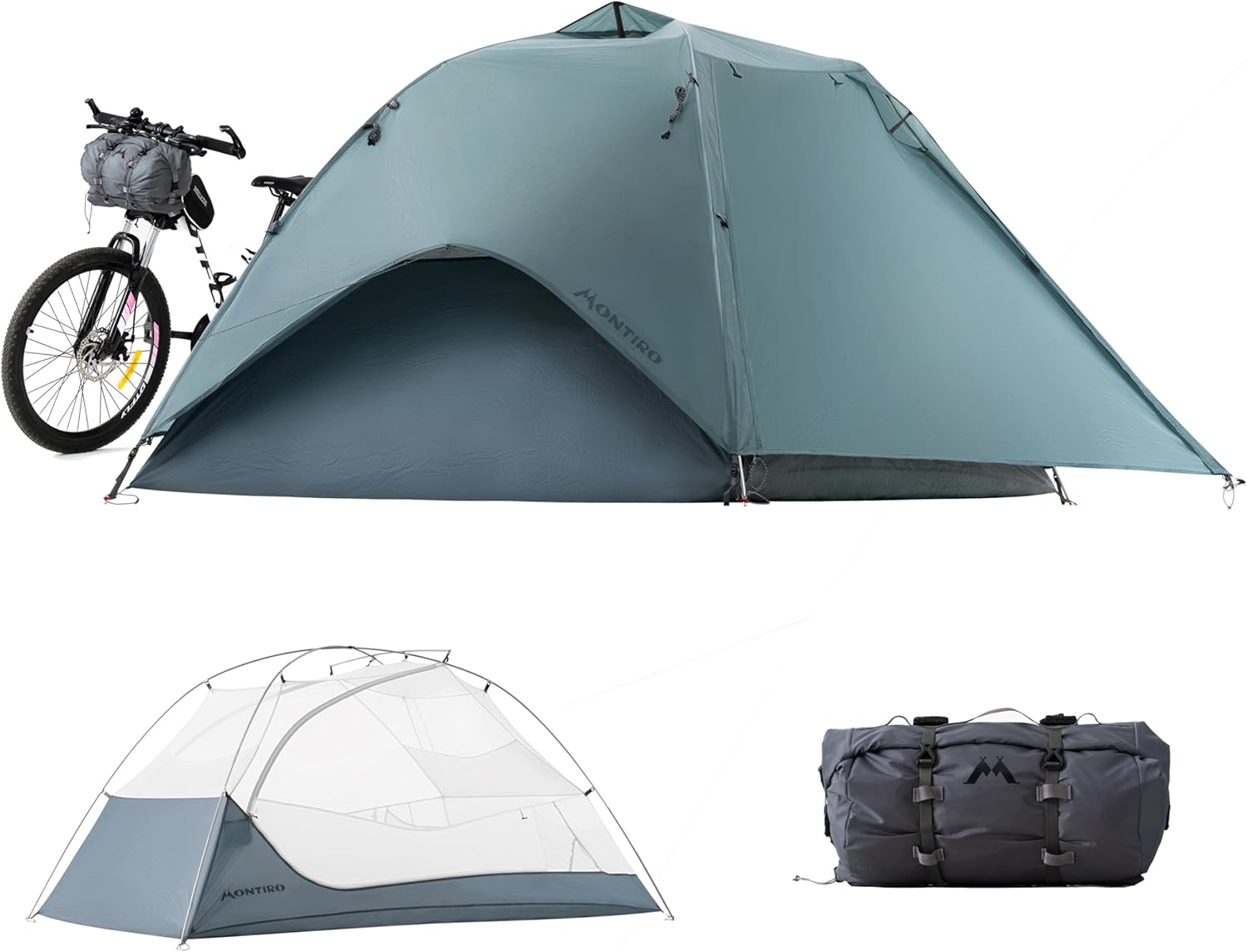 |
Roomier two-person trips | 2 Person | 3 lb 14 oz minimum/trail weight (listing) | Verify current listing |
| Big Agnes Fly Creek HV UL Bikepack – Ultralight Tent |
 |
Minimal packed bulk for solo riders | 1 Person | Ultralight; verify current generation/listing | Verify exact model generation |
| Big Agnes Copper Spur HV UL Ultralight Bikepacking Tent |
 |
Freestanding ultralight solo comfort | 1 Person | Ultralight; verify current generation/listing | Verify exact model generation |
| Big Agnes Fly Creek HV UL Bikepack – Ultralight 2 Person Tent |
 |
Minimalist two-person bikepacking | 2 Person | About 2 lb 2 oz trail weight (generation-dependent) | Verify exact model generation |
This roundup is reader-supported. When you click qualifying Amazon links, we may earn a referral commission at no extra cost to you. Product specifications, ratings, seller terms, and availability can change; verify the live listing before purchase.