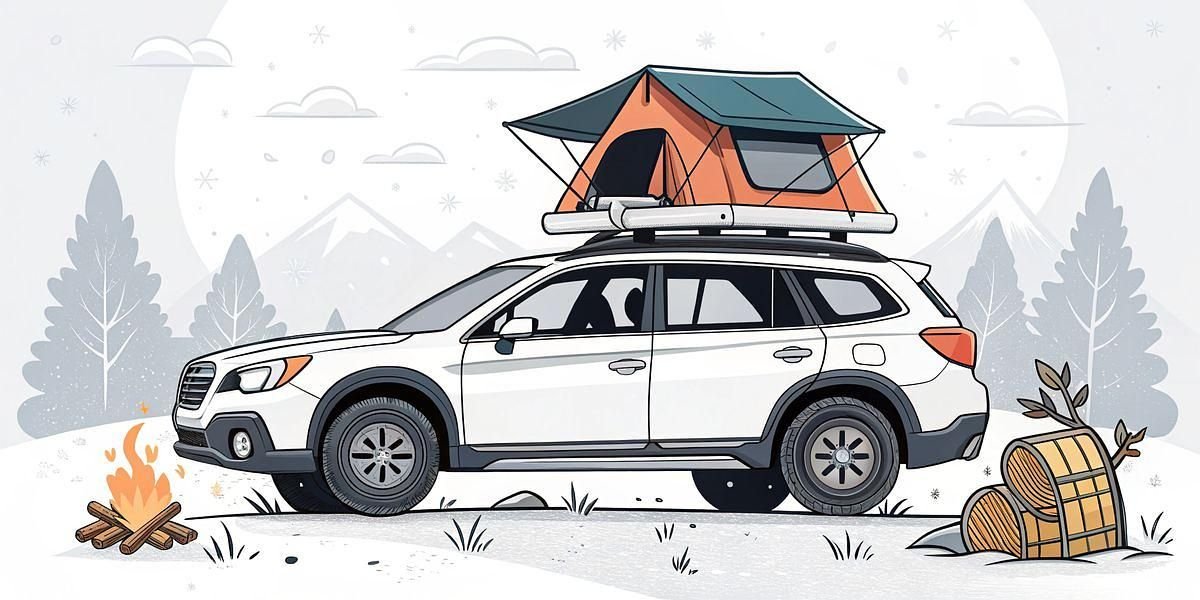
If you are looking for an SUV tent for a 2016 Subaru Outback, first decide whether you want an enclosed rear-hatch sleeping area or an open canopy. The DAC Explorer 2 SUV Tent is the strongest verified choice here because DAC lists the Subaru Outback as compatible and uses a compact rear-hatch design.
The HASIKA SUV Tailgate Tent serves a different purpose: covered outdoor living space rather than an enclosed bedroom. Its current listing details could not be independently verified, so confirm every specification before ordering.
We compared vehicle fit, shelter type, attachment method, ventilation, weather management, manufacturer information, current listings, safety records, and independent owner-use trends. We did not perform hands-on testing.
SUV Tent for Subaru Outback Compared
| Product | Best for | Shelter type | Sleeping enclosure | Setup |
|---|---|---|---|---|
|
Mid-range
|
Overnight vehicle camping | Rear-hatch tent | Yes, around the open hatch | Bungee and shock-cord attachment |
| Shade and camp living space | Open vehicle canopy | No | Poles, ropes, stakes and suction points listed by seller |
SUV Tent for Subaru Outback: Our Top Picks
1. DAC Explorer 2 SUV Tent
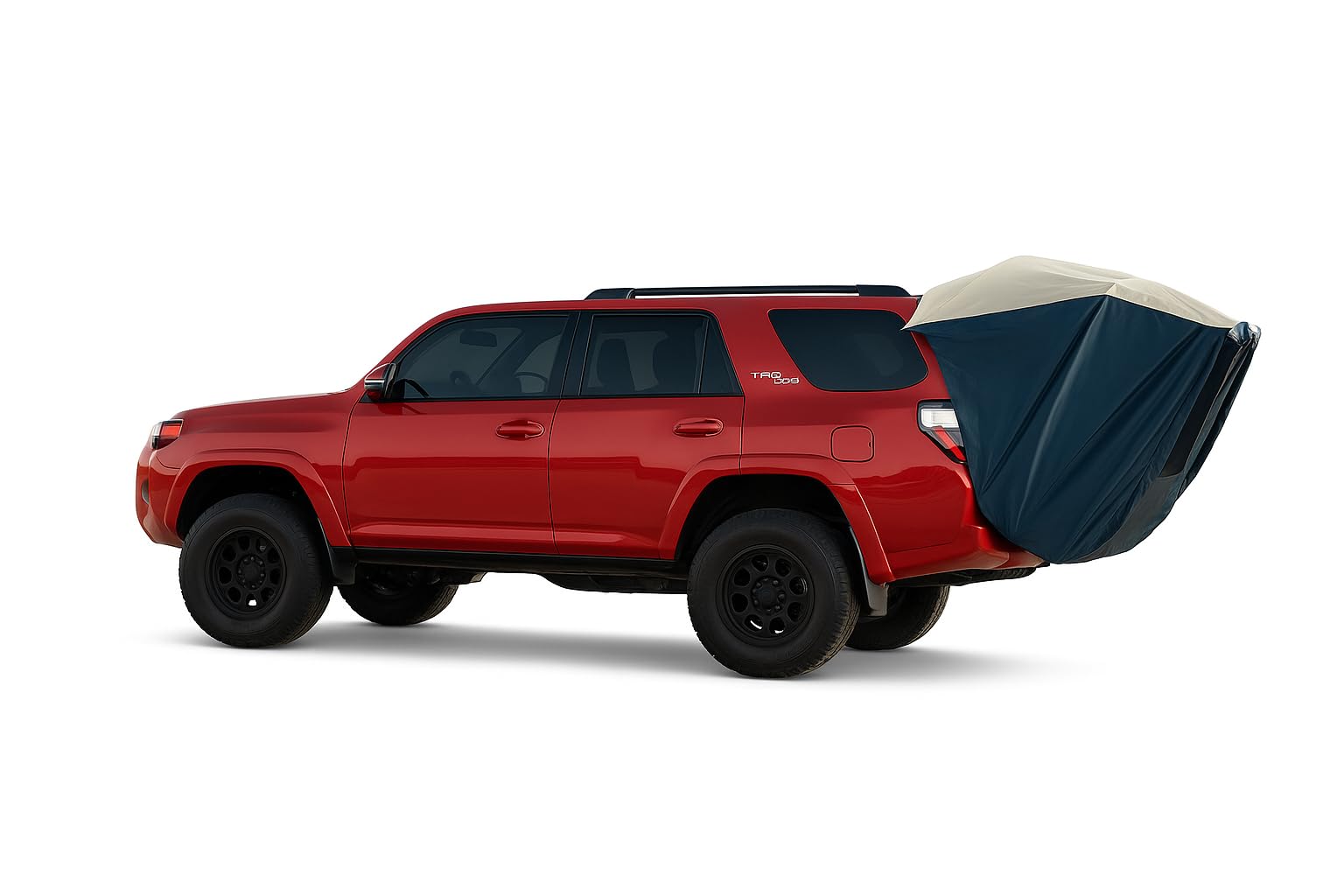
Bottom line: The DAC Explorer 2 SUV Tent is the clearest match here for sleeping inside a Subaru Outback. DAC currently lists the Outback among compatible vehicles, but it is still a universal-fit attachment rather than a model-specific tent.
Key Specs
- Shelter type: Rear-hatch vehicle tent, extends your cargo sleeping area
- Vehicle fit: Subaru Outback listed, check your exact hatch setup
- Setup: Bungee and shock cords, no freestanding tent frame needed
- Enclosure: No-see-um mesh and closable panels, adds airflow and privacy
- Weight: 5 lb, easy to store between trips
DAC says the Explorer 2 attaches to the vehicle’s underframe with plastic-coated hooks and bungee cord. A shock cord helps pull the fabric snug against the vehicle. That simple design keeps the packed shelter small and avoids the bulk of a rigid rooftop tent.
The rear includes no-see-um insect screening, two-way zippers and outer panels that can be opened for ventilation or closed for privacy. You still sleep in the vehicle itself, so the tent does not provide a mattress, raised platform or separate freestanding bedroom.
The current Amazon listing describes compatibility with rear liftgates up to 67 inches wide and excludes vehicles with rear-mounted spare tires. DAC’s own fit list includes the Subaru Outback. Aftermarket spoilers, racks or other accessories can still affect the seal, so inspect your vehicle before the first trip.
Legacy Sentiment Graphic
The graphic below came with the original article and is retained for continuity. Treat it as a historical snapshot rather than current buying evidence.

- DAC currently lists the Subaru Outback as compatible
- 5 lb listed weight makes it compact for road trips
- No-see-um mesh adds ventilation while limiting insects
- Outer panels close for added privacy
- Universal fit can require adjustment around some hatches
- No mattress or elevated sleeping platform is included
- Your rear hatch must remain open while the shelter is in use
Practical Use
The Explorer 2 makes the most sense for weekend stops, road trips and established campsites where the vehicle itself is your sleeping platform. Because it relies on the open hatch, practice the installation at home and check how your cargo lights and rear-gate electronics behave.
Let the fabric dry completely before storage. Stop using the shelter when wind, flooding, lightning or other conditions make an attached fabric shelter unsafe.
Check Product Details on Amazon
HASIKA SUV Tailgate Tent

Which Subaru Outback Camping Shelter Should You Buy?
- Sleeping inside your Outback: get the DAC Explorer 2 SUV Tent.
- Bug protection around the open hatch: get the DAC Explorer 2 SUV Tent with its no-see-um mesh.
- Small packed shelter: get the DAC Explorer 2 SUV Tent, which DAC lists at 5 lb.
- Open shade for chairs or gear: consider the HASIKA SUV Tailgate Tent only after confirming its current listing details.
- Freestanding campground bedroom: neither product is the ideal format; compare a conventional SUV tent that can stand after the vehicle leaves.
How We Chose
- Vehicle compatibility: We prioritized manufacturer fit information and current model-specific listing details.
- Camping function: We separated enclosed rear-hatch sleeping shelters from open shade canopies.
- Setup and packability: We checked attachment systems, listed weight and the equipment required at camp.
- Real-world use: Independent forums and owner discussions were reviewed for repeated setup and fit trends when enough evidence existed.
- Safety and freshness: Current listings, manufacturer information and recall searches were checked before recommendations were assigned.
This is a research-based comparison, not a hands-on test. Specifications and package contents can change, so confirm the seller’s current instructions before use.
Safety and Weather Tips
Safety Note: Never run the vehicle engine while someone is sleeping in or near an attached shelter. Carbon monoxide can enter the cabin or collect around sheltered areas.
Do not use an open flame, fuel-burning heater, or stove inside the rear-hatch tent or directly beneath the awning. Keep cooking equipment away from fabric, guy lines, and the vehicle.
Remove both products before driving. Stop using them when wind, lightning, heavy rain, snow, or water pooling makes the setup unsafe.
How to Choose a Subaru Outback Camping Shelter
Check Hatch Fit Before Anything Else
A universal-fit tent still depends on the shape and size of your liftgate. DAC currently lists the Subaru Outback among Explorer 2-compatible vehicles, while the Amazon listing describes use on liftgates up to 67 inches wide. Measure your hatch and check spoilers, bike racks, cargo accessories or other modifications before buying.
Decide Between an Enclosed Tent and an Awning
A rear-hatch tent is useful when you sleep inside the vehicle and want a screened opening, more ventilation and added privacy. An awning mainly provides overhead cover outdoors. For overnight vehicle sleeping, the DAC Explorer 2 SUV Tent is the better-matched design.
Look at the Attachment System
The DAC uses bungee and shock-cord attachment around the vehicle. The awning’s source listing describes poles, ropes, stakes and suction points. Whichever style you choose, check every contact point before tightening anything against paint, trim, glass, roof rails or the liftgate.
Plan Your Sleeping Surface Separately
Neither product includes a rigid sleeping platform. If you plan to sleep in the Outback, you still need a mattress, pad or vehicle-specific platform that fits the folded cargo area. Test your full arrangement at home so you know where bedding, shoes and overnight gear will go.
Manage Ventilation and Condensation
Breathing releases moisture overnight, so some ventilation is important even in cool weather. Use mesh openings when conditions allow, keep wet clothing away from bedding and dry the shelter before storage. The Explorer 2’s screened rear opening is useful when airflow and insect control are both priorities.
Think About the Open Rear Gate
The 2016 Outback owner’s manual describes a battery-drain prevention function that turns off several interior lights after a door or rear gate remains open, but not every light is covered by that function. Check your cargo-area and cabin-light settings before camping, and follow the vehicle manual rather than modifying the rear-gate latch.
Mistakes to Avoid When Buying a Vehicle Camping Shelter
- Assuming “universal” means guaranteed fit: measure your hatch and inspect accessories before ordering.
- Confusing an awning with a tent: open canopies do not provide a sealed sleeping room.
- Ignoring the sleeping surface: a hatch tent does not automatically include a mattress or flat platform.
- Skipping a practice setup: learn the straps, ropes and anchor points before arriving after dark.
- Planning around severe weather: portable fabric shelters should be taken down when conditions become unsafe.
Before You Buy
- Measure the widest part of your open rear hatch.
- Check whether the spoiler, antenna, liftgate struts, or accessories could interfere.
- Confirm whether the product requires roof rails, crossbars, wheel-well anchors, suction cups, or stakes.
- Review the current package contents instead of assuming every pictured accessory is included.
- Plan where you will sleep and whether you need a separate mattress or tent.
- Consider whether your campsite allows stakes and extended guy lines.
- Practice the complete setup at home before your first overnight trip.
Related Guides
FAQs
Will the DAC Explorer 2 fit a 2016 Subaru Outback?
Yes, the DAC Explorer 2 SUV Tent is currently listed by DAC for the Subaru Outback, and the Amazon listing also names the Outback. It is still a universal-fit product, so measure your hatch and check spoilers, racks, trim and other accessories that could interfere with the fabric.
Is a rear-hatch tent the same as a rooftop tent?
No. A rear-hatch tent attaches around an open liftgate and uses the vehicle’s cargo area as part of the sleeping setup. A rooftop tent creates a separate elevated sleeping platform on the roof. The DAC Explorer 2 does not provide a rigid bed, ladder or roof-mounted sleeping structure.
Can I keep the 2016 Outback’s rear hatch open overnight?
You can camp with the vehicle parked and the hatch open, but check electrical use first. The 2016 Outback manual says its battery-drain prevention function automatically shuts off several interior lights, while some lighting is not covered. Turn unnecessary lights off, follow the owner’s manual and avoid improvised modifications to the rear-gate latch.
How should I secure a vehicle shelter in wind or rain?
Follow the product’s current instructions and use every required attachment point. Keep fabric evenly tensioned so it does not sag or collect water. Use appropriate stakes and guy lines when required, and do not rely on suction points alone if the setup specifies additional anchors. Take the shelter down when conditions become unsafe.
Can I sleep safely with the rear hatch open?
Yes, when the vehicle is safely parked, the engine stays off and the sleeping area has adequate ventilation. Keep the exhaust area unobstructed and never operate a fuel-burning heater, stove or engine in or beside an attached sleeping shelter. Check local campground rules and the vehicle owner’s manual before an overnight setup.
How do I reduce condensation inside a rear-hatch tent?
Keep screened openings partly open when weather permits so humid air can escape. Avoid storing wet clothing with your bedding, and use breathable sleep gear instead of sealing every opening. In the morning, air out the tent and vehicle. Let all fabric dry fully before packing it for storage.
Can I leave a rear-hatch tent or awning attached while driving?
No. Remove and store the tent or awning before moving the vehicle. Fabric, poles, ropes, hooks, suction points and stakes are campsite equipment rather than road-ready attachments. Driving with the shelter deployed can damage the vehicle, damage the shelter and create a hazard for other road users.
Which Shelter Is Right for You?
Choose the DAC Explorer 2 SUV Tent when sleeping inside your Outback is the priority. Its current manufacturer information confirms Subaru Outback compatibility, a compact 5 lb design, no-see-um mesh and a bungee-based attachment system.
Consider the HASIKA SUV Tailgate Tent only when open shade is what you need and after checking its present listing details. It is not an enclosed sleeping shelter.

Final Verdict
For an SUV tent for a 2016 Subaru Outback, the DAC Explorer 2 is the strongest verified product in this roundup. It directly addresses rear-hatch sleeping while avoiding the weight and complexity of a rigid rooftop tent.
The awning serves a useful but different role, and its current listing needs additional verification before it should be treated as an equal recommendation.
Quick Comparison
| DAC Explorer 2 SUV & Minivan Tent – Universal Fit Vehicle Camping Tent for SUVs, Minivans & Wagons | Car Camping Tent for Subaru Outback 1995–2025, Car Awning Rooftop Tent | |
|---|---|---|
 |
 |
|
| Product Type | Rear-hatch vehicle tent | Open vehicle awning or canopy |
| Primary Use | Sleeping in the Outback’s cargo area | Shade, meals, chairs, pets, and gear |
| Sleeping Enclosure | Encloses the rear-hatch area when properly fitted | No enclosed sleeping room |
| Sleeping Platform | Not included | Not included |
| Attachment | Liftgate and vehicle attachment points described by the seller | Roof, hatch, poles, ropes, stakes, or suction points described by the seller |
| Best Match | One or two people sleeping inside the vehicle | Campers who need covered outdoor living space |
| Main Limitation | Vehicle fit can vary and it does not provide a bed | Not enclosed and requires careful wind anchoring |
| Before Ordering | Measure the hatch and verify the current vehicle requirements | Verify rails, attachment points, dimensions, and included hardware |
| Check Product Details on Amazon | HASIKA SUV Tailgate Tent |