Last updated: July 15, 2026
Affiliate disclosure: This roundup is reader-supported. When you click an Amazon link, we may earn a commission from qualifying purchases at no additional cost to you.
You want a dependable solo shelter that won’t take over your pack or stretch your gear budget. These six tents balance manageable packed weight, weather protection, usable sleeping space and straightforward setup.
Most picks weigh around four pounds, so they’re better described as affordable and packable than truly ultralight. Match the tent to your expected weather, trip length and comfort needs before choosing.
Quick Verdict
Best overall value: Clostnature 4S offers a strong mix of weather-focused materials, compact packing and solo-friendly space.
Best for colder trips: Underwood 1P adds cold-weather-oriented features, but you should treat its four-season label as a manufacturer classification rather than an expedition guarantee.
Best for fast setup: Night Cat Pro uses a clip-based dome design that reduces pitching time after a long day.
Top Picks
|
Category |
Product |
Why It Stands Out |
|---|---|---|
|
🏆 Best Overall Value |
Weather-focused materials with a compact solo design |
|
|
❄️ Best Cold-Weather Features |
Cold-weather-oriented fly, poles and enclosed structure |
|
|
🎯 Easiest Setup |
Clip-based pitch designed for fast solo assembly |
|
|
💰 Best Straightforward Budget Pick |
Simple dome construction with a roomy solo footprint |
|
|
🔰 Best Interior Space |
More peak height and width than many compact solo tents |
|
|
🚲 Best for Bikepacking and Paddling |
Compact packed dimensions with aluminum poles |
[Amazon Products Picked for You]

[Professional 1 Person Tent]: Size: Inner tent(L8.2ft x W2.95ft x H2.95ft), Outer tent: L8.2ft x W(2.95ft +1.31ft) x H3.11ft, 3500~4000mm Water Resistance. Fire Retardant Standard/CPAI-84. This 1 person camping tent is very light, just 3.75lb, easy to carry on when you camp outside, besides, it's also very easy to set up with only one single ridge pole.

【Protect Your Hands】 Night Cat backpacking tent (ZP-10) uses the upgraded fiberglass pole that is fully covered with PROTECTION CASE. Comparing the traditional fiberglass pole under single layer only, the double layer design can protect your hands when assembling to avoid the tiny scrap inserting your hands

1 PERSON TENT: If trekking or backpacking personal in the backcountry, you will need a quality one person tent to keep you protected from the elements. Polyester rain fly&bathtub with PU 5000 coating is better in waterproof and firmer than you expected. Weatherproof material with factory-sealed seams keeps you dry and comfortable in all season&all weather conditions! You need an appropriate lightweight solo tent for backpacking!
How We Chose These Tents
We compared each linked variant by capacity, approximate packed weight, floor space, peak height, pole material, setup design and manufacturer-stated water-resistance level. We also considered recurring buyer concerns such as weak stakes, condensation, zipper handling and limited room for gear.
This roundup does not claim hands-on laboratory testing. Waterproof ratings, season labels and setup times come from product information and should be confirmed on the current Amazon listing before purchase.
Safety note: Never operate a fuel-burning stove, lantern, grill or heater inside a tent. Keep flames and hot cooking equipment well away from the tent body, doors and vestibule.
A manufacturer’s “four-season” label does not automatically make a budget tent suitable for exposed alpine terrain, severe snow loading or expedition use.
Before You Buy a Budget Solo Tent
- Check usable dimensions: Compare the floor length with your height and sleeping-pad length.
- Confirm the listed variant: Amazon pages may combine one-person and two-person sizes.
- Compare total packed weight: Some listings advertise a lower minimum weight that excludes stakes, bags or other parts.
- Plan for condensation: Ventilation matters even when the tent does not leak.
- Inspect included stakes: Budget stakes may need replacing before windy trips.
- Practice at home: A trial pitch helps you identify missing parts, awkward pole connections or seam issues.
- Verify footprint and warranty details: Included accessories and warranty terms may change.

Why You’ll Like It
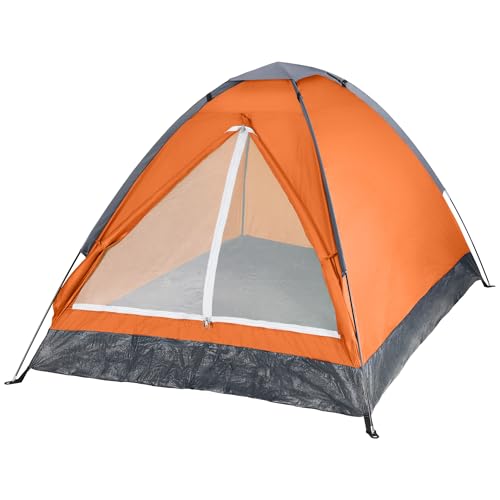
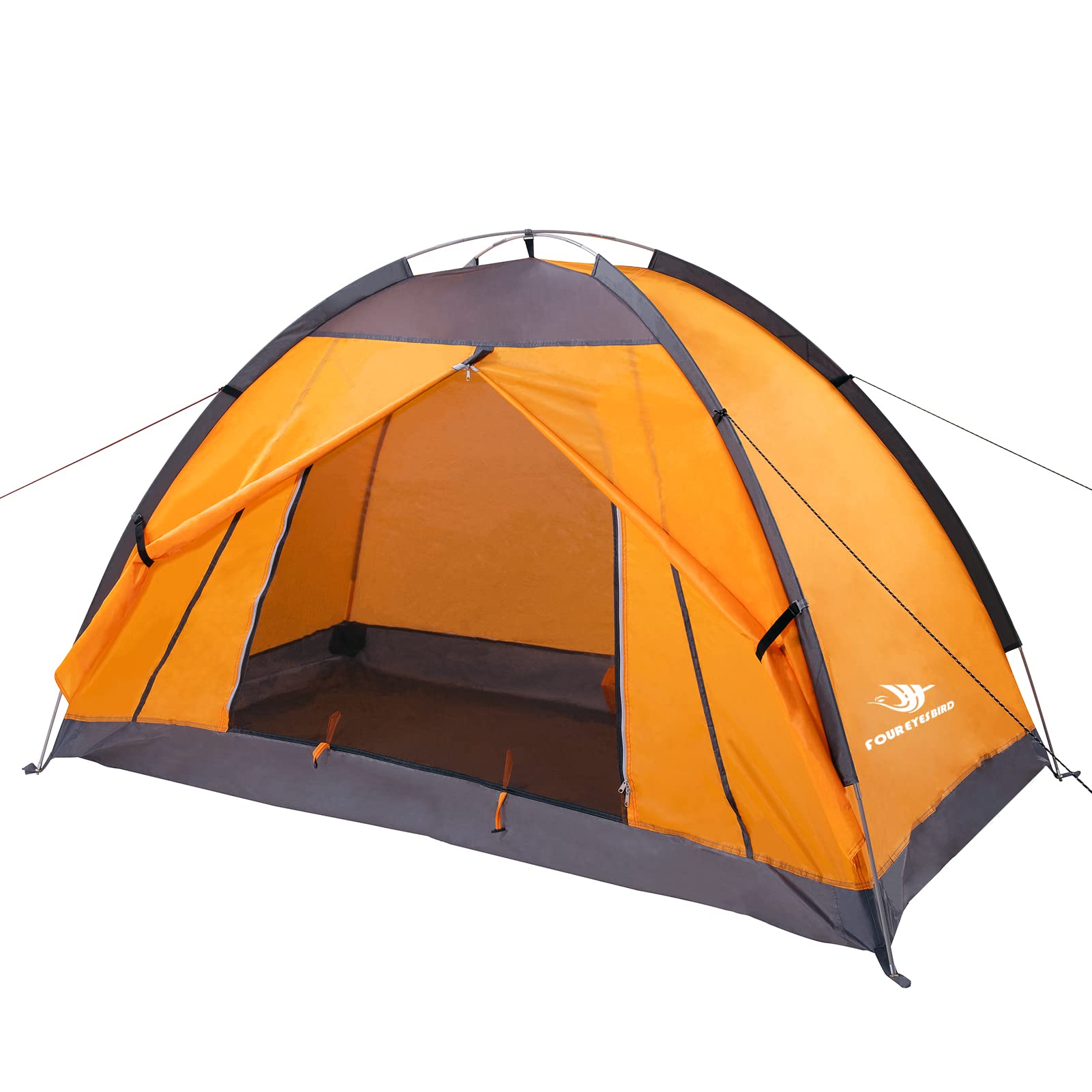
The Arctic Lemmings tent gives you more room to sit up, change clothes and organize a pack than many narrow solo shelters. Its roughly four-foot peak height makes it attractive for campers who dislike low, tapered interiors.
The manufacturer lists a 3000 mm water-resistance level and includes poles, guylines and stakes. Its approximate 4.3-pound weight remains manageable for shorter backpacking, motorcycle and campground trips, although it is not an ultralight shelter.
Who Should Buy This
- Solo campers who prioritize interior height and shoulder room
- Beginners who want a familiar pole-and-clip structure
- Motorcycle, car and short-distance backpacking campers
Who Should Avoid This
Skip it if your main priority is the lowest possible trail weight. Capacity descriptions also vary across listings, so confirm the exact dimensions and selected variant before ordering.
What People Say
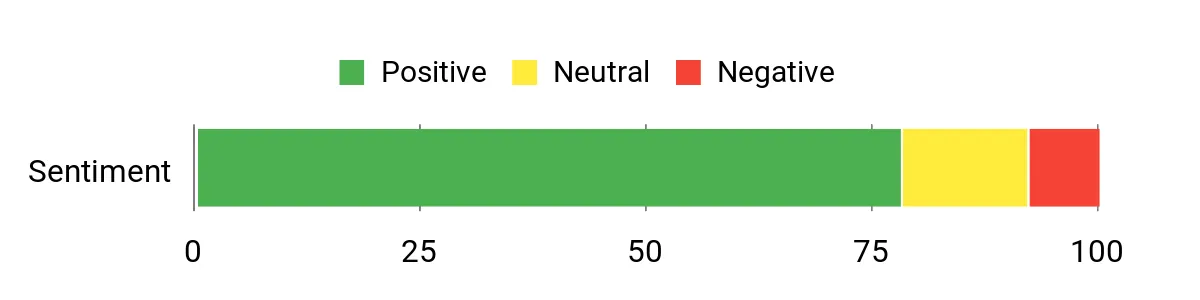
The source review snapshot emphasized the interior room, manageable packed size and performance in ordinary rain. Less-positive themes included pole fit, ventilation and basic stakes. These themes are not a substitute for checking the current Amazon reviews.
Key Details
|
Detail |
What to Know |
|---|---|
|
Intended Use |
Roomy solo camping and short backpacking trips |
|
Approximate Weight |
4.3 pounds |
|
Water Resistance |
Manufacturer-stated 3000 mm coating |
|
Main Limitation |
Heavier and bulkier than true ultralight shelters |
Check Product Details on Amazon
Why You’ll Like It
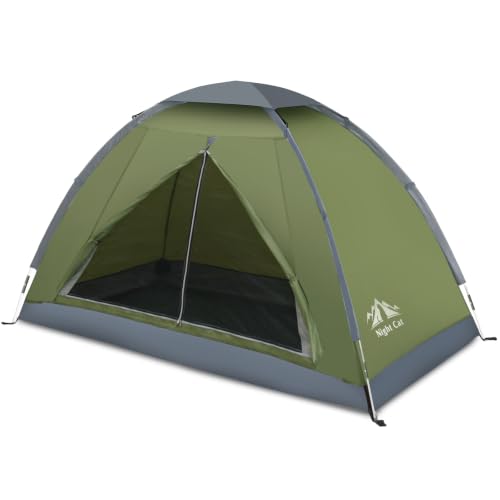
The Night Cat Pro replaces a long pole-sleeve process with clips that attach the tent body to the frame. That design is useful when you reach camp late, face light rain or simply do not want a complicated pitch.
The linked one-person variant provides a roomy solo footprint and a small vestibule for shoes or compact gear. Its roughly 4.4-pound weight is reasonable for casual backpacking, bike travel and campsite use, but weight-focused long-distance hikers may want something lighter.
Who Should Buy This
- First-time campers who want an intuitive setup
- Solo travelers who often pitch after dark
- Campers who value simplicity over minimum weight
Who Should Avoid This
It is not designed as a technical mountaineering shelter. Buyers planning exposed, high-wind routes should compare pole strength, guyout points and tested storm performance carefully.
What People Say
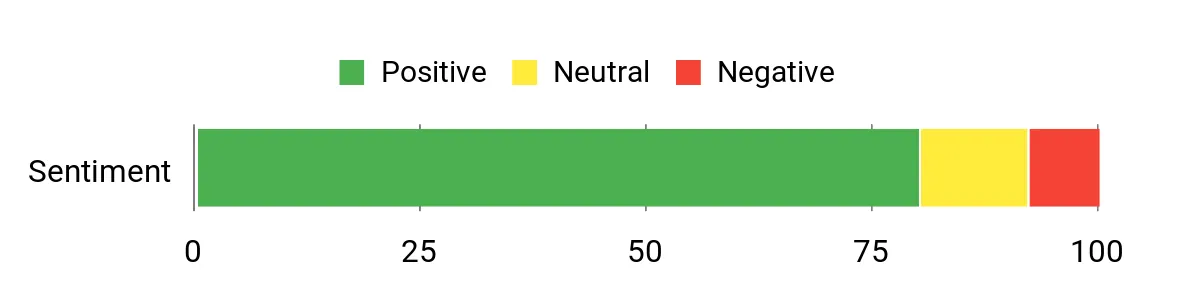
The source snapshot highlighted setup speed, solo space and ordinary wet-weather performance. Common cautions involved the basic stakes and long-term pole durability. Check the current listing for updated construction and buyer feedback.
Key Details
|
Detail |
What to Know |
|---|---|
|
Capacity |
Linked one-person variant |
|
Approximate Weight |
4.4 pounds |
|
Setup |
Clip-based pitch marketed at about one minute |
|
Main Limitation |
Fiberglass poles and stock stakes deserve inspection before demanding trips |
Check Product Details on Amazon
Why You’ll Like It
The Night Cat Solo focuses on the basics: a familiar dome shape, manageable setup and enough space for one adult with a sleeping pad and essential gear. The manufacturer lists PU3000 materials for the one-person model.
Its packed size works well in a vehicle, motorcycle pannier or recreational backpack. It is best viewed as an affordable entry-level shelter rather than a low-weight tent for long-distance hiking.
Who Should Buy This
- Occasional solo campers and beginners
- Motorcycle and car campers with limited storage
- Buyers who want simple construction at a budget-friendly level
Who Should Avoid This
Skip it when you need premium poles, low trail weight or proven performance in severe weather. Confirm whether the selected listing is the one-person size because the product family includes multiple capacities.
What People Say
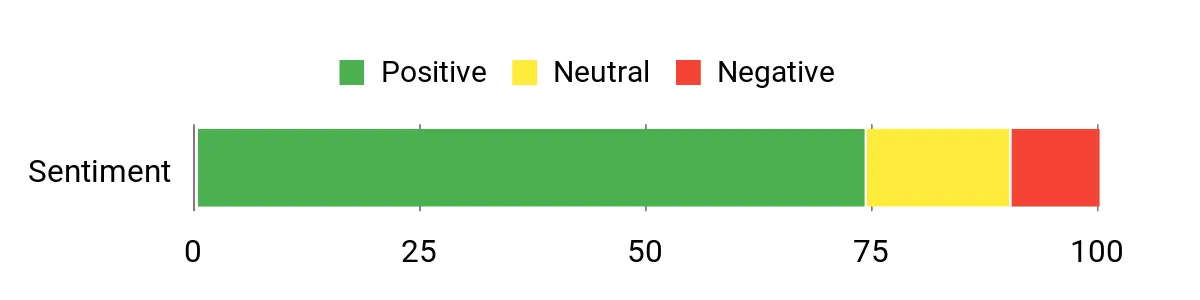
The source snapshot emphasized quick setup, generous solo space and a compact packed bundle. Repeated cautions concerned the included stakes and poles. Current reviews may describe revised components, so check the live listing.
Key Details
|
Detail |
What to Know |
|---|---|
|
Best For |
Casual solo camping and short trips |
|
Approximate Weight |
4.4 pounds for the one-person version |
|
Water Resistance |
Manufacturer-stated PU3000 materials |
|
Main Limitation |
Basic components and more weight than a dedicated ultralight tent |
Check Product Details on Amazon
Why You’ll Like It
The Underwood 1P is aimed at solo campers who want more enclosure and weather-focused materials than a basic summer dome. The listed one-person model uses aluminum poles, a compact freestanding layout and a manufacturer-stated PU5000 coating.
Its narrow floor saves packed space, while the roughly 86.6-inch length accommodates many adult sleeping pads. The tradeoff is limited shoulder width and a peak height of about 35.8 inches.
Who Should Buy This
- Solo campers planning cool-weather or shoulder-season trips
- Motorcycle campers who want aluminum poles and a compact bundle
- Buyers who prefer a more enclosed shelter
Who Should Avoid This
Do not treat the four-season label as proof of expedition performance. This tent is also a poor choice for campers who need generous sitting height or broad interior space.
What People Say
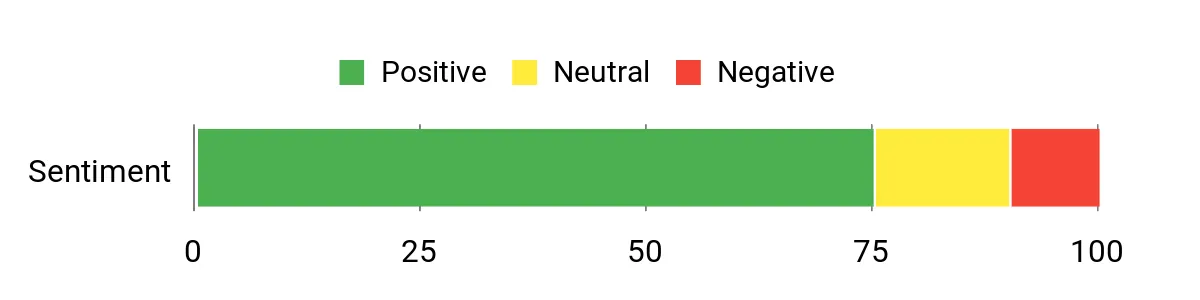
The source snapshot highlighted the sturdy feel, weather-focused construction and protected gear space. Condensation and stress around connection points appeared as recurring concerns, making a home inspection and practice pitch especially important.
Key Details
|
Detail |
What to Know |
|---|---|
|
Floor Size |
Approximately 86.6 by 31.8 inches |
|
Approximate Weight |
4.4 pounds |
|
Water Resistance |
Manufacturer-stated PU5000 coating |
|
Main Limitation |
Narrow floor, modest peak height and potential condensation |
Check Product Details on Amazon
Why You’ll Like It
The Clostnature Green balances a compact packed bundle with a double-wall design, aluminum poles and a vestibule for shoes or a small pack. Its roughly 15-by-5.1-inch packed size fits more easily into bike bags, dry bags and recreational backpacks than wider family-style domes.
The manufacturer lists PU5000 materials and factory-sealed seams. Proper staking, campsite drainage and ventilation still matter, so do not interpret the coating number as a guarantee against every storm.
Who Should Buy This
- Bikepackers and paddlers with limited storage space
- Solo campers who want a separate rainfly and mesh inner
- Buyers who prefer aluminum poles over fiberglass
Who Should Avoid This
At a little over four pounds, it is heavier than premium ultralight solo tents. Buyers should also inspect the clips, seams and stakes before relying on it during a long route.
What People Say
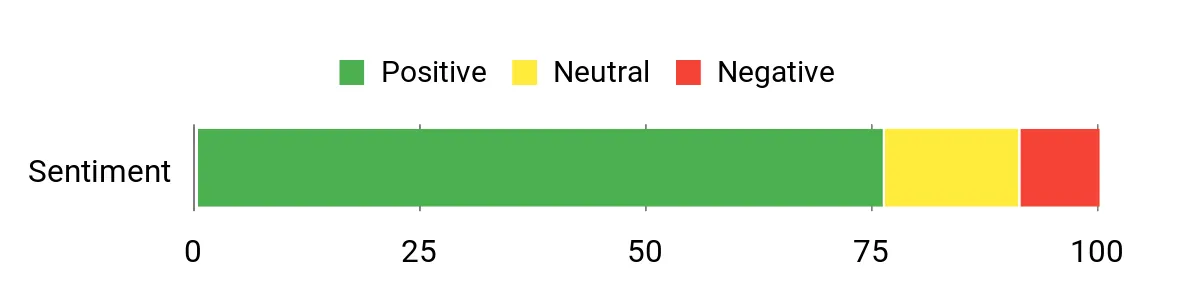
The source review snapshot highlighted the compact packed size, useful interior space and performance in ordinary rain. Less-positive themes involved the stock stakes and occasional clip or quality-control concerns.
Key Details
|
Detail |
What to Know |
|---|---|
|
Capacity |
One person |
|
Approximate Weight |
4.2 pounds |
|
Packed Size |
Approximately 15 by 5.1 by 5.1 inches |
|
Main Limitation |
Not especially light compared with premium backpacking tents |
Check Product Details on Amazon
Why You’ll Like It
The Clostnature 4S is the most balanced option in this group for campers who want a solo footprint, double-wall protection and materials aimed at cooler or wetter trips. Its approximate 1.98 kg weight is manageable for recreational backpacking without making unrealistic ultralight claims.
The aluminum poles and PU5000 material claim distinguish it from basic fiberglass-pole domes. Ventilation still needs active management in cold or damp conditions.
Who Should Buy This
- Solo campers who expect mixed three-to-four-season conditions
- Bikepackers, paddlers and backpackers balancing cost and protection
- Buyers who want aluminum poles and a separate rainfly
Who Should Avoid This
Choose another shelter for exposed mountaineering, major snow loading or trips where every ounce matters. Confirm the current one-person variant, included accessories and warranty terms before purchase.
What People Say
The source snapshot emphasized the weather-focused design, compact packing and usable solo interior. Recurring cautions included basic stakes, clip strain and the need to practice the pitch before a longer trip.
Key Details
|
Detail |
What to Know |
|---|---|
|
Capacity |
Linked one-person variant |
|
Approximate Weight |
1.98 kg, or about 4.4 pounds |
|
Water Resistance |
Manufacturer-stated PU5000 materials |
|
Main Limitation |
Four-season marketing should not be confused with expedition performance |
Check Product Details on Amazon
Quick Comparison
| Product Name | Image | Best For | Approx. Weight | Water-Resistance Claim | Setup |
|---|---|---|---|---|---|
| Arctic Lemmings Single Backpack Tent |
 |
Interior height and room | 4.3 pounds | 3000 mm | Conventional pole setup |
| Night Cat Pro 1-Person Tent |
 |
Fast setup | About 4.4 pounds | PU-coated materials | Clip pitch marketed at about one minute |
| Night Cat Solo Tent |
 |
Simple budget camping | About 4.4 pounds | PU3000 | Simple dome pitch |
| Underwood 1-Person Tent |
 |
Cold-weather-oriented features | About 4.4 pounds | PU5000 | Freestanding pole setup |
| Clostnature Green 1-Person Tent |
 |
Bikepacking and paddling | About 4.2 pounds | PU5000 | Two-pole freestanding pitch |
| Clostnature 4S 1-Person Tent |
 |
Overall weather-focused value | About 4.4 pounds | PU5000 | Clip-and-pole setup |
[Amazon Products Picked for You]

[Professional 1 Person Tent]: Size: Inner tent(L8.2ft x W2.95ft x H2.95ft), Outer tent: L8.2ft x W(2.95ft +1.31ft) x H3.11ft, 3500-4000mm Water Resistance. Fire Retardant Standard/CPAI-84. This 1 person camping tent is very light, just 3.75lb, easy to carry on when you camp outside, besides, it's also very easy to set up with only one single ridge pole

[Professional 1 Person Tent]: Size: Inner tent(L8.2ft x W2.95ft x H2.95ft), Outer tent: L8.2ft x W(2.95ft +1.31ft) x H3.11ft, 3500-4000mm Water Resistance. Fire Retardant Standard/CPAI-84. This 1 person camping tent is very light, just 3.75lb, easy to carry on when you camp outside, besides, it's also very easy to set up with only one single ridge pole

【Upgraded Folding Method, Easier Fold Back】Throw the tent to the ground, and spread the pole then it will open up instantly in 3 seconds. Folding back is easier than tranditional pop up camping tent, fold the easy setup tent like number "8" and repeat TWICE, please refer to the instructional video. Practice a few times, you'll get the method quickly
FAQ
How Do I Choose the Right Solo Tent?
Start with floor length, width and peak height. Your sleeping pad should fit without pressing hard against the tent walls, and you should have enough height to sit up if that matters to you.
Next, compare total packed weight, packed dimensions, pole material, ventilation and vestibule space. A tent that is slightly heavier may be worth carrying when it gives you more comfort or better weather protection.
Will a Budget Solo Tent Keep Me Dry?
A budget tent can handle ordinary rain when its fly and floor are in good condition, the seams are properly sealed and the shelter is pitched on a well-drained site. A 3000 mm or 5000 mm coating is useful information, but it does not guarantee perfect performance in every storm.
Keep the rainfly tensioned, avoid low areas where water can pool and prevent the inner fabric from pressing against the fly. A correctly sized footprint can reduce abrasion and ground moisture, but it should not extend beyond the tent floor.
What Is the Difference Between a Leak and Condensation?
A leak comes through damaged fabric, seams or openings. Condensation forms when warm moisture from your breath meets a colder tent surface.
Open vents when conditions allow, avoid pressing sleeping bags against the walls and keep wet gear outside the sleeping area whenever possible.
Are These Tents Truly Ultralight?
No. Most options in this roundup weigh roughly four pounds. They are relatively compact and affordable, but dedicated ultralight backpacking tents commonly focus much more aggressively on reducing trail weight.
Can I Use a Camping Stove in a Tent Vestibule?
No. Do not operate fuel-burning stoves, grills, heaters or lanterns inside a tent. Enclosed and partially enclosed shelters can trap carbon monoxide, and flames or hot equipment can ignite fabric.
Cook outdoors in a stable, open area away from the tent and follow the stove manufacturer’s safety instructions.
Do I Need to Seal the Seams?
Check the current product description before applying any treatment. Some tents arrive with factory-sealed or taped seams, while others may benefit from a compatible seam sealer.
Test the shelter at home first and use only a treatment that matches the fabric and coating.
What Campers Prefer
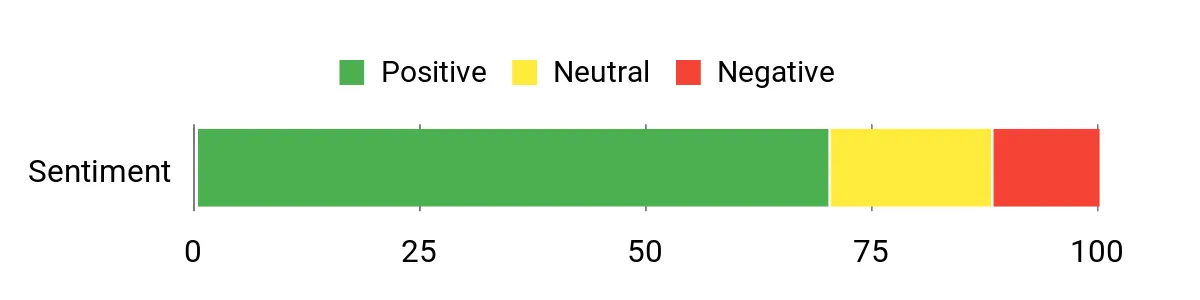
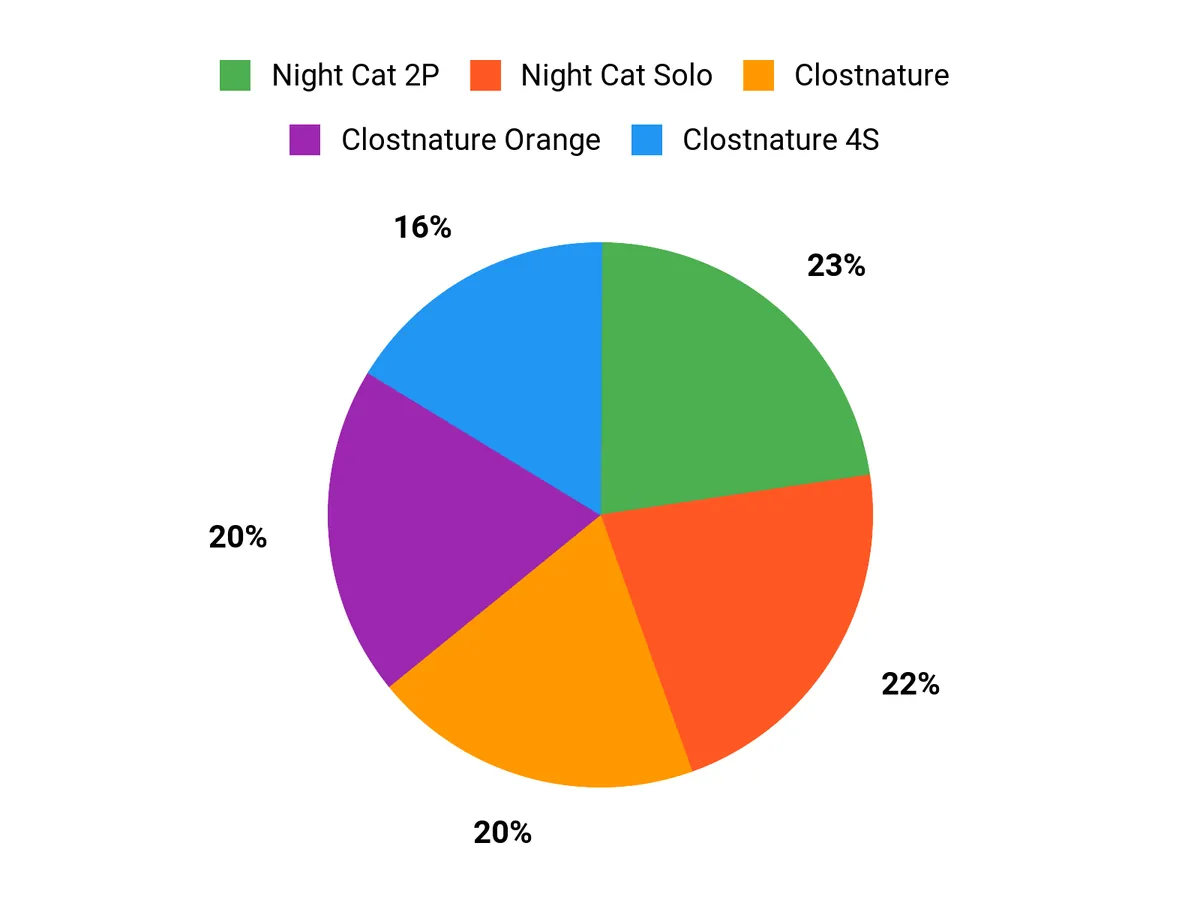
Your best choice depends on the tradeoff you are willing to make. Choose the Night Cat Pro when setup speed matters most, the Arctic Lemmings when you want more sitting room, the Clostnature Green for compact bike or paddle storage, or the Clostnature 4S when you want the strongest overall balance of weather-focused features and solo portability.
The chart below reflects the earlier source-data snapshot. It should not be treated as a current survey of Amazon customers.
Final Recommendation
Choose Clostnature 4S when you want the most balanced combination of solo space, aluminum poles, compact packing and weather-focused materials.
Choose Night Cat Pro when a quick, beginner-friendly pitch is more important than minimizing weight.
Choose Underwood 1P when you expect cooler conditions and can accept its narrow interior and condensation tradeoffs.
Whichever tent you choose, pitch it at home before your trip. Confirm every part is included, inspect the poles and clips, check the current warranty terms and practice ventilation adjustments.
Carry stakes suited to the ground, select a well-drained campsite and never use fuel-burning equipment inside the shelter.
This roundup is reader-supported. As an Amazon Associate, we may earn a commission from qualifying purchases made through the links above.
