Affiliate disclosure:. As an Amazon Associate I earn from qualifying purchases. This roundup is reader-supported. When you click an Amazon link, we may earn a referral commission on qualifying purchases at no additional cost to you.
You want a tent that fits the way you travel, sleep, and respond when the weather changes. The most important first question is whether you will carry the shelter on foot or transport it by car, motorcycle, or sled. Backpackers need manageable packed weight and size, while vehicle-supported campers can prioritize headroom, large vestibules, instant-style frames, snow skirts, or stove-jack compatibility.
This guide compares tents for lightweight backpacking, solo mountain trips, budget camping, cold-weather basecamps, and quick car-camp setups. It focuses on practical trade-offs rather than unsupported awards, so you can see which shelter solves your particular camping problem.
Quick Verdict
Choose the Naturehike Cloud-Up 2 when packed weight and straightforward backpacking performance matter most. Pick the Naturehike Mongar when two doors and more convenient shared access are worth carrying extra weight. Solo hikers can compare the lighter Cloud-Up 1 with the lower-profile Camppal Solo.
Car campers should start with the Naturehike Village for cabin-style headroom and an integrated frame. For cold-weather vehicle-supported basecamps, compare the smaller Dune, the Massif, and the larger Dune variant—but read the stove-safety note before using any fuel-burning appliance near or inside a shelter.
Top Picks
|
Category |
Product |
Best For and Main Trade-Off |
|---|---|---|
|
🏆 Best Overall Backpacking |
Lightweight weekend backpacking; efficient but snug for two adults. |
|
|
🔰 Best Roomy Backpacking Layout |
Two-person trips that benefit from two doors; heavier than the Cloud-Up models. |
|
|
⭐ Best Ventilation |
Warm-weather and humid trips; more headroom but more packed weight. |
|
|
🏔️ Best Lightweight Solo |
Solo backpacking and bikepacking; narrow living space. |
|
|
🎯 Best Rugged Solo |
Low-profile solo shelter for wet or exposed sites; limited sitting room. |
|
|
💰 Best Budget Tent |
Beginners and short carries; relatively heavy for a one-person backpacking tent. |
|
|
🔥 Best Smaller Hot Tent |
Two-person cold-weather basecamps; too bulky for normal backpacking. |
|
|
🌬️ Best Four-Season Hot Tent |
Motorcycle or vehicle-supported winter trips; requires a full stake-out. |
|
|
⚡ Best Instant-Style Car Camping |
Family car camping and festivals; approximately 30 pounds and easier with two people. |
|
|
🚀 Best Large Hot-Tent Basecamp |
Vehicle-supported group basecamps; large packed size and variant naming require attention. |
How We Picked These Tents
We compared the factors that create meaningful differences in use: minimum and packed weight, packed dimensions, sleeping capacity, floor shape, vestibule space, door layout, ventilation, pole material, setup complexity, published fabric specifications, and special features such as a stove jack, snow skirt, or integrated frame.
This is an editorial comparison of published product information and buyer-relevant trade-offs. It is not presented as independent laboratory testing. Specifications can also vary by year, fabric, color, and marketplace bundle, so confirm the exact Amazon variant before ordering.
Before You Buy
- Compare packed weight, not only minimum weight: Stakes, guylines, a footprint, repair parts, and the storage bag can add noticeable weight.
- Treat capacity as sleeping capacity: A two-person backpacking tent may fit two pads but leave little room for clothing or packs.
- Check the exact material option: A 20D nylon and 210T polyester version of the same tent can have different weight and waterproof specifications.
- Do not judge weather performance by the “mm” number alone: Pitch quality, seams, pole geometry, guylines, ventilation, and site selection also matter.
- Verify what is included: Footprints, awning poles, inner tents, and stove accessories may differ between marketplace bundles.
Hot-Tent Safety Note
A stove jack does not make every stove installation automatically safe. Use only a stove and flue system specifically intended for the shelter and follow the instructions from both manufacturers. Maintain required clearances, keep combustible gear away from the stove and pipe, preserve ventilation, and inspect the jack and flue regularly.
Never burn charcoal or operate an unvented camping stove inside a tent. Do not leave a fuel-burning heater unattended or operate one while sleeping. Stop using the stove immediately if smoke enters the shelter, the flue becomes blocked, the fabric overheats, or anyone develops headache, dizziness, nausea, confusion, or unusual sleepiness.
The Cloud-Up 2 is the strongest starting point when you want a recognizable backpacking layout without moving into a heavy car-camping shelter. Its simple pole architecture, double-wall design, and small front vestibule make it suitable for weekend hikes, bikepacking, and solo trips where you want extra room.
Why You’ll Like It
The current model is offered as a three-season tent with an approximate minimum weight near 3 pounds and a packed weight closer to 4 pounds. That distinction matters: it is lightweight enough for many recreational backpackers, but the complete packed kit is not as light as a stripped minimum-weight figure suggests.
Best For
Choose it for one person plus gear or for two campers who use compact sleeping pads and are comfortable with close quarters.
Skip It If
Avoid it when you need two side doors, generous shoulder room for two adults, standing height, or a shelter intended for severe winter exposure.
What People Say
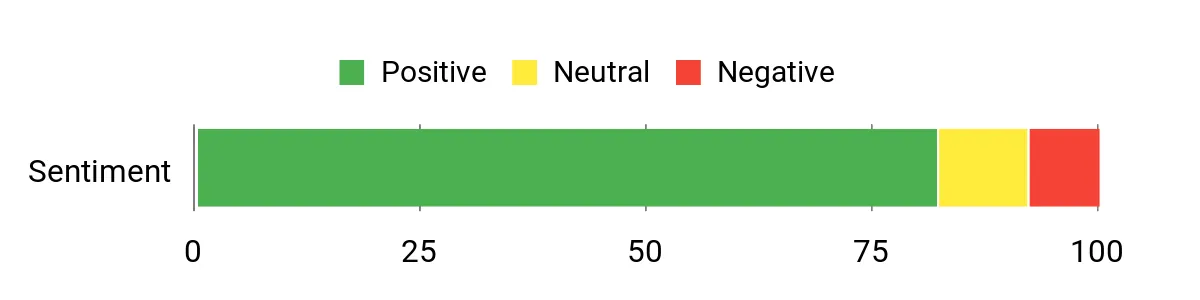
The source article’s review summary reports frequent praise for compact packing, uncomplicated pitching, and the included footprint. The most common limitation is the close two-person fit. The chart below is an editorial sentiment summary, not an independent weather or durability test.
Overall Sentiment: Generally positive, with space being the main trade-off.
Weather Protection
Published specifications vary by Cloud-Up generation and material. Regardless of the stated hydrostatic-head rating, fully deploy the fly, tension the guylines, use appropriate stakes, and avoid depressions where water can collect.
Key Benefits
- Manageable packed size for recreational backpacking
- Freestanding aluminum-pole structure
- Double-wall layout for airflow and rain protection
- Vestibule for footwear and a compact pack
- Useful as either a snug two-person or roomier solo shelter
Check Product Details on Amazon
The Mongar is the more convenient shared shelter when two campers do not want to climb over each other at night. Its two-door layout improves entry, exit, ventilation, and gear organization. It also provides a more balanced interior than a front-entry tapered tent.
Why You’ll Like It
Two vestibules let each sleeper store footwear or a small pack on their own side. The freestanding frame also makes it easier to reposition the inner tent before final staking.
Best For
Choose it for couples, hiking partners, or solo campers who value two doors and more usable shoulder room over the lowest possible pack weight.
Skip It If
It is not the lightest choice in this roundup. Weight and waterproof specifications differ between the 20D and 210T versions, so verify the selected fabric before comparing it with another tent.
What People Say
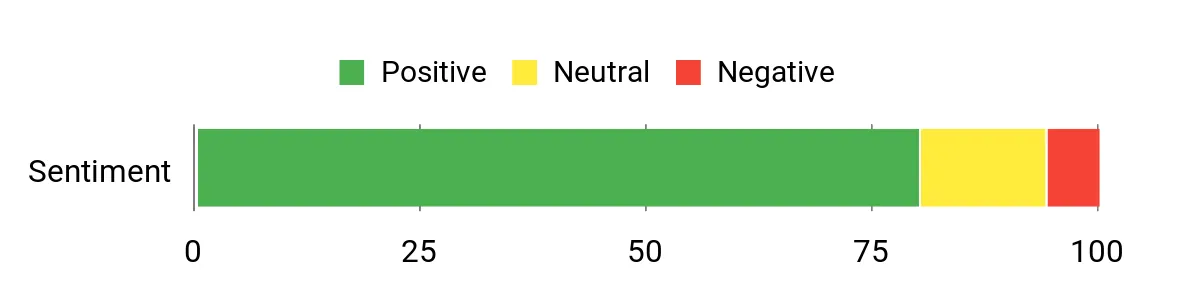
The source article’s review summary emphasizes easy pitching, practical pockets, and a useful space-to-weight balance. Reported concerns focus on condensation in humid conditions and the fact that two adults still need to organize gear carefully. The chart is an editorial summary rather than independent testing.
Overall Sentiment: Generally positive for space and access.
Weather Protection
Material and coating specifications vary by Mongar version. Pitch the fly with a consistent air gap over the inner tent, tension both vestibules, and keep wet gear outside the sleeping compartment to improve moisture management.
Key Benefits
- Two doors for easier shared access
- Dual vestibule space for separated gear storage
- Freestanding aluminum-pole frame
- Good balance between livability and portability
- Double-wall design with substantial mesh area
Check Product Details on Amazon
The Cloud River suits campers who dislike the enclosed feel of a narrow front-entry tent. Its mesh-heavy inner, two-door arrangement, and taller profile improve airflow and make it easier to sit, change clothes, and reach gear.
Why You’ll Like It
The more open layout is useful in warm or humid conditions, especially when two people need separate access. It also works as a comfortable solo shelter when convenience matters more than shaving every ounce.
Best For
Choose it for weekend backpacking, bicycle touring, and mild-weather trips where ventilation and usable interior volume are priorities.
Skip It If
At roughly 5.5 pounds for the corresponding two-person configuration, it is heavier than the Cloud-Up 2 and many premium backpacking tents. It is not the best option for aggressive mileage goals.
What People Say
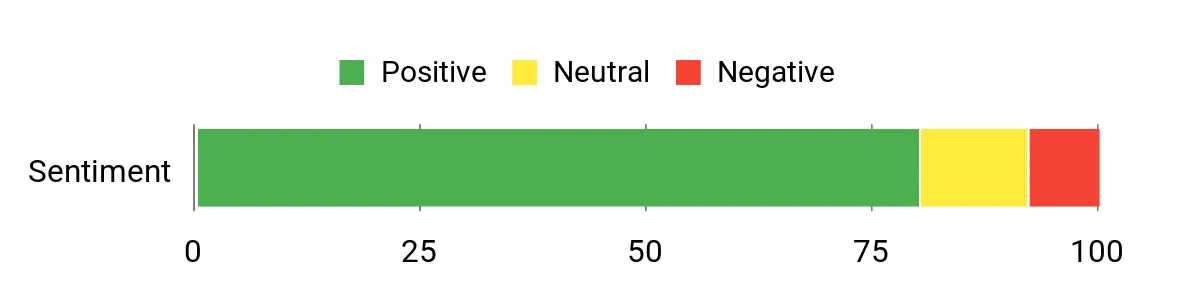
The source article’s review summary highlights setup simplicity, airflow, and a practical amount of room. It also notes that two adults will be comfortable only when they manage gear efficiently. The chart below is an editorial sentiment graphic, not a controlled test.
Overall Sentiment: Generally positive, especially for ventilation.
Weather Protection
The corresponding two-person model is commonly listed with a 3,000 mm waterproof specification. That figure describes fabric resistance under a laboratory-style water-column test; it does not replace careful fly tension, seam inspection, appropriate stakes, and good campsite drainage.
Key Benefits
- Two-door design for shared access
- Substantial mesh area for airflow
- More headroom than many compact trail tents
- Freestanding aluminum-pole structure
- Useful as a roomy solo or practical two-person shelter
Check Product Details on Amazon
The Cloud-Up 1 reduces bulk without switching to a trekking-pole shelter or a single-wall bivy. It is a straightforward option for solo backpackers who want a familiar freestanding frame and a separate rainfly.
Why You’ll Like It
Current manufacturer specifications vary by fabric: the lighter 20D configuration is listed at a lower minimum weight than the 210T version. That gives buyers a useful choice between lower weight and a generally more economical fabric option.
Best For
Choose it for solo backpacking, bikepacking, and short alpine approaches where a small packed shelter is more important than interior lounging space.
Skip It If
Check the floor length and width carefully if you are tall, use a wide pad, or want to keep a large backpack inside. The one-person footprint prioritizes efficiency rather than comfort at camp.
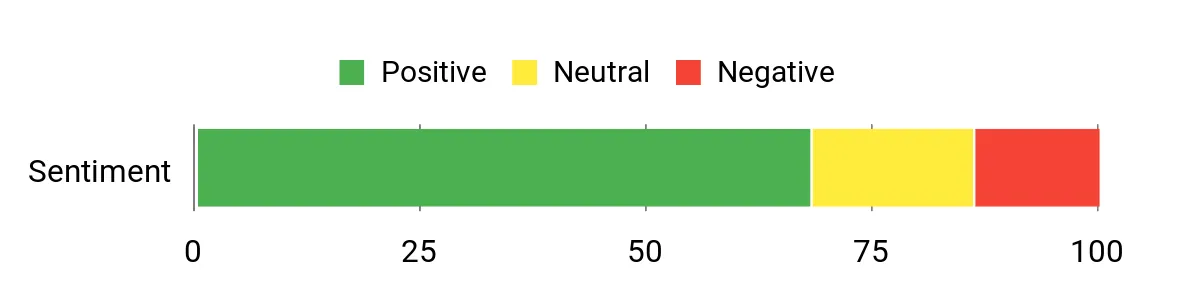
What People Say
The source article’s review summary reports praise for compact storage, quick pitching, and stability when properly guyed. Reported drawbacks include limited room and condensation in damp weather. The chart is an editorial summary rather than independent validation.
Overall Sentiment: Positive for portability, mixed on interior room.
Weather Protection
Confirm the selected fabric and coating on Amazon because Cloud-Up 1 specifications vary by version. Use every appropriate guy point in exposed weather and preserve an air gap between the inner tent and fly.
Key Benefits
- Compact one-person backpacking format
- Multiple fabric options for different weight priorities
- Freestanding aluminum-pole structure
- Double-wall construction for moisture management
- Small vestibule for wet footwear and basic gear
Check Product Details on Amazon
The Camppal Solo is aimed at campers who prefer a narrow, low-profile shelter over a roomier dome. Its long floor accommodates a sleeping pad while the side space under the fly creates a modest vestibule for footwear or compact equipment.
Why You’ll Like It
The design uses an aluminum pole rather than fiberglass and presents less side area to the wind than a tall cabin tent. The listed fabric ratings are also relatively high for an entry-level solo shelter.
Best For
Choose it for solo hiking, hunting, bike travel, or exposed campsites where low profile and floor length matter more than sitting height.
Skip It If
Avoid it if you want generous headroom or a broad freestanding dome. The seller’s displayed weight fields are inconsistent, so verify whether the Amazon figure refers to item weight, minimum weight, or the complete packed kit.
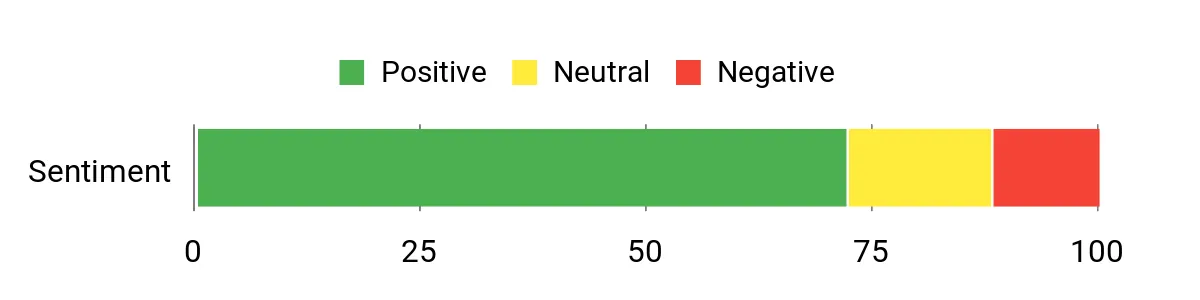
What People Say
The source article’s summary reports recurring praise for weather protection, compact storage, and uncomplicated pitching. The main concerns are condensation and restricted interior width. The chart below reflects editorially summarized feedback, not independent performance testing.
Overall Sentiment: Generally positive for solo utility.
Weather Protection
The listing describes approximately 3,500 mm resistance for the inner and fly fabrics and 4,000 mm for the floor. Treat those as material specifications rather than a promise that the whole shelter will remain dry under every pitch or storm.
Key Benefits
- Long one-person sleeping area
- Low profile for exposed campsites
- Aluminum pole construction
- Bathtub-style floor
- Separate fly and inner for ventilation control
Check Product Details on Amazon
The Night Cat solves a different problem from the lighter Cloud-Up 1: it gives beginners and occasional campers a straightforward, lower-cost dome without requiring a specialized ultralight setup. The interior is suitable for one adult and basic equipment, and the familiar pole arrangement is easy to understand.
Why You’ll Like It
It packs into a compact bundle and can work for campgrounds, motorcycle trips, youth outings, and short approaches where a few extra pounds are manageable.
Best For
Choose it for casual solo camping, beginner trips, or budget-conscious use where purchase cost matters more than minimizing every ounce.
Skip It If
At about 4.4 pounds, it is heavy for a one-person backpacking shelter. Fiberglass poles also deserve more careful handling than aluminum, especially in cold conditions or strong wind.
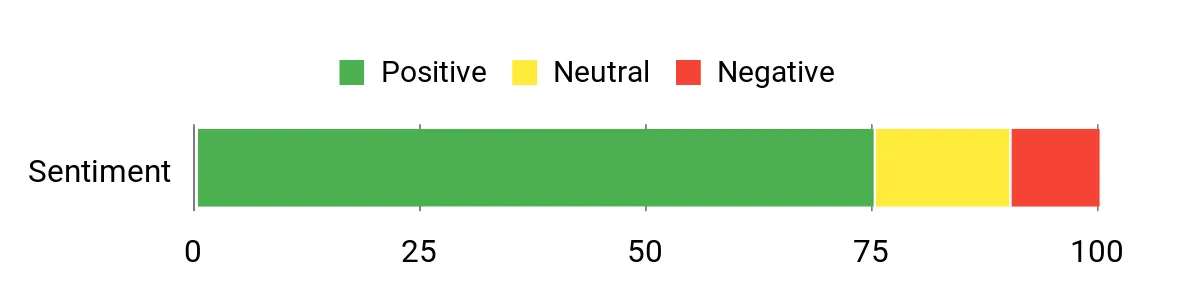
What People Say
The source article’s feedback summary emphasizes setup simplicity, useful solo space, and acceptable rain performance for casual use. Reported limitations include basic stakes, fiberglass-pole durability, and condensation. The sentiment image is an editorial summary rather than independent testing.
Overall Sentiment: Generally positive for value.
Weather Protection
The listing states a 3,000 mm water-resistance figure. Use a properly sized footprint that does not extend beyond the tent floor, and inspect seams before the first wet trip.
Key Benefits
- Accessible entry-level design
- Reasonable solo sleeping space
- Compact packed dimensions
- Familiar dome-style pitching process
- Useful for occasional camping and short carries
Check Product Details on Amazon
The smaller Dune is designed for campers who want an enclosed sleeping area plus a protected hall or vestibule for cold-weather basecamp activities. It offers substantially more usable room than a backpacking tent, but its size and weight place it firmly in the car, motorcycle, pulk, or short-carry category.
Why You’ll Like It
The room-and-hall layout separates sleeping equipment from wet boots and bulky winter gear. Multiple doors and vents also give you more control over airflow than a simple single-opening shelter.
Best For
Choose it for two-person cold-weather basecamps where living space, a snow skirt, and a purpose-built stove-jack area matter more than pack weight.
Skip It If
This is not a normal backpacking tent. Naturehike uses different Dune size names across marketplaces, so confirm the exact capacity, included inner tent, dimensions, weight, waterproof rating, and stove-jack configuration on the linked Amazon page.
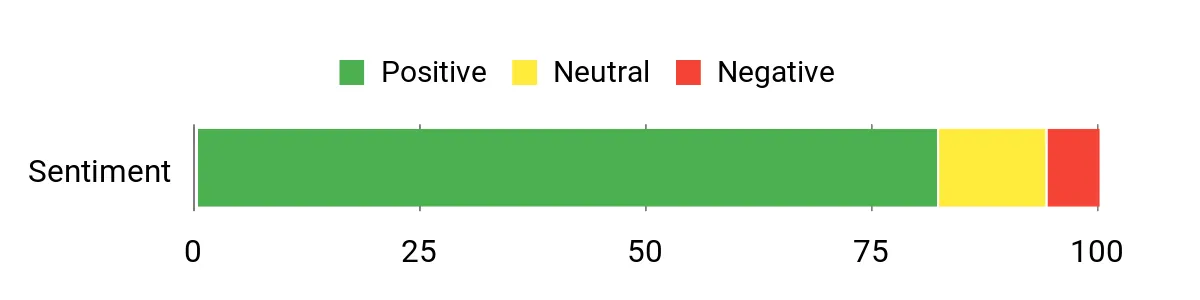
What People Say
The source article’s summary reports praise for usable space, weather-oriented construction, and stove compatibility. Reported disadvantages include long poles, setup bulk, and the need to tension the full structure carefully. The chart below is an editorial sentiment summary, not a safety certification.
Overall Sentiment: Positive for vehicle-supported cold-weather camping.
Weather Protection
The corresponding smaller Dune model is currently published with a 3,000 mm waterproof index. Fully stake and tension the shelter so rain and snow do not collect on loose panels.
Key Benefits
- Separate sleeping and hall areas
- Snow skirt and stove-jack configuration for cold-weather basecamping
- Multiple doors and vents
- Aluminum pole structure
- Space for bulky winter clothing and equipment
Check Product Details on Amazon
The Massif gives cold-weather campers a more portable alternative to the much larger Dune basecamp shelters. It combines a separate sleeping inner with an extended hall that can hold equipment and provide a sheltered working area.
Why You’ll Like It
The current two-person specification uses a 30D silicone-coated nylon fly and lists a compact packed size for a room-and-hall hot tent. The snow skirt and multiple ventilation points make it more adaptable across seasons than a simple mesh backpacking tent.
Best For
Choose it for motorcycle touring, short vehicle-supported approaches, winter hunting basecamps, and cold-weather trips where you want more living space without carrying a 20- to 30-pound cabin shelter.
Skip It If
The Massif still requires a deliberate pitch and a full stake-out to create its usable hall. It is too heavy and complex for most long-distance backpackers, and the stove-jack feature requires strict equipment-specific precautions.
What People Say
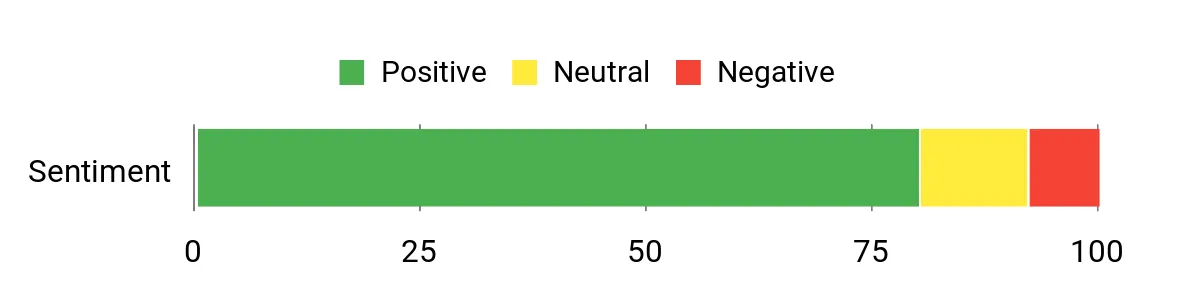
The source article’s summary highlights the room-and-hall layout, stability after staking, and usefulness in cold conditions. Reported drawbacks include weight, setup practice, and dependence on proper tension. The chart is an editorial summary and not a wind, fire, or carbon-monoxide safety test.
Overall Sentiment: Generally positive for cold-weather basecamp use.
Weather Protection
Confirm the exact waterproof specification on the linked listing because current model details and marketplace descriptions can differ. In snow, keep vents and the flue area clear and remove accumulating loads rather than relying solely on the pole frame.
Key Benefits
- Room-and-hall configuration
- Snow skirt and stove-jack feature
- Mesh inner for warmer-season use
- Multiple vents for airflow management
- Lighter than many large hot-tent basecamps
Check Product Details on Amazon
The Village is designed for campers who want to spend less time assembling loose poles and more time using the shelter as a room. Its tall cabin shape makes changing clothes, organizing bags, and waiting out a shower more comfortable than in a low dome.
Why You’ll Like It
The integrated frame reduces assembly steps, while the rainfly and canopy components extend the usable area around the main cabin. The black-coated fabric option can also reduce interior brightness for daytime rest.
Best For
Choose it for car camping, festivals, family weekends, and backyard stays where headroom and a fast, repeatable setup matter.
Skip It If
At approximately 30 pounds, this is not a carry-in backpacking tent. The manufacturer’s setup sequence recommends two people, so “instant” should be understood as an integrated-frame design rather than a guarantee of effortless solo pitching.
What People Say
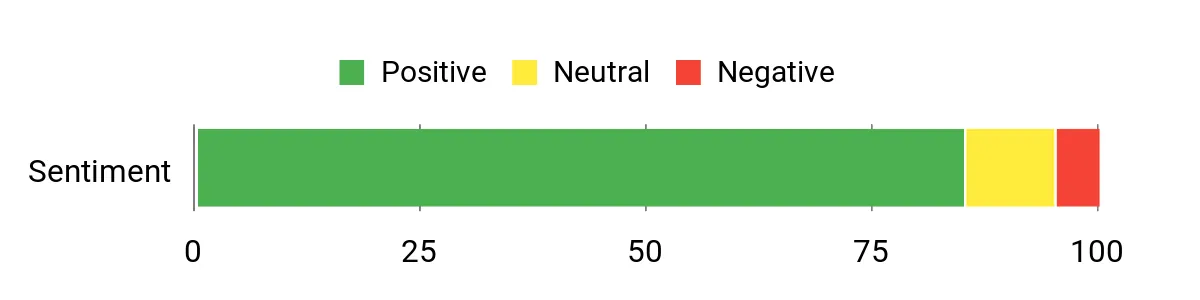
The source article’s summary emphasizes fast pitching, square usable space, shade, and comfortable headroom. Reported drawbacks include transportation bulk and the benefit of practicing the setup before a trip. The sentiment chart is an editorial summary rather than independent testing.
Overall Sentiment: Positive for vehicle-supported comfort.
Weather Protection
The current Village 6.0 specification lists a 2,000 mm waterproof index. Use the complete rainfly, stake every required point, and tension the guylines because the tall cabin walls catch more wind than a low-profile backpacking tent.
Key Benefits
- Integrated instant-style frame
- Standing-height cabin interior
- Rainfly and canopy components
- Mesh panels for ventilation
- Comfortable layout for car camping and festivals
Check Product Details on Amazon
The larger Dune is closer to a portable basecamp room than a hiking tent. It gives campers enough height and floor area for larger sleeping systems, winter clothing, chairs, and organized equipment while preserving a separate inner sleeping area.
Why You’ll Like It
The extended hall provides a sheltered space that can be configured for gear storage and camp activities. Multiple doors and ventilation panels help make the large enclosure more usable across changing conditions.
Best For
Choose it for multi-day car camps, motorcycle basecamps, winter hunting, and other trips where comfort, organization, and cold-weather features outweigh transport bulk.
Skip It If
At roughly 26 pounds for the corresponding current large model, it is unsuitable for ordinary backpacking. Marketplace names such as “3P,” “4P,” “7.6,” and “10.9” can refer to different Dune configurations, so verify capacity, floor plan, inner tent, and packed size before purchase.
What People Say
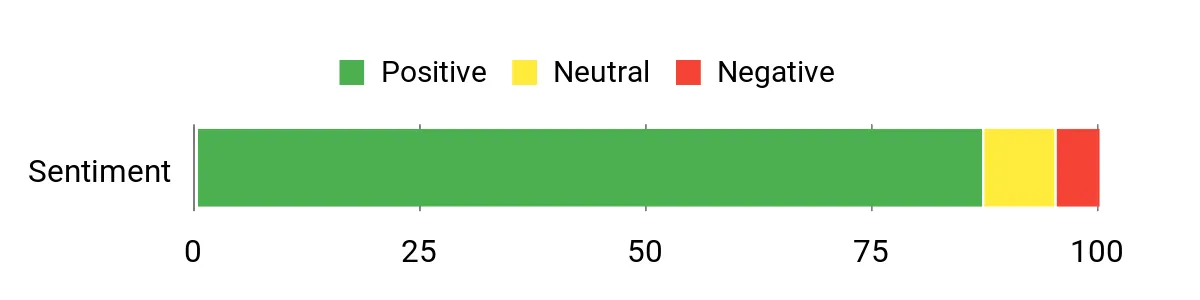
The source article’s summary reports praise for headroom, basecamp comfort, and resistance to ordinary rain and wind when fully pitched. The main limitations are bulk, long poles, and the space required for setup. The chart below is an editorial sentiment summary, not an independent structural or safety test.
Overall Sentiment: Positive for large vehicle-supported camps.
Weather Protection
The corresponding current large Dune model lists a 3,000 mm waterproof index. Its broad fabric panels must be correctly tensioned, and snow should not be allowed to accumulate on the roof or block ventilation and flue clearances.
Key Benefits
- Large room-and-hall floor plan
- Standing-height interior
- Snow skirt and stove-jack configuration
- Multiple doors and ventilation points
- Suitable for organized multi-day basecamps
Check Product Details on Amazon
FAQ
How Do I Choose the Right Tent?
Start with transportation. For backpacking, compare the complete packed weight and dimensions with the amount you can comfortably carry. For car camping, prioritize floor area, standing height, setup process, door placement, and the space required for guylines.
Then check realistic capacity. A two-person trail tent usually means space for two sleeping pads, not two people plus all their equipment. Couples who want easier access should prioritize two doors, while solo campers may prefer a narrower front-entry design to reduce weight.
What Does a 2,000 mm, 3,000 mm, or 4,000 mm Waterproof Rating Mean?
The number is a hydrostatic-head measurement describing how much water pressure a fabric can resist under a standardized test. A higher figure can indicate a more water-resistant material, but it does not automatically make the complete tent better in storms.
Seams, zippers, floor design, fly coverage, pole structure, guylines, ventilation, fabric condition, and the quality of your pitch all affect real-world performance.
Is a Stove-Jack Tent Safe?
A stove jack is a reinforced opening intended to route a compatible flue through the shelter. It does not certify every stove, pipe, fuel, or installation as safe. Follow the exact instructions and clearance requirements provided by both the stove and tent manufacturers.
Never use charcoal or an unvented camping stove in a tent. Do not operate a fuel-burning heater while sleeping or leave it unattended. Keep ventilation open and stop immediately if smoke enters the shelter or anyone develops possible carbon-monoxide symptoms.
How Can I Reduce Condensation?
Keep air moving through high and low vents, and avoid sealing the tent more tightly than conditions require. Tension the fly so it does not rest against the inner tent, keep wet clothing and footwear in the vestibule, and avoid camping in low, damp hollows when a better-drained site is available.
A footprint can protect the floor from abrasion and mud, but it should be fully hidden under the tent. Exposed groundsheet edges can collect rain and direct it beneath the floor.
Are Budget Tents Worth It?
A budget tent can be a sensible first shelter for fair-weather campgrounds, short trips, and learning basic setup skills. The trade-offs are often heavier fabrics, fiberglass poles, basic stakes, larger packed dimensions, and less refined ventilation.
Make it last by drying it completely before storage, cleaning it with mild non-detergent soap, protecting the floor, replacing bent stakes, and inspecting seams and coatings before wet-weather trips.
Should I Trust the Advertised Occupancy?
Use occupancy as a sleeping-pad count rather than a comfort rating. Measure your pads side by side and compare their combined width with the tent’s usable inner floor. Also check wall slope, because floor dimensions alone may overstate shoulder and head space.
What Campers Prefer
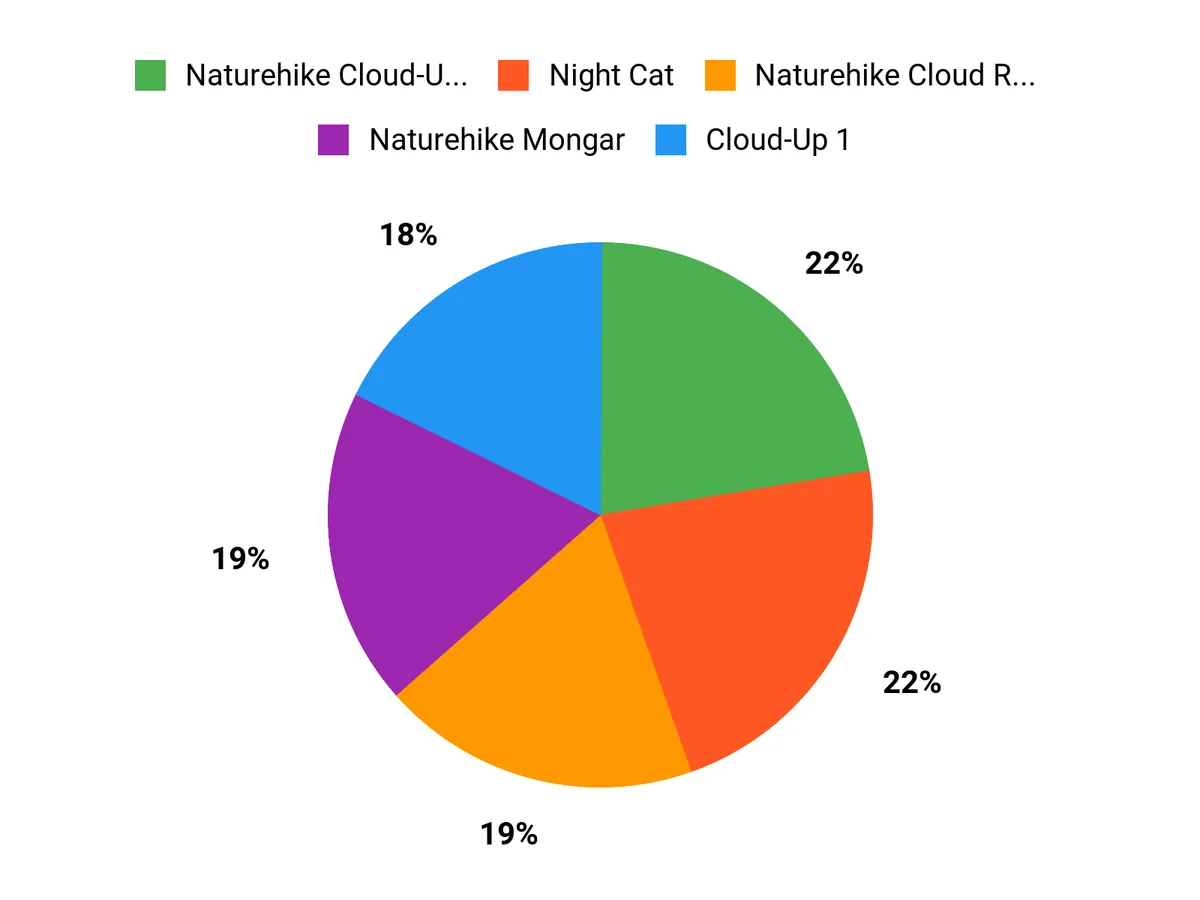
These tents fall into distinct carrying and comfort categories. The Night Cat appeals to budget-conscious campers who accept more weight and basic materials. The smaller Dune focuses on cold-weather vehicle-supported living space, while the Massif offers a more compact hot-tent package for motorcycle touring and shorter approaches.
The preference chart below summarizes the source article’s editorial comparison. It should be used as a quick decision aid rather than as independent test data.
Final Recommendations
For most backpackers: Start with the Naturehike Cloud-Up 2. It offers the clearest balance of manageable packed weight, familiar setup, and useful weather coverage.
For two people who value easier access: Choose the Mongar for its two-door layout and dual vestibules.
For solo travel: Pick the Cloud-Up 1 for lower weight or the Camppal Solo for a longer, lower-profile mountain-style shelter.
For car camping: Choose the Village when fast integrated-frame setup and headroom matter.
For cold-weather basecamps: Compare the smaller Dune, Massif, and larger Dune by total packed weight and floor plan. Do not select among them solely by stove-jack availability.
Complete Tent Comparison
| Product Name | Image | Best For | Occupancy | Published Weight | Weather Notes |
|---|---|---|---|---|---|
| Naturehike Cloud-Up 2 Person Tent |
 |
Lightweight backpacking | 2 people, snug | Approx. 3.04 lb minimum / 3.97 lb packed | Three-season; specification varies by version |
| Naturehike Mongar 2 Person Tent |
 |
Roomy two-door backpacking | 2 people | Approx. 4.01–4.85 lb minimum, depending on fabric | Three-season; coating varies by material option |
| Naturehike Cloud River 2-3 Person Tent |
 |
Ventilation and headroom | Check linked variant | Approx. 5.5 lb for corresponding 2-person version | Commonly listed at 3,000 mm |
| Naturehike Cloud-Up 1 Person Tent |
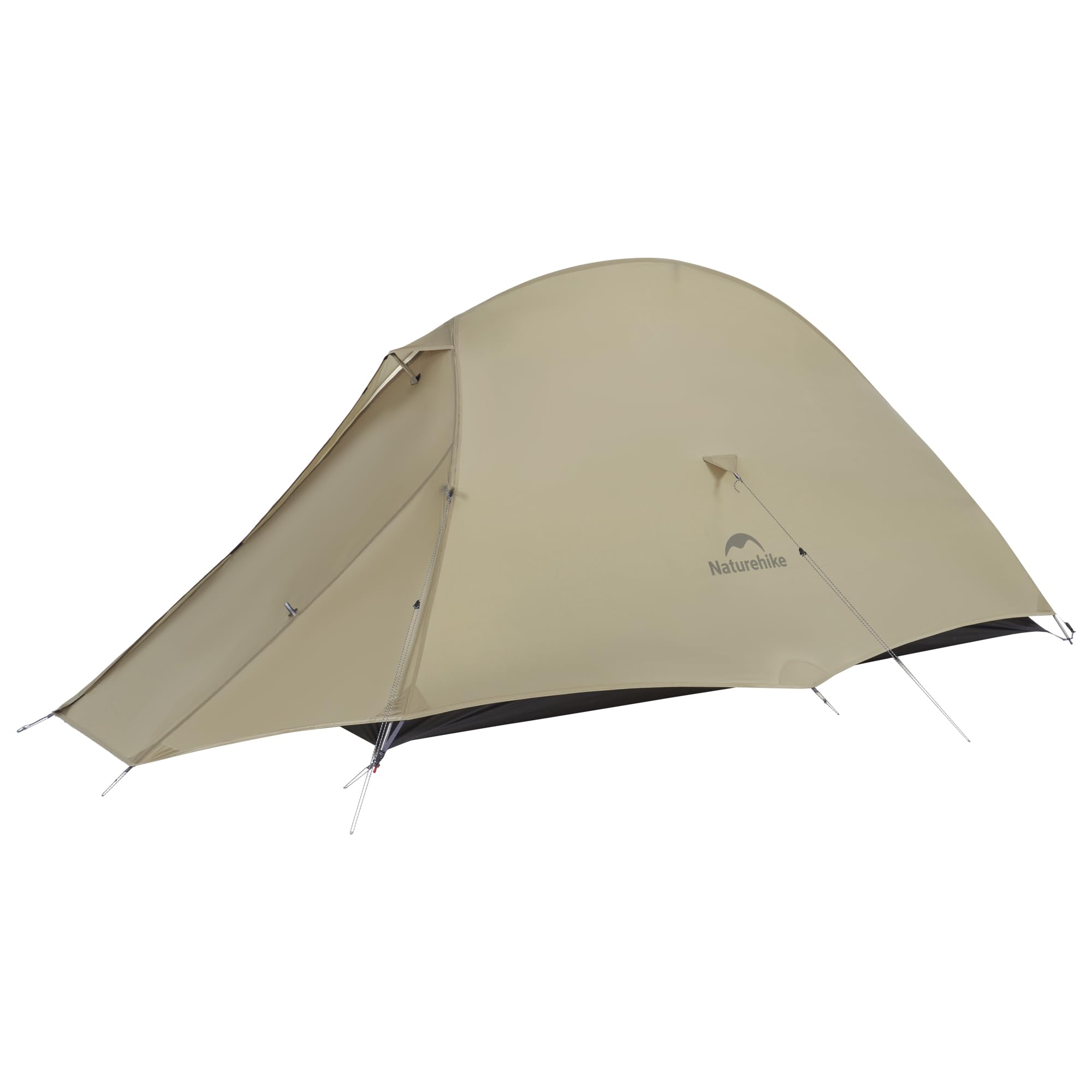 |
Lightweight solo backpacking | 1 person | Approx. 2.65–3.22 lb minimum, depending on fabric | Three-season; verify exact selected material |
| Camppal 1 Person Tent |
 |
Low-profile solo camping | 1 person | Listing weight fields vary; verify complete packed weight | Published fabric ratings around 3,500–4,000 mm |
| Night Cat Backpacking Tent for One |
 |
Budget and beginner camping | 1 person | Approx. 4.4 lb | Stated 3,000 mm; fiberglass poles |
| Naturehike Dune Hot Tent with Stove Jack |
 |
Smaller cold-weather basecamp | Corresponding model lists 2 people | Approx. 15.8 lb for corresponding smaller model | 3,000 mm, snow skirt, stove-jack precautions required |
| Naturehike Massif Hot Tent with Stove Jack |
 |
More portable four-season hot tent | 2 people | Approx. 7.28 lb minimum / 9.7 lb packed | Snow skirt and stove jack; verify listing coating |
| Naturehike Village Instant Tent for 4 People |
 |
Instant-style car camping | 4 people | Approx. 30 lb | 2,000 mm; tall profile requires secure guylines |
| Naturehike Dune Large Hot Tent |
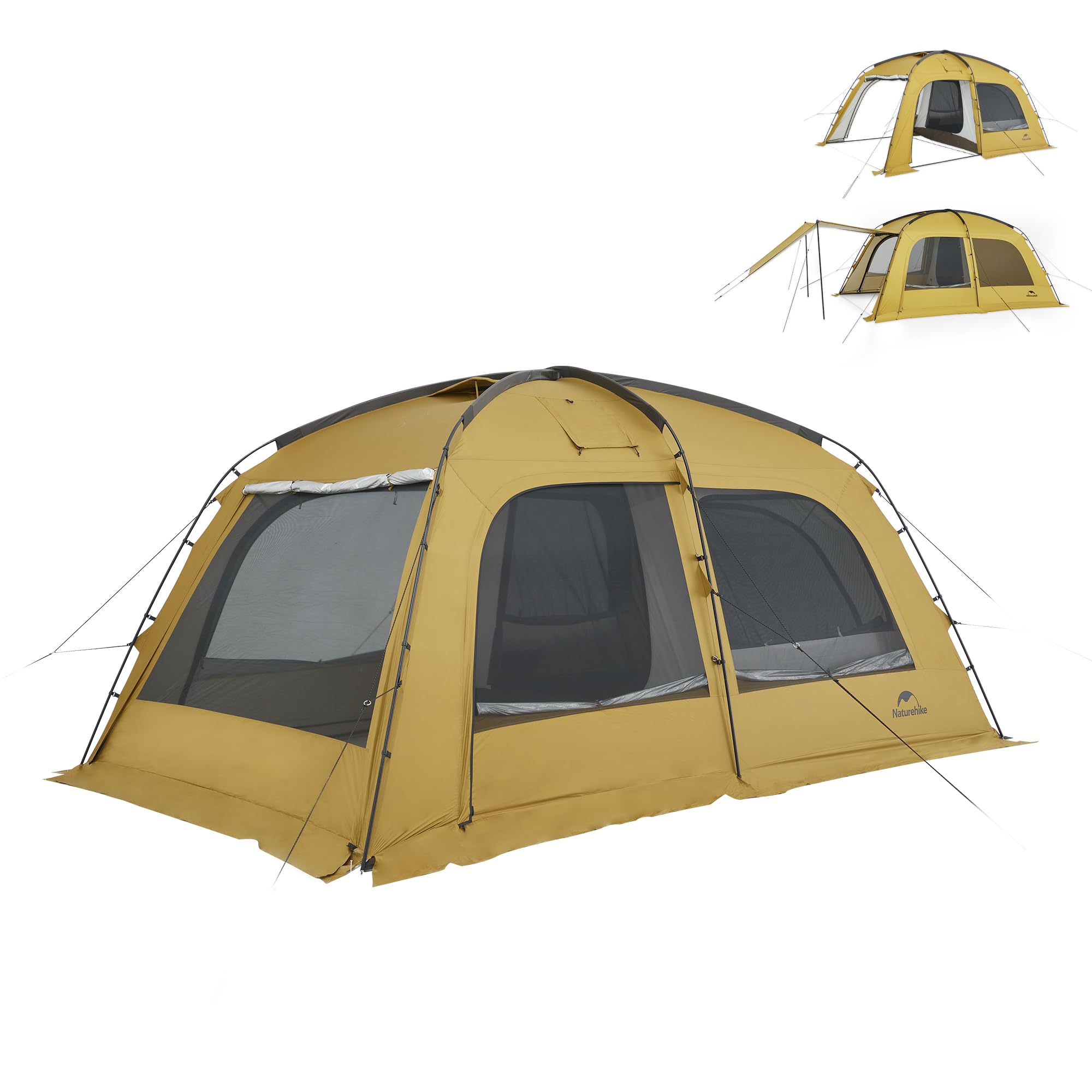 |
Large vehicle-supported basecamp | Verify linked marketplace variant | Approx. 26 lb for corresponding large model | 3,000 mm, snow skirt, stove-jack precautions required |
Wrapping Up
The right tent is the one whose compromises match your trip. A low packed weight is valuable when every mile is on foot, but it matters far less when a vehicle carries your equipment. Likewise, standing height and a stove-jack area can transform a winter basecamp while becoming unnecessary bulk on a summer backpacking route.
Compare the exact Amazon variant, measure your sleeping system, distinguish minimum weight from complete packed weight, and practice the full pitch before depending on a shelter in poor weather. Those steps will do more for comfort and reliability than choosing solely by an advertised score or waterproof number.
This roundup is reader-supported. When you click through Amazon links, we may earn a referral commission on qualifying purchases.