Affiliate disclosure:. As an Amazon Associate I earn from qualifying purchases. This roundup is reader-supported. When you click through qualifying Amazon links, we may earn a referral commission at no additional cost to you.
You can turn a clear night under the stars into a more comfortable experience with the right shelter. The best stargazing tent for you depends on whether you want a transparent pod for two people, a roomy glamping tent with a skylight, or a portable panoramic shelter for fair-weather viewing.
This guide compares three relevant options based on night-sky visibility, ventilation, setup, usable space, portability and weather limitations. It also explains where each tent works best so you can avoid choosing a lightweight observation shelter for conditions it was not designed to handle.
Quick Verdict
- Best Overall for Couples: The EighteenTek Pod provides a clear wraparound view, a true lying-down footprint and fast pop-up setup.
- Best for Group Glamping: The WINTENT Yurt offers a large canvas interior, an overhead skylight and a stove jack for compatible cold-weather setups.
- Best Quick-Setup Observation Shelter: The Whoasyst Tent prioritizes portability and panoramic sightlines for calm, dry outings.
Top Picks
|
Category |
Product |
Why It Stands Out |
|---|---|---|
|
🏆 Best Overall for Couples |
Clear low-profile design, room for two people to lie down and an instant pop-up frame. |
|
|
🎯 Best for Group Glamping |
Large 6–8-person layout with a skylight, canvas construction and stove-jack compatibility. |
|
|
⭐ Best Quick-Setup Observation Shelter |
A portable two-person design with broad viewing panels for calm, dry nights. |
Selection Criteria
A useful stargazing shelter needs more than a transparent panel. We prioritized the amount and position of the viewing area, ventilation for controlling condensation, practical sleeping or seating space, setup difficulty, anchoring options, transport requirements and the effect of rain covers on visibility.
Weather claims were treated cautiously. A clear pod that is comfortable on a calm backyard night may not be appropriate for high winds, prolonged rain or exposed camping. Current prices, ratings, review totals and availability are not included because they can change.
The EighteenTek Pod is the most direct match for couples who want to lie down and look through clear walls without assembling a traditional pole tent. Its low capsule shape accommodates an air mattress or sleeping pads more naturally than upright sports pods, while the pre-attached frame makes setup quick.
The tradeoff is limited headroom. At 39 inches high, it is primarily a sitting and lying-down shelter rather than a tent in which adults can stand. Transparent PVC can also trap heat and condensation, so the mesh window and door management are important.
Why You’ll Like It
You get wide sky and horizon views while remaining separated from damp ground, dew and many flying insects. The removable top cover gives you a choice between a clearer overhead view on dry nights and added protection when conditions become less certain.
Who Should Buy This
- Couples or solo campers who want to stargaze while lying down
- Backyard, patio and calm car-camping users
- Buyers who prioritize fast setup and compact storage
- People comfortable with a low-profile shelter
Who Should Avoid This
- Campers who need standing height or substantial gear storage
- People camping on exposed or consistently windy sites
- Anyone seeking a dependable severe-weather or expedition tent
- Hot-climate users who cannot keep the shelter adequately ventilated
Review Evidence Note
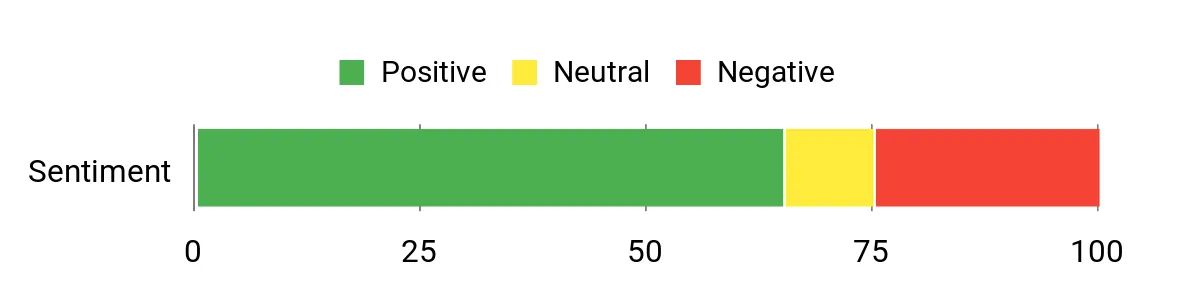
The source article included the sentiment graphic below, but it did not disclose the review sample, date range or analysis method. Treat it as a historical illustration rather than verified proof of product performance. Check current verified-purchase reviews for comments about folding, PVC odor, condensation, zipper durability and leakage.
Weather Resistance and Ventilation
The current product listing specifies a 4000 mm water-resistance rating and includes a removable top cover. That does not make the pod an ideal storm shelter. Test the setup before a trip, anchor every available point and avoid exposed sites during strong wind or severe weather.
The cover can reduce the overhead view, while closed PVC panels can increase condensation. Open the mesh window and door as conditions permit, and never use an open flame, grill, stove or fuel-burning heater inside this clear pod.
Key Benefits
- Transparent wraparound design for broad night-sky views
- Low sleeping footprint sized for up to two people
- Pre-attached frame for rapid setup
- Mesh window, removable top cover and anchoring accessories included
- Compact carry format for vehicle-supported trips and backyard use
Check Current Amazon Availability
The WINTENT Yurt is intended for a very different trip from a lightweight pop-up pod. It gives families and groups room to create sleeping, seating and gear zones, while the central skylight provides a dedicated view of the night sky.
This is a vehicle-supported glamping or basecamp shelter. Its large canvas body and pole system require more transport space, more pitching time and a carefully selected campsite. Recruit another adult for setup and practice the full pitch before relying on it away from home.
Why You’ll Like It
The main advantage is livability. You can stand, move around and spend a longer evening inside without feeling confined to a low bubble. The skylight preserves an overhead view while the canvas walls provide more privacy than a fully transparent enclosure.
Who Should Buy This
- Families and groups planning vehicle-accessible stargazing trips
- Glampers who want standing room and a furnished interior
- Cold-season campers with an appropriate, manufacturer-compatible stove system
- People setting up a backyard or semi-permanent night-sky retreat
Who Should Avoid This
- Backpackers, solo hikers and anyone carrying shelter over distance
- Campers who need an instant one-person pitch
- Buyers seeking fully transparent panoramic walls
- Anyone unable to anchor a large shelter securely
Review Evidence Note
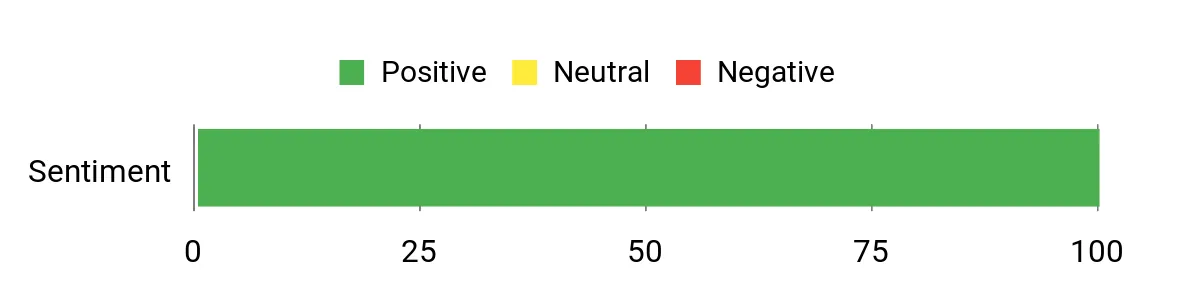
The source article included the chart below without a disclosed methodology. Current product feedback should be checked directly on the retailer page, with particular attention to setup instructions, seam finishing, skylight leakage, pole hardware and stove-jack construction.
Weather and Stove Safety
The seller describes this as a waterproof, four-season canvas tent, but no shelter should be treated as stormproof without proper pitching, complete staking and suitable site selection. Inspect the canvas, seams, skylight and ground interface before your first trip, and confirm whether any initial weathering or seam treatment is recommended.
Safety note: A stove jack does not make every stove safe to use. Use only a tent stove and chimney system specifically approved for this type of installation, follow all clearance and ventilation instructions, keep combustibles away from hot surfaces and use a working carbon-monoxide alarm. Never use an unvented heater, grill, lantern or cooking stove while sleeping in an enclosed tent.
Key Benefits
- Large listed capacity for family or group glamping
- Overhead skylight for viewing the night sky
- Tall, livable interior with space for sleeping and seating zones
- Canvas construction provides more privacy than clear PVC walls
- Stove jack supports an appropriate vented cold-weather setup
Check Current Amazon Availability
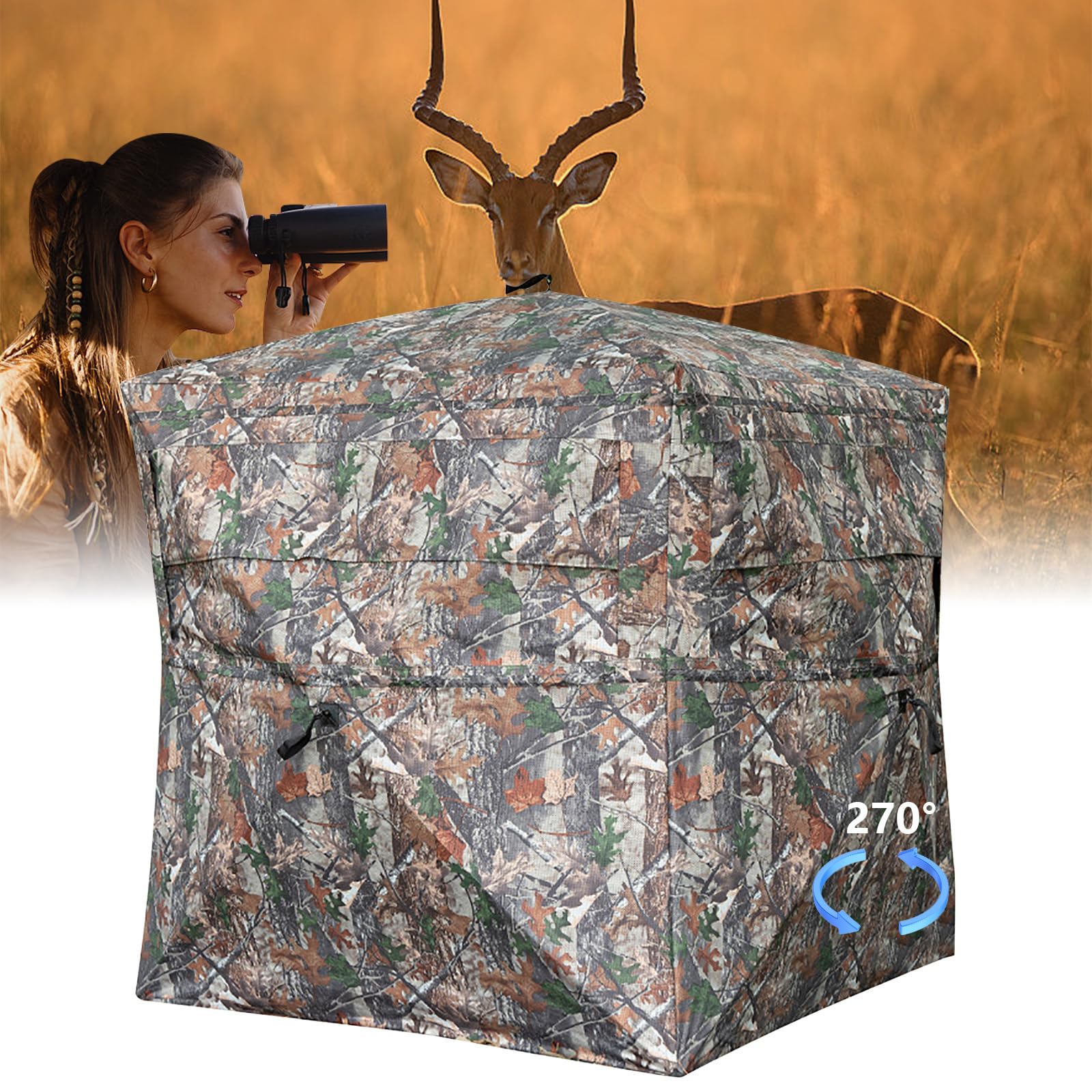
The Whoasyst Tent is the simplest option for buyers who mainly want broad sightlines and fast assembly. It is better understood as a portable observation or privacy shelter than as a proven technical camping tent.
Use it for backyard astronomy, festivals, beach evenings or short vehicle-supported outings where the forecast is calm and dry. Before ordering, confirm the current dimensions, packed size, material description, waterproofing and included components on the live listing.
Why You’ll Like It
The panoramic panels create a more open visual experience than a conventional fabric tent, while the carry format and anchoring kit are intended to reduce setup effort. It can work well when you want a temporary place to sit, organize equipment or take a break between periods of outdoor observation.
Who Should Buy This
- Backyard stargazers who want a temporary observation shelter
- Couples attending festivals, outdoor events or beach gatherings
- Car campers prioritizing quick setup over expedition performance
- Buyers prepared to use the tent only in suitable fair weather
Who Should Avoid This
- Campers who expect prolonged or heavy rain
- Backpackers who require verified packed weight and weather performance
- People camping in high winds or exposed terrain
- Anyone who needs a proven four-season sleeping shelter
Review Evidence Note
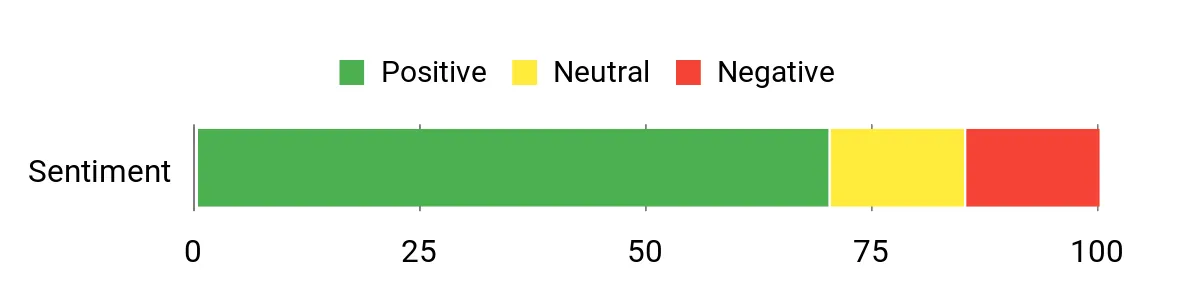
The sentiment image below was included in the source article, but no review sample or scoring method was provided. Review the current listing carefully and look for verified feedback about panel clarity, frame durability, ventilation, packed size and stability.
Water Resistance and Site Choice
The listing title uses weather-related language, but no independently verified hydrostatic-head rating is provided in this guide. Treat the Whoasyst as a fair-weather shelter unless the current listing and instructions clearly establish otherwise.
Stake it fully, use every supplied guyline and avoid exposed ridges, strong wind and approaching storms. Bring a dependable sleeping tent separately when overnight protection is essential.
Key Benefits
- Broad panoramic viewing area for stargazing and observation
- Quick-assembly design for temporary outings
- Listed two-person capacity
- Anchoring accessories and carry bag included
- Useful for backyards, festivals, beaches and calm car camps
Check Current Amazon Availability
How to Choose a Stargazing Tent
Choose the Right Viewing Design
A transparent bubble offers the widest view but also the least privacy and the greatest potential for heat buildup. A canvas tent with a skylight provides a smaller viewing area but gives you more privacy, standing room and long-stay comfort. A panoramic observation shelter falls between those two styles and is best for temporary fair-weather use.
Check the View From Your Sleeping Position
A tent can be marketed for stargazing even when its transparent panels are too low, too vertical or too small to see the sky comfortably while lying down. Check the position of the clear panels, roof seams and rain cover before buying. Also consider whether your mattress height will move your eyes above or below the best viewing angle.
Plan for Condensation and Heat
Clear PVC can warm quickly in sunlight and collect condensation at night. Look for mesh-backed vents, doors that can remain partially open and enough separation between bedding and the walls. Avoid sealing a transparent pod completely unless weather conditions require it.
Match the Tent to the Campsite
Pop-up observation shelters are best on level lawns, patios and protected car-camping sites. Large canvas tents require substantial space, strong anchors and more setup time. Neither style should be placed beneath dead branches, in drainage channels or on an exposed site when severe weather is possible.
Check Portability Before Ordering
Compare packed dimensions as well as weight. Circular pop-up bags can be lightweight but awkward to carry, while canvas yurts may require a large vehicle and several separate pole or hardware bags. Verify that the packed shelter fits your trunk, storage area and walking distance from the vehicle.
Consider Privacy and Light Control
Fully transparent shelters expose occupants to surrounding campsites and early-morning sunlight. Choose a private site or bring manufacturer-compatible privacy panels when appropriate. Avoid improvised coverings that block vents or rest against hot equipment.
Stargazing Tent Safety
- Never use an open flame, charcoal grill, cooking stove or unvented fuel-burning heater inside a PVC pod or enclosed observation shelter.
- Use a wood stove only in a tent specifically designed for it and only with the correct stove jack, chimney, clearances and ventilation.
- Use a working carbon-monoxide alarm with any approved vented stove installation.
- Anchor the tent fully even when conditions initially appear calm.
- Leave the shelter immediately if weather, ventilation or structural stability becomes unsafe.
FAQ
How Do I Choose the Right Stargazing Tent?
Start with the way you plan to use it. Choose a low transparent pod when you want to lie down with a broad view, a canvas skylight tent when you need group space and privacy, or a lightweight panoramic shelter for short fair-weather observation sessions.
Then compare ventilation, sleeping dimensions, standing height, packed size, anchoring, weather documentation and how much of the view remains when the rain cover is installed.
Can You Sleep Overnight in a Clear Bubble Tent?
You can sleep in a model specifically designed with an attached floor, appropriate dimensions and adequate ventilation. Check campground rules and the manufacturer’s intended use first. Keep vents open as conditions allow, avoid touching bedding to wet PVC walls and have a conventional weather-ready shelter available when the forecast is uncertain.
Are Transparent Stargazing Tents Waterproof?
Some listings include water-resistance specifications or removable covers, but transparent construction does not automatically make a tent dependable in prolonged rain. Seams, doors, floor construction, cover placement and anchoring all affect performance. Test the tent before a trip and do not rely on a lightweight pod during severe weather.
How Do I Reduce Condensation?
Use every available vent, open mesh-backed doors when conditions permit and avoid bringing wet clothing inside. Pitch on dry ground away from standing water, keep bedding from pressing against the walls and wipe accumulated moisture before packing the shelter.
Will a Rain Cover Block the Stars?
It can. A solid or less-transparent top cover may reduce the clearest overhead view. Check the cover design before buying and be prepared to choose between maximum visibility and added weather protection as conditions change.
Can I Use a Heater or Stove Inside a Stargazing Tent?
Do not use open flames, grills, portable cooking stoves or unvented fuel-burning heaters inside transparent pods or general observation shelters. A tent stove should only be used in a shelter specifically designed for that system, with a compatible stove jack, correct chimney installation, required clearances, continuous ventilation and a working carbon-monoxide alarm.
What Should I Practice Before the Trip?
Set up, anchor, ventilate and pack the tent at home. Pop-up tents can be easy to open but difficult to fold until you learn the sequence. Inspect the floor, seams, zippers, vents, guylines and stakes, and confirm that every component fits back into the carry bag.
Wrapping Up
The EighteenTek Pod is the most direct choice for one or two people who want a clear, low-profile shelter for lying beneath the stars. Its quick setup and transparent design are appealing, but buyers should be comfortable with limited headroom, condensation management and fair-site selection.
The WINTENT Yurt is the better fit for family glamping, group star parties and longer vehicle-supported stays. Its skylight and spacious canvas interior provide a more livable experience, though setup, transport and safe stove practices require more preparation.
The Whoasyst Tent is the simplest portable observation option for calm backyard, beach, festival or car-camping use. Because its weather documentation is limited, verify the current listing carefully and do not treat it as a proven severe-weather shelter.
Whichever style you choose, test it at home, verify ventilation, inspect every anchor point and select a campsite that matches the shelter’s actual capabilities.
Stargazing Tent Comparison
| Product Name | Image | Best For | Listed Occupancy | Viewing Design | Weather Guidance | Amazon |
|---|---|---|---|---|---|---|
| EighteenTek® Pod All Weatherproof Sports Tent |
 |
Couples and lying-down stargazing | 2 Person | Transparent low-profile pod | Listed with 4000 mm water resistance and a removable cover; avoid exposed severe weather | Check Amazon Details |
| WINTENT Star Gazing Tent |
 |
Group glamping and vehicle-supported basecamps | 6–8 Person | Canvas walls with overhead skylight | Seller-listed for four-season use; requires careful pitching, anchoring and safe stove practices | Check Amazon Details |
| Quick-Assembly Observation Tent |
 |
Quick fair-weather observation sessions | 2 Person | Panoramic viewing panels | No verified numeric waterproof rating provided; use in calm, dry conditions | Check Amazon Details |
This roundup is reader-supported. When you click through links, we may earn a referral commission on qualifying purchases.