
Winter camping is demanding, and a tent should be chosen for the conditions you actually expect—not just for a “4-season” label. The right solo shelter should manage wind and precipitation, provide dependable anchoring, control condensation, and fit your pack or vehicle-supported setup.
This guide focuses on three one-person or solo-friendly tents that most closely match cold-weather buyer intent. It removes duplicate color variants and three-season models that are better suited to ordinary backpacking or mild shoulder-season use.
Affiliate disclosure:. As an Amazon Associate I earn from qualifying purchases. This roundup is reader-supported. When you click an Amazon link, we may earn a referral commission on qualifying purchases at no extra cost to you.
Winter safety note: A tent blocks wind and precipitation, but it does not replace an insulated sleeping pad, a temperature-appropriate sleeping bag, dry layers, or sound judgment. Manufacturer season labels are not standardized across brands. Avoid exposed or heavy-snow conditions unless the shelter is specifically engineered for them, and never operate a fuel-burning stove or open flame inside an enclosed tent.
Quick verdict: The Camppal is the strongest all-around winter-oriented option here. The Night Cat is better for budget-minded campers facing mild winter weather and short approaches. The MC TOMOUNT is the roomier car-to-trail choice, but its current specifications should be confirmed on the Amazon listing before purchase.
Top Picks
|
Category |
Product |
Best For |
|---|---|---|
|
🏆 Best Overall |
Solo campers who want an aluminum-pole, mountain-style shelter for winter-oriented trips. |
|
|
💰 Best Budget |
Mild winter weekends, quick setup, compact storage, and budget-conscious buyers. |
|
|
💼 Best Car-to-Trail |
Campers who prioritize a double-layer layout and usable space over ultralight weight. |
How We Picked These Winter Tents
We prioritized products that most closely match solo winter-camping intent. The main factors were the stated season rating, pole material and geometry, guy-out options, waterproof construction, floor protection, ventilation, packed bulk, solo setup, and realistic use limits. We also removed duplicate color variants and any shelter the source itself described as three-season or unsuitable for true four-season use.
Because specifications and listings can change, verify the current dimensions, included components, warranty, and season description on Amazon before ordering. A “4-season” marketing label alone does not prove that a tent is suitable for alpine wind or heavy snow loading.

The Night Cat is the easiest budget choice to understand: it is compact, quick to pitch, and the current listing describes it as a one-person, four-season tent with taped seams and a 3000 mm waterproof rating. Its dome footprint works well for short solo trips, motorcycle camping, and car-to-trail weekends where storage space matters.
Its limits are equally important. The single-layer body is more prone to condensation than a well-ventilated double-wall shelter, and the fiberglass poles are not the first choice for repeated high-wind or heavy-snow use. Treat it as a mild-winter and protected-site option rather than an expedition tent.
Who should buy it
Budget-minded solo campers who value quick setup, compact packing, and mild-winter versatility.
Who should avoid it
Campers expecting heavy snowfall, prolonged exposed wind, or minimal condensation without active ventilation.
What People Say
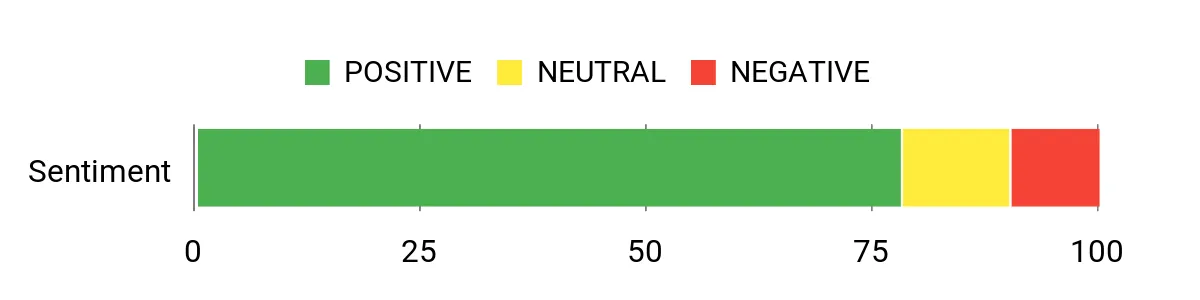
The source review snapshot emphasizes fast setup, a roomy solo floor, compact storage, and acceptable rain protection for the price. Common concerns include condensation, basic stakes, fiberglass-pole durability, and occasional zipper or mesh quality issues. Current review sentiment may differ from the snapshot below.
Review takeaway: POSITIVE, WITH DURABILITY AND CONDENSATION TRADE-OFFS
When to Use It
|
Situation |
How It Helps |
|---|---|
|
Mild winter weekends |
The compact dome reduces exposed surface area and provides basic protection from wind and precipitation at sheltered campsites. |
|
Quick overnight hikes |
The straightforward two-pole pitch helps you establish shelter quickly when daylight is fading. |
|
Motorcycle or car camping |
The compact packed shape is easy to fit in a pannier or trunk. |
|
Budget starter setup |
It lets new campers practice cold-weather site selection and pitching without paying for an expedition shelter. |
Setup & Care
|
Feature |
Guidance |
|---|---|
|
Setup |
Feed the fiberglass poles gently through the sleeves and avoid forcing tight bends. |
|
Staking |
Consider stronger stakes for frozen, rocky, or loose ground. |
|
Condensation |
Keep the mesh opening and roof vent working whenever conditions allow. |
|
Storage |
Dry fully before packing away and inspect pole sleeves and seam tape periodically. |
Why You’ll Love It
- The pitch is simple enough for one person to learn quickly.
- The floor provides useful room for one sleeper and a modest amount of gear.
- The packed size works well for motorcycles, compact cars, and short carries.
- The current listing provides clearer waterproof and occupancy information than many low-cost tents.
- It is an accessible option for mild winter use when paired with a proper cold-weather sleep system.

This is the most winter-oriented design in the remaining group. Its low mountain profile, aluminum pole, long floor, vestibule, and listed waterproof construction make it a more credible starting point than the removed three-season tents. It is best for solo backpacking, hunting, trekking, and cold-weather weekends where wind and wet ground are more likely than deep, accumulating snow.
The trade-off is a narrow, low interior. That shape can improve wind management, but it limits sitting room and requires deliberate ventilation to control condensation. Practice the single-ridge-pole pitch at home, carry stakes suited to the ground, and use every appropriate guy point when the forecast is unsettled.
Who should buy it
Solo campers who want a compact winter-oriented tent with an aluminum pole and do not need generous headroom.
Who should avoid it
Broad or very tall campers, anyone who dislikes low-profile interiors, and users planning exposed alpine camps or heavy snow loading.
What People Say
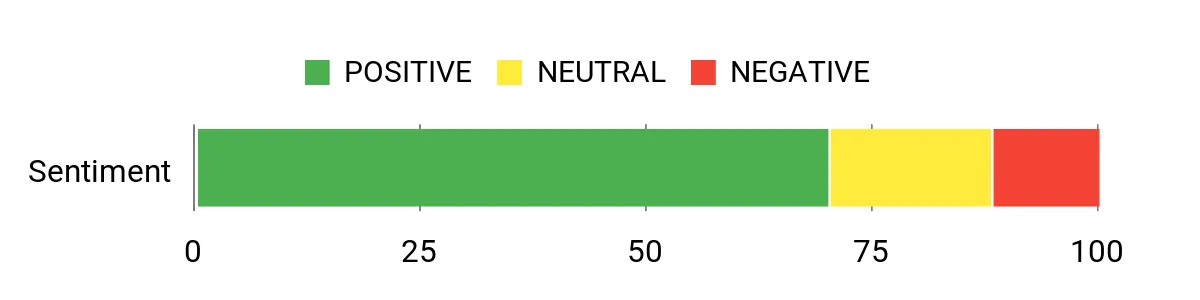
The source review snapshot is generally favorable about the quick pitch, rain protection, compact storage, and value. The recurring cautions are limited living space and condensation when the fly is closed tightly. Current review sentiment and product details may differ from the snapshot below.
Review takeaway: POSITIVE, WITH SPACE AND VENTILATION CAVEATS
When to Use It
|
Situation |
How It Helps |
|---|---|
|
Solo cold-weather backpacking |
The compact mountain profile and aluminum pole are better aligned with winter wind than mesh-heavy three-season designs. |
|
Rain, sleet, or wet ground |
The fly, taped construction, and raised floor design are intended to reduce water intrusion when the tent is pitched correctly. |
|
Bikepacking or kayak camping |
The solo footprint is easier to pack than a roomy two-person winter tent, while the vestibule protects footwear or a small pack. |
|
Beginner winter practice |
The simple pole layout is approachable, making it useful for practicing setup before attempting more demanding trips. |
Setup & Care
|
Feature |
Guidance |
|---|---|
|
Setup |
Practice the ridge-pole and fly sequence before the trip. |
|
Staking |
Use stakes or snow anchors appropriate to the surface and tension the shelter evenly. |
|
Ventilation |
Keep vents clear and manage door openings to reduce condensation without exposing the interior to blowing precipitation. |
|
Storage |
Dry the tent completely, clean grit from zippers, and store it loosely in a cool, dry place. |
Why You’ll Love It
- The mountain-style profile is better suited to cold wind than the removed mesh-forward three-season tents.
- An aluminum pole is a more confidence-inspiring choice for repeated cold-weather use than basic fiberglass.
- The long floor and small vestibule improve practicality for a solo sleeper and essential gear.
- The layout is simple enough to practice and pitch alone.
- It balances winter-oriented construction with a compact solo footprint.

This option makes the most sense for car-supported camps, short approaches, hunting weekends, and backup-shelter duty. The source describes a low dome, a double-layer layout, an aluminum frame, and a tougher floor than the ultralight bivy models that were removed. Those traits can improve livability and moisture management, but they also make it less attractive to hikers counting every ounce.
Because the current Amazon page could not be independently verified, this is a conditional recommendation rather than the top pick. Confirm that the exact ASIN still matches the construction shown here, and check the current return policy before ordering.
Who should buy it
Car campers and short-distance backpackers who want more structure and room than a minimalist bivy.
Who should avoid it
Ultralight hikers, buyers who cannot confirm the current specification sheet, and anyone planning severe alpine winter conditions.
What People Say
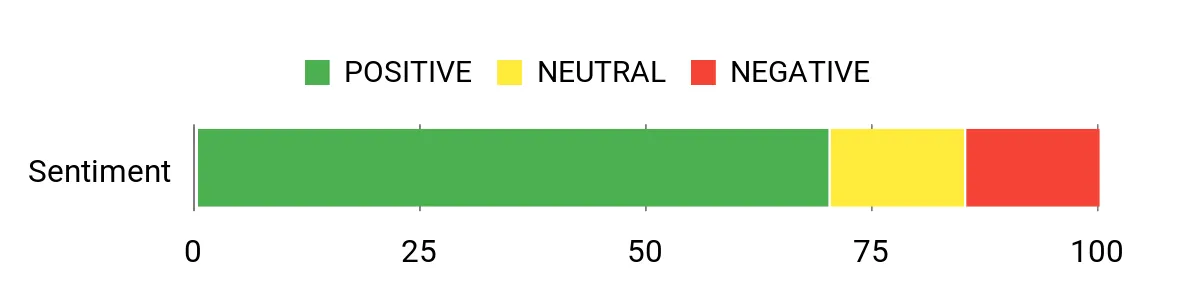
The source review snapshot highlights easy solo setup, a reinforced floor, and acceptable weather protection for the price. Reported limitations include modest headroom, non-premium zippers or poles, and greater packed weight than true ultralight tents. Current reviews may differ from the snapshot below.
Review takeaway: GENERALLY POSITIVE, BUT VERIFY THE CURRENT MODEL
When to Use It
|
Situation |
How It Helps |
|---|---|
|
Winter car-to-trail trips |
A roomier, double-layer layout is easier to live with when carrying weight is not the main constraint. |
|
Hunting weekends |
A low dome and simple freestanding pitch can provide a practical base shelter near a vehicle. |
|
Wet campsites |
The source describes a reinforced floor and separate fly, which can help isolate the sleeping area from wet ground and condensation. |
|
Backup shelter |
It is better suited to a trunk or base-camp kit than a minimalist long-distance pack. |
Setup & Care
|
Feature |
Guidance |
|---|---|
|
Pre-trip check |
Confirm the exact model, pole material, fly, stakes, and current season description before leaving home. |
|
Setup |
Practice attaching the inner body and rainfly so the pitch is fast in cold or wet weather. |
|
Ventilation |
Keep the inner and fly separated and use available vents to reduce condensation. |
|
Care |
Dry the floor and fly completely, remove grit from zippers, and repair small coating or seam damage early. |
Why You’ll Choose It
- The double-layer format is more comfortable for damp, cold-weather camps than a cramped single-wall bivy.
- The source describes an aluminum frame and reinforced floor rather than entry-level fiberglass construction.
- The solo-friendly dome is practical for vehicle-supported weekends and short approaches.
- It offers a middle ground between a tiny bivy and a bulky expedition shelter.
- The clear verification note helps prevent buyers from relying on stale specifications.
Before You Buy: Winter Tent Checklist
- Match the shelter to the forecast: mild winter, treeline snow, and exposed alpine weather require different tents.
- Inspect the pole system: material, diameter, geometry, repair sleeves, and replacement availability matter.
- Check anchor points: winter wind often demands more than the four corner stakes used in summer.
- Confirm dimensions: allow room for a winter sleeping bag, insulated pad, boots, and wet gear.
- Plan condensation control: single-wall shelters need especially careful ventilation.
- Verify current listing details: weights, warranties, accessories, and even model construction can change.
FAQ
How Do I Choose the Right Solo Tent for Winter Backpacking?
Start with the conditions, not the product badge. For sheltered mild-winter trips, a compact low-profile tent may be enough. For persistent snow, strong wind, or exposed terrain, look for a true winter or expedition design with a robust pole structure, multiple guy points, manageable snow-shedding geometry, and enough ventilation to control frost and condensation.
Also check floor length and width with your winter sleep system inside. A tent that fits a summer pad may feel cramped once you add a thick insulated pad, a lofted sleeping bag, boots, and bulky layers.
Will a Winter Tent Keep Me Warm?
A tent reduces wind exposure and helps keep precipitation off your sleep system, but it does not generate meaningful warmth. Use an insulated sleeping pad with an R-value appropriate to the expected ground temperature, a sleeping bag rated for the forecast, dry base layers, and a backup plan for deteriorating weather.
Can I Use a Three-Season Tent in Winter?
Only in limited conditions. A capable three-season tent may work for a calm, dry, sheltered night with little or no snow accumulation, but it is not a substitute for a winter shelter in strong wind, sustained snowfall, or exposed terrain. That is why the three-season products in the original roundup were removed rather than retained with warning labels.
How Do I Reduce Condensation?
Keep vents clear, avoid pressing sleeping bags against wet walls, pitch the fly with an air gap where the design allows, and bring wet clothing inside only when necessary. Site choice matters too: avoid depressions and poorly ventilated spots where cold, damp air settles.
How Should I Care for a Solo Winter Tent?
Practice pitching at home, carry a small repair kit, clean dirt and ice from zippers, and dry every component before long-term storage. Inspect seam tape, coatings, poles, shock cord, stakes, and guy lines before each winter trip. Do not store the tent compressed while damp.
Can I Cook or Run a Heater Inside the Tent?
No. Do not use a fuel-burning stove, lantern, or heater inside an enclosed tent. Fire, oxygen depletion, and carbon monoxide can be fatal. Cook outside in a well-ventilated area while following the stove manufacturer’s instructions.
What Campers Prefer
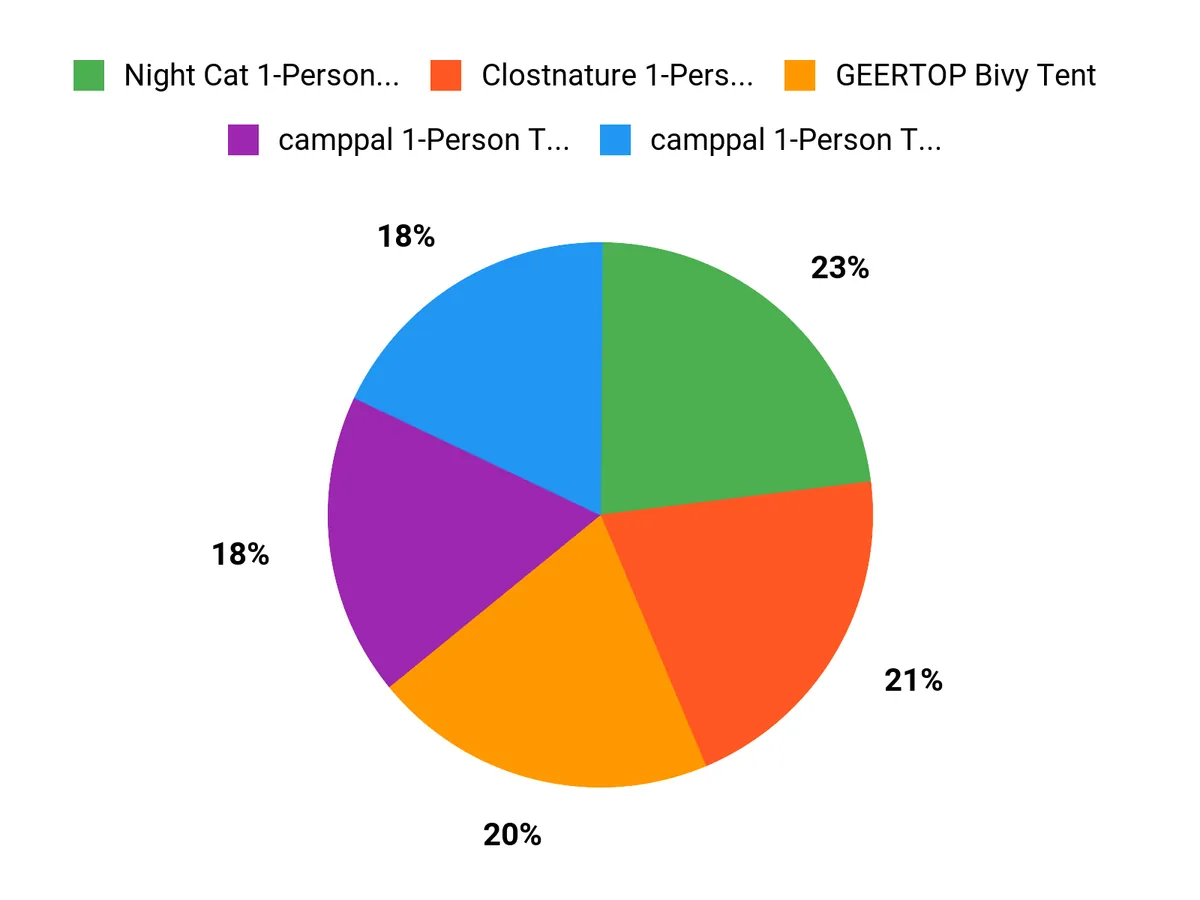
Most solo winter buyers balance four priorities: weather-oriented structure, packed size, usable sleeping space, and setup simplicity. Choose the Camppal when winter-focused construction matters most, the Night Cat when budget and fast setup matter most, and the MC TOMOUNT only when you can verify the current model and want a roomier car-to-trail shelter.
Wrapping Up
The Camppal is the clearest first choice in this group because its mountain profile and aluminum-pole construction are more consistent with winter buyer intent. The Night Cat is the practical budget pick for protected, mild-winter camps, while the MC TOMOUNT is a conditional car-to-trail option that requires a current listing check.
Whichever shelter you choose, do not let a season label replace trip planning. Check the forecast, understand the tent’s structural limits, carry a properly insulated sleep system, practice the pitch, and turn back when conditions exceed your equipment or experience.
| Product Name | Image | Winter Fit | Construction Notes | Best For |
|---|---|---|---|---|
| Night Cat Backpacking Tent for One |
 |
Mild winter and sheltered camps; avoid heavy snow and exposed wind. | Single layer, fiberglass poles, compact dome, listed 3000 mm water resistance. | Budget buyers, quick overnights, motorcycle and car camping. |
| Camppal 1-Person 4-Season Tent |
 |
Best winter-oriented option in this roundup; not an expedition shelter. | Mountain profile, aluminum pole, separate fly, vestibule; verify current weight. | Solo winter backpacking and protected cold-weather camps. |
| MC TOMOUNT Backpacking Tent |
 |
Conditional pick; verify the current season rating and exact model. | Source describes double-layer construction, aluminum poles, and a reinforced floor. | Car-to-trail weekends, hunting camps, and backup shelter use. |