Affiliate disclosure:. As an Amazon Associate I earn from qualifying purchases. This roundup is reader-supported. When you click an Amazon link, we may earn a commission from qualifying purchases at no additional cost to you.
Spring camping brings mild afternoons, cool nights, insects, condensation, and sudden rain. The best tent for the season is not simply the lightest or largest option—it is the one that matches how you travel, how many people sleep inside, and how much weather protection you realistically need.
This guide compares eight relevant spring camping tents for backpacking, family car camping, festivals, and quick overnights. The strongest picks balance ventilation, rain protection, practical setup, usable space, and honest packed weight so you can choose without paying for features you will not use.
Quick Verdict
Best overall for family and car camping: Coleman Sundome 4-Person Tent for its warm-weather ventilation, familiar setup, and practical floor plan.
Best for backpacking performance: NEAR ZERO DynaLite 2-Person for its low trail weight, full-mesh inner, two doors, and two vestibules.
Best for the fastest setup: Londtren 4-Person Pop Up Tent when convenience matters more than compact backpack carry.
Best budget solo option: Night Cat 1P Backpacking Tent for simple trips where low cost and a small packed footprint matter most.
Top Picks
| Category | Product | Best For |
|---|---|---|
| 🏆 Best Overall Car-Camping Tent | Coleman Sundome | Couples, small families, and warm-weather campsites |
| 🚀 Best Backpacking Performance | NEAR ZERO DynaLite | Hikers who prioritize low weight and two-door access |
| ⚡ Best Instant Setup | Londtren Pop-Up | Festivals, beach trips, and short car-camping weekends |
| 💰 Best Budget Solo | Night Cat 1P | Solo campers and occasional backpacking trips |
| 🏕️ Best Roomy Family Tent | UNP 6P | Campers who want standing height and generous floor space |
| 🎯 Best Value 2-Person Backpacking Tent | Forceatt 2P | Budget-conscious pairs who want two doors and vestibules |
| ❄️ Best for Chilly Spring Nights | Clostnature 2P | Shoulder-season trips where extra fabric coverage matters |
| 🔰 Best Basic 2-Person Dome | CAMEL CROWN 2P | Casual overnights, festivals, and fair-weather camping |
How We Picked These Spring Camping Tents
This is a comparative roundup based on published product specifications, intended use, and recurring buyer concerns—not a claim that every model was personally field-tested. The selection focuses on the factors that matter most during spring:
- Ventilation: mesh panels, windows, vents, and door layout that help move warm air and limit condensation.
- Weather protection: rainfly coverage, seam construction, bathtub floors, and realistic use in ordinary spring rain.
- Usable capacity: floor dimensions, peak height, door access, and whether the stated occupancy leaves room for gear.
- Portability: packed weight and size, with a clear distinction between backpacking tents and car-camping tents.
- Setup: pole layout, freestanding or pop-up construction, and how much practice is likely to be needed.
- Value and limitations: what each tent does well, where corners are cut, and which buyer should choose something else.
Before You Buy
- Subtract one or two people from the advertised capacity when you want room for bags, wider sleeping pads, or an air mattress.
- Choose a full-coverage rainfly and two-wall design for humid or storm-prone camps; single-wall and partial-fly tents usually require more ventilation management.
- Check packed weight, not only trail weight, if you will carry stakes, guylines, repair parts, and the storage bag.
- Practice setup and takedown at home, especially with a pop-up tent that must be folded into a circular carry bag.
- Use a compatible footprint or correctly sized groundsheet on abrasive or saturated ground, but do not let it extend beyond the tent floor where it can collect rainwater.
Warm-weather safety note: A camping tent can become dangerously hot in direct sun. Prioritize shade and airflow, never leave children or pets unattended inside, and use a dedicated sun shelter when prolonged daytime shade is the main goal.
Best Spring Camping Tents Reviewed

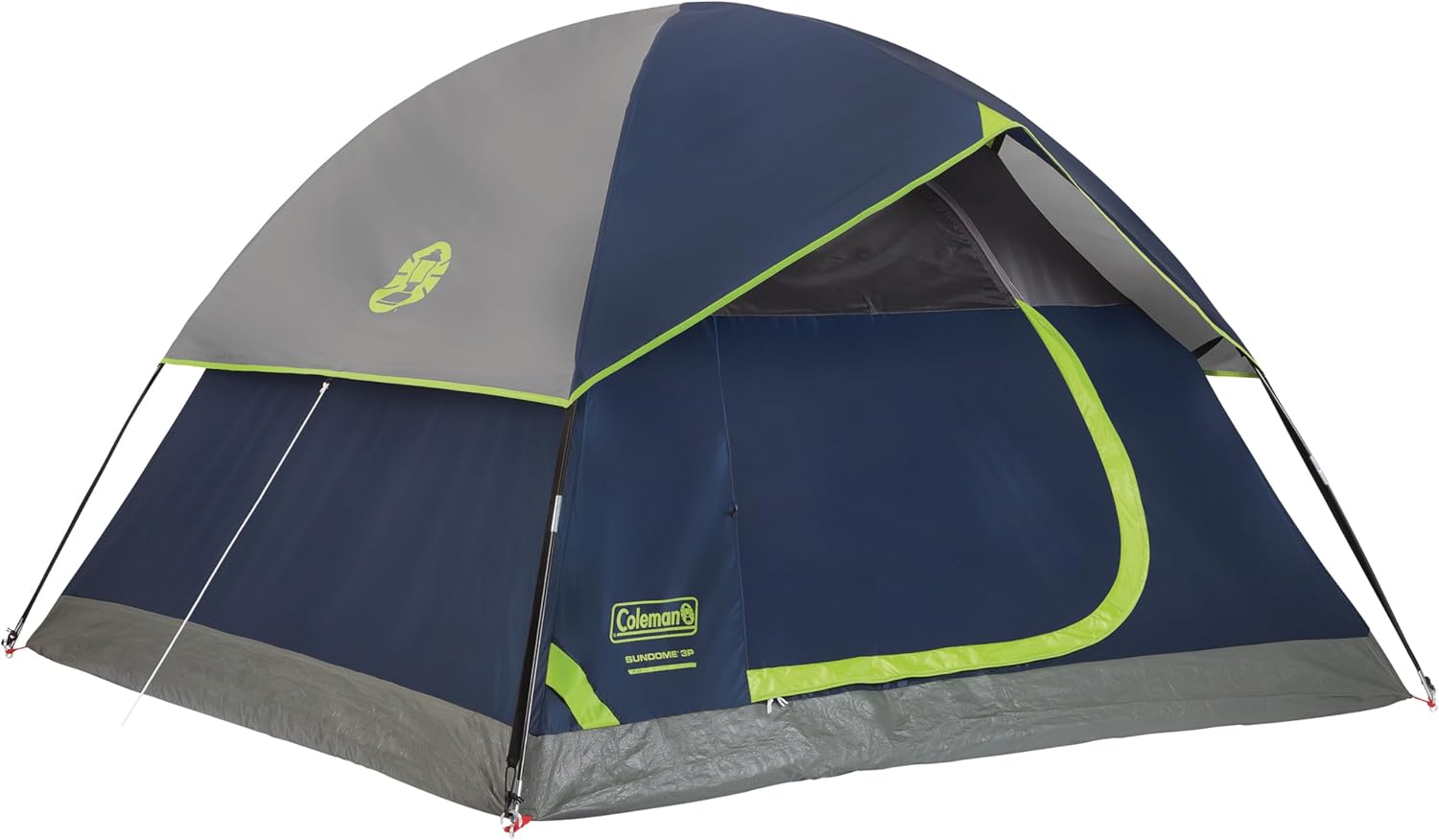
The Sundome is the easiest all-around recommendation for readers who drive to camp and want a familiar, low-fuss shelter. Its 9 x 7 ft floor fits one queen-size air mattress, while the large windows and ground vent make it more appropriate for mild and warm spring nights than a heavily enclosed cold-weather tent.
It is marketed for four occupants, but it is more comfortable for two adults with gear or a small family using compact sleeping pads. The included rainfly, welded corners, and inverted seams are designed for ordinary 3-season weather, although the partial fly and single doorway are less protective and convenient than the full-coverage, two-door layouts used on many backpacking tents.
Who should buy this
Car campers who want a proven layout, good warm-weather airflow, a simple 10-minute-style pitch, and enough room for a couple or small family.
Who should avoid this
Backpackers, groups of four adults with bulky gear, or campers who want two doors, large vestibules, or a full-coverage rainfly.
Buyer Feedback Snapshot
Feedback commonly emphasizes easy pitching, useful ventilation, and practical space for the price. Repeated limitations include a snug real-world four-person capacity and the need to keep the fly properly tensioned in wet or windy weather.
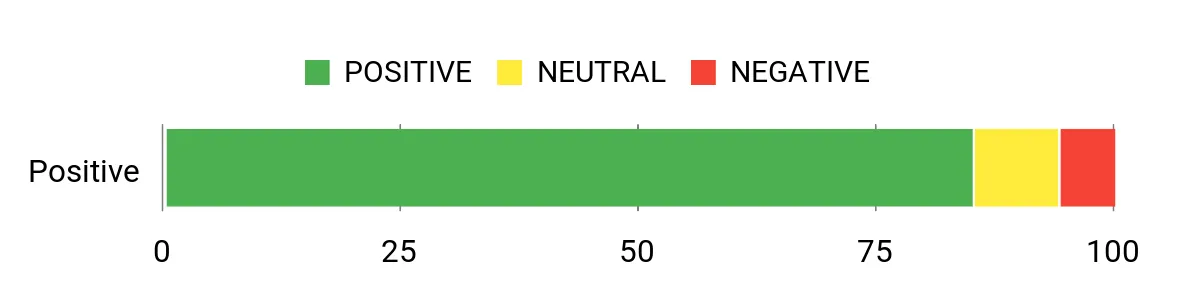
This chart is a snapshot from the review dataset used in the original roundup; marketplace feedback can change over time.
Why You’ll Like It
- Large windows and a ground vent support airflow on warmer nights
- 9 x 7 ft floor fits one queen-size air mattress
- Simple dome layout is approachable for occasional campers
- Included rainfly and WeatherTec-style seam construction add routine rain protection
- One-year limited warranty is listed by Coleman for the standard Sundome model
Main limitation: It is a car-camping tent, not a lightweight backpacking shelter, and four-person occupancy leaves little room for luggage.
Check Current Amazon Availability

The DynaLite is the most trail-focused option in this roundup. Its full packed weight stays below 4 lb, and the 16 x 4.5 in packed size is easier to divide between two hikers than the bulky circular bag used by a pop-up tent. The two doors and two vestibules also reduce the frustration of climbing over a partner or storing wet footwear inside.
The full-mesh body is a strong fit for warm spring nights, while the full-coverage rainfly and taped seams provide a more complete storm setup when the forecast changes. The tapered floor is efficient rather than luxurious, so two wide pads or two campers who want generous elbow room may find it snug.
Who should buy this
Backpackers, bikepackers, and motorcycle campers who want a legitimate low-weight 2-person shelter with two vestibules.
Who should avoid this
Car campers who prioritize standing height, families, or couples who use two extra-wide sleeping pads and want substantial interior space.
Buyer Feedback Snapshot
Buyers often highlight the balance of low weight, quick setup, and useful vestibule space. Common cautions include close quarters for two larger adults and condensation when the fly is fully closed in humid weather.
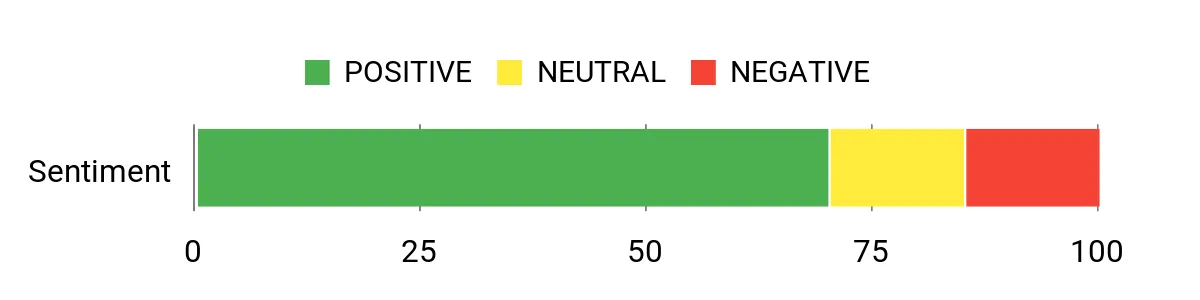
This chart is a snapshot from the review dataset used in the original roundup; marketplace feedback can change over time.
Why You’ll Like It
- 3 lb 8 oz trail weight and 3 lb 15 oz full packed weight
- Two doors and two vestibules improve access and gear storage
- Full-mesh inner supports ventilation and bug protection
- Aluminum pole system is color-coded for an intuitive pitch
- 3000 mm hydrostatic rating, coated fabrics, and taped seams support 3-season weather protection
Main limitation: The footprint is not included, and the tapered 2-person floor is better described as efficient than spacious.

This is the convenience pick. Remove it from the circular carry bag, let the frame open, then stake and guy it out. That makes it useful after a late arrival, at a festival, or when a conventional pole-and-sleeve setup is the main barrier to camping.
The trade-off is portability. A pop-up tent may be quick to deploy, but its wide circular packed shape is awkward in a backpack and the low 4.3 ft peak is intended for sleeping rather than standing. It should also be anchored carefully because broad pop-up panels are less confidence-inspiring in exposed wind than a lower technical backpacking tent.
Who should buy this
Festival campers, families on short fair-weather trips, and anyone who wants the fastest possible deployment from a car.
Who should avoid this
Backpackers, exposed-site campers, or buyers unwilling to practice the twist-and-fold takedown before a trip.
Buyer Feedback Snapshot
Positive feedback centers on the instant opening and useful cross-ventilation. The most repeated frustration is folding the frame back into the carry bag, followed by the need for better anchoring in gusty weather.
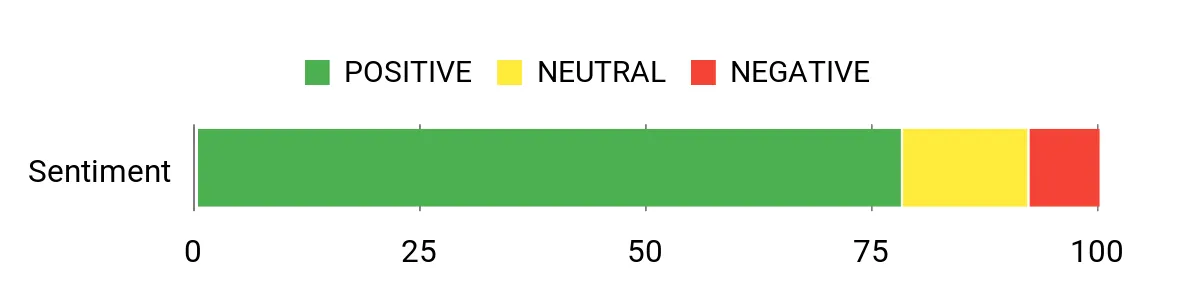
This chart is a snapshot from the review dataset used in the original roundup; marketplace feedback can change over time.
Why You’ll Like It
- Pre-attached frame opens without threading separate poles
- Two doors and mesh panels promote cross-ventilation
- Broad floor works for three campers with gear more comfortably than four adults
- Useful for festivals, casual weekends, and backyard overnights
- Included stakes and guylines make it ready for routine campsite anchoring
Main limitation: Instant setup does not mean instant packing; folding the tent correctly takes practice, and the packed disc is not backpack-friendly.
Check Current Amazon Availability

The Night Cat keeps the decision simple: one compact sleeping space, a basic dome frame, and enough room for one adult plus essential gear. Its 4.4 lb packed weight is manageable for occasional backpacking, though it is not ultralight by modern solo-tent standards.
Because this is a single-layer design, careful venting matters on damp spring nights. The published water-resistance figure is reassuring on paper, but real-world dryness still depends on seam condition, proper staking, ground drainage, and keeping gear away from wet walls.
Who should buy this
Solo campers who need a low-cost shelter for short trips and are willing to manage condensation and upgrade small accessories if needed.
Who should avoid this
Ultralight hikers, two adults seeking comfortable space, or campers who prefer a full-mesh inner and separate rainfly.
Buyer Feedback Snapshot
Buyers frequently mention easy setup, compact storage, and useful solo space. Common caveats involve basic stakes, fiberglass poles, and the condensation trade-off that comes with a single-layer shelter.
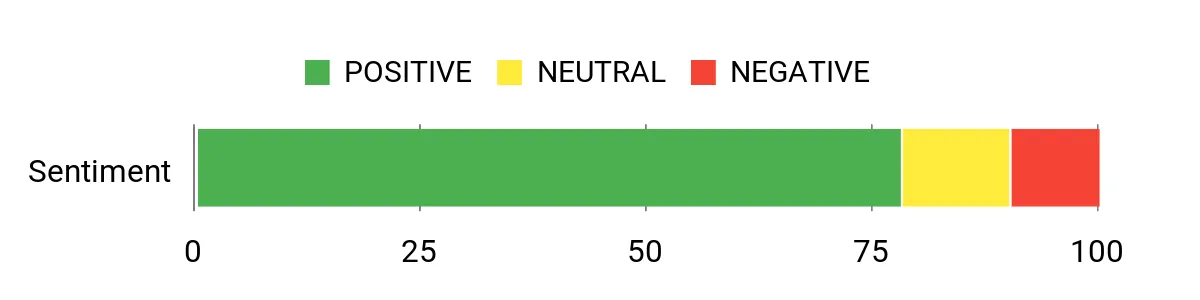
This chart is a snapshot from the review dataset used in the original roundup; marketplace feedback can change over time.
Why You’ll Like It
- Affordable entry point for solo camping
- About 4.4 lb packed and compact enough for occasional trail use
- Published 3000 mm fabric rating and taped-seam construction
- Simple dome pitch is beginner-friendly
- Enough room for one adult and a small pack
Main limitation: It is best treated as a one-person, value-focused tent rather than a roomy two-person or true ultralight shelter.

The UNP is the comfort pick for established campsites. Its 90 sq ft floor and 78 in center height make changing clothes, arranging bedding, and waiting out a brief shower much easier than in a low backpacking dome. Five mesh windows and a mesh top help release heat when the rainfly is configured correctly.
The listed 6-person capacity is a maximum sleeping count, not a comfort guarantee. A family of four with gear or two adults using a large air mattress will have a more relaxed layout. At roughly 18 lb with steel poles, this is firmly a car-camping tent.
Who should buy this
Families and festival campers who value headroom, ventilation, and floor space more than low packed weight.
Who should avoid this
Backpackers, exposed alpine campers, or groups that need multiple doors for easier nighttime access.
Buyer Feedback Snapshot
Feedback often praises the standing height, roomy floor, and manageable pitch for a tent of this size. The long single door zipper and optimistic six-person marketing are the main cautions.
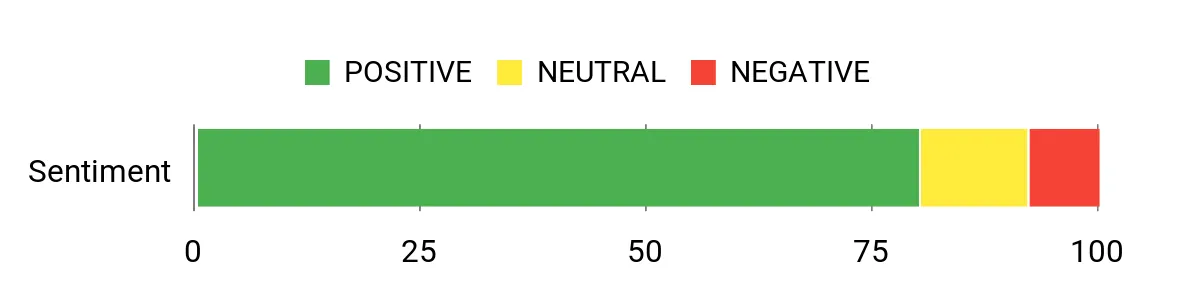
This chart is a snapshot from the review dataset used in the original roundup; marketplace feedback can change over time.
Why You’ll Like It
- 10 x 9 ft floor and 78 in peak height create a usable family interior
- Five mesh windows, a mesh door, and mesh ceiling improve airflow
- Steel support poles suit car-camping use where weight is secondary
- Listed setup guidance is about five minutes for two people after practice
- Fits two air mattresses or multiple sleeping bags, depending on gear layout
Main limitation: The approximately 18 lb weight and large packed size rule it out for meaningful backpack carry.
Check Current Amazon Availability

The Forceatt competes on layout rather than minimum weight. Two doors and two vestibules are meaningful upgrades for pairs because each camper gets a separate exit and a place to keep shoes or a pack under cover. The aluminum pole structure is also preferable to basic fiberglass for repeated assembly.
The seller listing contains conflicting waterproof figures in different specification fields, so this article does not repeat a single exact rating as settled fact. Treat it as a value-focused 3-season shelter, inspect the seam tape, test it before a wet trip, and consider seam sealer if the finishing looks inconsistent.
Who should buy this
Occasional backpackers and motorcycle campers who prioritize two-door convenience and value over ultralight weight.
Who should avoid this
Thru-hikers counting every ounce or buyers who want a specification sheet with completely consistent waterproofing data.
Buyer Feedback Snapshot
Buyers often like the compact carry size, quick pitch, and dual-entry layout. Recurring concerns involve basic stakes and occasional seam-finishing inconsistencies, which makes a pre-trip inspection worthwhile.
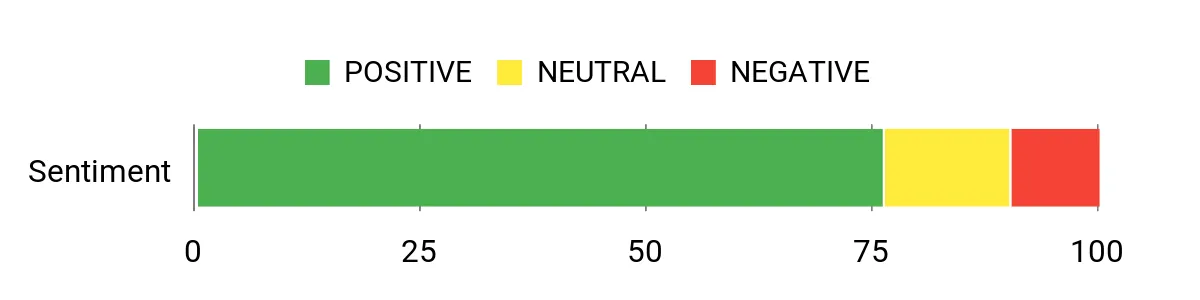
This chart is a snapshot from the review dataset used in the original roundup; marketplace feedback can change over time.
Why You’ll Like It
- Two doors and two vestibules make shared use more convenient
- Aluminum poles offer a practical balance of weight and durability
- About 5.7 lb packed—reasonable for occasional two-person backpacking
- Mesh window and ceiling vents support airflow
- Clip-based frame can be pitched quickly after a practice run
Main limitation: Published waterproof specifications conflict across the listing, so do not rely on the most aggressive number without checking the current seller details.

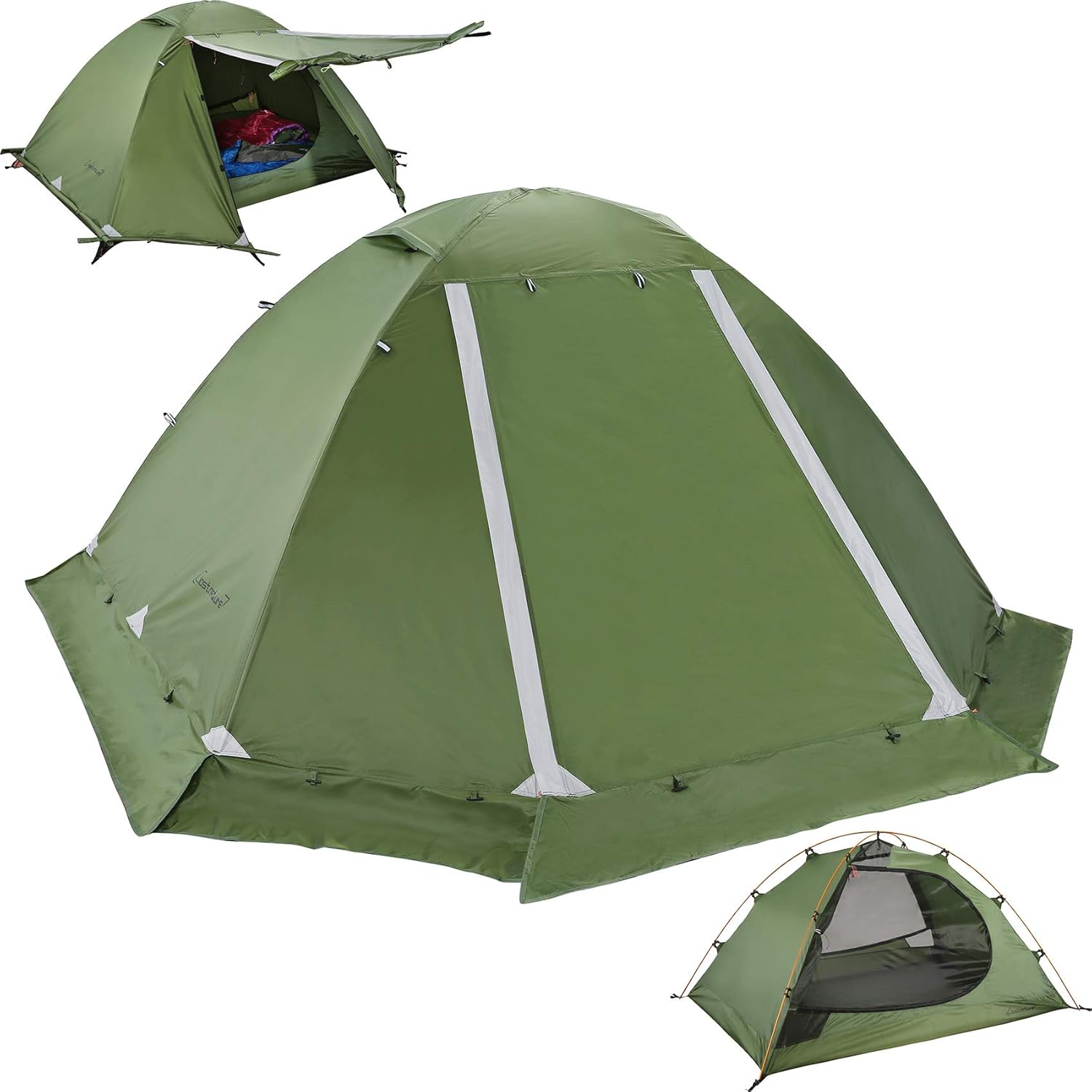
The Clostnature earns a place in a spring guide for colder regions and early-season trips, not because it is the coolest option in warm weather. Fabric-and-mesh double doors and snow flaps give you more control over drafts and spindrift than a full-mesh 3-season inner, while two vestibules keep wet footwear out of the sleeping area.
At 6.6 lb, it should not be called ultralight. It is better for short backpacking approaches, motorcycle trips, paddling camps, or solo hikers who will accept extra weight for a more enclosed shelter. On mild humid nights, open the available vents and door mesh to control condensation.
Who should buy this
Campers expecting cold nights, late snow patches, or windy shoulder-season conditions and who prefer a more enclosed inner tent.
Who should avoid this
Warm-climate campers, ultralight hikers, or anyone who prioritizes maximum mesh and minimum condensation in hot, humid weather.
Buyer Feedback Snapshot
Feedback commonly favors the simple pitch, two-door layout, and ability to retain more warmth than a heavily meshed summer tent. Common complaints involve weight, basic stakes, short guylines, and condensation when ventilation is restricted.
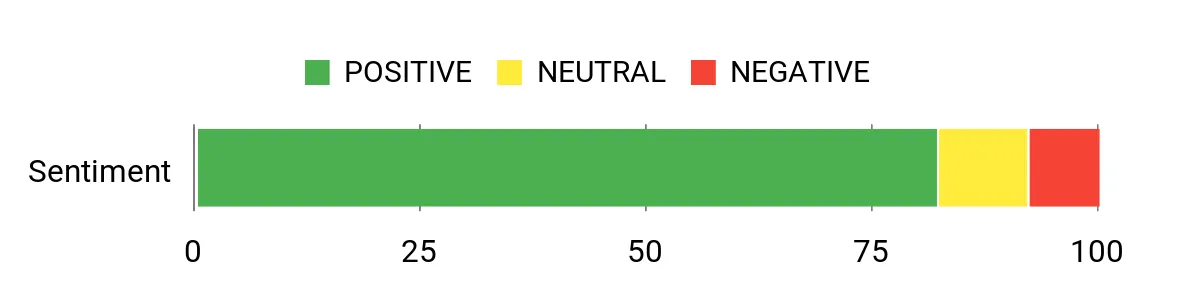
This chart is a snapshot from the review dataset used in the original roundup; marketplace feedback can change over time.
Why You’ll Like It
- Double-layer mesh-and-fabric doors adapt to changing temperatures
- Two entrances and two vestibules simplify shared use
- Snow flaps and enclosed panels suit colder shoulder-season conditions
- Aluminum poles and a published PU 5000 coating support robust value positioning
- 16.5 x 5.9 x 5.9 in packed size is manageable for short carries
Main limitation: The 6.6 lb weight is heavy for a 2-person backpacking tent, and its enclosed design is less appealing for hot spring climates.
Check Product Details on Amazon

This CAMEL CROWN is the basic-value option for shoppers who want a conventional dome rather than an instant tent or a premium backpacking shelter. It is compact enough for short carries, and the familiar crossing-pole design is easy to understand.
The fiberglass frame and modest feature set make it better for casual use than repeated hard backcountry trips. Two people will fit, but one person plus gear is the more comfortable arrangement. Use a footprint on abrasive ground and maintain airflow to reduce condensation.
Who should buy this
Occasional campers who want a familiar 2-person dome at a value-oriented price and do not need premium materials.
Who should avoid this
Frequent backpackers, exposed-weather campers, or pairs who need dual doors and vestibules.
Buyer Feedback Snapshot
Feedback often highlights easy setup, low cost, and usable solo space. Recurring cautions include condensation and occasional concerns about pole or zipper longevity after frequent use.
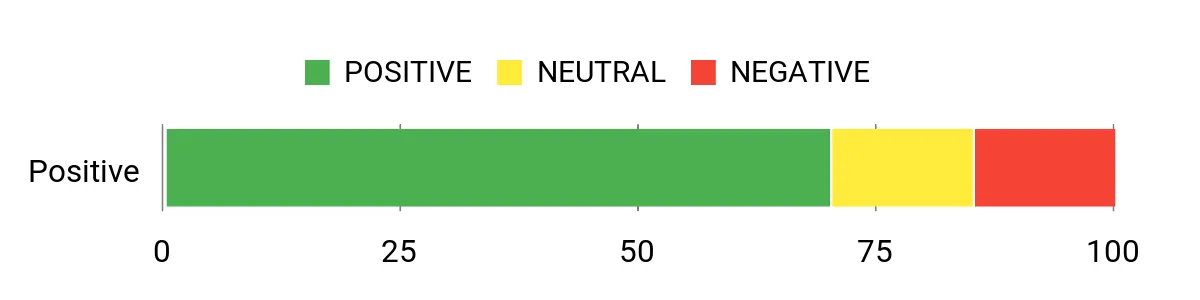
This chart is a snapshot from the review dataset used in the original roundup; marketplace feedback can change over time.
Why You’ll Like It
- Conventional freestanding dome is easy to understand
- About 4.8 lb and compact enough for short approaches
- Rainfly, stakes, and guylines provide a basic complete setup
- Published PU 2000 fabric details suit routine fair-weather use
- Good value for one camper who wants extra floor space
Main limitation: The fiberglass frame and basic ventilation make it less suitable for frequent rugged use or persistently wet, humid conditions.
FAQ
How Do I Choose the Best Tent for Spring Camping?
Start with the trip type. Backpackers should compare full packed weight, pole material, packed length, and vestibule space. Car campers should focus more on floor dimensions, peak height, ventilation, door count, and how much room remains after mattresses and luggage are inside.
For variable spring weather, prioritize a rainfly that stays separated from the inner tent, taped or sealed seams, a bathtub-style floor, and enough mesh or adjustable vents to manage condensation. A 4-person rating may be comfortable for two adults with gear, while a 2-person backpacking tent may feel snug for two wide pads.
What Waterproof Rating Is Appropriate for Spring Rain?
Hydrostatic-head numbers can help compare fabrics, but they do not guarantee a dry tent by themselves. Fly coverage, seam sealing, floor construction, fabric condition, correct staking, and campsite drainage all matter. A well-designed tent with a moderate rating can outperform a poorly pitched tent with a higher advertised number.
Check whether the rating applies to the rainfly, floor, or both, and be cautious when a marketplace listing shows conflicting figures in different sections.
Are Pop-Up Tents Good for Spring Camping?
They are useful for festivals, casual car camping, and late arrivals because deployment is extremely fast. Their main compromises are a wide circular packed shape, a learning curve during folding, lower structural confidence in exposed wind, and less suitability for backpack carry.
Practice the takedown at home and use every recommended stake and guyline when wind or rain is possible.
How Can I Reduce Condensation in a Tent?
Keep vents open, use mesh door panels when privacy and weather allow, tension the rainfly so it does not rest against the inner body, and avoid pitching in low damp ground when a slightly higher site is available. Store wet clothing outside the sleeping area or in a vestibule, and do not breathe into a fully sealed tent unless weather conditions require it.
Do I Need a Footprint?
A footprint is helpful on rock, gravel, pine needles, and saturated soil because it reduces abrasion and mud on the tent floor. It should be slightly smaller than the tent floor so rain cannot collect between the footprint and the bathtub floor. Some tents do not include one, so check the current product contents before buying.
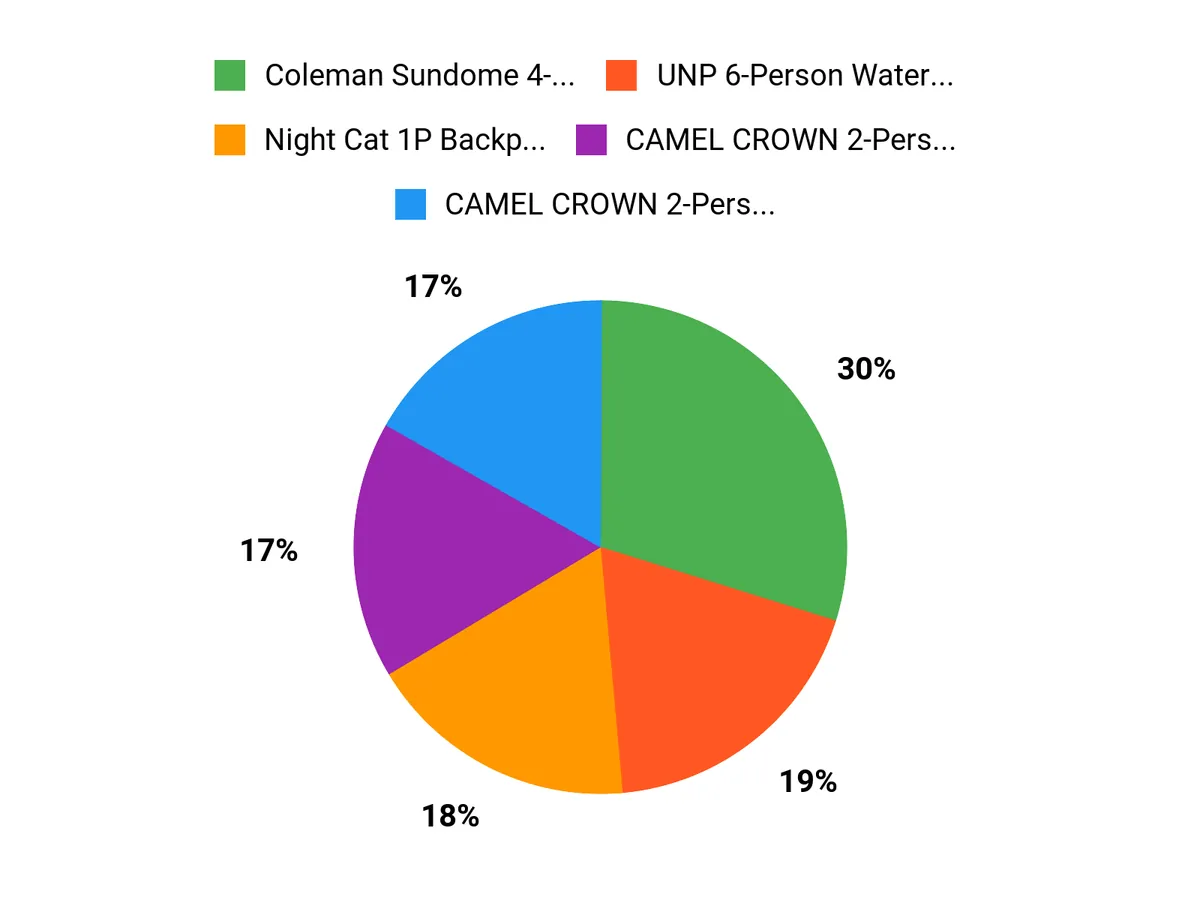
Campers’ Top Picks
Choose the Coleman Sundome when you want balanced car-camping comfort, the Night Cat when solo cost and compactness matter most, and the Londtren when a nearly instant pitch is the priority. For backpacking, the NEAR ZERO DynaLite is the more performance-oriented choice because it combines low packed weight with two doors and two vestibules.
Wrapping Up
The Coleman Sundome is the strongest general recommendation for spring car camping because it is ventilated, familiar, and spacious enough for a couple or small family without becoming a large cabin tent. The NEAR ZERO DynaLite is the better choice when every pound matters and you still want two doors and meaningful vestibule storage.
Choose the Londtren for fast festival or beach setup, the Night Cat for a low-cost solo shelter, and the UNP when standing height and family floor space matter more than portability. The Forceatt offers a useful two-door layout at a value price, the Clostnature is better for colder shoulder-season nights, and the CAMEL CROWN fits occasional fair-weather use.
Whichever model you choose, compare real floor dimensions, packed weight, rainfly coverage, and door layout—not only the advertised occupancy. That small amount of checking will do more for comfort than choosing the tent with the biggest capacity number.
Spring Camping Tent Comparison
| Product Name | Image | Best For | Capacity | Weight | Weather Details | Setup | Main Trade-Off | Amazon |
|---|---|---|---|---|---|---|---|---|
| Coleman Sundome Camping Tent |
 |
Car camping and small families | 4-person maximum; roomier for 2–3 | About 10.4 lb | 3-season; rainfly, welded corners, inverted seams | About 10 minutes | One door, no vestibule, partial fly | Check Details |
| NEAR ZERO Ultralight Backpacking Tent |
 |
Backpacking and bikepacking | 2 persons | 3 lb 8 oz trail; 3 lb 15 oz packed | 3000 mm; full fly; taped seams | Quick color-coded freestanding pitch | Snug for two wide pads; footprint not included | Check Details |
| 4 Person Easy Pop Up Tent |
 |
Festivals and instant deployment | 3–4 persons; roomier for 2–3 with gear | About 9 lb | Published 3000 mm listing figure; stake carefully | Opens in seconds; folding takes practice | Awkward circular pack and limited wind confidence | Check Details |
| Night Cat Backpacking Tent for 1–2 Persons |
 |
Budget solo camping | 1 person comfortably | About 4.4 lb | Published 3000 mm; single-layer condensation trade-off | Simple dome pitch | Fiberglass poles and limited two-person comfort | Check Details |
| UNP 6 Person Waterproof Camping Tent |
 |
Roomy family car camping | 6-person maximum; roomier for 4 with gear | About 18 lb | 3-season; rainfly and mesh venting | About 5 minutes for two people after practice | Heavy and only one door | Check Details |
| Forceatt Camping Tent for 2 Persons |
 |
Value two-door backpacking | 2 persons | About 5.7 lb | Listing figures conflict; inspect and test before sustained rain | Advertised around 3 minutes | Heavier than premium 2-person backpacking tents | Check Details |
| Clostnature 2-Person 4-Season Tent |
 |
Cold spring and shoulder seasons | 2 persons | About 6.6 lb | Published PU 5000 coating; snow flaps | Conventional clip-and-pole setup | Heavy and warmer than needed in hot climates | Check Details |
| CAMEL CROWN 2 Person Camping Dome Tent |
 |
Basic fair-weather camping | 2-person maximum; roomier for solo use | About 4.8 lb | Published PU 2000 fabric details | Simple freestanding dome pitch | Fiberglass poles and limited premium features | Check Details |
This roundup is reader-supported. When you click through Amazon links, we may earn a referral commission on qualifying purchases. Product specifications, availability, and seller details can change, so confirm the current listing before ordering.