Cold-weather backpacking demands more from your shelter than a typical summer trip. You need dependable rain protection, manageable pack weight, enough ventilation to control condensation and a structure that suits the wind and snowfall you actually expect.
This guide compares four lightweight one-person tents that can work for chilly, wet trips and mild winter conditions in protected locations. These are not expedition shelters for heavy snow, exposed ridgelines or severe winter storms. When strong winds or meaningful snow accumulation are forecast, choose a purpose-built four-season tent instead.
Affiliate disclosure:. As an Amazon Associate I earn from qualifying purchases. This roundup is reader-supported. When you click an Amazon link, we may earn a referral commission from qualifying purchases at no additional cost to you. Product specifications, included accessories and selected sizes can change, so confirm the current listing before ordering.
Important Winter Use Note
A three-season backpacking tent may be appropriate below treeline when the forecast is calm and little or no snow is expected. It should not be treated as a substitute for a true four-season shelter in high winds, heavy snowfall or exposed alpine terrain. Your sleeping pad, sleeping bag and dry clothing provide most of your insulation; the tent primarily blocks wind and precipitation.
Quick Verdict
| Category | Product | Best For | Main Limitation |
|---|---|---|---|
| 🏆 Best Overall | Naturehike Cloud-Up 1P | Lightweight solo backpacking in rain and cool weather | Three-season construction |
| 💰 Best Value | Clostnature Crux 1P | Budget-conscious hikers who value a full fly and bathtub floor | Heavier than many premium solo tents |
| 🔰 Best Low-Profile Shelter | GEERTOP Blazer Bivy Tent | Solo trips where a compact footprint matters | Limited sitting and gear-management space |
| ⚡ Best Quick Setup | ShinHye One-Person Tent | Weekend trips and hikers who prioritize straightforward pitching | Specifications vary by selected size |
How We Chose These Tents
We focused on features that matter during cold, wet backpacking trips:
- Shelter completeness: A usable tent body, rainfly, poles and floor rather than an inner mesh shelter that requires a separate tarp.
- Weather protection: Full or substantial fly coverage, sealed construction, a raised floor and practical guy-out points.
- Packability: A reasonable packed weight and size for one person to carry with a winter sleeping system.
- Condensation control: Mesh panels, covered vents or double-wall construction that allow moisture to escape.
- Interior usability: Enough length for a sleeping pad and enough protected storage for boots or a backpack.
- Product clarity: Identifiable products with fewer unresolved questions about brand, season class or included shelter components.
We removed generic, duplicate and incomplete shelters that did not give readers a clear or trustworthy buying decision. We also avoided treating a waterproof rating alone as proof that a tent can withstand snow loading or severe winter wind.
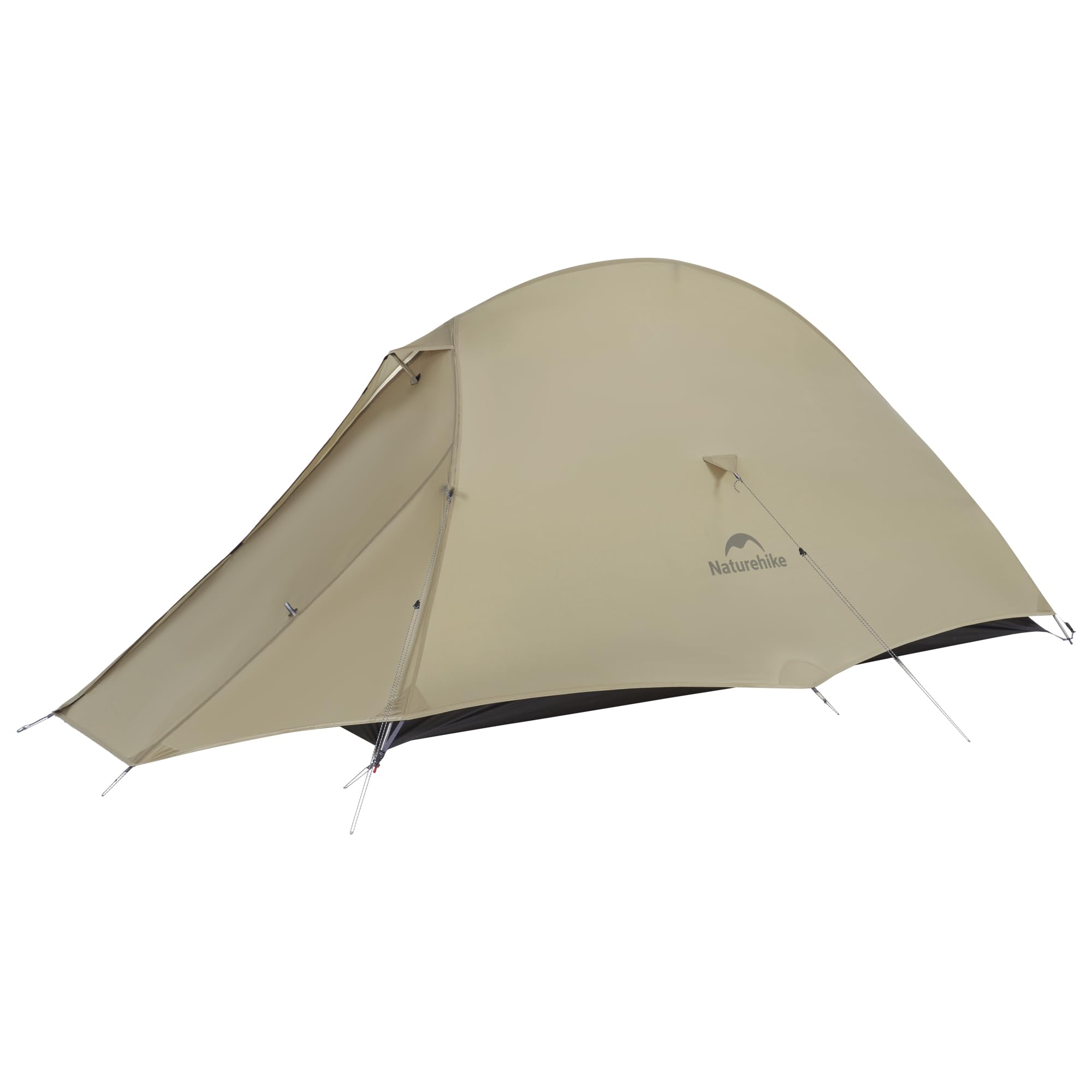
1. Naturehike Cloud-Up 1P — Best Overall
Why You’ll Like It
The Cloud-Up balances low bulk, useful rain protection and a straightforward freestanding-style pitch. Its double-wall layout gives moist air somewhere to escape instead of forcing your sleeping bag directly against a wet outer wall.
The small vestibule gives you a protected place for boots and compact gear, while the included footprint reduces abrasion and adds another barrier between the tent floor and wet or frozen ground. It is one of the easier options here to divide between a backpack, bike bag or pannier.
Best Use
Choose it for solo backpacking, bikepacking and sheltered cold-weather trips where rain, frost or a light dusting of snow may occur but severe winter weather is not forecast.
Who Should Buy This
- Solo hikers who want a recognizable double-wall backpacking design
- Bikepackers who need a compact shelter and short pole sections
- Campers who prefer a footprint and basic pitching accessories in the package
- Buyers who prioritize packed size without moving to a cramped bivy
Who Should Avoid This
- Winter mountaineers expecting strong winds or accumulating snow
- Campers who want a roomy side-entry interior
- Very tall sleepers who need substantial clearance at both ends
Honest Limitations
This is a three-season backpacking tent, not a snow-load-rated expedition shelter. The front-entry layout can also be less convenient than a side door when you need to organize wet clothing. Thin lightweight fabrics should be handled carefully around sharp ice, branches and rough ground.
Review Snapshot
The source article’s sentiment graphic is retained below for context. It is not a live representation of current Amazon ratings or review totals, so check the current listing and recent customer feedback before buying.

Key Benefits
- Compact double-wall design for solo backpacking
- Silicone-coated nylon construction on the referenced configuration
- Aluminum pole structure
- Ventilation designed to reduce condensation buildup
- Includes a footprint and core pitching accessories
- Vestibule provides protected storage for shoes or a small pack
Check Product Details on Amazon
2. Clostnature Crux 1P — Best Value

Why You’ll Like It
The Crux is aimed at campers who want a complete solo setup without paying premium-tent prices. Its freestanding dome-style structure is relatively intuitive, and the substantial fly coverage, coated fabric and raised floor provide a more reassuring wet-weather setup than an open mesh inner or minimalist bivy.
The vestibule is useful in cold rain because it lets you separate muddy footwear from your sleeping area. Its polyester construction is less delicate than some extremely thin ultralight fabrics, although that durability comes with additional weight.
Best Use
Choose it for budget backpacking, paddle trips, motorcycle camping and protected cold-weather camps where dependable rain coverage matters more than achieving the lowest possible pack weight.
Who Should Buy This
- Budget-conscious solo campers
- Backpackers who prefer a conventional freestanding layout
- Campers who value a vestibule and raised floor
- Buyers willing to carry additional weight for a more substantial-feeling shelter
Who Should Avoid This
- Strict ultralight hikers targeting a very low base weight
- Campers expecting significant snow loading
- Tall users who want generous sitting height and wide floor space
Honest Limitations
At roughly four pounds for the complete package, this is better described as a lightweight budget tent than a true ultralight shelter. Marketplace season classifications should not be treated as proof that it can withstand heavy snow or severe alpine winds. Inspect the supplied stakes and guylines before relying on them in frozen or exposed ground.
Review Snapshot
The source article’s sentiment graphic is retained below for context. It is not a live representation of current Amazon ratings or review totals.

Key Benefits
- Conventional solo dome layout is easy to understand
- Coated polyester fly and raised floor support wet-weather use
- Aluminum poles balance weight and rigidity
- Mesh panels and vents help manage interior moisture
- Vestibule keeps footwear and compact gear outside the sleeping area
Check Product Details on Amazon
3. GEERTOP Blazer Bivy Tent — Best Low-Profile Shelter

Why You’ll Like It
The Blazer gives you more separation from rain and insects than an open bivy sack while maintaining a low silhouette and compact campsite footprint. That can be useful on narrow forest sites, solo hunting trips or motorcycle routes where a conventional tent occupies more space than you need.
The separate fly and inner body provide better condensation management than a fully enclosed single-wall bivy. Its two-door layout also gives you more flexibility for entry, ventilation and arranging small items near your sleeping area.
Best Use
Choose it for protected forest camps, low-profile solo travel and three-season trips that may include cold rain or frost. Its camouflage finish may also appeal to hunters and wildlife observers.
Who Should Buy This
- Solo campers who prioritize a small pitching footprint
- Motorcycle campers and backpackers with limited storage space
- Hunters or wildlife observers who prefer subdued shelter colors
- Campers who want more structure than a conventional bivy sack
Who Should Avoid This
- Anyone who dislikes confined sleeping spaces
- Campers who need to sit upright and change clothes comfortably
- People carrying substantial gear that must remain fully covered
- Winter campers expecting heavy snow or sustained strong wind
Honest Limitations
The Blazer is officially positioned as a three-season shelter. Its low roof improves wind exposure compared with a tall tent but gives you limited living space and does not establish snow-load capability. Its complete weight is also closer to a conventional lightweight solo tent than an ultralight bivy sack.
Review Snapshot
The source article’s sentiment graphic is retained below for historical context and should not be interpreted as current Amazon review data.

Key Benefits
- Low-profile body fits smaller campsites
- Double-layer construction supports ventilation and rain protection
- Aluminum pole structure
- Two-door arrangement improves access and airflow
- Camouflage design suits low-visibility outdoor use
Check Product Details on Amazon
4. ShinHye One-Person Tent — Best Quick Setup

Why You’ll Like It
The ShinHye is designed around familiar dome-tent construction, which can reduce setup frustration at the end of a long hiking day. The separate rainfly and ventilated inner provide more flexibility than a single-wall shelter when temperatures fall and condensation becomes noticeable.
It is a practical choice for campers who care more about straightforward handling and usable interior space than achieving the lowest shelter weight in the group.
Best Use
Choose the one-person configuration for weekend backpacking, campground trips, bike touring and protected cool-weather camping. Verify that the Amazon variation selector is set to the intended capacity and configuration before purchasing.
Who Should Buy This
- First-time solo tent buyers
- Campers who prefer familiar dome-style pitching
- Weekend hikers who want room for a sleeping pad and small gear
- Buyers who prioritize quick, uncomplicated setup
Who Should Avoid This
- Strict ultralight backpackers
- Buyers who do not want to navigate multiple listing variants
- Campers heading into exposed or snow-heavy winter environments
Honest Limitations
The linked product family may include multiple capacities, colors or constructions. Weight, dimensions, fabric and included components can therefore differ from one selected variant to another. Confirm the one-person option and review its current specifications rather than relying on details shown for a larger tent.
Review Snapshot
The source article’s sentiment graphic is retained below for context. Current reviews, ratings and selected-product feedback should be checked directly on the live listing.

Key Benefits
- Familiar dome-style construction
- Separate rainfly and ventilated inner tent
- Aluminum pole system on the referenced solo configuration
- Designed for relatively quick pitching
- Useful choice for recreational backpacking and weekend trips
Check Product Details on Amazon
Before You Buy a One-Person Cold-Weather Tent
Quick Buying Checklist
- Is the shelter officially classified as three-season, extended-season or four-season?
- How much wind and snowfall does your route realistically receive?
- Does the rainfly reach close enough to the ground to block wind-driven rain or light spindrift?
- Are total packed weight and minimum trail weight clearly distinguished?
- Does the selected listing include the footprint, poles, stakes and guylines shown?
- Is the floor long and wide enough for your sleeping pad and winter sleeping bag?
- Can you operate vents and zippers while wearing gloves?
- Are replacement poles, repair sleeves or manufacturer support available?
Season Classification Comes First
A waterproof coating does not make a tent a true winter shelter. Four-season tents typically use stronger pole structures, more supportive fabric panels, less exposed mesh and fly coverage designed to manage powerful wind and blowing snow.
A three-season shelter can still be useful on calm winter nights below treeline, but the decision should be based on the forecast, expected snow accumulation, terrain exposure and your ability to retreat—not the word “waterproof” alone.
Compare Complete Packed Weight
Some listings advertise a minimum weight that excludes the footprint, stuff sack, extra stakes or guylines. For winter travel, those accessories are often essential. Compare the weight of the complete package you will actually carry.
Check Interior Length and Wall Shape
A winter sleeping bag is bulkier than a summer quilt. If your footbox or hood presses against a damp wall, insulation can lose effectiveness. Look beyond the advertised floor length and consider how sharply the walls slope at your head and feet.
Prioritize Ventilation
Closing every vent may feel warmer initially, but trapped moisture can condense on the fly and dampen insulation. Use protected vents, keep wet clothing outside the sleeping area when practical and avoid pressing your sleeping bag against the tent wall.
Upgrade Weak Stakes and Guylines
Lightweight tents commonly include basic stakes intended for ordinary soil. Frozen ground, snow and strong wind may require more appropriate stakes, deadman anchors or buried snow anchors. Practice every guy-out point before your trip.
Cold-Weather Tent Safety
Never use a charcoal grill, open flame or fuel-burning heater inside these tents. Cooking in an enclosed or inadequately ventilated tent can cause a fire and allow deadly carbon monoxide to accumulate.
Cook outside in a stable, well-ventilated location. Keep vents clear of snow, monitor changing weather and leave the area when conditions exceed the shelter’s design or your experience.
FAQ
Are These True Winter Backpacking Tents?
No. The retained products are best treated as lightweight solo tents for three-season use, cold rain and mild winter conditions in protected locations. They are not recommended for exposed alpine routes, blizzards, strong sustained winds or meaningful snow accumulation.
Can I Use a Three-Season Tent During Winter?
Sometimes. A three-season tent can work below treeline when the forecast is stable, wind is limited and little or no snow is expected. You need a conservative site, strong anchoring, a suitable sleeping system and a reliable retreat plan.
Choose a purpose-built four-season tent when heavy snowfall, powerful wind, exposed terrain or prolonged winter storms are possible.
Will a Tent Keep Me Warm?
A tent blocks wind and precipitation, but it provides relatively little insulation by itself. Your sleeping pad, sleeping bag, dry base layers, food intake and campsite selection do most of the work.
Choose a sleeping pad with an R-value suited to the ground temperature and a sleeping bag rated for the conditions you expect, with an additional safety margin for changing weather.
What Waterproof Rating Do I Need?
Hydrostatic-head ratings can help compare fabric resistance to water, but they do not measure pole strength, snow-load capacity, ventilation, seam quality or wind stability. A well-pitched tent with sound seams, a raised floor and complete fly coverage can be more useful than a poorly designed tent with a larger marketing number.
Should I Use a Footprint in Winter?
A footprint can protect a thin tent floor from ice, sharp debris and abrasion. It also adds a small additional moisture barrier. Make sure it does not extend beyond the tent floor, where it could collect rain or melting snow underneath you.
How Do I Anchor a Tent in Snow?
Ordinary stakes may not hold in loose or deep snow. Depending on conditions, use snow stakes, skis, trekking poles or buried stuff sacks as deadman anchors. Allow buried anchors to firm up before tensioning the guylines.
Can I Cook Inside a Tent When It Is Snowing?
No enclosed tent is a safe kitchen. Fuel-burning stoves produce carbon monoxide and create a fire risk. Cook outside with ample ventilation, keep the stove stable and maintain a safe distance from tent fabric.
Final Recommendations
Choose the Naturehike Cloud-Up 1P for the best overall mix of packability, double-wall weather protection and included accessories.
Choose the Clostnature Crux 1P when value, a conventional pitch and substantial fly coverage matter more than minimizing every ounce.
Choose the GEERTOP Blazer when you want a low-profile shelter for narrow sites, hunting trips or compact solo travel.
Choose the ShinHye one-person variant when familiar setup and recreational weekend use are your priorities—but verify the selected capacity and current specifications carefully.
The right shelter depends on the worst credible weather on your route, not the most optimistic product description. For calm, low-snow trips, these lightweight tents can reduce bulk while keeping rain and wind off your sleeping system. For exposed terrain, high winds or accumulating snow, carry a genuine four-season shelter even when it adds weight.
Complete Comparison
| Product | Image | Best For | Approximate Complete Weight | Shelter Class | Material | Main Limitation | Amazon |
|---|---|---|---|---|---|---|---|
| Naturehike Cloud-Up 1 Person Tent |

|
Overall packability and rainy three-season trips | About 3.6 lb; verify current configuration | Three-season, double wall | 20D nylon configuration with aluminum poles | Not intended for heavy snow or severe wind | Check on Amazon |
| Clostnature Crux 1-Person Tent |

|
Value and conventional freestanding setup | About 4 lb; verify current package | Use conservatively for protected cold-weather camping | Polyester with aluminum poles | Heavier than premium solo backpacking tents | Check on Amazon |
| GEERTOP Blazer 1-Person Bivy Tent |

|
Low-profile forest camps and compact solo travel | About 3.7 lb | Three-season bivy-style tent | Polyester with aluminum poles | Confined interior and limited gear space | Check on Amazon |
| ShinHye One-Person Backpacking Tent |

|
Straightforward setup and weekend camping | Varies by selected capacity | Three-season recreational tent | Material and construction vary by listing option | Variant selection requires careful verification | Check on Amazon |
Product specifications and included components can change. Confirm the selected capacity, fabric, packed weight and accessories on the current Amazon product page before purchasing.