
As an Amazon Associate I earn from qualifying purchases.
You want a compact welder that can handle holiday repairs, small metal projects, garage fixes, and handmade metal gifts without taking over your workspace. This guide compares two S7 welders, the S7 TIG-200 and the S7 MIG-200, so you can choose the machine that fits your skill level, power setup, and project list.
The quick answer: choose the TIG model when clean, controlled welds matter most, especially on thinner steel or stainless pieces. Choose the MIG model when you want faster setup, easier practice, and more flexibility for common DIY repairs, flux-core work, and light fabrication.
Top Picks
Quick Verdict
Pick the S7 TIG-200 if your projects involve thin metal, stainless pieces, visible decorative welds, or learning TIG technique with more control. Pick the S7 MIG-200 if you want a more general-purpose machine for brackets, trailer repairs, exhaust patches, light fabrication, and quick flux-core jobs.
Both machines are budget-friendly hobby options. Plan for safety gear, consumables, correct power setup, and practice time before welding anything structural or highly visible.
Selection Criteria
You need welders that balance performance, ease of setup, and cost. We prioritized usefulness for common seasonal and home-shop projects, including light fabrication, small repairs, metal decor, brackets, frames, and practical garage fixes. We also considered process versatility, real-world setup concerns, portability, and total ownership cost, including shielding gas, a regulator, wire, tungsten, filler rods, gloves, helmet upgrades, and replacement consumables.
We also looked for features that help beginners get more consistent results, such as HF start, post-gas flow, digital readouts, wire feed control, and multiple welding modes. Because welding performance depends on material thickness, input power, outlet capacity, polarity, gas flow, consumables, and duty cycle, always check the current product listing, manual, and rating label before starting a project.
Safety Note Before You Weld
Use an auto-darkening helmet, leather gloves, flame-resistant clothing, eye protection, proper ventilation, and a correctly grounded outlet. Practice on scrap first, keep flammables away from sparks, and do not use these compact hobby machines for critical structural repairs unless you have the right training and setup.
S7 TIG-200 Review

The S7 TIG-200 is the better choice when your project needs cleaner starts, more control, and a neater finished bead. It offers HF non-contact TIG start, DC TIG, pulse TIG, and Stick/ARC capability, so it works well for hobbyists who want to practice TIG technique while still having a simple Stick option for basic repairs.
For holiday and garage projects, think small brackets, thin steel accents, stainless decorative pieces, light-duty repairs, custom tree stands, or handmade metal gifts where the weld appearance matters. TIG takes more patience than MIG or flux-core, but it gives you better control over heat, bead shape, and filler placement when you take time to dial in your settings.
Before buying, understand the key limitation: this is a DC TIG/Stick machine. TIG welding needs argon gas, tungsten, filler rods, and TIG consumables, while Stick welding does not need shielding gas. It is not the right TIG choice for aluminum, which typically requires an AC TIG machine.
Who Should Buy This
Choose the S7 TIG-200 if you care more about control and weld appearance than raw speed. It is a better fit for thin metal, stainless accents, visible welds, and smaller decorative projects where neat beads matter.
Who Should Avoid This
Skip it if you want the fastest learning curve for general repairs, if you do not want to deal with argon gas, or if most of your work is quick mild-steel fabrication where MIG or flux-core speed matters more than precision. Also skip it if aluminum TIG is your main goal.
What People Say
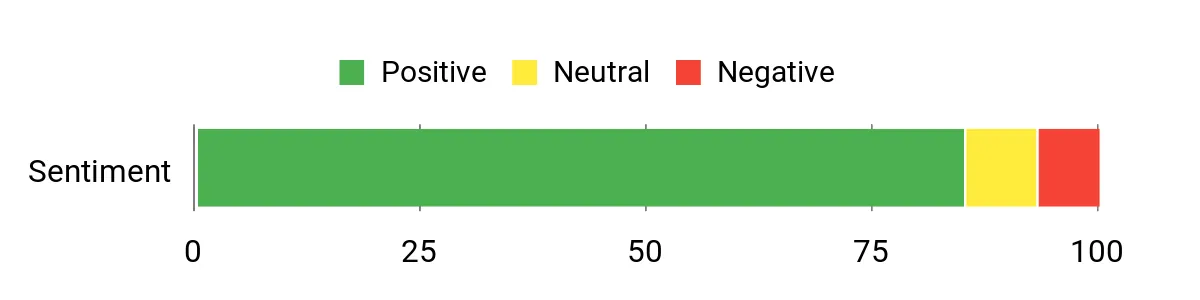
Most buyers point out that this welder offers a lot of capability for its size. People like the HF start, simple controls, portability, and usefulness for learning TIG and handling basic Stick jobs. Common concerns include basic documentation, starter-level accessories, and the need to buy a proper gas setup and consumables before you are fully ready to weld.
Overall Sentiment: Positive
|
Pros |
Cons |
|---|---|
|
✅ HF non-contact start helps reduce tungsten contamination |
❌ Documentation is limited and may require extra research |
|
✅ Supports 110V and 220V input for more shop setups |
❌ Needs argon, tungsten, filler rods, and TIG consumables |
|
✅ Covers DC TIG, pulse TIG, and Stick/ARC work |
❌ Not designed for aluminum TIG welding |
|
✅ Compact and portable for garage use |
❌ Included accessories may feel basic |
|
✅ Good choice for motivated beginners learning TIG |
❌ Slower learning curve than MIG or flux-core |
Ease Of Use
|
Feature |
Ease Level |
|---|---|
|
Setup |
Moderate, because TIG requires gas and consumables |
|
Learning Curve |
Beginner Friendly for patient learners |
|
Controls |
Simple but limited compared with pro TIG units |
|
Accessories |
Basic, with likely upgrades needed |
What You Can Tackle
This welder helps you tackle thin stainless or mild steel TIG work, light repair welding with Stick/ARC, small brackets, decorative metal pieces, and hobby fabrication. It is ideal when you want one compact unit for learning TIG and finishing smaller projects with cleaner-looking welds.
Why You’ll Like It
- DC TIG, pulse TIG, and Stick/ARC capability for small projects
- HF non-contact start helps keep tungsten cleaner
- 110V/220V input gives you more garage and shop flexibility
- Post-gas flow supports better TIG control when set correctly
- Compact size makes it easier to store in a small workshop
Current rating and availability: Check the Amazon listing before buying because ratings, review counts, prices, and availability can change.
S7 MIG-200 Review

The S7 MIG-200 is the easier pick when you want to finish common repairs faster. It supports gas MIG, gasless flux-core MIG, Stick/ARC, and Lift TIG, which gives you more process flexibility than a single-purpose machine. For many beginners, MIG and flux-core are easier starting points than TIG because wire feed welding is faster to learn for basic mild-steel repairs.
It is compact and fairly portable, which makes it handy for weekend projects, trailer fixes, exhaust patching, brackets, small frames, and seasonal metal decorations such as tree stands, lantern frames, or welded light displays. Flux-core also gives you a gasless option for outdoor work where wind can make shielding gas harder to control.
The main caution is setup verification. Some listing materials describe 120V/240V support, while technical details can vary by listing version. Confirm the exact input voltage, plug, breaker needs, wire size, polarity, and output limits in the current listing and manual before planning a high-output job.
Who Should Buy This
Choose the S7 MIG-200 if you want one compact machine for common garage repairs, quick metal joining, outdoor flux-core work, and beginner-friendly welding practice. It is the better pick if speed and versatility matter more than ultra-clean TIG beads.
Who Should Avoid This
Skip it if your main goal is fine TIG control on thin stainless or visible decorative welds. It is also not the right fit for continuous heavy-duty shop production, where duty cycle, wire capacity, long-session durability, and industrial support matter more.
What People Say
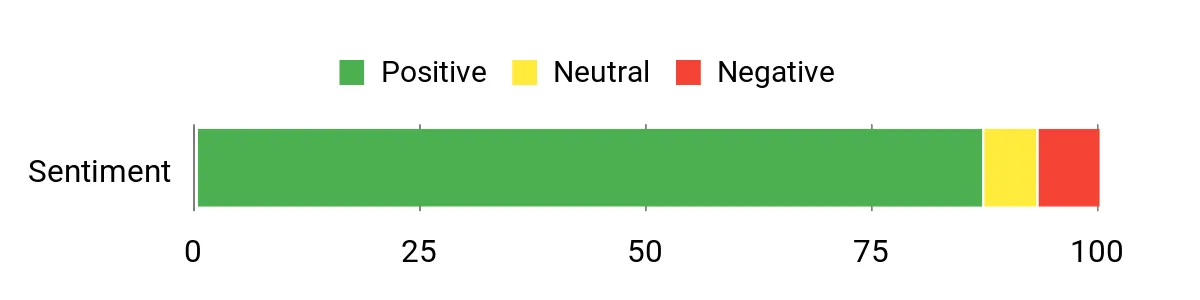
Buyers often like that this compact welder covers several processes in one unit. Common positives include MIG, flux-core, Stick and Lift TIG versatility, wire feed control, and usefulness for common DIY and light fabrication tasks. Common cautions include basic documentation, starter-level accessories, and occasional fit or setup issues that may require patience.
Overall Sentiment: Positive
|
Pros |
Cons |
|---|---|
|
✅ Covers Gas MIG, gasless flux-core, Stick and Lift TIG |
❌ Manual and included accessories are basic |
|
✅ Good for DIY, trailer repairs and light fabrication |
❌ Input-voltage details should be confirmed before heavy use |
|
✅ Portable size with useful digital controls |
❌ May struggle with heavier wire or long continuous sessions |
|
✅ Flux-core option works without shielding gas |
❌ Gas MIG and Lift TIG still need extra setup and consumables |
|
✅ Built-in protections support safer operation when used correctly |
❌ Lift TIG is not as refined as a dedicated TIG machine |
Ease Of Use
|
Feature |
Ease Level |
|---|---|
|
Setup |
Moderate, with gasless flux-core as the simplest path |
|
Learning Curve |
Beginner Friendly for MIG and flux-core |
|
Controls |
Simple and functional |
|
Accessories |
Basic, with likely upgrades needed |
What You Can Tackle
This unit helps you tackle everyday and seasonal metalwork, including patching trailer rails, fixing exhausts, reattaching brackets, building small metal decor, making holiday tree stands or lantern frames, and practicing Lift TIG on thinner steel when you want cleaner beads. It is a strong single-machine option when you want flexibility at home rather than multiple dedicated welders.
Why You’ll Like It
- 4-in-1 versatility: Gas MIG, gasless flux-core, Stick and Lift TIG
- Flux-core mode gives you a gasless option for quick outdoor repairs
- Built-in wire feed and digital display help with setup and adjustment
- Compact size fits hobby, home and light shop use
- Over-voltage, over-current and over-temperature protections help protect the unit when used within limits
Current rating and availability: Check the Amazon listing before buying because ratings, review counts, prices, and availability can change.
Before You Buy
Setup Checklist
- Confirm your power supply: Check the listing, manual, plug style, breaker needs, duty cycle, and expected output for your exact unit.
- Budget for safety gear: Use an auto-darkening helmet, leather gloves, protective clothing, eye protection, and proper ventilation.
- Plan consumables: TIG work may need argon, tungsten, filler rods, cups, collets, and a regulator. MIG work may need wire, contact tips, shielding gas, or flux-core wire.
- Check polarity: MIG, flux-core, Stick, and TIG setups may require different polarity settings, so verify before welding.
- Practice first: Run beads on scrap metal before welding gifts, decor, brackets, or repairs that need strength and clean appearance.
- Respect duty cycle: Let the machine cool during longer sessions to reduce overheating risk and protect the welder.
FAQ
Which S7 Welder Should You Choose For Your Festive Season Projects?
You should pick the S7 TIG-200 if your projects need precise, clean welds on thin steel or stainless steel and you want to learn TIG technique. It gives you HF start, pulse TIG, and Stick/ARC capability for smaller controlled work. You should pick the S7 MIG-200 if you want speed, an easier learning curve for general repairs, and the option to run gasless flux-core for outdoor or quick jobs. It also gives you multi-process flexibility, including MIG, flux-core, Stick, and Lift TIG.
Consider the material thickness you will work on. TIG is usually better for thin sections and cleaner visible beads, while MIG or flux-core is faster for many mild-steel repairs. Also consider the power you have available. Listing details can vary, so confirm the input voltage, plug, breaker needs, and output limits for the exact unit before expecting full performance.
What Accessories And Setup Steps Will You Need Before You Start Welding?
You will need basic consumables and safety gear before you can weld confidently. For TIG or gas MIG work, plan for a proper shielding gas cylinder and regulator. For TIG, you may need tungsten, filler rods, cups, collets, and argon. For the MIG machine, you may need flux-core wire or MIG wire spools, contact tips, and shielding gas if you are not welding gasless.
You should also have a quality auto-darkening helmet, leather gloves, protective clothing, eye protection, and proper ventilation. Expect some setup adjustments out of the box. Collets, torch fitments, hose connections, wire-feed tension, polarity, and trigger behavior can require minor tweaks, so make sure your connections are secure before you start welding.
How Do You Get Great Results And Avoid Common Problems With These S7 Machines?
Start by practicing on scrap material and dialing in amperage, travel speed, wire feed, polarity, and gas flow. Practice is the fastest path to consistent beads. Use the HF start and post-gas settings on the TIG model to protect tungsten and improve start quality, and keep your tungsten sharpened and clean.
For the MIG model, ensure wire-feed tension and polarity are correct. Flux-core can run without gas, but gas MIG often produces cleaner results when properly set up. Inspect housings and connections regularly, keep dust and spatter away, tighten any loose input cables or door latches before a long session, and double-check grounding, gas flow, consumable size, and polarity if your weld quality drops. Most importantly, respect duty cycle limits and let the machine cool to avoid overheating and extend its life.
Is TIG Or MIG Better For Holiday Metal Decorations?
TIG is usually better when the weld will be visible and you want cleaner, more controlled beads on thinner metal. MIG or flux-core is usually better when you want faster joining, easier practice, and strong utility welds on mild steel frames, stands, brackets, or outdoor decor.
Can The S7 TIG-200 Weld Aluminum?
No. The S7 TIG-200 is a DC TIG and Stick machine, so it is not the right choice for aluminum TIG. If aluminum is your main project material, look for an AC TIG welder instead.
Are These S7 Welders Good For Beginners?
They can be good budget-friendly beginner options, but they still require proper setup, safety gear, and practice. The S7 MIG-200 is generally the easier starting point for common repairs, especially with flux-core or MIG. The S7 TIG-200 is better if you are willing to spend more time learning technique and want cleaner results on smaller, more detailed steel or stainless projects.
Should You Trust The Voltage Specs At A Glance?
Use the listing and manual together. Some product copy may describe dual-voltage support, while technical details can show a simpler voltage field. Before buying, confirm the current listing, manual, plug type, adapter needs, breaker rating, and duty cycle for the exact version you plan to order.
Buyers Favorites
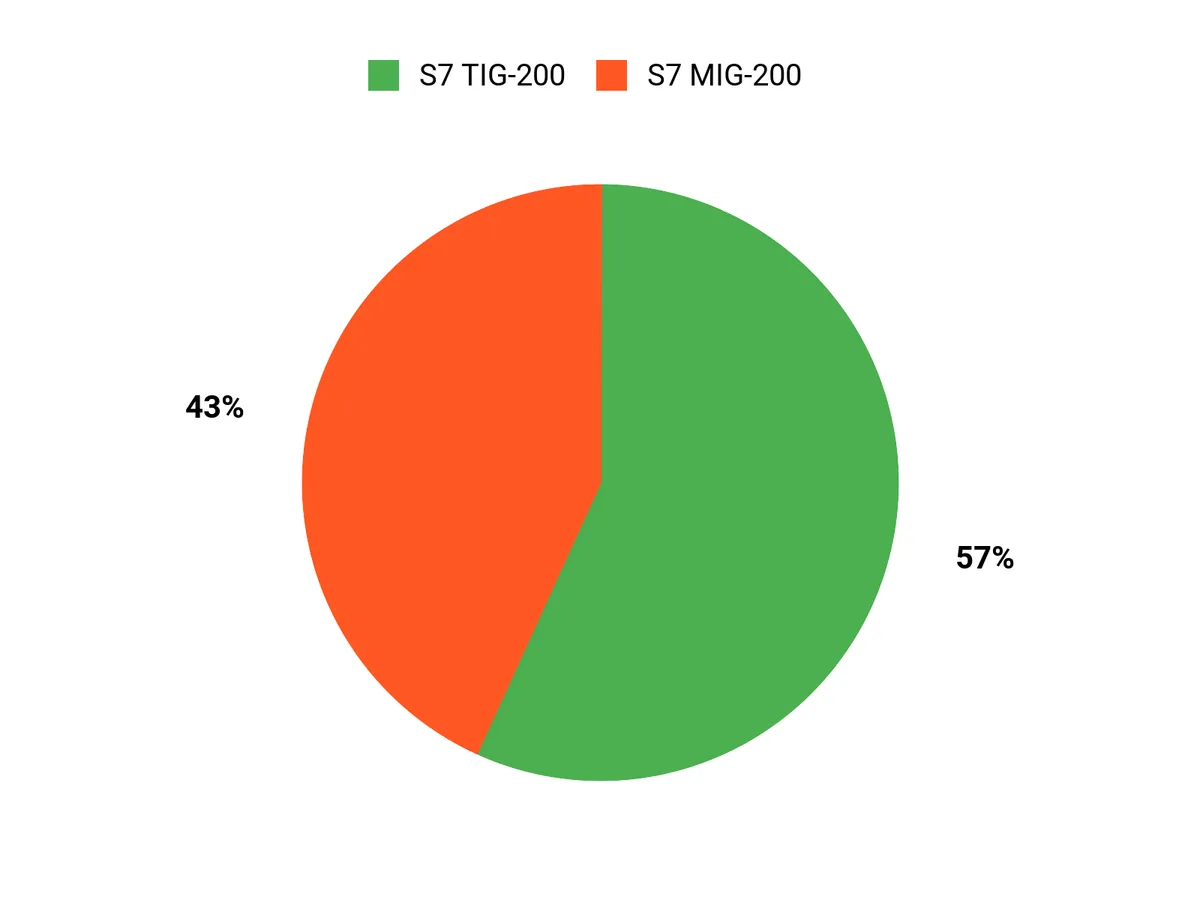
Your best pick depends on the projects you expect to tackle most often. If you want pinpoint control and clean welds on thin or stainless materials, you will favor the S7 TIG-200. If you need faster, easier joins on mild steel or general garage repairs, the S7 MIG-200 is the more practical choice. Portability, duty cycle, input power, accessory needs, and how much setup or learning you are willing to do should guide your final decision.
Wrapping Up
If you want precise control for thin steel, stainless projects, and learning TIG technique, go with the S7 TIG. It offers HF start, pulse TIG, and Stick capability at a budget-friendly size, and it is well suited to detailed seasonal projects where cleaner welds matter.
If you need one tool that handles MIG, flux-core, Stick, and Lift TIG for general repairs and heavier DIY tasks, choose the S7 MIG for its multi-process flexibility and easier learning curve. Both are compact hobby-focused options, so the best choice comes down to your project style: choose precision and control with the TIG-200, or choose speed and wider DIY flexibility with the MIG-200.
| S7 200A HF Start TIG Welder | S7 MIG Welder, 200Amp 4 in 1 | |
|---|---|---|
 |
 |
|
| Best For | Cleaner TIG control, thin steel, stainless pieces, and visible welds | Fast repairs, flux-core welding, brackets, frames, and general DIY use |
| Welding Process |
|
|
| Input Power | 110/220 Volts | Check current listing and manual, as voltage details can vary by listing version |
| Weight | About 18 pounds | 21.6 pounds |
| Dimensions | 17 x 10 x 13 inches | 16 x 12 x 11 inches |
| Main Buying Note | Needs argon for TIG and is not designed for aluminum TIG | Best beginner path is MIG or flux-core, while Lift TIG is more limited |
| Check Product Details on Amazon | Check Product Details on Amazon |
This Roundup is reader-supported. When you click through links we may earn a referral commission on qualifying purchases.