Finding the best EV charger for your Hyundai Kona comes down to a detail most buyers miss: the car’s onboard charger, not the wall unit, sets your real charging speed. Extra amps your Kona can’t use just mean a bigger circuit to pay for.
Our top pick is the EVIQO GEN 2 40A, because it delivers full 40A charging on a standard 50A circuit and schedules off-peak charging from your phone. If you’d rather skip the app, the VEIPHLOX UC101 40A charges just as fast for less.
We compared each charger with Hyundai’s published Kona specs and the makers’ spec sheets, checked safety listings and recall records, and weighed what each unit asks of your electrical panel.
Hyundai Kona EV Chargers Compared
| Product | Best for | Max output | Hookup | Scheduling | Score |
|---|---|---|---|---|---|
|
Premium
|
Best overall: app scheduling and usage data | 40A / 9.6 kW (48A hardwired version) | NEMA 14-50 plug, 50A circuit | Wi-Fi app | 95/100 |
|
Mid-range
|
Best value: full 40A with nothing to set up | 40A / 9.6 kW | NEMA 14-50 plug, 50A circuit | None (schedule in the Kona) | 90/100 |
|
Mid-range
|
Best for beginners: screen and delay timer | 40A / 9.6 kW | NEMA 14-50 plug, 50A circuit | 1–12 hr delay timer | 88/100 |
| Best certified no-app pick | 40A / 9.6 kW | NEMA 14-50 plug, 50A circuit | None (schedule in the Kona) | 89/100 | |
| Best for dryer outlets | 24A / 5.76 kW | NEMA 10-30 plug (14-30 version on the same listing), 30A circuit | Delay timer | 85/100 |
Best EV Chargers for Hyundai Kona: Our Top Picks
1. EVIQO GEN 2 40A

Bottom line: The EVIQO GEN 2 40A gives your Kona full 40A charging on a standard 50A circuit and schedules off-peak charging from your phone. Buy it if you want control and usage data without paying for a hardwired install.
- Max output: 40A / 9.6 kW (48A in the hardwired version), the full speed of any 2019–2023 Kona
- Hookup: NEMA 14-50 plug on a 50A circuit, no electrician if the outlet exists
- Cable: 25 ft, reaches the car from a far garage wall
- Weather rating: IP66 / NEMA 4, safe to mount outdoors
- Safety listing: UL, ETL, FCC and Energy Star, tested for safety and efficiency
Plug the EVIQO into a NEMA 14-50 outlet and it delivers up to 9.6 kW. That’s more than a 2019–2023 Kona can accept and most of what a 2024–2025 Kona’s 11 kW onboard charger can take, so the wall unit is never what slows your overnight top-up. The 25 ft cable reaches the car even when the outlet is on the far wall, and the J1772 connector plugs straight into 2019–2025 Konas.
Setup is simple if you already have the outlet: mount the bracket, plug in, pair the app, then set a schedule and a current limit anywhere from 6A to 40A in 1A steps. Scheduling is the feature that earns its keep. On a time-of-use plan, starting at 11 p.m. instead of 6 p.m. moves the whole charge into cheaper hours and away from the grid’s busiest stretch.
If you later want every kilowatt a 2024–2025 Kona can take, or replace it with a faster-charging EV, EVIQO sells a hardwired version on the same listing that runs at 48A on a 60A circuit. The IP66 / NEMA 4 enclosure handles driveway mounting, and firmware updates arrive over Wi-Fi.
What People Say
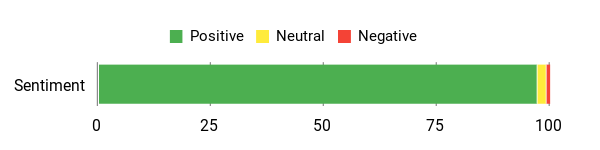
Owners consistently describe the build quality, the long cable, and steady charging speeds in positive terms. The app draws praise for scheduling and usage tracking, and multiple owners mention that the company has responded to firmware issues with updates rather than leaving problems unresolved.
Overall Sentiment: Positive
🗣️ Recurring theme — installation
Owners report straightforward installation on an existing 50A circuit with a NEMA 14-50 receptacle, describing the mounting as manageable for a confident DIYer and app pairing as quick. Delivered power in the 9.9 kW range is commonly mentioned on vehicles that can accept it.
🗣️ Recurring theme — support and firmware
A common thread in owner feedback is responsive support: reports of scheduling quirks being resolved through firmware updates pushed by the manufacturer rather than requiring a return.
- Full 40A on a standard NEMA 14-50 outlet
- App scheduling, with current adjustable in 1A steps
- UL, ETL, FCC and Energy Star listings plus an IP66 / NEMA 4 enclosure
- Hardwired 48A version on the same listing
- 3-year warranty
- Smart features need a 2.4 GHz Wi-Fi signal in the garage
- Costs more than no-app 40A units that charge a Kona just as fast
- The plug-in version works only with a NEMA 14-50 outlet
2. VEIPHLOX UC101 40A

Bottom line: The VEIPHLOX UC101 40A charges your Kona exactly as fast as the EVIQO for less money, with nothing to configure. Buy it if you already have a NEMA 14-50 outlet and let your Kona handle its own charging schedule.
- Max output: 40A / 9.6 kW, the full speed of any 2019–2023 Kona
- Hookup: NEMA 14-50 plug, 50A or larger breaker recommended, no hardwiring if the outlet exists
- Cable: 25 ft with a built-in holder and cable wrap, keeps the cord off the floor
- Weather rating: IP65, fine for outdoor or damp-garage mounting
- Safety listing: UL-certified cable and ETL/UL-approved plug (no whole-unit listing stated), check if your inspector needs one
The VEIPHLOX is the value pick of this roundup. It delivers up to 9.6 kW, which is everything a 2019–2023 Kona can accept and most of a 2024–2025 model’s 11 kW, without the price premium of a smart charger. On a 2024–2025 Kona that works out to roughly 25–30 miles of range per hour of charging; on a 2019–2023 model, closer to 20–25 miles per hour, because the car’s onboard charger is the limit rather than the wall unit.
If you already have a 14-50 receptacle, setup is quick: mount the bracket, plug in, done. The IP65 housing is rated for outdoor use, the built-in holder and cable wrap keep the 25 ft cord tidy, and the RGB indicator lights show charging status from across the garage without pulling out your phone.
There is no app and no built-in timer, so shifting charging to off-peak hours means using your Kona’s own scheduled-charging setting in the car or the Hyundai app, or plugging in at the right time.
What People Say
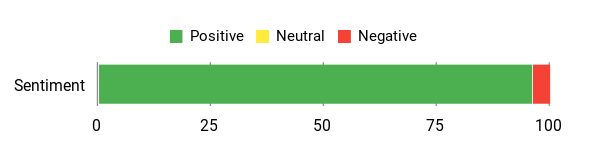
Owners consistently call it reliable and simple: quick to install with the supplied hardware, delivers the rated 40A, long cord, and a durable feel. The color-coded status lights come up often as a small feature that turns out to be genuinely useful day to day.
Overall Sentiment: Positive
🗣️ Recurring theme — status lights and install
Owners describe the colour-coded indicator system as clear and easy to read at a glance, covering standby, charging and completed states. Bracket mounting is repeatedly described as a short job with the included hardware, and the connector release is noted as positive and secure.
🗣️ Recurring theme — long-term reliability
Feedback after several months of use commonly reports the unit delivering its rated current without faults, with the plug and connector staying cool during extended sessions.
- Same 40A / 9.6 kW output as pricier smart chargers
- Plug-and-play on an existing NEMA 14-50 outlet
- IP65 housing with listed GFCI plus surge, voltage and temperature protection
- Built-in holder and cable wrap for the 25 ft cord
- No app or timer, so scheduling depends on your car
- The listing names UL/ETL approval for the cable and plug, not the whole unit
- Needs a NEMA 14-50 outlet on a 50A breaker
3. ELEGRP ECP24-40A

Bottom line: The ELEGRP ECP24-40A is the easiest first charger here: a built-in display, five current settings and a delay timer, with no Wi-Fi to set up. Buy it if you want to see what’s happening and schedule off-peak charging without an app.
- Max output: 40A / 9.6 kW, the full speed of any 2019–2023 Kona
- Hookup: NEMA 14-50 plug on a 50A circuit, steps down to 16A for smaller breakers
- Cable: 25 ft, reaches the car from the opposite garage wall
- Weather rating: IP67 control box and IP54 connector, handles rain and snow
- Safety listing: ETL-listed with UL-listed plug, cable and 14-50 connector, tested as a complete unit
If you want a plug-and-play Level 2 charger and you have never installed one before, the ELEGRP is the least intimidating option here. You get up to 40A through a NEMA 14-50 plug (the large 4-prong 240V outlet used for RVs and electric ranges) and a 25 ft J1772 cable, so where you park usually isn’t a problem.
The built-in display is what earns it the beginner pick: it shows charging current, voltage, energy delivered and internal temperature, which makes it easy to confirm everything is working on day one. Five current settings (16/20/24/32/40A) and a 1–12 hour delay timer let you match a smaller breaker and push charging into off-peak hours without any Wi-Fi setup.
It is portable as well as mountable, with a carry bag and wall holder in the box, so the same charger can travel with you. ELEGRP lists ETL certification with UL-listed components, IP67 protection from -22°F to 122°F, and a 2-year warranty. As with any electronics mounted outdoors year-round, give it clear airflow.
What People Say
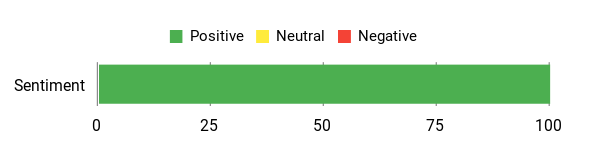
Owners say this charger simply works: quick overnight top-ups, a genuinely useful cable length, and timer and current settings that make it easy to match a home electrical setup. The absence of app features comes up occasionally, though most buyers appear to have chosen it for that simplicity.
Overall Sentiment: Positive
🗣️ Recurring theme — portability
Owners frequently use it both at home and as a travel charger, noting the included carry case and wall mount and describing the 25 ft cable as sturdy. Charging at the 40A setting is commonly reported as comparable to a permanently installed unit.
🗣️ Recurring theme — simplicity vs. features
Feedback describes a good balance of speed and convenience, with the timer and adjustable current singled out as the practical features. Buyers wanting app control or detailed energy tracking note those are the trade-offs at this price.
- Display shows current, voltage, energy and temperature without an app
- Five current settings and a 1–12 hour delay timer
- ETL-listed unit with UL-listed components and an IP67 control box
- Portable, with carry bag and wall holder included
- No app, so no remote control or charging history
- Works only with a NEMA 14-50 outlet
- 2-year warranty, shorter than EVIQO’s 3 years
Check Product Details on Amazon
⚔️ Head-to-Head: ELEGRP ECP24-40A vs VEIPHLOX UC101 40A
Both are plug-in 40A chargers in the same mid-range price tier, and both charge a Kona at identical speed. Here is how they differ:
- A built-in display with real-time charging data
- A 1–12 hour delay timer for off-peak charging
- Portability, with a carry bag included
- An ETL listing for the whole unit and an IP67 control box
- Five current settings (16/20/24/32/40A)
- A fixed wall box with a built-in holder and cable wrap
- Simple RGB status lights instead of a screen
- Plug-and-charge operation with no setup
- No screen to wear out outdoors
Our call: Choose ELEGRP if you want the timer and the screen, particularly if you’d rather not use your Kona’s scheduled-charging menu. Choose VEIPHLOX if your car already handles scheduling and you want a tidy wall-mounted box.
4. MOTEN TAURUS-40S
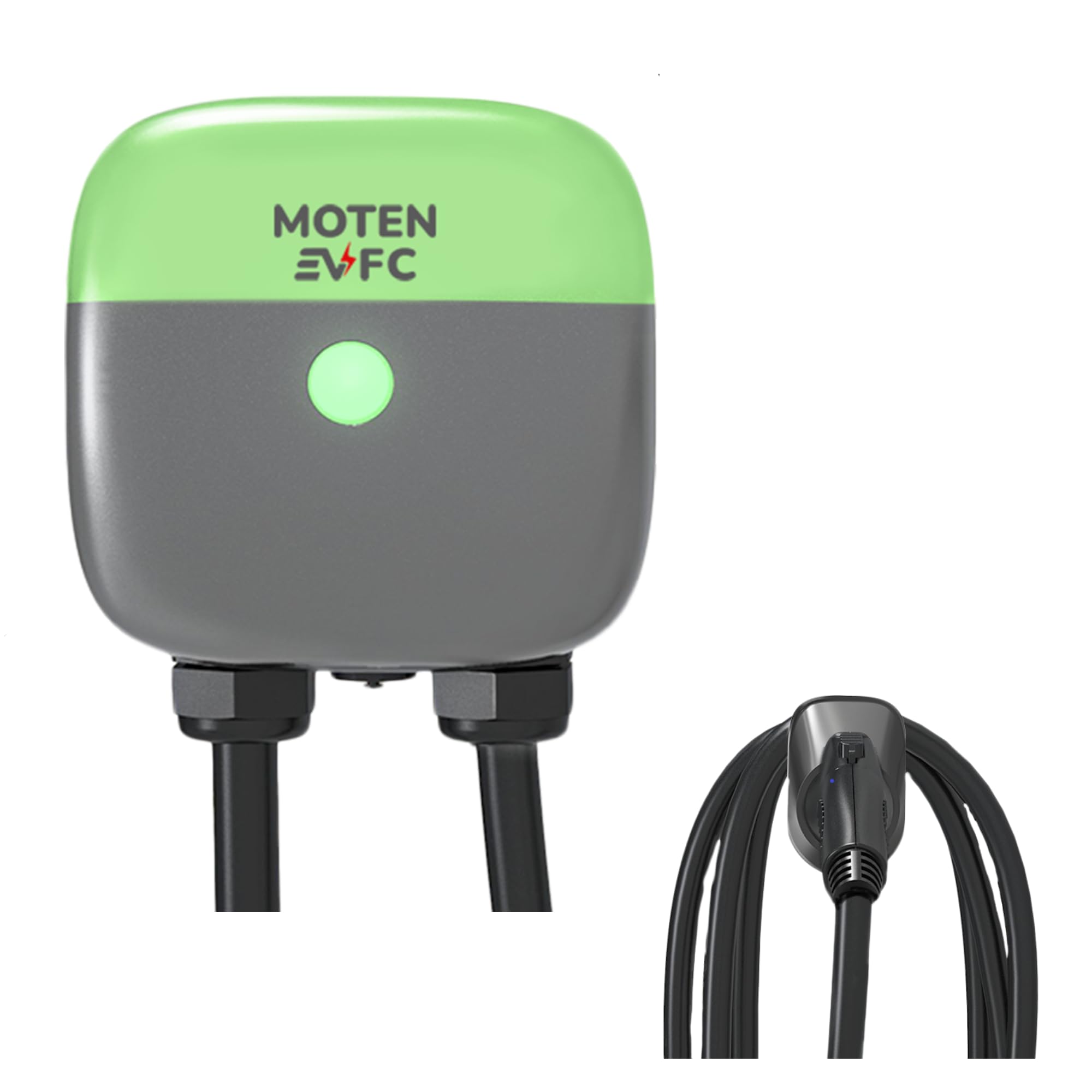
Bottom line: The MOTEN TAURUS-40S is a no-app 40A wall charger with ETL, FCC and Energy Star listings, so your Kona charges at full plug-in speed with nothing to set up. Buy it if you want a fully listed unit and are happy to schedule charging in the car.
- Max output: 40A / 9.6 kW, the full speed of any 2019–2023 Kona
- Hookup: NEMA 14-50 plug on a 50A circuit, no hardwiring if the outlet exists
- Cable: 25 ft with a wall-mount holster, keeps the connector off the floor
- Weather rating: listed for indoor and outdoor use, confirm the IP rating before exposed mounting
- Safety listing: ETL to UL 2594, plus FCC and Energy Star, an Energy Star listing some utility rebates ask for
⚠️ Variant check before ordering: the TAURUS listing groups more than one version and color. Confirm in the variant selector that you are buying the TAURUS-40S with the plug you need; any hardwired installation needs a licensed electrician and a matching circuit.
If you want a home charger with no app, no account and no software to maintain, the TAURUS-40S is that unit. You plug it in, and your Kona’s own scheduled-charging setting handles timing. There are no menus to learn and nothing to re-pair after a router change, and it keeps working if your internet goes down.
It delivers up to 40A (9.6 kW) through a NEMA 14-50 plug, which covers everything a 2019–2023 Kona can accept and most of a 2024–2025 model’s 11 kW. The 25 ft cable and wall-mount holster keep the cord tidy in a one- or two-car garage, and the unit is listed for indoor and outdoor use.
What sets it apart from the VEIPHLOX is paperwork. The listing shows ETL certification to UL 2594 plus FCC and Energy Star listings for the unit, and MOTEN EVFC backs its home chargers with a 3-year warranty. If your utility’s rebate asks for an Energy Star charger, this is the only no-app unit here with that listing.
What People Say
Owner feedback centers on reliability and simplicity: it charges without drama, the 25 ft cable is helpful, and most owners are content to let the car handle scheduling and monitoring. Several owners note that the unit ships set to a lower current and that the maximum can be changed with an internal DIP switch (a small set of physical switches that set the current limit).
Overall Sentiment: Positive
🗣️ Recurring theme — current setting and support
Owners report the unit arriving set to a lower factory current, with the maximum adjustable via an internal DIP switch — useful if a faster-charging vehicle replaces the current one. Manufacturer support is described as prompt and knowledgeable.
🗣️ Recurring theme — deliberately minimal
Feedback consistently frames this as a focused, robust unit without extra features, with monitoring left to the vehicle or its app rather than the charger.
- ETL (UL 2594), FCC and Energy Star listings for the unit itself
- No app, account or Wi-Fi to manage
- 25 ft cable with a wall-mount holster
- 3-year manufacturer warranty
- No app or timer, so scheduling depends on your car
- The listing groups several versions and colors, so it’s easy to order the wrong one
- Needs a NEMA 14-50 outlet on a 50A breaker
Check Current Amazon Availability
⚔️ Head-to-Head: EVIQO GEN 2 40A vs MOTEN TAURUS-40S
Both deliver 40A through a NEMA 14-50 plug and carry ETL, FCC and Energy Star listings, so they charge a Kona at the same speed. Here is when to choose each one:
- Wi-Fi app scheduling and current control
- Remote monitoring and energy usage data
- Over-the-air firmware updates
- A hardwired 48A version for a 2024–2025 Kona or a future EV
- An IP66 / NEMA 4 enclosure
- Absolute simplicity: no app, Wi-Fi or account
- Your Kona’s own scheduling in charge
- A charger that works even if your internet is down
- Nothing to update or re-pair
Our call: Choose EVIQO if you want scheduling and data on your phone, or a path to 48A. Choose the TAURUS-40S if you want zero software in the loop and already schedule charging in your Kona.
5. EVDANCE EV-ACS2405U 24A

Bottom line: The EVDANCE EV-ACS2405U 24A plugs into a 240V dryer outlet you may already have, so you get Level 2 charging without a new circuit. Buy it if that outlet sits near your parking spot and your daily driving is modest.
- Max output: 24A / 5.76 kW, roughly 15–20 miles of range per hour
- Hookup: NEMA 10-30 plug (3-prong dryer outlet) on a 30A circuit, pick the 14-30 version for 4-prong outlets
- Cable: 25 ft total, about 22 ft from control box to car, measure to your charge port first
- Weather rating: IP66, rated -22°F to 122°F, fine for garage or driveway use
- Safety listing: ETL certification to UL 2594 per EVDANCE, independently tested as an EV charger
🛡️ Safety note on 10-30 outlets: older 3-prong NEMA 10-30 receptacles do not include a separate equipment ground. Because an EV charger draws high current for hours at a time, have an electrician confirm the circuit’s condition and grounding before using one, and never share the circuit with the dryer while charging.
If you want Level 2 charging without rewiring the garage, this EVDANCE is the practical answer. It plugs into a standard dryer outlet and delivers up to 5.76 kW, which the maker puts at roughly 15–20 miles of range per hour. For typical daily driving, that’s enough to refill overnight.
The display shows voltage, current, power and charging time, you can set the current anywhere from 10A to 24A to suit the circuit, and a delay timer lets you push charging into off-peak hours. The 25 ft cable length is measured end to end, with about 22 ft between the control box and the car, so measure from the outlet to your Kona’s charge port before ordering.
EVDANCE lists an IP66 housing rated from -22°F to 122°F, 12 AWG copper cable and a UL 94 V-0 flame-rated casing, so it can live in a garage or ride in the trunk as a travel charger.
What People Say
Owners describe it as a dependable, no-nonsense charger. The build is reported as durable, the cable long, and charging steady without heat problems. The timer and adjustable current come up regularly as the features that make it easy to match a home circuit, and many owners use it as both a portable and a semi-permanent solution.
Overall Sentiment: Positive
🗣️ Recurring theme — heat and handling
Owners using it regularly as a portable charger describe the cord and adapter as well made and report no overheating across repeated sessions, with the connector easy to attach and release.
🗣️ Recurring theme — the 24A trade-off
Feedback is candid that 24A is modest for very high-mileage drivers, while noting the unit performs exactly as specified, installs easily, and works well as either a mobile connector or a semi-permanent garage charger.
- Uses an existing 240V dryer outlet, so no new circuit
- Display plus 10–24A current settings and a delay timer
- IP66 housing rated for -22°F to 122°F
- Portable enough to take on trips
- 24A charges well below the 40A units, so plan on overnight sessions
- This link opens the 3-prong NEMA 10-30 version; 4-prong outlets need the 14-30 version
- 3-prong 10-30 circuits lack a separate ground, so have an electrician check yours first
EVIQO GEN 2 40A vs VEIPHLOX UC101 40A: Is the Upgrade Worth It?
Both deliver the same 40A (9.6 kW) to your Kona, so the extra money for the EVIQO buys control, paperwork and headroom rather than speed.
- Scheduling: the EVIQO app sets off-peak schedules and current limits from your phone; with the VEIPHLOX you schedule charging in the Kona instead.
- Safety listings: the whole EVIQO unit carries UL, ETL, FCC and Energy Star listings; the VEIPHLOX listing names UL/ETL approval for its cable and plug.
- Weatherproofing and warranty: the EVIQO has an IP66 / NEMA 4 enclosure and a 3-year warranty; the VEIPHLOX is rated IP65.
- Headroom: EVIQO also sells a hardwired 48A version that can use all of a 2024–2025 Kona’s 11 kW; the VEIPHLOX stops at 40A.
Which Kona EV Charger Should You Buy?
- You want off-peak scheduling from your phone: get the EVIQO GEN 2 40A.
- You want full 40A speed with nothing to set up: get the VEIPHLOX UC101 40A.
- It’s your first charger, or you want one for home and road trips: get the ELEGRP ECP24-40A.
- You want no app and a fully listed Energy Star unit: get the MOTEN TAURUS-40S.
- You only have a dryer outlet near the car: get the EVDANCE EV-ACS2405U 24A.
How We Chose
- Kona fit: a J1772 connector, with charging speed judged against the Kona’s 7.2 kW (2019–2023) or 11 kW (2024–2025) onboard charger.
- Circuit and hookup: the breaker, outlet and install each charger needs, because the circuit is part of the real cost.
- Safety: UL 2594 testing through a UL or ETL listing, built-in fault protections, and weather ratings for outdoor mounting.
- Daily use: cable reach, holster and cable management, and how you schedule off-peak charging (app, timer or the car).
- Support: the warranty length and firmware support each maker states.
We checked every model against its maker’s product pages and spec sheets, retailer listings, Hyundai’s published Kona Electric specifications, and CPSC recall records.
Each score out of 100 is based on six weighted factors:
- Usable Charging Speed (25 pts): amps and kW the unit delivers, judged against what a Kona can actually accept
- Safety Certifications (20 pts): UL, ETL, ENERGY STAR listings and built-in protections as documented by the manufacturer
- Ease of Installation (20 pts): plug-and-play vs. hardwired; circuit and electrician requirements
- Smart Features (15 pts): Wi-Fi, app scheduling, energy monitoring, OTA updates
- Build Quality & Cable (10 pts): cable length, weather rating, connector and housing construction
- Value for Money (10 pts): price tier against the features and circuit costs it demands
Scores reflect our editorial judgment based on published specifications and documented owner feedback. We do not accept payment to change scores, and we have not bench-tested these units ourselves.
- You own or plan to buy a Hyundai Kona EV (any model year)
- You want to charge at home overnight instead of using public stations
- You have or can install a 240V outlet or circuit in your garage or driveway
- You want faster charging than a standard 120V wall plug provides
- You are comparing plug-in vs. hardwired charger options
- You only need a basic Level 1 trickle charger (standard 120V wall outlet)
- You are looking for commercial or multi-unit charging solutions
- You need a DC fast charger (CCS/CHAdeMO) — those require special infrastructure
- You drive a Tesla and don’t have a J1772 adapter
- You can’t use a 240V outlet and aren’t allowed to add one
What Buyers Prefer
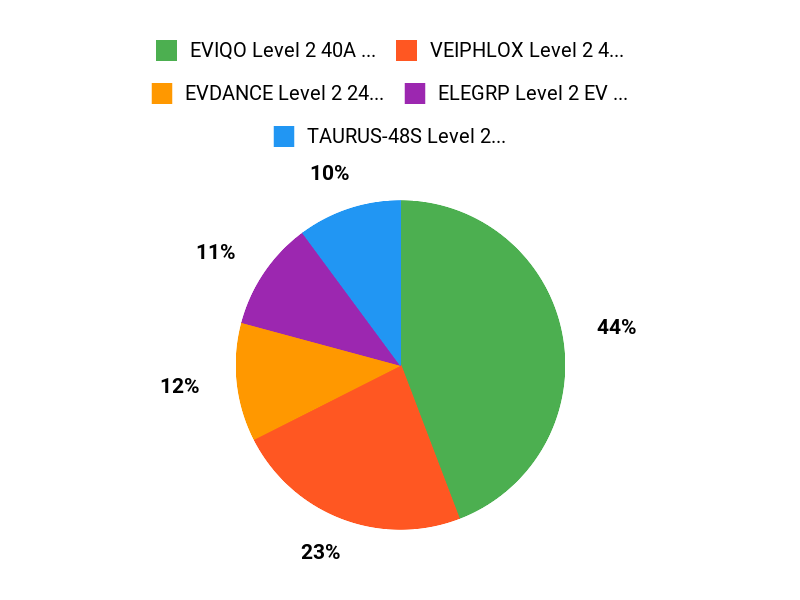
Across these five chargers, buyer priorities split into two main groups. Most Kona owners land on a 40A plug-in unit, because it covers all of an older Kona’s onboard charger and most of a 2024–2025 model’s without a 60A circuit; among the EVIQO, VEIPHLOX, ELEGRP and TAURUS-40S, the decision usually comes down to app scheduling, simplicity, or an on-unit screen and timer. Buyers with a dryer outlet already near the car, or a panel with no room to spare, choose the EVDANCE 24A and accept slower charging in exchange for skipping an electrician. Beyond power, reliability, ease of installation, safety listings, cable length and warranty terms decide the final pick.
✅ Before You Buy: 7-Point Checklist
- Confirm your Kona’s onboard charger rating (owner’s manual or Hyundai spec sheet): it sets your real maximum speed.
- Confirm your car’s inlet type: J1772 for these chargers, or an adapter if your vehicle uses NACS.
- Have an electrician run a load calculation on your panel before choosing an amperage.
- Decide plug-in or hardwired: plug-in if you may move, hardwired for a permanent tidy install.
- Measure the distance from the outlet or panel location to your charge port with the car parked as you normally park it.
- Check whether your area requires a permit for a new 240V circuit.
- Verify the variant on the listing: amperage, plug type and cable length before you check out.
How to Choose the Best EV Charger for Your Hyundai Kona
Match the Charger to Your Kona’s Onboard Charger
This is the detail that decides whether a more expensive charger is worth it. Every EV has a built-in onboard charger that limits how much AC power it can accept, and no wall unit can push past it.
- 2019–2023 Kona Electric (U.S.): a 7.2 kW onboard charger, per Hyundai’s specifications. A 40A or 48A wall charger still delivers about 7.2 kW.
- 2024–2025 Kona Electric (U.S.): an 11 kW onboard charger, per Hyundai. A 40A (9.6 kW) charger covers most of it; a 48A (11.5 kW) hardwired charger can use all of it, a gain of at most about 1.4 kW.
- Practical takeaway: a 40A charger on a 50A circuit is the sweet spot for most Kona owners. Go 48A only if you drive a 2024–2025 model and want every kilowatt, or expect a faster-charging EV next, and budget for a 60A circuit.
- Connector check: U.S. Kona Electric models through 2025 use a CCS1 port that takes the J1772 plug every charger here uses. Hyundai says all-new or refreshed U.S. models get a NACS port, so confirm your car’s inlet; a NACS-port car needs a J1772-to-NACS adapter.
Specifications vary by model year and region. Confirm your exact onboard charger rating in your owner’s manual or on Hyundai’s spec sheet before you buy.
For most owners, that points to a 40A plug-in unit such as the VEIPHLOX UC101 40A or the EVIQO GEN 2 40A.
Size the Circuit With the 80% Rule
An EV charger is a continuous load, so it should draw no more than 80% of its breaker’s rating. That means a 24A charger needs a 30A circuit, a 40A charger needs a 50A breaker, and a 48A charger needs a 60A breaker and a hardwired connection. Ask an electrician for a load calculation first; if the panel is full, an existing 30A dryer circuit and the EVDANCE EV-ACS2405U 24A may be the practical answer.
Plug-In or Hardwired
Plug-in chargers use a NEMA 14-50 outlet, or a 14-30 or 10-30 dryer outlet at 24A, so renters and anyone who may move can take the charger with them. Hardwired units are permanent, need a licensed electrician, and are required for 48A with these chargers. If you want one charger for home and road trips, the ELEGRP ECP24-40A comes with a carry bag and wall holder.
Cable Reach
All five chargers here list 25 ft cables, which reach most one- and two-car garages. Measure from the outlet or panel to your Kona’s charge port with the car parked as usual, and note that the EVDANCE’s 25 ft includes the lead to its plug, leaving about 22 ft from the control box to the car.
Connector: J1772 Now, NACS on Newer Hyundais
U.S. Kona Electric models through 2025 use a CCS1 port that accepts every J1772 charger here without an adapter. Hyundai has said all-new or refreshed U.S. models get a NACS port, so check your car before you buy: a NACS-port Hyundai needs a J1772-to-NACS adapter to use these chargers.
App, Timer, or Neither
Scheduling charging into off-peak hours is the main way a home charger saves money on a time-of-use plan. The EVIQO GEN 2 40A does it from an app, the ELEGRP and EVDANCE use a built-in delay timer, and the VEIPHLOX and TAURUS-40S leave it to the car. Because the Kona can schedule charging from its own settings, a no-app charger loses little if you use that feature.
Safety Listings and Weather Rating
Look for a charger tested to UL 2594 and listed by a recognized lab such as UL or Intertek (ETL); inspectors generally expect listed EV charging equipment. Check whether the listing covers the whole unit or only parts: the EVIQO, ELEGRP, TAURUS-40S and EVDANCE state unit-level listings, while the VEIPHLOX names its cable and plug. For outdoor or damp-garage mounting, choose IP65 or higher; the ELEGRP’s IP67 control box has the highest listed rating here.
Permits, Installation Cost and Incentives
A new 240V circuit usually needs a permit and inspection, and skipping them can affect your home insurance and resale. Installation cost depends mostly on the distance from your panel, so get a quote before settling on an amperage. The federal charger tax credit ended for equipment placed in service after June 30, 2026, so check your state energy office and utility for rebates and off-peak EV rates.
⚠️ Mistakes to Avoid When Buying a Home EV Charger
- Buying before checking your panel: a 48A charger needs a 60A breaker, so have an electrician run a load calculation before you order.
- Ignoring the 80% rule: set the charger to no more than 80% of the breaker rating to avoid heat build-up and nuisance trips.
- Paying for amps your Kona can’t use: a 2019–2023 Kona tops out at 7.2 kW, so 40A is plenty; 48A helps only 2024–2025 models, and only a little.
- Using an extension cord: standard cords aren’t rated for hours of high current, so plug straight into a dedicated outlet.
- Ordering the wrong variant: several listings here cover different amps, plugs or colors, so check the variant selector before checkout.
FAQs
Will These Level 2 Chargers Work With Your Hyundai Kona EV?
Yes. Every charger here uses the J1772 connector that U.S. Kona Electric models through 2025 accept, so all five plug in and charge. Speed is capped by the car: Hyundai lists a 7.2 kW onboard charger for 2019–2023 models and 11 kW for 2024–2025 models. If your Hyundai has a NACS port, add a J1772-to-NACS adapter.
What Electrical and Installation Considerations Should You Know Before Buying?
You need a dedicated 240V circuit sized for the charger’s setting under the 80% rule: a 30A circuit for 24A, a 50A breaker for 40A, and a 60A breaker for 48A. A licensed electrician should check panel capacity, install the breaker and outlet, confirm grounding and GFCI needs, and pull any required permit. Plug-in units can move with you; hardwired units are permanent.
Should You Choose a Smart Charger or a Simple Plug-and-Charge Unit — and How Do You Maintain It?
Choose a smart charger like the EVIQO GEN 2 40A if you want app scheduling and usage data; choose a simple unit if your Kona’s own scheduled charging is enough. To maintain either, keep the connector in its holster, avoid extension cords, cover outdoor outlets, and stop using any cable, plug or connector that shows cracks, discoloration or heat damage.
What Size Breaker Do I Need for a Home EV Charger?
Use a breaker rated for at least 125% of the charger’s current. That means a 30A circuit for a 24A charger like the EVDANCE, a 50A breaker for 40A units like the EVIQO, VEIPHLOX, ELEGRP and TAURUS-40S, and a 60A breaker for a 48A hardwired setup. Have an electrician confirm your panel has room for the new circuit first.
Can I Install an EV Charger Myself?
Partly. If a matching outlet is already in place, putting a plug-in charger into service is a simple DIY job: mount the bracket and plug in. Adding a new 240V outlet or circuit is electrical work that usually requires a licensed electrician and a permit, and skipping the permit can affect your home insurance and resale. Check your local codes first.
Do These Chargers Work With Other EVs Besides the Kona?
Yes. All five use the J1772 connector, long the North American standard for non-Tesla EVs, so they work with most Hyundai, Kia, Chevrolet, Ford, BMW, Volkswagen and Rivian models that have a J1772-compatible port. Teslas and other NACS-port vehicles can use them with a J1772-to-NACS adapter, sold separately.
Is There Still a Federal Tax Credit for a Home EV Charger?
No, not for new installations. The One Big Beautiful Bill Act ended the Section 30C credit for chargers placed in service after June 30, 2026. If yours was installed and working by that date at an eligible location, you may still claim it on IRS Form 8911. Otherwise, look to state and utility rebates. This is general information, not tax advice.
How Long Does It Take to Fully Charge a Hyundai Kona EV?
Hyundai quotes about 9 hours 15 minutes (10–100%) for the 2023 Kona Electric’s 64 kWh battery on its 7.2 kW charger. For 2024 models it quotes about 5 hours (48.6 kWh) or 6 hours 15 minutes (64.8 kWh) at the full 11 kW. A 40A charger adds some time on newer Konas; a 24A unit suits overnight top-ups.
Final Verdict
The best EV charger for a Hyundai Kona is a 40A plug-in unit on a 50A circuit: it maxes out a 2019–2023 Kona, covers most of a 2024–2025 model’s 11 kW, and moves with you if you change homes. The EVIQO GEN 2 40A is our pick because it adds off-peak scheduling and full safety listings to that speed.
If you’d rather skip the app, the VEIPHLOX UC101 40A charges just as fast for less, and the ELEGRP ECP24-40A adds a screen and delay timer without Wi-Fi.
| Product | Image | Best For | Charging Power | Cable Length | Weight | Price Tier | Buy |
|---|---|---|---|---|---|---|---|
| EVIQO Level 2 EV Charger 40 Amp ⭐ Editor’s Pick |
 |
Best Overall — app scheduling | 9.6 kW, 40A (48A hardwired variant) | 25 ft | ≈21 lbs | $$$ | Check Price |
| Level 2 EV Charger 40 Amp, 9.6kW |
 |
Best Value — full Kona speed | 9.6 kW, 40A | 25 ft | ≈14.8 lbs | $$ | Check Price |
| ELEGRP Level 2 EV Charger |
 |
Best for Beginners — LCD + timer | 40A (≈9.6 kW) | 25 ft | ≈13.2 lbs | $$ | Check Price |
| TAURUS-48S Level 2 EV Home Charger |
 |
Best for Future-Proofing — hardwired | Up to 11.5 kW, 48A | 25 ft | See listing | $$$ | Check Price |
| Level 2 EV Charger 24Amp 240V – NEMA 14-30P |
 |
Best Budget — uses a dryer outlet | 24A (≈5.8 kW) | 25 ft | ≈9.4 lbs | $ | Check Price |
Specifications above are taken from manufacturer listings and can differ between variants of the same product. Confirm amperage, plug type, cable length and shipping weight on the product page before ordering.
