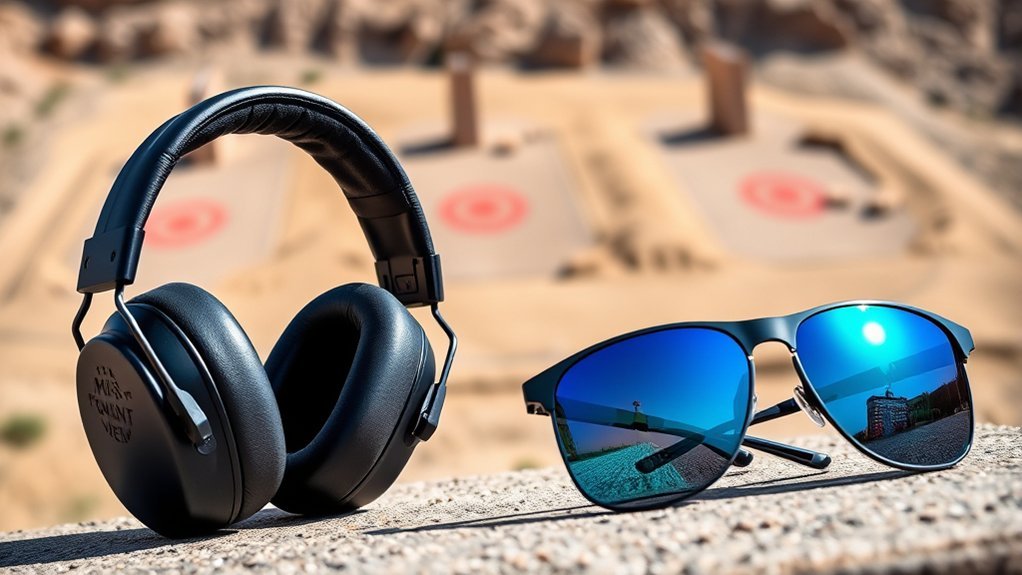
When you head to the shooting range, protecting your eyes and ears is non-negotiable. Gunfire can damage your hearing in an instant, and hot brass, fragments, dust, or target debris can threaten your vision. The right eye and ear protection helps you stay safer, hear range commands, maintain focus, and enjoy shooting with more confidence. This guide explains the main options, how to compare them, and which budget-friendly choices make sense for different range setups.
Quick Answer
For most shooters, the best setup is ANSI-rated shooting glasses plus properly fitted ear protection. Indoor ranges usually need stronger protection, often foam earplugs under earmuffs. Outdoor ranges may work well with electronic earmuffs that reduce harmful impulse noise while still letting you hear voices and range commands.
Key Takeaways
- Use both eye and ear protection every time you shoot, even for short range sessions.
- Choose eyewear marked ANSI Z87.1 or ballistic-rated when possible, especially for shooting sports.
- Compare ear protection by fit, comfort, seal quality, and Noise Reduction Rating, not just the number on the package.
- For very loud indoor ranges, double up with foam earplugs plus earmuffs for better protection.
- Electronic earmuffs can improve communication because they reduce loud impulse noise while allowing normal sounds through.
Importance of Hearing Protection in Shooting
When you shoot, the loud noise from gunfire can cause irreversible hearing damage, making hearing protection essential. Exposure to intense impulse sounds can contribute to permanent hearing loss and conditions like tinnitus, which may affect your quality of life long after you leave the range.
To safeguard your hearing, compare the Noise Reduction Rating (NRR) of your hearing protection and make sure the device fits correctly. Options commonly range from about 21 dB to 34 dB NRR, with higher ratings generally offering more sound reduction when worn properly. Poor fit, hair, glasses arms, hats, or broken ear-cup seals can reduce real-world performance.
Hearing protection works best when it seals well, stays comfortable, and is worn before the first shot, not after the range gets loud.
Electronic earmuffs are especially useful because they help you hear nearby voices and range commands while reducing harmful noise levels. Regular use of appropriate hearing protection is crucial for recreational shooters, professional shooters, instructors, law enforcement personnel, and military personnel who train around repeated gunfire.
Warning: Never rely on “getting used to” loud gunfire. Ringing ears after shooting is a sign your hearing may have been overexposed, and repeated exposure can lead to lasting damage.
Types of Ear Protection for Shooters
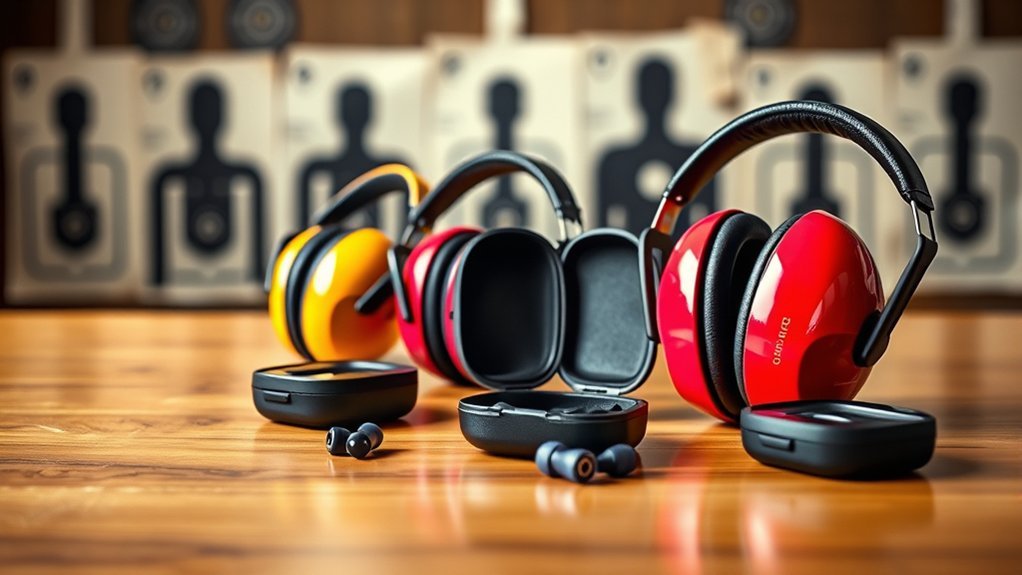
Choosing the right type of ear protection helps you maintain better hearing safety while enjoying shooting activities. The three main types to evaluate are passive earmuffs, electronic earmuffs, and in-ear options. Each style has a different balance of comfort, protection, communication, portability, and price.
Passive Earmuffs
Passive earmuffs, like the Optime 105, reduce sound without electronic features. Some models offer an NRR up to 30 dB, making them useful for indoor ranges and louder environments. They are simple, durable, and easy to use, but they can make conversations and range commands harder to hear.
Electronic Earmuffs
Electronic earmuffs, such as the Howard Leight Impact Sport, use built-in microphones to amplify ambient sounds while reducing harmful impulse noise. Many models fall between about 22 dB and 30 dB NRR. They are popular because they help you stay aware of conversations, instructions, and movement around you.
In-Ear Options
In-ear options, like the AXIL GS Extreme 2.0, offer a compact design with effective noise management. Some shooters prefer them because they do not interfere with cheek weld on rifles or shotguns. They can also be worn under earmuffs for double protection in especially loud environments.
Pro Tip: If you shoot indoors, use foam earplugs under earmuffs. Indoor lanes reflect sound from walls and partitions, so doubling up gives you a stronger safety margin.
How to Choose Ear Protection for Your Range Session
The best ear protection depends on where you shoot, what firearm you use, and how much communication you need. A quiet outdoor rimfire session may not require the same setup as an indoor centerfire rifle lane. Comfort also matters because uncomfortable gear often gets removed too soon.
| Indoor handgun range | Use foam earplugs plus earmuffs, especially when nearby lanes may use large calibers. |
| Outdoor range | Electronic earmuffs or fitted plugs can work well while preserving awareness. |
| Rifle or shotgun use | Slim earmuffs or in-ear protection may help you maintain a better cheek weld. |
| Training class | Electronic earmuffs help you hear instructors, safety commands, and partner communication. |
Before each session, check that foam plugs expand fully in the ear canal and that earmuff cups seal around your ears. If you wear prescription glasses, look for low-profile temples or gel ear-cup upgrades that reduce seal gaps.
Recommended Eye Protection Options
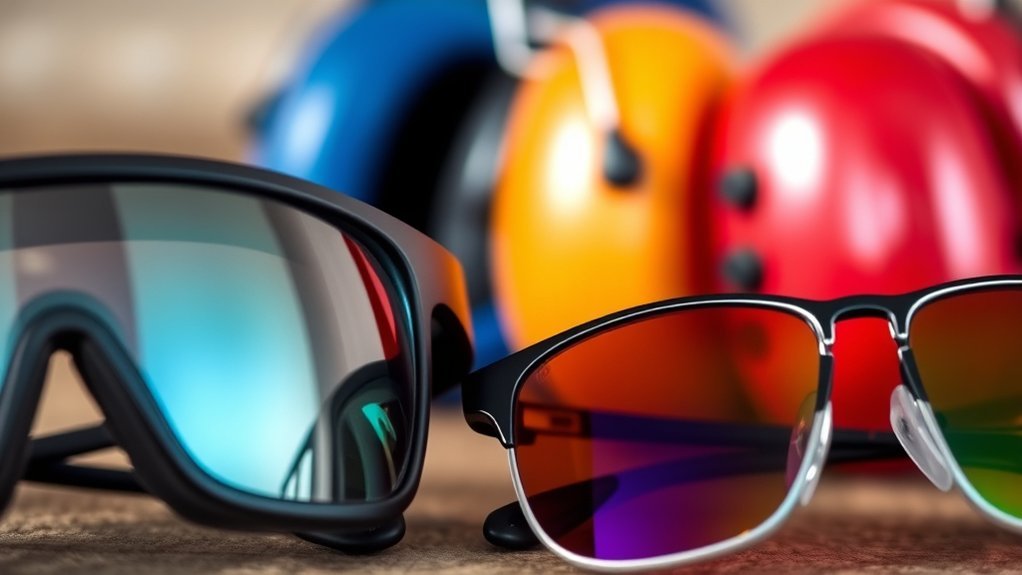
To guarantee better protection for your eyes while shooting, choose eyewear designed for impact resistance, visibility, and all-day comfort. Flying brass, target fragments, ricocheting debris, cleaning chemicals, and dust can all create eye hazards on the range.
Look for glasses that fit securely, wrap around the sides, and work with your earmuffs. Clear lenses are useful indoors and in low light. Tinted or amber lenses can improve contrast outdoors, but they should not make targets or range markers harder to see.
| Product Name | Type | Price |
|---|---|---|
| Ballistic Glasses | High-impact eyewear | $45.00 |
| Shooting Glasses | UV protection | $30.00 |
| Quality Electronic Eyewear | Electronic features | $70.00 |
| Clear Safety Glasses | Standard protection | $25.00 |
| Protection Combo | Complete kit | $38.41 |
Investing in appropriate eye protection like ballistic glasses or a complete protection combo is crucial for safety during shooting activities. Choose wisely to make sure you have reliable eye protection that stays comfortable and does not interfere with your stance, sight picture, or hearing protection.
What to Look For in Shooting Glasses
Not all safety glasses are equal. For shooting, prioritize impact protection, coverage, optical clarity, and fit. Good shooting glasses should sit close enough to block debris from the front and sides without fogging badly or pressing into your face.
- Impact rating: Choose eyewear marked ANSI Z87.1 or ballistic-rated when available.
- Side coverage: Wraparound lenses or side shields help reduce exposure to brass and fragments.
- Lens color: Clear lenses suit indoor ranges, while amber or yellow lenses may improve contrast outdoors.
- Anti-fog design: Venting or anti-fog coating helps when you shoot in humid, cold, or high-activity settings.
- Prescription compatibility: Use prescription safety glasses or over-glasses protection if you need vision correction.
- Comfort with earmuffs: Thin temples can reduce pressure and help earmuffs seal better.
Note: Regular fashion sunglasses are not a replacement for safety-rated shooting glasses. Use eyewear designed and marked for impact protection.
Top Ear Protection Products
Effective ear protection is essential for shooters who want to safeguard their hearing while enjoying the sport. The right product depends on whether you prioritize low cost, slim fit, maximum noise reduction, Bluetooth features, or clearer communication.
Among top choices are Electronic Ear Muffs like the Howard Leight Impact Sport, priced at $69.99. They amplify ambient sounds, helping your situational awareness while still reducing harmful noise. The Walker’s Razor Pro Slim Digital Electronic Earmuffs offer comfort and easy controls for just $59.99, making them a popular pick for many shooters.
If you prefer earbuds, the Disrupter Bluetooth Earbuds at $179.99 provide Rapid Impulse Cancellation while allowing Bluetooth audio streaming. The Restrictor Bluetooth Earbuds, available for $199.99 with a buy-one-get-one-free offer, also enhance desired sounds. For basic protection, consider passive earmuffs like the 3M Shotgunner II, designed for maximum cheek weld and comfort. Always prioritize eye and ear protection before you focus on convenience features.
[Amazon Products Picked for You]
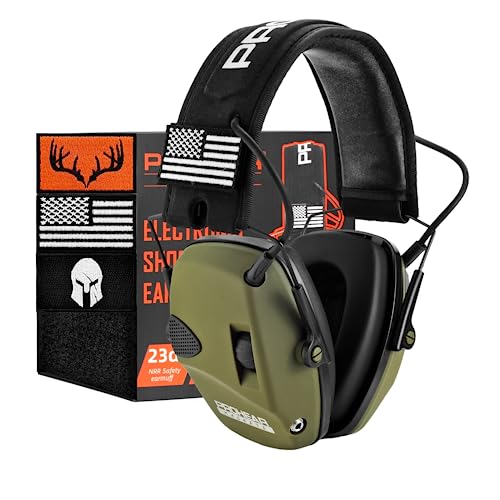
Smart Technology: The active hearing protector makes use of SMART technologies which help to suppress harmful noises like gunshots under 0.01s and also amplifies the low-level sounds you want to hear up to 4x their natural volume that allows you to make a clear conversation. Additionally, the earmuffs work on 2 AAA batteries that offer 300 hours of battery life. So, you don't need to worry about turning it off when the middle of the game

PROTECT YOUR HEARING - Walker's Razor Ear Muffs have an ultra low-profile design featuring extra slim ear cups, for a secure fit; these ear muffs protect against hazardous noises, while still letting you hear everything going on around you clearly
Comprehensive Safety Kits for Shooters
For shooters, investing in extensive safety kits that combine both eye and ear protection is a smart choice. These thorough kits enhance your safety and preparedness while on the range, especially if you are new to shooting or want a simple grab-and-go option.
When you choose a safety kit, you gain:
- High-impact glasses to protect your vision
- Earmuffs with high Noise Reduction Ratings (NRR) for superior sound protection
- Passive earmuffs that come with additional earplugs for versatility
- Accessories like cleaning kits and shockproof cases for convenience
Options like the TradeSmart Shooting Safety Set or the Mossy Oak Lula Shooters Combo offer budget-friendly solutions without compromising on quality. Confirm your shooting experience is safe and effective by selecting a kit that meets ANSI ratings and provides essential protection for both your eyes and ears.
[Amazon Products Picked for You]

NRR 28 MUFFS. NRR 38 WHEN DOUBLED UP: wear the earmuffs on their own, or add the NRR 33 foam earplugs when you want extra protection. Using the standard +5 dB field rule gives a combined NRR 38 for very loud ranges or sensitive ears.

NRR 28 MUFFS. NRR 38 WHEN DOUBLED UP: wear the earmuffs on their own, or add the NRR 33 foam earplugs when you want extra protection. Using the standard +5 dB field rule gives a combined NRR 38 for very loud ranges or sensitive ears.

【Complete Combination Pack】Designed exclusively for gun & shooting range equipment, shooting range accessories come with soundproof earmuffs and comfortable earplugs, as well as safety glasses, microfiber pouch and protective hard case.
Budget-Friendly Ear and Eye Protection Solutions
When you’re on a budget, effective ear and eye protection doesn’t have to be costly. Affordable earmuff options, disposable foam earplugs, and budget-friendly eye protection can all provide safety without straining your finances. Let’s explore these economical solutions that guarantee your shooting experience remains safe and enjoyable.
[Amazon Products Picked for You]

Ultimate Protection for Your Eyes: ONNAIS safety glasses are engineered to meet the ANSI Z87.1+ impact standard with lenses tested to withstand high-velocity projectiles, flying brass, metal shards, and fast-moving debris. Delivering pro-grade eye protection glasses for range sports, industrial jobs, and demanding outdoor activities

Anti Fog Anti Scratch Polycarbonate UV400 Lens blocks 99.9% of harmful UV rays.
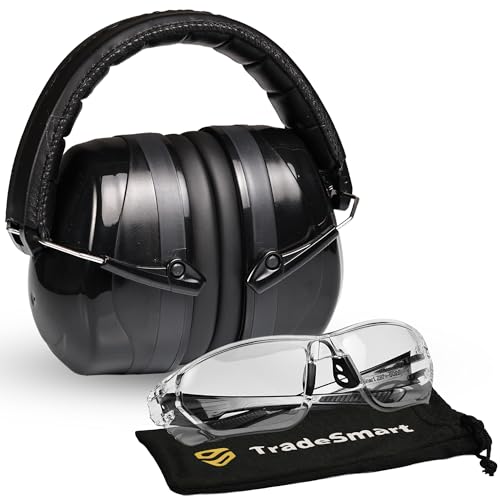
EARS + EYES, ONE KIT: EPA-labeled NRR 28 passive earmuffs protect your hearing. ANSI Z87.1 impact-rated safety glasses protect your eyes. That gives you ear and eye protection in one simple starter kit.
Affordable Earmuff Options
Finding affordable earmuff options is essential for both novice and experienced shooters who want reliable hearing protection without breaking the bank. Here are some budget-friendly earmuff options to evaluate:
- ProCase Noise Reduction Safety Ear Muffs: $12.99, 32dB protection
- LYSIAN Foldable Noise Reduction Earmuffs: $15.28, safety and comfort
- Howard Leight by Honeywell Impact Sport: $64.99, sound amplification
- 3M Peltor Optime 95 Earmuffs: $25.61, 21dB NRR for basic protection
These earmuff options retain essential features like comfort and fit, ensuring you can protect your hearing effectively. By choosing one of these economical solutions, you can enjoy your shooting experience while prioritizing your auditory health.
Inexpensive Foam Earplugs
Inexpensive foam earplugs offer a practical solution for shooters seeking effective hearing protection without a hefty price tag. For instance, the Ear Buddy Foam Earplugs provide a high noise reduction rating (NRR) of 32dB, making them an excellent choice for various shooting activities.
These lightweight, disposable earplugs are easy to use, ensuring convenience for both beginners and experienced shooters alike. Proper insertion is essential; when fitted correctly, they maximize noise reduction and protect your hearing effectively. Additionally, you can wear them under earmuffs for enhanced protection in louder environments. With prices starting around $10, these foam earplugs make it accessible for anyone to invest in their hearing health during shooting sessions.
Budget Eye Protection
Budget-friendly eye protection is essential for shooters looking to safeguard their vision without stretching their wallets. You can find several economical choices that provide both eye and hearing protection without compromising quality:
- TradeSmart Eye and Ear Protection for Shooting: $40.99 with a hard case and an NRR of 28.
- TradeSmart Shooting Safety Set: From $38.41, includes both eye and ear protection in one kit.
- ProCase Noise Reduction Safety Ear Muffs: Just $12.99, featuring a 32dB hearing protection rating.
- LYSIAN Foldable Noise Reduction Earmuffs: At $15.28, designed for safety and comfort.
With these options, you can guarantee your safety on the range while staying within your budget. Don’t compromise on your protection—choose wisely!
Fit and Comfort Mistakes to Avoid
Even strong-rated protection can perform poorly when it does not fit. Before you shoot, check your gear the same way you check your firearm, ammunition, and range rules. Small fit problems can reduce protection and make the session less comfortable.
- Loose earmuffs: Replace worn pads or adjust the headband if the cups do not seal fully.
- Thick glasses arms: Thick temples can break the earmuff seal and let more sound through.
- Incorrect earplug insertion: Roll foam plugs tightly, insert them deeply enough, and let them expand.
- Poor lens coverage: Small lenses may leave the sides of your eyes exposed.
- Fogging: Choose anti-fog lenses or improve ventilation before fog blocks your view.
- Discomfort over time: If gear hurts after a few minutes, you may remove it too often, which defeats the purpose.
Indoor vs. Outdoor Range Protection
Indoor ranges usually feel louder because sound reflects off walls, lane dividers, ceilings, and hard floors. For that reason, indoor shooting often calls for a higher-protection setup. Foam earplugs under earmuffs are a smart choice, especially around centerfire rifles, magnum handguns, or crowded lanes.
Outdoor ranges give sound more space to dissipate, but that does not make hearing protection optional. Muzzle brakes, short barrels, covered firing lines, and nearby shooters can still create intense impulse noise. Electronic earmuffs are popular outdoors because they help you hear commands, conversations, and movement while reducing loud shots.
How to Maintain Your Eye and Ear Protection
Good protection lasts longer when you clean and store it correctly. After each range trip, wipe down glasses, inspect lenses for scratches, and clean sweat or dust from ear cups. Scratched lenses can distort your sight picture, and damaged earmuff pads can weaken the seal around your ears.
- Store shooting glasses in a hard case to prevent scratches.
- Replace foam earplugs after use or when they become dirty or stiff.
- Check electronic earmuff batteries before range day.
- Inspect earmuff pads for cracks, flattening, or separation.
- Keep protection away from extreme heat, oils, and solvents.
- Clean lenses with a microfiber cloth instead of rough paper towels.
Pro Tip: Keep spare foam earplugs in your range bag. They are inexpensive, useful for guests, and helpful if your earmuffs fail or feel uncomfortable.
Who Needs Extra Protection?
Some shooters should take extra care with protection. New shooters may flinch from loud noise, so double hearing protection can make training calmer. Youth shooters need properly sized eyewear and ear protection because adult gear may not seal or fit correctly. Instructors and frequent shooters should also be cautious because repeated exposure adds up over time.
If you already have hearing loss, tinnitus, ear pain, or vision concerns, choose stronger protection and consider professional guidance before repeated range exposure. Range safety starts with gear that fits your body, your environment, and your shooting frequency.
Conclusion
In the world of shooting, the difference between clear vision and painful injury, or hearing loss and auditory clarity, hinges on your choice of protection. By investing in high-quality eye and ear gear, you’re not just safeguarding yourself; you’re enhancing your shooting experience.
As you weigh options, remember that effective protection is the bridge between safety and performance. Don’t let negligence overshadow your passion. Equip yourself for success on the range with the right protective gear, check the fit before every session, and make eye and ear protection part of your normal shooting routine.
Sources
- OSHA Occupational Noise Exposure — background on hazardous noise exposure and hearing protection principles.
- CDC/NIOSH Noise and Hearing Loss Prevention — hearing loss prevention guidance for hazardous noise exposure.
- OSHA Eye and Face Protection Standard — workplace eye and face protection requirements and recognized protection principles.
- OSHA Occupational Noise Exposure Standard — regulatory context for noise exposure and hearing conservation.
