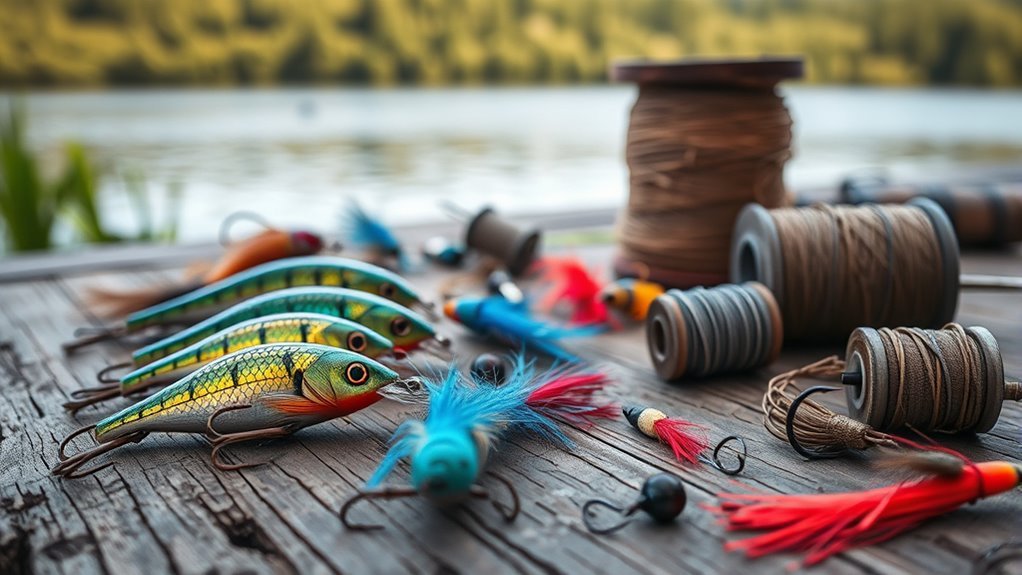
Choosing the right bait for fishing starts with three simple questions: what fish are you targeting, what are they eating, and what are the water conditions like today? Live bait such as worms or minnows can offer natural scent and movement, while artificial lures can help you cover water faster and trigger reaction strikes. When you match your bait size, color, speed, and presentation to the fish’s behavior, you give yourself a much better chance of getting bites.
Quick Answer
To choose the right bait for fishing, match your bait to the target species, local forage, water clarity, temperature, and season. Use natural colors in clear water, brighter or scented options in muddy water, and adjust your bait size and speed based on how active the fish are.
Key Takeaways
- Live bait works well when fish rely on scent and natural movement, especially in tough conditions.
- Artificial lures help you cover water, target aggressive fish, and reuse the same bait many times.
- Clear water usually calls for natural colors, while muddy water often needs brighter colors, vibration, or scent.
- Bait size matters. Smaller bait often gets more bites, while larger bait can help target bigger fish.
- The best anglers adjust often instead of sticking with one bait all day.
At a Glance
| Best For | Beginners and casual anglers choosing bait for freshwater or light saltwater fishing |
| Main Bait Types | Live bait, dead bait, cut bait, soft plastics, jigs, crankbaits, spinnerbaits, and topwater lures |
| Most Important Factors | Target species, water clarity, temperature, season, local forage, depth, and fish activity level |
| Beginner Tip | Start with one natural bait and one artificial lure, then change color, size, or speed before changing everything. |
Types of Fishing Bait

When it comes to fishing bait, you have three main options: live bait, dead bait, and artificial bait. Each one has a place, but the best choice depends on the fish, the water, and how you want to fish.
Live bait, like worms and minnows, often works because it gives fish a natural scent, taste, and movement. Fish do not need to “guess” what it is. That makes live bait a strong option for species such as trout, crappie, catfish, bluegill, and many other freshwater fish.
Live bait’s natural movement and scent make it highly effective, though it demands proper care and can be more expensive.
However, live bait requires proper care. Minnows need oxygenated water, worms need cool storage, and some bait may not stay lively for long in hot weather. Live bait can also cost more over time because you must replace it after each trip.
Dead bait gives you convenience and scent without the same level of maintenance. Fresh cut bait, frozen bait, or whole dead bait can work well for species that feed by smell, especially catfish and some saltwater fish. You can use it whole, in strips, or in chunks to improve hook hold and scent release.
Artificial bait includes lures, jigs, crankbaits, soft plastics, spinnerbaits, spoons, and topwater baits. These baits are designed to mimic prey movement, flash, vibration, color, or profile. They are reusable, easy to store, and useful when you want to cover more water.
Choosing the right bait type comes down to your target fish species and current fishing conditions. If fish are slow and scent-focused, live or cut bait may help. If fish are active and chasing prey, artificial lures can be faster and more efficient.
Note: Some lakes, rivers, and states restrict certain live baits. Always check local fishing rules before using minnows, crayfish, or bait collected from another body of water.
[Amazon Products Picked for You]

Christmas Gift:The Best Christmas Gift,Birthday Gift for Your Friends,Your Familes,and Fishing Enthusiasts

【Essential Fishing Tackle Kit】- PLUSINNO's high-quality bait provides beginners with a variety of options, capable of catching nearly any type of fish, from bass to trout. This versatile starter tackle box with tackle include Texas, Carolina, Florida, Split Shot, No Sinker, Jig Head, and Wacky rigs, totaling 7 types of lure rigs. It's the latest fishing gear for 2025, Whether you're targeting bass or other freshwater fish, this 137-piece baits set in a convenient box has everything you need.

【FONMANG Essential Fishing Tackle Kit】This 2025 new fishing tackle is designed by professional anglers for beginners. With 126 pieces of fishing gear, including 17 types of fishing lures and 13 kinds of accessories to assemble eight rigs like Texas, jig head, Carolina, and drop shot.
Choosing the Right Bait or Lures
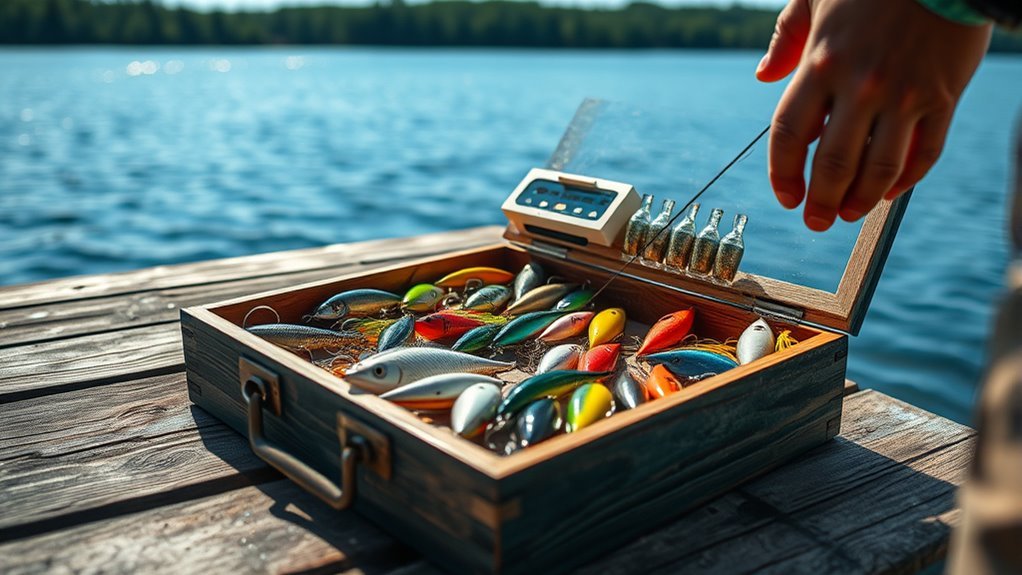
Selecting the right bait or lure can greatly impact your fishing success. Instead of choosing randomly, use a simple process that starts with the fish you want to catch.
- Match the hatch: Look at what the fish naturally eat in that area. If the lake has shad, minnows, insects, crawfish, worms, or small bluegill, choose bait that looks, moves, or smells similar.
- Read the water conditions: Water clarity matters. Natural colors often work better in clear water, while bright colors, vibration, or scent can help fish find your bait in murky water.
- Choose the right size: Larger baits can attract bigger fish, but smaller baits often get more bites. When fish are pressured or inactive, downsizing can help.
- Match the activity level: Fast lures can trigger active fish, while slow presentations often work better when fish are cold, pressured, or holding tight to cover.
- Adjust your depth: Fish may feed near the surface, along weed edges, close to the bottom, or around structure. Pick bait that reaches the right zone.
Experiment with different bait types, including live options, soft plastics, jigs, and reaction baits. Small changes in color, speed, size, or depth can turn a slow day into a productive one.
Understanding local forage fish and how your target species hunt will refine your bait choices and improve your fishing strategy. Happy fishing!
Pro Tip: Change one variable at a time. Switch color, size, speed, or depth separately so you can tell what actually made the fish bite.
Live Vs. Artificial Bait: Which One Should You Use?
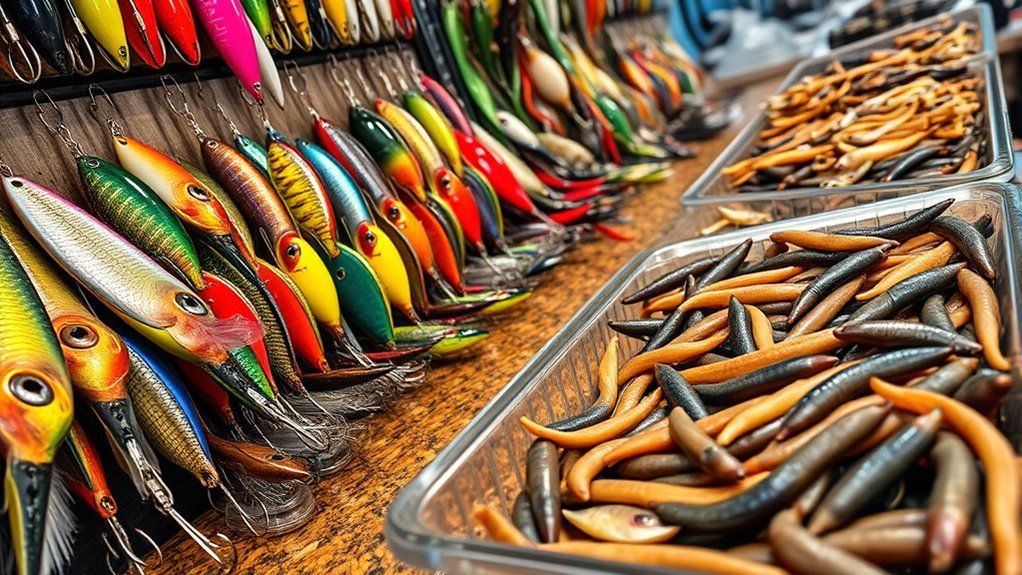
Which type of bait gives you the best chance at landing your target species: live or artificial? The honest answer is that both can work well, but they shine in different situations.
Live bait, like worms and minnows, gives fish a natural scent and presentation. That can be very effective for catfish, crappie, trout, panfish, and other species that feed by smell or inspect food closely before biting.
Live bait also works well for beginners because the bait does part of the work for you. A lively worm, minnow, or cricket already looks natural in the water. You still need the right hook size, depth, and presentation, but the bait itself is familiar to fish.
Artificial bait, such as crankbaits, jigs, spinnerbaits, spoons, and soft plastics, gives you more control. You can choose the speed, action, color, depth, and profile. That makes artificial bait especially useful for bass, pike, walleye, and other predator species that chase moving prey.
Artificial lures are also reusable, easy to carry, and cleaner to store. You can switch between many colors and shapes without buying fresh bait every trip.
Your choice may depend on water clarity. In clear water, natural-colored lures can look more realistic. In stained or muddy water, bright colors, vibration, scent, or noisy lures can help fish locate your bait.
Ultimately, understanding the feeding behavior of your target species is key. Some fish respond better to the scent and movement of live bait, while others react to the flash, vibration, or speed of artificial lures.
| Bait Type | Best For | Main Drawback |
|---|---|---|
| Live bait | Natural scent, beginner-friendly fishing, slow bites | Needs care and may be restricted in some areas |
| Dead or cut bait | Catfish, scent-based feeding, bottom fishing | Can be messy and less active-looking |
| Artificial bait | Covering water, targeting aggressive fish, reusable setups | Requires more skill with retrieve speed and presentation |
Choose wisely, and you will increase your chances of a successful catch.
[Amazon Products Picked for You]
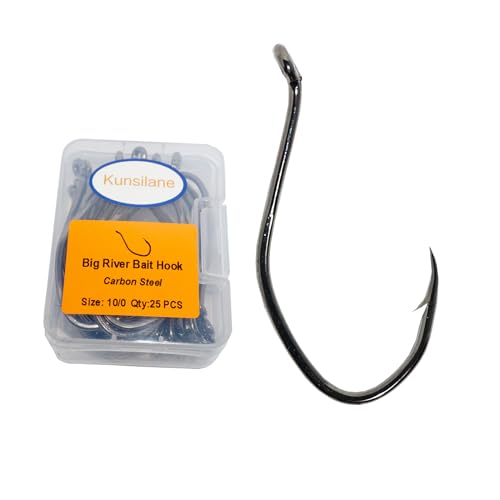
Engineered for the Bigger Catch: This catfish hook is designed for anglers to catch larger fish. Its unique bend and extra-wide gap accommodate large baits, making it ideal for large cut baits(like skipjack, bluegill) and strong enough to fight with large fish. Perfect for both newbies and experienced fishermen aiming to elevate their fishing game.

Glow in the Dark for Night Fishing Success: Attention: Please use a flashlight to shine directly for 15 minutes before use to activate the night light effectOur glow in the dark fishing hooks feature a powerful luminous coating that attracts fish even in the darkest waters. Perfect for night fishing hooks enthusiasts who want to maximize their catch after sunset (Already applied for a patent)
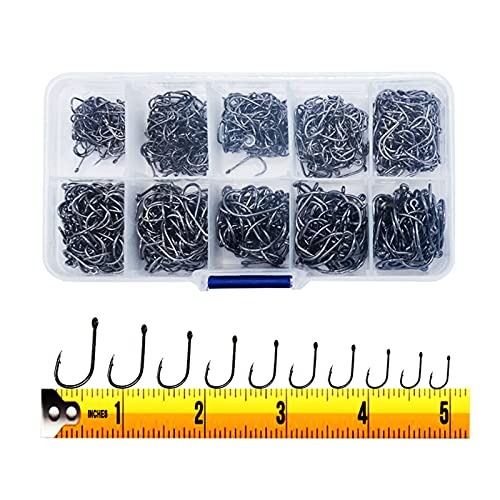
OUR PRODUCTS: A reasonable combination of fish hooks, 3#, 4#, 5#, 6#, 7#, 8#, 9#, 10#, 11#, 12#, a total of 10 types of fish hooks 30PCS each.
Choosing the Right Bait for Different Fish Species

When you are out fishing, choosing the right bait can make all the difference, especially when each species feeds in a different way.
For instance, bass often respond to aggressive lures, while crappie usually prefer smaller, more subtle presentations like small jigs or minnows. Trout may take worms, small spinners, spoons, or dough-style bait, depending on the water and season.
Do not forget to consider the season. Colder months may call for slower-moving bait, while warmer water often lets you use a faster approach.
Popular Bait Options
Understanding the right bait options can make all the difference in your fishing success. Different fish species have unique feeding habits, so match your bait to how they naturally eat.
- Bass: Try soft plastics, topwater lures, jigs, spinnerbaits, and crankbaits. Bass are aggressive feeders and often respond well to movement, vibration, and realistic prey shapes.
- Crappie: Use small minnows, tiny jigs, and tube baits that mimic their natural prey. Crappie often school around brush, docks, timber, and submerged structure.
- Trout: Opt for live worms, small spoons, spinners, or prepared bait. A natural presentation can help when trout are cautious in clear water.
- Catfish: Use cut bait, chicken liver, nightcrawlers, stink bait, or live bait where legal. Scent matters because catfish often feed along the bottom and rely heavily on smell.
- Bluegill and panfish: Small worms, crickets, wax worms, tiny jigs, and small pieces of bait usually work well. Keep the bait small because these fish have smaller mouths.
- Walleye: Minnows, leeches, nightcrawlers, jigs, and crankbaits can work well. Depth and speed matter because walleye often feed near structure, drop-offs, or low-light areas.
Seasonal Considerations
As the seasons change, fish behavior changes too. That makes it important to adapt your bait selection throughout the year.
In spring, rising water temperatures can make bass more aggressive. Soft plastics, spinnerbaits, jerkbaits, and topwater lures can work well when fish move shallow.
During summer, catfish are often active, especially during low-light periods. Live bait, cut bait, shad, bluegill where legal, or strong-scented baits can help draw them in.
In fall, crappie fishing often improves as fish school up and follow baitfish. Small minnows, jigs, and tube baits can be productive around brush piles, docks, and deeper cover.
Winter usually calls for slower presentations. Trout, bass, crappie, and other species may feed less aggressively in cold water, so use slow-moving baits, smaller profiles, or live bait in deeper pools and steady current areas.
Bait Size and Hook Size
Bait size should match both the fish’s mouth and its mood. A big bait can tempt a bigger fish, but it can also reduce the number of bites. A smaller bait often catches more fish, especially when fish are pressured or feeding on tiny forage.
Hook size matters too. If the hook is too large, small fish may avoid the bait or fail to take it fully. If the hook is too small, you may miss hooksets or lose larger fish. Choose a hook that holds the bait naturally while leaving enough hook point exposed for a clean hookset.
Water Conditions & Bait Selection
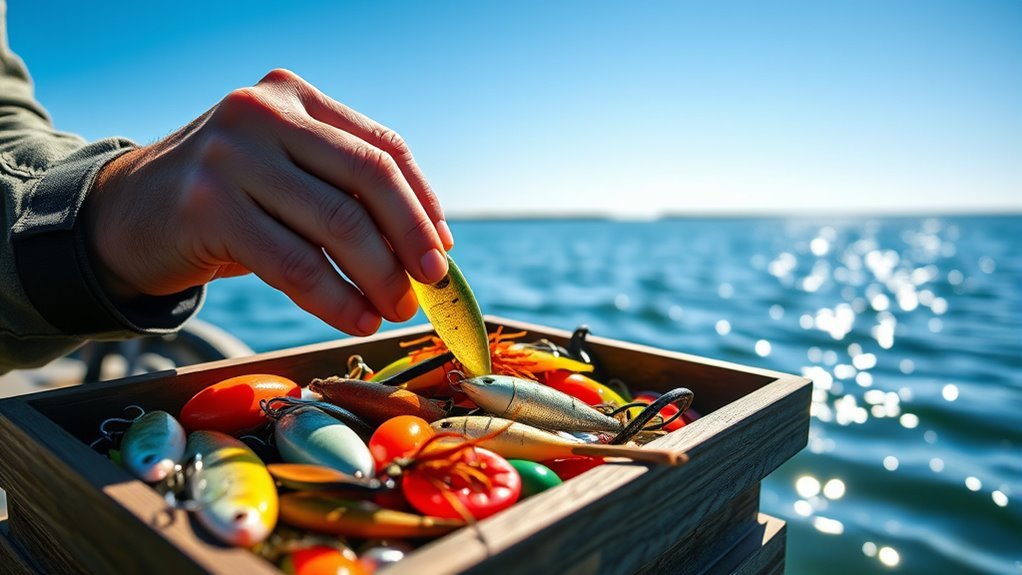
Choosing the right bait for fishing depends heavily on the water conditions you face. Water clarity, temperature, current, light, and depth can all change how fish feed.
By understanding how these factors affect fish behavior, you can optimize your bait selection. Here are three key considerations based on water conditions:
- Clear water: Use natural-colored baits like greens, browns, silvers, whites, and shad patterns. Subtle movements often look more realistic in clear water.
- Muddy water: Choose bright-colored, noisy, vibrating, or strongly scented baits. Colors like chartreuse, orange, white, black, and pink can help fish find your bait.
- Temperature influence: In cold water, slow-moving baits like soft plastics, jigs, or live bait often work best. In warm water, fast-moving lures like topwater baits, crankbaits, and spinnerbaits can match more aggressive feeding behavior.
Current also matters. In rivers and streams, fish often face upstream and wait for food to drift toward them. Present your bait naturally with the current instead of forcing it against the flow.
Wind can help or hurt your bait choice. A light wind may push baitfish toward banks and points, making moving lures effective. Strong wind can make subtle baits harder for fish to notice, so vibration or scent may help.
Adjusting your bait choices based on water conditions can boost your catch rates and keep your presentation in sync with fish preferences.
Warning: Never dump unused live bait into a lake, river, or pond. Bait released into the wrong water can spread disease or invasive species. Dispose of unused bait according to local rules.
Where to Get Fishing Bait
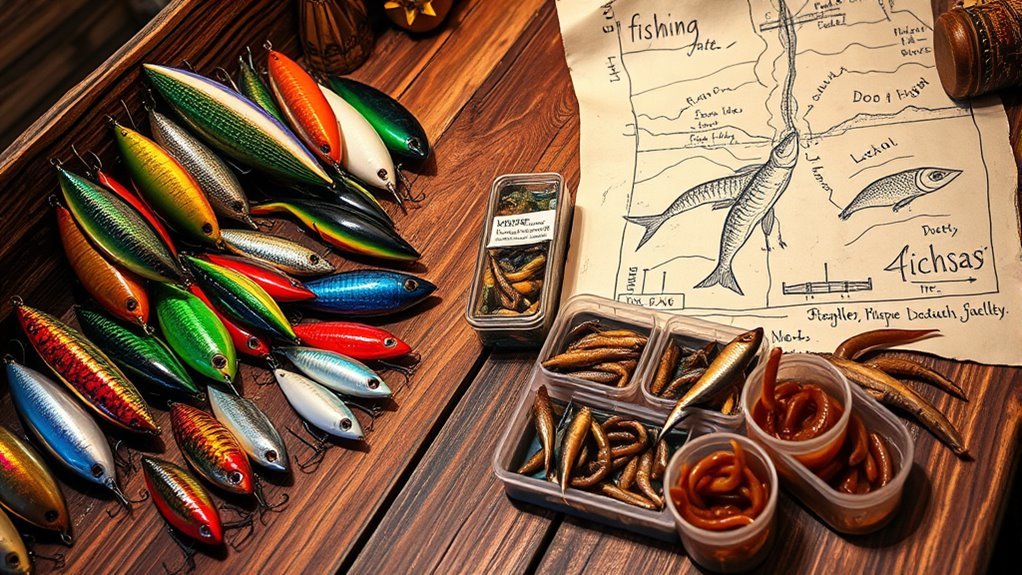
Whether you are a seasoned angler or just starting out, knowing where to get fishing bait can make a real difference in your success on the water.
For live bait, local bait shops are often your best bet. They usually carry fresh worms, minnows, crickets, leeches, shrimp, or other local options. A good bait shop can also tell you what anglers have been using recently.
If you prefer convenience, grocery stores and fishing supply shops may carry dead bait, frozen bait, shrimp, chicken liver, corn, bread, or other simple options. These can work well for certain species and are easy to transport.
For artificial bait, sporting goods stores and online retailers offer crankbaits, soft plastics, jigs, spoons, spinnerbaits, hooks, and terminal tackle. Artificial bait gives you more variety and lets you prepare before the trip.
Local fishing charters or guides often provide bait as part of their service. This can be helpful if you are fishing unfamiliar water or targeting a species you have never caught before.
You can also explore local fishing communities for tips on where to find specific bait for nearby fishing spots. Pay attention to what people are catching fish on, not just what looks good in the package.
Happy fishing!
[Amazon Products Picked for You]

BERKLEY GULP! ALIVE! MINNOW FRESHWATER SOFT PLASTIC BAITS: Featuring lifelike scent, taste and texture with a profile that matches the real thing, Berkley Gulp! Alive! Minnows are an essential tool for anglers who want to catch more fish.

Natural emerald shiners

【 Bait Holding Design】FishTrip baitholder fishing hooks feature double barbs on the shank to securely hold worms, minnows, and soft plastics. This unique design effectively prevents the bait from slipping, making it an ideal bait hook choice for various fishing scenarios
Fishing One Bait Behind Another
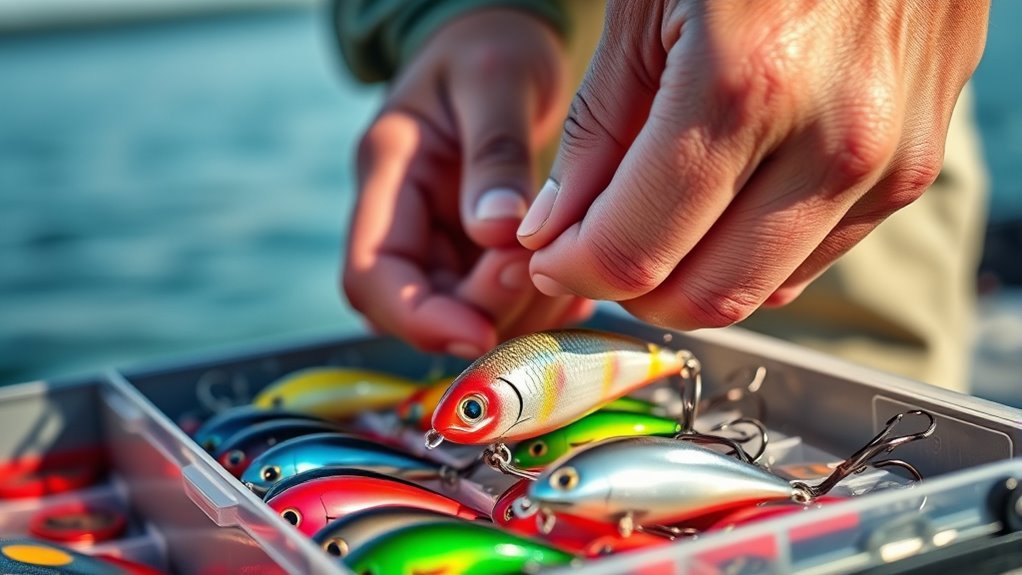
Fishing one bait behind another can enhance your chances of landing a catch, especially when fish follow, swipe, or miss the first bait.
When you are competing for fish or dealing with pressured water, it helps to select a second bait that looks different enough to trigger another bite. Here is how to use this technique:
- Choose a primary bait: Start with a more aggressive bait, like a spinnerbait, swim jig, crankbait, or topwater lure, to attract attention.
- Select a complementary bait: Follow up with a slower or more subtle bait, such as a soft plastic worm, light Texas rig, small jig, or finesse bait.
- Match the color family: Keep your follow-up bait close to the color scheme of the primary bait when fish show interest but do not commit.
Having a rigged complementary bait ready increases your efficiency. Instead of wasting time retying, you can cast quickly while the fish is still near the strike zone.
This approach works well when fish are curious but hesitant. A fast bait gets attention, while the slower bait gives the fish an easier target.
Covering Water
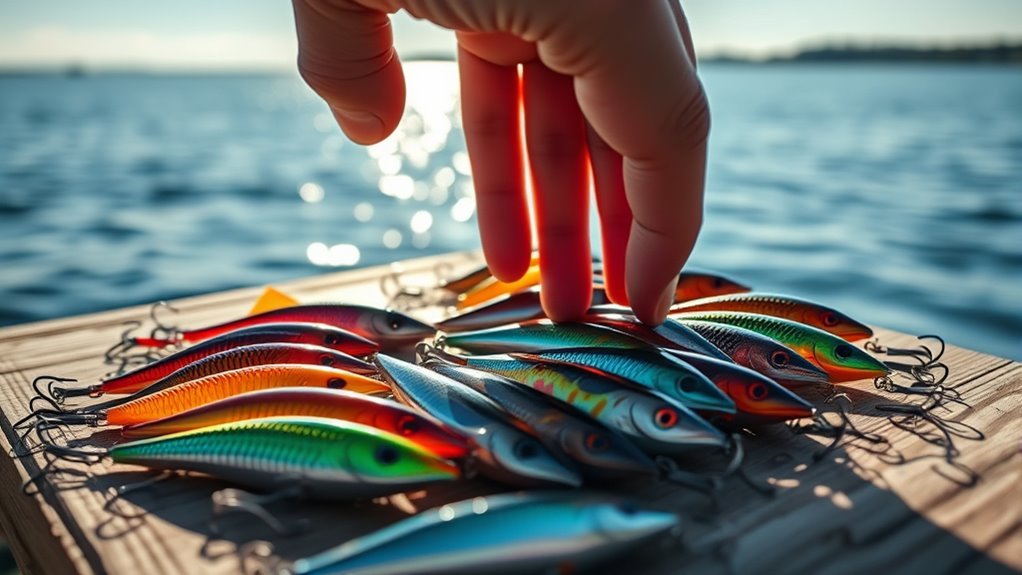
When you are out on the water, using faster baits like toads, spinnerbaits, buzzbaits, or crankbaits helps you quickly test areas that might not hold fish.
Once you pinpoint where the fish are, switching to slower-moving baits lets you explore those productive spots more thoroughly.
This strategy saves time and improves your chances of landing a catch because you are not spending too long in dead water.
Fast Bait Techniques
Covering water efficiently can be the key to locating active fish in any body of water. To maximize your chances, use artificial fast-moving baits like buzzbaits, spinnerbaits, crankbaits, swimbaits, or toads.
Here are three techniques to help you:
- Vary your retrieval speed: Adjust how fast you retrieve based on water temperature and fish activity. Faster retrieves often work better in warmer conditions.
- Alternate baits: Switch between different fast baits to trigger fish that may not bite the first option.
- Focus on productive areas: Quickly cover empty stretches, then slow down around points, weed edges, docks, rocks, timber, shade, and visible baitfish activity.
Transitioning to Slower Baits
Once you have located active fish with fast-moving baits, transitioning to slower options can help you capitalize on those encounters.
After you identify a productive area, consider shifting to slower baits like swim jigs, soft plastic worms, Ned rigs, drop shots, live bait, or cut bait. These options can entice bites from fish that followed your faster offering but did not strike.
Slower presentations allow you to cover the same water more carefully. By balancing speed with patience, you can secure more strikes and maximize your catch rate.
The goal is to adapt your approach based on fish behavior. If fish are chasing, keep moving. If they are following or missing, slow down and give them an easier meal.
Happy fishing!
Efficient Water Coverage
To maximize your chances of landing fish, efficient water coverage is key. Start by using faster-moving baits to draw fish from a distance.
Here is how to do it effectively:
- Use fast baits like buzzbaits, spinnerbaits, crankbaits, swimbaits, or toads to quickly cover unproductive stretches.
- Transition to slower baits such as swim jigs, soft plastics, worms, or cut bait once you locate fish.
- Cast from different angles and distances to explore various depths, structures, current seams, and cover.
Regularly assess your bait’s effectiveness and adjust your strategy based on water conditions and fish behavior.
This balance of speed and thoroughness will help you maximize water coverage and improve your odds of finding active fish.
Follow-Up Baits and Final Thoughts
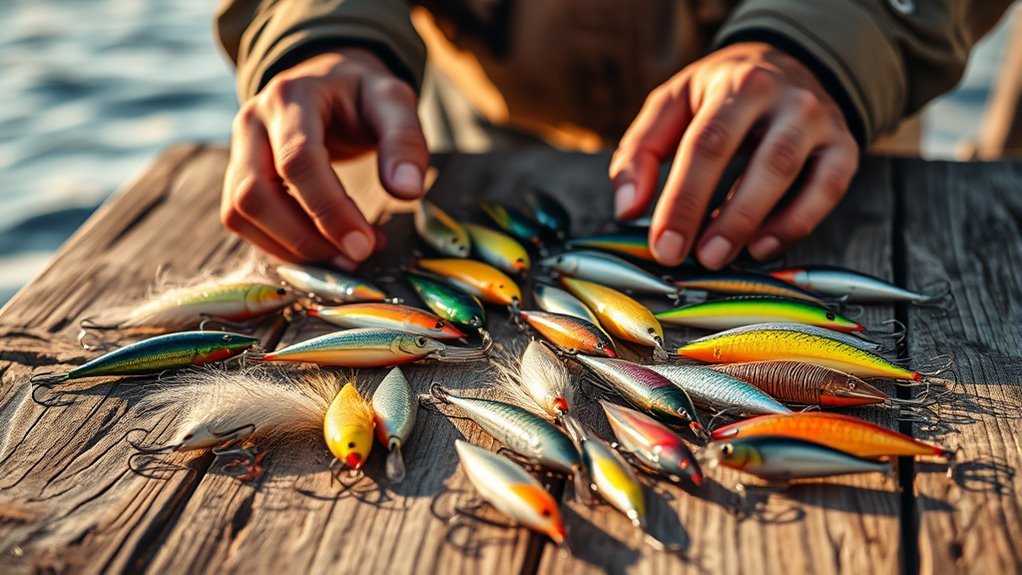
When a fish misses your primary bait, having a follow-up bait ready can make the difference between a missed chance and a landed fish. Instead of recasting the same bait right away, quickly present your follow-up bait while the fish is still interested.
A light Texas rig, for instance, can trigger a second strike after a fish misses a swim jig. A soft plastic worm can work after a missed spinnerbait strike, while a jerkbait may tempt fish that follow a crankbait without committing.
Choosing complementary follow-up baits that match the color scheme of your primary bait improves visual consistency. It also gives the fish a slower or easier target after the first reaction strike fails.
Developing a varied arsenal of follow-up baits tailored to different scenarios will boost your fishing success.
| Primary Bait | Recommended Follow-Up Bait |
|---|---|
| Swim Jig | Light Texas Rig |
| Spinnerbait | Soft Plastic Worm |
| Crankbait | Jerkbait |
| Topwater Lure | Popper |
Incorporating follow-up baits can enhance your fishing experience and increase your catch rate. Keep one ready, especially when fishing bass, pike, or other predator fish that often follow before striking.
Related Guides
Frequently Asked Questions
How do you choose the right bait for fishing?
To choose the right bait for fishing, consider your target species, local forage, water clarity, season, temperature, and fish activity level. Match your bait size, color, scent, and movement to what fish are already feeding on.
What is the 80/20 rule in bass fishing?
The 80/20 rule in bass fishing means you may catch most of your fish from a small percentage of the water. Focus on high-percentage spots like points, ledges, docks, weed edges, shade lines, current breaks, and areas with visible baitfish.
How do you figure out what lure to use?
To figure out what lure to use, start with the target fish, water clarity, depth, cover, season, and local forage. Use moving baits to find active fish, then switch to slower lures if fish follow, miss, or stop biting.
What bait works for every fish?
No single bait works for every fish. However, worms, minnows, small jigs, and soft plastics are versatile options that can catch many species. Adjust your bait based on fish size, water conditions, and feeding behavior.
Is live bait better than artificial bait?
Live bait can be better when fish are slow, pressured, or feeding by scent. Artificial bait can be better when fish are active and you need to cover water quickly. Many anglers carry both so they can adjust during the trip.
What color bait should you use in muddy water?
In muddy water, try bright colors like chartreuse, orange, pink, or white. Dark colors like black or junebug can also create a strong silhouette. Scent, vibration, and sound can help fish find your bait when visibility is low.
Conclusion
In the world of fishing, bait selection is one of your most useful tools. By understanding bait types, target species, water clarity, temperature, season, and fish behavior, you can make smarter choices instead of guessing.
Whether you choose live bait, dead bait, cut bait, or artificial lures, the key is to adapt. Start with what should work, watch how fish respond, and adjust your size, color, speed, depth, or scent when needed.
Fishing success rarely comes from one perfect bait. It comes from paying attention, experimenting, and letting the conditions guide your next cast. Gear up, stay flexible, and let the right bait lead you toward a better day on the water.