Storing fresh fish might seem straightforward, but improper handling can quickly lead to spoilage, poor texture, and foodborne illness risk. Fish is delicate because it has high moisture, soft flesh, and natural enzymes that keep working after harvest. To keep it safe and flavorful, you need to control temperature, limit air exposure, package it well, thaw it correctly, and cook it while it still smells clean and feels firm. This guide walks you through the fish storage basics that help you protect both quality and safety from the moment you bring fish home.
Quick Answer
Store fresh fish in the coldest part of your refrigerator, ideally on ice, and cook it within 1 to 2 days. Freeze fish at 0°F (-18°C) or lower in airtight, moisture-proof packaging. Thaw it in the refrigerator, never in warm water, and discard fish with sour odors, slimy texture, or discoloration.
Key Takeaways
- Keep fresh fish very cold, ideally near 32°F (0°C), and cook it within 1 to 2 days for the best safety and flavor.
- Freeze fish at 0°F (-18°C) or lower in airtight, moisture-proof packaging to reduce freezer burn and quality loss.
- Thaw fish in the refrigerator or cook it from frozen; avoid warm water and microwave thawing when quality matters.
- Check freshness before cooking by smelling the fish, feeling the flesh, and looking for clear eyes, bright gills, and firm texture when buying whole fish.
- Never store fish uncovered, leave it at room temperature, or refreeze fish repeatedly because those habits hurt both quality and safety.
At a Glance
| Time Required | 5 to 10 minutes to package fresh fish; several hours or overnight to thaw safely in the refrigerator. |
| Difficulty | Easy, but temperature control and clean handling matter. |
| Tools Needed | Food thermometer, refrigerator thermometer, freezer thermometer, ice, shallow tray, airtight bags or containers, paper towels, labels, marker, and optional vacuum sealer. |
| Cost | Low. Most supplies are reusable, and better storage helps reduce wasted fish. |
Importance of Proper Fish Storage

When you store fish properly, you greatly enhance its freshness and safety, as fish is highly perishable. Keep fresh fish as cold as possible without letting it sit directly in melted water. A sealed bag or covered container set over ice in a shallow tray works well because the fish stays cold while the meltwater drains away from the flesh.
For food safety, refrigerator temperatures should stay at or below 40°F (4°C), while fish quality is best when the fish is held closer to 32°F (0°C). The U.S. Food and Drug Administration recommends refrigerating seafood promptly and cooking or freezing it within 1 to 2 days. This practice helps preserve flavor, texture, and safety.
Avoid exposing fish to warm air, direct sunlight, or freezer temperature swings. Heat and air speed up spoilage, while repeated thawing and refreezing can damage texture and increase freezer burn. Regularly check stored fish for signs of spoilage, such as sour odors, dull color, sticky or slimy surfaces, or flesh that no longer feels firm. By following these guidelines, you can make certain that only fresh and safe fish makes it to your plate.
Warning: Do not leave raw fish at room temperature while you finish other prep. Put it back in the refrigerator or on ice whenever you are not actively handling it.
Best Practices for Storing Fish

To maintain the finest quality of fish, you need to understand fresh storage, effective freezer storage techniques, and proper thawing methods. Fish can lose quality quickly when it sits in air, absorbs odors from the refrigerator, or warms above safe temperatures. A simple storage routine helps prevent those problems.
Use clean hands, clean cutting boards, and clean containers whenever you handle fish. Keep raw fish separate from ready-to-eat foods, fresh produce, and cooked leftovers. If the fish leaks, place it in a rimmed tray so raw juices do not drip onto other foods.
Fresh Refrigerator Storage
Fresh fish should go into the refrigerator as soon as you get home. Remove store wrapping if it is loose, wet, or torn, then pat the outside of the fish dry with clean paper towels. Place the fish in a food-safe bag or covered container, set it over crushed ice in a shallow tray, and keep it in the coldest part of the refrigerator.
Drain melted ice when needed so the fish does not soak in water. Soaking can soften the surface and weaken the texture. If you bought fish in a sealed retail package, keep it sealed unless the package is leaking or you plan to cook the fish soon.
Freezer Storage Techniques
Freezer storage techniques are essential for maintaining the quality and safety of fish. Freeze fish as soon as possible if you will not cook it within 1 to 2 days. Use moisture-proof packaging, freezer-safe bags, or vacuum-sealed bags to reduce air exposure and help prevent freezer burn.
Store fish in the center of an auto-defrost freezer when possible. This position helps reduce exposure to warmer areas near the walls, door, or defrost system. For best long-term quality, a manual defrost freezer often provides steadier cold conditions. Label each package with the fish type and freezing date so you can rotate older packages first.
For best quality, use lean fish within about 6 to 8 months and fattier fish, such as salmon or mackerel, within about 2 to 3 months. Frozen fish kept continuously at 0°F (-18°C) or lower remains safe longer, but flavor and texture gradually decline. By following these freezer storage techniques, you’ll help preserve the freshness and flavor of your fish.
Thawing Methods Explained
Proper thawing methods play a significant role in maintaining the quality and safety of fish. The best method for thawing fish is to place it in the refrigerator for several hours or overnight. This slow method keeps the fish cold while it thaws evenly.
If fish is vacuum packed, remove it from the vacuum packaging before thawing in the refrigerator, then cover it loosely in a clean dish or resealable bag. This step helps reduce moisture buildup and supports safer thawing. Avoid using a microwave for thawing when texture matters, as it can warm thin edges while the center stays frozen. Thawing fish in warm water is also not recommended because it can move the surface into the temperature range where bacteria grow faster.
Alternatively, you can cook fish directly from frozen. This option works well for fillets, portions, and quick weeknight meals. Rinse off ice glaze if needed, pat the fish dry, season it, and add a few extra minutes to the cooking time.
Preparation Tips for Cooking
When preparing fish for cooking, rinsing and patting it dry can help remove ice glaze or loose scales, but you do not need to rinse every fillet. If you rinse fish, use cold running water, keep splashing to a minimum, and clean the sink area afterward. Patting fish dry is the most important step because a dry surface browns better.
If you’re cooking wild Alaskan salmon filets, keeping the skin on can help protect the flesh from direct heat and hold the fillet together. Always thaw fish in refrigeration when you have time to preserve its texture and flavor. When cooking, remove the fish from heat as soon as it turns opaque and flakes easily with a fork. The fish will continue to cook briefly from residual heat.
Finally, enhance your eating experience by checking for and removing any pin bones with tweezers or needle-nose pliers before cooking. Follow these tips for better preparation, cleaner flavor, and more consistent results.
Pro Tip: If you plan to freeze several portions, package fish in meal-size amounts. Smaller, flatter packages freeze faster, thaw more evenly, and reduce the need to refreeze leftovers.
Ideal Temperature for Fish Preservation
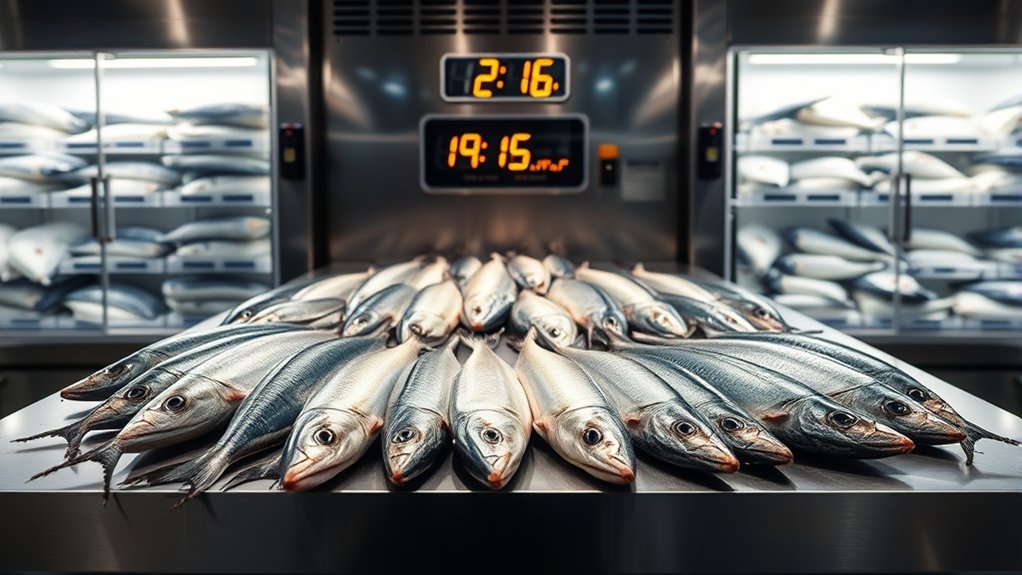
To effectively preserve fish, you need to maintain ideal storage temperatures. Fresh fish should be kept as cold as possible in the refrigerator, ideally near 32°F (0°C), while the refrigerator itself should remain at or below 40°F (4°C). Freezing should occur at 0°F (-18°C) or lower. Consistent temperature control is essential to prevent spoilage and protect quality.
Optimal Freezer Temperature Range
Maintaining an ideal freezer temperature is essential for preserving the quality and safety of fish. The ideal freezer temperature range for fish preservation is 0°F (-18°C) or lower. According to the USDA Food Safety and Inspection Service, freezing keeps food safe by slowing the movement of molecules and causing microbes to enter a dormant stage.
It is vital to keep a consistent temperature. Fluctuations can lead to ice crystal growth and freezer burn, which degrades quality. Store fish in the center of the freezer, away from the door and warmer surfaces, to reduce partial thawing and refreezing. If you’re using an auto-defrost freezer, remember that it may cause small temperature changes during defrost cycles.
For longer-term fish storage, a manual defrost freezer can be helpful because it usually holds a steadier temperature. Regularly check the temperature with a freezer thermometer to verify it stays within the ideal range.
Importance of Temperature Control
Effective temperature control is crucial for preserving the freshness and quality of fish. Store fish in the coldest part of your refrigerator or over ice to inhibit bacterial growth and maintain its flavor. Temperatures above 40°F (4°C) can allow spoilage to happen faster, resulting in unpleasant odors, soft texture, and compromised quality.
When freezing, keep fish at 0°F (-18°C) or lower to reduce freezer burn and maintain quality. Regularly check and adjust the temperature of your refrigerator and freezer to guarantee ideal conditions for fish preservation. Proper temperature control is critical for safe and enjoyable fish consumption.
A refrigerator thermometer and freezer thermometer are inexpensive tools, but they can prevent the most common fish storage mistake: assuming your appliance is colder than it really is.
How to Store Fish in Your Freezer
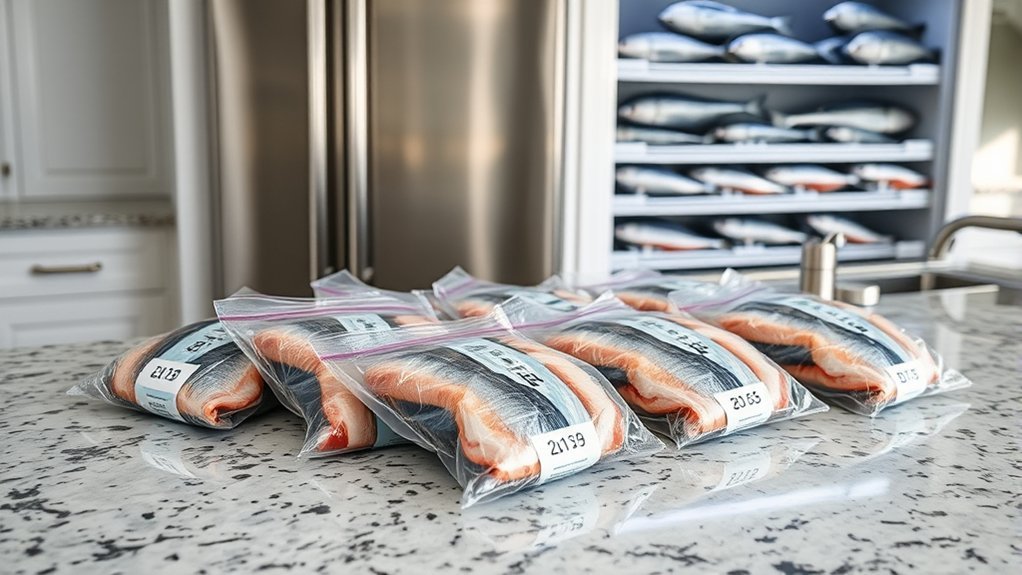
Store fish properly in your freezer to maintain its quality and freshness. Start with the freshest fish possible. If the fish already smells sour or feels slimy, freezing will not restore quality. Freezing preserves the condition of the fish at the time you freeze it, so it pays to freeze fish early.
Place fish in the center of the freezer or in a manual defrost freezer to reduce partial thawing and refreezing, which can lead to freezer burn. Use vacuum-sealed bags, freezer paper, or heavy-duty freezer bags to minimize air exposure. Press out as much air as possible before sealing. If you use a container, choose one that fits closely so extra air space stays low.
Always label each package with the freezing date, fish type, and portion size. Fish is best used within 3 to 6 months for peak freshness, although exact quality time depends on the fish type and packaging. Fatty fish usually loses quality faster than lean fish because its natural oils can develop stale flavors over time.
Avoid placing fish near heating elements, freezer walls, or the door to guarantee even freezing and prevent thawing. Regularly check the freezer temperature, aiming for a consistent 0°F (-18°C) or lower, as this helps maintain the fish’s quality. By following these steps, you’ll ensure your frozen fish stays fresh and flavorful until you’re ready to cook.
Best Packaging Options for Frozen Fish
The best packaging blocks air, moisture loss, and odors. Vacuum sealing works well because it removes air and creates a tight barrier. Heavy-duty freezer bags also work if you press out the air before sealing. For extra protection, wrap fish tightly in plastic wrap first, then place it in a freezer bag.
You can also freeze fish in a thin glaze of ice for short-term storage. To do this, freeze the unwrapped fish until firm, dip it briefly in cold water, return it to the freezer until the water freezes, and repeat until a thin protective ice layer forms. Then package it in a freezer bag. This method helps shield the surface from air, but airtight packaging is still important.
How Long Fish Lasts in Storage
Storage time depends on fish type, temperature, and packaging. Fresh fish generally tastes best when cooked within 1 to 2 days. Cooked fish can usually be refrigerated for 3 to 4 days when cooled quickly and stored in a covered container. Frozen fish keeps its best quality for a few months, especially when wrapped well.
| Fish Type | Refrigerator Storage | Freezer Quality Window |
|---|---|---|
| Fresh raw fish | 1 to 2 days | Freeze promptly if not cooking soon |
| Lean fish, such as cod, haddock, or flounder | 1 to 2 days | About 6 to 8 months for best quality |
| Fatty fish, such as salmon, trout, or mackerel | 1 to 2 days | About 2 to 3 months for best quality |
| Cooked fish | 3 to 4 days | About 1 to 3 months for best quality |
Understanding Auto-Defrost Freezers
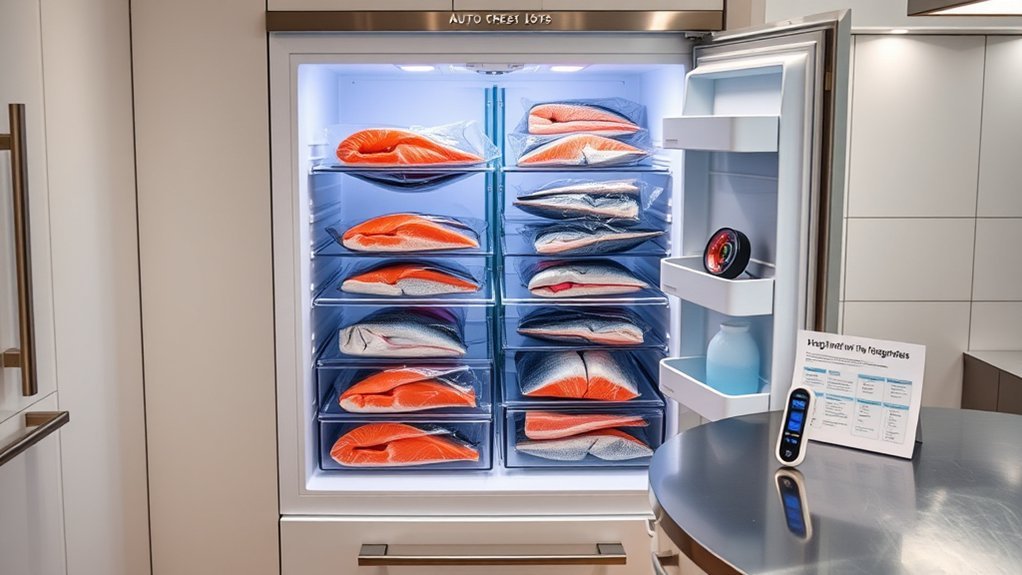
Although auto-defrost freezers are convenient, they can pose challenges for storing fish effectively. These freezers warm parts of the freezer during a defrost cycle to melt frost, which can lead to small temperature fluctuations. When you store fish in an auto-defrost freezer, repeated exposure to warmer air can raise the risk of surface drying and freezer burn.
This process does not automatically make the fish unsafe if it remains frozen at safe temperatures, but it can damage quality. Ice crystals can form on the surface, moisture can move out of the flesh, and the cooked fish may taste dry or stale. This quality loss is especially noticeable in thin fillets and fatty fish.
To reduce these issues, position the fish away from the door and warmer areas, ideally in the center of the freezer. Use tight, moisture-proof packaging, and avoid opening the freezer more than needed. If possible, consider using a manual defrost freezer for better long-term preservation. Maintaining a consistent low temperature is essential because fluctuations can compromise the freshness and quality of your frozen fish.
Tips for Thawing Fish Safely
When thawing fish, always prioritize the refrigeration method for the best results. This approach maintains the fish’s quality and safety by allowing it to thaw gradually. Avoid using a microwave when quality matters, as it can lead to uneven heating and negatively impact the fish’s texture.
Refrigeration Method
Thawing fish correctly is essential for maintaining its quality and safety, so using the refrigeration method is highly recommended. This method allows fish to stay cold while it returns from frozen to flexible, preserving its texture and flavor. Here are some key points to follow:
| Thawing Tips | Details |
|---|---|
| Remove from packaging | Take fish out of vacuum packaging before thawing, then place it in a clean covered dish. |
| Avoid microwaves | Microwaving can warm thin edges and cause uneven cooking. |
| Never use warm water | Warm water can encourage faster bacterial growth on the surface. |
| Cook from frozen if needed | It’s safe and convenient for quick meals when you adjust the cooking time. |
| Time required | Thaw overnight for ideal results, especially for thicker portions. |
Avoid Microwave Thawing
Using a microwave to thaw fish can compromise its quality, leading to uneven cooking and a less desirable texture. Instead, thaw your fish in the refrigerator for best results. This slow method keeps the protein structure intact, preserving both flavor and texture.
Avoid using warm water for rapid thawing, as it can encourage harmful bacteria to grow on the fish’s surface. If you’re in a hurry, consider cooking fish directly from frozen; it’s a practical option that maintains quality better than rushed thawing. Always remember to remove fish from vacuum packaging before thawing to guarantee even thawing and reduce moisture problems. By following these guidelines, you can enjoy high-quality fish dishes every time.
Recommended Thawing Methods
To guarantee the best quality and safety of your fish, it’s essential to follow recommended thawing methods. The safest way is to thaw your fish in the refrigerator for several hours or overnight. This method keeps the fish at a safe temperature and guarantees even thawing. Always remove frozen fish filets from vacuum packaging before thawing, then place them in a clean covered dish or resealable bag.
Avoid microwaving when you want the best texture, as it can lead to uneven cooking. Additionally, don’t use warm water to speed up thawing; it promotes bacterial growth and degrades the fish’s quality. If you’re short on time, you can cook fish directly from frozen. Just adjust your cooking times accordingly and check that the fish reaches a safe cooked texture.
Here’s a quick reference table for your thawing methods:
| Method | Notes |
|---|---|
| Refrigerator | Best method; safe and even thawing |
| Microwave | Not recommended for best texture; can lead to uneven cooking |
| Warm Water | Avoid; promotes bacteria and compromises quality |
| Direct Cooking | Possible; adjust cooking times |
| Vacuum Packaging | Remove before thawing to support safer, more even thawing |
Note: If thawed fish still contains ice crystals but bends easily, you can usually cook it safely. Expect a slightly longer cooking time.
Preparing Fish for Cooking
Preparing fish for cooking requires careful attention to detail to guarantee ideal flavor and texture. Here’s how to get your fish ready:
- Rinse and Dry: Rinse the fish under cold water only when needed, such as when removing ice glaze, loose scales, or surface residue. Pat it dry with paper towels. This removes excess moisture and helps you achieve a better sear during cooking.
- Skin-on Salmon: If you’re cooking skin-on salmon, leave the skin intact. It helps protect the delicate flesh, adds flavor, and can be removed after cooking if desired.
- Room Temperature: Keep fish cold until shortly before cooking. You may let thinner portions sit for about 10 to 15 minutes while you prepare the pan, but do not leave raw fish out for long periods.
- Remove Pin Bones: Use a sharp knife and tweezers or needle-nose pliers to remove any pin bones from the fillets for a pleasant eating experience.
Lastly, season the fish lightly with salt and pepper, herbs, citrus, or a marinade that enhances its natural flavors without overpowering them. These fish storage basics will set you up for success because good cooking starts with properly handled fish.
Safe Cooking Temperature and Doneness
The FoodSafety.gov safe minimum internal temperature chart lists fish at 145°F (63°C). At that point, the flesh should look opaque and separate easily with a fork. A food thermometer gives the most reliable check, especially for thicker fillets, whole fish, and stuffed fish.
If you prefer a softer texture for certain fish, follow a trusted recipe and understand the risk level of your ingredients. Young children, older adults, pregnant people, and anyone with a weakened immune system should be more cautious with undercooked seafood.
Checking for Freshness Before Cooking
How can you guarantee the fish you’re about to cook is fresh? Start by checking the smell. Fresh fish should have a mild scent, similar to clean seawater or fresh water, not a strong sour, ammonia-like, or fishy odor. Next, feel the flesh. It should be firm to the touch and spring back gently when pressed.
If you’re inspecting whole fish, look for clear, shiny eyes, bright red or pink gills, and taut skin with scales that are firmly attached. These are useful signs of freshness. For fillets, look for moist flesh, clean color, and no gray edges, dry patches, or heavy liquid in the package.
For frozen fillets, verify there are no major signs of freezer burn, such as thick ice crystals, dry white patches, or discoloration. These issues may not always make fish unsafe, but they can compromise taste and quality. Always check the sell-by date or pack date when purchasing fresh fish and aim to consume it within one to two days for maximum freshness. By following these steps, you can guarantee the fish you’re preparing is of the highest quality before cooking.
Common Mistakes to Avoid in Fish Storage
Guaranteeing the freshness of fish before cooking is only the first step; proper storage is equally critical to maintaining that quality. To avoid common mistakes in fish storage, keep these points in mind:
- Avoid poor placement in auto-defrost freezers: The warmer areas near the door, walls, or defrost system can increase surface drying and freezer burn.
- Store in the coldest part of the refrigerator: This helps maintain ideal freshness and prevents spoilage.
- Don’t wash fish before storing: Excess moisture can promote faster quality loss and may spread raw juices around the sink area.
- Seal fish in airtight packaging: This prevents exposure to air, which can lead to oxidation, freezer burn, and off-flavors.
If you detect a strong fishy, sour, or ammonia-like odor, discard the fish immediately. Odor is one of the clearest signs that the fish is no longer suitable for cooking. By following these guidelines, you can guarantee your fish remains fresh and safe to eat.
Cross-Contamination Mistakes
Raw fish can spread bacteria to surfaces, utensils, and ready-to-eat foods. Use a separate cutting board for raw seafood, or wash the board thoroughly with hot, soapy water before using it for other foods. Keep raw fish juices away from salads, cooked rice, sauces, and garnishes.
After handling raw fish, wash your hands, knives, counters, and sink area. Clean storage containers before reusing them. These steps may feel basic, but they prevent one of the most common food-safety problems in home kitchens.
Refreezing Fish After Thawing
You can usually refreeze fish that thawed safely in the refrigerator and stayed cold, but the quality may decline. Refreezing can create larger ice crystals, which damage the texture and make cooked fish drier. If fish thawed on the counter, in warm water, or at room temperature for too long, do not refreeze it.
For best results, cook thawed fish instead of refreezing it. Then refrigerate the cooked fish in a covered container and use it within 3 to 4 days. This method protects quality better than repeated freeze-thaw cycles.
Frequently Asked Questions
What is the easiest way to keep fish fresh for beginners?
The easiest method is to keep fish very cold, covered, and dry. Place it in a sealed bag or covered container over ice in the coldest part of your refrigerator, then cook it within 1 to 2 days. If you cannot cook it soon, freeze it in airtight packaging.
How do you keep fish fresh after buying it?
Bring fish home quickly, refrigerate it right away, and keep it near 32°F (0°C) if possible. Store it over ice in a shallow tray, keep it covered, and drain melted ice so the fish does not sit in water. Cook or freeze it within 1 to 2 days.
What is the golden rule for fish storage?
The golden rule is to keep fish cold from purchase to cooking. Temperature control matters more than any other step. Keep fresh fish refrigerated or on ice, freeze it at 0°F (-18°C) or lower, and never leave raw fish sitting at room temperature.
What do you need for basic fish storage at home?
You need a cold refrigerator, a freezer set to 0°F (-18°C) or lower, ice, a shallow tray, airtight bags or containers, paper towels, labels, and a marker. A refrigerator thermometer and freezer thermometer are also helpful because appliance settings do not always show the true temperature.
Can you freeze fish in its store packaging?
Store packaging is usually fine for short refrigerator storage, but it is often not enough for longer freezer storage. For freezing, wrap fish tightly in moisture-proof packaging, use a heavy-duty freezer bag, or vacuum seal it to reduce air exposure and freezer burn.
How can you tell if stored fish has gone bad?
Discard fish that smells sour, rancid, ammonia-like, or strongly fishy. Also watch for sticky slime, dull color, gray edges, mushy flesh, or packaging with excessive liquid. When in doubt, throw it out rather than trying to cook away spoilage.
Conclusion
Proper fish storage is not just a small kitchen detail. It is the key to better flavor, safer meals, and less waste. When you keep fish cold, package it tightly, label it clearly, and thaw it slowly in the refrigerator, you protect the clean taste and firm texture that make fish worth cooking in the first place.
Fresh fish deserves careful handling from the moment you buy it. Store it over ice if you plan to cook it soon, freeze it promptly if you need more time, and check for freshness before it hits the pan. After all, nothing says “I care” like serving up a perfectly preserved catch. So, while you might think it’s just fish, remember that proper storage is what truly hooks the flavor and quality you deserve.
Sources
- U.S. Food and Drug Administration: Fresh and Frozen Seafood — seafood buying, refrigeration, freshness, and safe handling guidance.
- USDA FSIS: Freezing and Food Safety — freezer temperature and food safety basics.
- FoodSafety.gov: Safe Minimum Internal Temperatures — safe cooking temperature for fish and seafood.
- FoodSafety.gov: Cold Food Storage Charts — refrigerator and freezer storage timing for fish and leftovers.