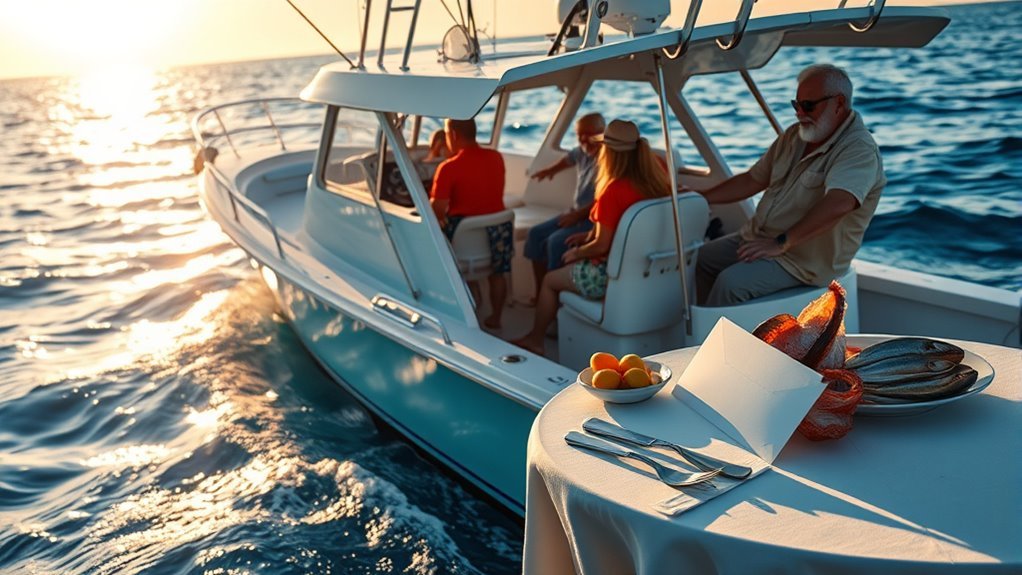
When you book a fishing trip, knowing the tipping etiquette helps you finish the day with confidence instead of awkwardness at the dock. A tip is not just a bonus; it is a practical way to recognize the crew’s preparation, safety work, local knowledge, and effort throughout your trip.
Quick Answer
For a fishing charter, the standard tip is usually 15% to 20% of the total trip cost. Tip around 20% for good service, more for exceptional effort, and closer to 10% only when service was clearly poor. Cash handed directly to the captain or mate is the safest option.
For a fishing charter, the standard tip is 15% to 20% of the total trip cost. You should consider tipping 20% or higher for exceptional service, while 10% may be appropriate if the experience fell short because of poor effort, unsafe behavior, or weak communication. It is customary to pay tips in cash directly to the captain or mate at the end of the trip.
Key Takeaways
- Standard rate: Plan on 15% to 20% of the charter cost, with 20% being a common target for good service.
- Cash is preferred: Bring cash in small bills so the crew receives the full tip without card fees or payment delays.
- Tip for effort, not just fish: Weather, tides, and fish behavior are unpredictable, so judge the crew’s work, safety, and attitude.
- First mates rely on gratuities: Mates often handle baiting, rigging, gaffing, cleaning, and guest help, so tips can be a major part of their income.
- Group trips need a plan: Discuss the tip before the boat returns so everyone contributes fairly and avoids confusion.
Why Is Tipping Important?
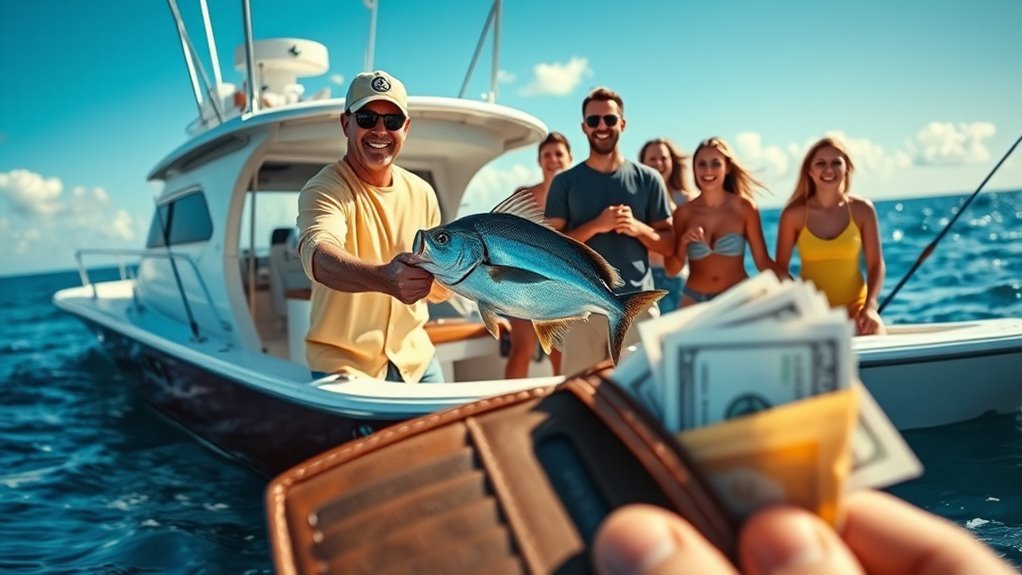
When you embark on a fishing charter, tipping might not be the first thing on your mind, but it plays an essential role in the industry. Tipping acknowledges the preparation, labor, skill, and patience that go into a successful day on the water. The crew often starts working before you arrive and continues cleaning, storing gear, and maintaining the boat after guests leave.
For many crew members, especially first mates, tips can be a meaningful part of their overall pay. A mate may spend the day rigging lines, baiting hooks, untangling snags, helping children or beginners, handling fish safely, and cleaning the catch. A thoughtful gratuity recognizes that effort even when the fishing is slow.
By tipping generously, you motivate the crew to keep delivering strong service for you and for future clients. This fosters a culture of quality service within the fishing community, where dedication and hard work are recognized.
A good fishing tip rewards preparation, safety, effort, patience, and service—not only the number of fish in the cooler.
Fundamentally, your tip is more than just a financial gesture; it is an investment in the experience and the commitment of those who make your fishing adventure memorable.
Standard Tipping Guidelines for Fishing Charters
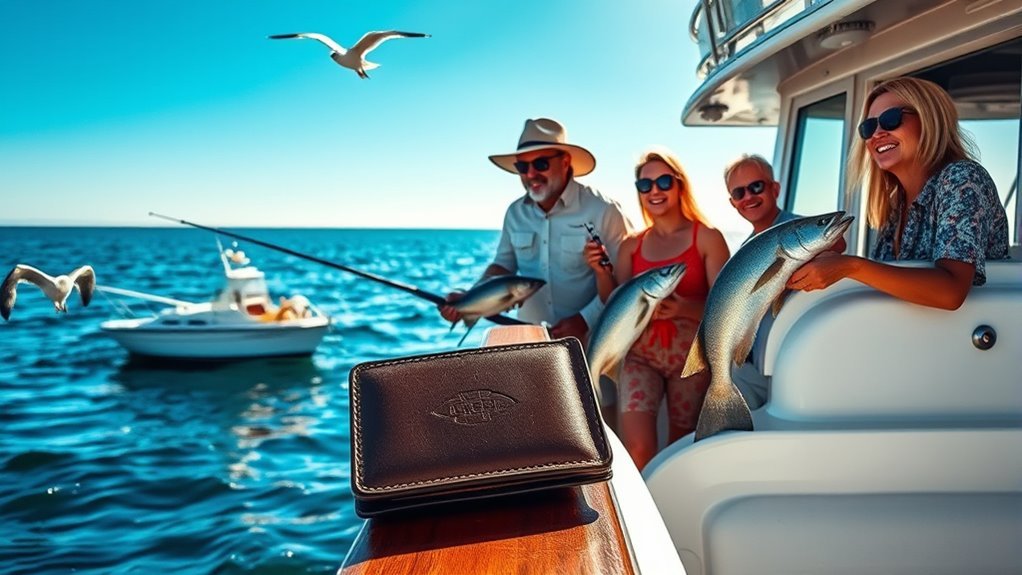
Knowing the standard guidelines helps you navigate the end of your trip with confidence. When you are enjoying your day on the water, keep these benchmarks in mind:
- Standard Service: Aim for about 15% to 20% of the total charter cost, with 20% being a strong tip for good service.
- Unsatisfactory Service: If the experience falls short because the crew was careless, inattentive, unsafe, or unhelpful, consider tipping around 10%.
- Exceptional Service: For outstanding service, tipping 25% or more shows deep appreciation.
- Group Tipping: In larger groups, a total tip of around $200 for five anglers on a $1,000 trip is customary, which comes to about $40 per person.
At a Glance
| Typical Tip | 15% to 20% of the total charter price |
| Best Payment Method | Cash, handed directly to the captain or mate |
| When to Tip More | Excellent service, extra teaching, hard work in tough conditions, or help with kids and beginners |
| When to Tip Less | Poor communication, low effort, unsafe conduct, or rude service |
Hand tips directly to the crew members when possible. Your generosity validates their hard work and ensures they are compensated fairly for their long hours.
Pro Tip: Before the trip, put the expected gratuity in a separate envelope. This makes checkout easier and helps your group avoid rushed decisions when the boat gets back to the dock.
Factors Influencing the Tip Amount

While 20% is a common standard for good service, several factors can influence the final amount. The key element is the quality of service. If the guides are attentive, helpful with gear, clear with instructions, patient with beginners, and willing to go the extra mile to find fish, you might feel inclined to tip over 20%.
Conversely, if the crew is disengaged, rude, poorly prepared, or unsafe, a lower tip is justified. Remember, you are tipping for the service, not necessarily the catch. Sometimes the fish just are not biting, but if the crew worked hard to find them, changed tactics, and kept the trip enjoyable, they still deserve a full tip.
- Weather and water conditions: Rough seas, wind, heat, or rain can make the crew’s job harder.
- Trip length: Offshore and full-day trips usually involve more fuel, prep, cleanup, and physical work.
- Guest experience level: Beginners, children, or large groups often require extra coaching and patience.
- Fish cleaning: If the crew cleans, bags, or packs your catch, that extra labor should count toward the tip.
- Safety and communication: Clear instructions, safe boat handling, and a calm attitude matter as much as the fishing itself.
Group dynamics also play a role. Larger groups often leave higher total gratuities because the crew works with more anglers at once. Clear communication about tipping within your group ensures everyone understands their expected contribution, creating a positive experience for all.
Note: A slow bite is not automatically poor service. If the captain moved spots, adjusted bait, watched conditions, and kept trying, the crew still did its job.
Tipping on Group Charters

How do you ensure everyone in your group is on the same page? Clear communication is key. Before you set sail, discuss your tipping expectations to avoid awkwardness later.
- Agree on a Standard Gratuity: Calculate the 20% total beforehand and split it. For example, on a $1,000 trip, the group should aim for $200 total.
- Inform Newcomers: Make sure everyone knows to bring cash, as first-timers might not be prepared.
- Create a Tipping Pool: Collect the tip money before the boat docks. This ensures fair contribution, especially if someone forgets their wallet in the car.
For private group charters, one person should usually handle the final tip so the crew receives it cleanly. For shared charters, each guest can tip separately, but it is still smart to ask the captain or mate how tips are normally handled on that boat.
If one person in the group received extra help, such as a child who needed coaching or a beginner who needed constant assistance, adding a little more is a thoughtful gesture. The goal is not to make tipping complicated; it is simply to make sure the crew is treated fairly for the service provided.
[Amazon Products Picked for You]

Tip Slips cash envelopes bring style and ease to tipping and information passing. Cleverly conceal cash, checks, notes, business cards, gift cards and whatever else fits
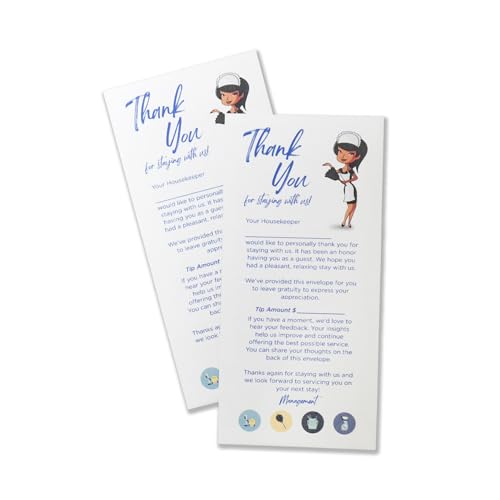
Encourage Housekeeping Tips & Gratuities – Provides guests with a simple and professional way to thank housekeeping staff, maids, cleaners, and room attendants for exceptional service.

Best Practices for Tipping Your Guide

When the boat returns to the dock, the excitement of the catch can sometimes lead to a chaotic departure. Following these best practices ensures the tipping process is smooth and appreciated.
Cash is King
The best way to tip is cash. Many guides do not have credit card readers on board, and some marinas may not allow tips to be added to card charges.
- Avoid Fees: Cash ensures the guide gets 100% of the money without processing fees.
- Small Bills: Bring 10s and 20s so you can adjust the amount easily based on service.
- Hand it Personally: Give the tip directly to the captain or the first mate. A simple handshake with the cash is the professional standard.
Ask How the Tip Is Split
If you are unsure who receives the tip, ask politely before handing it over. On many boats, the captain collects the gratuity and distributes it to the mate or crew. On other trips, especially smaller guide trips, the guide may be the only person working. A simple question like, “What is the best way to take care of the crew?” is normal and respectful.
Regional Differences
Tipping customs can vary by location. In tourist hotspots like Florida or Mexico, crews may rely heavily on tips because operating costs, fuel, maintenance, dock fees, and seasonal work can be expensive.
- US Coastal: 15% to 20% is the common standard, with 20% often used for good service.
- International: Check local customs, but in many popular fishing destinations, US dollars may be accepted and American-style tipping percentages may be familiar.
- Inshore vs. Offshore: Offshore trips often require more fuel, longer hours, heavier tackle, and more intense labor from the mates, which can justify a slightly higher tip percentage compared to a short inshore half-day trip.
Warning: Do not punish the crew only because the fish did not bite. Tip less only when the service, safety, preparation, attitude, or effort was genuinely poor.
Understanding the Roles of Fishing Guides and Mates

When you hire a charter, you are not just renting a boat; you are hiring experts. The captain ensures your safety, watches the weather, handles navigation, manages the boat, and uses years of local knowledge to find fish. The captain also carries the responsibility for licenses, maintenance, fuel planning, and overall trip decisions.
The first mate is often the hardest working person on the boat. The mate may rig lines, bait hooks, set trolling spreads, untangle snags, coach guests, gaff or net fish, clean the deck, ice down the catch, and clean fish after the trip. On busy boats, the mate may barely stop moving for the entire charter.
It is important to remember that mates often work for a low daily wage and rely on your tips to make a living wage. Recognizing their hustle with a gratuity encourages them to continue providing top-tier service.
Should You Tip the Captain or the Mate?
In many cases, you can hand the tip to the captain and trust that it will be split according to the boat’s system. If a mate gave you direct, personal help throughout the trip, you can also give that person a separate extra tip. When in doubt, ask how the crew prefers to handle gratuities.
Additional Considerations for Fishing Lodge Staff

If you are staying at a fishing lodge, the guides are not the only ones who may need tipping. Do not overlook the support staff. A general guideline for lodges is a pooled tip of 7% to 12% of your total package cost, distributed among the house staff.
| Staff Role | Suggested Tip Amount |
|---|---|
| Housekeepers | $50 – $100 per week |
| Fish Cleaners | $50 – $100 total |
| Shuttle Drivers | $25 – $50 per trip |
These additional gestures enrich your relationship with the lodge and foster a supportive community. If the lodge uses a shared tip pool, ask whether guides, kitchen staff, housekeepers, dock hands, and drivers are included. That helps you avoid double tipping or accidentally missing someone who made the trip smoother.
Related Guides
Frequently Asked Questions
What is a normal tip for a fishing charter?
A normal tip for a fishing charter is 15% to 20% of the total trip cost. Many anglers use 20% as the target for good service because it reflects the crew’s preparation, safety work, and effort to find fish. If the crew is exceptional, 25% or more is appreciated.
How much do you tip for a 4-hour boat charter?
For a 4-hour charter costing around $400 to $600, a standard 20% tip would be about $80 to $120. Even short trips require prep, fuel planning, gear setup, cleaning, and guest assistance, so the percentage usually stays the same.
Who do you tip on a charter boat?
You typically hand the tip to the captain, who then distributes the appropriate share to the first mate and other crew members. However, if a specific mate provided excellent personal assistance, you can give them a little extra cash directly.
Do you tip if you do not catch any fish?
Yes, you should still tip if the crew worked hard. Fishing is unpredictable, and guides cannot control the wildlife. If they changed spots, adjusted bait, watched conditions, and tried their best to get you on fish, they deserve a tip for their effort.
Is it better to tip a fishing guide in cash?
Cash is usually best because it is simple, immediate, and avoids card-processing issues. Bring small bills so you can adjust the amount based on service and split the cost easily with your group.
Should the tip be based on the charter price before or after fees?
Base the tip on the main charter cost rather than optional add-ons or unrelated booking fees. If the crew provided extra service, such as cleaning fish, teaching beginners, or staying patient in tough conditions, you can round up.