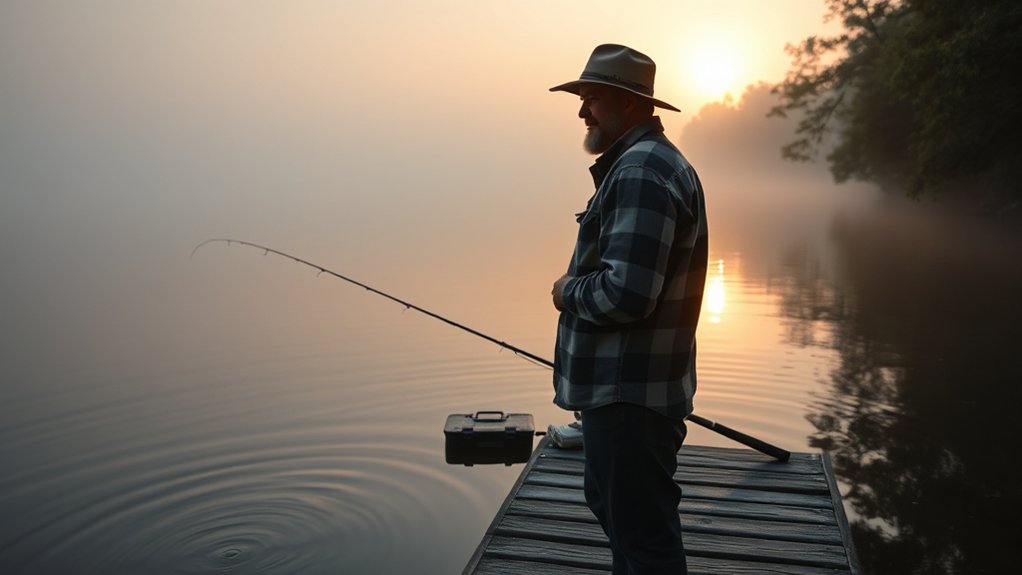
When you cast your line near a dock, you might notice how bass often hold in the shade beneath it. Dock fishing works because docks create cover, cooler water, ambush points, and access to deeper water. If you know which parts of the dock to fish first, which baits to choose, and how to cast into tight shade, you can turn more dock targets into real bites.
Quick Answer
For dock fishing, start on the shadow side, then work the front corners, sides, center gaps, walkways, pilings, cables, and boat lifts. Use jigs, shaky heads, Ned rigs, soft plastics, jerkbaits, crankbaits, and topwater lures based on season and fish activity. Make low, accurate casts and skip baits into dark, quiet pockets.
Key Takeaways
- Focus on shaded dock areas first because bass often use them as cool ambush spots.
- Fish the sides and front before skipping deeper into the center, walkway, and boat-lift areas.
- Use single-hook baits around cables, pilings, and tight cover to reduce snags.
- Match your bait speed to the season, water clarity, and bass activity level.
- Practice low, smooth casts so your bait lands quietly and reaches hidden fish.
At a Glance
| Best Targets | Shadow lines, dock corners, pilings, boat lifts, walkways, cables, and center gaps |
| Difficulty | Beginner to intermediate, depending on casting accuracy |
| Best Baits | Jigs, shaky heads, Ned rigs, soft plastics, jerkbaits, crankbaits, spinnerbaits, and topwater lures |
| Best Time | Early morning, evening, cloudy days, and sunny midday shade lines |
Importance of Floating Docks
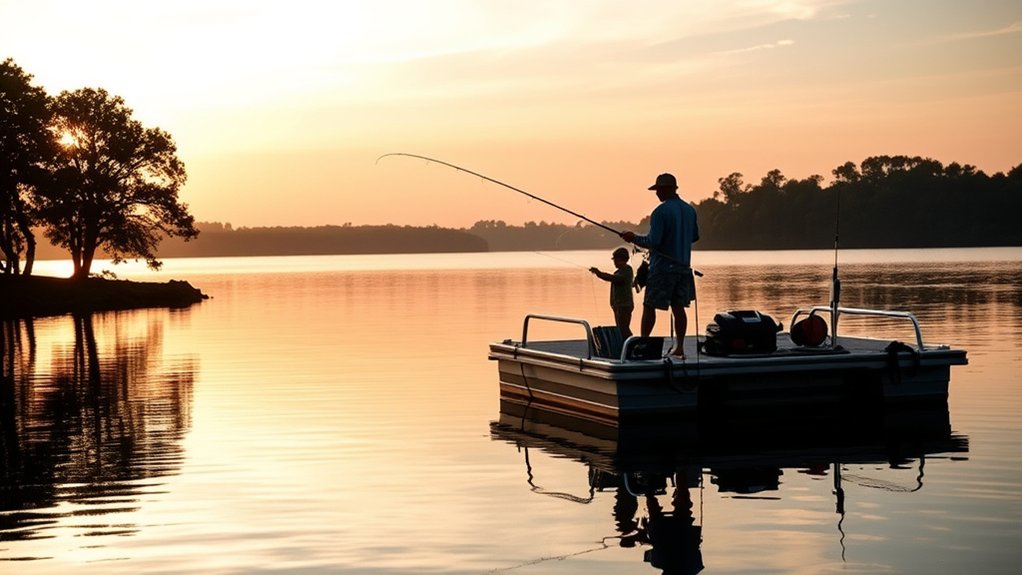
When you’re out bass fishing, understanding the importance of floating docks can greatly improve your success. Floating docks provide essential shade, cooler water, and steady cover, which makes them natural ambush spots for bass hunting prey.
In highland reservoirs where water levels rise and fall, floating docks often stay productive because they move with the water. That makes them more consistent than shallow cover that may dry out, shift, or become too shallow during changing conditions.
The areas around floating docks often lack other shallow-water cover. That open space helps bass watch for food while staying concealed in the cool shade. You’ll often find bass near the dark spaces under these docks, especially around boat lifts, floats, walkways, cables, and nearby pilings.
By focusing your efforts on floating docks, you increase your chances of finding active fish. These structures can hold bass in spring, summer, fall, and winter, but your bait choice and casting angle should change with the season.
Note: Not every dock holds bass. Spend more time on docks with shade, depth changes, brush, baitfish, boat lifts, cables, or nearby grass. Skip plain docks quickly unless you see clear signs of fish activity.
Fishing Strategies for Dock Sides
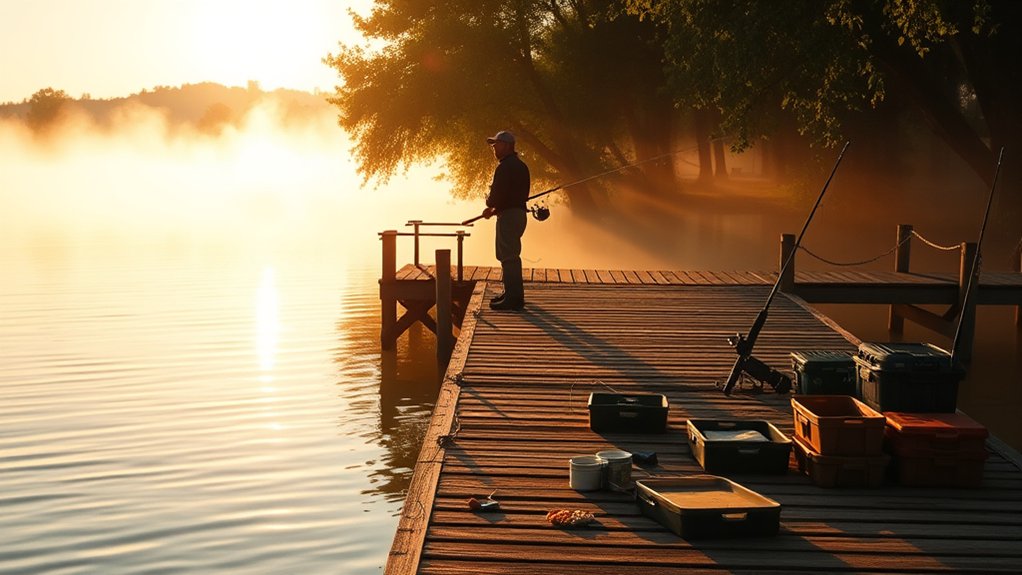
Floating docks not only attract bass but also give you clear targets to fish in a smart order. The sides are often the easiest places to start because you can work them with accurate casts before moving into tighter gaps.
Floating docks are prime spots for bass fishing because they create shade, cover, and clear casting targets from several angles.
- Focus on shaded areas first, especially when the sun is high and bass want cooler water.
- Start by casting to the two sides and front corners of the dock to target aggressive fish before probing deeper cover.
- Use moving baits like jerkbaits and crankbaits when bass are chasing. Switch to jigs, shaky heads, and soft plastics when fish hold tight to cover.
- Make repeated casts from different angles because bass may only react when your bait passes the correct side of a post, cable, or shadow line.
- Keep your distance from the dock so you do not spook fish sitting high in the shade.
A simple dock-side pattern helps you fish faster. Cast to the nearest corner first, then the outside edge, the far corner, and finally the darkest shaded stretch. If you get a bite on one type of dock side, repeat that pattern on similar docks nearby.
Targeting the Dock Center
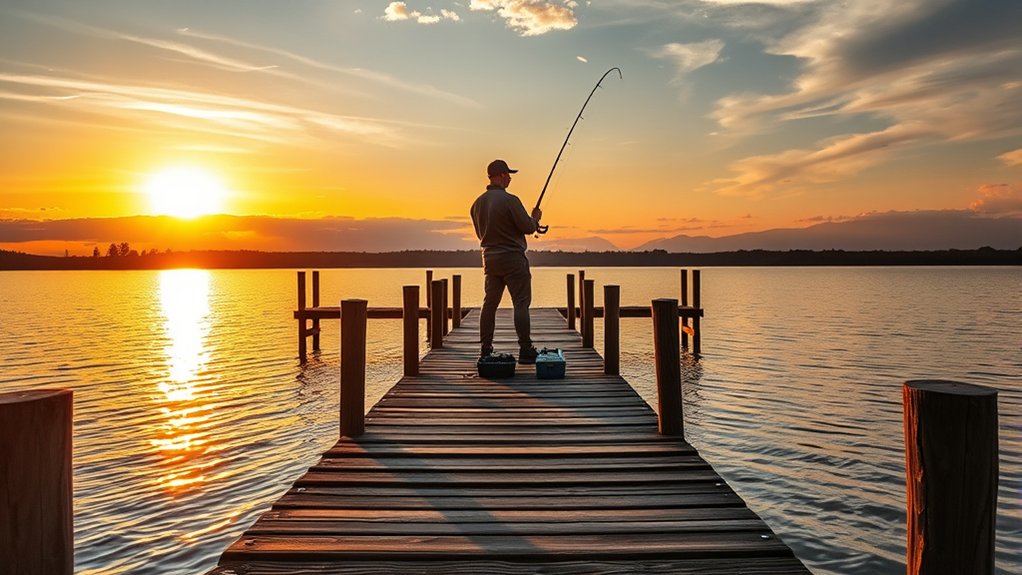
When you’re targeting the dock center, focus on the dark areas where bass love to hide, especially near boat lifts, floatation blocks, cross braces, and shaded openings. These tight places often hold better fish because many anglers never reach them.
Mastering your skipping techniques can help you reach those tricky spots that others might overlook. A heavier line also gives you more control when a bass wraps around a dock post, cable, or lift frame.
Bass Under Docks
Though you might think open water is the best place to catch bass, many anglers overlook the prime habitat found beneath docks. Bass often hide in dark, cool spaces near boat lifts and floats, making these areas ideal targets.
To improve your chances, focus on:
- Casting into dark corners where bass can ambush prey while remaining concealed.
- Using a heavier line, often 15-pound test or more, when fishing around heavy dock cover.
- Practicing smooth, low-to-the-water casts to reach tight spots without making a loud splash.
- Letting soft plastics, jigs, and shaky heads fall naturally after they skip under the dock.
- Watching your line on the fall because many dock bites happen before you feel the fish.
Skipping Techniques Mastery
Master the art of skipping, and you’ll unlock some of the most productive fishing spots under docks. Effective skipping techniques let you access hard-to-reach areas where bass often hide and feed.
Focus on low-to-the-water, smooth casts to improve accuracy and reduce splash. A quiet entry matters because wary bass can pull deeper into cover when a bait lands too hard.
Use compact baits that skip well, such as tubes, small jigs, soft stick baits, and flat-sided soft plastics. Keep your wrist loose, aim just above the water’s surface, and let the bait slide under the dock like a flat stone.
Remember, dark spots under docks are prime feeding locations, so make every cast count. Use a heavier line, at least 15 pounds when cover is thick, to maintain control and prevent breakage in tight quarters.
Consistent practice of these techniques can greatly boost your catch rates by allowing you to present your bait in those elusive yet rewarding areas. Get out there, refine your skills, and enjoy the thrill of dock fishing.
Pro Tip: Practice skipping in open water before fishing a dock. Once you can skip a bait quietly and straight, you will spend less time untangling and more time fishing high-percentage shade.
Fishing the Walkway
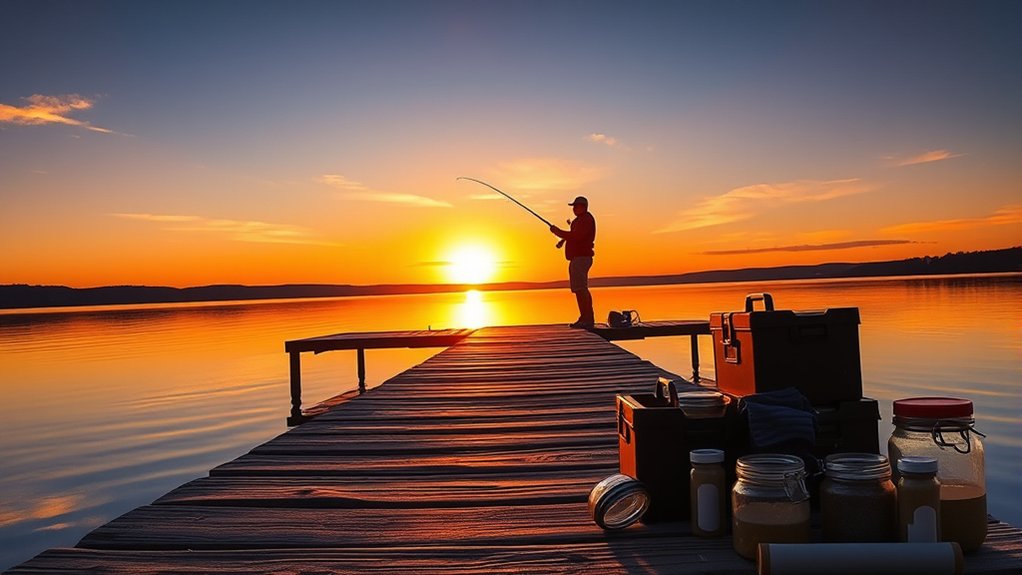
Fishing the walkway can be an incredibly rewarding experience, especially for bass enthusiasts. Walkways create shade, funnel baitfish, and connect the bank to deeper dock cover. That makes them useful targets throughout the year.
Fishing the walkway offers bass anglers year-round opportunities because shaded paths, cables, and support posts create ambush locations.
- Target support cables: Cast over or around them to reach hidden bass, but use single-hook baits to reduce snags.
- Use single-hook baits: Shaky heads, jigs, Texas rigs, and weedless soft plastics allow precise targeting near walkways.
- Employ skipping techniques: Reach hard-to-access spots under the walkway for increased chances of catching fish.
- Work both sides: Bass may sit on the darkest edge, the wind-blown side, or the side where baitfish gather.
Take your time and thoroughly fish these shaded areas. The cooler water can keep bass active and make them more likely to strike. By focusing on these tactics, you’ll improve your dock fishing experience and maximize your success while fishing the walkway.
General Tips for Dock Fishing
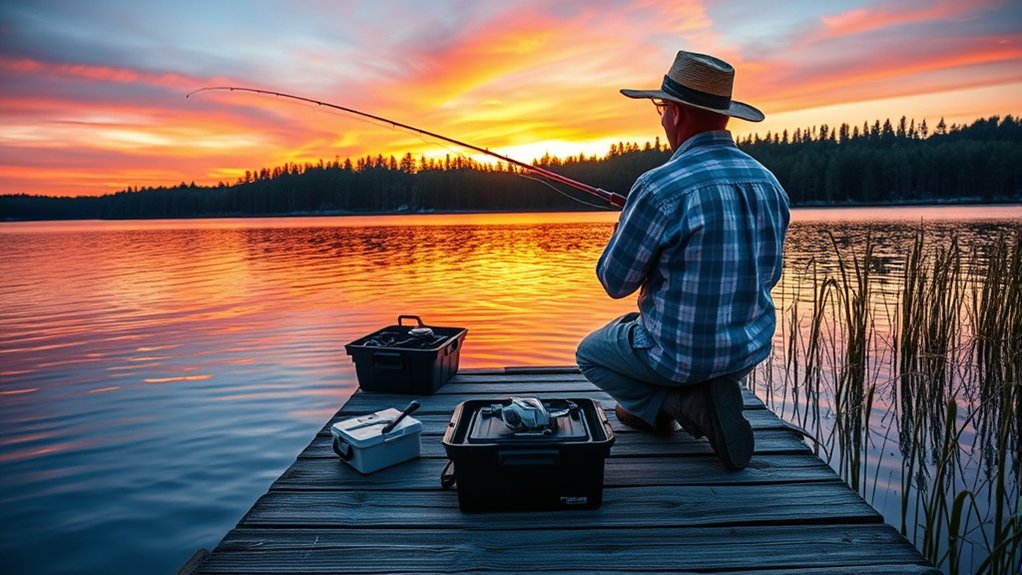
When it comes to dock fishing, understanding the unique environment these structures create can boost your chances of success. Bass often position themselves in shaded areas, waiting to ambush prey, so focus your casts around these spots.
Choose your bait wisely and adapt it to daily conditions. Use lower-cost lures for practice when you are learning to skip under docks because you may lose tackle around cables, posts, and lifts. Mastering knot tying is also essential, especially when pulling fish away from cover.
Floating docks offer some of the best fishing opportunities, especially in areas with minimal human activity. To maximize your success, efficiently cover different angles and depths around the dock.
Here’s a quick guide to help you:
| Time of Day | Best Techniques |
|---|---|
| Morning | Topwater lures |
| Noon | Jigs and soft plastics |
| Evening | Crankbaits |
| Night | Spinnerbaits |
Warning: Respect private docks, posted rules, marina boundaries, and local fishing regulations. Keep casts controlled around boats, ropes, swimmers, pets, and property.
Optimal Fishing Locations and Timing
When you’re fishing from a dock, start on the shadow side where cooler water can attract both baitfish and bass. Focus on areas around pilings, cables, brush, lifts, and floats because these structures hide ambush feeders waiting to strike.
Early mornings and sunsets are strong windows for prime fishing action, but sunny midday periods can also produce if the dock creates a dark shade line. The key is to match your location and bait to the way bass are using the dock at that moment.
Shadow Side Advantage
Although many anglers overlook the importance of shadows, targeting the shadow side of docks can improve your catch rates. The cooler, shaded waters attract bass and baitfish seeking refuge from heat and predators, making them ideal spots for your first cast.
Use these tips to maximize your success:
- Fish are often more active in shaded areas, especially during hot weather.
- Early morning and sundown are prime times because baitfish often move shallow and attract larger fish.
- Stand back from the dock edge to avoid scaring fish when casting to the shadow side.
- Follow the shade as the sun moves because the best side of the dock can change during the day.
Prime Times for Fishing
Timing your fishing trips can make all the difference in your success on the water. The prime times for fishing are often early morning and sundown, as these hours can bring baitfish and larger predatory fish closer to cover.
When you’re around the dock, focus on the shadow side, especially on hot days. Position yourself away from the dock edge to avoid spooking fish hiding around pilings, cables, and floats.
In colder regions or cooler seasons, daytime fishing can improve when water temperatures rise and fish become more active. Always pay attention to local weather conditions, as cloud cover, wind, sun angle, and water clarity can affect fish behavior.
| Time of Day | Best Locations | Tips |
|---|---|---|
| Early Morning | Shadow Side of Dock | Avoid casting too close to the edge |
| Midday | Deeper Water and Dark Shade | Use jigs, soft plastics, or finesse rigs |
| Late Afternoon | Around Dock Pilings | Try topwater lures if fish are active |
| Sunset | Near Weeds and Dock Edges | Use darker-colored bait in low light |
| Night | Under Lights | Target active feeders near baitfish |
Recommended Baits for Dock Fishing
To effectively target bass lurking around docks, choose the right baits for their feeding habits and the amount of cover you are fishing. The ideal baits help you keep your lure in the strike zone longer, increasing your chances of a catch.
Here are some top picks:
- Jigs: Perfect for flipping, pitching, and skipping into tight spaces where bass hide.
- Shaky Heads and Ned Rigs: Great for finesse fishing when bass are pressured, inactive, or holding tight to the bottom.
- Jerkbaits: Useful for aggressive bass during active feeding times, especially around dock edges and clear water.
- Crankbaits: Effective for covering dock corners, fronts, and nearby pilings when bass chase baitfish.
- Topwater Lures: Strong options during low light, warm water, and active feeding periods around shallow docks.
- Spinnerbaits: Helpful at night, in stained water, or when wind breaks up the surface around docks.
During the fall shift, consider lures that mimic baitfish, such as shad-colored crankbaits, swimbaits, and jerkbaits. Don’t hesitate to experiment with different colors and sizes to match local forage.
The drop shot technique is also useful for precision. It lets you present your bait exactly where fish are holding, especially around deeper dock posts or vertical cover.
Casting Techniques and Skills
When you’ve selected the right baits for dock fishing, the next step is improving your casting techniques. Mastering casting accuracy around boat docks is essential because precise casts can target hard-to-reach areas where bass hide.
One effective method is skipping baits under docks to reach shaded spots. This can increase your chances of a catch because your bait reaches fish that do not see as much pressure.
Here are some casting techniques to practice:
| Technique | Description |
|---|---|
| Low-to-Water Cast | Keeps disturbance minimal and improves accuracy. |
| Angle Variations | Tests different entry paths to find where bass react. |
| Tight Spot Casting | Targets spots under pontoons, lifts, walkways, and shaded gaps. |
| Skipping Cast | Slides compact baits under low docks and into darker pockets. |
Continuous practice will improve your skills, making you more effective at reaching those elusive bass. Remember, the right technique can make all the difference in your dock fishing success.
Dock Fishing by Season
Dock fishing changes with the seasons. Bass may use the same dock for shade, cover, or feeding, but they rarely behave the same way all year. Adjust your bait, depth, and speed based on seasonal movement.
- Spring: Focus on docks near spawning pockets, shallow flats, and protected banks. Jerkbaits, jigs, shaky heads, and soft plastics can work well.
- Summer: Target shade, deeper dock ends, boat lifts, and walkways. Skip jigs and soft plastics into dark cover during bright conditions.
- Fall: Look for baitfish around dock corners, lights, and wind-blown banks. Crankbaits, swimbaits, spinnerbaits, and jerkbaits can shine.
- Winter: Slow down around deeper docks, vertical posts, and stable cover. Finesse rigs, jigs, and slow presentations often work better than fast baits.
Seasonal patterns are only starting points. Watch for baitfish, water clarity, wind direction, and shade because those details often reveal the best dock on any given day.
Common Dock Fishing Mistakes
Dock fishing looks simple, but small mistakes can cost you bites. Many anglers rush from dock to dock without making enough precise casts or paying attention to the best shade.
- Standing too close: Bass can spook when you walk to the edge or cast a shadow over shallow water.
- Fishing only the outside: The best fish may be under the center, walkway, or lift.
- Using the wrong bait: Treble-hook lures can snag around cables and posts, while single-hook baits work better in tight cover.
- Ignoring line condition: Dock posts, cables, and metal parts can nick your line quickly.
- Giving up too fast: Some docks need several angles before a bass reacts.
Fixing these mistakes can make your dock fishing more efficient. Slow down around the best-looking cover, check your line often, and make each cast with a clear target.
Frequently Asked Questions
What Is the Best Bait for Fishing Docks?
The best bait for fishing docks includes jigs, shaky heads, Ned rigs, Texas-rigged soft plastics, jerkbaits, and crankbaits. Use single-hook baits around heavy cover and moving baits around open edges. Choose colors that mimic local forage, and use faster baits when bass are actively feeding.
What Is the 80/20 Rule in Fishing?
The 80/20 rule in fishing means a large share of your catch often comes from a small share of the water. Around docks, that means focusing on high-percentage spots such as shade lines, corners, pilings, boat lifts, and baitfish activity instead of casting randomly.
What Is the 90/10 Rule in Fishing?
The 90/10 rule in fishing means most fish are often found in a small part of the available water. For dock fishing, that small zone may be the darkest shade, the deepest end, a brush pile, a boat lift, or the side where baitfish gather.
How Do You Attract Fish to a Dock?
To attract fish to a dock, create shade, keep the area clean, preserve natural cover, and fish near structures such as pilings, brush, lights, and vegetation. Position bait near cover instead of open water, and avoid loud movements that can push fish away.
Should You Fish the Front or Back of a Dock First?
Fish the easiest high-percentage targets first. Start with the shadow side, front corners, and outside edges before moving into the center, walkway, and boat-lift areas. This approach helps you catch active fish without spooking bass tucked deeper under the dock.
What Line Should You Use for Dock Fishing?
Use stronger line when fishing tight dock cover. Many anglers choose 15-pound test or heavier around pilings, cables, and boat lifts. In clearer water or lighter cover, you can downsize, but always check your line for nicks after rubbing against wood, metal, or rope.
Conclusion
In the world of dock fishing, success is often just a cast away. By learning how bass use shade, cover, walkways, pilings, and boat lifts, you can turn ordinary docks into high-percentage fishing targets.
Start with the shadow side, work the corners and edges, then move into the center and walkway with accurate casts. Match your bait to the season, adjust your retrieve to the fish’s mood, and keep your presentation quiet around tight cover.
Remember to adapt your techniques with the changing seasons, and let your lures move naturally beneath the surface to entice bass hiding in the shadows. Gear up, stay patient, and enjoy the thrill of the chase because every dock can hold the promise of your next catch.