If you plan to fish in Utah, you need to know who needs a license, which option fits your trip, and how resident and non-resident costs differ. Utah requires most anglers age 12 and older to carry a valid fishing license before they cast a line. Fees vary by age, residency, and license length, so checking the right category before you buy helps you avoid paying for the wrong permit.
Quick Answer
In Utah, most people age 12 or older need a fishing license. Resident adult licenses usually cost less than non-resident licenses, and short-term options are available for visitors. You can buy a license online, through the Utah Hunting and Fishing app, by phone, or from a licensed agent.
Key Takeaways
- You need a Utah fishing license if you are 12 or older, unless a specific exemption applies.
- Residents and non-residents pay different fees, and non-residents can choose short-term or 365-day options.
- Resident status generally requires a permanent Utah home for at least six consecutive months.
- Digital access, online reprints, and licensed agents can help if you lose your license.
- Free Fishing Day lets you fish without a license, but all regular fishing rules still apply.
Who Needs a Fishing License in Utah?
Wondering if you need a fishing license in Utah? If you’re 12 years old or older, you generally need a Utah fishing license, whether you’re a resident or a non-resident.
Each person must obtain their own license. Licenses are not transferable or shareable, so everyone in your group should have the correct license before fishing.
Residents usually qualify for a fishing license if they have lived in Utah for at least six consecutive months and maintain a permanent home in the state. However, a non-resident full-time student may become eligible for resident license pricing after living in Utah for 60 days, if they meet the required conditions.
Residents generally need six months of Utah residency to qualify for resident license rates, while eligible full-time non-resident students may qualify sooner.
Individuals with certain disabilities may qualify for a free fishing license. Children in state custody may also qualify for special license options.
Warning: Carry proof of your license while fishing. Conservation officers may ask to see your license, and fishing without the right one can lead to penalties.
Information for Residents
If you’re a resident of Utah and plan to fish, understanding the licensing options available to you is essential. The Utah Division of Wildlife Resources offers several resident fishing licenses based on age, duration, and eligibility.
For individuals aged 18 to 64, a 1-year fishing license costs $40.00, while a 3-day license is available for $19.00. If you fish often, multi-year licenses can offer convenience because you do not need to renew each year.
Residents must maintain a permanent home in Utah for at least six consecutive months to qualify for resident fishing licenses. Utah also offers reduced-cost options for some disabled veterans and individuals with qualifying disabilities.
Free fishing licenses are available for certain individuals with disabilities and children in state custody. These options help make recreational fishing more accessible across Utah’s lakes, rivers, reservoirs, and community ponds.
Costs for Residents
When you’re ready to cast your line in Utah, knowing the costs associated with resident fishing licenses can help you budget effectively.
For most anglers aged 18 to 64, the annual resident fishing license costs $40. If you’re looking for a shorter commitment, a 3-day fishing license costs $19.
Residents aged 65 and older can get a reduced-cost fishing license priced at $34. Disabled veterans and individuals with certain disabilities may qualify for discounted or free fishing licenses.
If you want a longer-term option, multi-year resident licenses can be purchased for up to five years. This can reduce renewal hassle if you fish every season.
Understanding these costs for residents helps you choose the best option for your fishing plans in Utah.
Information for Non-Residents
If you’re a non-resident looking to fish in Utah, you’ll find several license options based on how long you plan to stay.
You can choose from 3-day, 7-day, or 365-day licenses, with prices ranging from about $35 to $120 for common adult non-resident options.
If you are a full-time student, you may qualify for resident rates after living in Utah for 60 days, as long as you meet the eligibility rules.
Non-Resident License Options
For those planning a fishing adventure in Utah, understanding the non-resident license options can make your trip easier.
Non-resident licenses are available for varying durations, including 3-day, 7-day, and 365-day options. This gives you flexibility whether you are visiting for a weekend, taking a weeklong fishing trip, or returning throughout the year.
A 3-day fishing license costs about $35, while the 7-day option costs around $55. The 365-day license price depends on age and license type, with youth licenses priced lower than adult licenses.
Remember, buying a non-resident license does not change your residency status. You still need to follow the non-resident rules unless you meet Utah’s resident eligibility requirements.
You can purchase your fishing license online through the Utah Division of Wildlife Resources website, at licensed agents, through the Utah Hunting and Fishing app, or by phone.
Pricing for Non-Residents
Starting in 2025, non-resident fishing licenses in Utah saw a notable price adjustment, making it important for visiting anglers to plan ahead.
The cost for adult non-resident licenses increased from $94 to $120, while youth licenses increased from $34 to $44.
You can choose from several duration options, including 3-day, 7-day, and 365-day licenses. Each option has a different pricing tier.
If you fish in Utah often, consider the multi-year fishing licenses, which offer long-term convenience and reduce the need for frequent renewals.
Pricing varies by age group, so check the fee that applies to you before buying. These fees help support wildlife conservation, fishery management, access projects, and habitat protection across Utah.
Costs for Non-Residents
Whether you’re planning a short getaway or a full year of fishing in Utah, understanding the costs for non-resident licenses is essential. Utah offers several non-resident fishing licenses tailored to different trip lengths.
| License Type | Cost |
|---|---|
| 3-Day Fishing License | $35 |
| 7-Day Fishing License | $55 |
| 365-Day Fishing License | $120 |
If you’re a youth aged 12 to 17, discounted rates are available. Youth non-resident licenses cost $20 for the 3-day license and $30 for the 7-day license. All non-resident fishing licenses must be purchased before you cast your line and are non-transferable.
So, whether you’re here for a weekend or an entire year, knowing these costs for non-residents helps you plan your fishing adventures efficiently.
Pro Tip: Choose the license length that matches your full trip, not just your first fishing day. A 7-day license can be cheaper and easier than buying multiple short licenses.
Where to Buy Your Utah Fishing License
After deciding on the right fishing license for your needs, you’ll want to know where to purchase it. You can buy your Utah fishing license online through the Utah Division of Wildlife Resources website.
This option is convenient because you can buy your license before leaving home. It also helps you avoid last-minute stops on your way to the water.
If you prefer an in-person experience, visit a licensed agent or a Division office. Many sporting goods stores and outdoor retailers also serve as license agents.
You can also buy your license by phone, but a small transaction fee may apply. If you like using your phone in the field, the Utah Hunting and Fishing App lets you access your license on your mobile device.
Choose the method that works best for you, then keep your license available while you fish.
What Happens if You Lose Your License?
Losing your fishing license in Utah can be a hassle, but it does not have to ruin your fishing trip.
A lost fishing license is usually fixable if you can access your digital license, reprint it, or visit a licensed agent.
Here’s what you can do if you find yourself with a lost license:
- Access a Digital Copy: Use the Utah Hunting and Fishing App on your mobile device to retrieve your license digitally.
- Reprint Online: If you prefer a physical copy, you can reprint your lost license online.
- Visit a Licensed Agent: You can also visit a licensed agent for help reprinting your license, though an additional fee may apply.
- Keep Proof of Purchase: You do not usually need to report a lost license, but proof of purchase can make reprinting smoother.
Before your trip, save a digital copy or screenshot where permitted. That way, you have backup access if cell service is weak near the water.
Free Fishing Day
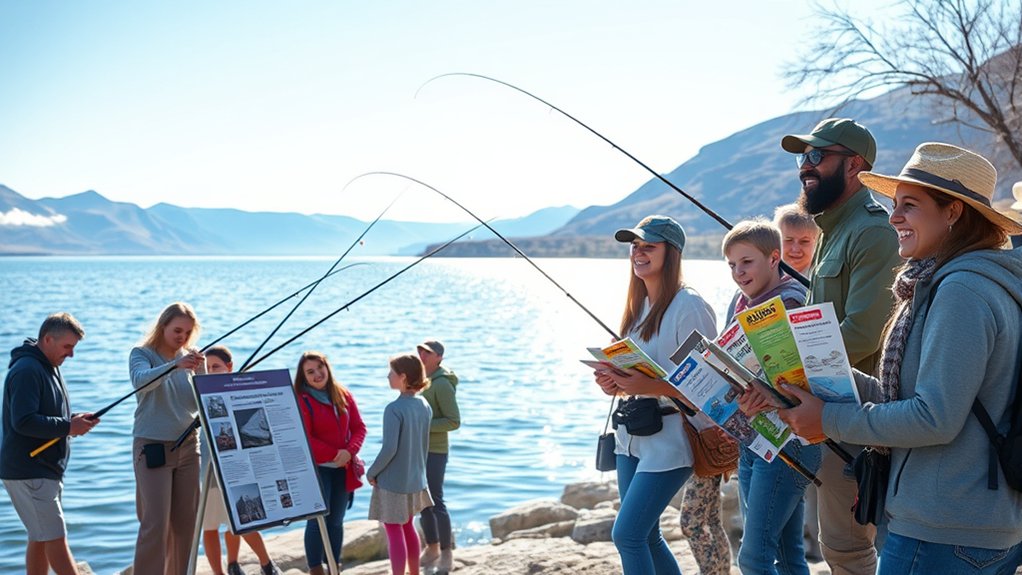
If you want to enjoy a day on the water without buying a fishing license, watch for Free Fishing Day in Utah. This annual event allows both residents and non-residents to fish without a Utah fishing license for that day.
The original date listed for this event was Saturday, June 10, 2023. Because Free Fishing Day is an annual event and the date changes by year, you should confirm the current date with the Utah Division of Wildlife Resources before planning your trip.
Even when you do not need a license for Free Fishing Day, you still need to follow all fishing regulations, including size limits, bag limits, bait rules, waterbody restrictions, and species-specific rules.
Free Fishing Day is a good opportunity for beginners to try fishing and for experienced recreational anglers to introduce friends or family members to the sport. It also supports Utah’s broader goal of encouraging outdoor recreation while protecting fish populations.
Note: A license-free day does not mean rule-free fishing. Always check the current Utah fishing guide for limits, closures, and water-specific regulations.
Frequently Asked Questions
How much does a Utah fishing license cost?
A Utah fishing license cost depends on your residency, age, and license length. A common resident adult annual license costs $40, while a resident 3-day license costs $19. Non-resident options include 3-day, 7-day, and 365-day licenses.
How much is a Utah license for residents?
For Utah residents, a 3-day fishing license costs $19, a standard annual adult license costs $40, and a reduced senior license costs $34. Some disabled veterans and individuals with qualifying disabilities may qualify for discounted or free licenses.
What kind of fishing license do I need in Utah?
You need a Utah fishing license if you are 12 or older and plan to fish in the state. Choose a resident or non-resident license based on your eligibility, then choose the duration that matches your trip or fishing habits.
Is there a lifetime fishing license in Utah?
Yes, Utah offers lifetime license options for eligible anglers. A lifetime license can remove the need for annual renewal, but you still need to follow current fishing rules, seasons, size limits, and bag limits.
Can I fish in Utah without a license?
You can fish without a Utah fishing license only if you qualify for an exemption or fish on Utah’s Free Fishing Day. Even then, you must still follow all regular fishing regulations, including limits and water-specific rules.
Conclusion
In Utah, getting your fishing license is essential for a smooth day on the water, whether you live in the state or are visiting from elsewhere. Licenses are like the key to a treasure chest filled with adventure; without the right one, you can miss out on the fun and risk penalties.
Review the latest prices, choose the license length that fits your trip, and keep a digital or printed copy with you. Also, watch for Free Fishing Day if you want to introduce someone new to fishing without the license cost. Once your license is handled, you can grab your gear and enjoy Utah’s lakes, rivers, reservoirs, and mountain streams with confidence.
Sources
- Utah Division of Wildlife Resources Licenses & Permits — supports Utah license options, purchase methods, and general licensing rules.
- Utah Division of Wildlife Resources Fishing — supports fishing rules, regulations, and angler resources.
- Utah Fishing Guidebook — supports license requirements, fishing regulations, and water-specific rules.

