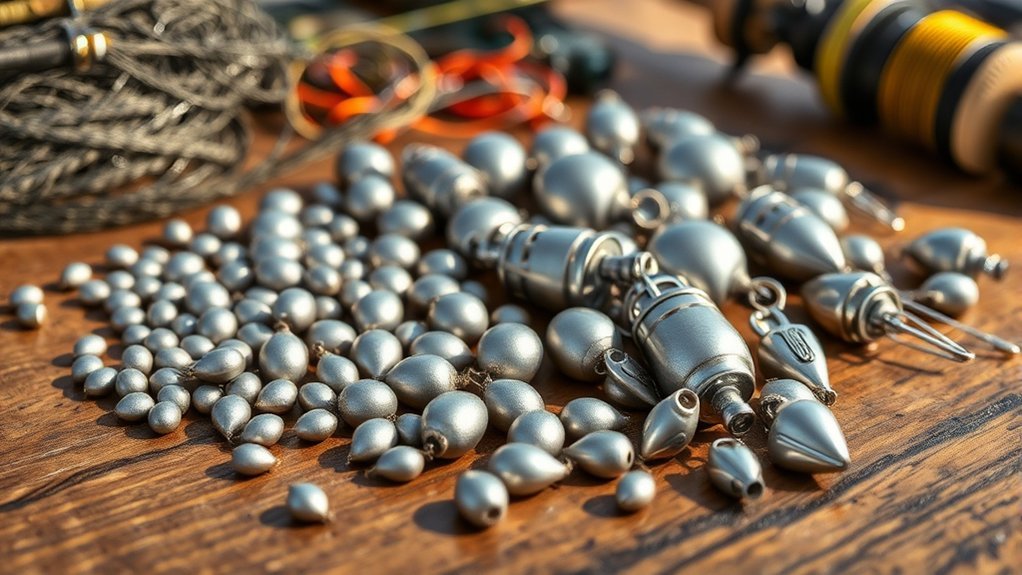
Fishing weights come in many shapes, materials, and price ranges, so the best choice depends on where you fish, how deep you need your bait to run, and how much tackle you want to buy at once. Basic lead sinkers often cost only a few dollars per pack, while tungsten, downrigger, surf, and deep-drop weights cost more because they use denser materials or specialized designs.
Quick Answer
Most common fishing weights cost about $1.69 to $20 per pack, depending on size, material, and quantity. Tungsten and specialty sinkers cost more, often ranging from about $10 to $36 or higher. Bulk packs usually lower the cost per sinker for anglers who fish often.
Key Takeaways
- Small split shot, egg sinkers, bank sinkers, and rubber core sinkers are usually the most budget-friendly options.
- Tungsten weights cost more than lead, but they are denser, smaller for the same weight, and often preferred for sensitivity.
- Surf, trolling, deep-drop, dredge, and downrigger weights cost more because they solve specific fishing problems.
- Bulk packs can save money if you lose weights often or fish the same rig regularly.
- Lead rules vary by location, so check your local fishing regulations before buying, selling, or using lead sinkers.
Overview of Fishing Weights and Sinkers
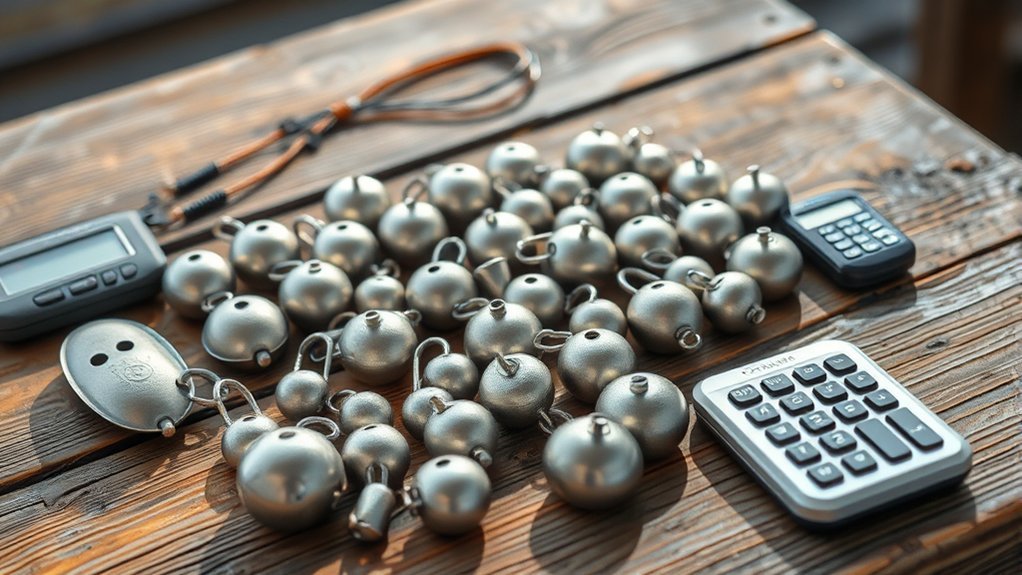
Fishing weights and sinkers help your bait reach the right depth, stay in the strike zone, and hold steady in wind, current, or deeper water. Without the right weight, your bait may drift too high, move too fast, or fail to stay where fish are feeding.
Fishing weights and sinkers help your bait reach the right depth, stay stable, and match the water conditions you are fishing.
These tools come in a variety of materials, including lead, steel, brass, bismuth, tin, and tungsten. Lead remains common because it is affordable and easy to mold, but tungsten has become popular with bass anglers because it is compact, dense, and transmits bottom contact well.
Prices for fishing weights and sinkers often range from about $1.69 to $29.99, depending on size, quantity, material, and purpose. Common options include small split shots, rubber core sinkers, egg sinkers, bullet weights, and bank sinkers, with weights from tiny finesse sizes up to several ounces for current, surf, or deep water.
For unique environments, specialty sinkers like long tail sputnik weights offer advanced stability in sand and surf. Downrigger weights, dredge weights, deep drop sash weights, and trolling drail weights are designed for more specialized fishing methods.
Bulk options, such as 100 pieces of 2 oz bank sinkers for $47.93, can provide cost-efficient solutions for dedicated anglers. The density, shape, and finish of the material affect how well a sinker casts, holds bottom, slips through cover, or lets you feel bites.
Note: Fishing weight prices change by retailer, pack size, shipping cost, and material cost. Use the ranges in this guide as general shopping benchmarks, not fixed prices.
Types of Fishing Weights and Their Uses

When selecting fishing weights, you’ll find a variety of common sinkers like split shots, rubber core sinkers, egg sinkers, bullet weights, and bank sinkers. Each one changes how your bait falls, drifts, casts, or stays near the bottom.
For specific fishing techniques, specialty weights such as long tail sputniks, trolling drails, downrigger balls, dredge weights, and deep drop sash weights can improve bait control in targeted environments.
Understanding the appropriate types and their applications helps you avoid wasted money and improves your fishing experience. A sinker that works well for catfish in a river may be a poor choice for finesse bass fishing, surf fishing, or trolling.
Common Sinker Types
Many anglers find that understanding the different types of sinkers can greatly improve their fishing results. The right choice depends on current, depth, bottom type, target species, and presentation.
Small split shot sinkers are useful for light tackle, panfish, trout, live bait, and finesse presentations. They pinch directly onto the line, making them easy to add or remove when you need a small adjustment.
Rubber core sinkers offer versatility because you can add weight without cutting and retying your rig. They work well when you need a temporary weight change, but they can twist line if used carelessly.
Egg sinkers slide on the line and are ideal for streamlined bait presentations. They are common for catfish, live bait, Carolina rigs, and bottom fishing because fish can often pick up the bait with less resistance.
Bank sinkers provide stability in current and are popular for rivers, piers, jetties, and bottom fishing. Their shape lets them hold bottom better than rounder options while still being easy to rig.
Bullet weights are popular for bass fishing, especially Texas rigs and soft plastics. Their pointed shape slips through grass, brush, and cover better than many round sinkers.
For surf fishing, specialty options like long tail sputnik weights anchor in sand and help keep bait from washing back toward shore. Their wire legs dig into the bottom, then release when you retrieve the rig.
Remember, selecting the right weight is essential. Heavier sinkers help in fast-moving water, wind, deep water, and long casts. Lighter weights suit shallow, calm areas where a natural bait fall matters more.
Pro Tip: Start with the lightest sinker that still lets you cast well and keep contact with your bait. Too much weight can make your bait look unnatural and reduce bite detection.
Specialty Weights Applications
Understanding the various applications of specialty weights can greatly improve your fishing strategy. These sinkers cost more than basic weights because they are built for specific problems, such as holding in surf, controlling trolling depth, or reaching very deep water.
Specialty sinkers, like long tail sputnik weights, offer stability in surf fishing, making them ideal for sandy beaches, rough water, and strong currents.
For deep trolling, drail weights help your bait or lure reach the desired depth without using a bulky sinker near the hook. Anglers often use them when trolling spoons, plugs, or bait behind the boat.
If you’re targeting larger species in deep water, deep drop sash weights help rigs reach significant depths more quickly. They are common in offshore fishing where current, depth, and bait size demand heavier tackle.
Dredge weights create depth and stability for teaser dredges. A dredge can create visual and tactile disturbances that draw fish toward a spread, especially in offshore trolling.
Downrigger fish weights enable precise control over your bait’s position in the water column. They are especially useful when fish suspend at a known depth and you need consistent bait placement.
Choosing the right specialty weight can make all the difference in your fishing success because each design solves a different problem.
Pricing Range for Common Fishing Weights

Fishing weights come in a diverse pricing range, typically falling between $1.69 and $16.69 for many common small packs. Larger packs, heavier sinkers, tungsten weights, and specialty designs can cost more.
Common sinkers, like bank sinkers and egg sinkers, are generally budget-friendly. For instance, you can find 50 pieces of 1 oz egg sinkers starting at around $17.99, making them a popular choice for anglers seeking value.
Common sinkers like bank and egg sinkers often offer strong value because they are simple, widely available, and sold in many pack sizes.
Conversely, if you’re looking for heavier options, 10 lbs of bank sinkers usually costs around $36.00. This type of bulk purchase makes sense when you fish heavy current or areas where you often lose tackle.
For more specialized weights, you’ll notice a jump in pricing. Bullet weights, for example, often range from $6.99 to $7.99 for common packs, while pyramid sinkers can reach up to $19.49 for bulk packs.
If you prefer tungsten weights, expect to pay between about $11.00 for smaller packs and $27.98 for larger quantities. Tungsten usually costs more because the material is denser and more expensive than lead.
Understanding these pricing ranges helps you make informed decisions for your fishing needs. The cheapest sinker is not always the best value if it performs poorly in your fishing conditions.
Common Fishing Weight Price Guide
| Weight Type | Typical Price Range | Best Use |
| Split Shot | About $1.69 to $18.00 | Trout, panfish, floats, light rigs |
| Egg Sinkers | About $3.00 to $17.99+ | Catfish, Carolina rigs, live bait |
| Bank Sinkers | About $4.00 to $47.93+ | River, pier, and bottom fishing |
| Bullet Weights | About $6.99 to $7.99 | Texas rigs and soft plastics |
| Tungsten Weights | About $10.99 to $27.98+ | Bass fishing, sensitivity, compact rigs |
Specialty Sinkers and Their Price Points

When exploring specialty sinkers, you’ll find unique designs tailored for specific fishing conditions, such as long tail sputnik weights for surf fishing or downrigger fish weights for controlled depth.
Understanding the price ranges, like trolling drail weights costing between $6.99 and $14.99, helps you make informed choices based on your fishing needs. Specialty weights serve distinct applications, improving bait control and helping you target fish more efficiently.
Unique Sinkers Overview
Specialty sinkers play an essential role in improving your fishing success by providing tailored solutions for specific fishing techniques.
For instance, removable split shot sinkers allow you to adjust your weight as conditions change, helping you fine-tune depth and drift. Pyramid sinkers are particularly effective for surf fishing because their shape helps anchor your bait in moving water.
Other unique sinkers include long tail sputnik weights, which range from $6.99 to $12.99 in some packs, and trolling drail weights priced around $11.00 to $15.00, which work well for deep trolling applications.
If you’re targeting bottom-dwelling species, consider deep drop sash weights, often ranging from $15.00 to $20.00. Dredge weights can attract fish and may cost between $10.99 and $29.99, while downrigger fish weights improve depth control for about $12.99 to $25.00.
Price Ranges Explained
Understanding the price ranges of specialty sinkers helps you make informed decisions when selecting gear for your fishing needs. Specialty sinkers vary widely in cost based on their design, weight, material, and application.
For instance, long tail sputnik surf fishing weights typically range from $10.99 to $29.99. If you’re into deep sea fishing, deep drop sash weights can cost around $15.00 for a two-pack.
Trolling drail weights, necessary for deep trolling, fall between $6.99 and $14.99 in many common listings. Dredge weights, aimed at attracting fish, are usually priced from $10.99 to $29.99 due to their robust construction.
Finally, downrigger fish weights designed for controlled depth fishing generally range from $11.00 to $15.00 in smaller sizes, depending on size and material. Larger downrigger weights can cost more because they use more material and may include coated finishes.
Specialty Weight Applications
Selecting the right specialty sinker for your fishing endeavors can considerably improve your success on the water. Specialty sinkers, like long tail sputnik weights, are essential for surf fishing, typically priced from $6.49 to $29.99. For deep trolling, drail weights range from $10.99 to $29.99, while deep drop sash weights start at $15.00 for a two-pack. Dredge weights help attract fish in specific areas, costing between $11.00 and $33.99. Downrigger fish weights, designed for controlled depth fishing, sell for about $14.99 to $36.00.
| Specialty Sinker Type | Price Range | Application |
|---|---|---|
| Long Tail Sputnik | $6.49 – $29.99 | Surf Fishing |
| Trolling Drail | $10.99 – $29.99 | Deep Trolling |
| Downrigger Weight | $14.99 – $36.00 | Controlled Depth Fishing |
Warning: Some waters restrict or ban certain lead fishing weights because lost lead tackle can harm wildlife. Check state or local regulations before using, selling, or disposing of lead sinkers.
Brand Comparisons for Fishing Weights

When you’re choosing the right fishing weights, it’s essential to compare brands to find the best fit for your needs and budget. Brand matters most when you care about consistent sizing, smooth finishes, durable coatings, and reliable packaging.
Bullet Weights, typically priced between $6.99 and $7.99 for many common packs, are ideal for various freshwater and deep water applications. They are widely used for bass rigs, soft plastics, and everyday tackle boxes.
If you’re exploring options for specific techniques, Off Shore Tackle Snap Weights range from $9.49 to $11.99, while Loon Outdoors Deep Soft Weights cater to specialized needs at $14.99.
For those interested in the advantages of tungsten weights, Reaction Tackle offers a bulk option for $27.98, originally $65.98, allowing you to maximize value without compromising on density and size.
Additionally, Eagle Claw’s tungsten peg and skirt weights are available for about $10.99, depending on the set. Tungsten peg and skirt weights are especially useful when you want a compact presentation around soft plastics, skirts, or heavy cover.
If you’re looking for versatility, Lead Egg weights from various brands can provide effective solutions at varying price points, making them worth considering in your comparison.
[Amazon Products Picked for You]

Multiple Pack Sizes Available - Please select your preferred quantity from the Size variation before checkout. 97% Tungsten - High density, more compact than lead, sink faster with smaller splash, no spooking fishes, no stuck in the cracks and you can make accurate casts in the wind and be more precise when flipping and pitching your lures.
Multiple Pack Sizes Available - Please select your preferred quantity from the Size variation before checkout. 97% Tungsten - High density, more compact than lead, sink faster with smaller splash, no spooking fishes, no stuck in the cracks and you can make accurate casts in the wind and be more precise when flipping and pitching your lures.

High-Density Tungsten: The dense tungsten construction keeps the body compact for its weight, reducing unnecessary bulk while providing the weight needed for efficient bottom-contact rigging.
What to Compare Before Buying
Before you choose a brand, compare the actual number of pieces, total weight, individual sinker size, and material. A pack that looks cheaper may cost more per sinker if it includes fewer pieces.
- Material: Lead is usually cheaper, while tungsten is denser and more sensitive.
- Finish: Painted or coated weights may cost more but can reduce shine or improve durability.
- Pack size: Bulk packs reduce cost per weight if you fish often.
- Rigging style: Sliding, clip-on, pinch-on, fixed, and snap weights each fit different setups.
- Water conditions: Current, depth, waves, and bottom type should guide your choice.
Customer Reviews and Popular Products

Many anglers find that customer reviews can greatly influence their choices when it comes to fishing weights. Reviews help you judge whether weights arrive accurately sized, stay attached, cast well, and perform in the conditions you fish most.
For instance, the Bullet Weights Worm WT 100pk 1/16 Oz, priced around $7.99, garners praise for its versatility in various fishing scenarios. These small worm weights are practical for finesse rigs and soft plastics.
The Strike King Tour Grade Tungsten weights, retailing for approximately $14.99 for a 3-pack, are often highlighted for their durability and performance, making them a favorite among serious anglers.
Tungsten weights often appeal to serious anglers because they are compact, dense, and sensitive enough to help you feel bottom changes.
The Eagle Claw Tungsten Peg & Skirt Weights, available in a 2-pack for about $10.99, receive feedback for their reliability and effectiveness.
Additionally, reviews on the Do-It Bank Sinker Mold stress the importance of pre-heating for ideal casting results. Molds can save money for some anglers, but they require safe handling, protective equipment, and careful attention to heat and ventilation.
Finally, Water Gremlin’s removable split shot sinkers are recognized for their ease of use, with a 6-pack priced around $18.00, ensuring you can quickly adjust your setup with confidence.
[Amazon Products Picked for You]

【Streamlined Design】: The droplet-shaped design maintains its position at the bottom effectively, minimizing water resistance and enabling longer and more precise throws for efficient fishing.

Package Includes: 81 pcs Assorted fishing sinker weights kit, available in 5 types of sinkers, widely used for Texas rigs, Carolina rigs and slip bobber rig, etc

Banana shape design virtually makes the sinker snag-free
Shopping Categories for Fishing Weights on Ebay

eBay offers an extensive range of shopping categories for fishing weights, making it easy for anglers to find exactly what they need. You can shop by type, material, condition, price, brand, and quantity.
You’ll discover options like Terminal Tackle and Sinkers & Weights, with over 15,509 items specifically listed under weights. This selection caters to various fishing techniques and preferences, including specific types like Pyramid Sinkers and Tungsten Bullet weights.
To enhance your shopping experience, eBay features condition filters, allowing you to search for new items among 56,380 listings. This helps you narrow results when you want unused tackle, bulk lots, or specific brands.
Pricing is flexible, with weights available under $13, between $13 to $20, and over $20, accommodating nearly every budget.
Don’t miss the best-selling products highlighted, showcasing popular brands like Strike King Tungsten weights and other customer favorites.
With so many options, you’re bound to find the perfect weights for your next fishing trip. Just compare shipping costs before buying, because heavy sinkers can cost more to ship than lighter tackle.
[Amazon Products Picked for You]

Different Weights to choose: You will get 5 pcs of fishing sinkers and weights from 2 oz to 5 oz. Choose the weights you love to enjoy your fishing with your family and your friends

25pcs Weights Assortment: 5pcs fishing weights set with all of 5 sizes (5pcs 1/2oz, 5pcs 3/8oz, 5pcs 1/4oz, 5pcs 3/16oz and 5pcs 1/8oz) in tackle boxes.

Bass casting sinkers with a built-in swivel, easy to tie on, which also to help prevent line twists. Great for dropshot rigs, or long casts.
How to Choose the Right Fishing Weight
The right fishing weight should match your bait, line, rod, water depth, and target species. Choosing by price alone can lead to poor casting, weak bait action, and more snags.
Match the Weight to Water Depth and Current
Use lighter weights in shallow water, calm ponds, and finesse situations. Use heavier weights when fishing deeper water, fast rivers, strong tides, windy banks, or surf.
If your bait never reaches bottom, increase weight. If it drags unnaturally or constantly snags, reduce weight or switch to a different shape.
Match the Shape to the Bottom
Rounder sinkers roll more easily, which can help in some drifting rigs but hurt in strong current. Flat, pyramid, bank, and sputnik-style sinkers hold better in current, sand, or surf.
Bullet weights slip through cover well, making them better for grass, brush, and soft plastic rigs. Egg sinkers slide freely, making them useful when you want fish to pick up bait with less resistance.
Choose the Right Material
Lead is affordable and widely available, but it may be restricted in some places. Tungsten costs more, but it gives you a smaller profile and better sensitivity for many lure presentations.
Steel, brass, tin, and other non-lead options may be worth considering when you fish waters with lead restrictions or want a more wildlife-conscious tackle box.
When Bulk Fishing Weights Are Worth It
Bulk fishing weights are worth considering if you fish often, lose sinkers regularly, or use the same rig week after week. Buying bulk can lower your cost per piece, especially for bank sinkers, egg sinkers, split shot, and pyramid weights.
Bulk packs make the most sense for anglers who fish rocky bottoms, surf, rivers, piers, and snag-prone areas. They may not make sense if you are testing a new technique or only need one specific size occasionally.
Note: When comparing bulk packs, divide the price by the number of sinkers. This gives you the cost per piece and makes different listings easier to compare.
Lead vs. Tungsten Fishing Weights
Lead and tungsten are the two materials many anglers compare most often. Lead is affordable and easy to find. Tungsten is more expensive but gives you a smaller, harder, and denser weight.
| Material | Pros | Cons |
| Lead | Low cost, easy to find, many sizes and shapes | May be restricted in some waters; less compact than tungsten |
| Tungsten | Dense, compact, sensitive, strong bottom feel | Higher price and smaller pack sizes |
For budget fishing, lead usually wins. For sensitivity, compact bait profiles, and heavy-cover bass fishing, tungsten can be worth the higher price.
Safe Use, Storage, and Disposal
Fishing weights are small, easy to lose, and sometimes made from materials that require careful handling. Keep weights organized in a tackle tray, away from children and pets, and avoid leaving loose sinkers in pockets, cup holders, or boat compartments.
If you use lead weights, wash your hands after handling them and avoid biting split shot onto the line. Use pliers instead. Do not melt lead indoors or without proper safety equipment, because fumes and splatter can be dangerous.
Old fishing weights should not be thrown into the water or left on shore. Reuse them when possible, trade them with other anglers, or look for local recycling and tackle collection programs.
Related Guides
Frequently Asked Questions
Can you sell lead fishing weights?
Yes, you can sell lead fishing weights in many places, but rules vary by state, country, and body of water. Check local lead tackle regulations before selling or shipping them. You may also want to offer non-lead alternatives for anglers who fish restricted waters or prefer wildlife-conscious tackle.
What should you do with old fishing weights?
Reuse old fishing weights if they are still safe and functional. If you no longer need them, ask local tackle shops, fishing clubs, recycling centers, or community programs whether they accept old sinkers. Proper disposal helps reduce litter and protects wildlife.
How many weights should you put on a fishing line?
Most rigs use one main weight, but some light tackle setups use one to three small split shots. Use only enough weight to cast, reach depth, and control your bait. Too many weights can reduce sensitivity, weaken presentation, and increase snags.
Is it cheaper to make your own fishing weights?
Making your own fishing weights can be cheaper if you already own molds, tools, and safe work equipment. For occasional anglers, buying pre-made weights is usually easier. If you melt lead, work outdoors or in a properly ventilated area, wear protective gear, and follow all safety rules.
Are tungsten fishing weights worth the money?
Tungsten weights are worth it when you want a smaller profile, better bottom feel, and more sensitivity. They cost more than lead, so they make the most sense for techniques where feel and compact size matter, such as bass fishing with jigs, Texas rigs, and punching rigs.
What is the cheapest type of fishing weight?
Basic lead split shot, egg sinkers, bank sinkers, and small bullet weights are usually among the cheapest options. Bulk packs often reduce the cost per piece, especially for anglers who use the same sizes often.
Conclusion
When you’re ready to reel in your next catch, selecting the right sinker is vital. The best fishing weight is not just the cheapest one; it is the one that matches your water depth, current, bait, rig, and target fish.
With a wide range of styles and prices, savvy shopping helps you stay within your budget while improving your fishing success. Common sinkers like split shot, egg sinkers, bullet weights, and bank sinkers cover most everyday needs, while tungsten and specialty sinkers offer extra performance for specific techniques.
By balancing your fishing style with the available options, you can choose sinkers that support your angling adventures without overspending. Compare material, shape, pack size, and cost per piece, then stock the sizes you use most often.