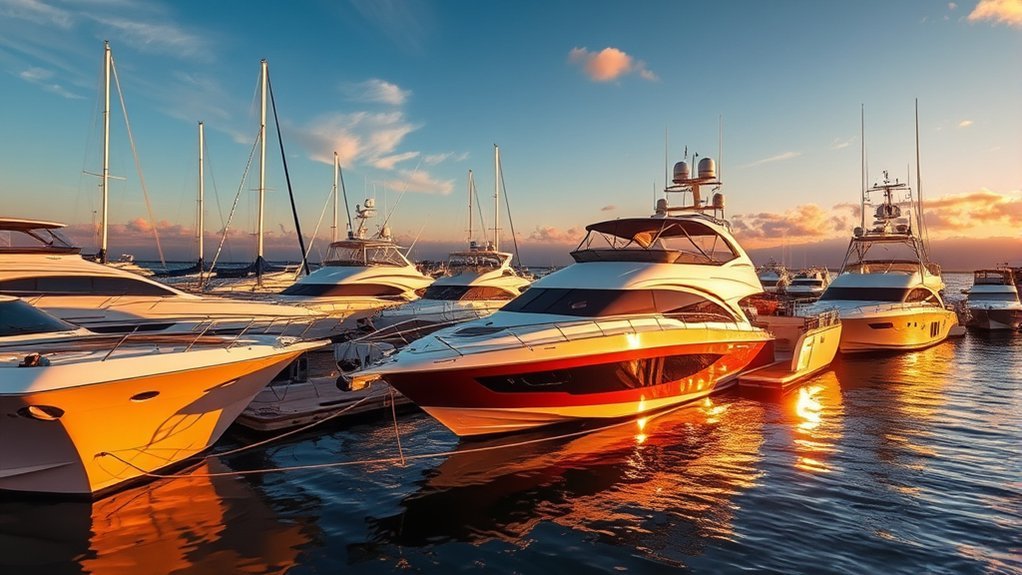
Fishing boat prices vary dramatically because a bare aluminum hull, a complete boat-motor-trailer package, and a large offshore fishing boat are very different purchases. As of September 22, 2026, a basic utility jon boat can start in the low thousands, complete entry-level fishing packages commonly move into the mid-five figures, and offshore center consoles can reach well into six figures. Large premium sportfishing boats can cost substantially more.
The most useful number is the complete out-the-door cost, not the advertised starting price. Compare the boat, engine, trailer, required equipment, freight, dealer preparation, taxes, registration, insurance, storage, fuel, maintenance, and financing before deciding what you can afford.
Last updated: September 22, 2026. Pricing examples were refreshed using current manufacturer listings and current U.S. boating-market data.
Quick Answer
For 2026 budgeting, expect roughly $1,000–$10,000+ for basic utility or jon-boat hulls, about $15,000–$30,000 for many entry fishing packages, roughly $25,000–$70,000+ for more equipped aluminum or multispecies boats, and about $70,000 to several hundred thousand dollars for many offshore center consoles. Premium sportfishing boats can move far beyond those ranges. Always check what the advertised price actually includes.
Key Takeaways
- A bare hull price is not directly comparable with a boat-motor-trailer package.
- Engine size, trailer inclusion, electronics, trolling motors, batteries, fishing systems, and dealer-installed options create major price differences.
- Set three budgets before shopping: your purchase ceiling, your day-one setup budget, and your recurring ownership budget.
- Used boats can lower the entry cost, but engine health, hull condition, trailer condition, corrosion, wiring, batteries, and electronics need careful inspection.
- Ask every dealer for a written out-the-door quote so you can compare complete costs instead of advertised starting prices.
Overview of Fishing Boat Prices in 2026
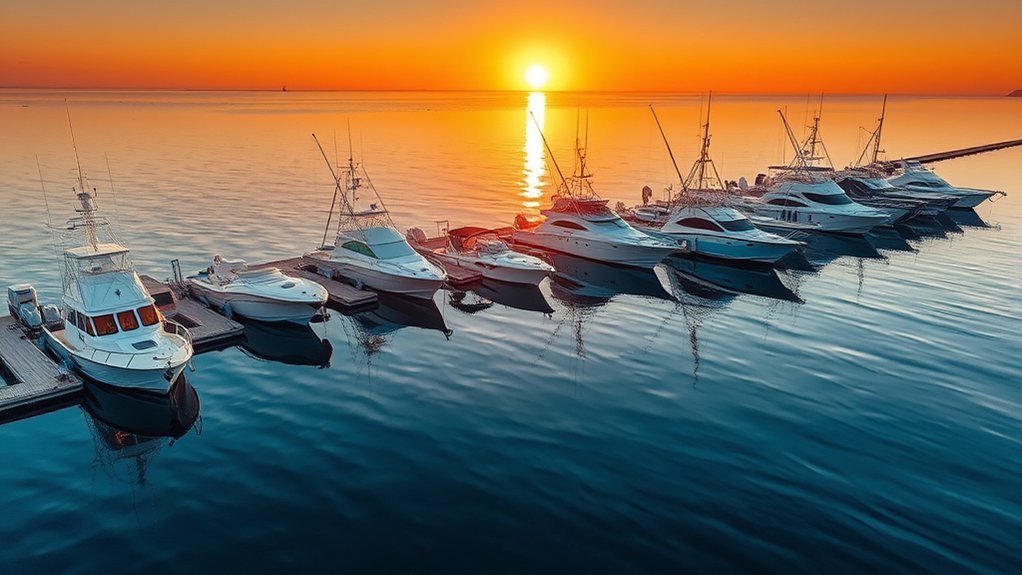
Current pricing shows why there is no useful single “average fishing boat price.” Smoker Craft currently lists its basic Jon utility line from about $1,300, while its more equipped fishing models move well into five figures.
Complete packages cost more because the motor and trailer may already be included. Crestliner, for example, currently advertises several complete boat-motor-trailer packages below $20,000, with listed starting prices around $16,715 to $19,250 before freight, preparation, taxes, registration, and options.
Saltwater and offshore-capable boats move higher quickly. The 2026 MAKO 214 CC has a $72,995 base price with a Mercury 150 XL FourStroke, while its optional trailer and other charges are extra. Larger offshore center consoles can move well into six figures depending on length, engines, electronics, rigging, and dealer-installed equipment.
The important comparison is therefore not “Boat A costs $20,000 and Boat B costs $70,000.” First determine whether each number represents a hull, a hull-and-engine combination, or a complete boat-motor-trailer package.
Fishing Boat Price Ranges at a Glance
| Boat Category | 2026 Planning Range | What to Check |
| Basic jon and utility hulls | Roughly $1,000 to $10,000+ | Motor, trailer, fuel tank, battery, seats and safety equipment may be separate. |
| Entry fishing packages | Roughly $15,000 to $30,000 | Confirm whether boat, outboard and trailer are all included and whether freight and prep are extra. |
| Equipped aluminum, bass and multispecies boats | Roughly $25,000 to $70,000+ | Compare horsepower, trolling motor, fish finder, livewell, batteries, storage and trailer equipment. |
| Offshore center consoles | About $70,000 to $300,000+ | Engine count, horsepower, trailer, electronics, fuel capacity, hardtop and offshore equipment can move the price sharply. |
| Premium sportfishing vessels | Hundreds of thousands to several million dollars | Multiple engines, cabins, generators, stabilization, navigation systems, marina costs and professional service can dominate the budget. |
These are planning ranges rather than universal MSRPs. Brand, size, configuration, model year, location and whether the motor or trailer is included can change the number substantially.
What Determines the Cost of a Fishing Boat?
Engine package: Horsepower is one of the biggest price drivers. Moving from a small tiller outboard to a large single, twin or triple-engine offshore setup raises purchase price, fuel consumption, maintenance needs and potentially insurance costs.
Hull and construction: Small aluminum boats are generally lighter and simpler than large fiberglass offshore boats. Construction method, hull shape, size, finish and structural requirements all affect cost.
Fishing equipment: Trolling motors, sonar, chartplotters, radar, livewells, shallow-water anchors, rod storage, electric-reel outlets, battery systems and upgraded seating can add thousands of dollars to a build.
Trailer and towing equipment: Some packages include a trailer; others do not. Larger boats may require tandem or triple axles, trailer brakes, heavier tires and a more capable tow vehicle.
Freight and dealer preparation: A manufacturer’s advertised base price may exclude destination, rigging, preparation, documentation, taxes and registration. Those items can make two apparently similar offers very different at signing.
Location and storage: A trailerable freshwater boat stored at home has a different cost profile from a saltwater boat kept in a marina. Slip fees, haul-outs, bottom maintenance, corrosion control and winter storage vary widely by region.
Best comparison method: Ask every seller for a written out-the-door quote showing the boat, engine, trailer, options, freight, preparation, documentation fees, taxes and registration separately.
Entry-Level Fishing Boats
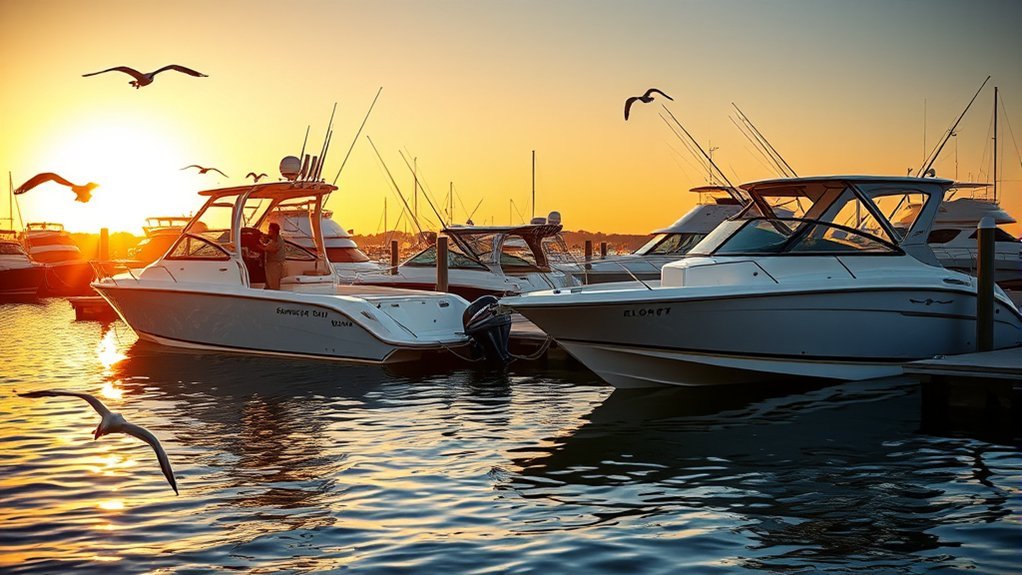
Entry-level boats make the most sense when you fish protected lakes, ponds, rivers or other water where you do not need the size, fuel capacity or offshore capability of a larger boat. The cheapest option is often a bare aluminum utility hull, but a bare hull may still need an outboard, fuel system, trailer, battery, seats and safety equipment before it is ready for regular use.
What You Get at Entry-Level Prices
Current manufacturer pricing shows the difference between hull-only and complete-package shopping. Smoker Craft’s Jon utility line currently starts around $1,300, while Crestliner advertises several complete boat-motor-trailer packages below $20,000.
That does not mean the higher-priced package is poor value. A package may already include several items you would otherwise need to buy and rig separately. Compare every offer line by line.
- Bare utility hull: Lowest purchase price, but usually requires more equipment before use.
- Basic powered package: Adds an outboard and may include a trailer.
- Fishing-ready package: May add trolling motor, fish finder, livewell, battery system and purpose-built storage.
- Family-oriented package: Adds seating, boarding features, storage and comfort equipment beyond the basic fishing setup.
Which Features Are Worth Paying For?
Prioritize features that match the way you actually fish. A bass angler may value a large casting deck, trolling motor, livewell and rod storage. A multispecies angler may care more about deeper freeboard, flexible seating and rough-water capability. Someone fishing small protected water may prefer a lighter boat that is easier to launch, tow and store.
Do not pay for horsepower simply because it is available. Check the manufacturer’s maximum horsepower rating and choose an engine package that fits your load, water conditions and expected use.
Who Should Buy an Entry-Level Boat?
An entry-level boat is a strong fit for a first-time owner who fishes local water, wants straightforward towing and storage, and does not need long offshore range. It can also be a practical second boat for shallow water or small lakes.
Before buying, load the boat mentally with real passengers, batteries, fuel, coolers, tackle and safety equipment. A setup that looks spacious in a showroom can become crowded quickly.
Mid-Range Fishing Boats
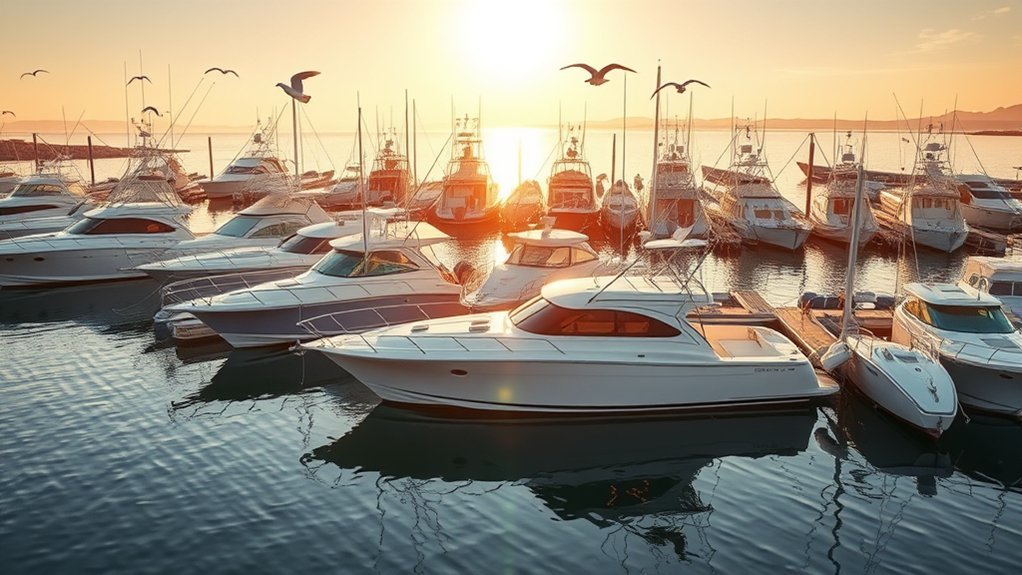
Mid-range fishing boats generally add stronger power, more deck space, better seating, larger livewells, rod storage, integrated electronics and more flexible layouts. Current manufacturer pricing illustrates this step up: Smoker Craft lists models such as the Pro Lodge from about $27,985 and Sportsman from about $30,327, while larger models move beyond $40,000 and $50,000.
This range often suits anglers who fish regularly, carry several people, travel farther from the ramp or want the boat to serve both fishing and family duties.
Compare these decision factors rather than choosing by price alone:
- Maximum and included engine horsepower
- Boat-only versus complete package pricing
- Trailer type and brakes
- Trolling-motor voltage and batteries
- Sonar and navigation electronics
- Livewell size and location
- Rod and tackle storage
- Fuel capacity and expected range
- Passenger capacity and usable deck space
High-End Fishing Vessels

Offshore fishing boats become expensive quickly because size is only one part of the equation. Larger hulls may carry twin, triple or quadruple outboards, hundreds of gallons of fuel, radar, multiple multifunction displays, large livewells, fish boxes, generators, air conditioning and complex electrical systems.
The 2026 MAKO 214 CC demonstrates the lower edge of this offshore step-up at a $72,995 base price with a Mercury 150 XL FourStroke, excluding the optional trailer. Larger current offshore center-console listings can exceed $300,000, while premium center consoles and sportfishing yachts can reach much higher figures.
What Drives Premium Boat Prices?
- Multiple high-horsepower engines
- Large fuel and water capacity
- Radar, sonar, autopilot and multiple navigation displays
- Gyro stabilization and generators on larger vessels
- Climate-controlled cabins and overnight accommodations
- Large livewells, fish boxes, outriggers and electric-reel systems
- Premium upholstery, helm seating and entertainment systems
- More complex plumbing, electrical and mechanical systems
These features also increase operating costs. Fuel, marina storage, haul-outs, insurance, engine service and system maintenance can become major annual expenses.
Performance Specifications to Compare
Horsepower alone does not tell you how useful a boat will be. Compare loaded performance, fuel capacity, usable range, hull design, deadrise, passenger capacity, draft and the manufacturer’s maximum weight limits.
The Robalo R300, for example, is rated at 600 total horsepower in current specifications. Boston Whaler lists the 365 Conquest at up to 1,275 horsepower with a 410-gallon fuel capacity. Formula’s 457 CCF is offered with triple 600-hp Mercury V12 outboards. Those numbers show how quickly power, fuel capacity and mechanical complexity increase as boats move into serious offshore use.
Is It Better to Buy a New or Used Fishing Boat?
A new boat usually gives you current equipment, manufacturer warranty coverage, easier configuration choices and fewer unknowns. A used boat can cost less and may already include electronics, trolling motors, batteries, anchors, covers and other accessories.
The used market is important rather than marginal. According to the National Marine Manufacturers Association, pre-owned boats represented 79.7% of total U.S. boat unit sales in 2025.
Condition matters more than a low asking price. The BoatUS boat-evaluation checklist recommends checking the hull, signs of corrosion or previous repairs, steering, engine, electrical equipment, batteries, bilge systems and other operating gear and conducting a sea trial.
For a larger or expensive used boat, a professional marine survey and separate engine inspection can uncover problems that are difficult to identify from a listing or short dockside visit.
Warning: Never evaluate a used boat from photos alone. Inspect it in person, review maintenance records, test the engine and systems, and sea-trial it when practical.
What Extra Costs Come With a Fishing Boat?
The purchase price is only the first layer. Discover Boating recommends budgeting for both upfront and recurring ownership expenses.
A simple way to organize the budget is to separate it into three buckets:
| Budget | Include |
| 1. Purchase ceiling | Boat, motor, trailer, dealer fees, freight, preparation, tax, title and registration |
| 2. Day-one setup | Life jackets, fire extinguisher, anchor, dock lines, batteries, charger, cover, electronics and fishing equipment |
| 3. Ownership budget | Insurance, fuel, storage or marina fees, routine service, trailer maintenance, repairs, winterization and registration renewals |
This method prevents a common mistake: spending the entire budget on the boat and then discovering that there is not enough left for the equipment, storage or maintenance needed to use it safely.
How Does Financing Change the Real Cost?
A low monthly payment does not necessarily mean a low-cost boat. Longer loan terms can reduce the monthly payment while increasing the total interest paid.
Before signing, compare the purchase price, down payment, amount financed, APR, loan term, monthly payment and total of payments. Ask whether accessories, warranties or dealer products are being added to the financed amount.
If two dealers advertise the same monthly payment, their deals can still have very different total costs because the APR, term, down payment and fees may differ.
What Is Happening in the Fishing-Boat Market?
Fishing remains one of the largest parts of the U.S. recreational-boat market. NMMA reported that fishing boats led new U.S. boat categories in 2025 with 77,434 units sold. It also reported that overall new-boat retail unit sales softened during 2025, while freshwater fishing boats were comparatively resilient.
That matters to buyers because dealer inventory, incentives, financing conditions and regional demand can influence the actual transaction price. A national MSRP is therefore a useful starting point, not a substitute for local written quotes.
How to Compare Fishing Boats Before You Buy

- Define where you fish. Protected freshwater, shallow rivers, large lakes, bays and offshore water require different hulls and equipment.
- Set all three budgets. Decide your maximum purchase price, day-one setup allowance and recurring ownership budget.
- Compare complete packages. Confirm whether the engine, trailer, batteries, electronics and trolling motor are included.
- Check towing requirements. Include the boat, motor, trailer, fuel, batteries and gear when estimating loaded trailer weight.
- Inspect and sea-trial. This is especially important with a used boat.
- Compare written out-the-door quotes. Separate the boat price from freight, prep, taxes, documentation and optional equipment.
- Read warranty details. Check coverage periods, exclusions, service requirements and transfer rules.
- Review financing by total cost. Compare APR, term and total interest instead of choosing by monthly payment alone.
Also check the boat’s capacity information before loading passengers, gear or a larger engine. U.S. Coast Guard capacity information can include maximum weight, passenger capacity and, where applicable, maximum horsepower. Never exceed the manufacturer’s limits.
Pro Tip: Bring your normal rods, tackle boxes, coolers and other bulky gear when you inspect a boat. Storage that looks generous in an empty showroom can feel very different after your real equipment is aboard.
Related Guides
Frequently Asked Questions
How much does a fishing boat cost in 2026?
A basic utility or jon-boat hull can start in the low thousands, while complete entry-level fishing packages commonly move into the mid-five figures. More equipped aluminum and multispecies boats often cost tens of thousands, and offshore center consoles can reach $70,000 to $300,000 or more. Premium sportfishing vessels can cost far more.
What is the cheapest type of fishing boat?
A small aluminum jon or utility boat is usually one of the cheapest powered-boat starting points. The advertised hull price may not include an outboard, trailer, battery, fuel system, seats or fishing equipment, so compare the complete setup cost.
Does a fishing boat price include the motor and trailer?
Sometimes, but not always. Some manufacturers advertise bare hulls, others quote boat-and-motor combinations, and some sell complete boat-motor-trailer packages. Check the listing carefully and ask for a written breakdown before comparing prices.
Is a used fishing boat cheaper than a new one?
A used boat usually has a lower purchase price and may already include valuable accessories. Condition can erase the savings, so inspect the hull, engine, steering, wiring, batteries, trailer and electronics, review service records and use a professional survey or engine inspection for higher-value boats.
What extra costs should I budget for after buying a fishing boat?
Budget for insurance, fuel, storage or marina fees, maintenance, repairs, registration, trailer service and seasonal preparation. You may also need safety equipment, batteries, chargers, electronics, covers, anchors, dock lines and fishing equipment immediately after purchase.
What should I check before buying a used fishing boat?
Inspect the hull, transom, deck, signs of corrosion or past repairs, engine, steering, wiring, batteries, bilge pumps, trailer, tires and electronics. Review maintenance records and conduct a sea trial when practical. For larger purchases, consider a professional marine survey and separate engine inspection.
Conclusion
Fishing boat prices in 2026 range from inexpensive bare aluminum hulls to high-end offshore and sportfishing boats costing hundreds of thousands or more. The sticker price alone does not tell you what the boat will really cost.
Start by deciding where and how you fish. Then compare complete boat-motor-trailer packages, build a day-one equipment budget, estimate recurring ownership expenses, inspect the boat carefully and request a written out-the-door quote.
The best-value boat is the one that safely handles your water, passengers and fishing style while leaving enough room in the budget to operate, maintain and store it properly.